Hear from Our Customers
A dry basement in a Villanova estate home is not just about comfort. It is about protecting a property that, at $1.3 million on average, cannot afford to absorb years of quiet structural damage. When water stops getting in, the foundation stops deteriorating, the mold stops spreading, and the air quality in the rest of your home stops being affected by what is happening two floors below.
Villanova’s housing stock is older than most people realize. Many of the estate homes along County Line Road and the corridors off Spring Mill Road were built in the early to mid-1900s, with stone or early-era concrete foundations that were never designed with modern waterproofing membranes or drainage systems in mind. Those foundations have been holding back water for decades — sometimes successfully, sometimes not. When they start failing, the signs are subtle at first: a faint musty smell, a damp corner after heavy rain, efflorescence creeping up the wall. Left alone, those signs turn into real problems.
Radnor Township has publicly acknowledged a $10 million backlog in stormwater infrastructure improvements, including systems beyond their design life. When the township’s stormwater system gets overwhelmed during a summer storm on the Main Line, your basement should not be the overflow valve. A properly waterproofed foundation means you are not at the mercy of aging infrastructure every time the sky opens up.
We have been working on southeastern Pennsylvania properties for over twenty years, with deep experience on the older Main Line homes that define Villanova and the surrounding area. Stone foundations, original footer drains, basements that have seen a century of freeze-thaw cycles and spring runoff — this is not a company that learned on your property. The experience was built long before we showed up at your door.
What makes us different from the single-trade waterproofing companies you will find in a Google search is the scope of what we handle under one roof. Waterproofing, mold testing, mold remediation, certified lead inspection — all of it. In a pre-1978 Villanova home, those services frequently belong in the same conversation. Having one certified team handle all of it means nothing gets missed and nothing gets blamed on the other contractor.
We serve both Delaware County and Montgomery County, which matters in Villanova specifically because the community straddles Radnor Township and Lower Merion Township. Both sides of that county line are covered, and both sets of local requirements are understood.
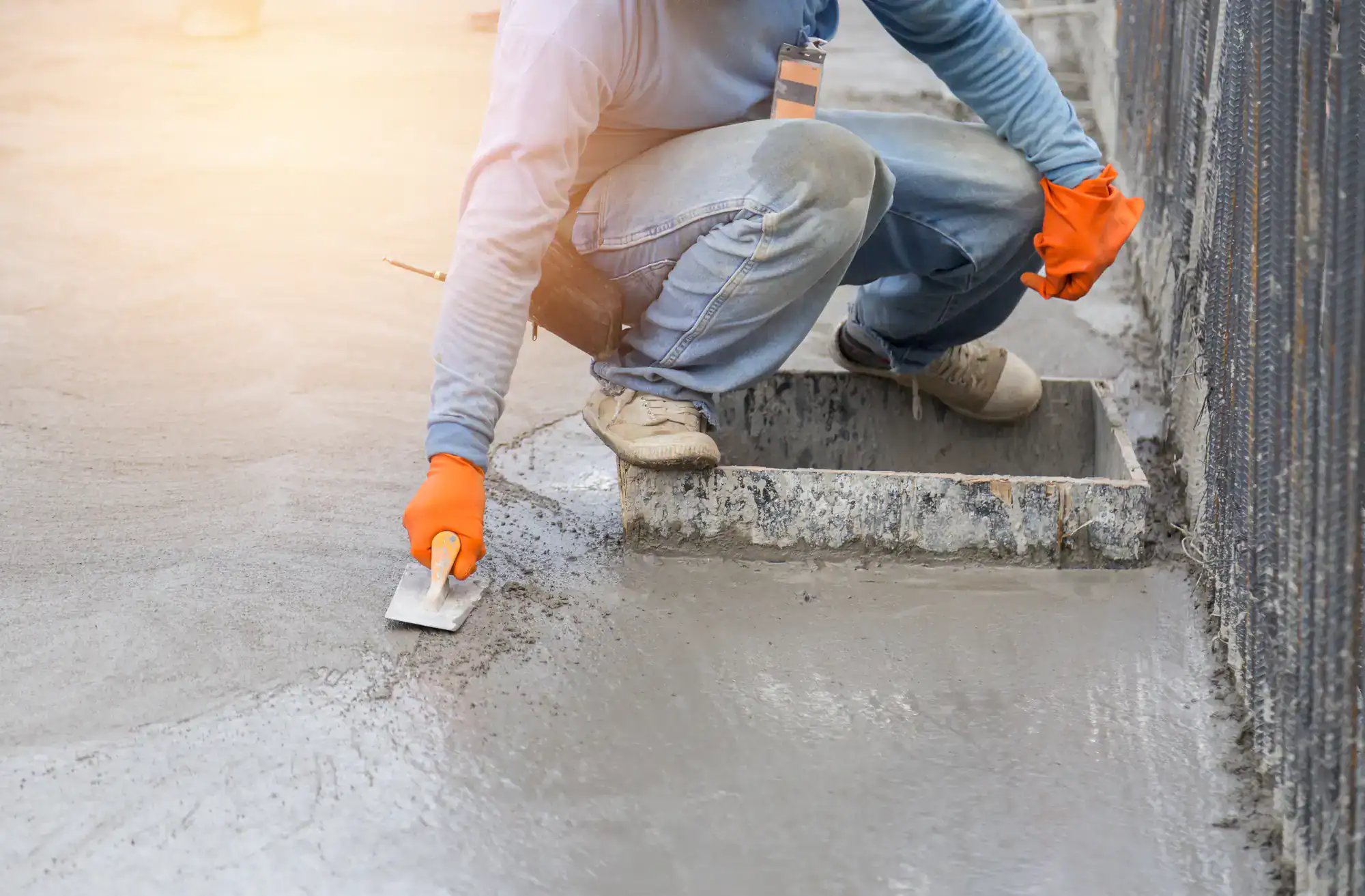
It starts with a free estimate and a real assessment of your foundation. Not a sales pitch dressed up as an inspection — an actual evaluation of where the water is coming from, how it is getting in, and what it will take to stop it permanently. In Villanova, that often means looking at older stone or poured concrete foundations on sloped lots where surface drainage migrates toward the house. The source of the problem matters more than the symptom, and that is where the assessment focuses.
From there, the recommended approach is explained clearly. Interior drainage systems, sump pump installation, exterior waterproofing, crack injection, or a combination — whatever the foundation actually needs. If the scope of work requires a permit in Radnor Township or Lower Merion Township, that gets addressed upfront. Radnor Township requires all contractors to be licensed with the township, and we meet that requirement. You are not left to figure out the permitting side on your own.
Once work begins, we use HEPA filtration throughout the job. In older Villanova homes where basement work can disturb decades of accumulated dust, mold spores, or lead paint particles, that is not optional — it is standard practice on every project. When the work is done, you get a dry foundation and a clear picture of what was done and why.
Ready to get started?
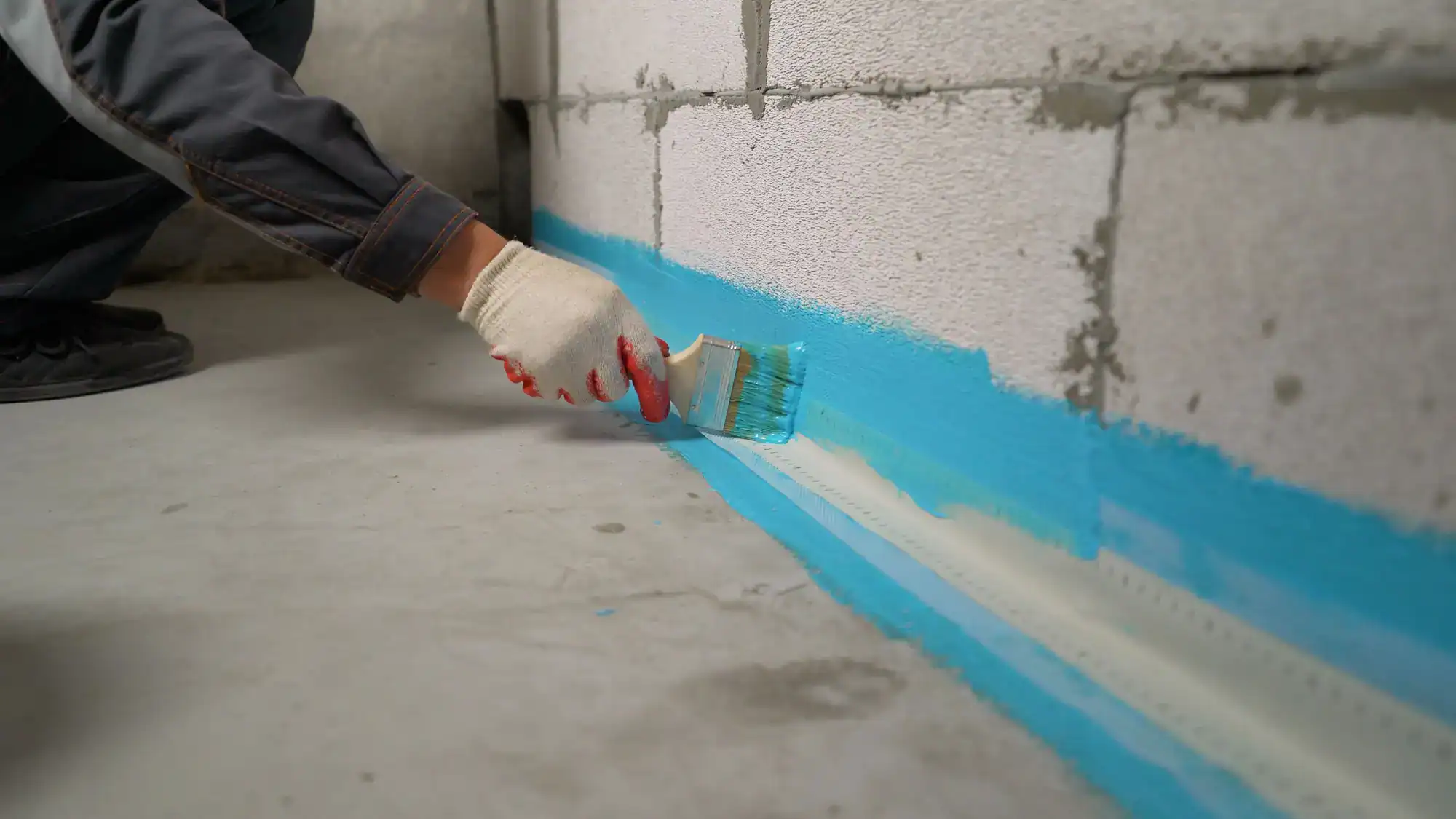
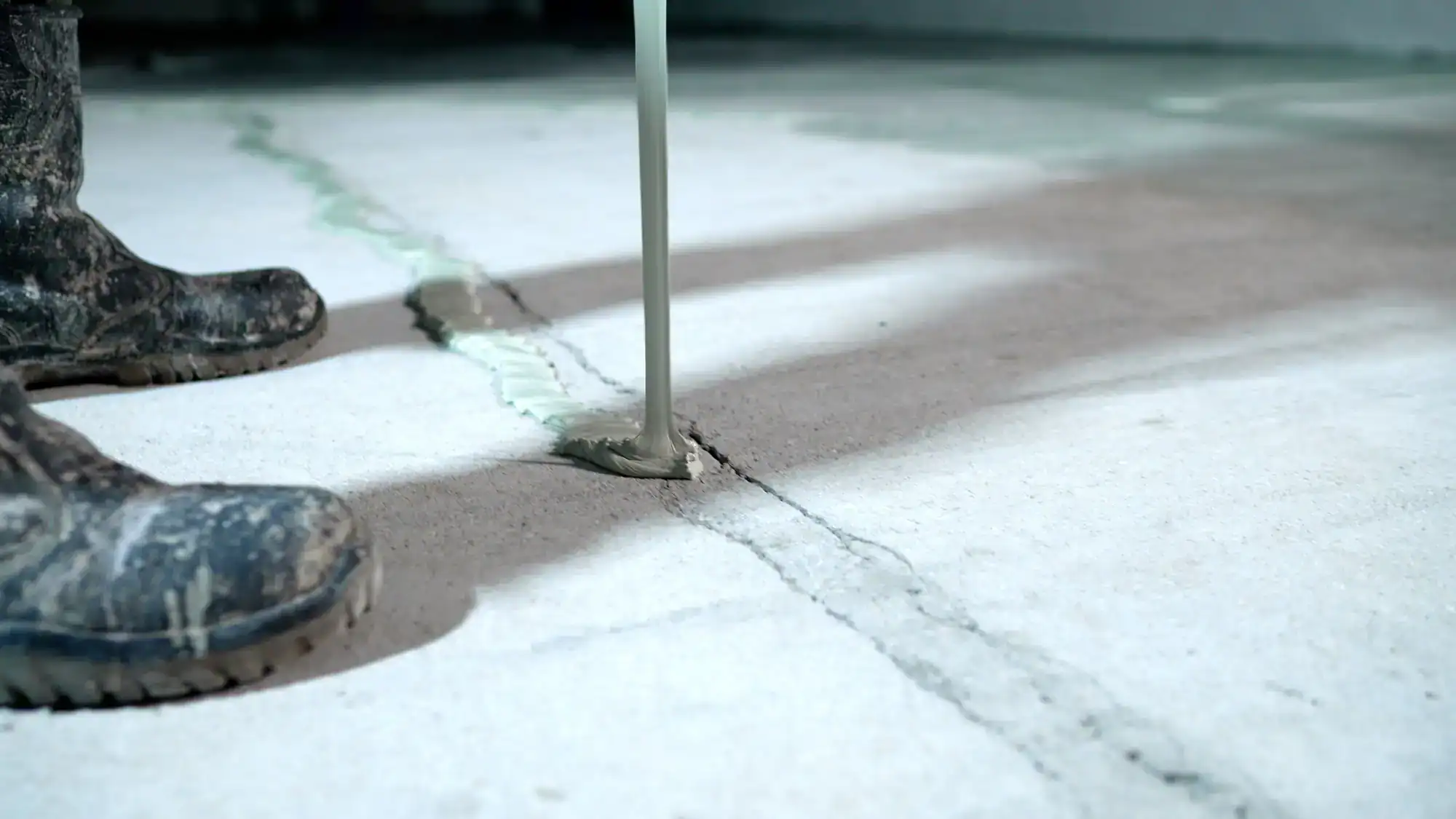
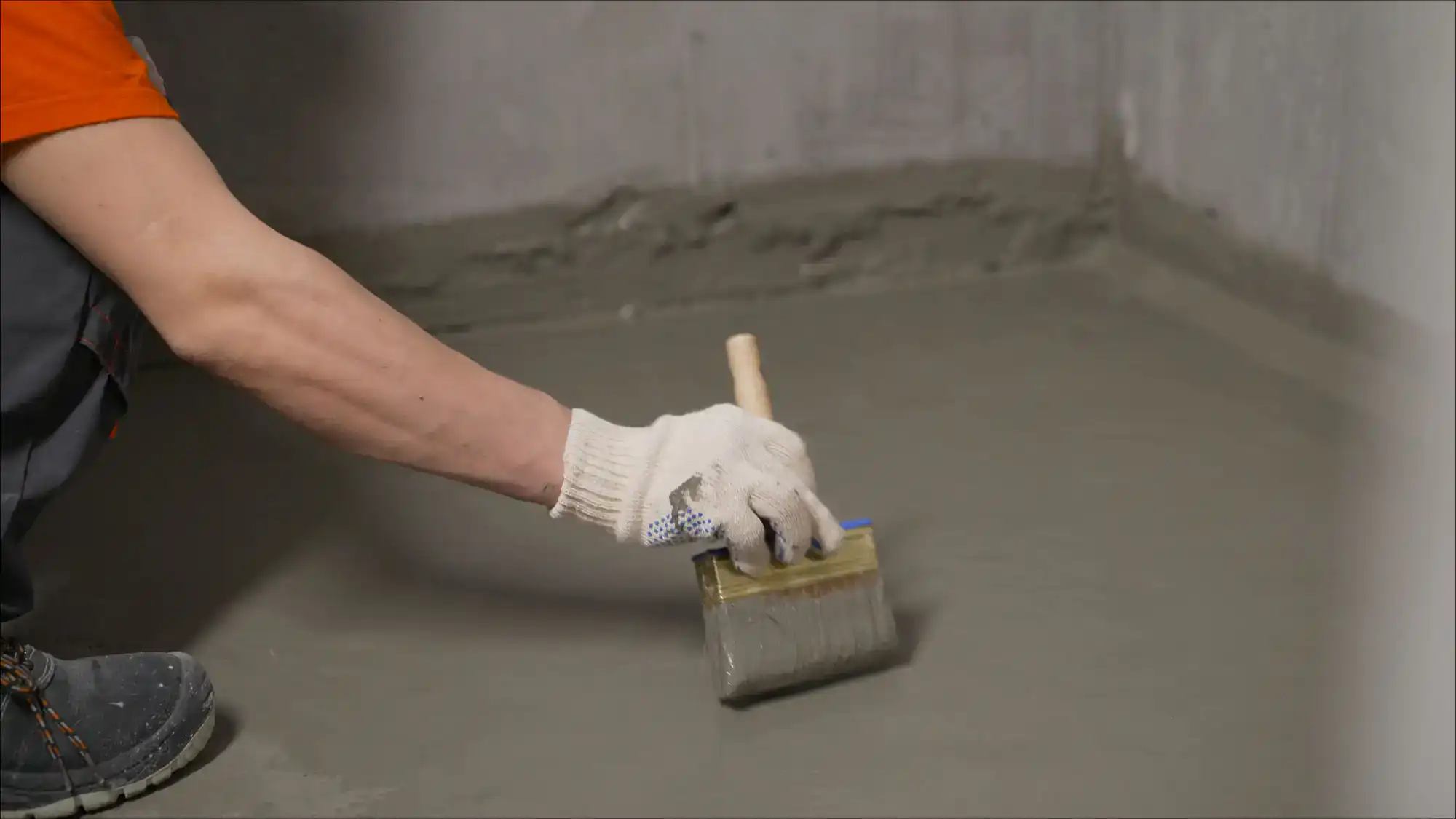
Our basement waterproofing covers the full scope of what older Villanova homes typically need. Interior drainage systems and sump pump installation for foundations dealing with hydrostatic pressure from the clay-heavy soils common throughout the Main Line. Exterior waterproofing and excavation for foundations where the problem needs to be addressed at the source. Crack injection and basement sealing for targeted intrusion points. The approach is built around your specific foundation — not a package designed for a 1990s subdivision.
Because we are also a certified mold remediation and lead inspection provider, the work does not stop at waterproofing if there is more to address. In a home built before 1978 — which describes most of Villanova’s residential stock — a wet basement has often created conditions for mold growth, and original paint in basement areas may contain lead. Handling all of that in a single project, with one licensed and insured team, is cleaner, faster, and significantly less complicated than coordinating between multiple contractors.
We offer emergency response service for situations that cannot wait. If a storm rolls through the Main Line and your basement takes on water at 10 PM, the phone gets answered. Free estimates are available for all projects, and cash discounts apply on qualifying work. The goal is a permanent fix — not a surface treatment that sends you back to searching for a waterproofing company in two years.

The most common reason older Villanova basements flood after rain is hydrostatic pressure — water saturating the soil around your foundation and forcing its way through any available crack, joint, or porous surface. Villanova sits on soils with significant clay content in many areas, and clay holds water rather than letting it drain away. When you combine that with sloped lots, aging original footer drains, and stone or early concrete foundations that were never waterproofed to modern standards, the conditions for repeated flooding are already built in.
There is also a municipal infrastructure factor worth understanding. Radnor Township has publicly documented stormwater systems that are beyond their expected design life, with a known backlog of capital improvements. During heavy rain events, those systems get overwhelmed, and the excess water finds its way toward older foundations. Gutter maintenance and surface grading help at the margins, but they do not solve the underlying pressure problem. A properly installed interior drainage system or exterior waterproofing solution addresses the root cause rather than managing the symptoms.
The honest answer is that it depends on what your foundation actually needs, and that varies significantly in Villanova because of the age and variety of the housing stock. A targeted crack injection or interior sump pump installation on a smaller foundation might run $2,000 to $5,000. A full interior perimeter drainage system with dual sump pumps — the kind of solution documented in larger Villanova estate homes — typically ranges from $8,000 to $15,000 or more. Exterior waterproofing involving excavation around a large foundation will generally cost more than interior work.
What drives cost in this area specifically is the age and construction type of the foundation. Stone foundations from the early 1900s require different techniques than poured concrete from the 1960s, and the labor involved in working around older materials is more involved. The best way to get an accurate number for your property is a free on-site estimate, which we provide without any obligation. Cash discounts are available on qualifying projects, which can meaningfully reduce the final cost.
It depends on the scope of work, and it also depends on which side of the county line your Villanova property sits on — because Villanova straddles both Radnor Township in Delaware County and Lower Merion Township in Montgomery County. Both townships have their own permitting requirements, and they are not identical.
In Radnor Township, most construction work requires a permit, and all contractors must be licensed with the township to perform permitted work. Interior drainage systems and sump pump installations may or may not require a permit depending on scope, but exterior waterproofing involving excavation almost certainly will. Lower Merion Township has its own stormwater management regulations that govern drainage modifications, particularly if work affects how water flows off your property. As a general rule, if you are unsure, check with your applicable township before work begins. We are familiar with both jurisdictions and can help you understand what is required for your specific project before the estimate is finalized.
Yes, significantly. Homes built in the 1930s on the Main Line were typically constructed with stone or early-era brick foundations, and in many cases the mortar joints holding those stones together have been deteriorating for decades. Water does not need a dramatic crack to get through — it works its way through weakened mortar joints, porous stone, and original footer drains that may be collapsed or completely non-functional after 90 years of service.
The waterproofing approach for a 1930s stone foundation is different from what you would apply to a 1980s poured concrete wall. It often involves addressing mortar joint deterioration, installing an interior drainage channel designed to work with the foundation’s natural behavior rather than fight it, and in some cases exterior excavation to apply a modern waterproofing membrane directly to the foundation wall. Because older homes of this era may also contain lead paint in basement areas, our certification as a Lead Inspector and Risk Assessor becomes directly relevant — any work that disturbs original surfaces should be handled by a contractor qualified to manage lead hazards properly.
The most common signs of basement mold are a persistent musty odor, visible dark spots or discoloration on walls or floor joists, and in some cases allergy-like symptoms in occupants that improve when they leave the house. You do not always see mold — it often grows behind finished walls, under flooring, or on the back side of insulation where moisture has been collecting for years without visible evidence.
The connection to water intrusion is direct. Mold needs moisture to grow, and a basement that has been taking on water — even intermittently — provides exactly the environment mold needs. In Villanova’s older estate homes, it is common for both problems to be present at the same time: an aging foundation letting water in, and years of accumulated moisture having created mold growth that is not immediately visible. We handle both in the same project. Waterproofing stops the moisture source; mold testing identifies what is present; remediation removes it properly. Addressing only one without the other leaves the underlying problem incomplete.
In most cases, yes — and the math is straightforward. Villanova homes regularly sell for $1 million, $2 million, and beyond. Buyers at those price points conduct thorough inspections, and a wet basement or evidence of past water intrusion is one of the most common findings that triggers either a price reduction request or a deal falling apart entirely. The cost of waterproofing before listing is almost always less than the negotiating leverage a buyer gains from an inspector’s report flagging foundation moisture.
There is also a timing consideration. Addressing the issue before listing means you control the narrative — you can disclose the work that was done and provide documentation of a permanent fix, rather than scrambling to respond to a buyer’s inspection contingency under contract pressure. We offer free estimates and faster turnaround than most larger waterproofing companies, which matters when you are working against a listing timeline. Getting the assessment done early in your pre-sale preparation gives you the most flexibility to act on it without affecting your schedule.
Other Services we provide in Villanova