Hear from Our Customers
Villanova sits on a county line. Literally. Depending on which side of that line your home falls on, your demolition project is governed by either Radnor Township in Delaware County or Lower Merion Township in Montgomery County — two separate permit systems, two different licensing requirements, two sets of inspectors. Most contractors don’t know this. Some find out mid-project. When you work with us, it’s already handled before the first wall comes down.
Then there’s the housing stock itself. Villanova’s median construction year is 1963, which means the majority of homes here were built before the federal lead paint ban and before asbestos was phased out of residential construction. That’s not a minor detail — it’s a legal and health reality that changes how every demolition and gutting project has to be managed. We test before anything is disturbed, certify what’s there, and remove it properly. You don’t have to coordinate a separate inspector, a separate abatement firm, and a separate demo crew. One company handles all of it.
The end result is a cleaner process, a cleaner site, and no surprises on the back end. No failed inspections because the permit was pulled in the wrong township. No liability because a non-certified crew disturbed lead paint in a pre-1978 home. Just a job done right, from the first assessment to the final debris removal.
We’ve been working on Main Line homes for over two decades. That means stone colonials, Tudor-style estates, mid-century ranches — the same era and style of construction that makes up most of Villanova’s residential landscape. We know what’s typically inside a 1958 home off Spring Mill Road before we open a single wall, and that experience shows up in faster timelines, more accurate estimates, and fewer surprises.
We’re based in Glenside, PA, roughly 10 miles from Villanova via I-476, and we serve both Delaware County and Montgomery County as active, established service areas — not as an afterthought. We’re fully licensed, bonded, and insured, and we hold EPA Certified Lead Inspector and Risk Assessor credentials, along with EPA/HUD compliance for pre-1978 housing. Those aren’t just credentials on a wall — they’re what legally qualifies us to do the work that most of Villanova’s homes actually require.
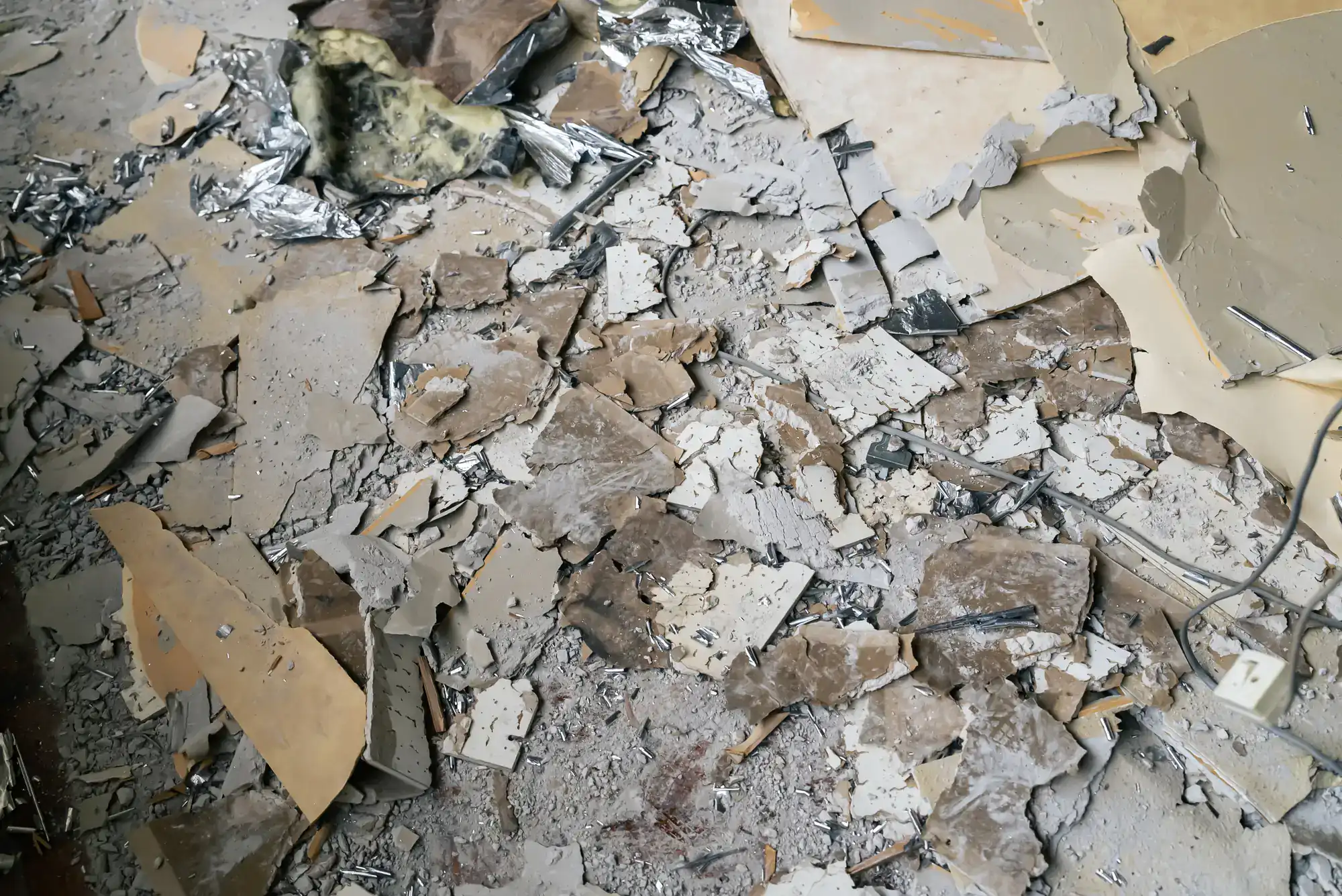
It starts with a free estimate and a real conversation about what you’re dealing with. Before any work begins, we assess the property for hazardous materials — lead paint, asbestos, mold — because in a Villanova home built before 1978, that step isn’t optional. It’s legally required, and skipping it creates liability that lands on you as the homeowner. We handle the testing, the certification, and the documentation.
From there, we pull the permit. If your property falls under Radnor Township’s jurisdiction, that means navigating their Community Development Department, meeting tree protection requirements under Chapter 263, and — something most homeowners don’t know — obtaining a Certificate of Extermination before the permit is issued. If you’re on the Lower Merion Township side, the process runs through a different department entirely. We know both systems and handle both without putting that burden on you.
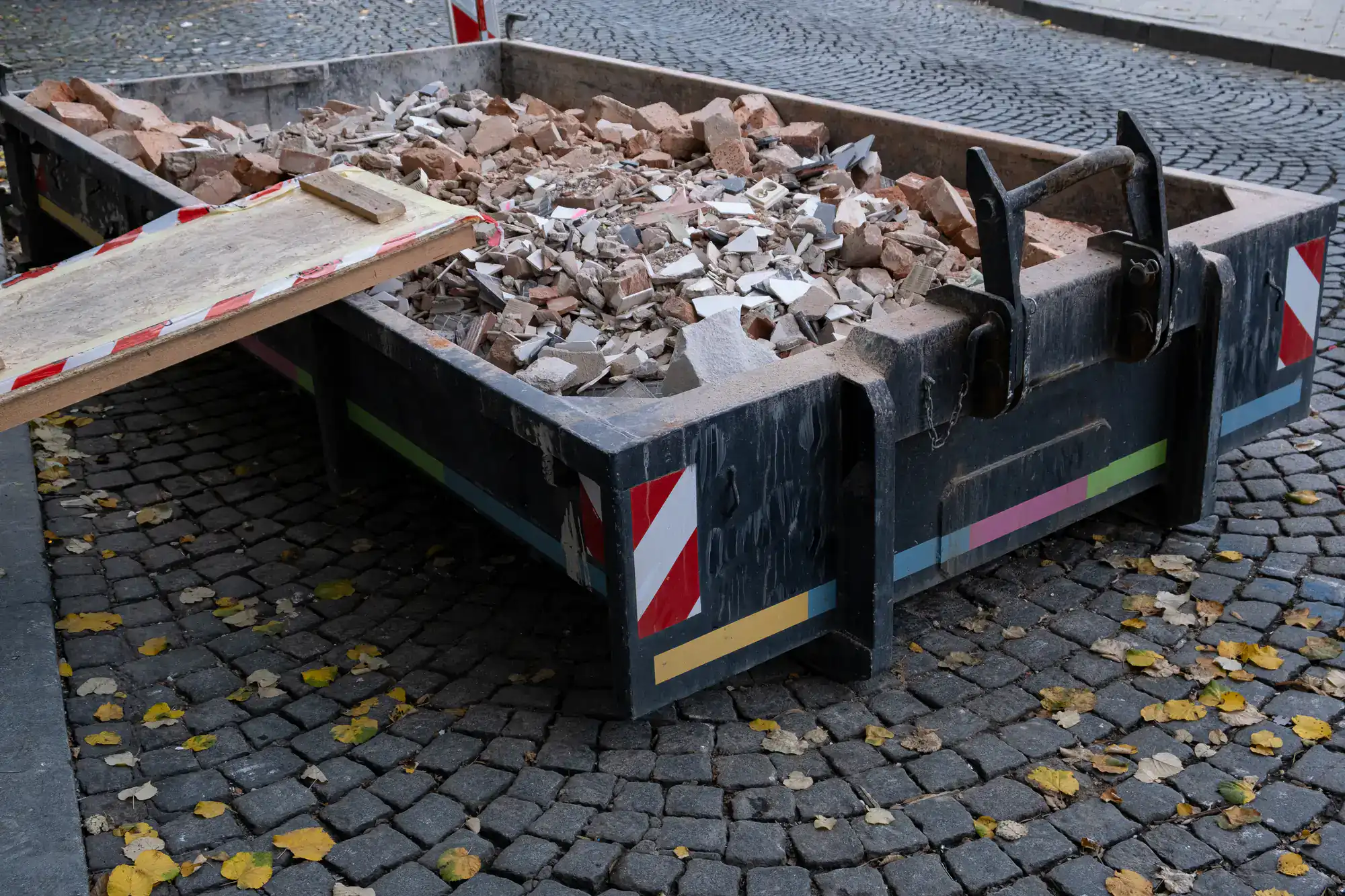
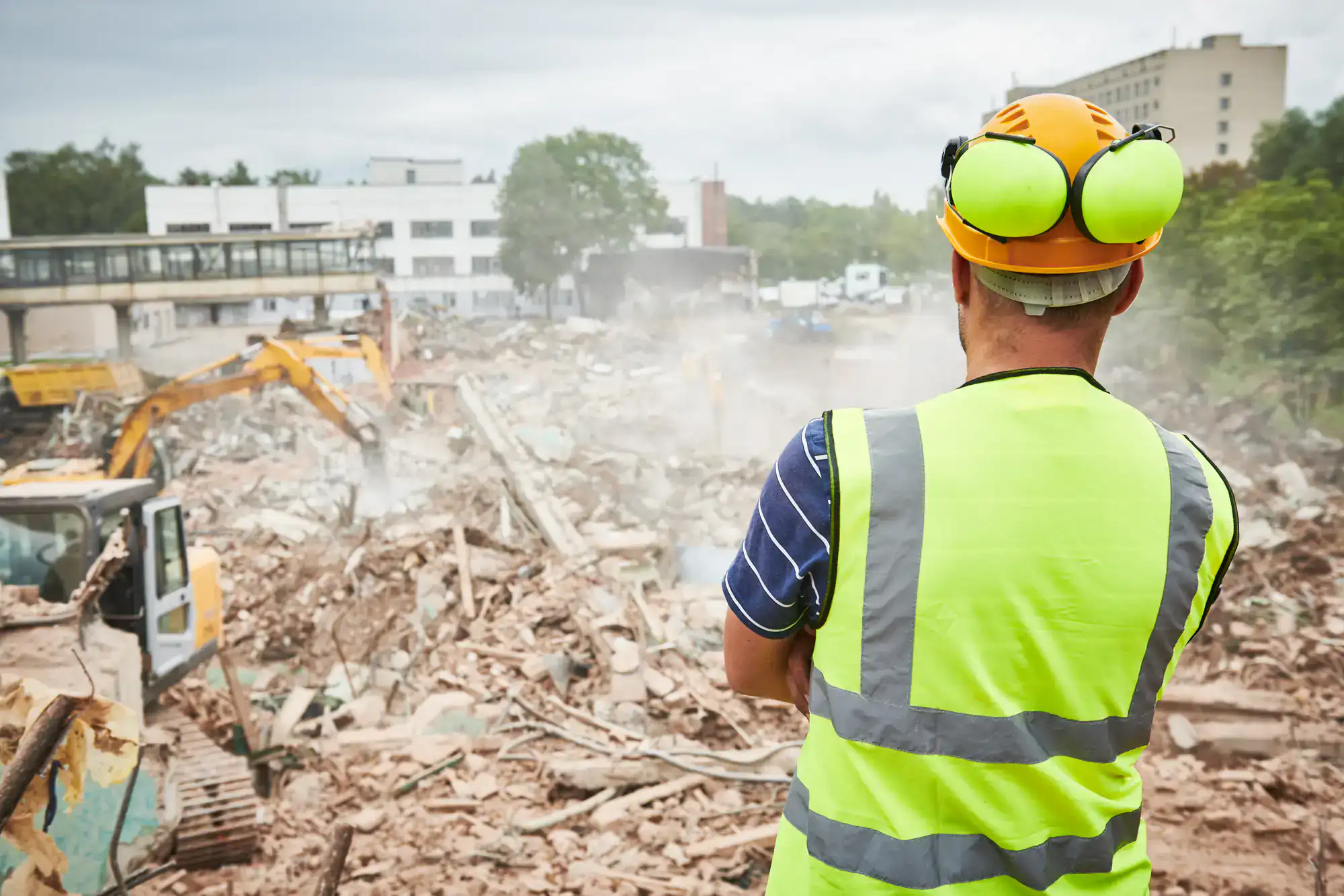
Once permits are in hand, the work begins. Interior demolition, full gutting, structural teardown — whatever the scope calls for. We use HEPA filtration and negative air containment during any abatement work to keep hazards contained to the work area. When the job is done, we handle construction debris removal and leave the site clean. You don’t manage multiple crews or chase down separate invoices. One call, one team, one finished job.
Ready to get started?
We handle the full scope of what a Villanova demolition project actually requires. That includes hazardous material testing and certification, asbestos and lead abatement, interior demolition and gutting, full structural teardown, waterproofing, construction debris removal, and site cleanup. Every service is performed by licensed, supervised crews using professional-grade equipment — including HEPA filtration systems that prevent airborne contaminants from spreading beyond the work area during abatement.
This matters more in Villanova than it does in newer communities. With roughly 12 percent of properties identified as at risk for severe flooding over the next 30 years, and a housing stock where a significant share of homes predate both the lead paint ban and the phaseout of asbestos in residential construction, the combination of water damage response and hazmat-aware demolition comes up constantly here. A burst pipe in a 1962 stone colonial off Lancaster Avenue isn’t just a water damage call — it’s often a mold assessment, a lead paint evaluation, and a gutting project rolled into one.
We’re also available 24 hours a day, 7 days a week for emergency response. If you’re dealing with sudden water damage or structural failure, you’re not leaving a voicemail and waiting until morning. Someone answers. We also offer free estimates and cash discounts — and because we’re one company handling every phase of the job, there are no handoff fees or coordination gaps between trades.
Yes — and the answer is more layered in Villanova than almost anywhere else on the Main Line. Because Villanova straddles the border of Radnor Township in Delaware County and Lower Merion Township in Montgomery County, which permit office handles your project depends entirely on which side of the county line your property sits on. Both townships require permits for demolition work, and both require that the contractor pulling the permit be licensed with that specific municipality.
In Radnor Township, the permit process runs through the Community Development Department and includes a few requirements most homeowners don’t anticipate — including compliance with tree protection provisions and a Certificate of Extermination, which is a termite and wood-destroying insect inspection that has to happen before the permit is issued. Lower Merion Township has its own process through their Building and Planning Department. We know both systems, handle the permit filing on your behalf, and make sure nothing gets missed before work begins.
If your home was built before 1978, the answer is yes — and in Villanova, that covers the majority of the housing stock. The median construction year here is 1963, which puts most homes squarely in the window where asbestos was commonly used in insulation, floor tiles, roofing materials, and pipe wrap. Homes built before 1940 — which account for roughly 12 percent of Villanova’s housing — are at the highest risk tier, where asbestos is almost certain to be present in multiple materials.
Federal EPA regulations require that any contractor working on a pre-1978 home hold EPA RRP certification at minimum. We go further than that. We hold Certified Lead Inspector and Risk Assessor credentials, which is a specific federal qualification that allows us to legally inspect, test, and certify lead conditions — not just remove them. We test before anything is disturbed, document what we find, and handle abatement under proper containment before demolition begins. That process protects your family, protects your property value, and keeps you on the right side of federal law.
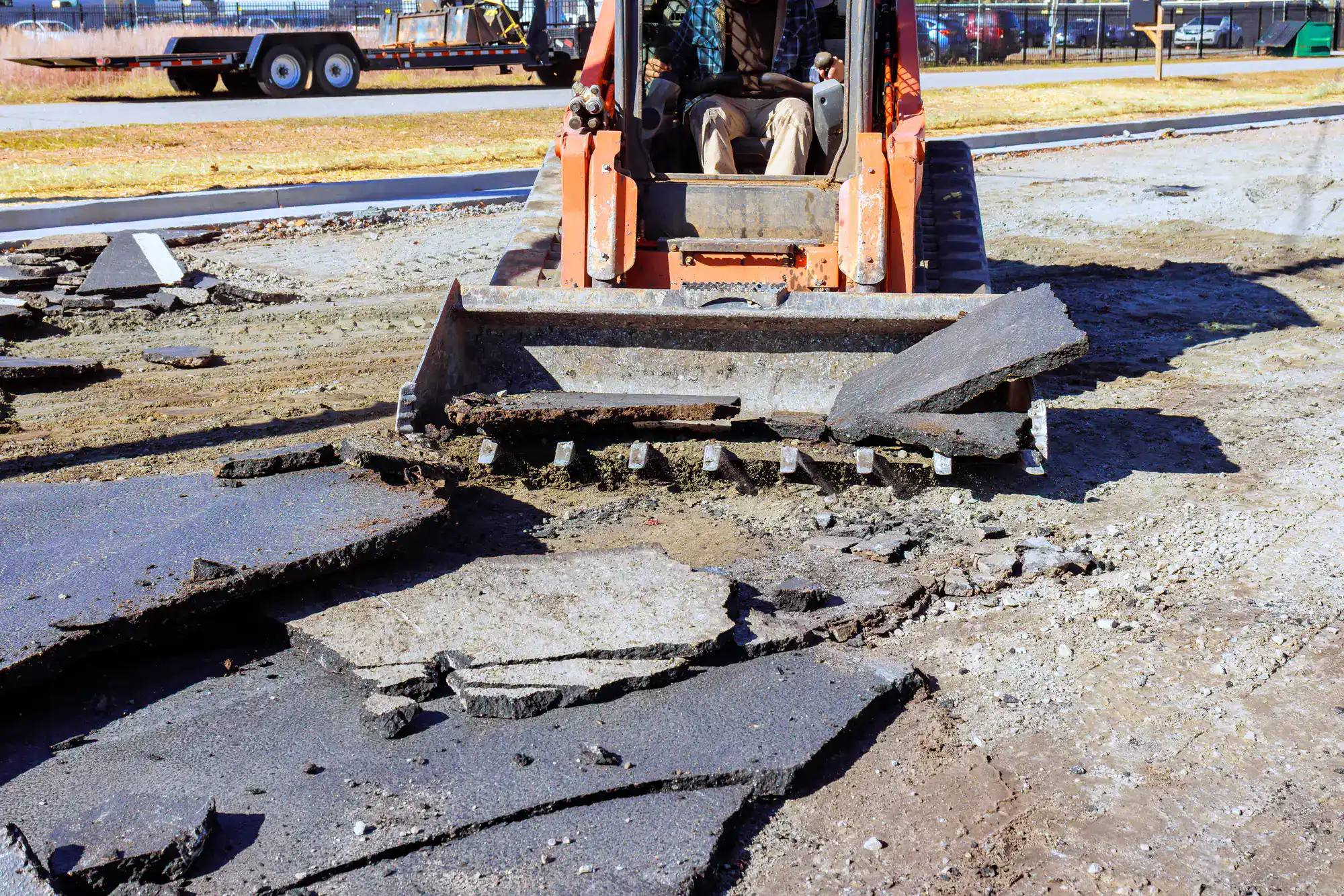
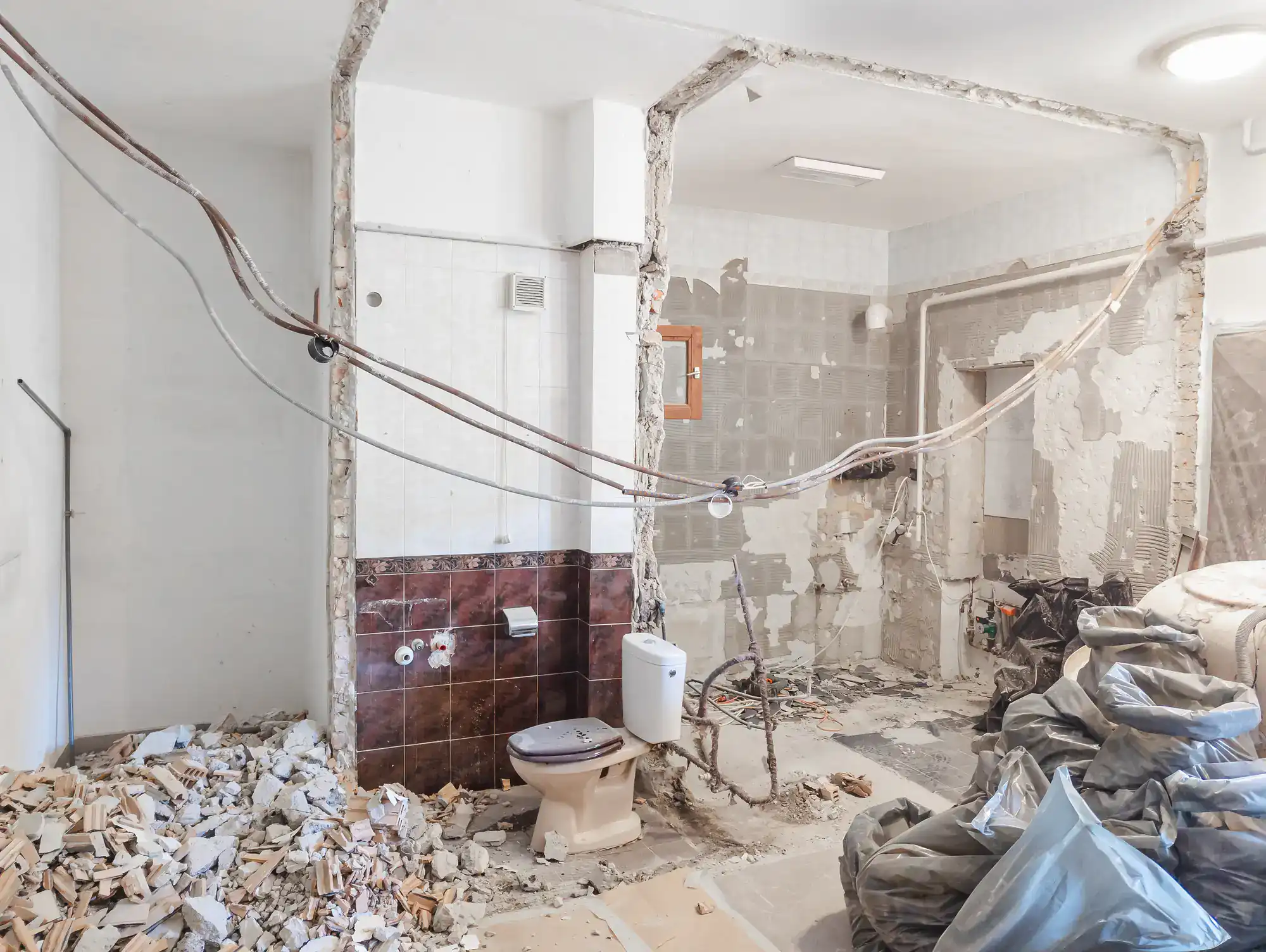
Gutting refers to selective interior demolition — removing damaged or outdated elements like drywall, flooring, insulation, cabinetry, or fixtures while leaving the structural frame of the building intact. It’s the first step in a major renovation or gut-rehab, and it’s extremely common in Villanova given the volume of older estate homes that buyers purchase and then fully renovate. Full demolition means taking the entire structure down to the foundation, which is what happens in a teardown-and-rebuild scenario.
Both require permits, both require hazmat assessment in pre-1978 homes, and both require a licensed contractor. The main practical difference is scope and timeline. A full interior gut of a large Villanova colonial might take a few days to a week depending on square footage and what’s found inside the walls. A full structural teardown is a larger, more complex operation that involves additional coordination with the township, utility disconnection, and more extensive debris removal. We handle both, and we’ll walk you through which approach makes sense for your specific situation during the free estimate.
Cost varies based on square footage, the scope of what’s being removed, and what hazardous materials are present — but for a large Villanova home, interior demolition projects typically run anywhere from a few thousand dollars for targeted gutting in a single area to well into five figures for a full-house gut-rehab on a 4,000-plus square foot colonial. The presence of asbestos or lead paint adds cost because abatement has to happen before demolition can proceed, and that work requires certified contractors and proper disposal.
What drives costs up unexpectedly is usually what gets discovered once walls are opened — hidden water damage, mold growth behind tile, asbestos-wrapped pipes that weren’t visible in the initial walkthrough. We provide free, itemized estimates that account for everything we can assess upfront, and we’re transparent about what might change if conditions inside the walls are different from what’s visible. There are no surprise permit fees or debris disposal charges added after the fact. What’s in the estimate is what you pay, with clear communication if anything changes mid-project.
Start with a single call to a contractor who can assess all of it — because water damage in an older Villanova home rarely stops at just the water. Mold begins forming within 24 to 48 hours of water intrusion, and in a home with original plaster walls, stone foundation, or older insulation, moisture spreads fast and hides in places that aren’t immediately visible. What looks like a straightforward pipe burst can quickly become a mold assessment, a lead paint evaluation, and a full gutting project once the damaged materials are pulled.
We’re available 24 hours a day, 7 days a week for exactly this kind of situation. When you call, someone answers — not a voicemail. We come out, assess the full scope of what’s there, test for hazardous materials if the home is pre-1978, and handle everything from the initial gutting through debris removal and cleanup. You don’t need to call a separate mold inspector, a separate abatement company, and a separate demo crew. One call handles all of it, and we move quickly because we know that in water damage situations, every hour matters.
Yes — we offer cash discounts on qualifying projects. In a service category where pricing is often opaque and final invoices routinely exceed original quotes, a real cash discount on a large-scope project is worth asking about upfront. Villanova projects tend to be on the larger end — older estates, full gut-rehabs, multi-phase abatement and demolition scopes — so the savings can be meaningful.
The best way to find out what applies to your specific project is to call and get a free estimate. We provide itemized, transparent estimates at no cost and no obligation, and that’s the right time to ask about cash pricing. There’s no pressure to book on the spot, and there are no hidden fees that surface after you’ve signed. The estimate you receive reflects the actual scope of the work — permits, hazmat handling, debris removal, and cleanup included.
Other Services we provide in Villanova