Hear from Our Customers
Here’s what most homeowners in Ardmore, Wynnewood, and Bala Cynwyd find out the hard way: hiring a demo-only crew for an older Main Line home is a gamble. The crew opens a wall, finds asbestos pipe insulation or lead paint on every surface, and the job stops cold. Now you’re scrambling for a certified abatement contractor, waiting weeks for availability, and watching your renovation timeline fall apart. That’s not a rare scenario in Lower Merion — it’s the norm.
The township’s housing stock is predominantly pre-1940. The Historic Resource Inventory covers properties built before 1913. In practical terms, that means the overwhelming majority of gut renovations in Lower Merion will involve materials that require licensed handling — and we’re built to handle all of it without pausing the job. Testing, abatement, demolition, and waterproofing under one contractor means the project keeps moving even when the walls reveal something complicated.
There’s also the flooding factor. Lower Merion’s proximity to the Schuylkill River and its creek drainages makes basement water intrusion a recurring reality — especially in Penn Wynne, Cynwyd, and the lower-lying parts of Merion. Water damage leads to mold. Mold leads to emergency demo needs. When that call comes at 11pm on a Wednesday, we pick up. That’s not a promise — it’s how the phone is actually answered.
We’ve been working in Lower Merion and Montgomery County for over twenty years. That’s long enough to know what a 1910 Haverford colonial looks like behind the drywall, what HARB requires before demolition moves forward in a Lower Merion historic district, and why the homes along Lancaster Avenue need a different approach than a new build in a 1990s subdivision.
The reason general contractors on the Main Line call us before they call anyone else is simple: we can handle whatever the job reveals. Asbestos in the ceiling tiles, lead paint on every trim surface, mold behind a basement wall — none of it requires stopping the project or bringing in a second crew. Everything is handled in-house by a fully licensed, bonded, and insured team that holds the PA asbestos certification and the Certified Lead Inspector and Risk Assessor designation.
If you’re in Gladwyne, Bryn Mawr, or anywhere in between, you’re not calling a national chain. You’re calling a contractor who has been working in Lower Merion long enough to know the difference between a job that looks complicated and one that actually is.
It starts with a free estimate. You describe the scope — a kitchen gut-out in Wynnewood, a full interior demolition in Ardmore, a basement teardown in Penn Valley — and we give you a real number, not a ballpark that triples by the time the crew shows up. If you’ve already got an estimate from someone else, bring it. We’ll beat a legitimate competing quote.
Before any demolition begins in Lower Merion, permits are required through the township’s Building Division at 610-645-6200. If your property sits within one of the township’s designated Local Historic Districts, a Certificate of Appropriateness from the Historical Architectural Review Board (HARB) is also required before work can start. We operate in this regulatory environment regularly — the paperwork is not a surprise, and the process doesn’t catch anyone off guard.
Once permits are in order, the job begins with a hazardous material assessment. In a township where homes routinely predate 1940, this step isn’t optional — it’s how you avoid a mid-project shutdown. If asbestos, lead, or mold is found, we handle abatement on-site using HEPA filtration systems and state-of-the-art equipment, in full compliance with EPA and HUD standards. Then demolition proceeds. When the job is done, the space is clean, cleared, and ready for whatever comes next.
Ready to get started?
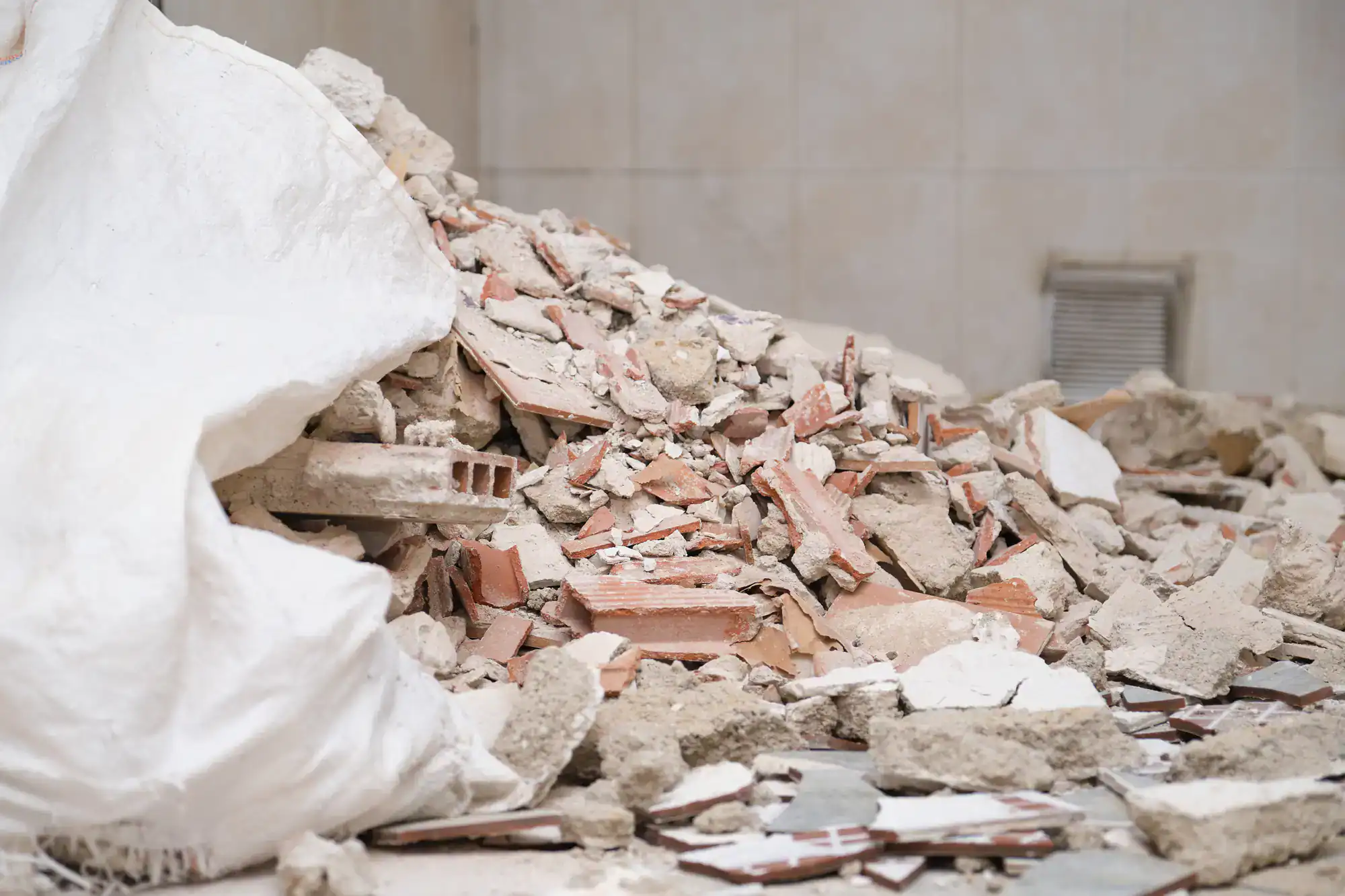
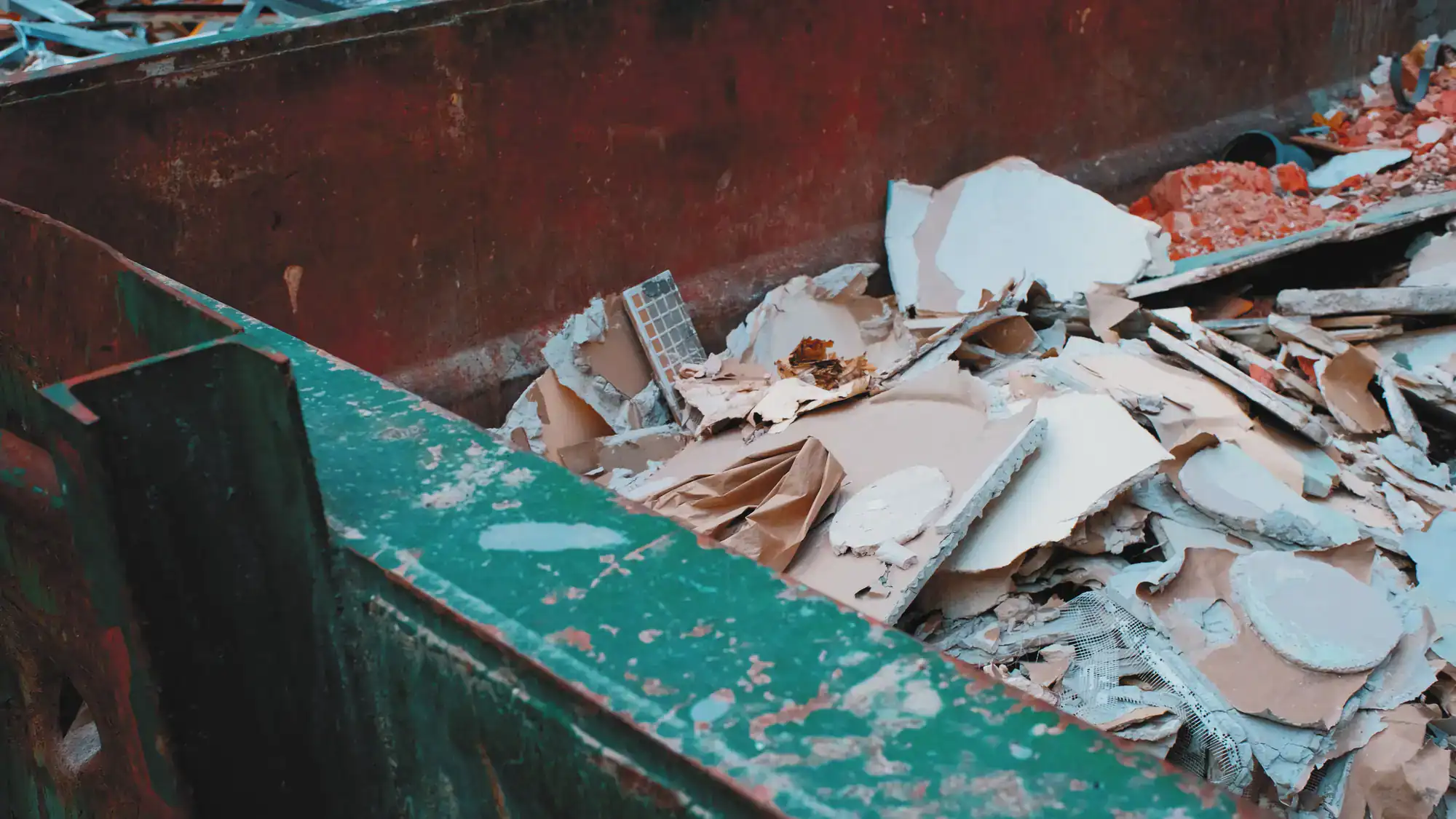
Demolition in Lower Merion isn’t just swinging a hammer. In a township where the housing stock runs deep into the early 1900s and where the municipality formally inventories properties built before 1913, the scope of a gut renovation almost always goes beyond what’s visible on day one. We handle the full range: interior demolition and gutting, asbestos removal, lead encapsulation and removal, mold sampling and remediation, waterproofing, above-ground oil tank removal, furnace and boiler removal, and full environmental clean-outs.
That scope matters specifically in neighborhoods like Bala Cynwyd and Cynwyd, where the early commuter-suburb housing boom around 1900 produced dense blocks of homes that are now prime renovation candidates. It matters in Bryn Mawr and Haverford, where Victorian-era and late 19th century properties are architecturally significant but full of pre-modern materials. And it matters in Merion and Penn Wynne, where basement water intrusion from the Schuylkill drainage system makes mold a genuine and recurring issue — not a hypothetical one.
Whether you’re a homeowner planning a gut renovation, a general contractor prepping a site for remodeling, or a property owner dealing with an emergency, the service model is the same: one call, one crew, one contractor who holds every credential the job legally requires and doesn’t stop when the walls get complicated.
Yes — all demolition work in Lower Merion Township requires a building permit issued by the Building Division of the Building and Planning Department. You can reach them at 610-645-6200, and applications can be submitted in person at the Township Administration Building or via the after-hours drop box in the East parking lot. Skipping this step isn’t just a procedural issue — the township actively monitors construction compliance, and unpermitted work creates real legal exposure for the property owner.
If your property is located within one of Lower Merion’s designated Local Historic Districts, there’s an additional step: a Certificate of Appropriateness (CofA) from the Historical Architectural Review Board (HARB) must be issued before demolition can proceed. HARB was established by township ordinance in 1980 and reviews demolition applications for properties in protected areas. If you’re not sure whether your property falls within a historic district, the Building and Planning Department can confirm that when you inquire about your permit. We’re familiar with this process and can help you understand what’s required before the job starts.
In Pennsylvania, asbestos removal contractors are required to hold a state-issued certification under Acts 194 and 161 — this is a legal requirement, not a voluntary credential. For lead paint work in pre-1978 residential properties, EPA and HUD regulations require compliance with the Renovation, Repair, and Painting (RRP) Rule, and a Certified Lead Inspector and Risk Assessor designation is the credential that allows a contractor to legally assess, document, and direct lead abatement. We hold both.
This matters significantly in Lower Merion, where the housing stock is predominantly pre-1940 and lead paint is legally presumed to be present in virtually every gut renovation project. Many contractors who advertise demolition and renovation services in the Main Line area don’t hold these credentials — and a homeowner who hires an unlicensed contractor to gut a pre-1978 home isn’t just taking a health risk, they’re taking a legal one. Before you hire anyone for demolition or gutting work in Ardmore, Wynnewood, Merion, or anywhere else in Lower Merion, ask to see the PA asbestos certification and the lead inspector designation. A legitimate contractor will have both and won’t hesitate to show you.
If a demo-only contractor finds asbestos mid-project, the job stops. They’re not licensed to handle it, and proceeding without abatement is both illegal and dangerous. That means the homeowner is now responsible for finding a separate certified abatement contractor, waiting for availability, coordinating schedules, and restarting the project — often weeks later. In a township like Lower Merion, where pre-1940 homes are the rule rather than the exception, this scenario plays out regularly.
When we’re on the job, the project doesn’t stop. Because we handle both demolition and asbestos abatement in-house, the crew can pivot immediately when asbestos is found — whether it’s pipe insulation in a Cynwyd basement, floor tiles in a Wynnewood kitchen, or ceiling material in an Ardmore row house. HEPA filtration systems are deployed, the affected area is properly contained, abatement is completed to EPA and HUD standards, and demolition resumes. The homeowner doesn’t have to make a single additional call. That’s not a convenience — in older Main Line housing stock, it’s the difference between a project that finishes on schedule and one that doesn’t finish at all.
Lower Merion’s Historical Architectural Review Board (HARB) has authority over demolition projects on properties within the township’s designated Local Historic Districts. If your property falls within one of these districts, you cannot legally begin demolition until HARB issues a Certificate of Appropriateness (CofA). The board — seven members appointed by the Board of Commissioners — reviews applications and evaluates whether the proposed work is consistent with the character of the historic district. This process is governed by Chapter 88 of the township code.
The practical implication is that your demolition timeline needs to account for the HARB review process before the first permit is pulled. This isn’t a step that can be skipped or worked around, and a contractor who doesn’t know what HARB is — or who suggests starting work before the CofA is issued — is creating legal exposure for you as the property owner. We’ve been working in Montgomery County for over twenty years and are familiar with Lower Merion’s historic preservation requirements. If you’re not sure whether your property is within a Local Historic District, the township’s Building and Planning Department can confirm your property’s status. It’s worth checking before you schedule anything.
Yes — and in Lower Merion specifically, this is more than a convenience. The township’s proximity to the Schuylkill River and its network of creek drainages makes basement water intrusion a documented and recurring issue, particularly in lower-lying areas of Penn Wynne, Cynwyd, and parts of Merion. Water intrusion leads to mold growth, and mold remediation almost always involves some level of demolition — removing drywall, flooring, or structural materials that have been compromised. If you hire separate contractors for each part of that process, you’re coordinating schedules, waiting on availability, and paying for multiple mobilizations.
We handle mold sampling, mold remediation, waterproofing, and demolition as part of the same integrated service model. When a basement wall in Penn Valley comes down and reveals active mold behind it, the same crew that’s doing the demolition can assess the situation, contain the affected area, and handle remediation without the project stopping. If the underlying water intrusion issue needs to be addressed with waterproofing, that’s also within scope. For a homeowner dealing with an emergency — a pipe burst, a flood event, a sudden mold discovery — our 24/7 availability means you’re not waiting until Monday morning to get a licensed contractor on-site.
Yes — every project starts with a free estimate, no obligation attached. You describe the scope of the work, whether it’s a kitchen gut-out in Bryn Mawr, a full interior demolition in Ardmore, or an emergency basement teardown in Bala Cynwyd, and we give you a real number based on what the job actually involves. There’s no pressure to book on the spot, and there’s no fee for the estimate regardless of whether you move forward.
We also offer a cash discount for qualifying projects and will beat any legitimate competing estimate. In a market like Lower Merion — where home values are high, projects are complex, and the regulatory environment adds layers that not every contractor is equipped to handle — price transparency matters. The free estimate isn’t just about the bottom line. It’s about giving you a clear picture of what the job requires, what credentials are involved, and what you’re actually getting before any work begins. For older Main Line homes where scope can shift once the walls open, knowing your contractor is equipped to handle whatever shows up — without sending you a second invoice from a second company — is part of what you’re paying for.
Other Services we provide in Lower Merion