Hear from Our Customers
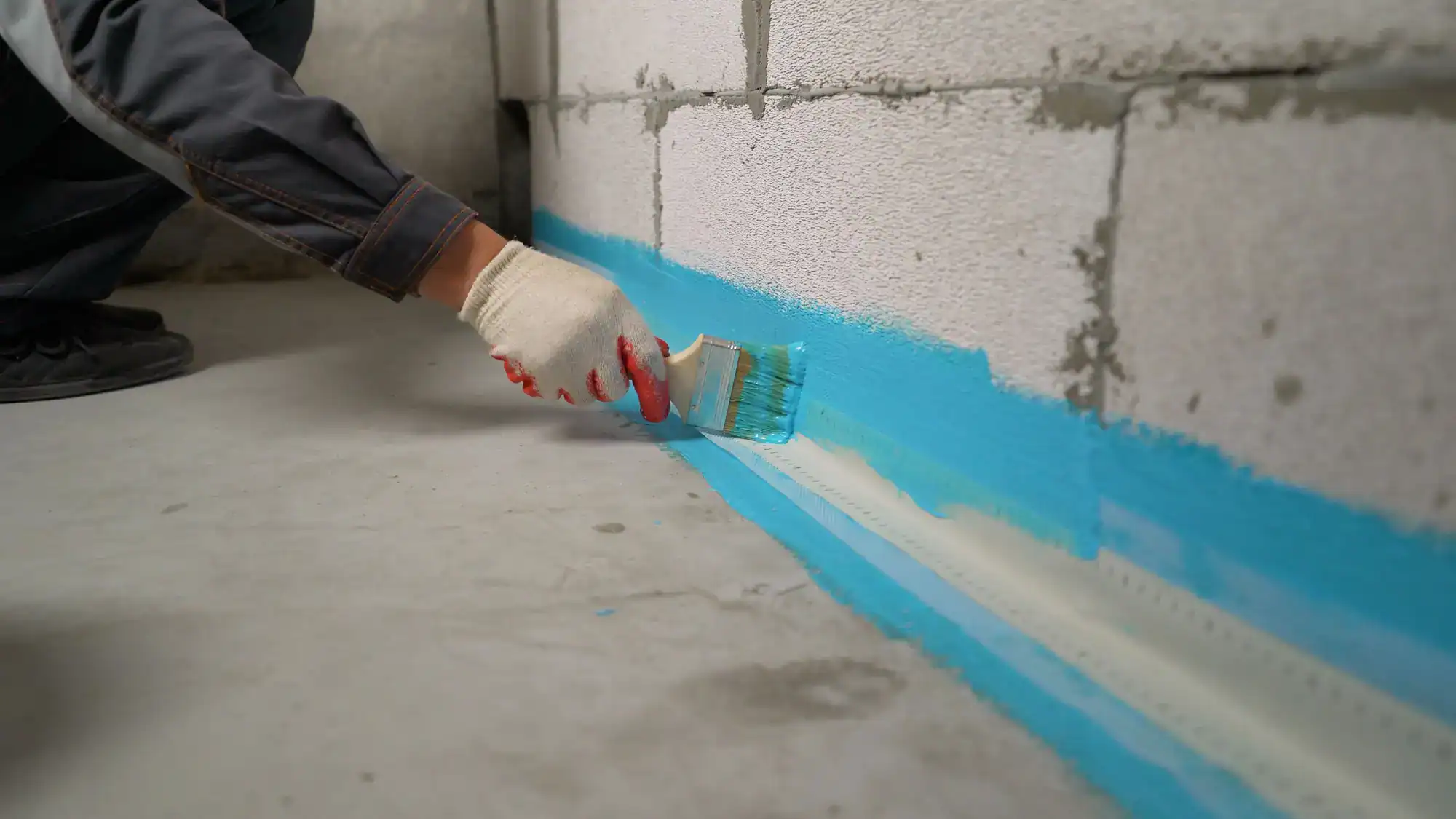
A dry basement in Bridgeport isn’t just about peace of mind during a rainstorm. It’s about not watching your home’s value quietly erode behind a wall you can’t see. When water stops getting in, mold stops growing, your air quality improves, and the structural integrity of your foundation stays intact — which matters a lot when you’re sitting on a pre-WWII brick or stone foundation that’s already been through a century of freeze-thaw cycles.
Bridgeport’s lower streets — especially near the riverfront — sit in areas where the water table runs high even in dry years. That means hydrostatic pressure is a constant force pushing against your foundation walls, not just something that shows up during a big storm. A properly waterproofed basement addresses that pressure directly, so you’re not just patching a symptom and calling it solved.
For homeowners in Bridgeport’s older rowhouse blocks, there’s another layer to this. Water doesn’t respect shared walls. If your foundation is compromised, moisture can migrate into adjacent units — making this a neighborhood issue, not just a personal one. Getting it handled protects your home and keeps the peace with the people living next door.
We’ve been doing this work across Montgomery County for over two decades, which means we’ve worked in the same aging housing stock you’re living in — brick rowhouses, stone foundations, early poured concrete — and we know exactly what those Bridgeport basements are up against. We’re not a franchise with a call center. We’re a licensed, bonded, and insured operation that picks up the phone when your basement is flooding at 11 PM on a Tuesday, because that’s when these things actually happen.
We also carry Certified Lead Inspector and Risk Assessor credentials, which matters more in Bridgeport than most places. Homes built before 1940 — and there are a lot of them between DeKalb Street and the riverfront — often have lead paint in places that get disturbed during foundation and waterproofing work. We handle that properly, with full EPA and HUD compliance, so you’re not trading a water problem for a lead exposure problem.
One call covers testing, remediation, demolition, and waterproofing. No juggling contractors. No finger-pointing between crews. Just one team that handles the whole job.
It starts with a free estimate. We come out, look at your basement, and give you an honest read on what’s happening — whether that’s active water intrusion, foundation cracking, hydrostatic pressure buildup, mold growth, or some combination of all of the above. No pressure, no inflated anchor quote designed to make a discount look like a deal. Just a straight assessment.
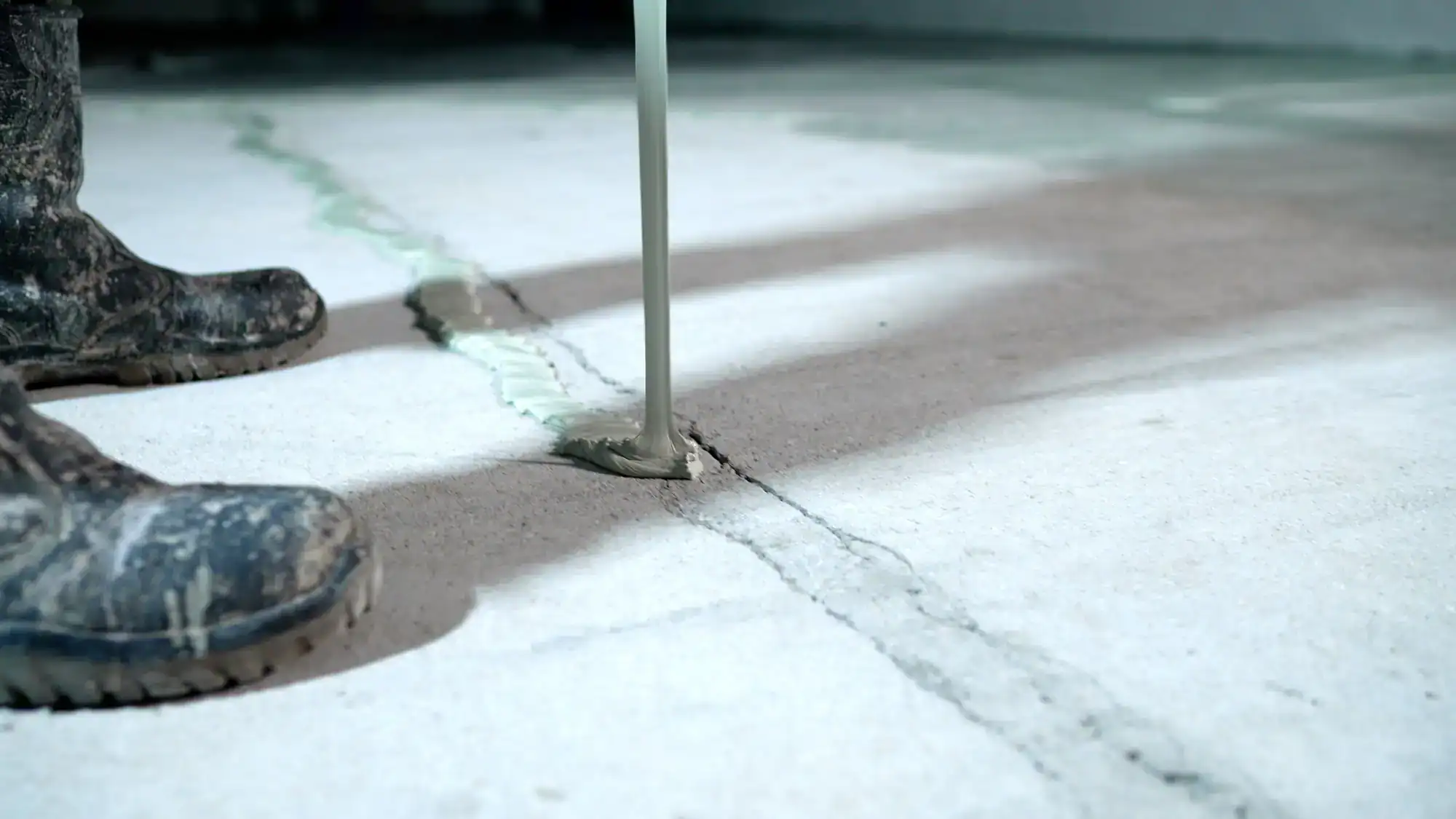
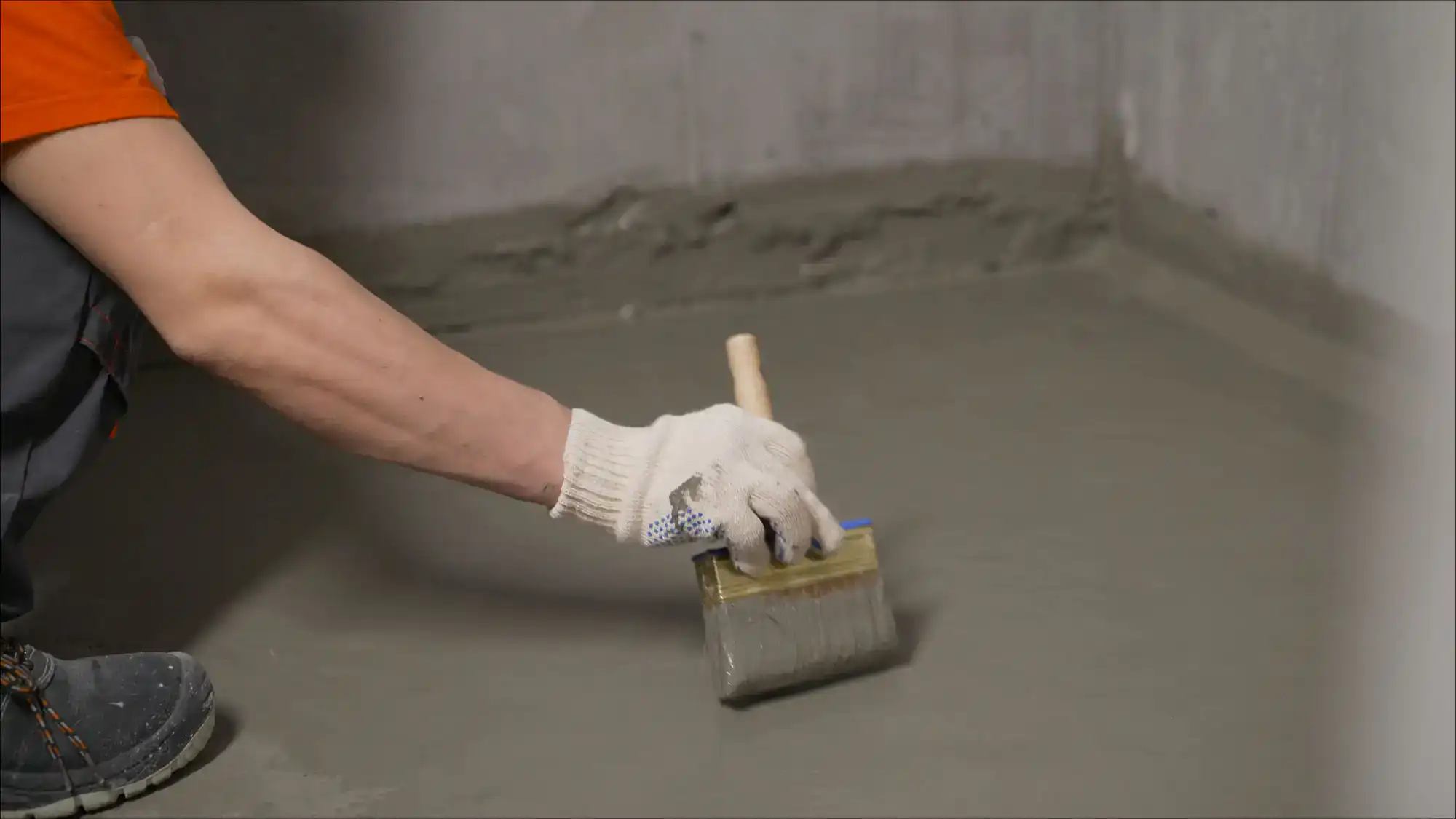
From there, the work is sequenced based on what your basement actually needs. If there’s existing water damage or mold, that gets addressed first — we’re not going to waterproof over a mold problem and call it done. Remediation comes before sealing. Depending on the scope, that can include interior drainage systems, sump pump installation, exterior foundation work, or crack injection, and in Bridgeport, where Borough building permits are required for structural work and exterior excavation, we handle the process in full compliance with Pennsylvania’s Uniform Construction Code.
Once the waterproofing system is in place, you’ll know what was done, why it was done, and what to watch for going forward. Spring in Bridgeport — when snowmelt and early rain events hit simultaneously — is when most homeowners first realize their basement has a problem. If you’re reading this in March or April, you’re already in the right place at the right time.
Ready to get started?
Basement waterproofing in Bridgeport isn’t a one-size-fits-all job. The homes along the lower riverfront streets deal with a fundamentally different water problem than the brick singles up on the hillside. Down near West Front Street, you’re dealing with a high water table, documented floodplain conditions, and the reality that the Schuylkill has already proven it can put the first floor of your home underwater. Up on the higher ground, the issue is more often aging foundation walls that have been slowly losing the fight against decades of moisture infiltration and freeze-thaw damage.
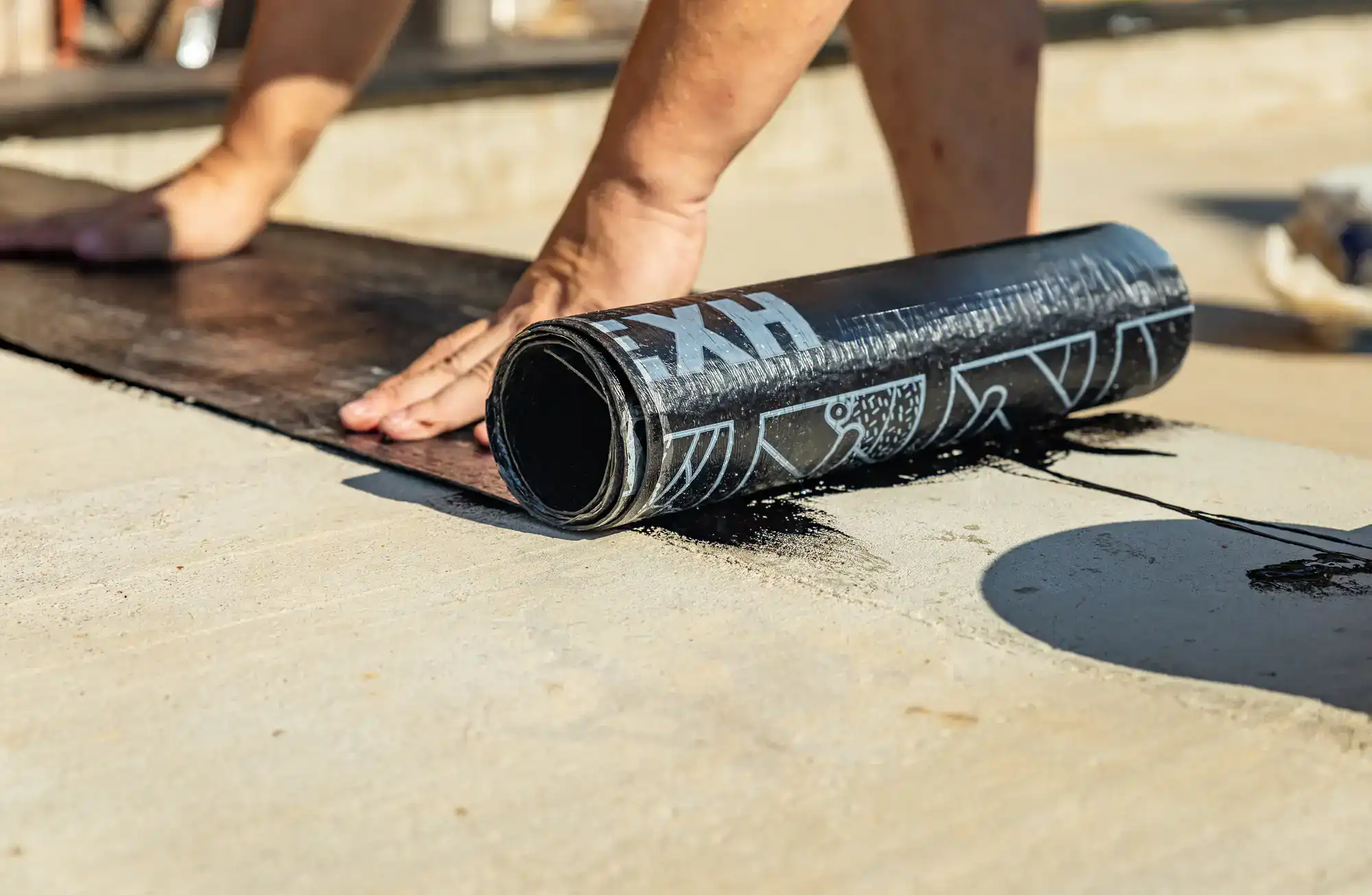
We address both. Interior waterproofing systems — including French drains, sump pump installation, and wall membrane systems — manage water that’s already getting in and redirect it safely out. Exterior waterproofing creates a barrier at the foundation wall itself, stopping water before it ever reaches the interior. For homes with active mold growth or prior flood damage, remediation is handled before any sealing work begins, using HEPA filtration systems to keep your living space clean during the process.
If your home is in or near a FEMA-designated flood zone — which applies to portions of Bridgeport’s riverfront — any substantial improvement work may trigger additional compliance requirements. We know how that process works and make sure the job is done in a way that protects your insurance standing and your options, not just your basement floor.

The most common reason is that the fix addressed the symptom, not the source. A coat of waterproofing paint on a basement wall, for example, does almost nothing against hydrostatic pressure — which is the force of groundwater pushing against the outside of your foundation. In Bridgeport’s lower-elevation areas near the Schuylkill River, that pressure is ongoing, not just a storm event issue. The water table in those areas stays elevated, and older foundations — especially stone and early brick construction — were never built to resist it long-term.
The other common issue is that drainage around the foundation has failed or was never adequate. If water is pooling against your foundation after rain, it’s going to find a way in eventually. A proper waterproofing assessment looks at both the interior and exterior conditions, identifies where water is entering and why, and addresses the actual cause. That’s the difference between a repair that lasts and one that sends you back to square one after the next heavy rain.
Cost varies based on the scope of the problem, the size of the basement, and what type of system is needed. A basic interior drainage system with sump pump installation in a Bridgeport rowhouse typically runs in the range of $3,000 to $8,000. More extensive work — exterior excavation, foundation crack repair, mold remediation prior to sealing — can push that higher depending on what’s found during the assessment. Homes in flood-prone areas near the riverfront sometimes require more comprehensive solutions than homes on higher ground.
The most important thing to understand is that deferred waterproofing almost always costs more than proactive waterproofing. Water damage compounds. Mold spreads. Foundation cracks widen with every freeze-thaw cycle. Getting a free estimate now gives you a clear picture of what you’re dealing with and what it will cost to fix it before it gets worse. We offer free estimates with no obligation, and cash discounts are available for qualifying projects — which matters in a community where homeowners are still working through the financial aftermath of Ida-related repairs.
Interior waterproofing manages water after it enters the foundation — it collects it, redirects it, and pumps it out before it can cause damage. This typically includes a French drain system installed along the interior perimeter of the basement floor, connected to a sump pump. It’s less disruptive than exterior work and is often the right solution for chronic seepage and hydrostatic pressure issues. For many Bridgeport rowhouses, especially attached homes where exterior excavation isn’t practical without affecting neighboring structures, interior waterproofing is the most viable long-term approach.
Exterior waterproofing involves excavating around the outside of the foundation and applying a waterproof membrane directly to the foundation wall, stopping water before it ever penetrates the structure. It’s more invasive and typically more expensive, but it addresses the root cause at the source. In some cases — particularly for homes with significant foundation cracking or those in documented floodplain areas near the Schuylkill — a combination of both interior and exterior approaches is the most effective solution. The right answer depends on your specific foundation type, lot conditions, and water intrusion pattern, which is why a proper assessment matters before any work begins.
In most cases, yes — at least for certain types of work. Bridgeport Borough operates under Pennsylvania’s Uniform Construction Code, and work that affects the structure of your home or involves exterior excavation generally requires a building permit through the borough’s building department. Interior drainage system installations, like French drains and sump pumps, may or may not require a permit depending on the scope, but it’s always worth confirming before work begins.
This matters beyond just legal compliance. If you’re in or near a FEMA-designated flood zone — which applies to portions of Bridgeport near the riverfront — unpermitted work can complicate insurance claims, affect your eligibility for FEMA assistance after a future flood event, and create problems when you go to sell the home. Working with a fully licensed and insured contractor who understands the local permitting process protects you on all of those fronts. We handle projects in full compliance with applicable codes and can walk you through what’s required for your specific job.
Visible mold is the obvious sign, but it’s often not the first one you notice. A persistent musty smell in your basement — especially after rain or in humid summer months — is usually the earliest indicator. Efflorescence, which is the white chalky residue that appears on basement walls, signals that water has been moving through the masonry and can indicate conditions where mold is likely developing behind finished walls or under flooring. Discoloration on drywall, wood framing, or insulation is another clear warning sign.
After a significant flood event — like what a lot of Bridgeport homeowners experienced during Ida — mold can begin developing within 24 to 48 hours in wet conditions. Even homes that were cleaned up and dried out after the storm can have hidden mold growth in wall cavities, under subfloors, or in insulation that wasn’t fully removed. Professional testing is the only way to know for certain what you’re dealing with. We offer testing as part of our assessment process, so you get a clear picture before any remediation or waterproofing work begins — not a guess.
The cash discount exists because processing fees and billing overhead are real costs, and passing some of that savings directly to the customer is a straightforward way to make professional waterproofing more accessible. Bridgeport is a working- and middle-income community where homeowners are making real financial decisions — especially those still recovering from flood-related repairs — and reducing the out-of-pocket cost without cutting corners on the work itself is something we can do when payment is straightforward.
The quality doesn’t change based on how you pay. The same licensed crew, the same HEPA filtration systems, the same state-of-the-art equipment, and the same EPA and HUD-compliant processes apply to every job regardless of payment method. What you’re getting is a reduction in overhead passed back to you — not a reduction in what gets done or how well it gets done. If you want to know whether your project qualifies, just ask when you call for your free estimate.
Other Services we provide in Bridgeport