Hear from Our Customers
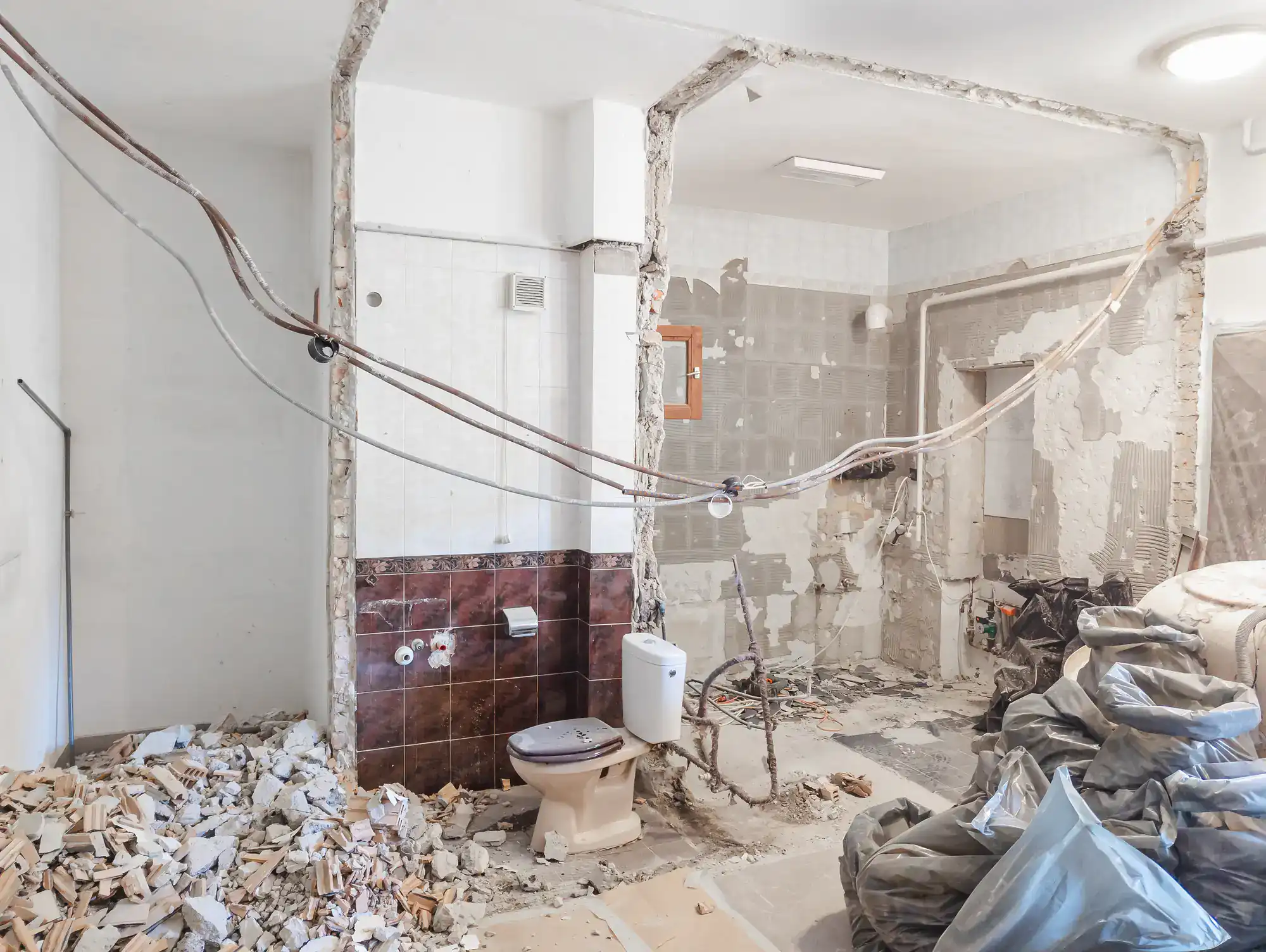
When you’re gutting a century-old twin or row home in Bridgeport, the walls are almost never just walls. Floor tiles from 1915 can contain asbestos. Pipe insulation from the 1920s almost certainly does. Lead paint in a pre-WWII bathroom isn’t a maybe — it’s a given. If the contractor you hire isn’t certified to test for and remove those materials, you’re either stopping mid-job to bring someone else in, or worse, nobody’s checking at all.
That’s the problem we were built to solve. One company handles the testing, the certified abatement, the demolition, and the debris removal — start to finish. You don’t manage three separate contractors or wait on clearance from one before the next one shows up. The project moves because everything is under one roof.
And in a borough that sits right on the Schuylkill River, flooding isn’t a hypothetical. Bridgeport residents still talk about Hurricane Ida hitting in September 2021 — the river crested at 16.35 feet, just shy of the 150-year record. When water gets into a home built in 1912, the gutting work that follows involves materials that need certified handling. We’re available 24 hours a day, every day, because emergencies in Bridgeport don’t wait for business hours.
EJS Environmental Services LLC is a Montgomery County-based environmental hazard and demolition company with over 20 years of hands-on experience. We’re owner-operated by Eric, who holds EPA Certified Lead Inspector and Risk Assessor credentials — not just the basic removal certification, but the federal qualification that allows him to legally inspect, test, and certify lead conditions in pre-1978 properties. In a borough like Bridgeport, where the median home was built around 1911, that distinction matters every single time.
We’re fully licensed, bonded, and insured — which also means we can meet Bridgeport Borough’s specific contractor registration requirement. Before the borough processes any demolition permit, the contractor has to be registered and carry a current certificate of insurance. That’s not a hurdle for us. It’s standard operating procedure.
Serving Chester, Delaware, Montgomery, New Castle, and Bucks counties, we’ve worked on the same pre-war construction that fills Bridgeport’s streets — the twins off DeKalb Street, the row homes along Fourth Street, the flood-prone properties near the Schuylkill waterfront. This isn’t unfamiliar territory. It’s where we work.
It starts with a free estimate. We come out, walk the property, and assess what you’re actually dealing with — not just what needs to come down, but what might be inside the walls before anything gets touched. In Bridgeport, that assessment almost always includes evaluating the likelihood of asbestos-containing materials and lead paint, given the age of the housing stock. You get a clear, itemized scope of work before any commitment is made.
If testing confirms regulated materials are present — and in a pre-WWII Bridgeport home, that’s more likely than not — abatement happens first. We handle the Pennsylvania DEP asbestos notification process, manage certified removal with HEPA filtration containment to protect the rest of the home, and get the clearance needed before demolition begins. In Bridgeport’s tight row homes and twins, where units share walls, that containment step isn’t optional — it’s what keeps the project from becoming a neighbor’s problem too.
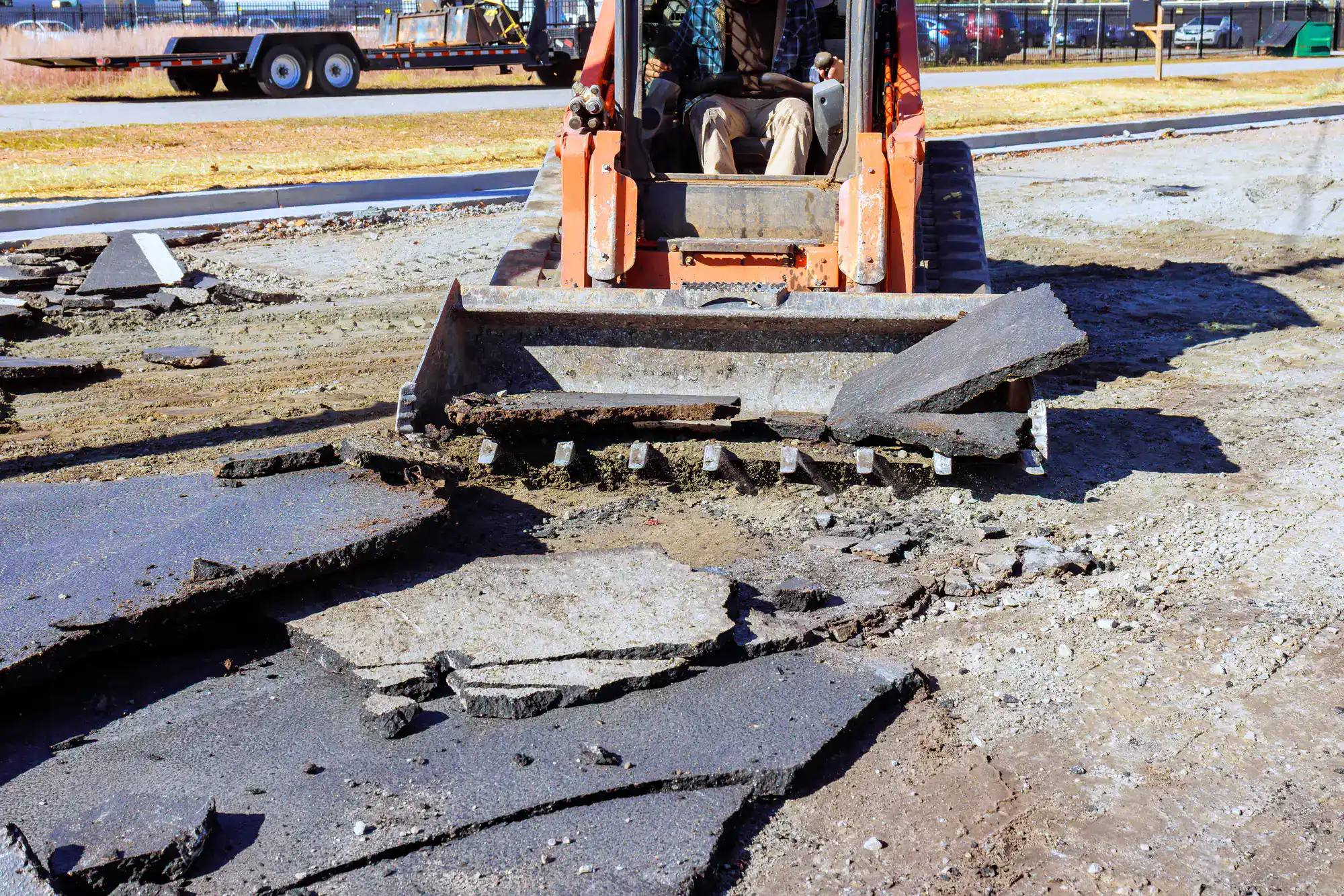
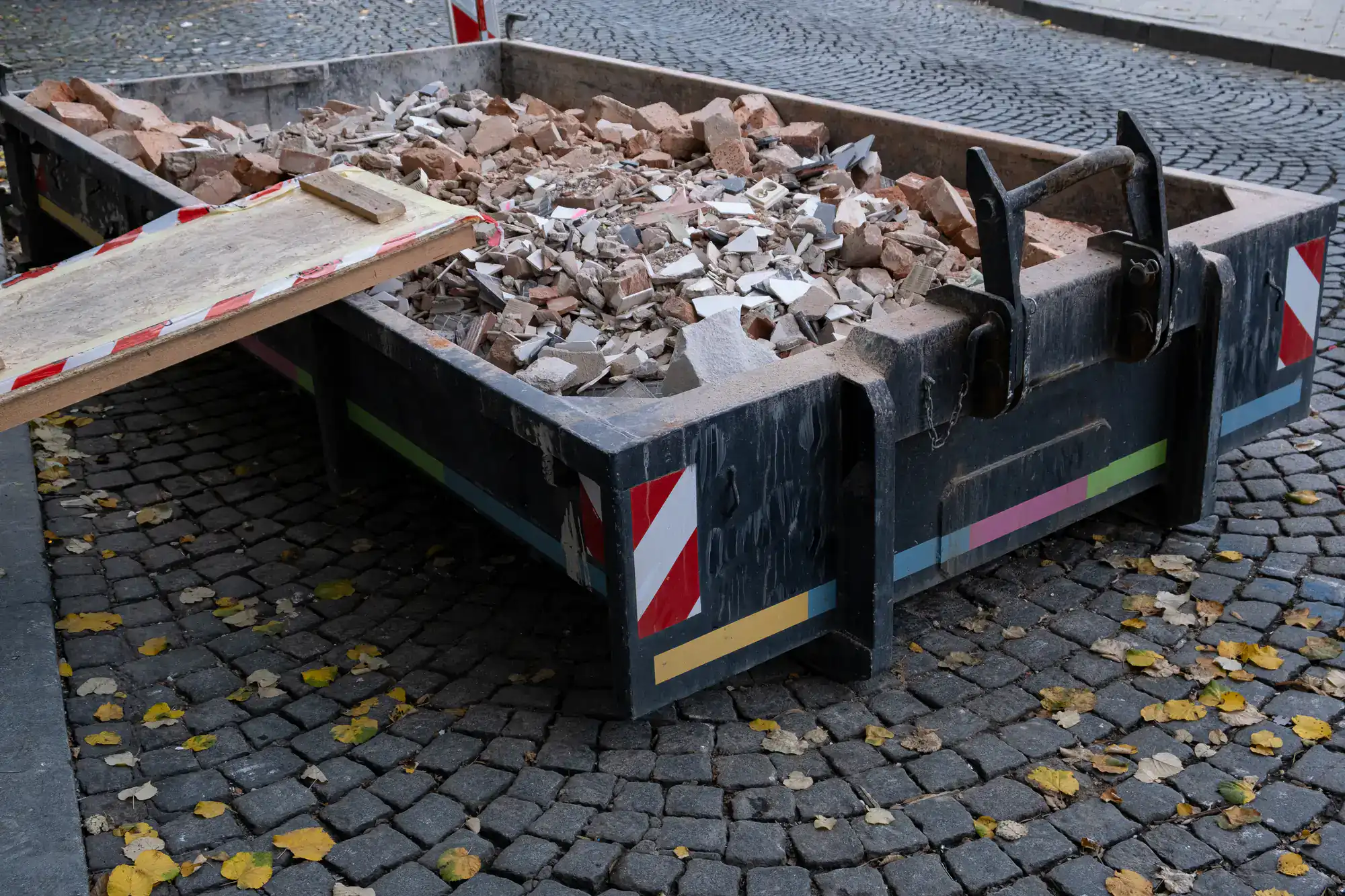
Once the hazmat work is cleared, demolition proceeds — gutting, structural removal, selective demo, whatever the scope calls for. Construction debris removal and site cleanup are part of the job. We also handle the borough’s dual permit requirement (both a building permit and a separate zoning permit are required for demolition in Bridgeport), so you’re not left figuring that out on your own. When the job is done, the site is clean and the paperwork is in order.
Ready to get started?
We cover the full range of what demolition work in an older borough like Bridgeport actually requires. That includes asbestos inspection, testing, removal, and encapsulation; lead inspection, testing, and removal; mold sampling, testing, and remediation; water damage restoration and waterproofing; full residential and commercial gutting and demolition; above-ground oil tank removal; construction debris removal; environmental clean-outs; and appliance disposal. The services aren’t a menu of add-ons — they’re designed to work together because that’s how these projects actually unfold in the field.
For Bridgeport landlords managing rental units in pre-1978 properties, our HUD compliance certification is a specific and meaningful credential. HUD’s lead-safe housing rule applies to federally-assisted housing built before 1978, and in a borough where over half the residents rent and virtually every property predates that cutoff, that certification narrows the field of legally qualified contractors considerably. Most demolition companies in this market don’t have it.
For homeowners near the Schuylkill waterfront or anyone who took on water damage after the 2021 flooding, our water damage restoration and emergency gutting services are available around the clock. Free estimates are standard. Cash discounts are available. And because we operate as a true one-stop shop, there’s no coordination gap between the testing phase and the work phase — it’s one company, one call, and one invoice from start to finish.
Yes — and in Bridgeport specifically, the permit process has a step that catches a lot of homeowners off guard. Demolition of a building requires both a building permit and a separate zoning permit through the borough’s Building, Zoning and Codes department at Borough Hall on West 4th Street. You can’t skip one and only pull the other.
On top of that, Bridgeport Borough requires any contractor working on a permitted project to be registered with the borough annually and to have a current certificate of insurance on file before permits are even processed. That means if you hire a contractor who isn’t registered — even if they’re licensed at the state level — the borough won’t move forward with your application. We’re fully licensed, bonded, and insured, and operate as the kind of established contractor that can meet Bridgeport’s registration requirement without issue. We handle the permit process so you’re not left navigating it alone.
Almost certainly yes — and that’s not meant to alarm you, just to set accurate expectations before any work begins. Bridgeport’s housing stock has a median construction year of roughly 1911 to 1921, depending on the type of home. Single-family detached homes, semi-detached twins, and row homes throughout the borough were built during an era when asbestos was a standard fire-proofing and insulation material, and lead-based paint was the industry norm.
Asbestos was commonly used in floor tiles, ceiling tiles, pipe insulation, duct insulation, roofing shingles, plaster, and joint compounds — all materials found in Bridgeport’s pre-war homes. Lead paint was standard on interior and exterior surfaces in virtually every home built before 1978, and in a borough where the median home is over 100 years old, that applies across the board. Montgomery County’s own guidance specifically warns residents that asbestos in building materials from the 1920s onward is a real concern in renovation and demolition projects. We can test for both, certify the findings, and handle removal — all before a single wall gets opened.
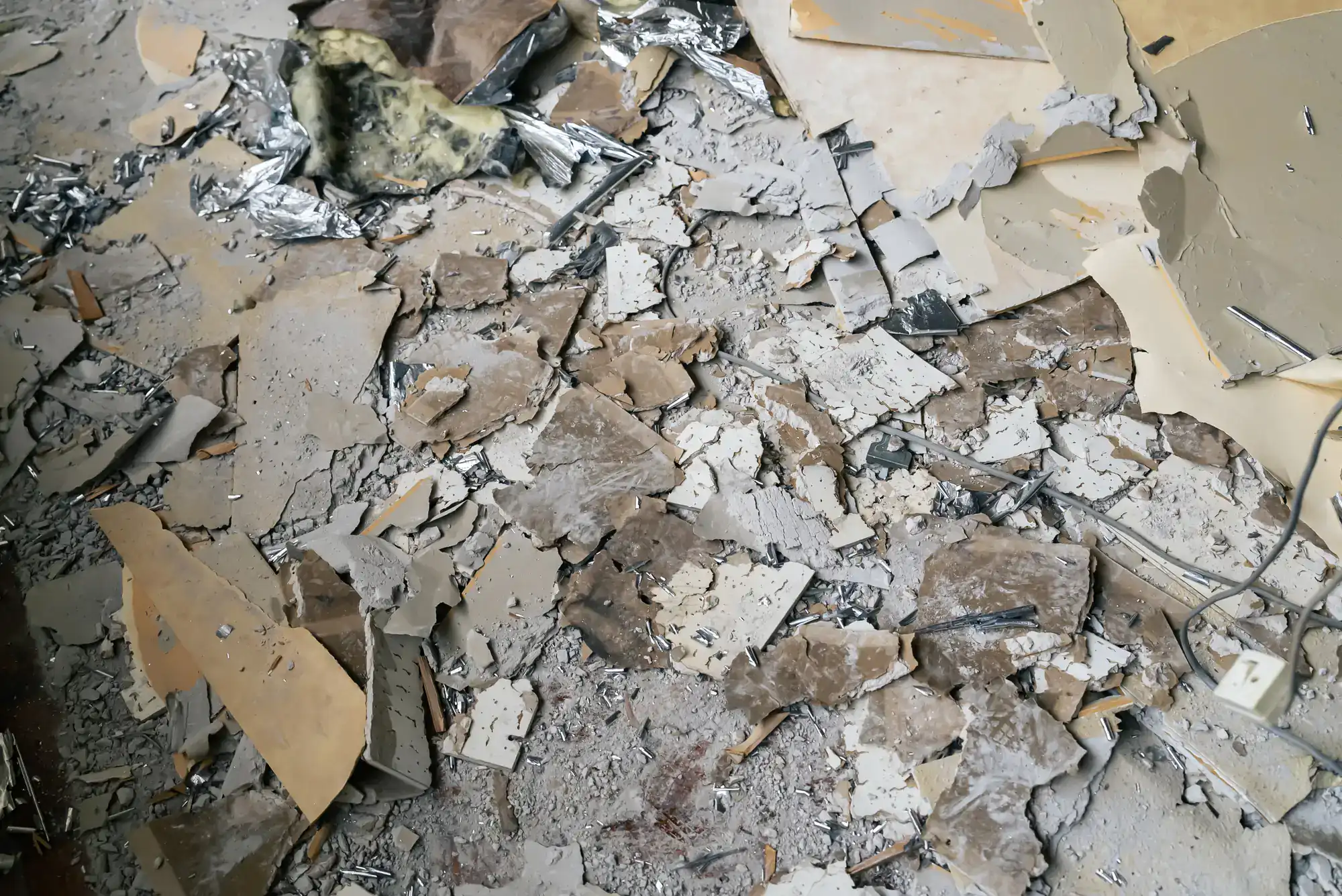
You call, and someone picks up — that’s the first thing. We’re available 24 hours a day, 7 days a week, because water damage emergencies don’t happen on a schedule. Bridgeport residents know this better than most. The Schuylkill River crested at 16.35 feet during Hurricane Ida in September 2021, just short of the 150-year flood record, and hundreds of homes and businesses in the borough took damage. When that happens, mold can begin forming within 24 to 48 hours of water intrusion, and the gutting work that needs to happen fast almost always involves materials — drywall, insulation, flooring — that require certified handling in a home built in the early 1900s.
We respond to water damage emergencies with both the speed and the credentials the situation actually requires. That means getting into the property quickly, assessing what’s damaged, and beginning the gutting and removal process in a way that’s both fast and compliant with Pennsylvania’s asbestos and lead regulations. You don’t have to choose between moving quickly and doing it right. With us, you get both.
The honest answer is that it depends on the scope — and in Bridgeport, the scope almost always includes more than just the physical demolition work. Because virtually every home in the borough predates 1978, most projects involve some level of asbestos testing, lead assessment, or certified abatement before demolition can begin. That’s not an upsell — it’s a legal and safety requirement under Pennsylvania’s Asbestos Occupations Accreditation and Certification Act and the EPA’s regulations. A contractor who quotes you only for the demo work and skips the hazmat evaluation isn’t saving you money — they’re leaving you exposed.
What we provide is a free, itemized estimate that covers everything the project actually requires, with no hidden fees for debris disposal, hazmat handling, or permit costs added after the fact. Cash discounts are available for customers who prefer to pay that way. And because we handle testing, abatement, demolition, and cleanup under one contract, you’re not paying coordination costs across three separate companies. For a Bridgeport homeowner managing a renovation budget carefully, that one-stop model often ends up being more cost-effective than it first appears.
Most can’t — at least not legally and completely. A standard demolition contractor can tear out walls and haul debris, but certified asbestos abatement and lead inspection require specific federal and state credentials that most demo companies simply don’t hold. Pennsylvania’s Act 194 of 1990 requires certified contractors for asbestos abatement on regulated demolition and renovation projects. The EPA’s RRP Rule requires lead-safe certification for work on pre-1978 homes. And if you want someone who can actually inspect and certify lead conditions — not just remove them — that requires an EPA Certified Lead Inspector and Risk Assessor credential, which goes well beyond the basic contractor certification.
We hold all of it. That’s what makes us genuinely different from a general demolition company in this market. We can test for asbestos and lead, certify the findings, perform the abatement with proper HEPA containment, and then proceed with the demolition — all without handing the project off to a separate firm. In Bridgeport, where the housing stock almost guarantees you’ll encounter regulated materials the moment renovation work begins, having one contractor who can do all of that isn’t a luxury. It’s the only way the project goes smoothly.
Yes. We offer cash discounts, and in a community like Bridgeport — where affordability is part of why people choose to live here, and where renovation budgets are often carefully managed — that’s a real and practical benefit. Bridgeport offers some of the most accessible home prices in Montgomery County, and the people investing in these homes tend to be thoughtful about where their money goes. A cash discount isn’t a gimmick — it’s a straightforward way to reduce the total cost of a project that, in a pre-war Bridgeport home, already involves testing, abatement, demolition, and cleanup.
It’s also worth knowing that we provide free estimates with no obligation before any work begins. You’ll know exactly what the project costs, what’s included, and why — before you commit to anything. There are no surprise line items for debris removal or permit fees added after the fact. For a homeowner on a fixed renovation budget, or a landlord managing multiple units in the borough, that kind of pricing transparency makes it a lot easier to plan the project and make a confident decision.
Other Services we provide in Bridgeport