From hidden basement growth to black mold behind your walls, here's what professional mold remediation actually involves — and why it matters.
You noticed something — a smell, a stain, maybe a patch of dark growth behind the washing machine. Now you’re down a research rabbit hole at 11 PM wondering how serious this actually is. That’s a reasonable place to be. Mold in a home isn’t always an emergency, but it’s also not something you want to sit on. The longer moisture and mold share space in your walls, floors, or HVAC system, the more complicated the fix gets. This page breaks down what professional mold remediation actually involves, what the health risks look like depending on exposure, and what you should expect from a contractor before you let anyone touch your home.
Mold remediation isn’t just spraying something on a wall and calling it done. It’s a structured process — one that starts with finding where the mold is, why it’s there, and what it’s going to take to get rid of it for good. The goal isn’t just to clean visible growth. It’s to eliminate the conditions that allowed mold to establish itself in the first place.
A proper remediation job covers containment of the affected area, air filtration using HEPA systems to capture airborne spores, physical removal of contaminated materials, surface treatment with EPA-approved antimicrobials, and post-remediation verification to confirm the work is actually done. Skip any one of those steps and you’re not remediating — you’re just rearranging the problem.
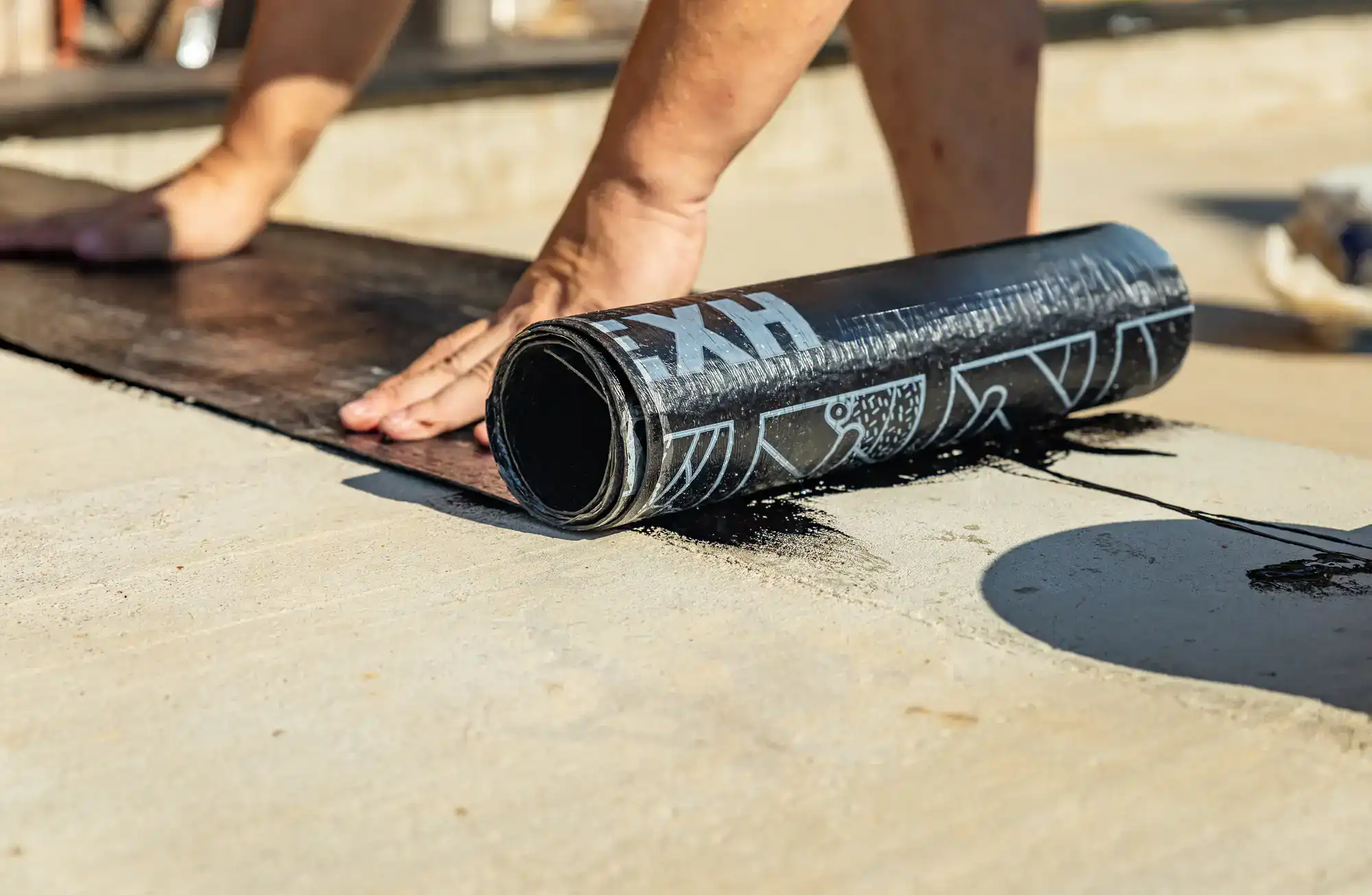
One of the most important things we do before touching a single square inch of mold is contain it. This means sealing off the affected area with physical barriers and running negative air pressure so that spores don’t drift into clean parts of the house during removal. It sounds like a small detail, but skipping this step is one of the most common ways a mold problem gets worse instead of better.
Here’s the issue: mold spores are microscopic and airborne. When you disturb a mold colony without proper containment — even just scrubbing it — you release thousands of spores into the air. Without negative pressure and sealed barriers, those spores can settle in your HVAC system, your furniture, your ductwork, and areas of the home that were previously clean. You’ve now spread the problem while thinking you were solving it.
After containment is established, the actual removal begins. Porous materials — drywall, insulation, wood framing, ceiling tiles — that have been saturated or colonized by mold typically need to come out. Industry practice calls for removing material at least 12 inches beyond any visible mold growth to make sure nothing gets left behind. Non-porous surfaces like concrete, metal, and glass can usually be cleaned in place using appropriate antimicrobial treatments.
HEPA air scrubbers run throughout this entire process. These aren’t shop vacs — they’re industrial-grade filtration units that capture particles as small as 0.3 microns, which includes mold spores. Once removal is complete, surfaces are treated, the area is dried, and an independent clearance test is conducted to verify the space is clean. That last step matters. It’s the difference between a contractor saying the job is done and actually being able to prove it.
These two terms get used interchangeably, but they describe different stages of the same problem. Mold mitigation is about stopping the spread — containing the affected area, addressing the moisture source, and preventing further contamination while the full remediation is planned. Think of it as triage. Mold clean up, or full remediation, is the complete removal process: taking out damaged materials, treating surfaces, filtering the air, and restoring the space.
The distinction matters because some contractors will perform mitigation and present it as a finished job. The mold growth is slowed or contained, but the underlying moisture problem hasn’t been resolved and the contaminated materials are still in place. A few weeks later, you’re back to square one — or worse.
Real mold mitigation should always be followed by complete remediation. And both should be preceded by identifying and fixing whatever is letting water into the structure. A roof leak, a failed sump pump, condensation from an oversized AC unit, a slow pipe drip behind a wall — these are the actual causes. Treat the symptom without addressing the cause and you’re not solving anything.
In Montgomery County, this is especially relevant. A lot of the housing stock here is older — particularly on the Main Line, where stone and brick foundations from the early 1900s are common. These homes are beautiful, but their original drainage systems weren’t designed for modern standards. Basements in Bryn Mawr, Berwyn, and Narberth regularly see moisture intrusion that goes unnoticed for months, quietly feeding mold growth behind finished walls. Knowing the difference between mitigation and full remediation — and insisting on both — is one of the most important things a homeowner can do.
Want live answers?
Connect with a EJS Environmental expert for fast, friendly support.
The health conversation around mold — especially black mold — tends to run in two directions. One side dismisses it entirely. The other treats every dark spot in a shower as a life-threatening emergency. The reality sits somewhere in the middle, and it depends heavily on the type of mold, the duration of exposure, and the health status of the people living in the space.
For most people, short-term mold exposure causes respiratory irritation — a stuffy nose, scratchy throat, coughing, or watery eyes. For people with asthma, mold allergies, or compromised immune systems, those reactions can be significantly more severe. The EPA estimates that roughly 4.6 million of the 21.8 million asthma cases in the U.S. are attributable to dampness and mold exposure in the home. That’s not a small number.
Acute mold exposure is uncomfortable. Chronic mold exposure — living in a home with an unresolved mold problem for months or years — is a different situation. The longer the exposure, the more the body’s response shifts from irritation to something more systemic.
One of the more serious long-term effects is hypersensitivity pneumonitis, an inflammatory lung condition that mimics pneumonia. It develops when the immune system overreacts to repeated exposure to mold spores or other organic particles. Symptoms include shortness of breath, fatigue, fever, and a persistent cough that doesn’t respond to standard treatment. It’s frequently misdiagnosed because it looks like so many other respiratory conditions.
Beyond the lungs, prolonged mold exposure has been linked to chronic sinus infections, persistent fatigue, headaches, and in some cases, cognitive effects like difficulty concentrating or memory issues. These aren’t fringe claims — they’re documented in peer-reviewed research and recognized by organizations including the CDC and the World Health Organization.
The critical variable is duration. A brief encounter with mold during a bathroom renovation is unlikely to cause lasting harm for a healthy adult. Living above a moldy basement crawl space for two years is a different calculation entirely. If someone in your home has been dealing with unexplained respiratory symptoms, recurring sinus issues, or fatigue that doesn’t have an obvious cause, the indoor air quality in your home is worth investigating.
Effects of long-term black mold exposure also extend beyond health. Mold that’s been active for a long time causes structural damage — it breaks down wood framing, degrades drywall, compromises insulation, and in serious cases, can affect load-bearing elements. What starts as a $2,000 remediation job can become a $20,000 structural repair if it’s left alone long enough.
The honest answer is: it depends on what you’re dealing with and how long it’s been there. Not every mold species is equally harmful. Not every exposure situation carries the same risk. But the conditions in Montgomery County — humid summers, older housing stock, frequent basement moisture issues — create an environment where mold problems tend to be underestimated until they’re well established.
Black mold is the term most people are afraid of, and it usually refers to Stachybotrys chartarum, a greenish-black mold that grows on chronically wet cellulose-based materials like drywall, wood, and ceiling tiles. Under certain conditions, it produces mycotoxins — compounds that can cause more serious health effects than typical mold exposure. But here’s something worth knowing: you cannot identify Stachybotrys by looking at it. Color alone tells you nothing reliable. Plenty of dark-colored molds are far less toxic, and some dangerous molds aren’t dark at all. Only laboratory testing can confirm the species.
Side effects of mold in the house — regardless of species — commonly include nasal congestion, coughing, wheezing, skin irritation, and eye irritation. For people with asthma or mold allergies, those effects can escalate to serious respiratory events. For immune-compromised individuals, even mold species that are generally considered low-risk can cause lung infections.
The communities along the Schuylkill River corridor — Norristown, Pottstown, Phoenixville — face a specific risk pattern. After significant rain events, basements in these areas can take on water within hours. If that water isn’t extracted and dried within 24 to 48 hours, mold growth begins. By the time a homeowner notices the smell, the colony is already established. In denser communities like Abington or Cheltenham, drainage patterns from neighboring properties can create moisture problems that have nothing to do with your own plumbing or roof — and everything to do with how water moves through the neighborhood.
The bottom line on how dangerous mold exposure is: take it seriously, but don’t panic. Get a professional assessment, understand what you’re dealing with, and make a decision based on facts rather than fear or denial.
If you’ve made it this far, you probably have a real situation on your hands — or at least a legitimate concern worth investigating. The most important thing you can do right now is get a clear picture of what you’re actually dealing with. Not an estimate based on a phone description. A real assessment from someone who can look at the space, identify the moisture source, and tell you honestly what it’s going to take.
We’ve been doing this work across Montgomery County and the surrounding five counties for two decades. We know the older foundations on the Main Line. We know what happens to finished basements in Lansdale and Horsham after a wet spring. We use HEPA filtration systems, non-toxic treatments, and a process that’s designed to solve the problem — not just make it less visible for a few months. And because mold doesn’t wait for business hours, we’re available around the clock for situations that can’t.
If you want a straight answer and a free estimate from a team that’s fully licensed, bonded, and insured, reach out to EJS Environmental Services LLC. We’ll tell you what we see and what it takes to fix it — no pressure, no inflated scope.
—
**Frequently Asked Questions**
**Is mold dangerous?** It can be, depending on the type, the extent of the growth, and how long you’ve been exposed to it. For healthy adults, short-term exposure typically causes mild respiratory irritation. For people with asthma, allergies, or compromised immune systems, the effects can be more serious. Any mold growth that covers more than about 10 square feet — roughly a 3×3-foot patch — warrants professional assessment rather than a DIY approach. In Montgomery County homes, where basements and crawl spaces are common problem areas, we recommend having any visible growth inspected by a professional.
**Is black shower mold dangerous?** Shower mold is usually one of the more common mold species — Cladosporium or Aspergillus — rather than the more concerning Stachybotrys chartarum. That said, persistent bathroom mold is worth taking seriously. It can indicate a deeper moisture problem behind the tile or in the wall cavity, and prolonged exposure in an enclosed space like a bathroom can still cause respiratory irritation over time. If the mold keeps coming back despite regular cleaning, the issue is structural — not cosmetic.
**Is mold covered by home insurance?** Coverage depends entirely on the cause. If the mold resulted from a covered water damage event — a burst pipe, an appliance failure, or a roof leak from a sudden storm — your policy may cover some or all of the remediation cost. If it developed from ongoing humidity, a slow undetected leak, or deferred maintenance, it’s almost certainly excluded. Most policies also cap mold coverage well below what serious remediation actually costs. In Montgomery County, where many homes have older plumbing and foundation drainage systems, it’s worth reviewing your policy before you have a problem — not after. If you’re filing a claim, documentation matters — we can help with that process.
**How can you tell if black mold is toxic?** You can’t — not visually. Color is not a reliable indicator of mold species or toxicity. Stachybotrys chartarum, the mold most people associate with “toxic black mold,” is greenish-black and slimy, but so are several far less harmful species. The only way to confirm what you’re dealing with is laboratory testing. More practically: regardless of species, mold that has colonized porous building materials in your home needs to be removed by a professional. The type of mold affects the remediation protocol and cost, but it doesn’t change the basic answer — it has to go.
**Dangers of breathing mold** Breathing mold spores regularly irritates the respiratory tract and can trigger or worsen asthma, cause chronic sinus infections, and in cases of prolonged exposure, lead to more serious conditions like hypersensitivity pneumonitis. The risk scales with duration and concentration of exposure, as well as the health status of the person breathing it. Enclosed spaces with poor ventilation — finished basements, attics, older homes with limited airflow — concentrate spore counts and increase the risk.
**Is black mold bad to breathe in?** Yes. Stachybotrys chartarum produces mycotoxins under certain conditions, and inhaling those compounds can cause respiratory symptoms, fatigue, and in high-exposure situations, more serious neurological effects. The degree of harm depends on the level of exposure and individual health factors. The CDC and EPA both recommend removing mold regardless of species — the type matters less than the fact that it’s there and needs to come out.
**Is black mold in basement dangerous?** Basement mold is one of the more serious scenarios because basements tend to have poor ventilation, and mold growing below living spaces can circulate spores throughout the entire home via HVAC systems and air movement. In Montgomery County, basement mold is one of the most common problems we see — particularly in older homes with stone or block foundations that allow ground moisture to seep in over time. If you’re noticing a musty smell coming from your basement, or finding dark growth on walls, framing, or stored materials, don’t wait on it.
**Does insurance cover black mold removal?** Coverage depends entirely on the cause. If the mold resulted from a covered water damage event — a burst pipe, an appliance failure, a roof leak from a sudden storm — your policy may cover some or all of the remediation cost. If it developed from ongoing humidity, a slow undetected leak, or deferred maintenance, it’s almost certainly excluded. Most policies also cap mold coverage well below what serious remediation actually costs. Having a contractor experienced with insurance claims can make a real difference in what you recover.
Summary:
Article details:
Share: