Wet basements in Montgomery County aren't just a nuisance — they're a symptom. Here's what a french drain actually does, and how to get it right the first time.
If your basement takes on water every time it rains hard, you’ve probably already tried a few things that didn’t hold. Maybe you painted the walls with a waterproofing sealer. Maybe you patched a crack. Maybe you bought a dehumidifier and told yourself it was fine. It’s not fine — and somewhere in the back of your mind, you already know that.
The good news is that a properly installed french drain system is one of the most reliable long-term solutions for basement water problems. The less-good news is that “properly installed” is doing a lot of heavy lifting in that sentence. Here’s what you actually need to know before you call anyone.
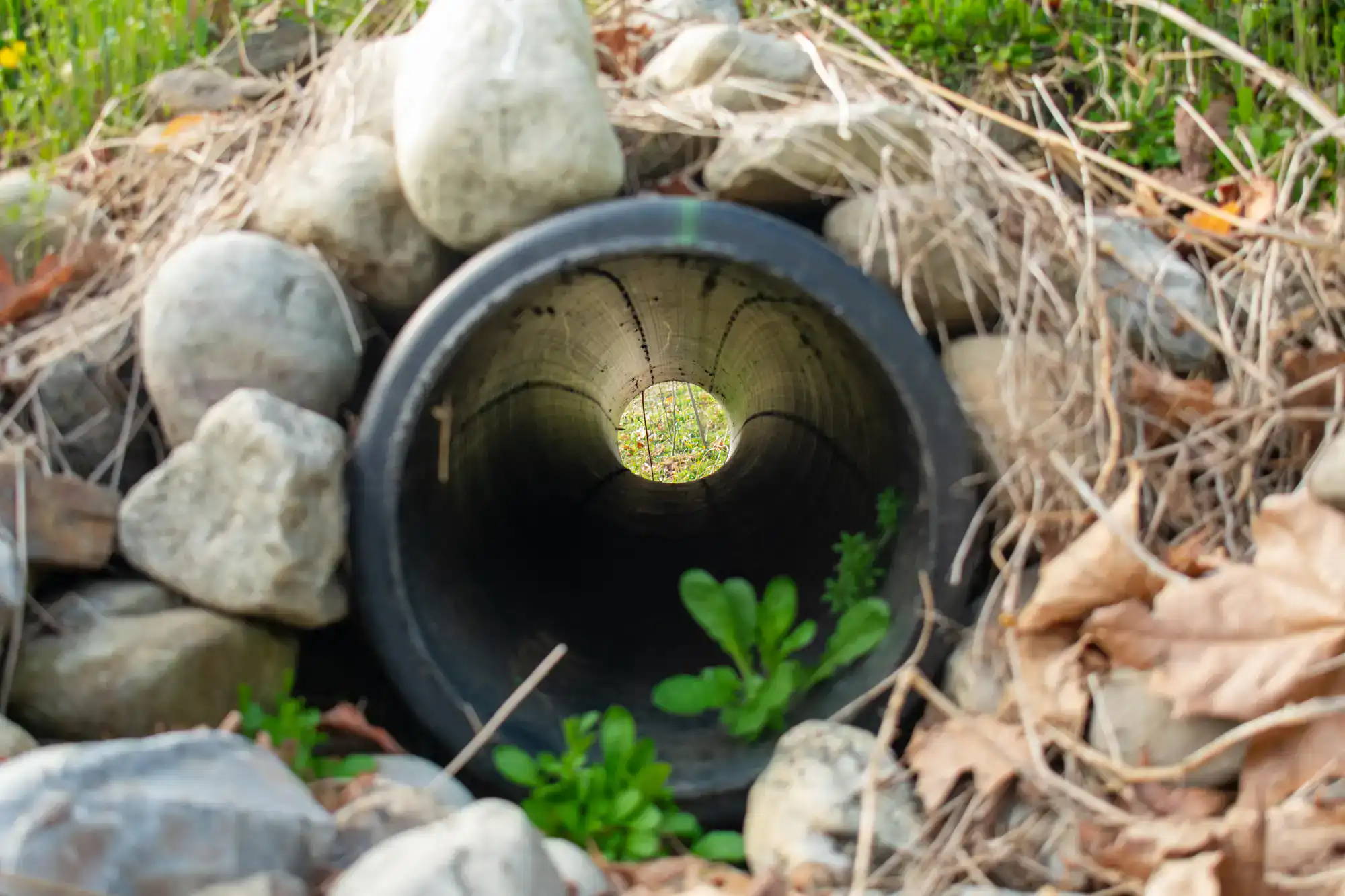
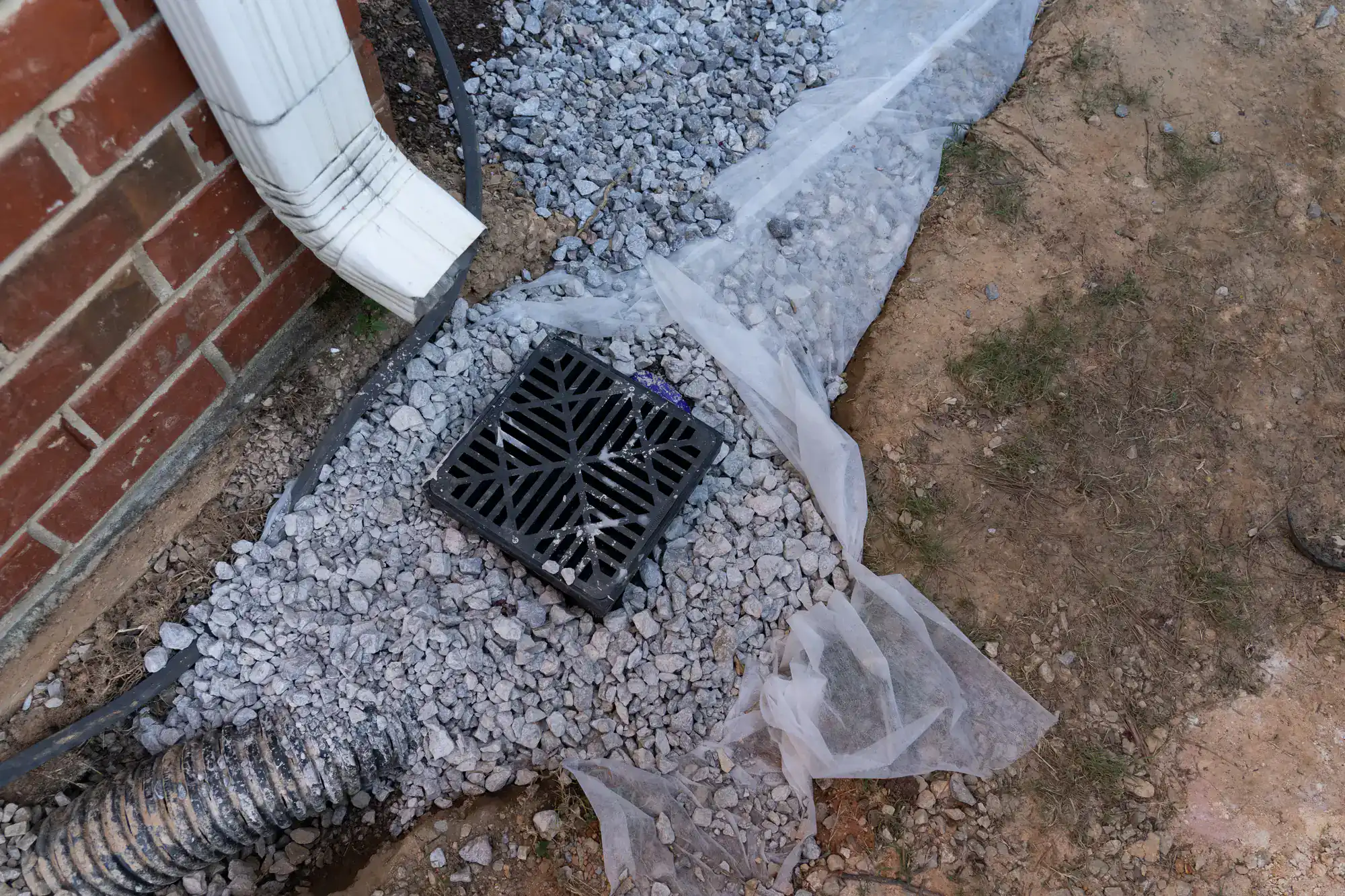
A french drain is a gravel-filled trench containing a perforated pipe that collects groundwater and redirects it away from your foundation before it can build up pressure against your basement walls. The name sounds fancy, but the concept is straightforward: give water a path of least resistance, and it’ll take it.
There are two main configurations — interior and exterior. An exterior french drain intercepts water before it ever reaches your foundation, typically installed at the footing level during excavation. An interior system catches water that’s already entered or is actively pressing against the foundation from inside, routing it to a sump pump for discharge. Neither is universally “better.” The right choice depends on where your water is coming from, how much of it there is, and what your property looks like.
Waterproofing basement walls isn’t one thing — it’s a category of solutions that range from surface treatments to full excavation and membrane systems. Understanding the difference matters a lot, because the wrong approach won’t just fail; it can make the underlying problem worse by trapping water with nowhere to go.
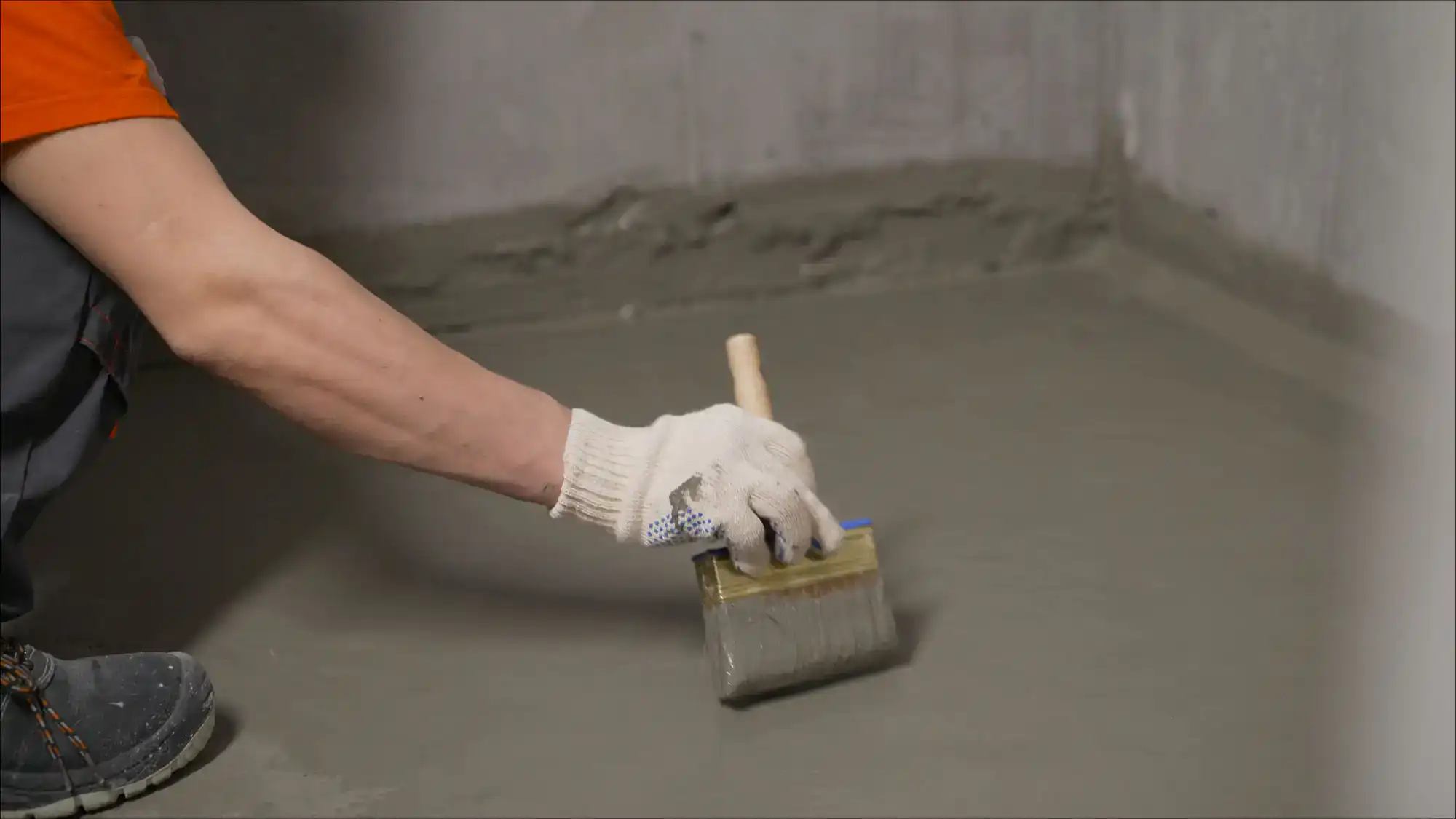
On the interior side, you have options like membrane coatings, crack injection, and interior drainage channels. These work well for certain conditions — particularly when the water source is condensation or minor seepage through porous concrete. But if you’re dealing with hydrostatic pressure from saturated soil pushing against your foundation, a surface coating is not going to hold. Water under pressure will find a way through eventually, and when it does, it usually takes some of your wall with it.
On the exterior side, waterproofing basement walls from outside involves excavating down to the foundation footing, applying a waterproofing membrane to the exterior wall surface, installing a drainage board, and then backfilling with clean gravel. This is the most comprehensive approach because it addresses the water before it ever contacts your foundation. It’s also more expensive and more disruptive — you’re talking about significant excavation work around the perimeter of your home.
For most homeowners in Montgomery County dealing with chronic basement moisture, the practical answer is often a combination: an interior french drain system to manage water that enters, paired with targeted exterior work at specific problem areas. That’s not a compromise — it’s an engineered solution that accounts for what’s actually happening at your specific property.
This is probably the most common misconception we run into. A homeowner notices water coming through a wall, buys a can of waterproofing paint or hydraulic cement, applies it, and feels like the problem is solved. For about one wet season, it might be. Then the pressure builds again, the seal fails, and the water comes back — usually through a slightly different spot.
Sealing basement walls addresses symptoms. A french drain addresses the cause. The cause is hydrostatic pressure: water-saturated soil pressing against your foundation with nowhere else to go. No surface sealer is designed to permanently resist that kind of sustained pressure, and most aren’t rated for it. They’re appropriate for stopping minor condensation or very light seepage through porous block walls — not for managing a genuine drainage problem.
Waterproofing basement walls from inside using an interior perimeter drain system is a fundamentally different intervention. Instead of trying to stop the water at the wall, you’re capturing it at the floor-wall joint — the lowest point of entry — and routing it to a sump pump before it can spread across your floor. The wall still gets wet, but the water never accumulates. Done right, this is a permanent solution. French drains installed with proper slope, quality perforated pipe, adequate gravel, and geotextile fabric to prevent silt intrusion routinely last 30 to 40 years.
The short version: if your basement is getting water because of drainage pressure from outside, sealing alone won’t fix it. You need a system that moves the water, not one that tries to hold it back.
Want live answers?
Connect with a EJS Environmental expert for fast, friendly support.
The pipe is the heart of the system, and the details matter more than most people expect. Standard french drain installations use a 4-inch perforated PVC or corrugated pipe surrounded by washed gravel — typically with at least 2 inches of gravel clearance on all sides. The trench itself should be 9 inches wide and 18 to 24 inches deep for exterior applications, sloped at a consistent 1-inch drop for every 8 to 10 feet of run.
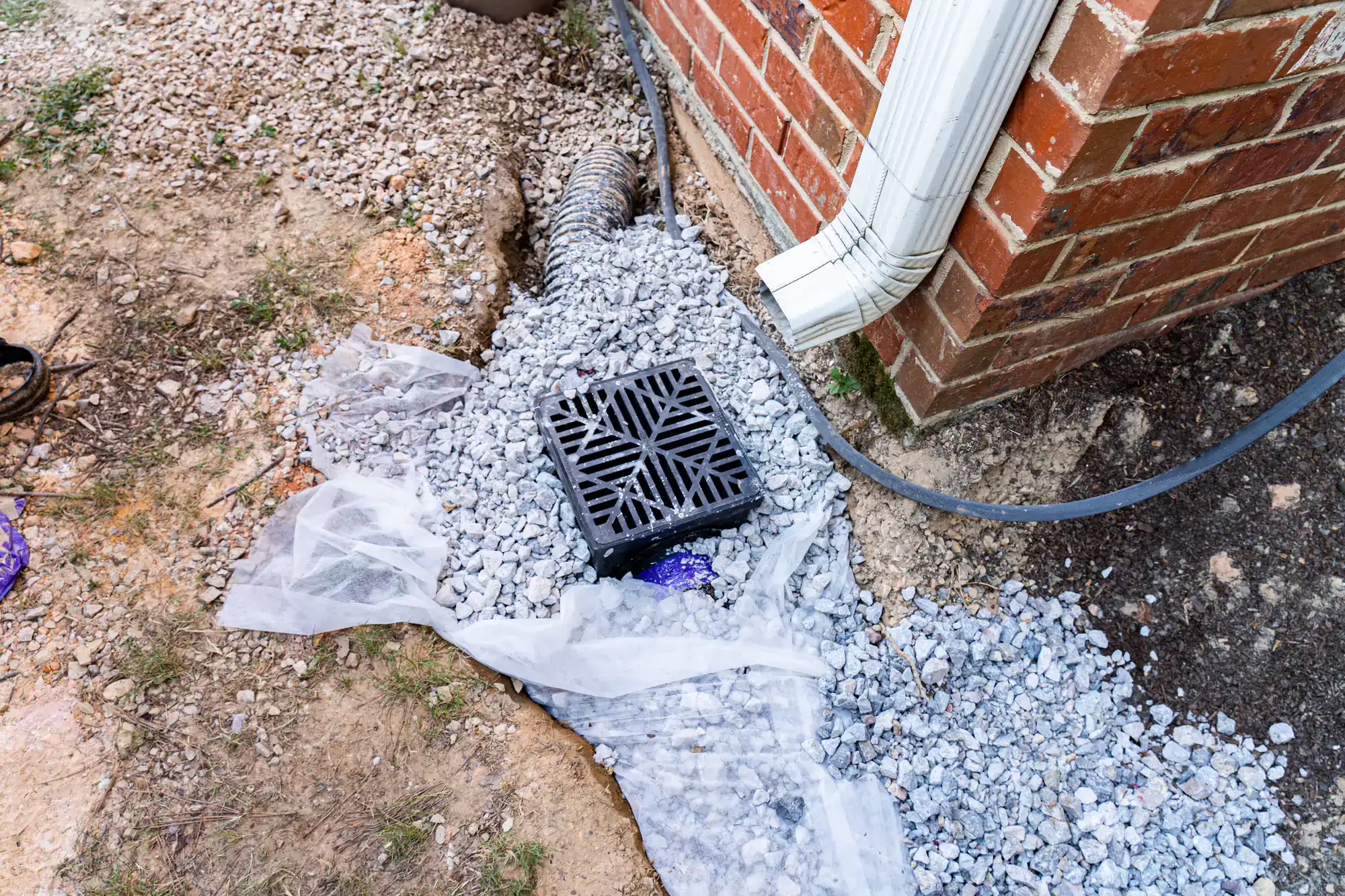
One of the most counterintuitive parts of french drain installation: the holes in the pipe face down, not up. Water enters from below through the gravel bed and flows into the pipe through the bottom perforations. If the holes face up, you’re just filling the pipe with debris. Geotextile fabric wraps the entire gravel-and-pipe assembly to prevent clay and silt from migrating in over time — which is the primary reason french drains fail prematurely.
This is where local knowledge actually matters. Montgomery County sits on some of the most clay-heavy soil in the Philadelphia region, and clay behaves very differently from sandy or loamy soil when it gets wet. It doesn’t drain — it holds water and swells. Then it contracts when it dries out. That repeated expansion and contraction is one of the primary reasons older foundations in Cheltenham, Abington, Horsham, and Glenside develop cracks over time.
Clay soil also means the gravel specification for your french drain matters more here than it would in a sandier environment. You need clean, washed crushed stone — not pea gravel, not native fill, not recycled concrete. Any fine material mixed into the gravel bed will eventually migrate into the pipe and clog it, usually within a few years. The geotextile fabric is non-negotiable in clay-heavy soil; without it, you’re essentially installing a drain with a built-in expiration date.
The slope calculation also deserves more attention in Montgomery County than in flatter terrain. Many older neighborhoods — particularly in Norristown, Conshohocken, and areas near the Schuylkill River — have irregular lot grades that create low points where water pools. Getting the outlet elevation right, so that water actually has somewhere to discharge to, requires a real site assessment. A drain that has nowhere to drain to is just an expensive trench.
Beyond the soil, there’s the question of groundwater. Communities near Wissahickon Creek, Perkiomen Creek, and their tributaries experience rising water tables during extended rain events that can push water up through basement floors — not just through walls. An interior perimeter drain handles this. An exterior-only approach does not. Understanding which problem you actually have is the first step, and it’s not something you can reliably diagnose from a YouTube video.
The question of interior versus exterior isn’t really about which is “better” — it’s about which problem you’re solving. Exterior systems are designed to intercept water before it contacts the foundation. Interior systems are designed to manage water that’s already inside the foundation assembly. They’re solving different problems, and in some cases, you genuinely need both.
An exterior french drain — sometimes called a footing drain — is installed at the base of the foundation wall during excavation. It’s the most comprehensive approach because it captures groundwater at its source and routes it away from the structure entirely. The tradeoff is cost and disruption. Exterior installation requires significant excavation, which means disturbing landscaping, patios, walkways, or driveways depending on where the water is coming from. For homes on the Main Line with established landscaping and mature trees, that’s a real consideration.
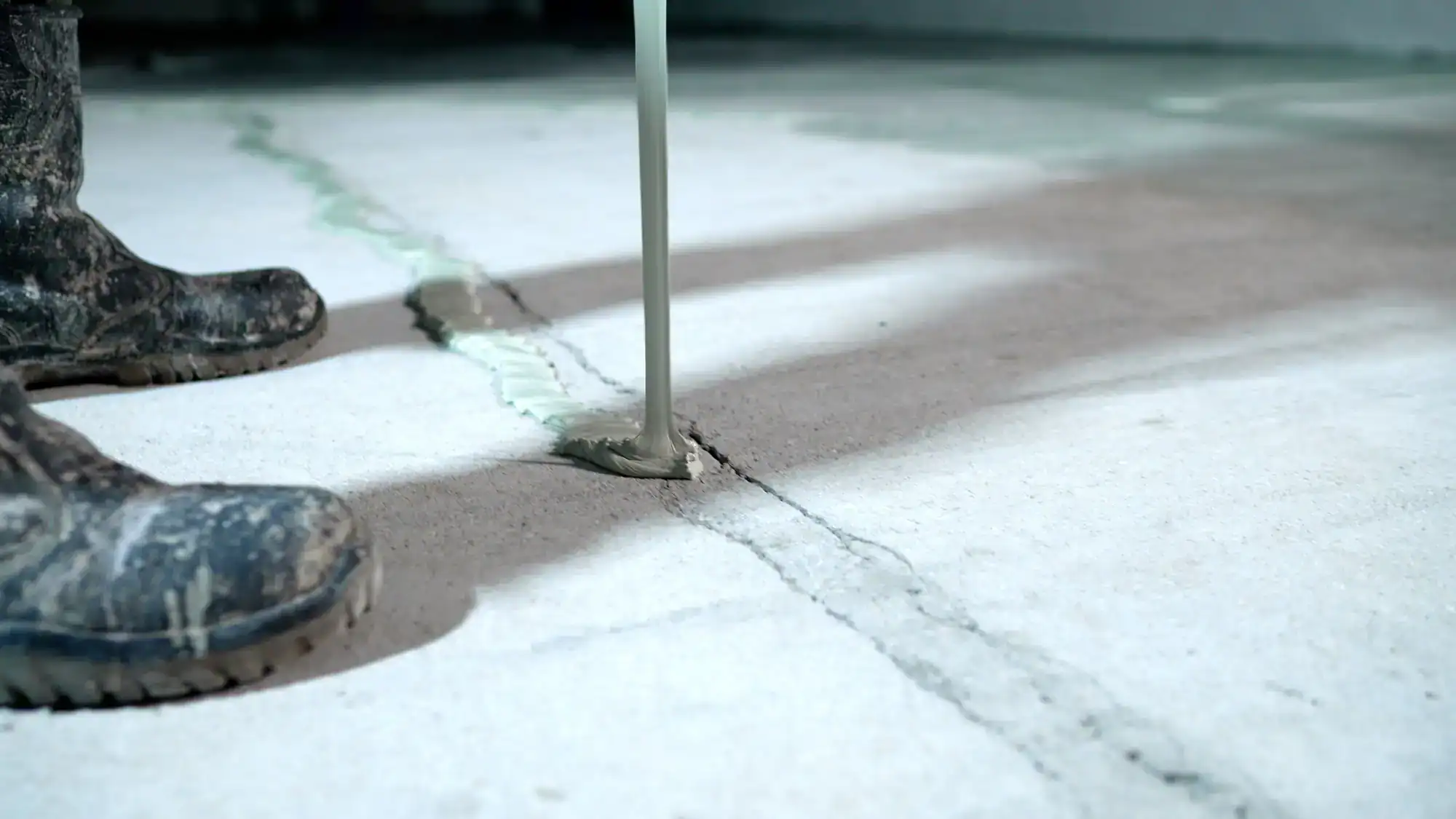
Interior basement drainage systems — interior perimeter drains — are installed inside the basement along the floor-wall joint. A channel is cut into the concrete floor, the perforated pipe is laid in gravel, and the concrete is patched back over it. The system routes water to a sump pit, where a pump discharges it away from the home. The disruption is contained to the basement interior, and in most cases the system is operational within a day or two.
For a lot of Montgomery County homes — particularly older two-story colonials and split-levels in Blue Bell, Lansdale, and Ambler — the practical answer is an interior system for ongoing water management, combined with targeted exterior work at specific problem areas identified during assessment. That might mean excavating one corner where water consistently enters, rather than going around the entire perimeter. The right answer comes from an honest assessment of where the water is coming from, not from a predetermined package.
One thing worth mentioning: if your home was built before 1978, any work that involves cutting concrete, excavating near the foundation, or disturbing existing wall surfaces carries a real risk of encountering lead paint or asbestos-containing materials. Most waterproofing contractors aren’t equipped to handle that. We are — we hold EPA/HUD certification and a certified lead inspector and risk assessor credential specifically because this situation comes up constantly in older Montgomery County homes. It’s not a sales pitch; it’s a genuine safety consideration that affects which contractor you should hire.
Costs vary based on system type, linear footage, soil conditions, and whether any hazardous materials are present. Interior french drain systems typically run $3,000 to $7,000. Exterior systems, which involve excavation, range from $5,000 to $15,000 or more depending on how much of the perimeter is involved. Add a sump pump to an interior system and you’re looking at another $600 to $2,500 depending on the unit.
Those numbers sound significant until you compare them to the cost of ignoring the problem. Foundation rebuilding starts at $23,000 and climbs fast. Mold remediation in a chronically wet basement adds thousands more. And a wet basement in a Montgomery County real estate market — where home values are high and buyers are informed — will surface in every inspection report and cost you far more at the negotiating table than the drainage system would have.
A properly installed french drain system, done right the first time, lasts 30 to 40 years. That’s the math that matters.
If you’re dealing with a wet basement in Montgomery County, PA, and you want a straight answer about what’s actually going on and what it would take to fix it permanently, reach out to us. We offer free estimates, we answer the phone around the clock, and we’ll tell you what you actually need — not what’s easiest to sell.
—
**Frequently Asked Questions**
**What causes a basement water leak in Montgomery County homes?**
The most common causes are hydrostatic pressure from clay-saturated soil pressing against the foundation, cracks in foundation walls or the floor-wall joint, and inadequate grading that directs surface water toward the house rather than away from it. In Montgomery County specifically, the combination of clay-heavy soil and aging housing stock creates near-ideal conditions for basement water intrusion. Homes near Wissahickon Creek, Perkiomen Creek, or in low-lying areas of Norristown, Conshohocken, and Lansdale also face elevated groundwater during extended rain events — which pushes water up through floors, not just through walls. If you’ve noticed a musty smell even when there’s no visible water, that’s usually a sign of chronic low-level moisture that’s been there longer than you think.
**What should we do during emergency basement flooding?**
First, don’t walk through standing water if you don’t know whether electrical outlets or appliances are submerged — turn off the circuit breaker to the basement first. Don’t run your HVAC system, because it will circulate contaminated air through the house. Document the damage with photos before removing anything. Then call us — we can extract water, assess structural and air quality conditions, and identify the source — not just mop up the surface. Mold begins growing within 24 to 48 hours of water intrusion, so speed matters. We offer emergency response service and answer the phone 24/7 — including nights, weekends, and the middle of a nor’easter.
**How much does it cost to repair water in a basement?**
It depends entirely on what’s causing the problem and how long it’s been going on. A simple crack injection might run a few hundred dollars. An interior french drain system with a sump pump typically falls between $3,600 and $9,500 for most Montgomery County homes. If the water has been present long enough to cause mold growth or structural damage, those repairs add to the total. The honest answer is that you need a proper assessment before anyone can give you a number worth trusting. We offer free estimates — no obligation, no pressure — and we’ll tell you what the job actually involves before you commit to anything.
**What does water leak restoration actually involve?**
Restoration goes beyond just stopping the leak. It means extracting standing water, drying out the structural materials (framing, insulation, concrete), testing air quality for mold spores, remediating any mold or hazardous materials that were disturbed, and then repairing or replacing damaged components. For older Montgomery County homes, that process often uncovers secondary issues — lead paint disturbed during demolition, asbestos in floor tiles or insulation — that require certified handling. We handle all of it under one roof, which means one point of contact, one timeline, and no gaps between what one contractor leaves behind and what the next one finds.
**What type of contractor should handle wet basements — and does it matter?**
It matters more than most homeowners expect. Landscapers can install yard drainage. Plumbers can address pipe-related water intrusion. General contractors can patch cracks. But a wet basement caused by hydrostatic pressure, foundation drainage failure, or rising groundwater requires a contractor who understands waterproofing systems, drainage engineering, and — in older homes — the environmental hazards that come with the territory. In Montgomery County, where a significant portion of homes predate 1980, hiring a contractor without EPA/HUD certification and lead inspection credentials means you may be creating a lead or asbestos exposure risk during the repair process itself. We hold those certifications specifically because this issue comes up on a regular basis in the communities we serve — Glenside, Willow Grove, Cheltenham, Abington, Ambler, and across the Main Line.
Summary:
Share: