Not all waterproofing methods are created equal. Here's what exterior waterproofing actually does, when it's the right call, and why the wrong choice can cost you twice.
Water in your basement is one of those problems that feels urgent the moment you notice it and somehow easy to ignore once it dries up. But if you’re dealing with a musty smell after every rain, white powder creeping up your foundation walls, or paint peeling near the floor — that’s not a fluke. That’s your home telling you something is wrong, and it’s not going to fix itself.
The big question most homeowners land on is whether exterior waterproofing is actually worth it, or whether a less invasive interior fix will do the job. The honest answer is: it depends on your specific situation. Here’s what you need to know to make a smart decision.
Interior waterproofing doesn’t stop water from entering your home — it manages water after it gets in. Systems like interior French drains, sump pumps, and vapor barriers are designed to collect and redirect water before it causes visible damage. They’re less disruptive to install and typically less expensive upfront, which makes them appealing. For certain situations, they’re genuinely the right call.
Exterior waterproofing works differently. It addresses the problem at the source — the outside of your foundation wall — before water ever has a chance to enter. That distinction matters more than most people realize, especially across Montgomery County, where the soil holds water like a sponge and the freeze-thaw cycles of a Pennsylvania winter are quietly widening foundation cracks every year.
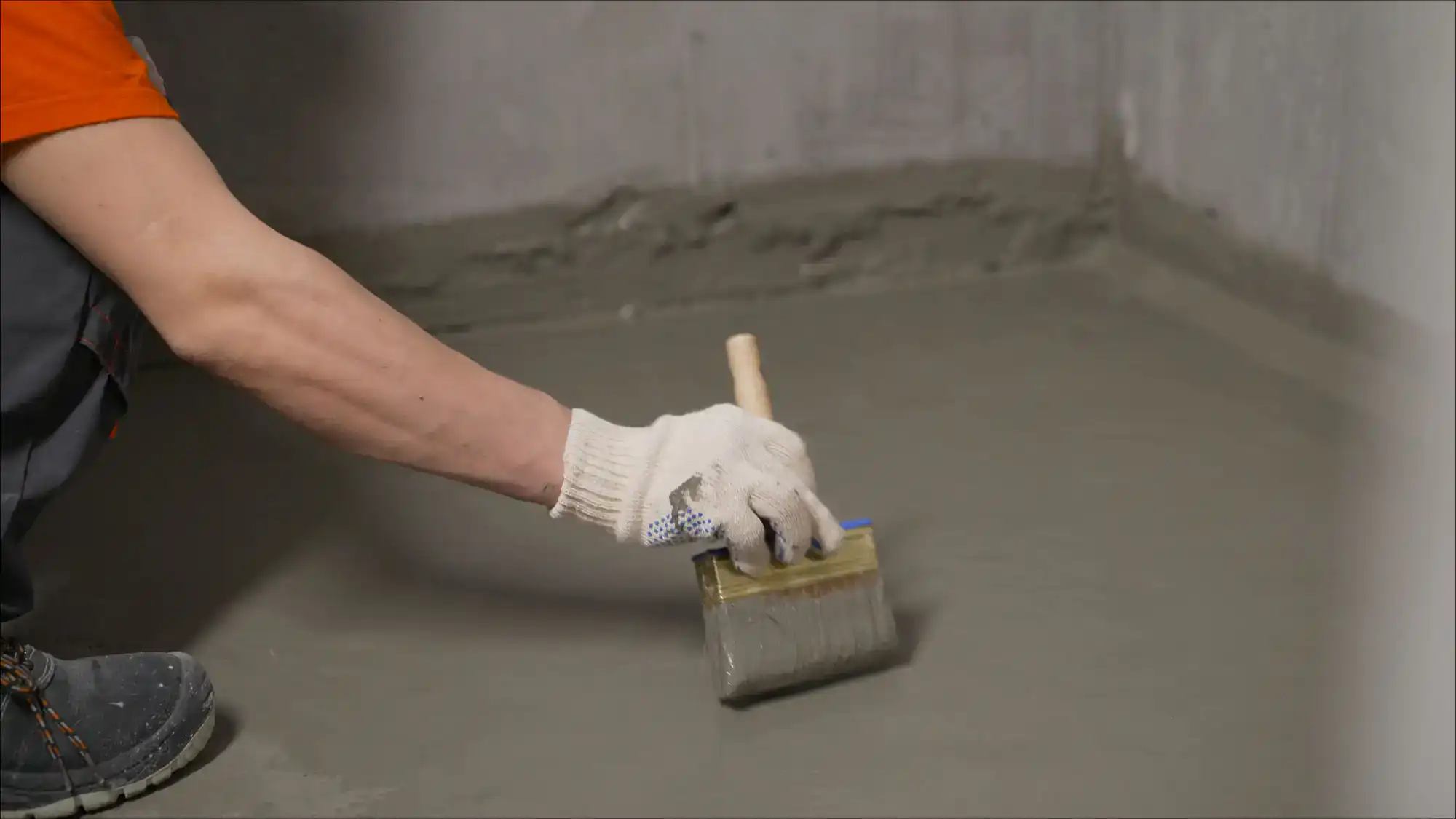
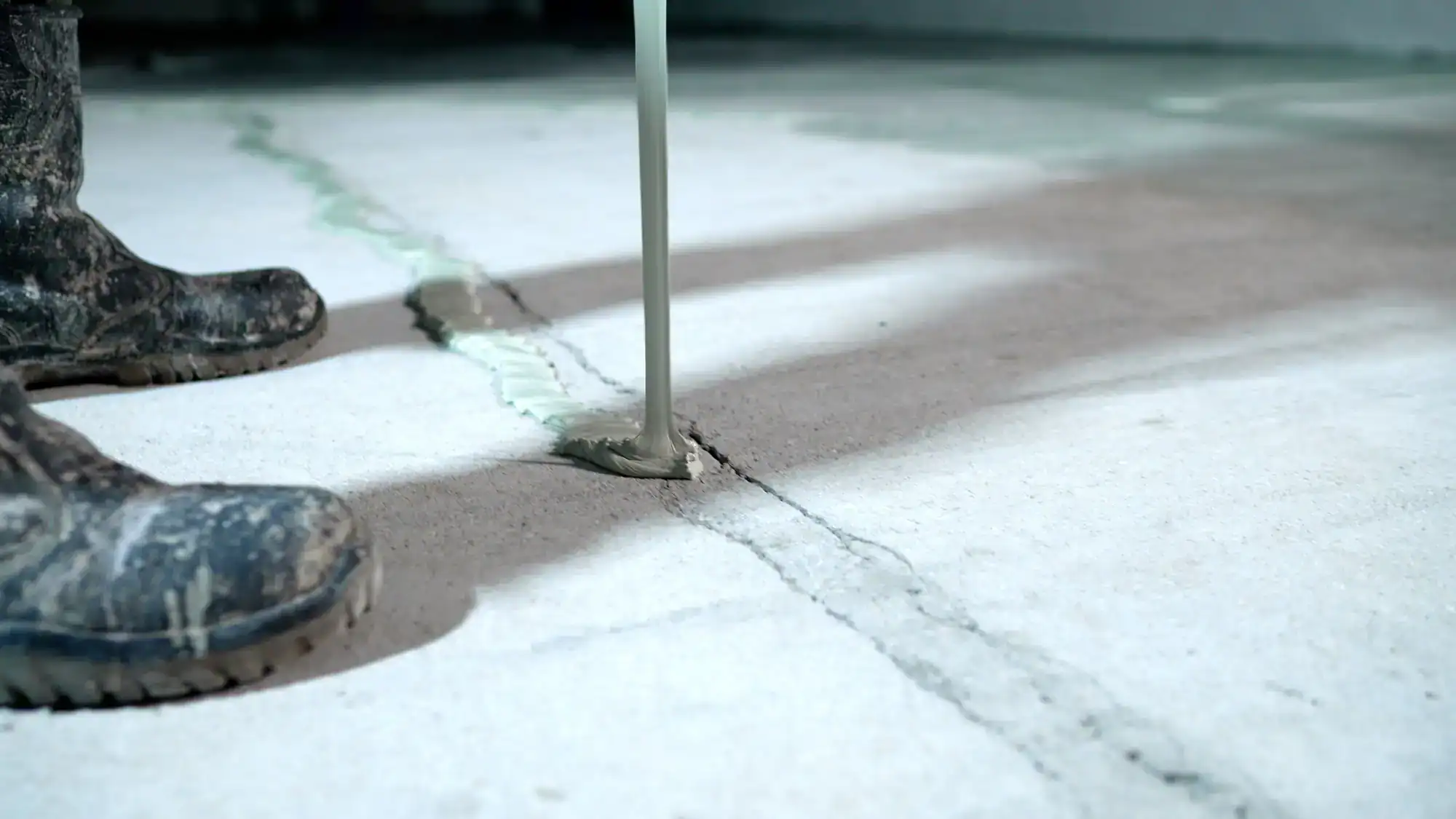
Exterior waterproofing starts with excavation. The soil around your foundation is removed down to the footing — the base of the foundation wall — so the entire exterior surface is exposed and accessible. From there, any existing cracks are repaired before anything else happens. Skipping that step is one of the most common shortcuts that leads to early system failure, so it’s worth asking any contractor directly whether crack repair is included.
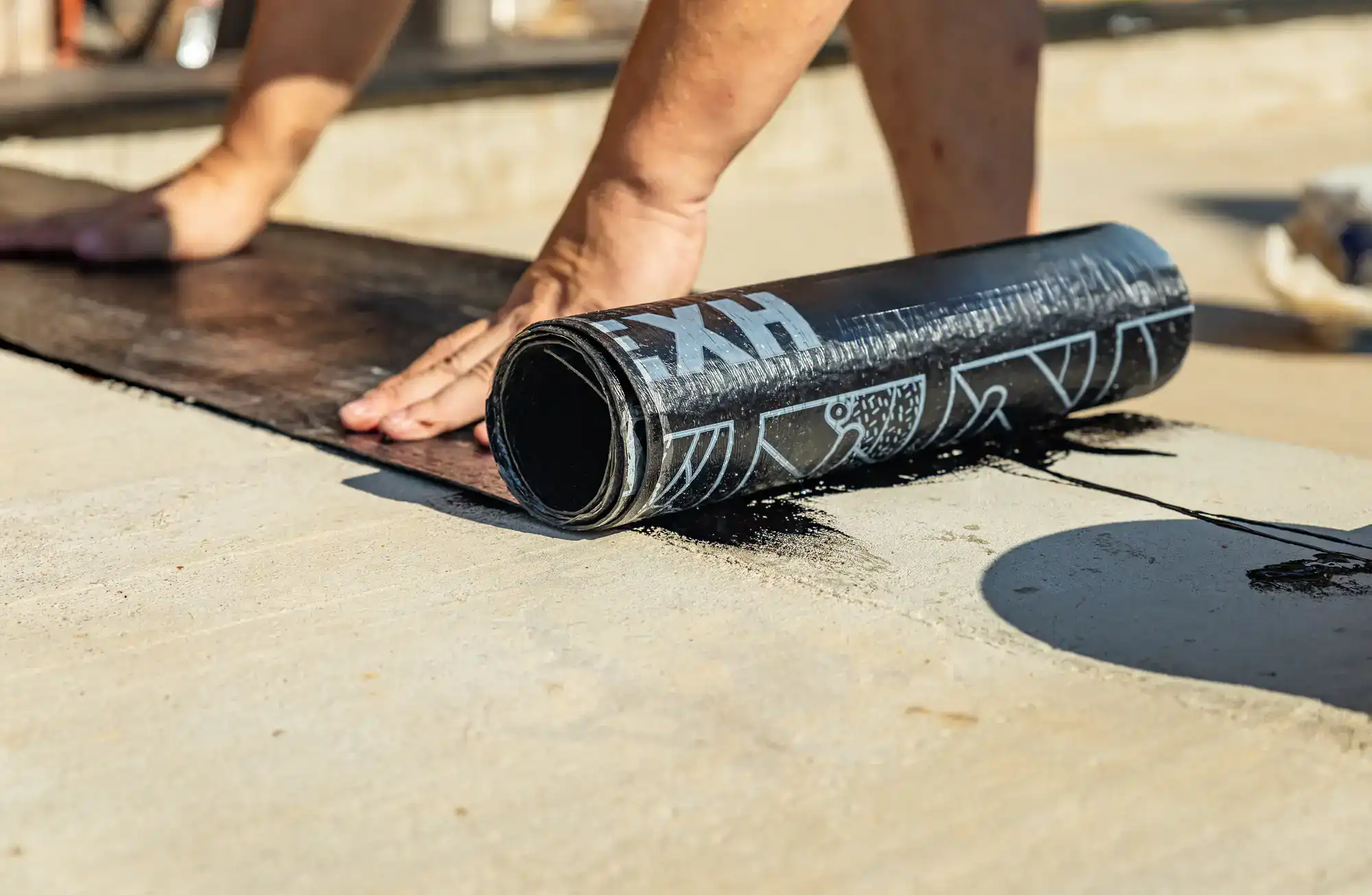
Once the wall is prepped, a waterproof membrane is applied. Depending on the situation, this might be a rubberized asphalt membrane, a bituminous coating, or a crystalline product that actually bonds with the concrete and blocks water at a molecular level. Over that membrane, we typically install a dimple mat or drainage board — a textured layer that creates a channel between the membrane and the soil, so water flows down and away rather than pressing directly against the wall.
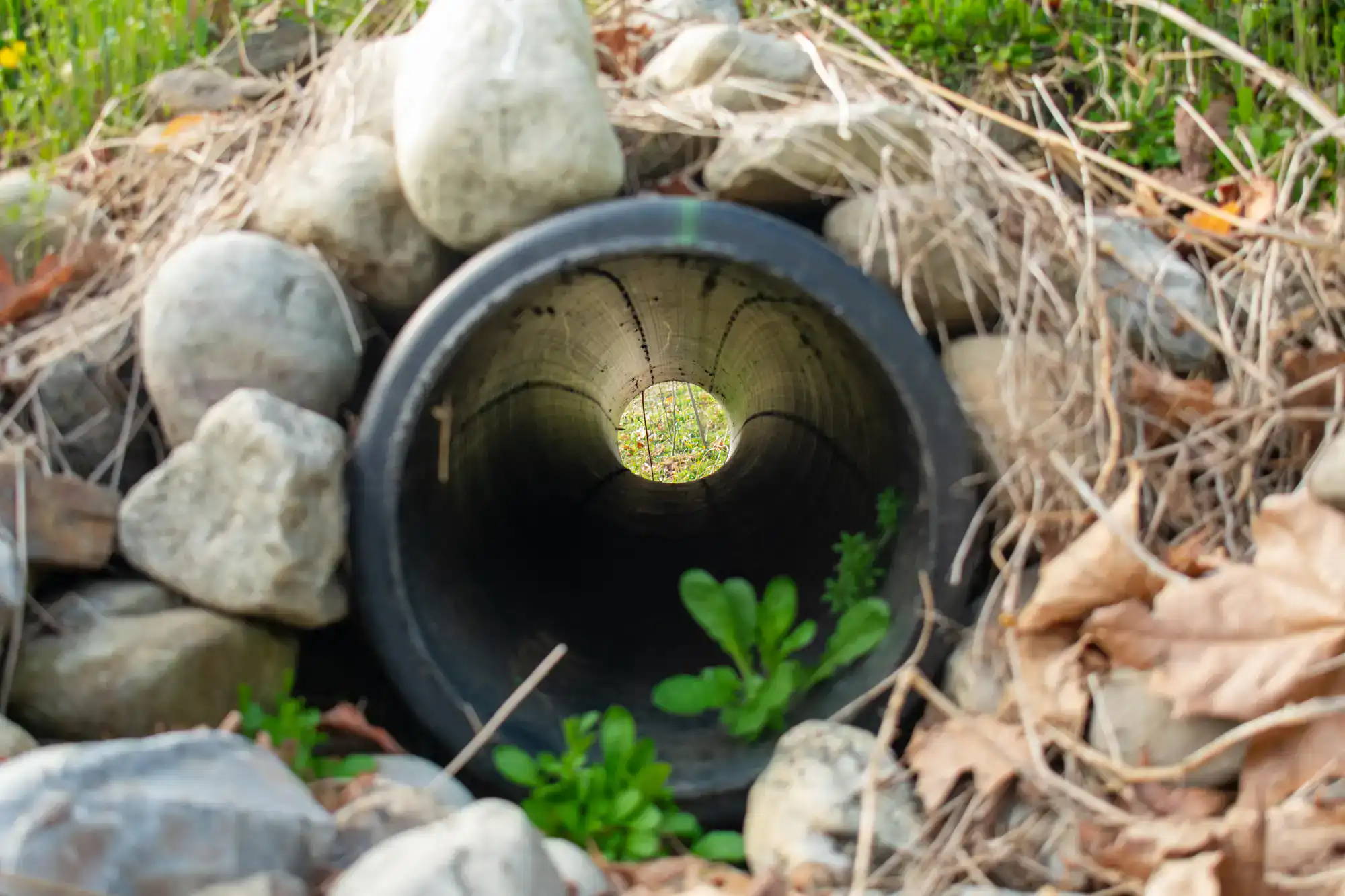
At the base of the foundation, a perimeter drain or French drain is installed to collect that water and direct it away from the structure. This is where exterior waterproofing connects directly to your drainage system, and it’s why the two are almost always discussed together. Without proper drainage at the footing level, even a well-installed membrane is working against sustained hydrostatic pressure — and eventually, sustained pressure wins.
The excavated area is then backfilled, ideally with gravel or aggregate rather than the original clay soil. This matters because clay retains water and keeps that pressure against your foundation high. Proper backfill material allows water to drain freely through the soil column rather than pooling against the wall. Finally, the surface grade is restored to slope water away from the home.
When all of those steps are done correctly, exterior waterproofing is the most comprehensive long-term solution available. It protects the foundation structurally, prevents water from entering in the first place, and addresses the underlying drainage conditions that caused the problem.
The most common reason waterproofing fails isn’t bad materials — it’s a misdiagnosis of the problem, followed by the wrong solution applied correctly. A surface coating applied over an active crack will fail. An interior drainage system installed in a home with severe hydrostatic pressure will manage symptoms but never solve the underlying issue. And exterior waterproofing backfilled with the original clay soil will eventually face the same conditions that caused the original problem.
Beyond the technical missteps, there’s a trust problem in this industry that’s worth naming directly. Some contractors push their preferred system regardless of what your home actually needs — because that’s what they sell. If you’ve already had a waterproofing job that didn’t hold, there’s a real chance the first contractor sold you the wrong approach, not just a poorly executed one. That’s not a rare story. It shows up consistently in reviews from homeowners across the greater Philadelphia area and throughout Montgomery County.
The things worth asking before any work begins: Does this contractor assess the actual source of the water intrusion before recommending a method? Do they repair cracks before applying a membrane? What material are they backfilling with? What does the warranty cover, and for how long? A contractor who can answer those questions clearly and without hesitation is worth your time. One who pivots to price or availability before addressing them probably isn’t.
For homes built before 1978 — which describes a significant portion of the housing stock across the Main Line and older Montgomery County communities — there’s an additional layer of complexity. Any work that disturbs wall surfaces, insulation, or soil near the foundation may encounter lead paint or asbestos-containing materials. Federal EPA and HUD regulations require that work to be handled by a certified professional. It’s not optional, and it’s not something a waterproofing-only contractor is typically equipped to manage. We hold a Certified Lead Inspector and Risk Assessor credential specifically because this situation comes up regularly in the communities we serve.
Want live answers?
Connect with a EJS Environmental expert for fast, friendly support.
There’s no single waterproofing solution that works for every home, and anyone who tells you otherwise is selling something. The right approach depends on where the water is coming from, how much of it there is, what your foundation is made of, and what the soil and drainage conditions look like around your property.
Montgomery County presents a specific set of conditions that shape that decision. The region sits in Pennsylvania’s Piedmont zone, where clay-heavy soils are the norm. Clay doesn’t drain — it holds water and pushes it against whatever is in its way, including your foundation. Add to that roughly 44 to 47 inches of annual precipitation and winters that freeze and thaw repeatedly, and you’ve got a combination that puts real, sustained stress on foundations over time.
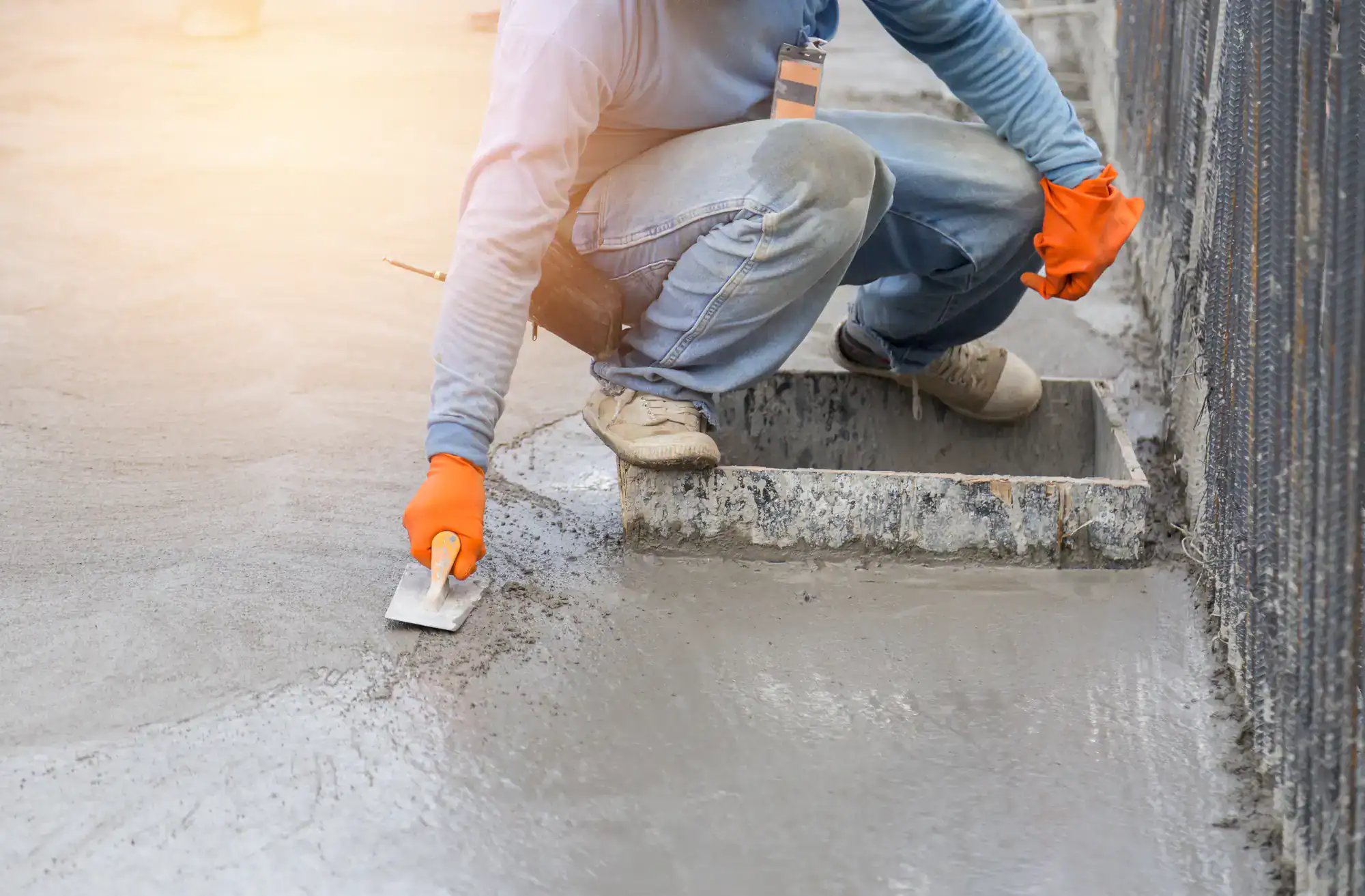
Exterior waterproofing is typically the stronger long-term solution when water is actively penetrating through the foundation wall, when there’s visible structural cracking, or when the home has a history of recurring water intrusion that interior systems haven’t resolved. It addresses the problem at its origin rather than downstream, and it provides structural protection that interior drainage alone cannot offer. Industry sources consistently identify exterior waterproofing as the more effective method for preventing foundation damage over time.
Interior waterproofing makes more sense when the water source is condensation or minor seepage rather than active intrusion, when the exterior is inaccessible due to finished landscaping or hardscaping, or when budget constraints make a full exterior excavation impractical as a first step. Interior French drains and sump pumps are effective water management tools — they just don’t address what’s happening on the other side of the wall.
The most comprehensive approach combines both. A properly installed exterior membrane paired with a footing drain and an interior sump pump gives you protection at the source and a backup system for anything that gets through. That combination is what we typically recommend when the conditions warrant it — not because it’s the most expensive option, but because it’s the one most likely to hold up through a Montgomery County spring without a callback.
What we don’t do is walk into a home and recommend the same system we installed last week. Every assessment starts with understanding your specific situation — the source of the water, the foundation type, the soil conditions around your property, and whether there are any environmental factors (mold, lead, asbestos) that need to be addressed alongside the waterproofing work. That’s not a sales pitch. It’s just the only way to get it right.
A French drain is a gravel-filled trench with a perforated pipe at its center, installed to intercept and redirect groundwater before it reaches your foundation. On its own, it’s a useful drainage tool. Paired with exterior waterproofing, it becomes a genuinely comprehensive water management system — because the membrane handles what’s already pressing against the wall, and the French drain reduces the hydrostatic pressure that builds up in the soil around your foundation in the first place.
In Montgomery County’s clay-heavy soil conditions, that pressure reduction matters. Clay doesn’t allow water to drain naturally the way sandy or loamy soil does. Water accumulates in the soil column around your foundation after heavy rain, after snowmelt, and during the spring thaw — and it stays there, pressing outward, for longer than most homeowners expect. A French drain at the footing level gives that water somewhere to go before it becomes a structural problem.
The installation typically runs along the perimeter of the foundation at the base of the excavation, which is why it’s most efficiently done as part of an exterior waterproofing project rather than as a separate job. Doing both at once means the excavation only happens once, the drainage system is properly positioned at the footing rather than mid-wall, and the backfill material can be selected to work with the drainage system rather than against it.
One thing worth knowing: the ROI on basement waterproofing averages around 30% when you sell your home, according to Angi. In a market where homes in communities like Ardmore, Conshohocken, and Blue Bell regularly list above $400,000, that’s not a trivial number. A properly documented waterproofing installation — especially one that includes a French drain and carries a meaningful warranty — is something buyers and their inspectors notice. It’s the difference between a clean inspection and a negotiation you weren’t planning to have.
Exterior waterproofing is highly effective — but only when it’s the right solution for your specific home, installed correctly, with proper drainage integration and the right backfill. When those conditions are met, it’s the most durable, comprehensive approach available for protecting your foundation from water intrusion long-term.
What it isn’t is a universal answer. The homes across Montgomery County vary enormously — in age, foundation type, soil conditions, and water source — and the right solution varies with them. That’s why the assessment matters as much as the installation.
If you’re dealing with water in your basement, recurring moisture issues, or a foundation that’s showing signs of stress, we at EJS Environmental Services LLC offer free estimates and a personalized evaluation of your situation — not a one-size-fits-all proposal. We’re available 24/7, including for emergency situations, and we handle everything from waterproofing and drainage to mold remediation and environmental testing under one roof. Reach out and let’s figure out what your home actually needs.
Summary:
Share: