Found mold in your basement or attic? Here's what professional removal actually looks like — and why getting it right the first time matters more than most people realize.
You noticed something dark on the basement wall. Or maybe the musty smell has been there for weeks and you’ve finally decided to deal with it. Either way, you’re here because you want real answers — not a sales pitch wrapped in scare tactics.
Mold is one of those problems that tends to be worse than it looks and easier to mishandle than most people expect. We’ve been doing this work in Montgomery County and the surrounding area for over two decades, and we’ve seen what happens when it’s done right — and what happens when it isn’t. Here’s what you actually need to know.
A lot of homeowners start with a bottle of bleach and good intentions. It makes sense — you see mold, you clean it, problem solved. Except it usually isn’t. Bleach kills surface growth on non-porous materials, but it only penetrates about 1/16 of an inch. On drywall, wood framing, or grout, the root structure of the mold stays intact beneath the surface. Give it a week and some humidity, and it’s back.
Real mold clean up means removing contaminated materials that can’t be salvaged, treating surfaces with professional-grade antimicrobial solutions that actually penetrate, running HEPA air filtration throughout the work area, and containing the space so spores don’t migrate to clean parts of your home. It’s more involved than scrubbing a wall — and that’s exactly why doing it halfway tends to make things worse.
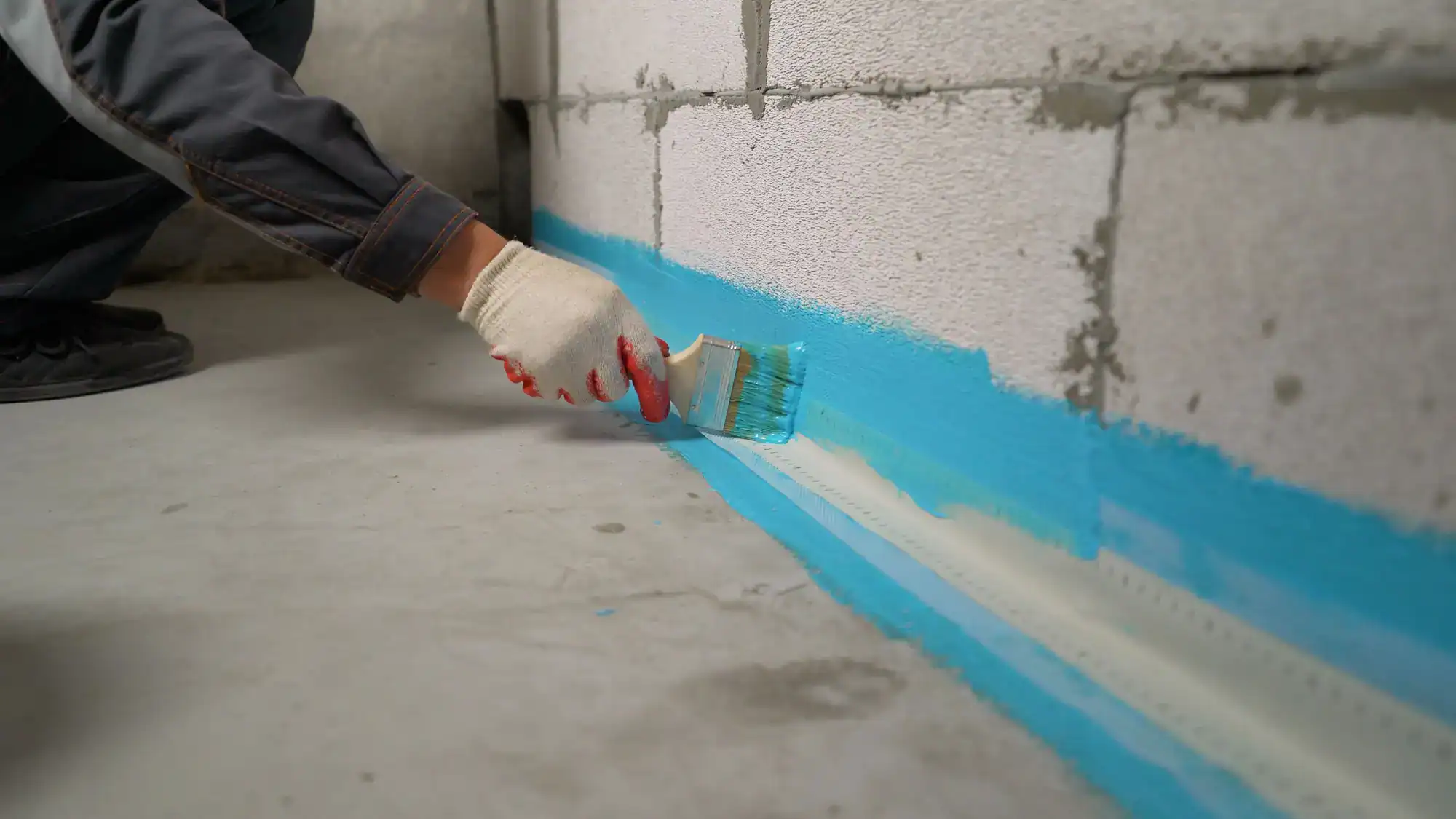
The process starts before anyone touches a single moldy surface. First comes inspection — and we mean a real one, not a five-minute walkthrough. Mold commonly grows in places you can’t see: inside wall cavities, under flooring, in attic insulation, behind bathroom tile, and throughout HVAC systems. Air quality testing and sampling tell us what’s actually in the air, not just what’s visible on the surface.
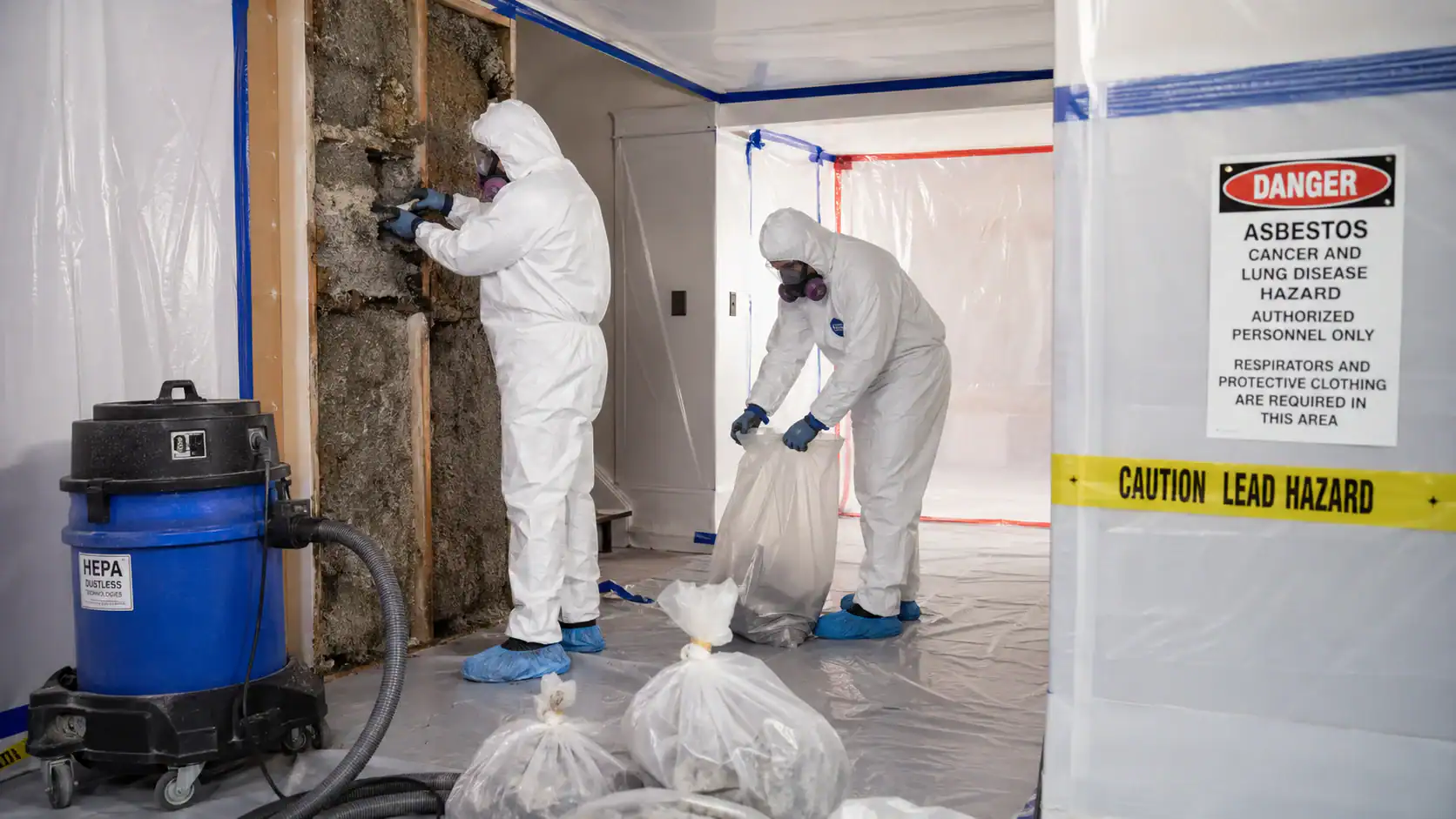
Once we know the full scope, we set up physical containment — heavy-duty plastic sheeting, sealed doorways, and negative air pressure systems that keep spores from traveling to unaffected areas of your home. This step matters more than most people realize. Disturbing mold without proper containment can turn a localized problem into a whole-house one.
From there, we remove materials that can’t be cleaned — drywall, insulation, flooring — and treat everything that can be salvaged with antimicrobial solutions. HEPA vacuums capture airborne particles throughout the process, and air scrubbers run continuously to filter the work environment. Our team uses full personal protective equipment on every job, not because it looks professional, but because the exposure risk is real.
The final step is post-remediation verification. That means testing the air and surfaces after the work is done to confirm the mold levels are back to normal. Some companies skip this part. We don’t, because a job isn’t finished until there’s objective proof it worked.
The whole process can take anywhere from a single day to a couple of weeks depending on how extensive the problem is. Most jobs fall somewhere in the middle — a few days of focused, contained work that leaves your home cleaner than it was before we showed up.
These terms get used interchangeably, but they describe different things — and understanding the difference helps you ask better questions when comparing companies.
Mold mitigation is about stopping the spread. It’s the containment phase: sealing off affected areas, running negative air pressure systems, and preventing spores from reaching clean parts of the building. Think of it as damage control — critical, but not the full solution. Mitigation alone doesn’t remove the mold that’s already there, and it doesn’t address why the mold grew in the first place.
Full mold remediation services go further. We include mitigation, but we also handle the physical removal of contaminated materials, antimicrobial treatment, structural drying, and — this part is important — identifying and correcting the moisture source. Mold is always a symptom of a moisture problem. A leak, a drainage issue, condensation from an aging HVAC system, a foundation that lets water in after heavy rain. If that underlying cause isn’t fixed, the mold will come back. Maybe not immediately, but it will come back.
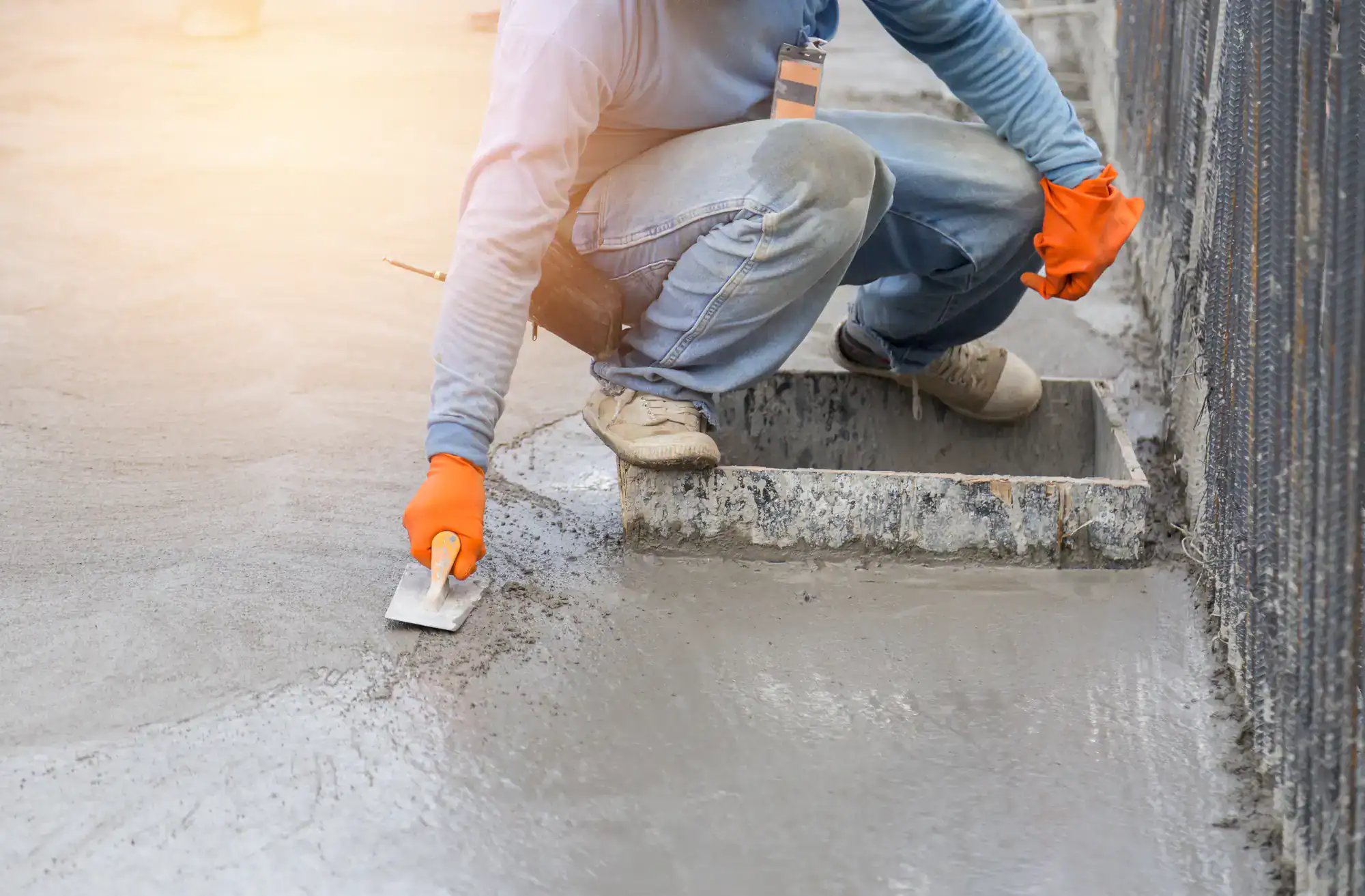
This is where a lot of remediation jobs fall short. A company removes what’s visible, hands you a report, and leaves. Six months later you’re back to square one. We handle waterproofing as part of our service model, which means when we find a moisture problem driving the mold — and we usually do — we can address it in the same project rather than leaving you to find a second contractor and start the whole process over.
In Montgomery County, where a significant portion of the housing stock was built in the mid-20th century or earlier, foundation moisture is one of the most common culprits. Older drainage systems, original waterproofing that’s long past its useful life, and basements that were never designed to stay dry in Pennsylvania’s wet springs — these are real, local issues that show up in the work we do every week.
Want live answers?
Connect with a EJS Environmental expert for fast, friendly support.
We’re based in Willow Grove, which puts us squarely in the middle of the communities we serve — Abington, Cheltenham, Horsham, Lansdale, Blue Bell, Norristown, Lower Merion, and everywhere in between. This isn’t a franchise operation dispatching crews from a call center two counties away. We know this area, we know the housing stock, and we’ve worked in enough basements and attics across Montgomery County to know exactly what tends to go wrong and where.
Our mold remediation services cover the full scope: inspection and air quality testing, containment, removal, antimicrobial treatment, structural drying, waterproofing, and post-remediation verification. One company, one project, start to finish. If the job also involves asbestos or lead paint — which it sometimes does in older homes — we’re federally certified to handle those too.
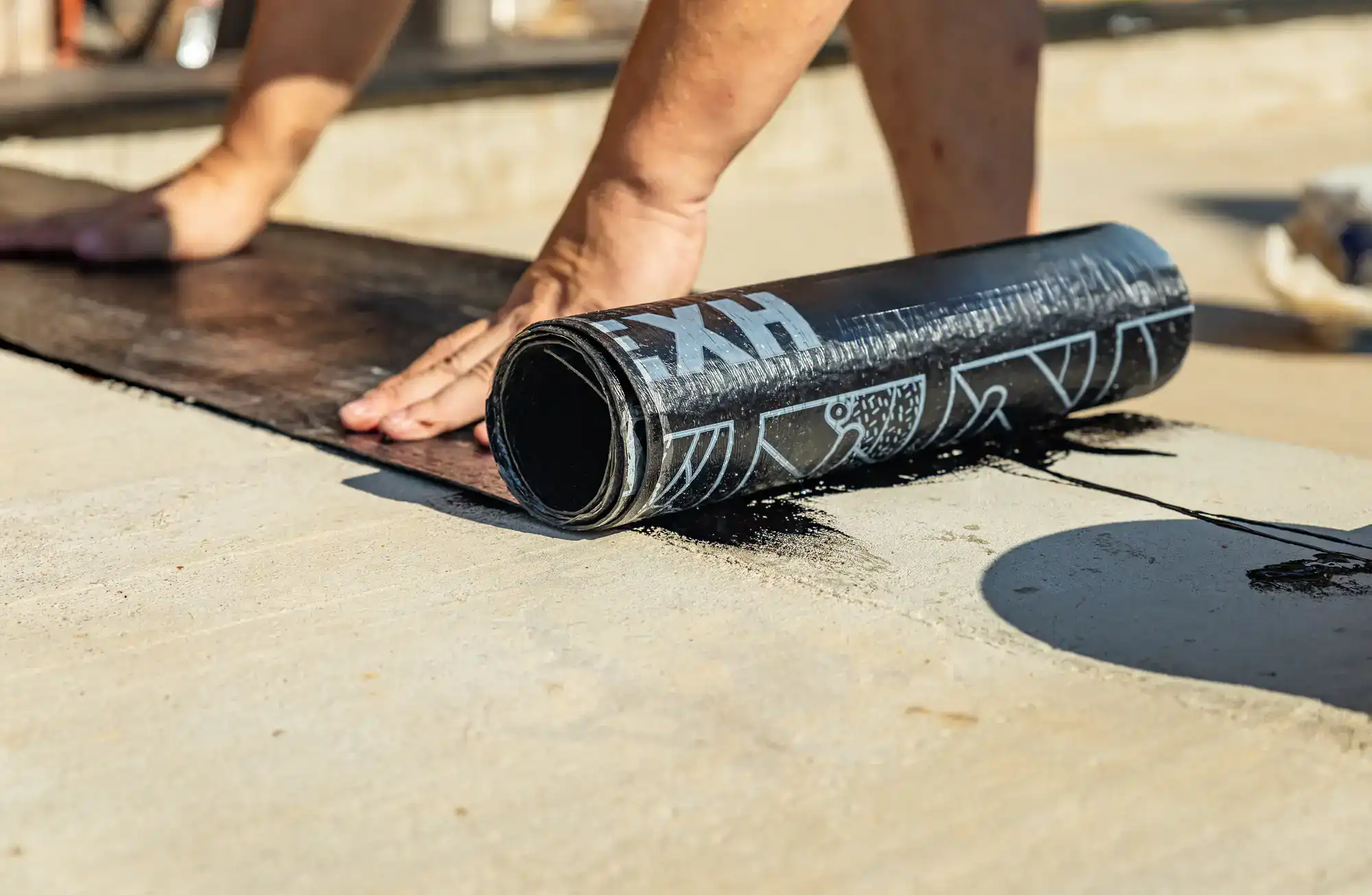
A lot of what drives mold calls in this county comes down to age. Communities like Cheltenham, Jenkintown, Abington, and the Main Line corridor have large concentrations of homes built before 1960 — some significantly older than that. These homes were built with materials and construction methods that weren’t designed to manage moisture the way modern building science expects.
Original plaster walls absorb moisture differently than modern drywall. Old-growth wood framing, while often denser and more durable than today’s lumber, is still vulnerable to prolonged moisture exposure. Basement waterproofing from 50 or 60 years ago — when it existed at all — has often degraded or was never adequate for Pennsylvania’s wet climate. And attic ventilation in older homes frequently doesn’t meet the standards that prevent condensation buildup in winter.
Montgomery County’s climate tests even well-maintained homes: hot, humid summers where basement humidity regularly climbs past 70%, freeze-thaw cycles in winter that drive ice dams and attic moisture, and roughly 47 inches of annual rainfall. The 48-hour window matters here too — mold begins growing within 24 to 48 hours of water exposure. A sump pump failure, a burst pipe, or a roof leak after a heavy spring storm can create a mold problem faster than most people expect.
Pre-1978 homes add another layer of complexity. Lead paint is common in that housing stock, and asbestos shows up in insulation, floor tiles, and pipe wrap. When mold remediation involves demolition of older building materials, you need someone who’s certified to handle those hazards — not a general contractor who’ll figure it out as they go. We hold EPA/HUD compliance certifications and carry a Certified Lead Inspector and Risk Assessor credential specifically because this situation comes up regularly in the communities we serve.
One question we hear constantly: does homeowner’s insurance cover mold removal? The honest answer is: sometimes, partially, and often not as much as people hope. Standard policies typically cap mold coverage at $1,000 to $10,000 per occurrence, and they usually only cover mold that resulted from a sudden, covered event — like a burst pipe. Mold from a slow foundation leak or years of basement humidity? That’s frequently excluded. Most homeowners in Montgomery County end up paying out of pocket for at least part of the job, which is why we offer free estimates and cash discounts. We’d rather give you an honest number upfront than have you find out the hard way.
Another common question: can I just clean it myself? For a small patch of surface mold on a non-porous material — a bathroom tile, a window sill — maybe. The EPA’s general guidance puts the DIY threshold at about 10 square feet. Anything larger, anything on porous materials like drywall or wood, anything near your HVAC system, or anything that’s come back after a previous cleaning attempt: that’s where professional removal stops being optional and starts being the obviously smarter call.
People also ask how long remediation takes. In Montgomery County, where we often find that what looks like a small basement mold patch connects to a larger moisture issue behind the wall or under the flooring, the honest answer is: it depends on what we find. A contained surface issue might be a one-day job. A more involved situation — say, mold behind finished basement walls in a Horsham colonial after a sump pump failure — could take several days. We’ll tell you what we’re dealing with after the inspection, give you a written scope of work, and won’t change the number on you mid-project without a real conversation first.
Finally: will the mold come back? Only if the moisture source isn’t fixed. That’s the part most companies don’t talk about enough. We do, because it’s the whole point.
At the end of the day, the company you hire for this job should be licensed, bonded, and insured — full stop. They should give you a written estimate before any work begins, use proper containment so they don’t make your problem bigger, address the moisture source and not just the visible mold, and verify the results when the job is done. Those aren’t high standards. They’re the baseline.
We’ve been doing this work in Montgomery County for over 20 years. We carry the certifications, the equipment, and the experience to handle whatever we find — including the things that don’t show up until we’re already in the walls. And because we handle testing, remediation, waterproofing, and related hazard abatement all in-house, you don’t end up coordinating three different contractors to solve one problem.
If you’re dealing with mold — or you think you might be — reach out to EJS Environmental Services LLC. We’re available 24/7, we offer free estimates, and we’ll give you a straight answer about what you’re actually dealing with.
Summary:
Share: