Hear from Our Customers
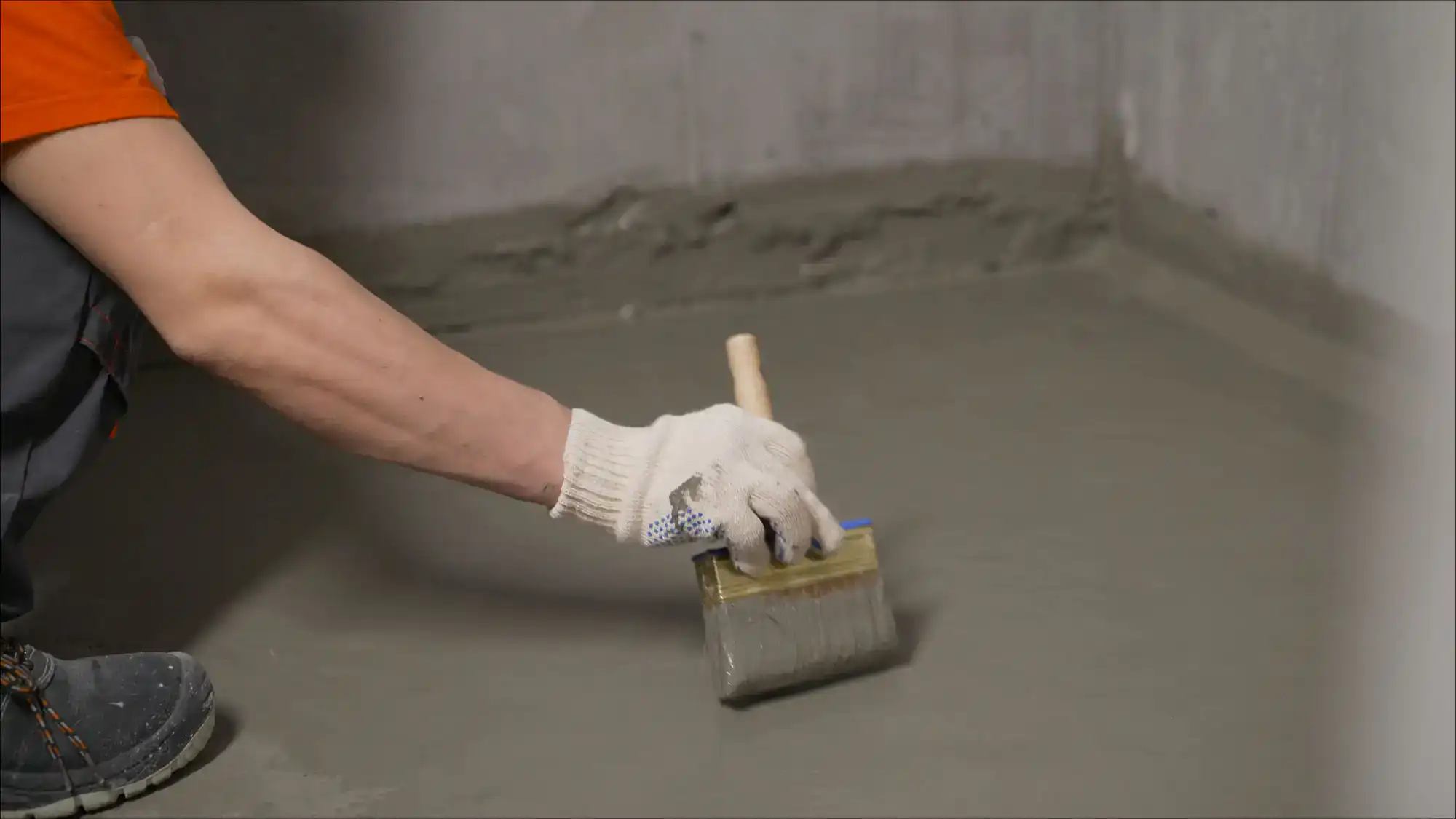
When waterproofing is done right, the difference isn’t subtle. No more standing water after a storm. No more running a dehumidifier on a loop. No more putting off that finished basement because you’re not sure the floor will stay dry. You get a space you can actually use — and a home that holds its value in one of Pennsylvania’s most competitive real estate markets.
That matters more than people realize in Radnor. The clay-heavy soils throughout the township don’t drain well. After a rainstorm, water doesn’t move away from your foundation — it sits against it, building pressure until it finds a way in. Add a stone or brick masonry foundation that’s been standing since before World War II, and you’ve got a combination that almost guarantees problems without the right system in place.
The South Wayne neighborhood has dealt with recurring flooding along the Ithan Creek corridor for decades. It’s not a fluke — it’s a documented infrastructure issue the township is actively spending capital to address. But while the municipal fixes take time, your basement doesn’t have to keep paying the price. A properly waterproofed foundation handles what the stormwater system can’t.
We’ve been working in Radnor and the surrounding Delaware County area for over twenty years. That’s not a tagline — it’s the reason we know what Radnor’s housing stock actually looks like. We’ve worked in the historic districts of Wayne and St. Davids, in older masonry homes near Villanova, and in properties along the Main Line where a hundred-year-old stone foundation is just Tuesday.
We’re fully licensed, bonded, and insured — and we’re licensed specifically to work in Radnor Township, which has its own contractor requirements separate from the county. We carry EPA and HUD certifications as lead inspectors and risk assessors, which matters in a township where a significant portion of homes predate 1978. And we’re available 24/7, because flooding doesn’t wait for business hours.
It starts with a free estimate and a real assessment of what’s going on. Not a sales pitch — an actual look at your foundation, your drainage situation, and where the water is coming from. In Radnor, that often means evaluating an older masonry wall, checking for mortar deterioration, and understanding how your property sits relative to grading and stormwater flow. If there’s a mold or lead concern — common in pre-1978 homes — we identify that upfront too, so nothing catches you off guard mid-project.
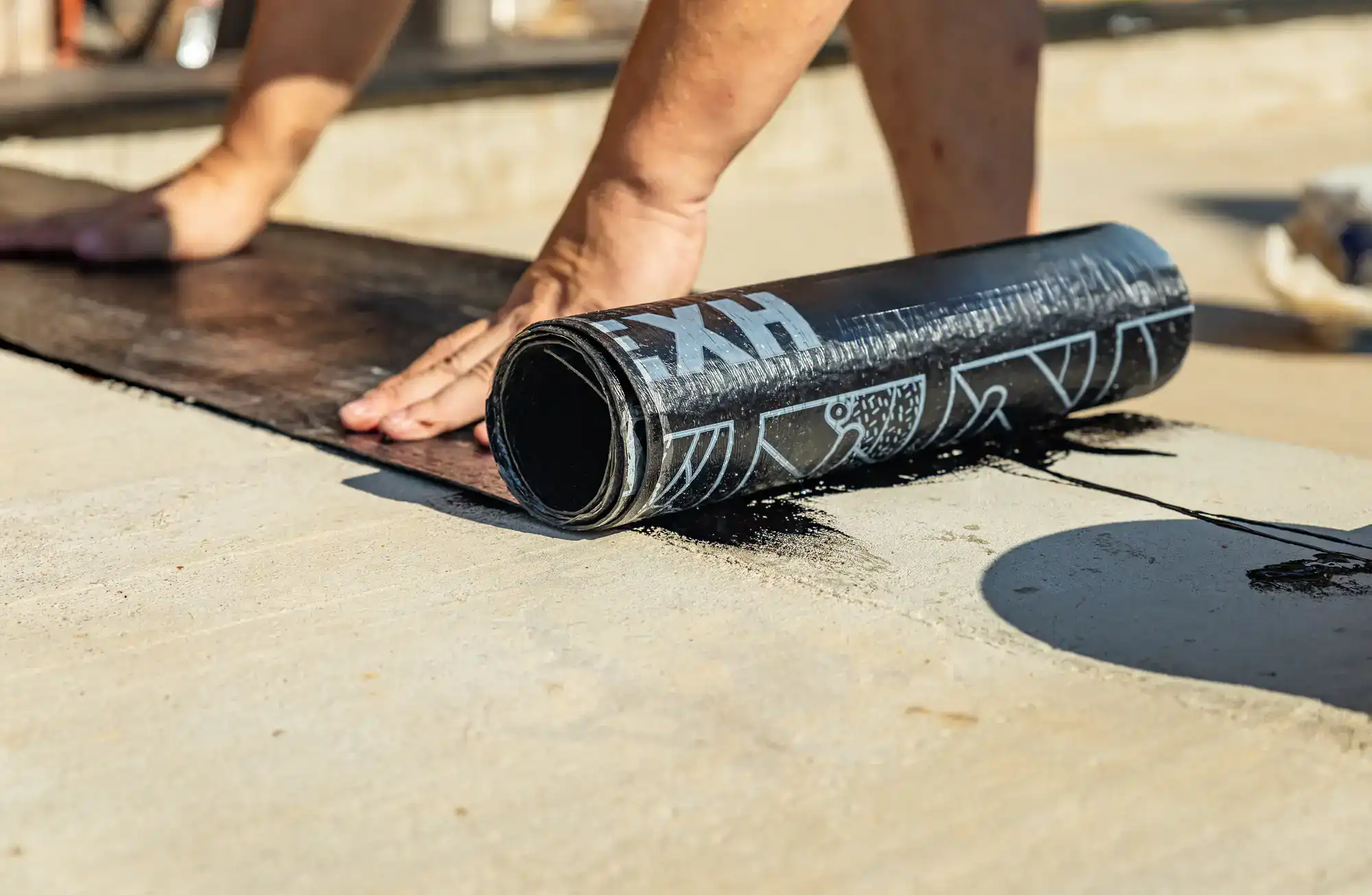
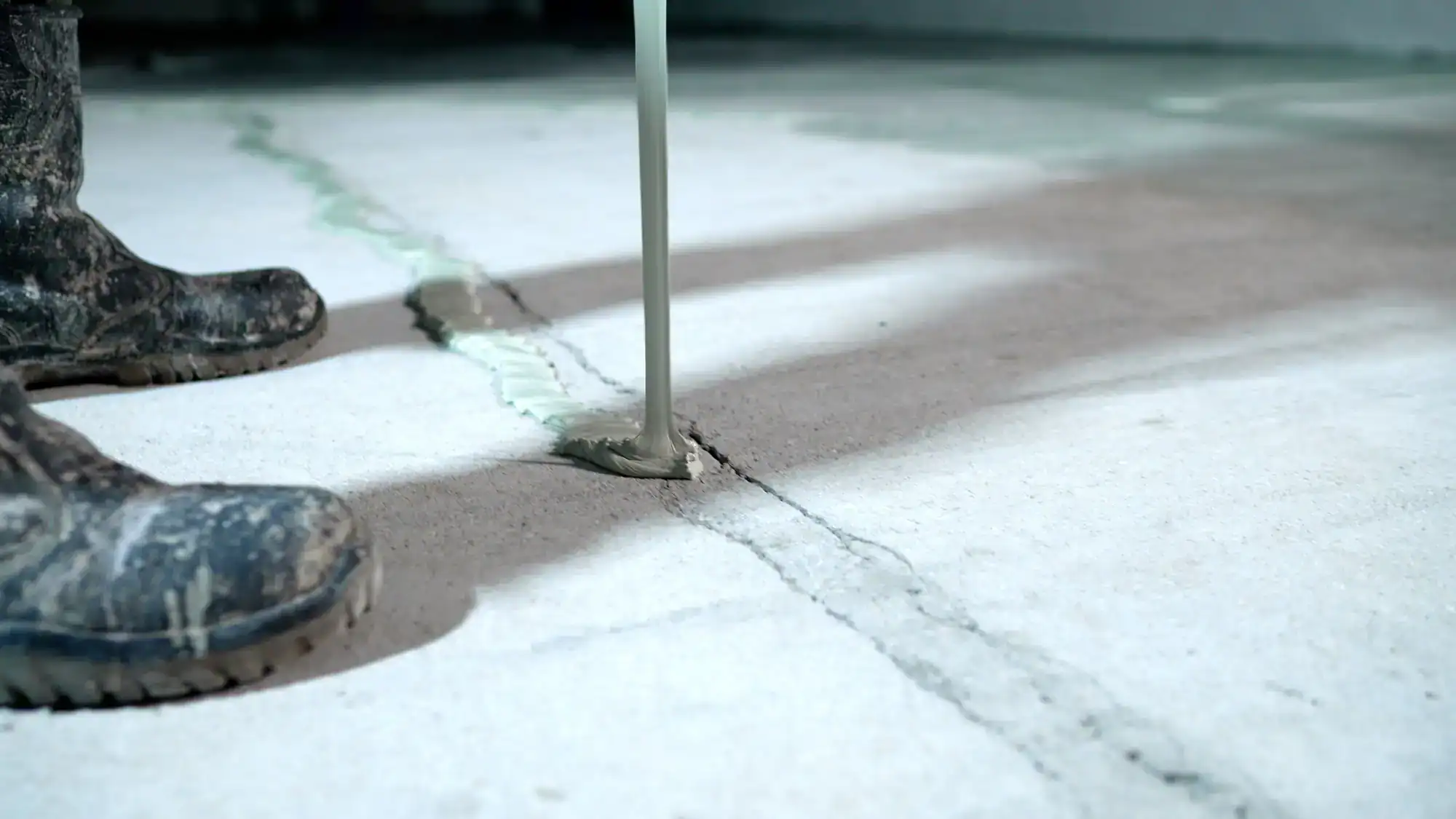
From there, we build a scope of work that fits your specific situation. Interior French drain systems and sump pump installations are common solutions for Radnor homes because they’re effective without requiring exterior excavation — which can be complicated and expensive when you’re dealing with dense landscaping, historic character, or tight property lines. We handle the permits required by Radnor Township’s Department of Community Development so you don’t have to navigate that process yourself.
Once the work is done, you’ll know exactly what was installed, why it was the right call, and what to expect going forward. No mystery, no surprise add-ons. Just a dry basement and a clear picture of what it took to get there.
Ready to get started?
Most waterproofing companies stop at the water. We don’t. When moisture gets into a basement, it rarely comes alone — mold follows, and in Radnor’s older housing stock, disturbed lead paint is a real possibility. We handle all of it under one roof: waterproofing, mold remediation, lead inspection, environmental testing, and demolition if needed. You’re not coordinating three separate contractors to solve one problem.
On the waterproofing side, our services include interior drain tile systems, sump pump installation and replacement, foundation crack repair, basement sealing, and exterior drainage solutions where appropriate. For homes in Radnor’s historic districts — particularly the North Wayne and South Wayne areas regulated by the Historic Architectural Review Board — interior solutions are often the right call both practically and from a preservation standpoint. We work within those constraints without cutting corners on performance.
Every job is done with HEPA filtration systems and state-of-the-art equipment. We offer cash discounts and free estimates, and our emergency response service means that if you’re dealing with an active flooding situation — the kind that hits the Ithan Creek corridor without warning — you’re not waiting until Monday morning to get someone on the phone.
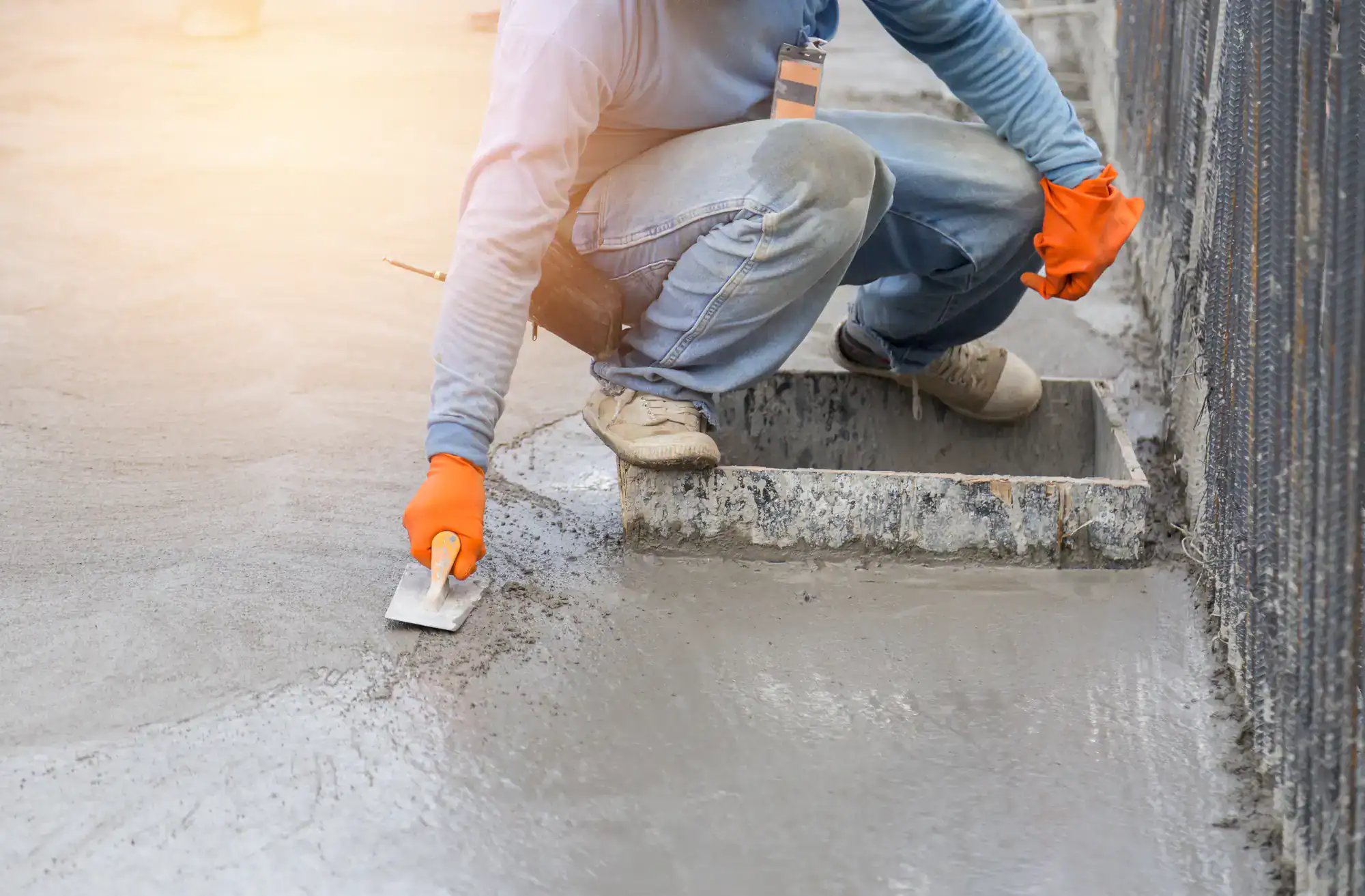
Radnor Township sits on clay-heavy soils that don’t drain quickly. After a significant rain event, water pools against your foundation for an extended period instead of moving away from it — and that sustained hydrostatic pressure is what forces water through cracks, mortar joints, and wall penetrations. If your home was built before World War II, which describes a large portion of Radnor’s housing stock in Wayne, St. Davids, and Ithan, you’re also dealing with a stone or brick masonry foundation that was never designed to meet modern waterproofing standards.
The South Wayne neighborhood has documented this problem for decades. Ithan Creek regularly exceeds its culvert capacity during heavy storms, and the township has publicly acknowledged a significant backlog of stormwater infrastructure improvements. That means the flooding risk in certain parts of Radnor is structural — it’s not going away on its own. The right interior waterproofing system manages the water that does get in and routes it safely out, so even when the creek runs high, your basement stays dry.
The honest answer is that it depends on what you’re dealing with. For most Radnor homeowners, a full interior French drain system with sump pump installation typically runs somewhere in the $5,000 to $10,000 range. Simpler crack repairs or targeted basement sealing can come in lower. Larger projects involving significant foundation work, mold remediation, or exterior drainage components will run higher.
What’s worth keeping in mind in Radnor specifically is that the older the home, the more likely there are compounding issues — deteriorating mortar, existing mold, or lead paint that needs to be addressed alongside the waterproofing. Those factors affect scope and cost. That’s exactly why we offer free estimates: so you know what you’re actually looking at before you commit to anything. We’ll walk through the full picture with you, including any environmental concerns, and give you a clear number without the runaround.
It depends on the scope of work. Interior waterproofing work — like installing a French drain system or replacing a sump pump — typically doesn’t require a permit. But if the project involves structural alterations to the foundation, changes to grading, or new concentrated stormwater discharge points, Radnor Township’s Department of Community Development will require permits. Grading work in particular carries specific permit fees and requires compliance with the township’s stormwater management ordinance.
Radnor Township also requires that all contractors performing construction work be licensed with the township directly — not just at the county or state level. This is something homeowners should verify before hiring anyone. We’re fully licensed to work in Radnor Township and handle the permit process where required, so you’re not left figuring out the paperwork on your own. If your home is in one of Radnor’s historic districts, like North Wayne or South Wayne, there may be additional review considerations for any exterior work.
It does, and it matters more than most contractors will tell you upfront. Homes built in the early 20th century in Radnor — especially in the historic districts along the Main Line — were typically constructed with stone foundations and lime mortar. That combination is porous and, after a century of freeze-thaw cycling, often has gaps and deterioration that modern poured-concrete foundations simply don’t have. Waterproofing these homes requires understanding what you’re working with, not just applying the same system you’d use on a 1990s subdivision.
Interior waterproofing solutions are often the most practical approach for these properties. They’re effective, they don’t require excavating around a foundation that may be integral to the home’s historic character, and they work with the reality of how water moves through masonry walls rather than against it. If there’s also a lead paint concern — which is common in pre-1978 homes throughout Radnor’s historic neighborhoods — we assess that as part of the same process, so nothing gets overlooked.
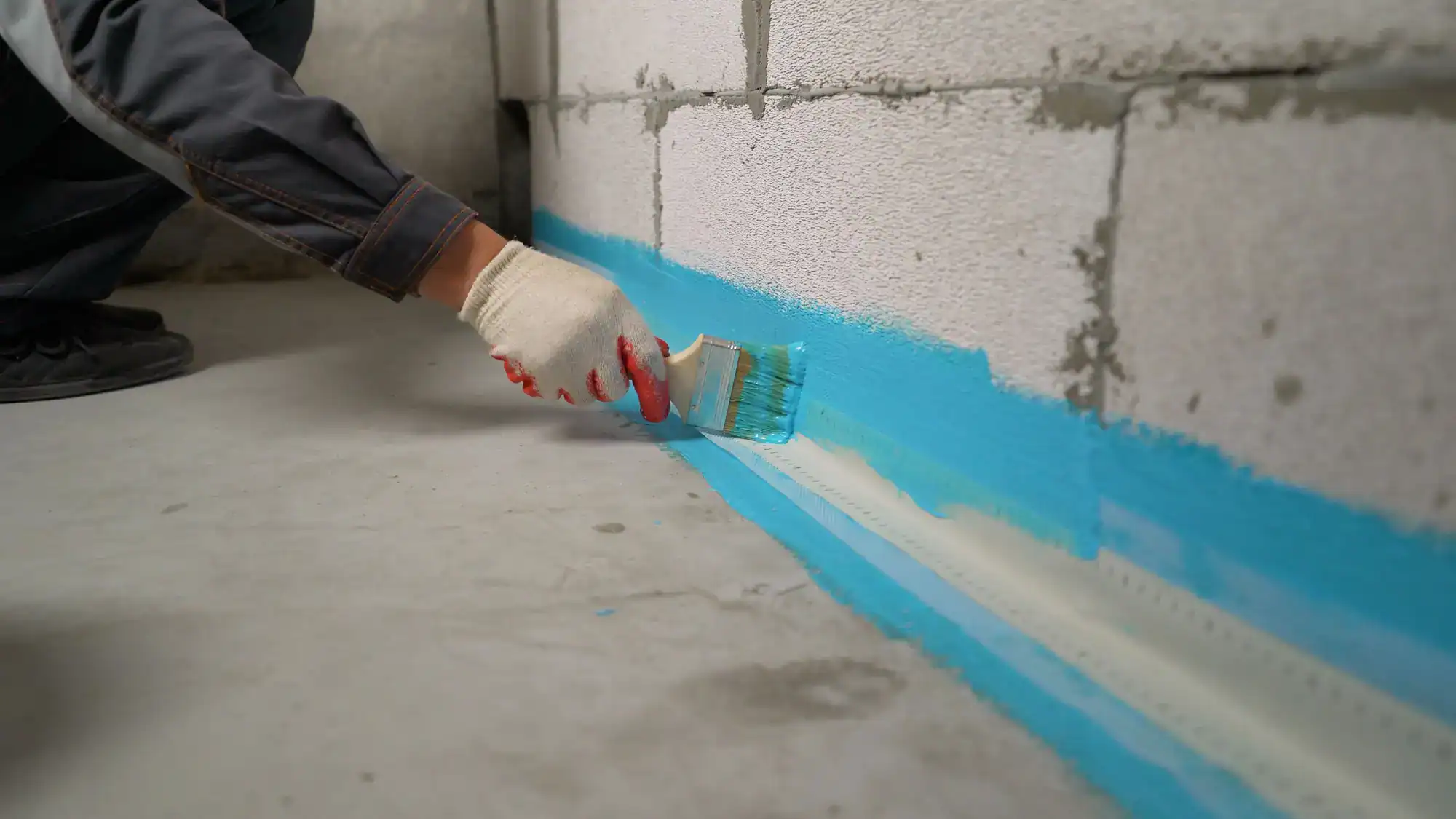
Basement sealing typically refers to applying a waterproof coating or sealant directly to the interior surface of your foundation walls. It’s a reasonable option for minor moisture seepage and can slow water intrusion in mild cases. But it has real limits — if you’re dealing with active hydrostatic pressure, which is exactly what Radnor’s clay soils create after a heavy rain, surface sealants can fail because they’re fighting pressure from the outside that the coating wasn’t designed to handle.
Full basement waterproofing goes further. It addresses the source of the problem by managing water before it builds pressure against your walls — through interior drain tile systems, sump pump discharge, and in some cases exterior drainage improvements. For most Radnor homeowners dealing with recurring water intrusion, especially in older masonry homes near the Ithan Creek drainage area, a sealing coat alone isn’t going to hold up. The right call depends on what’s actually causing the water to come in, which is why a proper assessment matters before any work starts.
Yes — and this is one of the more practical reasons to work with us. When water gets into a basement and sits, mold follows. In Radnor’s older homes, that often means mold in wall cavities, on wood framing, or behind finished surfaces that were installed decades ago. Most waterproofing-only companies will flag it and refer you out, which means you’re now managing two separate contractors, two separate schedules, and two separate scopes of work.
We handle waterproofing and environmental remediation under the same roof. We’re certified lead inspectors and risk assessors, EPA and HUD compliant, and equipped with HEPA filtration systems for safe containment during remediation work. In a township where a large portion of the housing stock predates 1978, that combination of credentials isn’t a bonus — it’s the practical reality of what a thorough job requires. You get one point of contact, one clear scope, and a basement that’s been addressed completely — not just patched on the surface.
Other Services we provide in Radnor