Hear from Our Customers
Most people don’t realize how much a wet basement costs them — not just in repairs, but in the way they use their home. When water stops coming in, you stop losing square footage to mildew, ruined storage, and that smell that never quite goes away. That’s real space returned to you.
In Montgomery, the issue isn’t just rain. It’s the water table rising when the Susquehanna runs high in spring, Black Hole Creek backing up after a heavy storm, and alluvial soil near the river that holds moisture against your foundation walls for days after the weather clears. These aren’t generic waterproofing problems — they’re specific to where you live, and they need solutions built around that reality.
There’s also the radon piece. Lycoming County sits in EPA Radon Zone 1, the highest-risk classification in the country. Radon enters homes through the same foundation cracks that let water in. Sealing your basement without testing first can trap that gas inside. Getting both handled together — by one company that knows how to do it — is the kind of move that protects your home and the people in it.
We’ve spent two decades working in Pennsylvania homes — the kind with stone foundations, original drain tile, and basements that have been damp since before the current owners moved in. That experience matters when you’re dealing with a Montgomery home that was built in an era when waterproofing meant a coat of tar and not much else.
We’re fully licensed, bonded, and insured, and we carry EPA and HUD compliance certifications — which is directly relevant in Montgomery Borough, where a large portion of the housing stock predates 1978 and lead-safe work practices aren’t optional, they’re required. We also employ a certified lead inspector and risk assessor on staff, so the work gets done right without creating a new problem in the process.
The one-stop model matters here too. Basement waterproofing, mold remediation, radon assessment, and environmental testing all under one roof means you’re not coordinating three separate contractors for what is often one interconnected problem.
It starts with a free estimate and a real assessment of what’s going on in your basement. Not a sales pitch — an honest look at where water is getting in, what’s driving it, and what the right fix actually is. In Montgomery, that often means checking for hydrostatic pressure from the river-adjacent water table, inspecting older mortar joints in stone or brick foundations, and identifying whether any active drainage issues from Black Hole Creek are contributing to the problem.
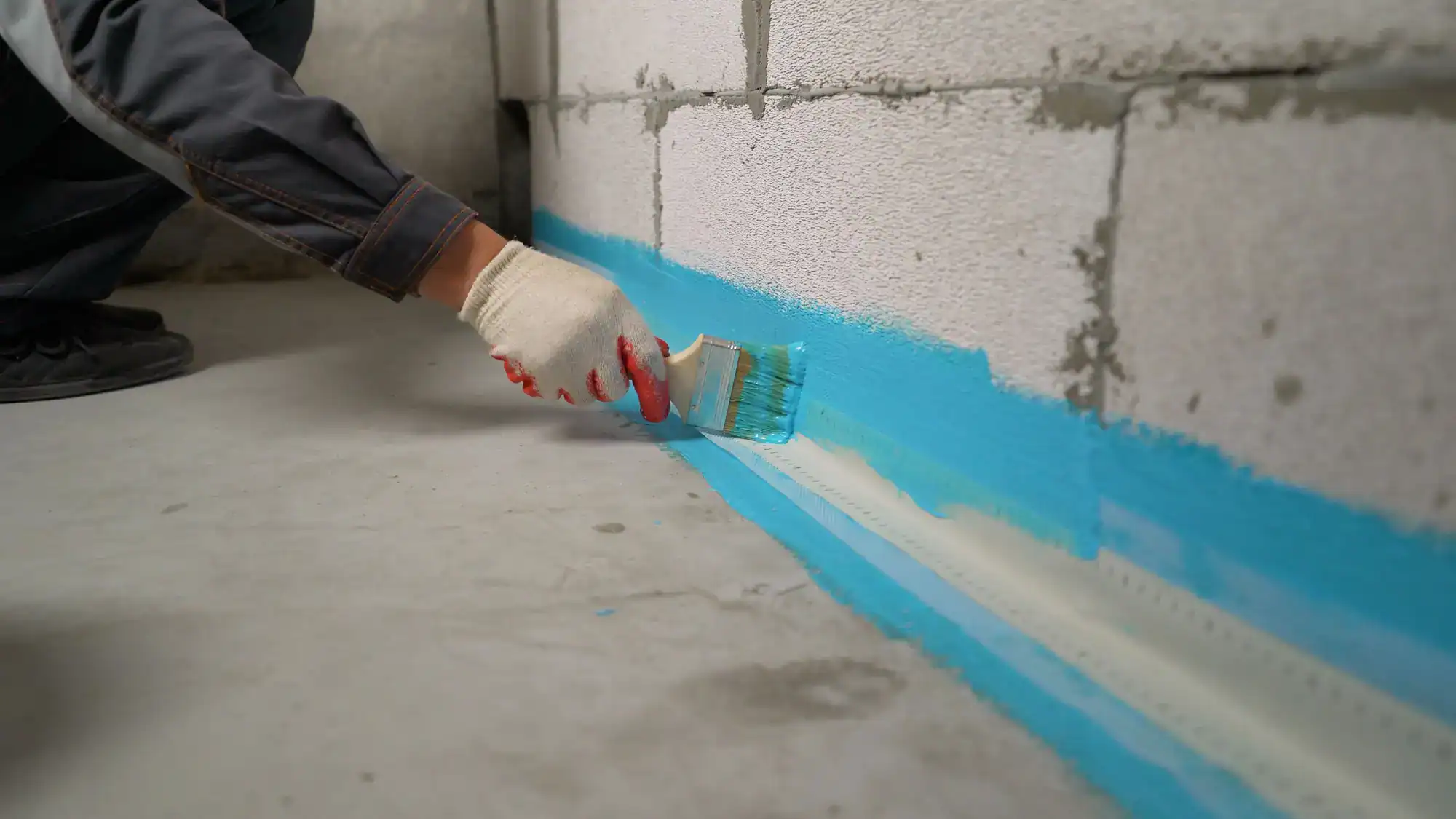
From there, the work gets scoped and explained before anything starts. If your home was built before 1978 — which describes most of Montgomery Borough — any work that disturbs painted surfaces follows EPA lead-safe protocols. That’s not an upsell, it’s the law, and we handle it in-house. Interior drainage systems, sump pump installation, wall membrane application, and crack injection are all on the table depending on what your specific basement needs.
Once the work is done, HEPA filtration equipment has been running throughout the job, keeping the air in your home clean during the process. You’re not left with a dusty, debris-filled space when our crew leaves. Spring is the busiest season for a reason — if you’re noticing water now, getting ahead of the next thaw cycle is the smartest move you can make.
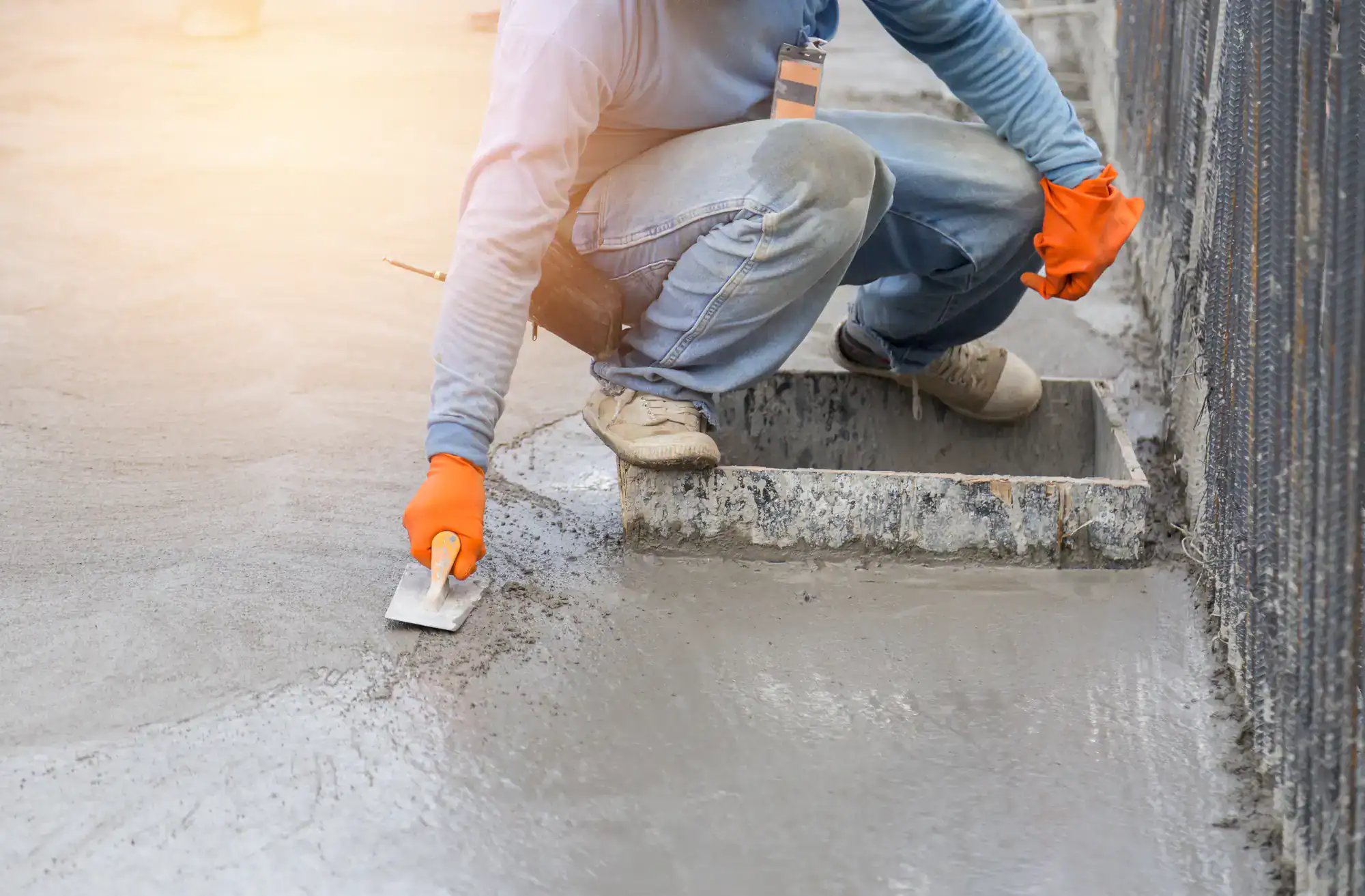
Ready to get started?
Basement waterproofing in Montgomery isn’t a one-size-fits-all job. The homes here are older, the soil near the Susquehanna holds water longer than most, and the freeze-thaw cycles that hit Lycoming County every winter do real, cumulative damage to masonry foundations that were never designed to handle modern moisture expectations. The work has to reflect that.
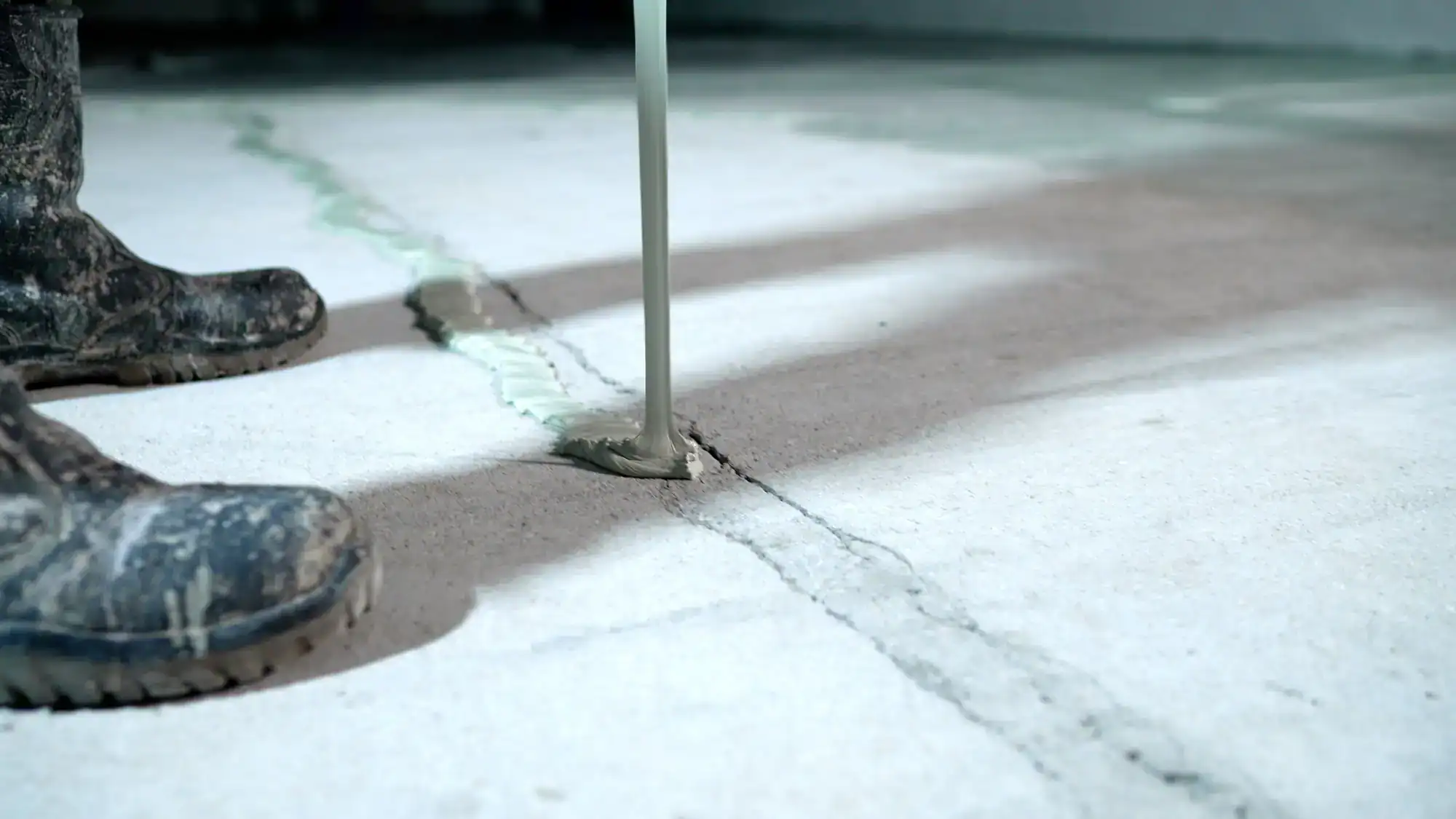
Interior drainage systems channel water away before it can pool on your floor. Wall membranes and crack injection address the points where hydrostatic pressure has already found its way through. Sump pump installation gives you active protection when groundwater rises — which it will, especially in the lower-lying sections of Montgomery Borough closest to the river. Each solution is matched to what your specific basement actually needs, not a package that gets sold to every customer regardless of their situation.
Because we handle environmental services alongside waterproofing, radon testing can be incorporated into the same visit. In a county with Lycoming’s radon profile, that’s not an add-on — it’s a smart baseline. We offer free estimates, cash discounts apply, and 24/7 phone availability means that if water starts coming in at midnight during a storm, you’re not leaving a voicemail and hoping for the best.
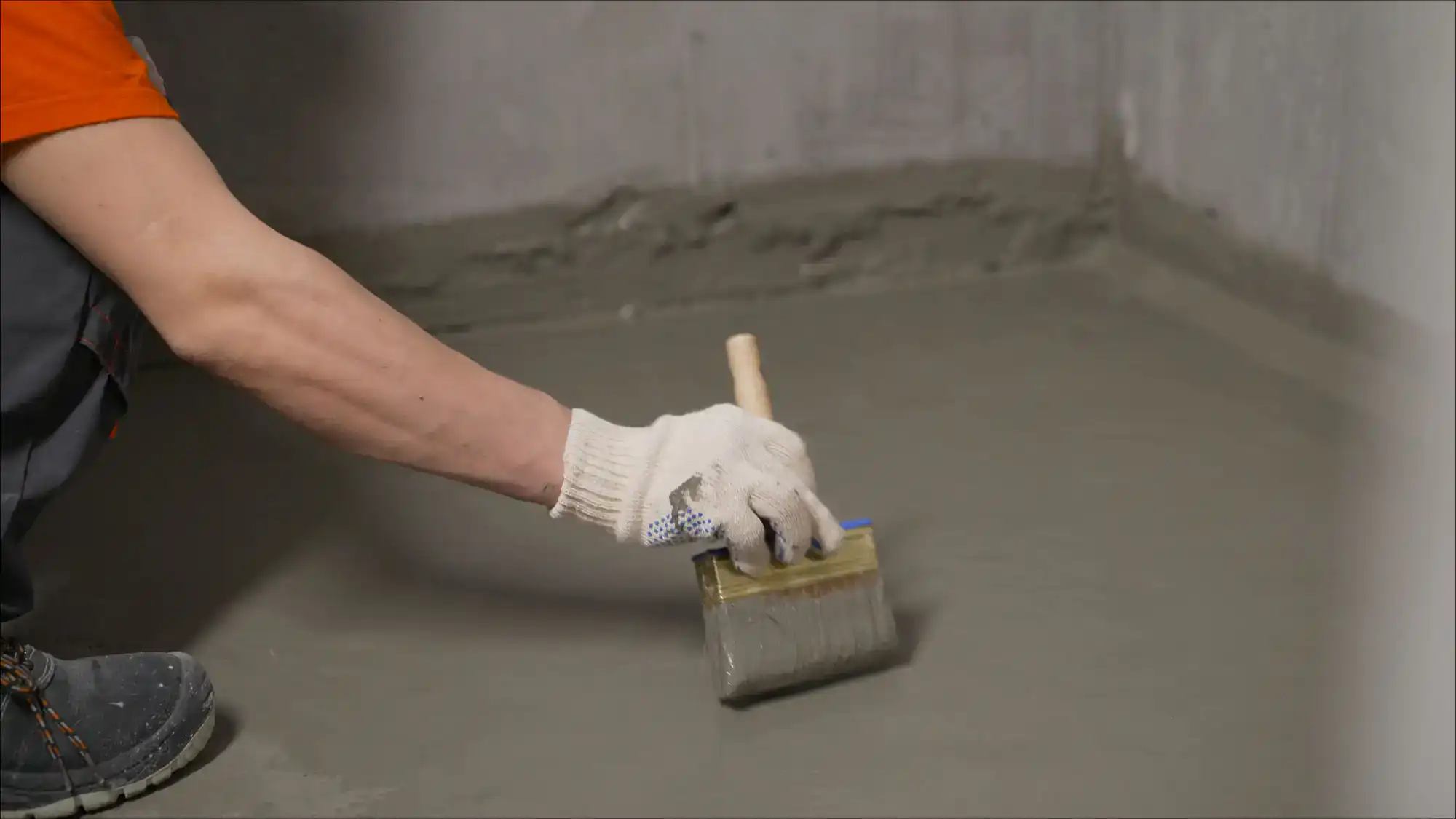
Spring flooding in Montgomery basements comes down to a few things working against you at the same time. When snowmelt and spring rainfall hit, the West Branch of the Susquehanna River rises — and the water table throughout Montgomery Borough rises with it. The USGS maintains an active monitoring station on the river right at Montgomery because the fluctuations here are significant enough to warrant continuous federal tracking.
On top of that, the alluvial soils near the river — the silty, clay-heavy deposits left behind by centuries of flooding — don’t drain quickly. Water sits against your foundation walls and floors for extended periods, and older foundations in Montgomery weren’t built with any meaningful waterproofing barrier. Black Hole Creek running through the borough adds another drainage variable during heavy rain events. The combination of all three is why spring flooding feels like a recurring problem rather than a one-time fluke. It won’t fix itself, but it can be fixed permanently with the right drainage and waterproofing system.
Cost varies depending on the scope of the problem and the size of your basement, but for most homes in Montgomery, interior drainage system installations typically run anywhere from $3,000 to $8,000 depending on linear footage and what’s involved. Crack injection and targeted wall sealing on smaller areas can come in lower. Full exterior waterproofing with excavation is a larger investment and is usually reserved for situations where interior solutions aren’t sufficient.
In a community where the median home value sits around $126,000, we understand that every dollar matters and that you want to know what you’re getting into before committing to anything. That’s exactly why free estimates exist — so you get a clear, honest number before any work starts. Cash discounts are also available for homeowners who prefer to pay that way. The real cost question worth asking isn’t just what waterproofing costs, but what another five years of water damage, mold growth, and foundation deterioration will cost if the problem goes unaddressed.
Yes — and the reason matters. Lycoming County is classified as EPA Radon Zone 1, which means the predicted average indoor radon level exceeds 4 pCi/L. That’s the highest-risk classification in the country. Radon is a colorless, odorless gas that enters homes primarily through foundation cracks and gaps in basement floors — the same entry points that water uses.
If you seal your basement without testing for radon first, you can inadvertently reduce the natural air exchange that was diluting radon levels in your home. Getting a radon test done before or alongside your waterproofing project gives you a complete picture of what’s actually happening in your basement environment. We handle both, so you’re not coordinating a separate environmental contractor on top of your waterproofing project. One visit, one company, no gaps in the assessment.
The honest answer is that it depends on where the water is coming from and how severe the intrusion is. Most homes in Montgomery Borough were built before modern waterproofing standards existed — stone foundations, brick, and early poured concrete are common here, and they behave differently than newer construction. Interior waterproofing systems, which manage water after it enters the foundation perimeter, are the most practical and cost-effective solution for the majority of older homes in this area. They work with the reality of an aging foundation rather than requiring full excavation.
Exterior waterproofing — which involves digging down to the footing and applying a barrier to the outside of the foundation wall — is more comprehensive but also more disruptive and expensive. It’s typically recommended when the foundation itself has significant structural damage, or when interior solutions alone won’t address the source of the problem. A proper assessment will tell you which approach makes sense for your specific home. That’s what the free estimate is for.
Almost always, yes. Mold doesn’t grow in dry places. If you have mold in your basement — on walls, on framing, on stored items — there’s a moisture source feeding it, and in most Montgomery homes that moisture source is water intrusion through the foundation. The two problems are connected, which means addressing one without the other leaves the job half done.
If you waterproof your basement but leave existing mold in place, you’ve stopped the source but you still have an active contamination problem. If you remediate the mold without fixing the water issue, it comes back. We handle both services, which means the assessment covers what’s actually going on in your basement rather than treating the symptom without addressing the cause. In older homes with limited ventilation — which is common in Montgomery’s housing stock — mold can spread further and faster than homeowners expect. Getting both issues evaluated at the same time is the most efficient way to handle it.
Cash discounts are available, and they’re straightforward — if you pay in cash, you pay less. For homeowners in Montgomery where the average household income sits around $72,000 and home values are well below the state median, that kind of pricing flexibility is a real consideration, not a throwaway line. Waterproofing is a necessary repair for a lot of homes in this borough, and making it accessible matters.
Free estimates are also standard — no charge to come out, assess your basement, and give you an honest number. There’s no obligation attached to that visit. If you decide to move forward, great. If you need time to think it over or compare options, that’s fine too. The goal is to give you enough real information to make a confident decision, not to pressure you into signing something before you’ve had a chance to think. For urgent situations — active flooding, a sump pump failure during a storm — 24/7 phone availability means you can reach us any time, day or night.
Other Services we provide in Montgomery