Hear from Our Customers
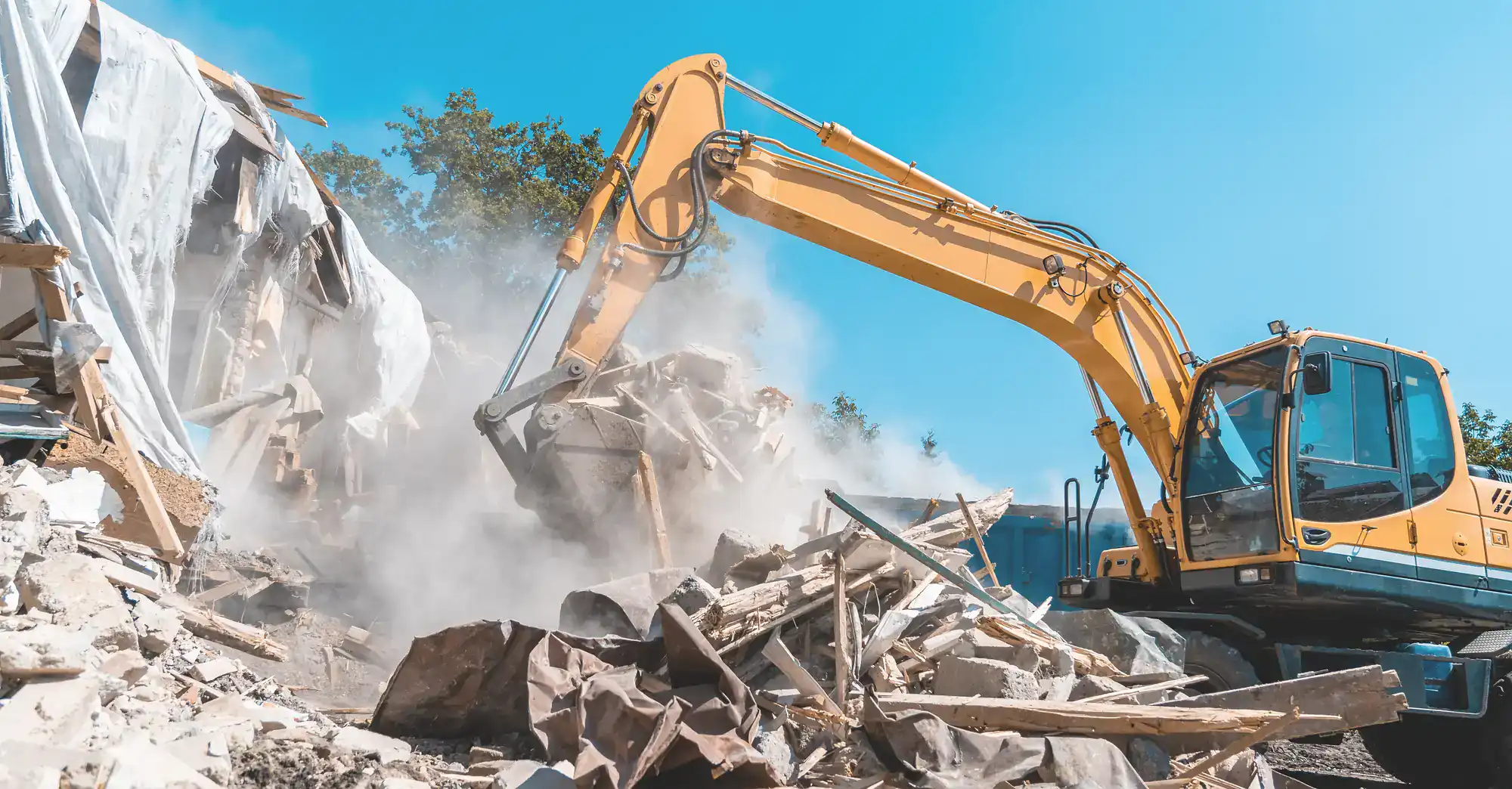
When you’re gutting a pre-war home in Montgomery, the work doesn’t start with demolition. It starts with knowing what you’re dealing with. The median construction year for homes in this borough is 1938, which means pipe insulation, floor tiles, joint compound, and layers of old paint are all fair game for asbestos and lead. A contractor who can’t handle that discovery in-house doesn’t just slow your project down — they stop it entirely.
With us, that doesn’t happen. Testing, abatement, and demolition happen under the same license and the same crew. You don’t coordinate two separate contractors, absorb two separate mobilization costs, or wait two separate schedules. The project moves because the people doing it are qualified to handle every phase of it.
Lycoming County also carries one of the highest radon potential designations in Pennsylvania, with indoor screening levels commonly exceeding 4 pCi/L. When basement walls come down or foundation materials get disturbed in Montgomery homes, that matters. Working with a certified environmental contractor — not just a demo crew — means that risk is part of the plan from day one, not a surprise at the end.
We’ve been doing this work across Pennsylvania for over twenty years. That’s not a tagline — it’s the reason we know what’s behind the walls of a 1940s Cape Cod near Route 405 in Montgomery before we ever open them up. We’ve worked in old industrial communities, river valley neighborhoods, and pre-war housing stock that most contractors won’t touch without calling someone else first. We don’t call anyone else.
We hold the Pennsylvania state asbestos certification, the Certified Lead Inspector and Risk Assessor credential, and we operate in full compliance with EPA and HUD regulations for pre-1978 housing. We’re fully licensed, bonded, and insured — all three. And because Montgomery’s housing stock is among the oldest we work in anywhere in the state, those credentials aren’t just paperwork here. They’re the reason your project doesn’t stall halfway through.
You get a free estimate, a licensed supervisor on-site from start to finish, and a crew that doesn’t walk away when something unexpected shows up.
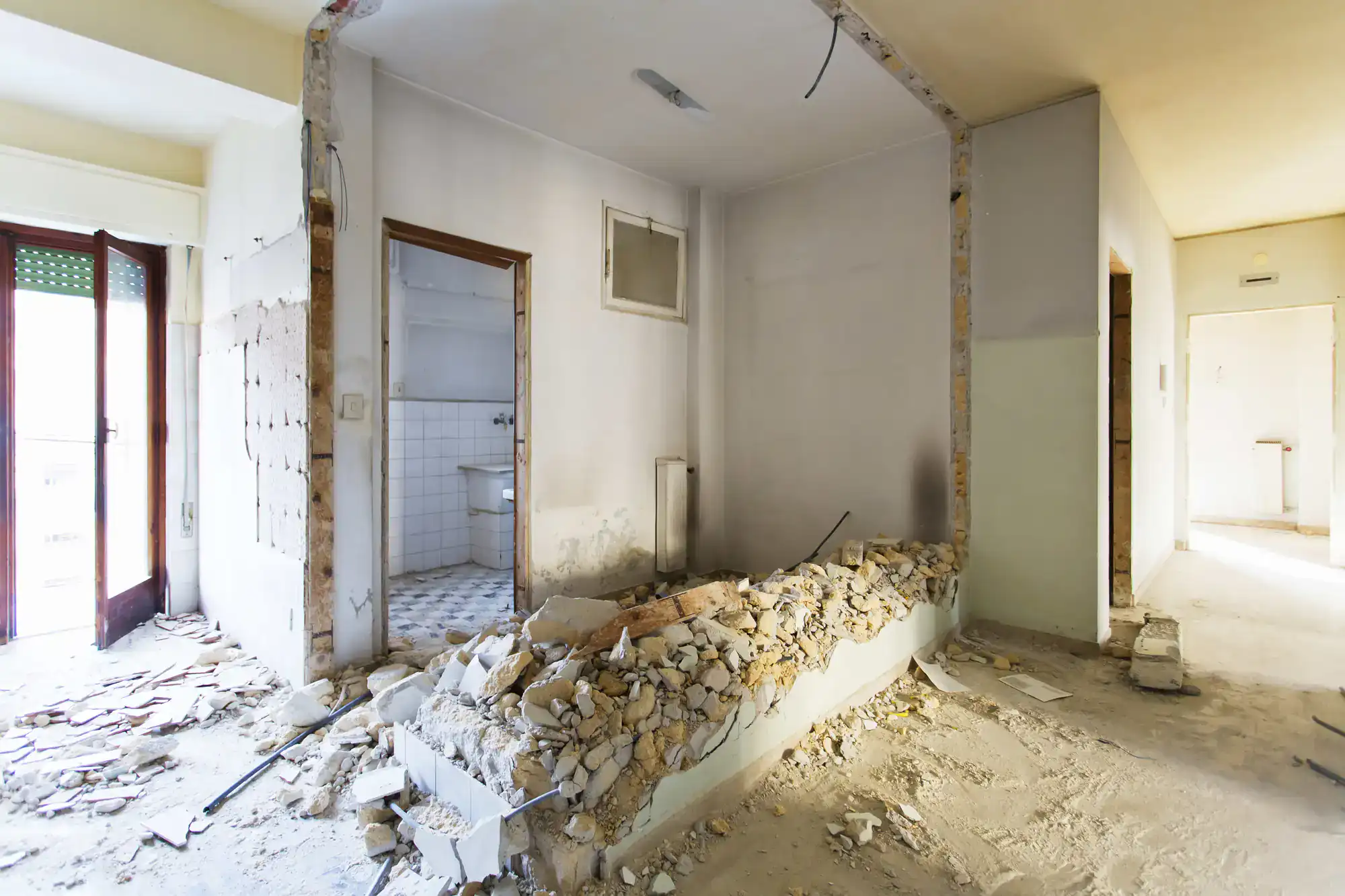
It starts with an evaluation. Before anything gets torn out, we assess the space — looking at what materials are present, what’s likely to be regulated, and what the project scope actually requires. In Montgomery, where roughly 70% of homes were built before 1950, that evaluation almost always turns up something worth knowing before demolition begins. We’d rather find it first than find it mid-project.
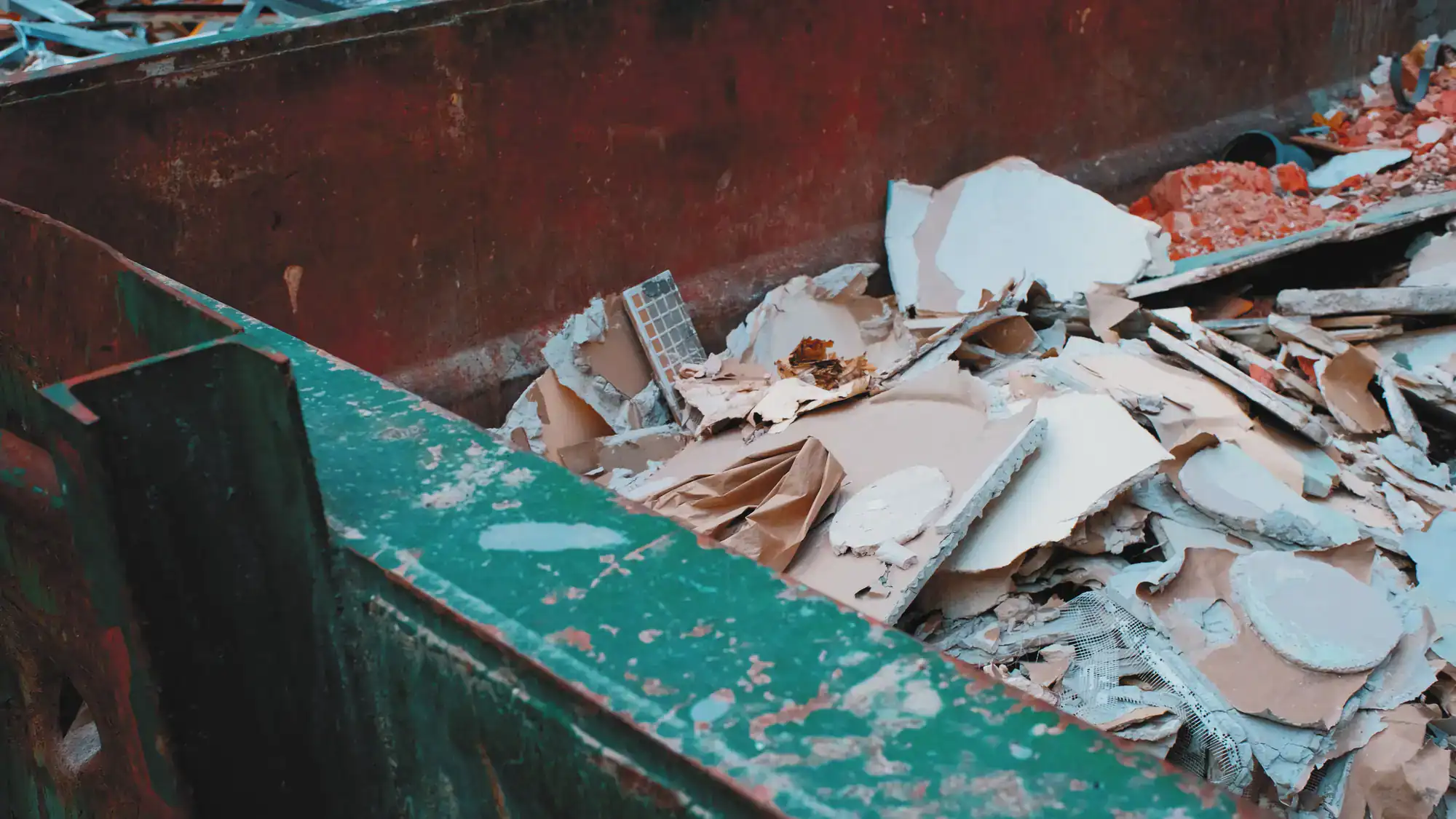
If testing confirms the presence of asbestos or lead-based materials — and in a home built in the 1930s or 1940s, that’s a real possibility — we handle abatement in-house before demolition proceeds. That’s not a detour. It’s the legal requirement under Pennsylvania’s Asbestos Accreditation and Certification Act, and it’s the only way to do this work safely. We use HEPA filtration systems throughout to keep the air clean while we work, which matters especially in occupied or partially occupied homes.
Once the hazmat phase is clear, demolition moves forward. We follow a step-by-step protocol through final site inspection, and a licensed supervisor stays on the job the entire time. If you’re pulling permits through Montgomery Borough — which is required for any structural or interior demolition — we can walk you through what that process looks like. When it’s done, the space is clean, documented, and ready for whatever comes next.
Ready to get started?
Most demolition contractors in this region do one thing: they take things apart. If they hit asbestos, they stop. If they find lead paint in the trim of a 1935 bungalow off Black Hole Creek, they call someone else. That hand-off costs you time, money, and the headache of managing two separate crews in your home.
We handle the full continuum. Environmental testing, asbestos abatement, lead removal, mold remediation, interior gutting, structural demolition, and post-demo waterproofing — all under one roof. That’s not a list of add-ons. It’s how we’re built, because it’s how this work actually needs to be done in communities like Montgomery, where the housing stock makes hazmat discoveries the rule, not the exception.
We also know the local waste disposal landscape. The Lycoming County Landfill in Montgomery accepts construction and demolition materials, including properly documented asbestos waste. A licensed contractor who knows how to handle that paperwork and transport regulated materials to the right facility isn’t a detail — it’s the difference between a clean project closeout and a compliance problem. You get 24/7 availability, cash discounts, free estimates, and a team that will beat any legitimate competitor estimate. The goal is simple: make it easier for you to get this done right.

Yes. In Pennsylvania, a building permit is required before any demolition work begins — including interior gut jobs like kitchen and bathroom renovations, basement remodels, and structural wall removals. You’ll need to contact Montgomery Borough directly to confirm the specific requirements and submit for a permit before work starts. Skipping that step can create issues when you go to sell the property or finalize a renovation.
Beyond the building permit, Pennsylvania law also requires that a licensed asbestos contractor inspect for regulated materials before any demolition that could disturb them. In Montgomery, where most homes were built in the 1930s and 1940s, that inspection isn’t optional — it’s a legal prerequisite. We handle both the environmental assessment and the licensed abatement work, so you’re not trying to coordinate that requirement separately.
The honest answer is: you don’t know until you test. But if your home was built before 1978, lead-based paint is likely present somewhere — in the original paint layers on walls, trim, windows, or doors. If it was built before 1980, asbestos may be present in pipe insulation, 9×9 vinyl floor tiles, ceiling tiles, joint compound, or roofing materials. In Montgomery, where the median construction year is 1938, those aren’t hypothetical concerns. They’re the baseline expectation going into almost any gut renovation.
The right move is to have a certified inspector assess the materials before demolition begins. We hold the Certified Lead Inspector and Risk Assessor credential and the Pennsylvania state asbestos certification, so we can test, identify, and handle whatever we find — without stopping your project or handing you off to a second contractor. That’s the part that saves you both time and money.
Under Pennsylvania’s Asbestos Accreditation and Certification Act — Act 194 and Act 161 — regulated asbestos-containing materials must be removed by a licensed abatement contractor before demolition can continue. If a contractor who isn’t licensed for abatement discovers asbestos mid-project, they’re legally required to stop work. That means your project halts, you bring in a separate licensed contractor, and you absorb the delay and added cost of that coordination.
When we’re running the job, that scenario doesn’t apply. We’re already licensed for abatement, so if asbestos turns up — which, in a pre-war Montgomery home, is a real possibility — we handle it in-house and keep the project moving. The abatement gets documented properly, the materials get disposed of through compliant channels including the Lycoming County Landfill, and demolition proceeds once the space is clear. No stoppage, no scrambling for a second crew, no project sitting idle.
It should, and with us it does. After demolition is complete, the site is cleaned and cleared — debris removed, space left ready for the next phase of your renovation or build-out. For projects involving hazardous materials like asbestos or lead, cleanup isn’t just a matter of sweeping up dust. It requires proper containment, HEPA filtration during the work itself, and compliant disposal of regulated materials. That documentation matters, especially if you’re pulling permits or planning to sell the property later.
For homeowners in Montgomery dealing with older housing stock, the cleanup phase is also where air quality gets confirmed. We use HEPA filtration systems throughout the abatement and demolition process, so by the time we leave, the space isn’t just physically clear — it’s been treated with the same care as the removal work itself. If your project also involves water-damaged materials or mold, that remediation is part of what we can handle before we close out the job.
Interior demolition generally runs in the range of $2 to $8 per square foot, depending on the scope of work, the materials involved, and what the space reveals once work begins. In Lycoming County — where the housing stock is older than the Pennsylvania state average and pre-war construction is common — it’s realistic to factor in the possibility of hazmat abatement as part of your overall budget. Asbestos or lead abatement adds cost, but it’s a fixed, manageable cost when it’s handled by the same contractor doing the demo work.
The best way to get a real number for your specific project is to start with a free estimate. We provide free on-site estimates, offer cash discounts, and will beat any legitimate competitor estimate. In a community where renovation budgets are carefully considered and median home values sit around $155,000, we understand that price transparency matters. You’ll know what you’re paying before anyone touches your home — no surprise line items mid-project.
Yes — and in Montgomery, that combination comes up more than you might expect. The West Branch Susquehanna River runs along the edge of the borough, and seasonal flooding in this river valley has historically sent water into basements and lower-level spaces across the area. Water intrusion over time leads to mold in wall cavities, floor framing, and subfloor materials — often discovered only when demolition begins. If your contractor can only demo and not remediate, you’re looking at another stoppage and another crew.
We handle mold remediation as part of the same service model as demolition and abatement. When water-damaged framing or mold-compromised materials turn up during a gut renovation, we address it in-house without breaking the project’s momentum. For homeowners in flood-adjacent parts of Montgomery or anyone dealing with a basement that’s taken on water over the years, that capability isn’t a bonus — it’s the practical reason to choose a full-service environmental contractor over a demolition-only crew from the start.
Other Services we provide in Montgomery