Hear from Our Customers
You stop guessing. That’s the first thing. When you’ve got a 1940s or 1960s home in Montgomery and you’re mid-renovation — or just trying to figure out why that pipe wrap in the basement looks the way it does — the not-knowing is its own kind of stress. A licensed inspection and proper abatement replaces that with a clear answer and a clean result.
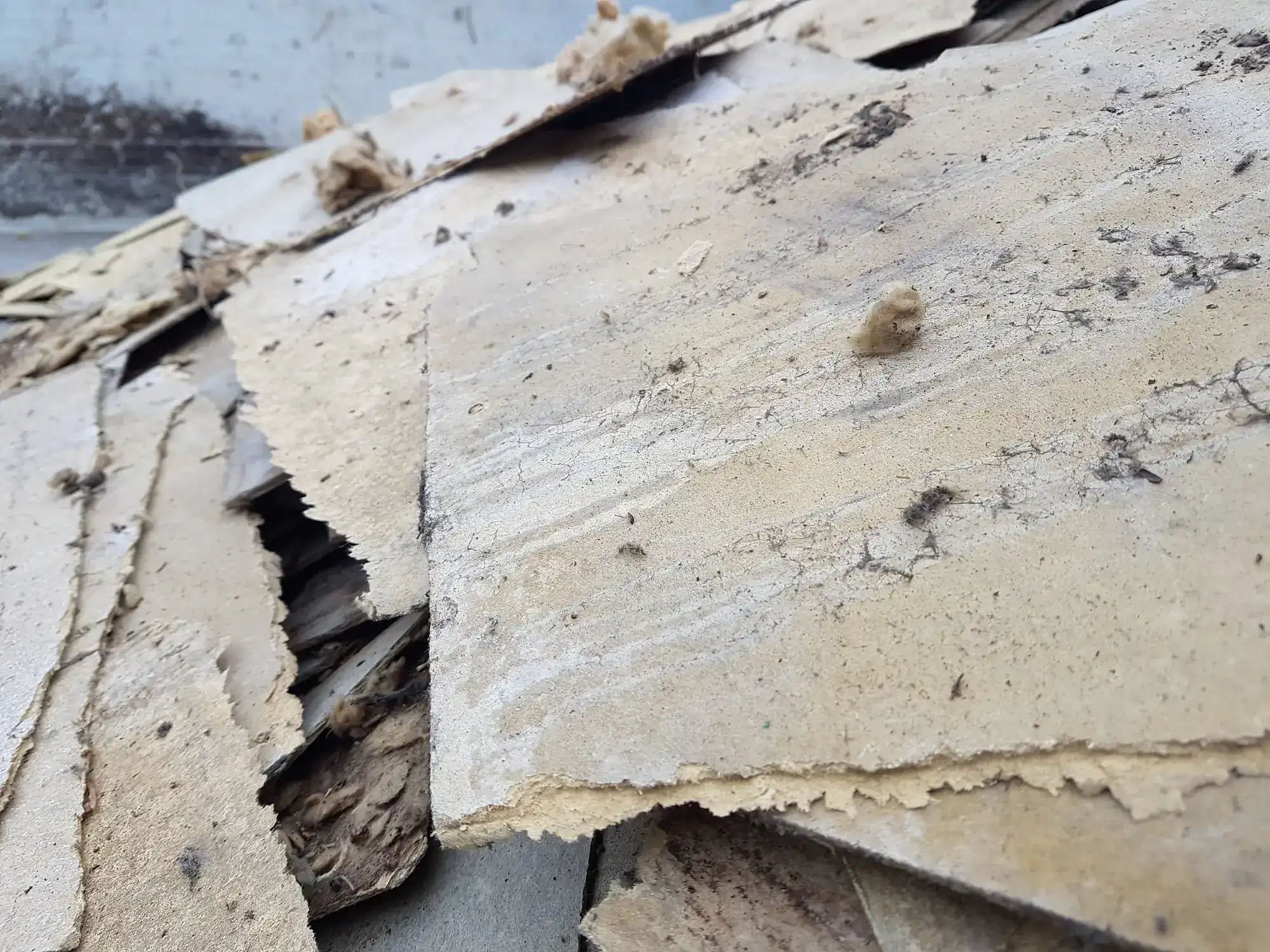
The winters here in Lycoming County are hard on old buildings. Freeze-thaw cycles crack and crumble the exact materials that were most likely to contain asbestos when they were installed — pipe insulation, floor tile adhesive, ceiling plaster. What was sitting dormant in a 1950s basement can become actively friable after a rough season. Getting ahead of that, or responding to it quickly when it shows up, is the difference between a contained abatement job and a much bigger problem.
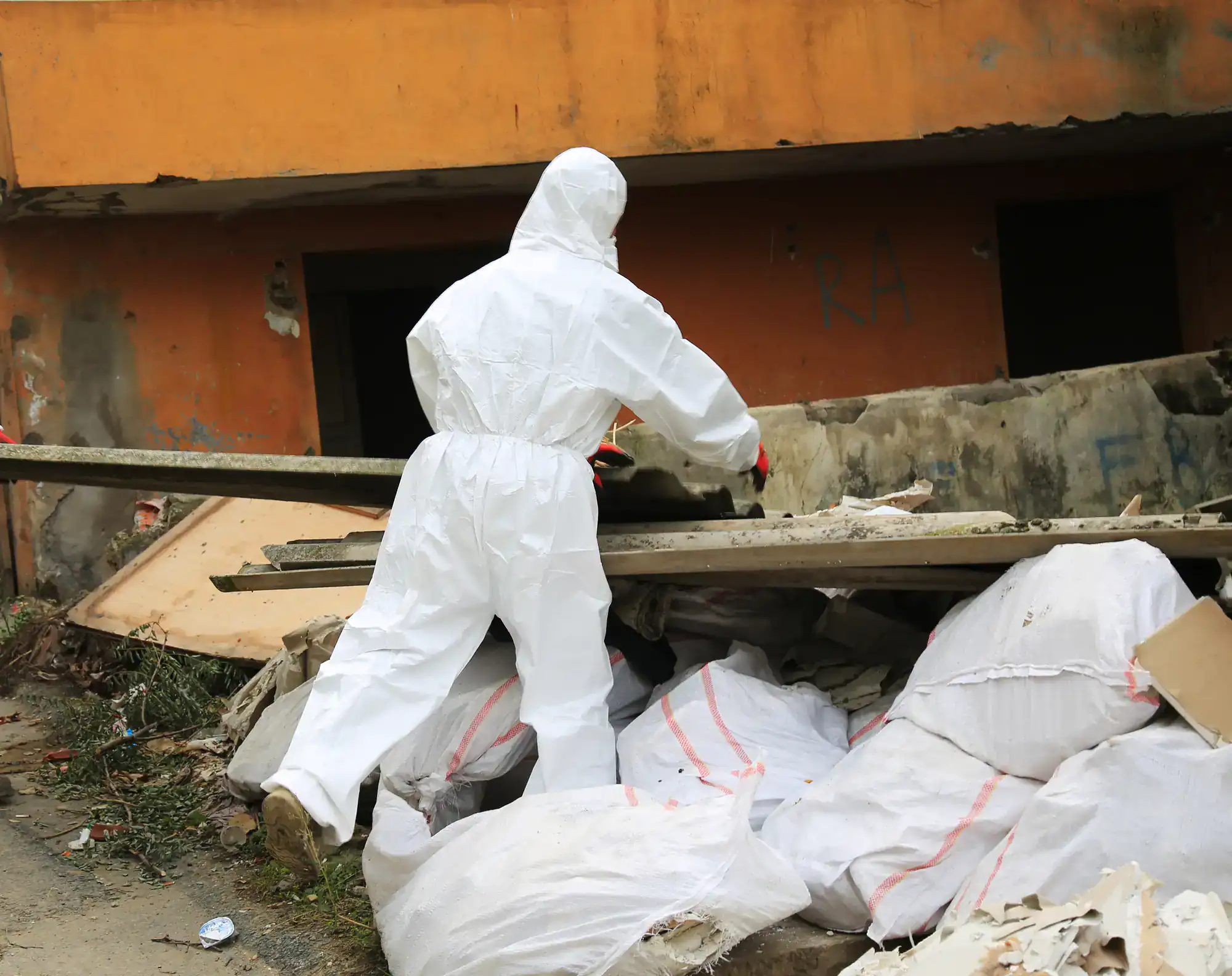
Once the work is done correctly — full containment, HEPA filtration, proper disposal — you can move forward. Finish the renovation. List the home. Let the contractor back in. The clearance is documented, the material is gone, and you’re not carrying that question mark anymore. That’s the outcome that actually matters.
We’ve been doing licensed asbestos abatement, lead inspection, and environmental remediation for over two decades. That’s not a number thrown in to sound impressive — it means we’ve worked through every configuration of hazardous material in every type of aging Pennsylvania home, from the Susquehanna River valley to the Philadelphia suburbs and back.
Serving Montgomery homeowners means understanding what’s actually in these buildings. The housing stock along Route 54 and Route 405 is older, modest, and full of original materials that weren’t designed to be disturbed. We know what to look for, how to contain it, and how to remove it without turning a single-room project into a whole-house problem.
We’re fully licensed by PA DL&I, EPA/HUD compliant, bonded, and insured. Free estimates, cash discounts, and 24/7 availability mean the first call doesn’t cost you anything — and someone actually picks up.
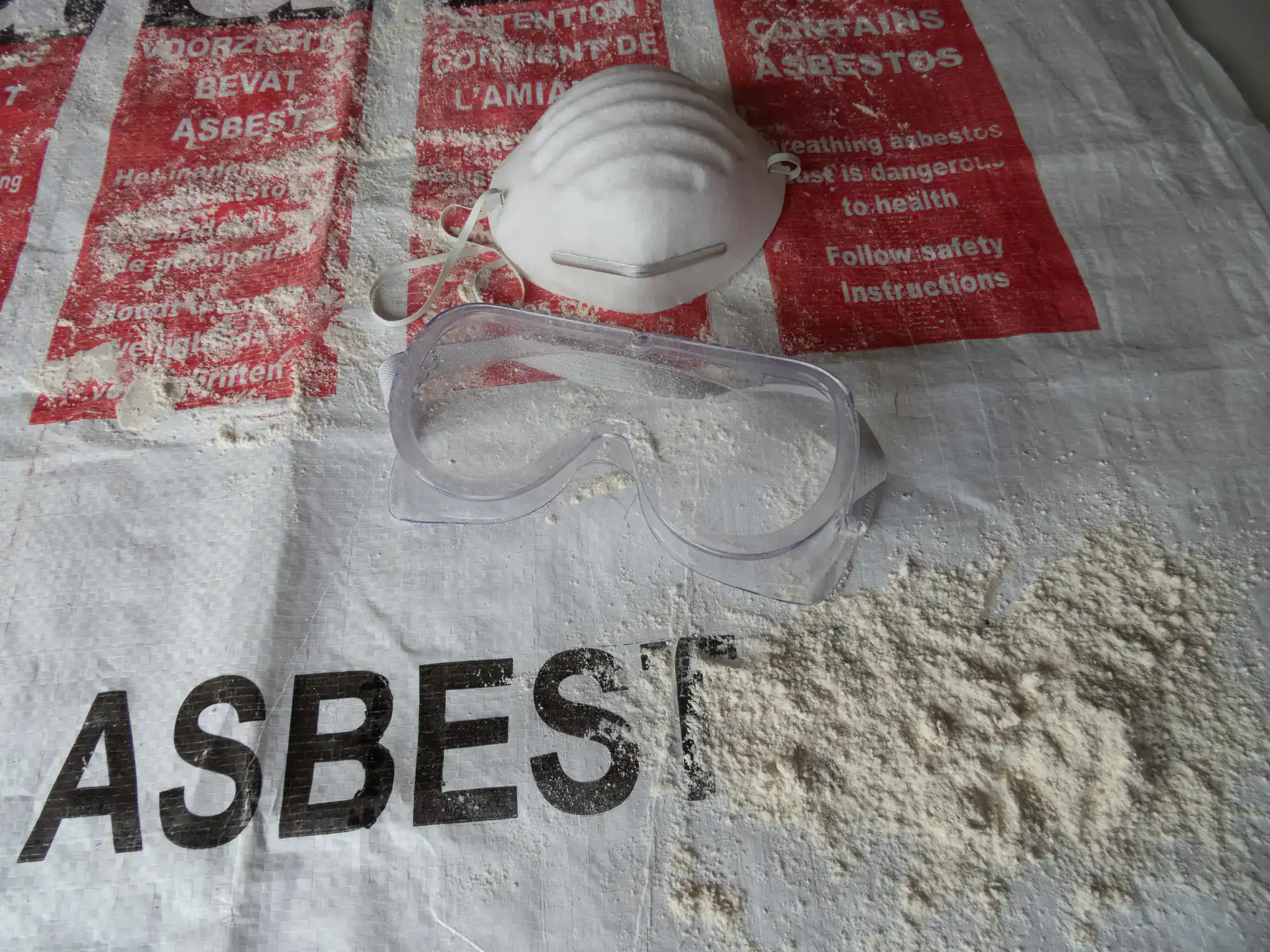
It starts with an inspection. Before anything gets removed, we identify exactly what you’re dealing with — what the material is, where it is, and whether it’s friable or intact. Samples go to an accredited lab. You get real results, not a guess based on what something looks like.
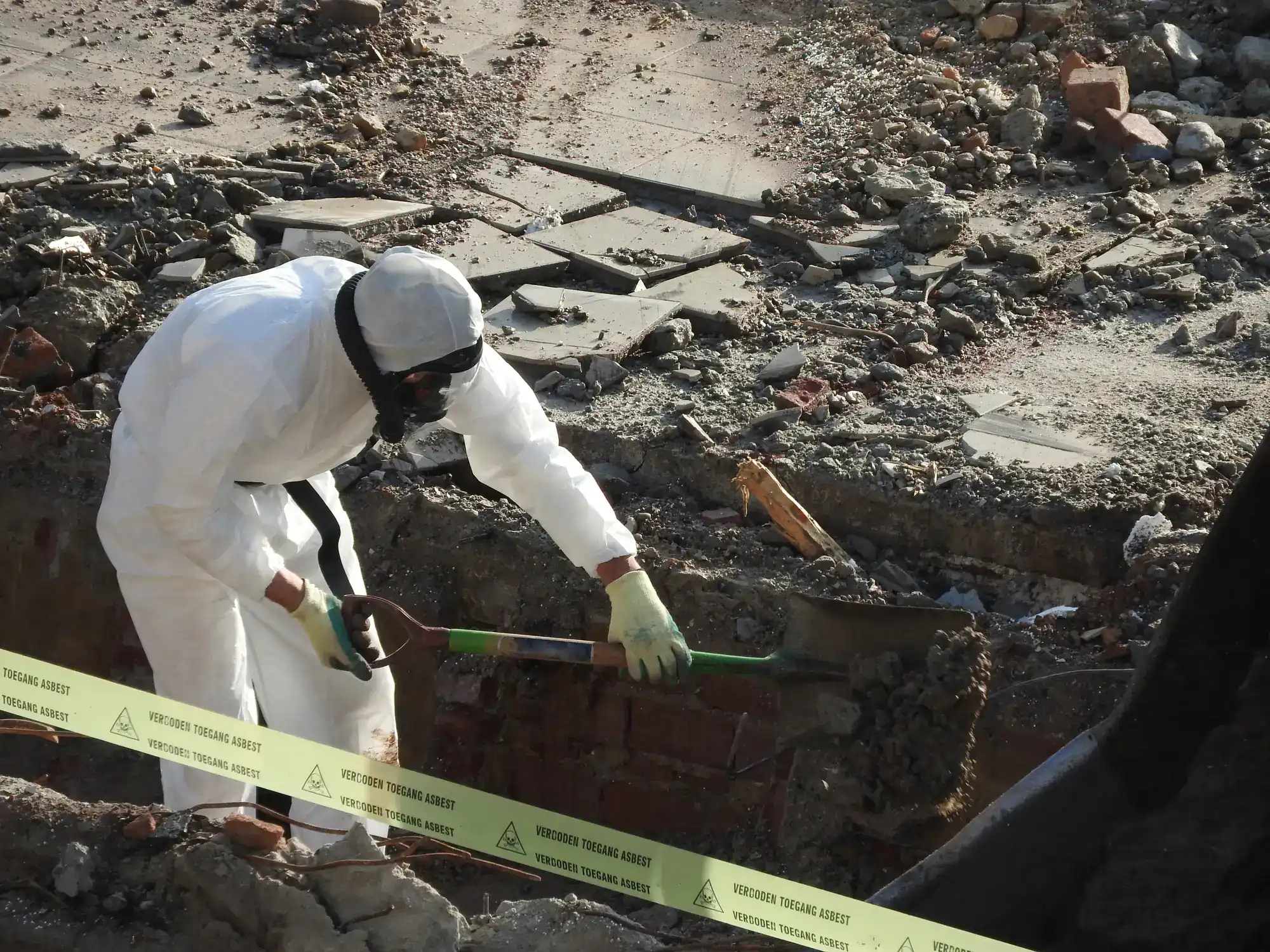
If abatement is needed, the work area gets fully contained with negative air pressure and HEPA filtration before anything is touched. This is the step that separates a safe removal from one that spreads fibers through the rest of your house. In a modest 1940s home in Montgomery where the kitchen and the living room share the same air, that containment isn’t optional — it’s the whole point.
For projects involving friable asbestos above three square or linear feet, Pennsylvania requires advance notification to the PA DEP North-Central Regional Office, which oversees Lycoming County. We handle that paperwork. You don’t have to figure out who to call or what form to file. After removal, final air clearance testing confirms the space is clean before containment comes down. Then you get documentation — something you’ll want if you’re selling the home or pulling a permit for the renovation that started this whole thing.
Ready to get started?
Asbestos rarely shows up alone in a home that was built before 1980. In Montgomery’s older housing stock, it’s common to open a wall or pull up a floor and find that asbestos, lead paint, and mold have been sharing the same space for decades. We handle all of it — asbestos inspection and abatement, lead testing and remediation, mold sampling, duct cleaning, waterproofing, demolition, and chemical disposal. One call, one contractor, one invoice.
That matters here specifically because Montgomery homeowners are often working with modest budgets and tight timelines. Coordinating three separate licensed contractors while a renovation sits stalled isn’t a realistic option for most people. Our one-stop model means the project keeps moving, and you’re not paying a premium for the privilege of managing it yourself.
The service area extends across Lycoming County and beyond — and every job gets the same standard regardless of location. PA DL&I licensure, EPA/HUD-compliant containment, HEPA filtration on every removal, and full documentation at the end. If you’re near Black Hole Creek in the borough or further out into Clinton Township, the process doesn’t change. The credentials don’t change. And the free estimate before any work begins doesn’t change either.
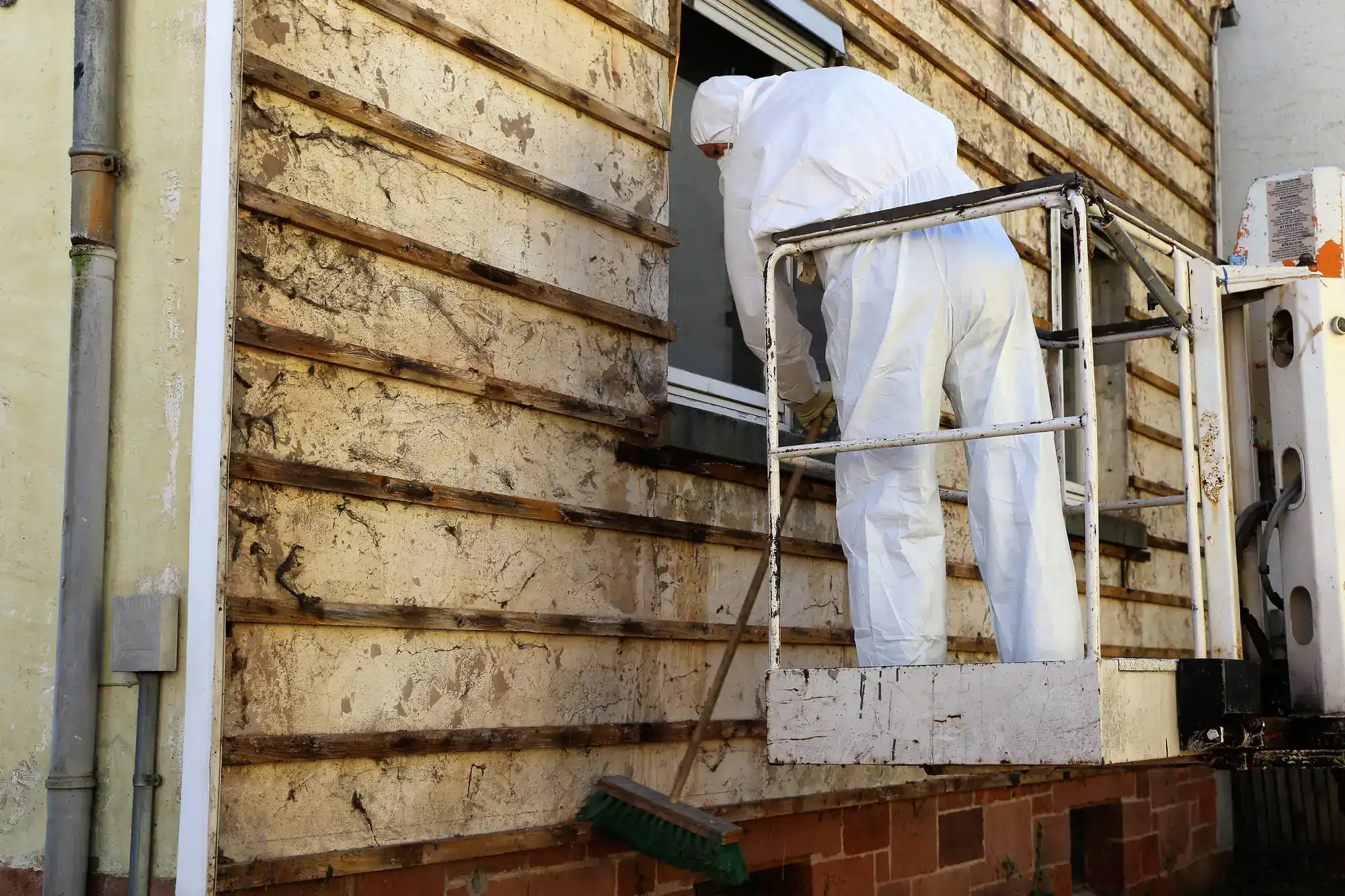

It’s not overstated — it’s actually understated for this area. Homes in Montgomery were primarily built in the 1940s and 1960s, which is the highest-risk era for asbestos-containing materials in American residential construction. Floor tiles, pipe insulation, attic insulation, plaster walls, joint compound, roofing shingles, and furnace or boiler wrap from that period routinely contained asbestos as a matter of standard practice. It wasn’t considered a problem at the time — it was considered a feature.
The risk isn’t just that the material exists. It’s that Lycoming County winters accelerate deterioration. Freeze-thaw cycles crack and crumble old pipe insulation and ceiling materials in ways that make previously stable asbestos friable — meaning it can release fibers into the air. If you’re in a pre-1980 home in Montgomery and you haven’t had an inspection, there’s a reasonable chance something in that house contains asbestos. The only way to know for certain is to test it.
It has to be a licensed specialist — this isn’t a preference, it’s Pennsylvania law. The Pennsylvania Asbestos Occupations Accreditation and Certification Act requires all asbestos abatement work to be performed by a contractor licensed by the PA Department of Labor and Industry. A general handyman or unlicensed crew removing asbestos-containing material in a Montgomery home isn’t just cutting corners — they’re violating state law, and the consequences land on the homeowner.
Beyond the legal issue, improper removal is genuinely dangerous. Without proper containment and HEPA filtration, disturbing asbestos-containing material spreads fibers through the entire house — not just the room where the work happened. Research has documented cases where airborne fiber counts were higher after removal than before, because the contractor didn’t set up the job correctly. A licensed asbestos abatement contractor isn’t a luxury for this kind of work. It’s the only legal and safe way to do it in Pennsylvania.
Whether you need to vacate depends on the size and location of the project, but we’ll give you a clear answer before work begins — not a vague “it depends” that leaves you scrambling. For smaller, contained removals in a single room or area, many homeowners can remain in unaffected parts of the house. For larger projects or work in central areas like HVAC systems or main living spaces, temporary displacement is often the safer call.
In a modest older home in Montgomery — where rooms are close together and ventilation systems can carry air between spaces — the containment setup matters enormously. We use negative air pressure and HEPA filtration to isolate the work area, which is what makes staying in the home feasible for contained jobs. You’ll know what to expect before the crew arrives, not after. If you do need to be out, we’ll tell you how long and why — no surprises.
The national average for asbestos removal runs roughly $1,200 to $3,200, with most residential jobs landing around $2,200 depending on the material type, the size of the affected area, and the complexity of the containment setup. In Montgomery, where homes tend to be modest in size and the work is typically concentrated in specific areas — a basement with pipe wrap, a kitchen floor with old tile, an attic with vermiculite insulation — most jobs fall within that range.
What affects the cost most is the type of material and whether it’s friable. Pipe insulation that’s already crumbling requires more careful handling and stricter containment than intact floor tile that’s being removed as part of a planned renovation. We offer free estimates, so you’ll get a real number before committing to anything. We also offer cash discounts, which isn’t something you’ll find advertised by most asbestos removal firms. For a homeowner in Lycoming County working with a tight renovation budget, that’s a real difference.
Pennsylvania requires advance notification to the PA DEP before abatement work begins on projects involving friable asbestos above three square or three linear feet. For larger projects that meet federal NESHAP thresholds, a 10-working-day advance notification is required. In Lycoming County, that notification goes to the PA DEP North-Central Regional Office, which can be reached at 570-321-6580. We handle this filing as part of the job — you don’t need to navigate the regulatory process yourself.
For single-family homes in Montgomery, PA DEP does not require a separate permit for the removal itself — the primary legal requirement is that the contractor holds a valid PA DL&I license. However, if your renovation also requires a local building permit through Montgomery Borough, that’s a separate process. We’ll walk you through what applies to your specific project so nothing gets missed and the job doesn’t get held up by a paperwork issue that could have been handled upfront.
No catch. Cash payments reduce processing fees and administrative overhead on both sides of the transaction, and we pass that savings directly to you. In a community like Montgomery, where home values are modest and renovation budgets are real, shaving a meaningful amount off an already fair estimate is worth something. It’s not a bait-and-switch or a way to avoid documentation — the work is still fully licensed, the disposal is still properly handled, and you still get your clearance paperwork at the end.
The discount is simply a reflection of how we operate — lean, direct, and without unnecessary overhead built into every invoice. If you’re a homeowner in Lycoming County getting three estimates and trying to make a responsible decision on a real budget, it’s worth asking about when you call. The estimate is free either way, and the licensing, the HEPA equipment, and the 20 years of experience behind the job don’t change based on how you pay.
Other Services we provide in Montgomery