Hear from Our Customers
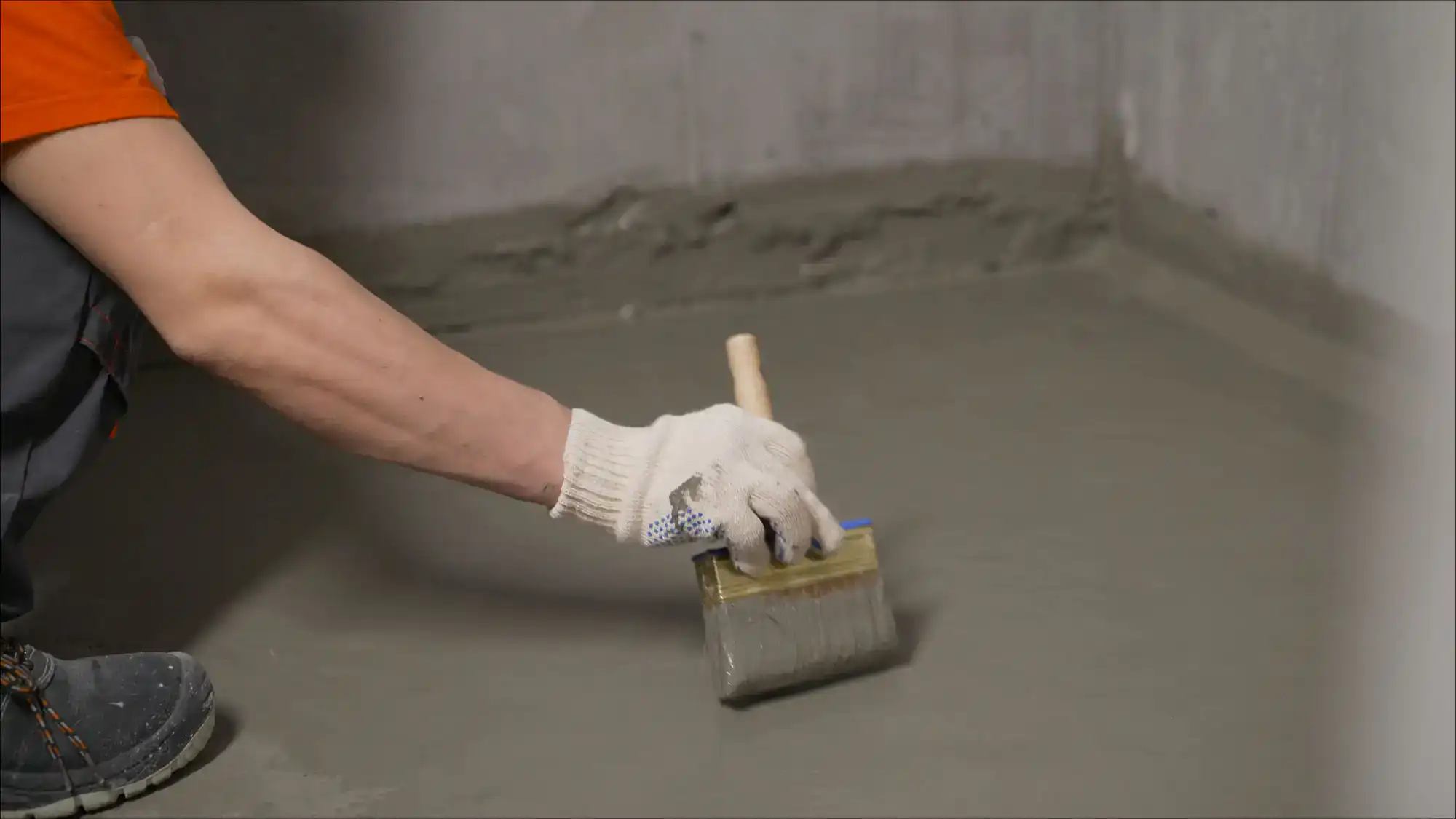
When waterproofing is done right, the difference isn’t subtle. You stop dreading the forecast. You stop checking the corner of your basement every time it rains. You stop putting off finishing that lower level because you’re not sure if the moisture problem is really gone. That shift — from anxious to confident — is what this work actually delivers.
For Merion Station homeowners specifically, the stakes are higher than average. Over 60% of homes here were built before 1940, which means original stone and masonry foundations that were never designed to handle modern hydrostatic pressure. Add in the region’s bouldery alluvial soils — documented by Lower Merion Township’s own natural features planning — and you’ve got groundwater that rises close to the surface every late fall, winter, and spring without fail.
The result of a properly waterproofed basement in Merion Station isn’t just a dry floor. It’s a protected investment. It’s a finished space you can actually use. It’s the confidence that the 90-year-old foundation under your home is going to hold for another 90 years — because someone who understood what they were dealing with handled it correctly the first time.
We’ve been working in Merion Station and throughout Montgomery County for over 20 years. That means we’ve been inside the stone Tudors and brick Colonials that define this neighborhood long enough to know that no two old foundations behave the same way. When you reach out, you’re talking to someone who can actually answer your question — not a call center operator reading from a script.
What makes us different from the franchise operations that also serve the 19066 ZIP code is the scope of what we do under one roof. Testing, mold remediation, demolition, and waterproofing — all handled by the same certified team. That matters in a neighborhood where a wet basement often comes with a side of mold and decades-old lead paint on the walls. We’re Certified Lead Inspectors and Risk Assessors operating in full EPA and HUD compliance, which isn’t a credential most waterproofing companies carry — but in a community where most homes predate 1978, it should be.
We’re fully licensed, bonded, and insured, and we offer free estimates with zero pressure attached.
It starts with a free estimate. We come out, walk the space, and give you an honest read on what’s actually happening — where the water is entering, what’s driving it, and what the right fix looks like for your specific foundation type. In Merion Station, that usually means assessing original stone or masonry construction that’s had decades of freeze-thaw cycling work on its mortar joints. We’re not going to recommend a one-size-fits-all system when your home is anything but one-size-fits-all.
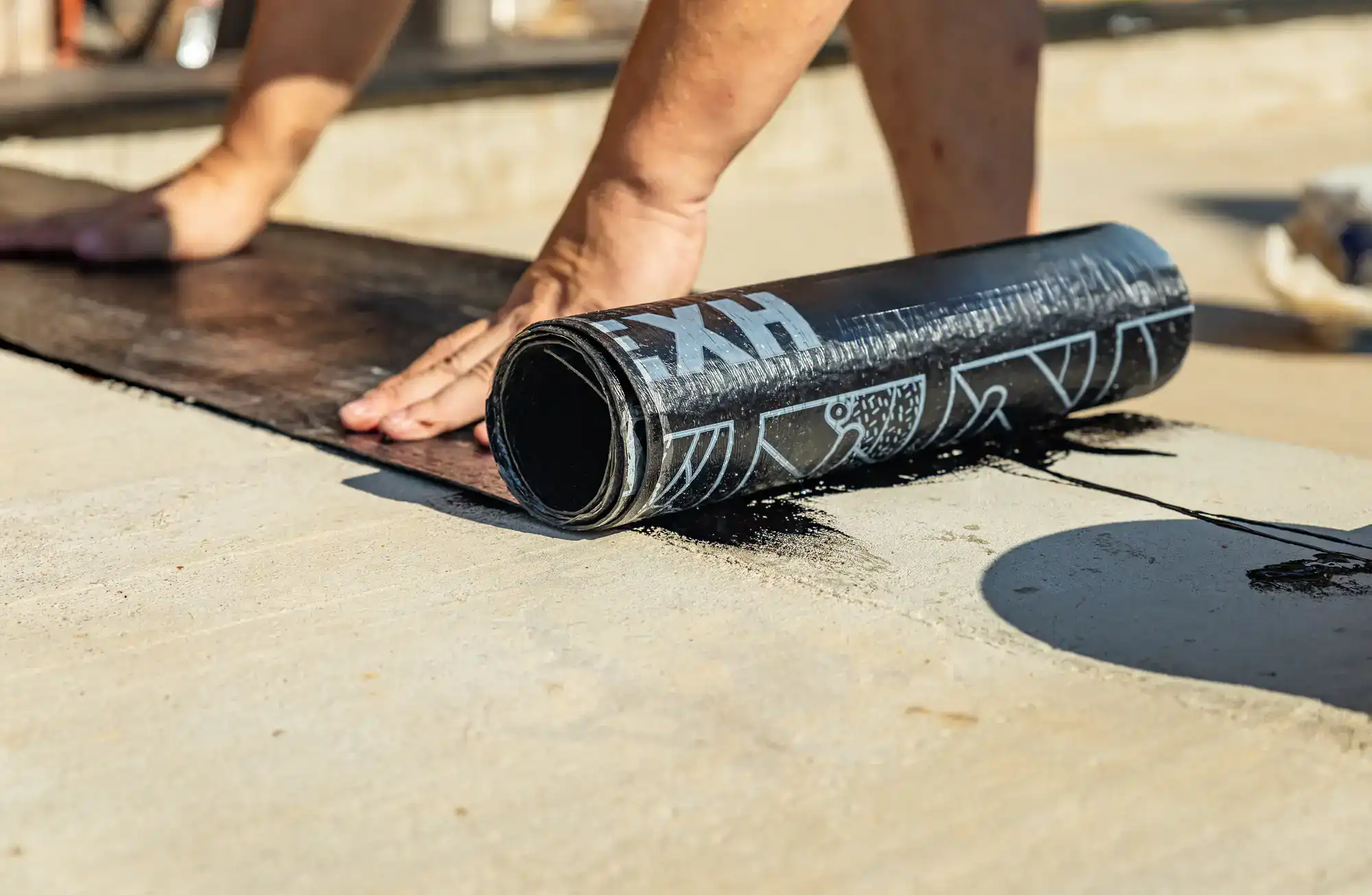
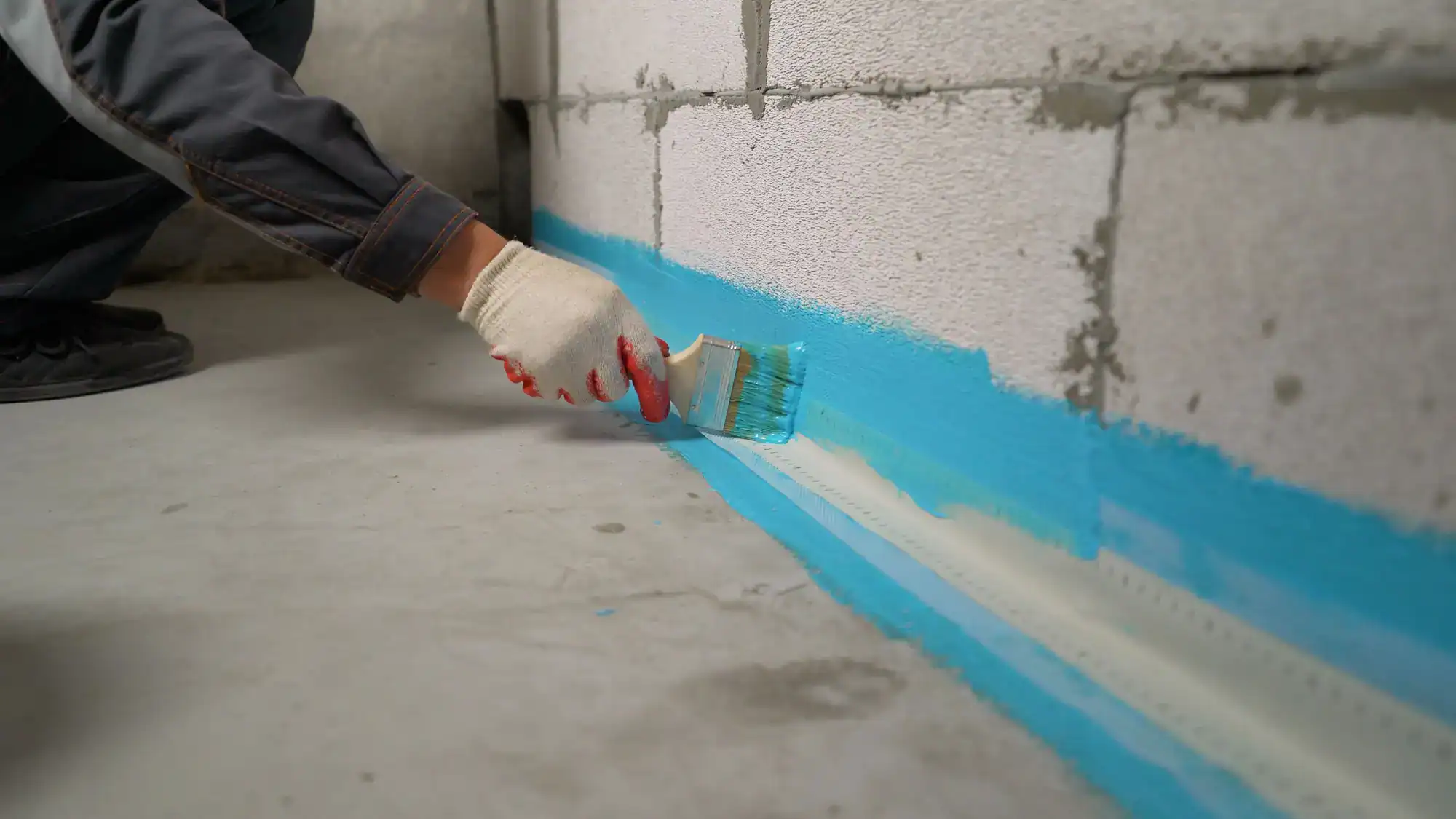
From there, the work itself depends on what the assessment finds. Interior drainage systems and sump pump installation are common starting points for homes experiencing hydrostatic pressure from high water tables — a documented condition in Lower Merion Township’s soil profile. Exterior waterproofing with membrane application and drainage board is the more comprehensive route when the foundation itself needs attention. In many cases, both are warranted, and we’ll tell you that plainly before any work begins.
Before we wrap up, we make sure the drainage is functioning, the system is tested, and you understand exactly what was done and why. If Lower Merion Township requires a permit for the scope of your project — which applies to certain drainage modifications under Chapter 121 — we’ll walk you through that too. No surprises, no gaps, no handing you off to someone else.
Ready to get started?
Most waterproofing companies stop at the water. We don’t. Because in Merion Station’s pre-war housing stock, water intrusion rarely travels alone. You get mold growing on original plaster walls. You get lead paint disturbed during remediation. You get structural concerns hiding behind decades of finished work that nobody’s looked at since the Eisenhower administration. Our one-stop model means all of it gets handled — tested, remediated, and waterproofed — without you coordinating three separate contractors who each blame the others when something goes wrong.
We use HEPA filtration systems throughout the remediation process, which matters when you’re working in an enclosed basement full of airborne particulates from old masonry and disturbed wall materials. State-of-the-art equipment isn’t a marketing line here — it’s what allows us to work safely in the kinds of environments that older homes in the 19066 area actually present.
Emergency response is available when you need it. If a sump pump fails during a nor’easter at midnight or a spring thaw sends water across your finished basement floor on a Saturday, you can reach us. We also offer cash discounts for homeowners who want straightforward, honest pricing without inflated overhead baked into the invoice. Get your free estimate and find out exactly what your foundation needs.

The short answer is a combination of age, soil, and seasonal hydrology that’s specific to Merion Station and the surrounding Lower Merion Township area. The majority of homes in Merion Station were built before 1940, using stone and masonry foundations that were constructed to manage water through gravity and natural drainage — not to resist the kind of hydrostatic pressure that builds up when groundwater rises. And it does rise here. Lower Merion Township’s own natural features documentation identifies bouldery alluvial soils in the area that are subject to flooding several times per year, with water tables at or near the surface during late fall, winter, and spring.
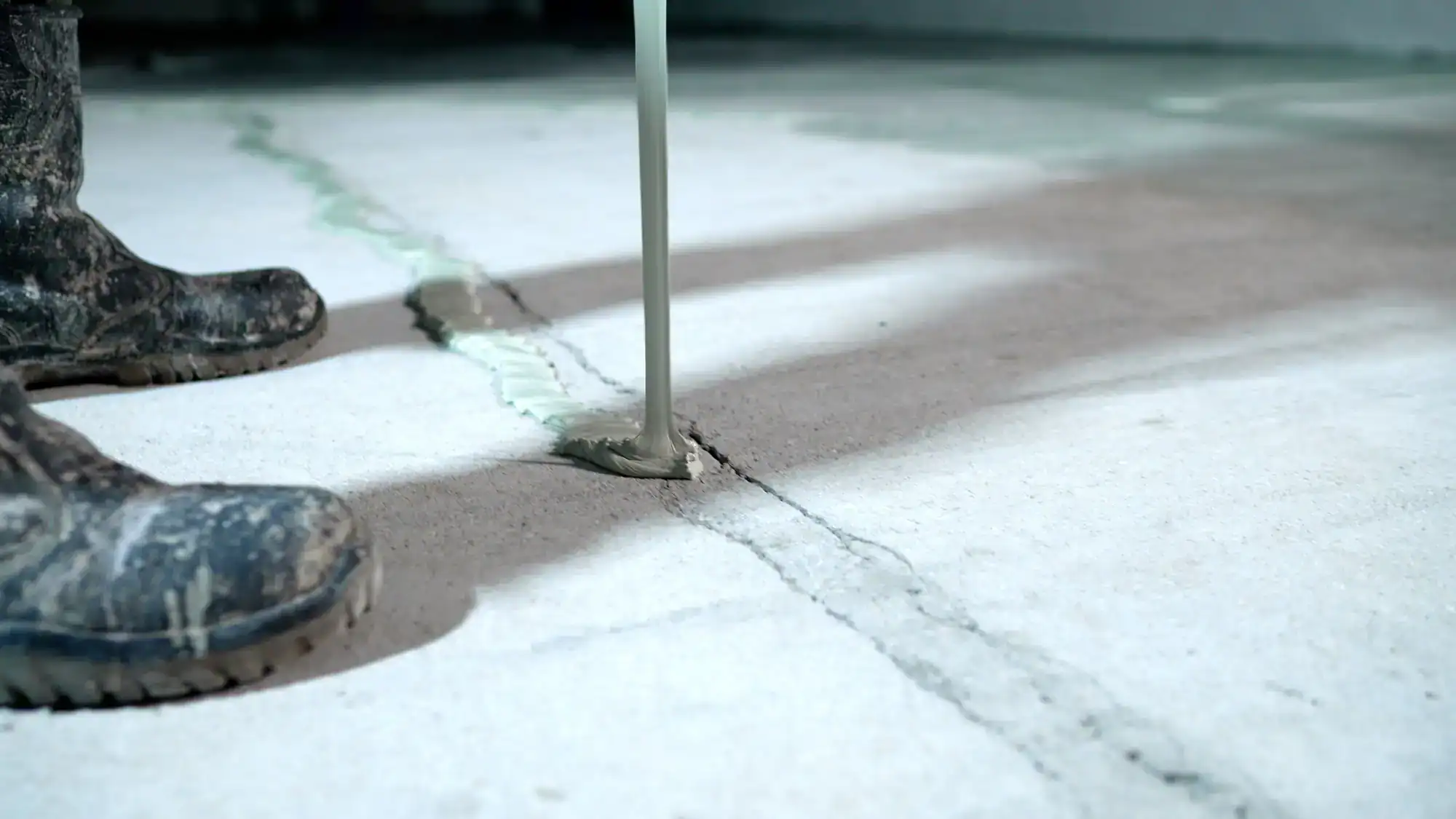
Add to that the freeze-thaw cycles that hit the Philadelphia metro region every winter. Water infiltrates tiny cracks in old mortar joints, freezes, expands, and widens those cracks over years and decades. By the time a Merion Station homeowner notices water on the basement floor, that process has often been going on for a very long time. Spring snowmelt combined with March and April rainfall creates the highest-risk window, which is why emergency calls spike in this area every year around the same time.
Interior waterproofing manages water after it enters the foundation — directing it to a drainage system and sump pump before it can cause damage. This typically involves installing a perimeter drain channel along the interior footing, a sump basin, and a pump system that moves water out and away from the home. It’s effective, less disruptive, and generally less expensive than exterior work. For many Merion Station homeowners dealing with hydrostatic pressure from high water tables, an interior French drain and sump pump system is the right starting point.
Exterior waterproofing addresses the source directly — excavating around the foundation, applying a waterproof membrane to the exterior wall surface, and installing drainage board and exterior drain tile to redirect water before it ever contacts the foundation. This is the more comprehensive approach and is especially relevant when the foundation wall itself has deteriorated mortar, cracks, or structural concerns. In homes that are 80 to 100 years old, as many in Merion Station are, exterior work is sometimes necessary to address damage that interior drainage alone can’t resolve. A proper assessment will tell you which approach — or which combination — makes sense for your specific home.
It depends on the scope of the work. Interior waterproofing — installing a drainage channel and sump pump inside the basement — typically does not require a permit in Lower Merion Township. However, exterior work that involves excavation or significant modification to drainage infrastructure can trigger permit requirements. Under Lower Merion Township’s Stormwater Management ordinance (Chapter 121), a Runoff and Erosion Control Permit is required when a project adds more than 1,500 square feet of impervious surface. Exterior waterproofing projects that alter drainage patterns around a foundation may fall within that scope.
If your home is on or adjacent to the Township’s list of historic properties — which applies to a number of structures in Merion Station given the concentration of pre-1940 architecture — there may also be additional review requirements through the Lower Merion Historical Commission. The safest approach is to confirm with the Township’s Building and Planning Department before exterior excavation begins. We’re fully licensed and operate in compliance with applicable local codes, and we’ll help you understand what your specific project requires before any work starts.
Pricing varies based on the size of the space, the method used, and the condition of the foundation — but to give you a realistic range: a straightforward interior drainage system with sump pump installation in a typical Merion Station home generally falls in the range of $3,000 to $8,000. More comprehensive projects involving exterior excavation, membrane application, and drainage board can run $10,000 to $20,000 or more, depending on the extent of the work and the condition of the foundation.
For homes in the 19066 ZIP code, it’s worth factoring in that many properties here are 80 to 100 years old, which means assessments sometimes uncover additional issues — deteriorated mortar, mold, or lead paint on basement walls — that need to be addressed alongside the waterproofing itself. Our one-stop model means those additional concerns don’t require separate contractors with separate invoices. We also offer cash discounts, which can meaningfully reduce the final cost for homeowners who want transparent, no-markup pricing. The best way to get an accurate number for your specific home is to schedule a free estimate — there’s no obligation, and you’ll leave with a clear picture of what you’re actually dealing with.
Yes — and it’s something we do regularly in Merion Station, where stone foundation homes are the norm rather than the exception. Working with original stone and masonry requires a different approach than working with poured concrete. The mortar joints between stones are the most common entry points for water, and they deteriorate over time in ways that standard waterproofing products aren’t designed to address on their own. Proper assessment of a stone foundation means evaluating the condition of the mortar, identifying active water entry points, and selecting materials and methods that are compatible with the original construction.
Interior drainage systems work well with stone foundations because they don’t require disturbing the foundation wall itself — they intercept water at the footing level and route it out. Exterior approaches on stone foundations are more involved and require careful work to avoid damaging the structural integrity of the masonry. If your home is on or near the Lower Merion Township historical properties list, that’s an additional layer of consideration. We’ve worked in pre-war homes throughout Montgomery County and understand how to approach this kind of construction with the care it deserves.
The cash discount exists because accepting cash eliminates transaction fees, reduces administrative overhead, and lets us keep our pricing honest and direct. There’s no financing markup, no processing cost baked into the invoice, and no franchise royalty being paid to a national brand. For Merion Station homeowners who are comparing us to larger regional competitors, that difference in overhead is real — and we’d rather pass it to you than absorb it as margin.
It has no effect on the quality of the work. The same certified team, the same HEPA filtration equipment, the same EPA and HUD-compliant processes, and the same 20-plus years of experience go into every project regardless of how it’s paid for. In a community where home values regularly exceed $750,000 and many properties represent generational investments, cutting corners isn’t something we’d do — and it’s not something you should accept from any contractor. The discount is simply an honest pricing option for homeowners who prefer it. Ask about it when you call for your free estimate.
Other Services we provide in Merion Station