Hear from Our Customers
You stop guessing. That’s the first thing. When you’ve got a pre-war row house on Cedar Street or an attached home off New Street in Spring City and you’re mid-renovation, the last thing you want is to find out halfway through demolition that you’ve been breathing something you shouldn’t. A licensed asbestos abatement contractor doesn’t just remove material — we give you the documentation, the clearance, and the peace of mind that the job was done right and the space is safe to occupy again.
Spring City’s housing stock is old. The median build year for properties here is 1940, and roughly 77% of homes in the borough were built before 1970. That’s not a statistic to gloss over — it means the pipe insulation in your basement, the floor tiles in your kitchen, the plaster on your walls, and the insulation around your boiler all fall squarely within the window when asbestos-containing materials were standard. The Schuylkill River corridor adds another layer: humidity from the river accelerates the deterioration of materials that were once stable, turning what was contained into something airborne.
When the work is done properly, you move forward. The renovation continues. The sale closes. The rental unit gets rented. You’re not stuck in limbo waiting to find out if a contractor cut corners — because we didn’t.
We’ve been doing this work for over two decades across Chester, Delaware, Montgomery, Bucks, and New Castle counties. Spring City sits right in that footprint — about five miles east of Phoenixville along the Schuylkill River, where we already have an established presence. This isn’t a contractor reaching into unfamiliar territory. This is a team that knows what pre-war Chester County housing looks like from the inside out, and we know Spring City’s row houses and attached homes specifically.
We’re fully licensed under PA DL&I, EPA/HUD compliant, and carry a Certified Lead Inspector and Risk Assessor on staff — which matters in a borough where lead paint and asbestos tend to show up in the same walls. We’re also fully bonded and insured, and we offer free estimates with no pressure attached.
Our service model covers everything under one roof: inspection, testing, abatement, demolition, mold remediation, and waterproofing. For a Spring City home where one problem rarely comes alone, that’s not a small thing.
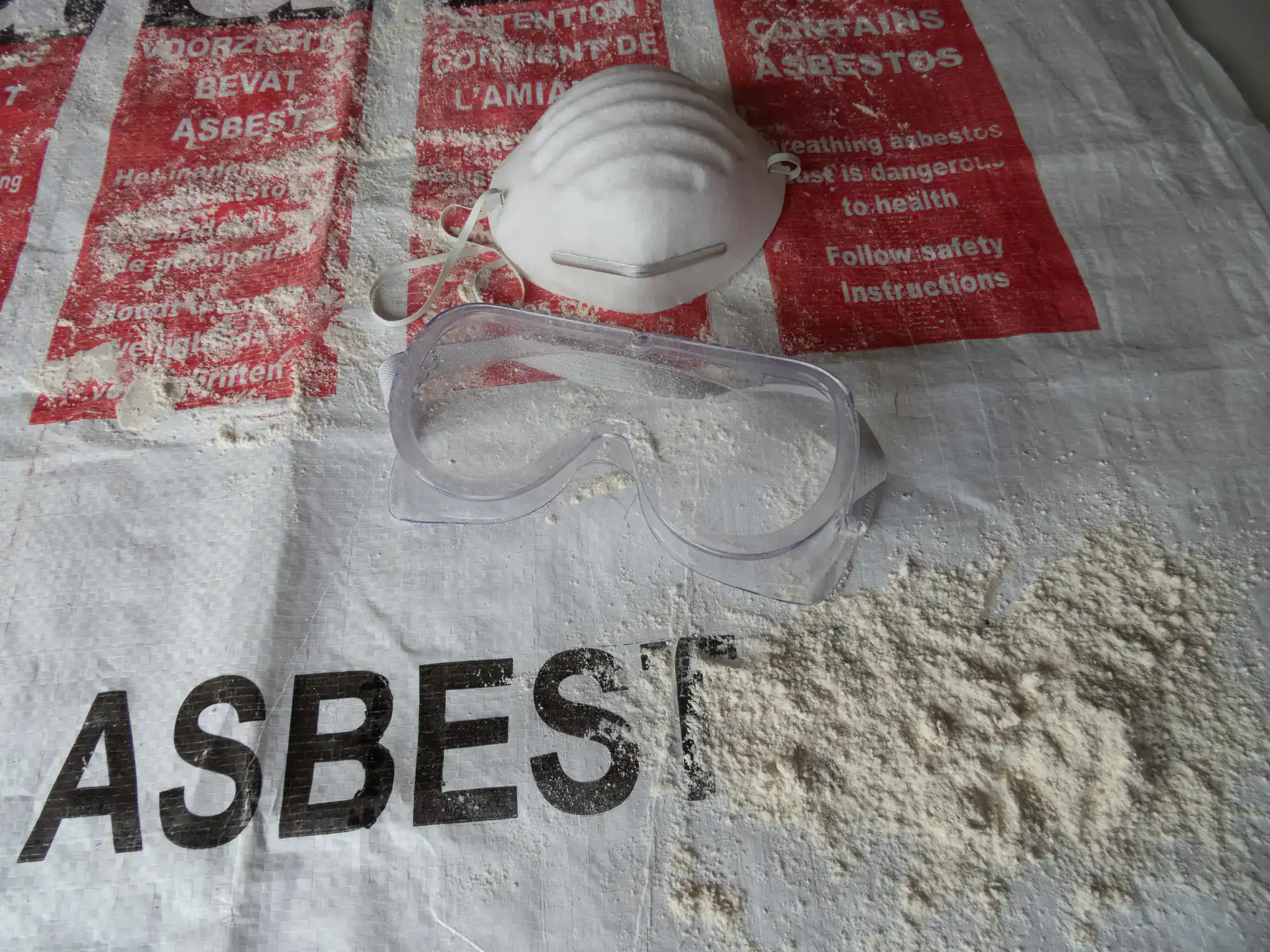
It starts with an inspection and, if needed, testing. Before anything gets touched, we identify exactly what you’re dealing with — where it is, what condition it’s in, and whether it needs to be removed or can be safely encapsulated. Not every material requires full removal, and a contractor who tells you otherwise before they’ve looked isn’t being straight with you.
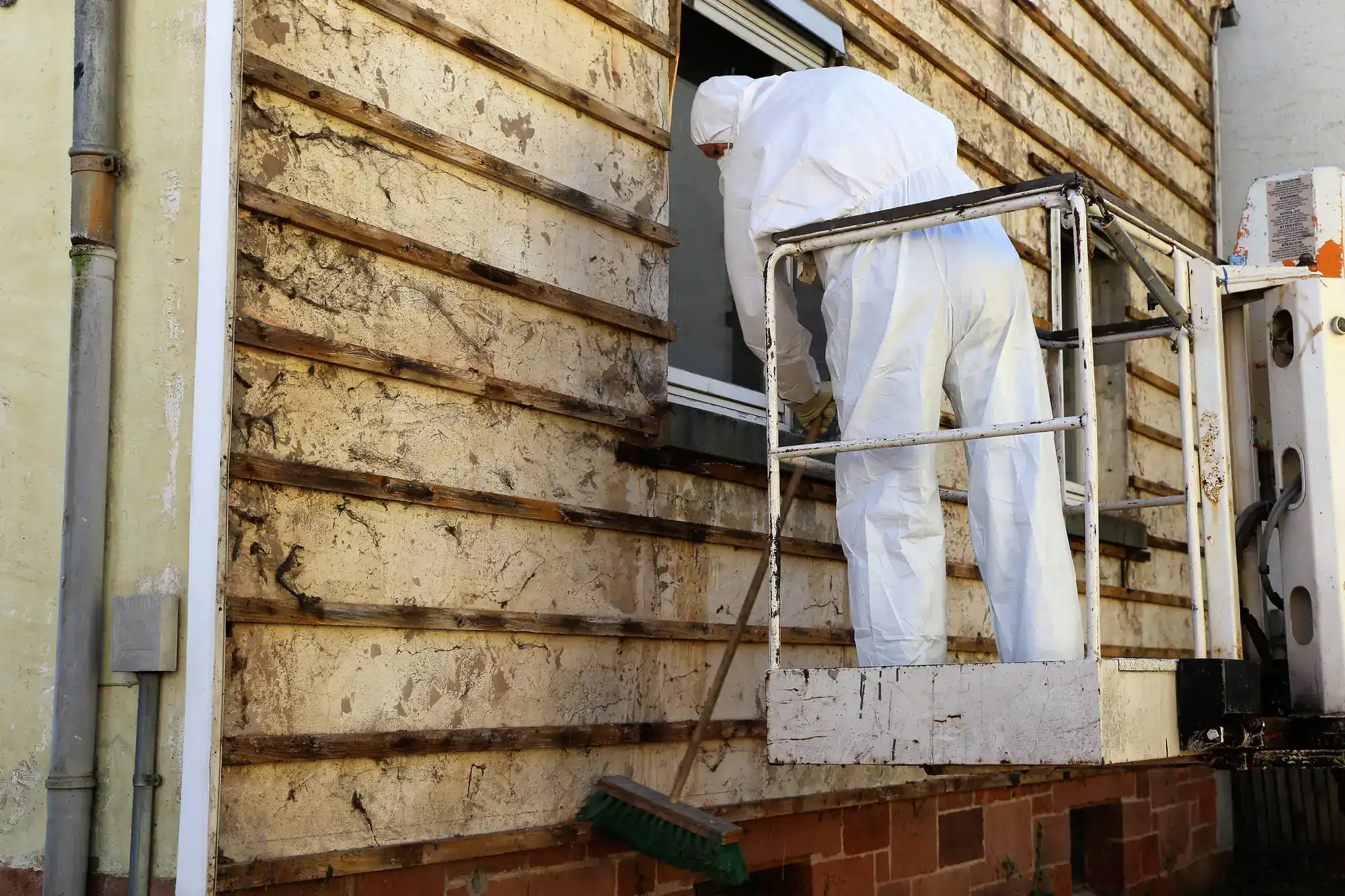
Once the scope is confirmed, containment goes up. HEPA filtration systems and negative air pressure keep fibers from migrating into the rest of the structure — this is especially important in Spring City’s row houses and attached homes, where a shared wall means your neighbor’s unit is only a few feet away. Pennsylvania DEP requires advance notification before friable asbestos removal begins, and we handle that paperwork. You don’t have to navigate the regulatory side — that’s part of what you’re paying for.
After removal, the area is cleaned, air-tested for clearance, and documented. You get a written report that satisfies insurance companies, real estate transactions, and borough requirements. If there’s lead paint or mold in the same space — which is common in pre-1940 Spring City homes — we can address that in the same visit rather than scheduling a second contractor weeks later.
Ready to get started?
Spring City isn’t Blue Bell or King of Prussia. The homes here are older, denser, and more likely to contain multiple overlapping hazards in the same structure. Our service model was built for exactly this kind of work — not the straightforward suburban flip, but the pre-war row house or attached home where the pipe insulation is original, the floor tiles are from the 1940s, and the boiler wrap hasn’t been touched in decades.
Every job includes a thorough inspection, material sampling and lab testing, full containment setup with HEPA filtration, licensed removal by PA DL&I-certified technicians, proper disposal in accordance with Pennsylvania DEP requirements, and post-removal air clearance testing with written documentation. For landlords managing rental units in Spring City — and with a roughly 45% renter-occupied rate in the borough, there are a lot of them — that documentation is what protects you legally if a tenant or inspector ever asks questions.
We also handle the jobs that go sideways. If you’re mid-renovation and a contractor has stopped work because something doesn’t look right, our 24/7 phone line is real. Emergency response is available. And if the asbestos turns out to be sharing space with mold or lead, we handle all three — no referrals, no waiting on a second crew, no gap in accountability.

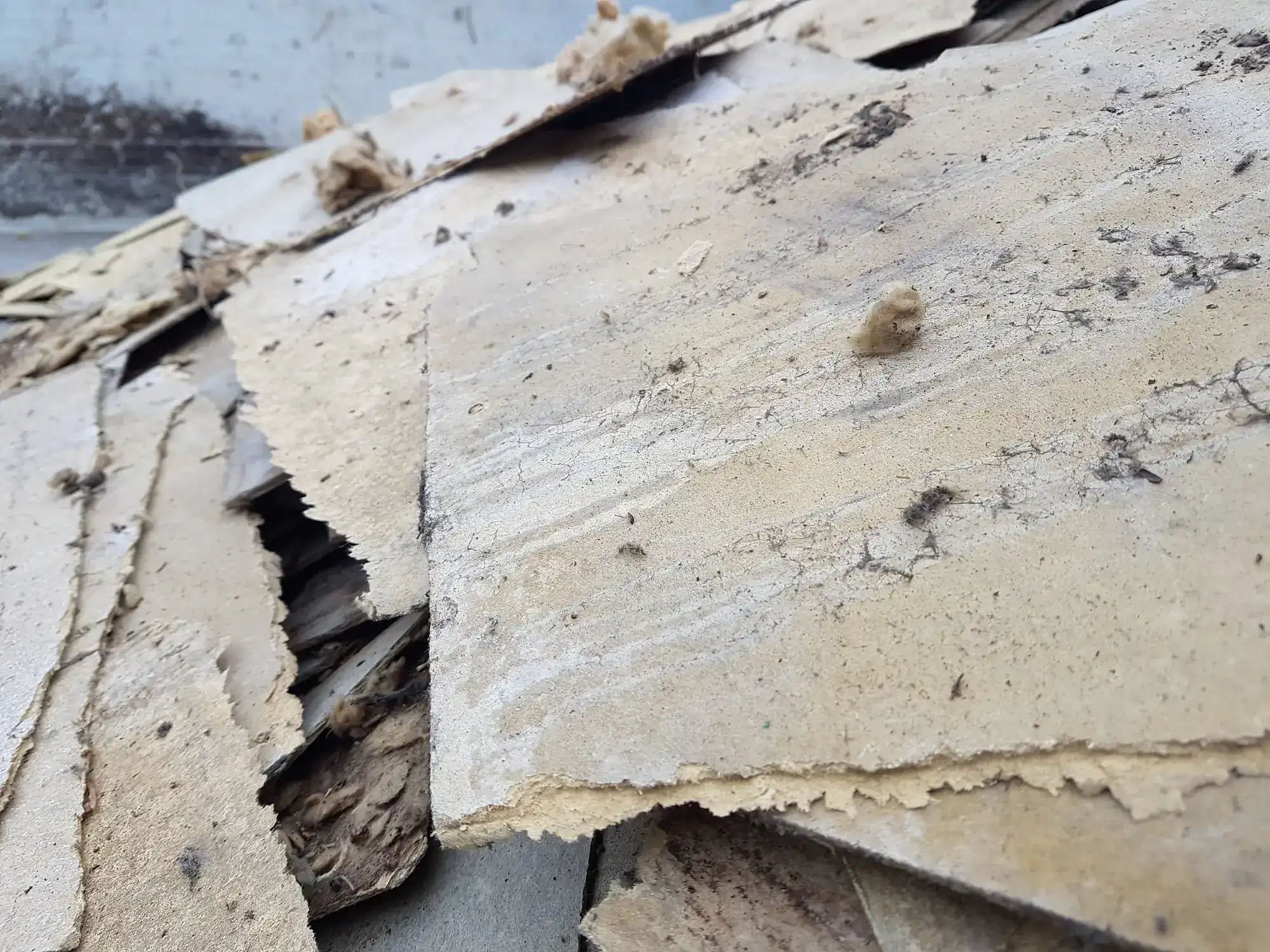
The honest answer is: you can’t know for certain without testing. Visual inspection alone isn’t reliable — asbestos fibers are microscopic, and materials that contain them often look completely normal. What you can do is look at the age of your home. If it was built before 1980 — and in Spring City, that’s the overwhelming majority of the housing stock — there’s a real possibility that some of your building materials contain asbestos. Common locations include pipe and boiler insulation, vinyl floor tiles, ceiling tiles, plaster and joint compound, attic insulation, roofing materials, and exterior siding.
The right move is to have a licensed inspector collect samples before any renovation work begins. In Pennsylvania, this isn’t just good practice — it’s tied to legal requirements around contractor licensing and DEP notification. We offer free estimates, so getting an initial assessment doesn’t cost you anything upfront. If testing confirms asbestos is present, you’ll know exactly where it is, what condition it’s in, and what your options are before a single wall gets opened.
Work stops — and that’s the right call. Disturbing asbestos-containing materials without proper containment releases fibers into the air, which is exactly the scenario you’re trying to avoid. If your contractor has paused a job in your Spring City home because something doesn’t look right, the next step is to get a licensed asbestos abatement contractor on-site as quickly as possible to assess the material before anything else gets touched.
We have 24/7 phone availability and offer emergency response service for exactly this situation. Mid-renovation discoveries are common in Spring City’s pre-war housing stock — a carpenter pulling up old vinyl tile, a plumber cutting into pipe insulation, an HVAC technician opening up a boiler room. These scenarios happen regularly in a borough where 77% of homes predate 1970. The goal is to get the material identified, contained, and removed correctly so your project can continue. Delays are frustrating, but they’re far less costly than a contamination event that affects the entire structure — or a neighboring unit in an attached home.
Yes, and this is one area where hiring an unlicensed contractor creates real legal exposure. Pennsylvania DEP requires advance notification before the removal of friable asbestos begins — and for projects outside Philadelphia and Allegheny counties, which includes all work in Spring City, the notification fee increases to $400 starting January 2026. The EPA’s NESHAP regulations also require a minimum 10-working-day advance notice to state environmental agencies before asbestos removal exceeds certain thresholds.
Beyond DEP notification, Pennsylvania requires all asbestos abatement contractors to hold valid licensure under the Pennsylvania Asbestos Accreditation and Certification Act, administered by the PA Department of Labor and Industry. This isn’t a voluntary credential — it’s the legal requirement for anyone performing this work in the state. We’re fully licensed under PA DL&I and handle all required notifications and documentation as part of the job. If you’re a homeowner or landlord in Spring City who’s been quoted by a contractor who hasn’t mentioned any of this, that’s worth paying attention to.
They can, and it’s more common than most landlords realize. With roughly 45% of Spring City’s occupied housing units being renter-occupied, there’s a significant number of property owners managing pre-war row houses, duplexes, and small apartment buildings that were built during the peak asbestos-use era. The EPA’s Renovation, Repair, and Painting Rule applies to virtually all pre-1978 housing — which covers the vast majority of Spring City’s rental stock — and requires that renovation work in these properties be handled by certified contractors.
If a landlord hires an unlicensed handyman to replace old floor tiles, repair pipe insulation, or do any work that disturbs asbestos-containing materials, they’re not just cutting corners on the job — they’re creating documented legal and financial liability. A tenant who becomes ill, or a housing inspector who flags improper abatement, can trigger consequences that far exceed the cost of doing the job right the first time. We provide written documentation of all abatement work, which is exactly what protects a landlord if questions come up later.
It depends on the scope, but most residential abatement jobs in Spring City — a row house, attached home, or small single-family — are completed within one to three days. A single-room removal, like pipe insulation in a basement or floor tile in a kitchen, is often a one-day job. Larger projects involving multiple materials or multiple areas of the home take longer, but we’ll walk you through the timeline before work begins so you’re not guessing.
One thing worth knowing about Spring City’s attached housing stock specifically: row houses and homes with shared walls require more careful containment setup than a freestanding single-family home. Negative air pressure systems and HEPA filtration have to be configured to prevent fibers from migrating through shared wall cavities or attic spaces into neighboring units. This adds a small amount of setup time, but it’s not optional — it’s what keeps the job from becoming a problem for your neighbor as well as yourself. We use state-of-the-art containment equipment on every job, and that setup is included in the scope of work, not billed as an add-on.
Yes — and for Spring City homeowners dealing with an unexpected asbestos discovery mid-renovation, that matters. An abatement job is rarely something you budgeted for. It shows up when you pull up old tile, open a wall, or finally get around to replacing that original basement boiler. Getting a free estimate means you can find out exactly what you’re dealing with and what it will cost to address it before you commit to anything.
We also offer cash discounts, which is a real consideration in a middle-income borough where most homeowners are making practical financial decisions, not writing blank checks. The estimate gives you the information. The cash discount gives you a way to reduce the final cost if you choose to move forward that way. Spring City homes are appreciating — the market here is active, and a documented, properly abated home is a cleaner asset whether you’re staying, selling, or renting. Getting the estimate is the lowest-risk first step you can take.
Other Services we provide in Spring City