Hear from Our Customers
Most homeowners in Spring City don’t call a demolition contractor because things are going well. They call because a basement flooded after a storm rolled off the Schuylkill, or because a renovation uncovered something in the walls that nobody wants to touch without the right credentials. Whatever brought you here, the outcome you actually want is simple: a clean, safe, documented job that doesn’t come back to haunt you.
Spring City has some of the oldest housing stock in the country — nearly half of all homes here were built before 1939. That means the odds of running into asbestos-containing materials or lead-based paint on any given project aren’t a remote possibility. They’re the baseline. When a contractor who isn’t certified to handle those materials starts tearing into a pre-1940 row home or Victorian twin in Spring City, the project doesn’t just get complicated — it can become a health and legal issue for everyone involved.
What you get with a properly scoped demo job is clarity. You know what was found, how it was handled, and what the site looks like when the work is done. For homeowners preparing to sell, investors rehabbing a distressed property near Main Street, or landlords dealing with long-overdue repairs in an older rental, that documentation matters. It’s not just peace of mind — it’s protection.
We’ve been doing this work for over two decades, and a significant part of that work has been in the older housing corridors of Chester and Montgomery counties — the same pre-1978 row homes, twins, and Cape Cods that make up the majority of Spring City’s neighborhoods. This isn’t a crew learning on your job. It’s a team that has seen these conditions hundreds of times and knows exactly how to handle them.
Eric, our owner, runs an operation built around one core idea: you shouldn’t have to call four different contractors to get one project done. From the initial inspection and hazmat testing through certified abatement and full demolition, we manage the entire process. That matters especially in a borough like Spring City, where the permit process runs through the borough’s own municipal office and where the age of the housing stock means almost every project has a hazmat component.
We’re EPA Certified as a Lead Inspector and Risk Assessor, EPA/HUD compliant, and fully licensed, bonded, and insured. Those aren’t just credentials on a website — they’re the specific qualifications that determine whether your project can legally move forward in Spring City.

It starts with a free estimate and a site walkthrough. Before anything gets touched, we assess the scope of the work and identify any potential hazardous materials. In Spring City, where the median year built is 1940 and nearly half of all homes predate that, this step isn’t optional — federal law requires a certified assessment for asbestos and lead before demolition can legally begin on a pre-1978 structure. That’s not a formality. It’s what keeps you protected.
If hazardous materials are present — and in Spring City, they often are — we handle the certified abatement before any demolition work begins. HEPA filtration systems are deployed to contain airborne particles during abatement, which matters especially in Spring City’s dense borough streets where homes sit close together and some share walls. Once the site is cleared and documented, the demolition or gutting work begins. Permits are pulled through Spring City Borough as part of the process — you don’t have to navigate that yourself.
When the work is done, you get a clean site and full documentation of what was found and how it was handled. For investors flipping properties near Pikeland Avenue or homeowners dealing with storm damage close to the river, that paper trail is worth having. The whole process is managed by one team, under one point of contact, from the first call to the final cleanup.
Ready to get started?
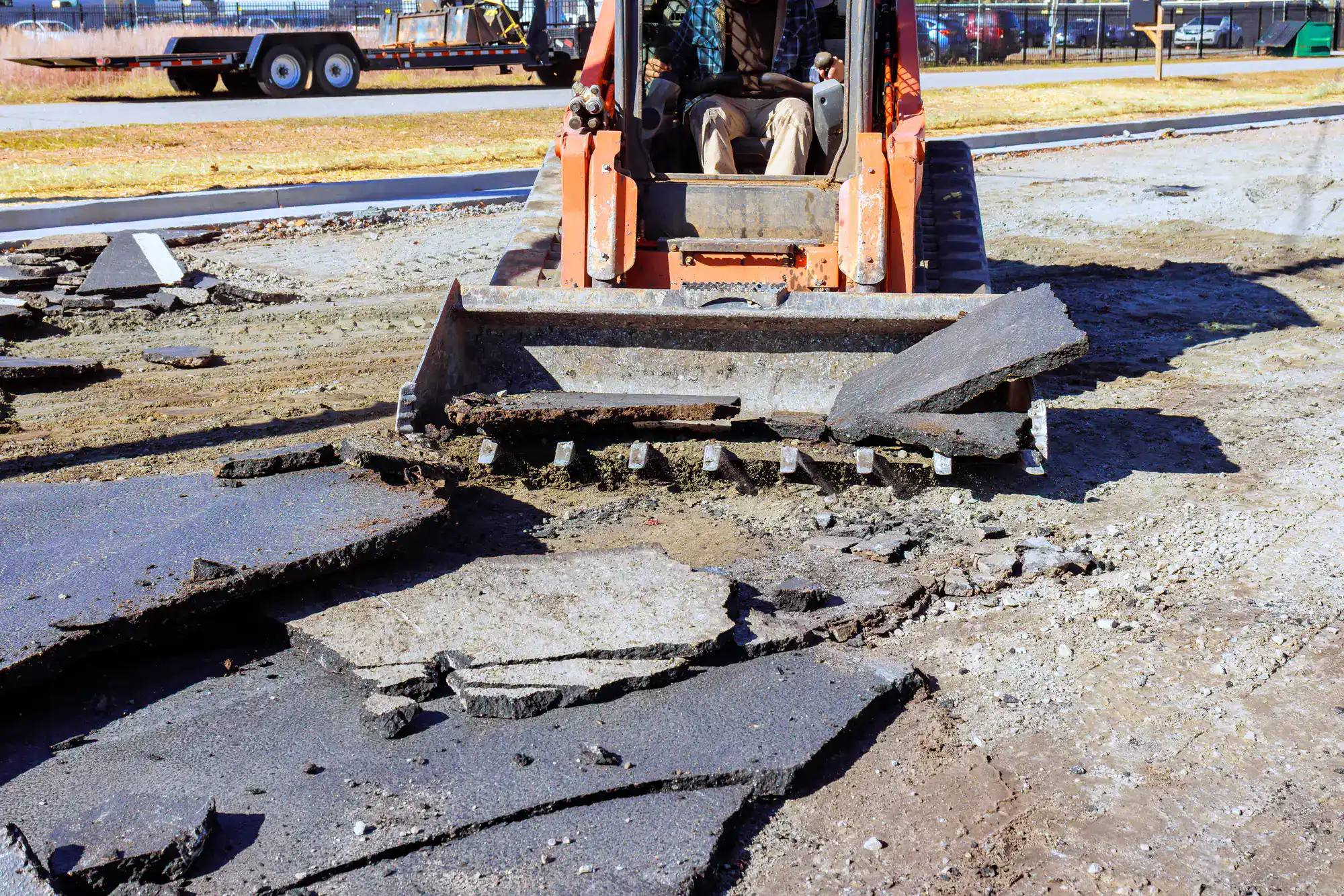
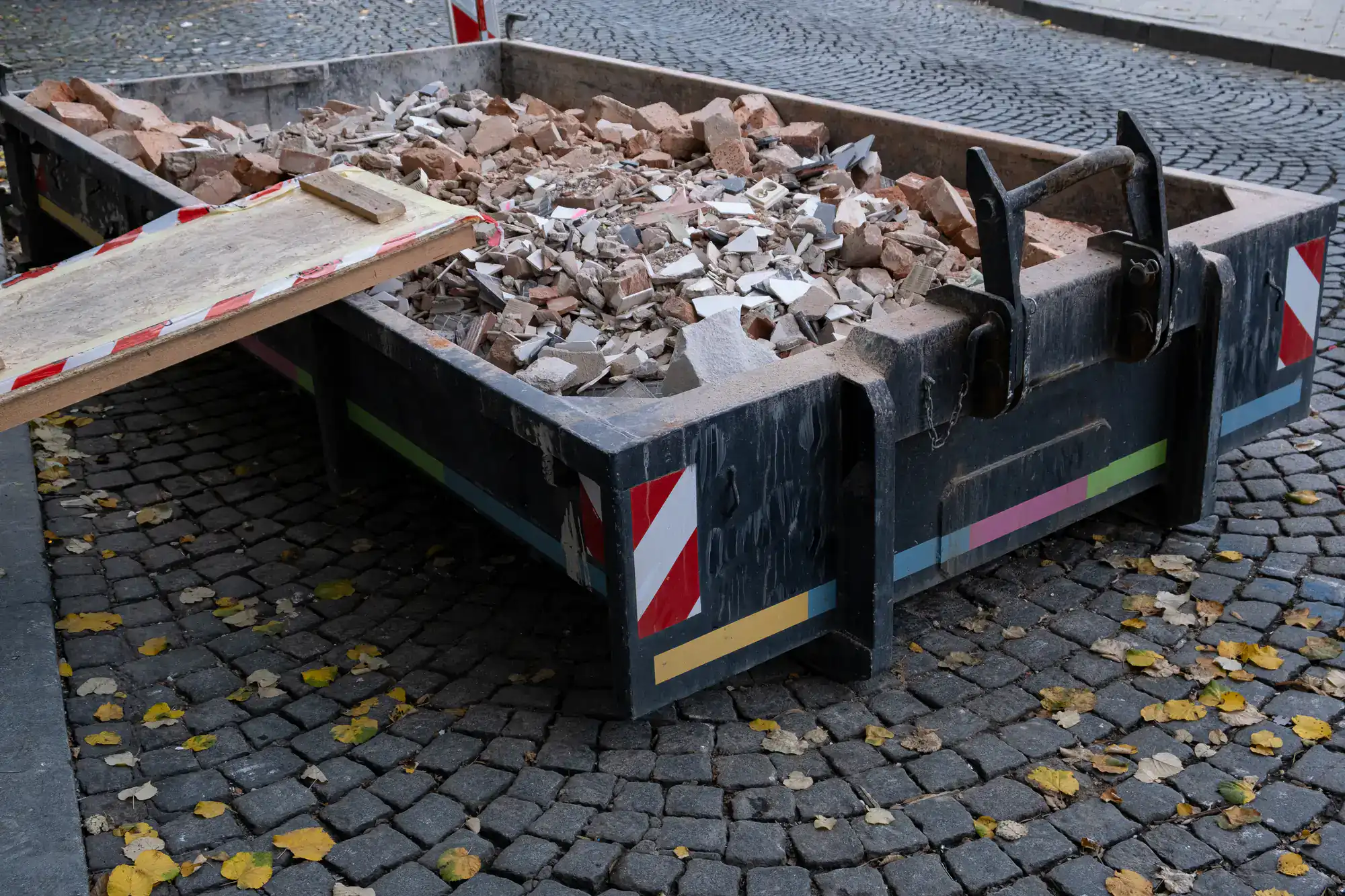
We handle the full range of demolition and abatement work that Spring City properties actually require — not a stripped-down demo service that stops the moment something unexpected turns up. That includes interior gutting, selective demolition, full structural teardown, asbestos abatement, lead paint removal, mold remediation, construction debris removal, and waterproofing. It’s one integrated service, not a handoff between three separate companies.
For Spring City specifically, the hazmat component is rarely optional. With 77% of the borough’s housing stock predating 1970, virtually every renovation or demolition project here falls under EPA RRP Rule requirements at minimum — and many fall under the stricter standards that apply to full demolition under EPA NESHAP. We hold the EPA Certified Lead Inspector and Risk Assessor credential, which goes beyond the basic RRP contractor certification most demo companies carry. We’re also EPA/HUD compliant, which is directly relevant to landlords managing rental properties in Spring City’s significant renter population and to investors working with FHA financing.
The borough’s riverfront location along the Schuylkill also means water damage and emergency gutting calls are a regular part of the work here. We’re available 24 hours a day, 7 days a week for emergency response — because moisture damage in a pre-1940 home doesn’t wait for Monday morning. Free estimates and cash discounts are available, and every job is supervised on-site by licensed professionals throughout.


If your home was built before 1978, federal law requires that renovation and demolition work be handled by EPA-certified contractors who follow lead-safe work practices. In Spring City, that applies to the overwhelming majority of the housing inventory — nearly 50% of homes here were built before 1939, and another 27% were built between 1940 and 1969. That’s roughly 77% of the borough’s homes sitting in the range where asbestos-containing materials and lead-based paint are not just possible but statistically likely.
Asbestos shows up in places most homeowners don’t expect: pipe insulation, floor tiles, ceiling tiles, joint compound, roofing shingles, and exterior siding were all common asbestos-containing materials in homes built through the late 1970s. Lead-based paint was standard in residential construction until it was banned for home use in 1978. The only way to know for certain what’s in your home is to have a certified inspector assess the materials before any work begins. We hold EPA Certified Lead Inspector and Risk Assessor credentials, which means we can test, document, and certify the conditions in your home — not just remove the materials after the fact.
Yes. Spring City is an incorporated borough with its own municipal government and permit requirements. Demolition work — whether it’s a full structural teardown or a significant interior gut — requires a permit from Spring City Borough before work begins. If a dumpster or debris container needs to be placed on a borough street, that typically requires advance coordination and approval as well, which is a practical reality in Spring City’s compact downtown where off-street placement isn’t always an option.
Pennsylvania also operates under a statewide Uniform Construction Code, which governs building and construction standards across all municipalities including Spring City. Licensed contractors can pull demolition permits on behalf of property owners, which is part of what we handle as part of the project scope. Unlicensed operators often can’t pull permits at all, which leaves homeowners exposed to stop-work orders, fines, and liability for unpermitted work after the fact. Beyond the local permit, federal environmental requirements — specifically EPA NESHAP for asbestos — apply independently of local permitting and must be satisfied before demolition of any pre-1978 structure can legally proceed.
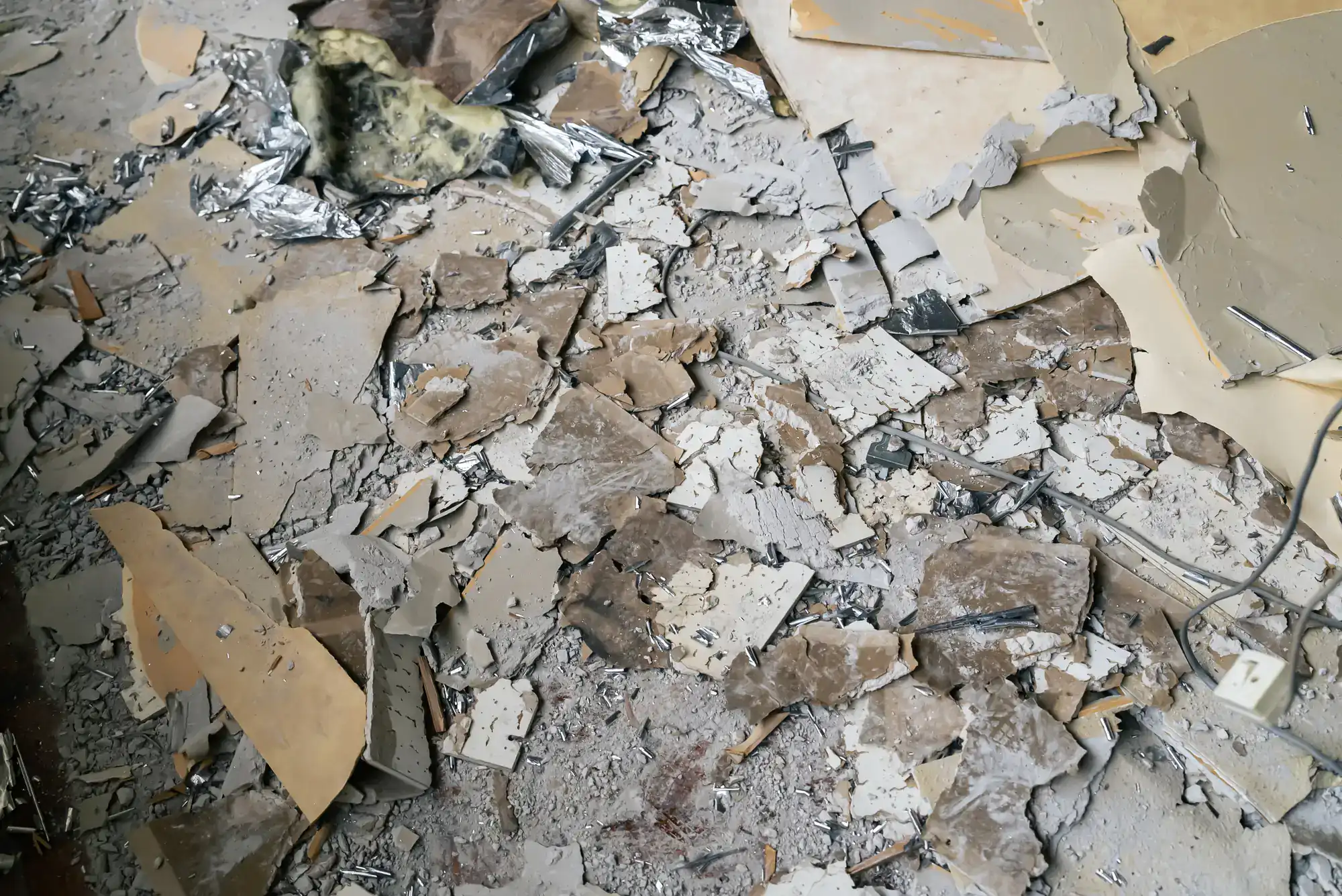
In a pre-1940 home in Spring City, a flooded basement isn’t just a cleanup problem — it’s a potential hazmat situation. When water gets into older construction materials like plaster, original insulation, or older flooring, the remediation process often requires gutting those materials before restoration can begin. And in a home with a build date before 1940, those materials may contain asbestos or lead, which means they can’t just be torn out without a certified assessment first.
Mold also begins forming within 24 to 48 hours of water exposure. Every hour of delay in a moisture event compounds the damage and increases remediation costs. We’re available 24 hours a day, 7 days a week for exactly this scenario — not just to answer the phone, but to deploy and begin the assessment and abatement process quickly. Spring City’s location directly on the Schuylkill River means flood and moisture events are a recurring feature of life here, not a rare occurrence. Having a contractor who can handle the full scope — emergency response, hazmat assessment, gutting, and remediation — without requiring you to coordinate multiple companies is the difference between a manageable situation and a prolonged, expensive one.
The honest answer is that it depends on what’s found during the initial assessment, and in Spring City’s older housing stock, that’s a variable you have to plan for. A straightforward interior gut on a smaller row home or twin — where no hazardous materials are present — can typically be completed in a few days. When asbestos abatement or lead removal is required first, that adds time to the schedule because certified abatement work follows specific containment and clearance protocols that can’t be rushed.
The good news is that working with a single contractor who handles both the abatement and the demolition eliminates the scheduling gap that typically exists when those two scopes are split between separate companies. With us, the abatement crew and the demolition crew are coordinated under one project, which means there’s no waiting period between clearance and demo work beginning. For investors working on a tight rehab timeline — whether on a Pikeland Avenue flip or a distressed property near the borough center — that efficiency is a real, tangible advantage. Get your free estimate early and ask about the assessment findings upfront so the timeline is as predictable as possible.
Yes. We’re EPA/HUD compliant, which is the specific federal qualification required to perform lead-safe work on properties subject to HUD’s lead-safe housing rule under 24 CFR Part 35. That rule applies to federally-assisted housing built before 1978 — which, in Spring City, covers a significant portion of the rental housing inventory given that roughly 45% of occupied units in the borough are renter-occupied and the median year built is 1940.
Most demolition contractors in the Spring City area do not hold this designation. It matters for landlords managing HUD-assisted units, for investors preparing properties for FHA-financed buyers, and for any property owner working with federally regulated financing on a pre-1978 building. The distinction between a basic EPA RRP contractor certification and EPA/HUD compliance is meaningful — one qualifies you to do renovation work under lead-safe practices, the other qualifies you to work on federally-assisted housing with the full documentation and compliance requirements that entails. If you’re managing rental properties in Spring City and aren’t sure whether your planned work falls under these requirements, the free estimate conversation is a good place to start.
The cash discount is straightforward: processing fees on card transactions are a real cost, and passing some of that savings directly to customers is a simple way to make the work more accessible. Spring City is a middle-income community — the median household income here is around $73,000 — and for homeowners managing a renovation budget carefully, or investors keeping rehab costs tight on a fix-and-flip, every line item matters. The discount is a practical offer, not a gimmick.
It has no bearing on the quality of the work, the certifications behind it, or the scope of what gets done. We hold EPA Certified Lead Inspector and Risk Assessor credentials, are fully licensed, bonded, and insured, and deploy HEPA filtration systems on every abatement job regardless of how the invoice gets paid. The same licensed supervision, the same documented process, and the same certified outcomes apply across every project. If paying cash makes the job more affordable for your situation, that option is available. If you have questions about pricing before committing to anything, the estimate is free and there’s no obligation attached to it.
Other Services we provide in Spring City