Hear from Our Customers
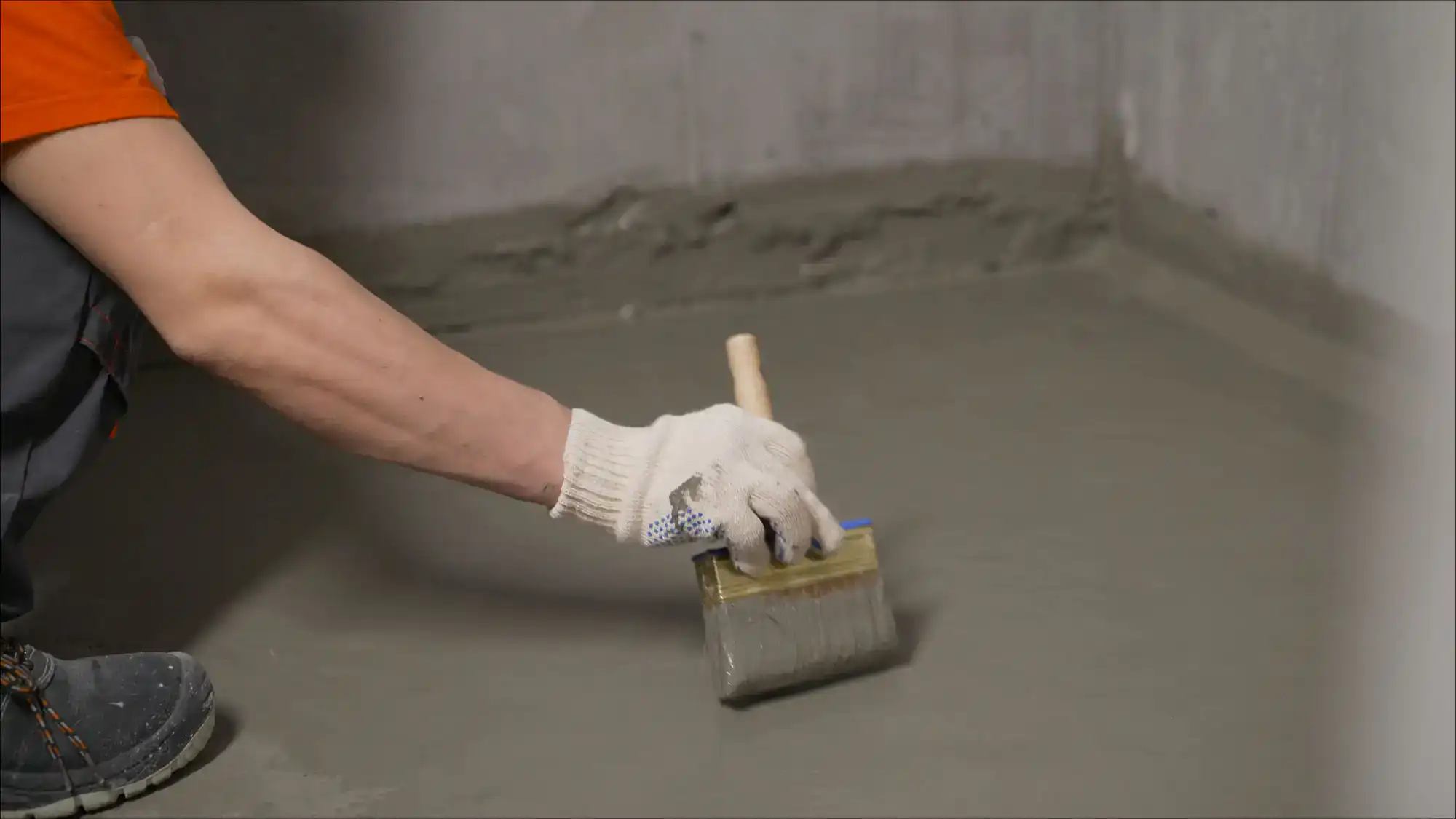
Most Spring City homes were built before 1939. Stone foundations, brick walls, early block — none of it was built with today’s waterproofing standards in mind. After 80 or 100 years of Chester County clay soil holding water against those walls, something eventually gives. That’s not a knock on your home — it’s just physics. And it’s fixable.
Once the water stops coming in, you get your basement back. Not just as dry square footage, but as usable space that doesn’t smell, doesn’t grow mold, and doesn’t make buyers walk away during inspection. If you’re planning to sell someday, a waterproofed basement is one of the few improvements that actually shows up on the bottom line.
There’s also the mold piece, which matters more in a river borough than most people realize. Spring City’s humidity levels — especially during summer and after any significant Schuylkill flood event — create the exact conditions mold needs to take hold fast. Stopping the water at the source is the only thing that actually solves that. Everything else is just buying time.
We’ve spent two decades working in Chester, Delaware, Montgomery, Bucks, and New Castle counties — which means Spring City’s pre-war housing stock, riverfront soil conditions, and older stone foundations are not unfamiliar territory. This isn’t a company that learned your neighborhood from a zip code map.
We’re fully licensed, bonded, and insured, and hold Certified Lead Inspector and Risk Assessor credentials — which matters in a borough where nearly half the homes predate World War II and lead paint in older basement spaces is a real possibility, not a remote one. Every job is EPA and HUD compliant. That’s not a checkbox — it’s what responsible work in a community like Spring City requires.
The one-stop model is what sets things apart most. Water intrusion, mold, lead abatement — we handle all of it under one roof. For a Spring City homeowner dealing with a 100-year-old basement, that’s not a convenience. It’s the difference between a clean resolution and a months-long contractor juggling act.
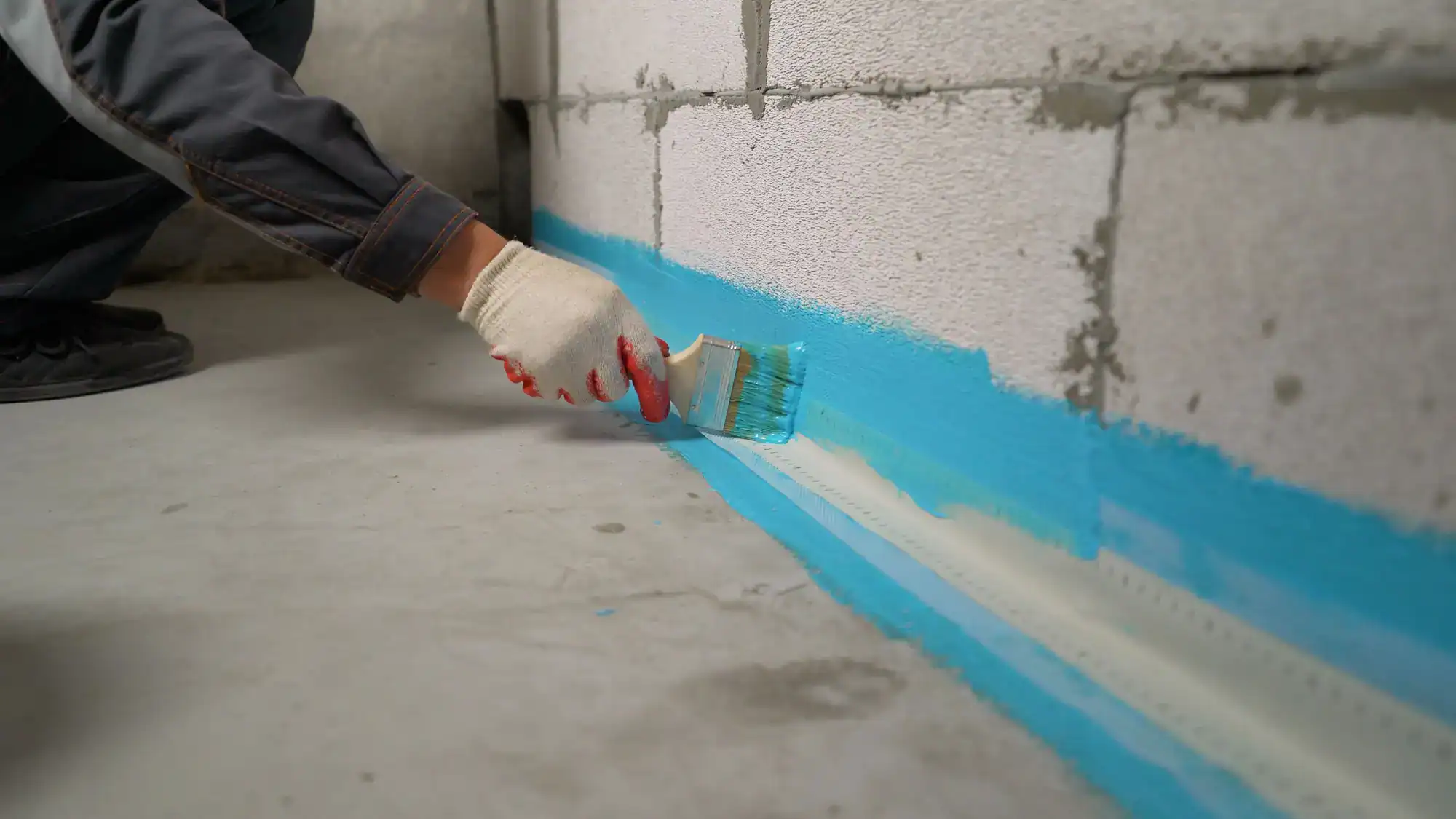
It starts with a free estimate. Someone comes out, looks at your actual basement, and tells you what’s going on — not a generic sales pitch, but a real assessment of your specific foundation type, where the water is entering, and what it’s going to take to stop it. For older Spring City homes, that often means identifying whether you’re dealing with hydrostatic pressure pushing through mortar joints, a crack in a block wall, or lateral seepage from saturated clay soil after a heavy rain.
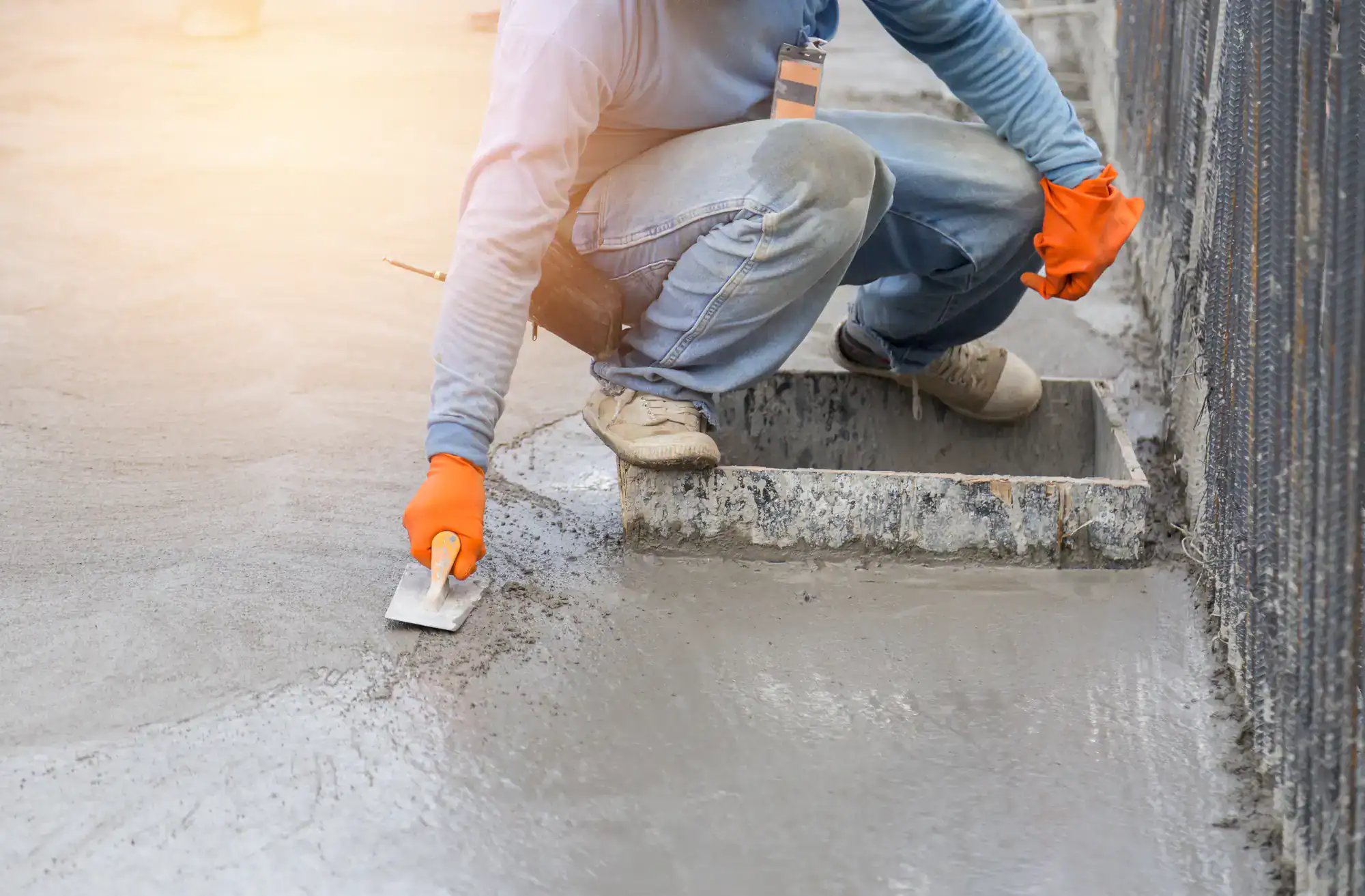
From there, the work is planned around your home’s specific situation. Interior drainage systems, sump pump installation, exterior waterproofing membrane application, crack injection — the solution depends on what your foundation actually needs, not what’s easiest to install. HEPA filtration runs throughout the job to keep dust and particulates from moving through your living space, which is especially important in older homes where disturbing walls can release decades of built-up material.
Spring City Borough requires permits for work that involves structural modification or sump pump installation. We handle that process as part of the job — you don’t have to navigate Chester County’s building department on your own. When the work is done, you get documentation, a clear explanation of what was installed, and a foundation that’s actually ready for the next Schuylkill flood season.
Ready to get started?
Basement waterproofing in Spring City isn’t a one-size situation. The homes here range from fieldstone foundations built in the 1880s to early poured concrete from the 1930s, and each one has its own failure points. We work across all of them — interior drain tile systems, exterior excavation and membrane application, crack injection, sump pump installation, and French drain repair. Whatever the entry point, the goal is the same: water stays out permanently, not just until the next heavy rain.
Because we operate as a full-service environmental contractor, waterproofing doesn’t have to be the end of the conversation. If the assessment turns up mold — which it often does in basements that have been taking on water for years — remediation happens in the same project, with the same team. If lead paint is present in an older basement space, the Certified Lead Inspector on staff handles it in compliance with EPA and HUD standards. Spring City residents don’t have to piece together three separate contractors for what is really one interconnected problem.
For Spring City homeowners near the Schuylkill River floodplain, sump pump systems with battery backup are worth a specific conversation during the estimate. Power outages during major storm events are common in this area, and a sump pump that goes offline when you need it most is not a waterproofing system — it’s a false sense of security. We’ll walk you through what actually makes sense for your home’s position and risk level.
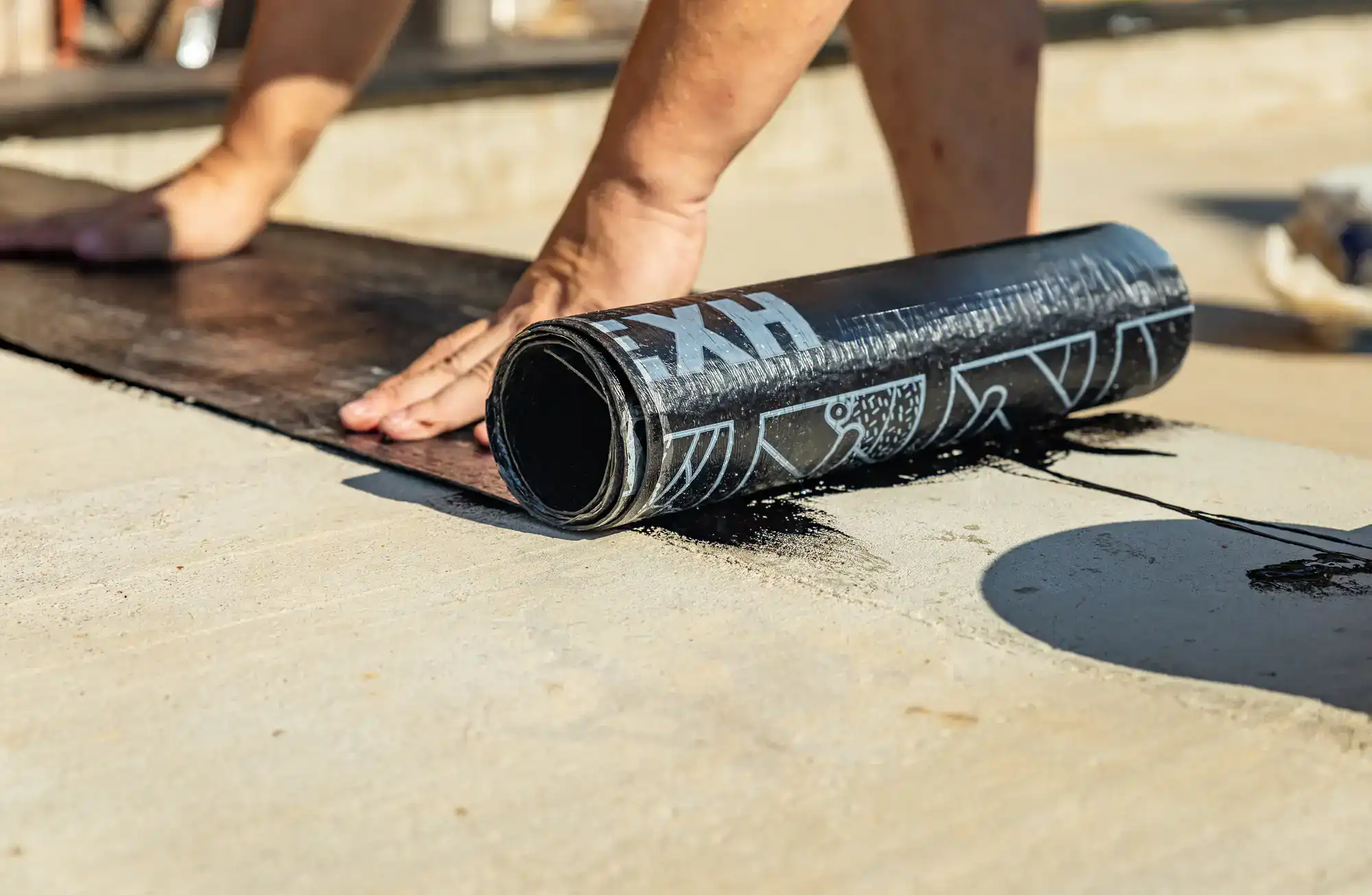
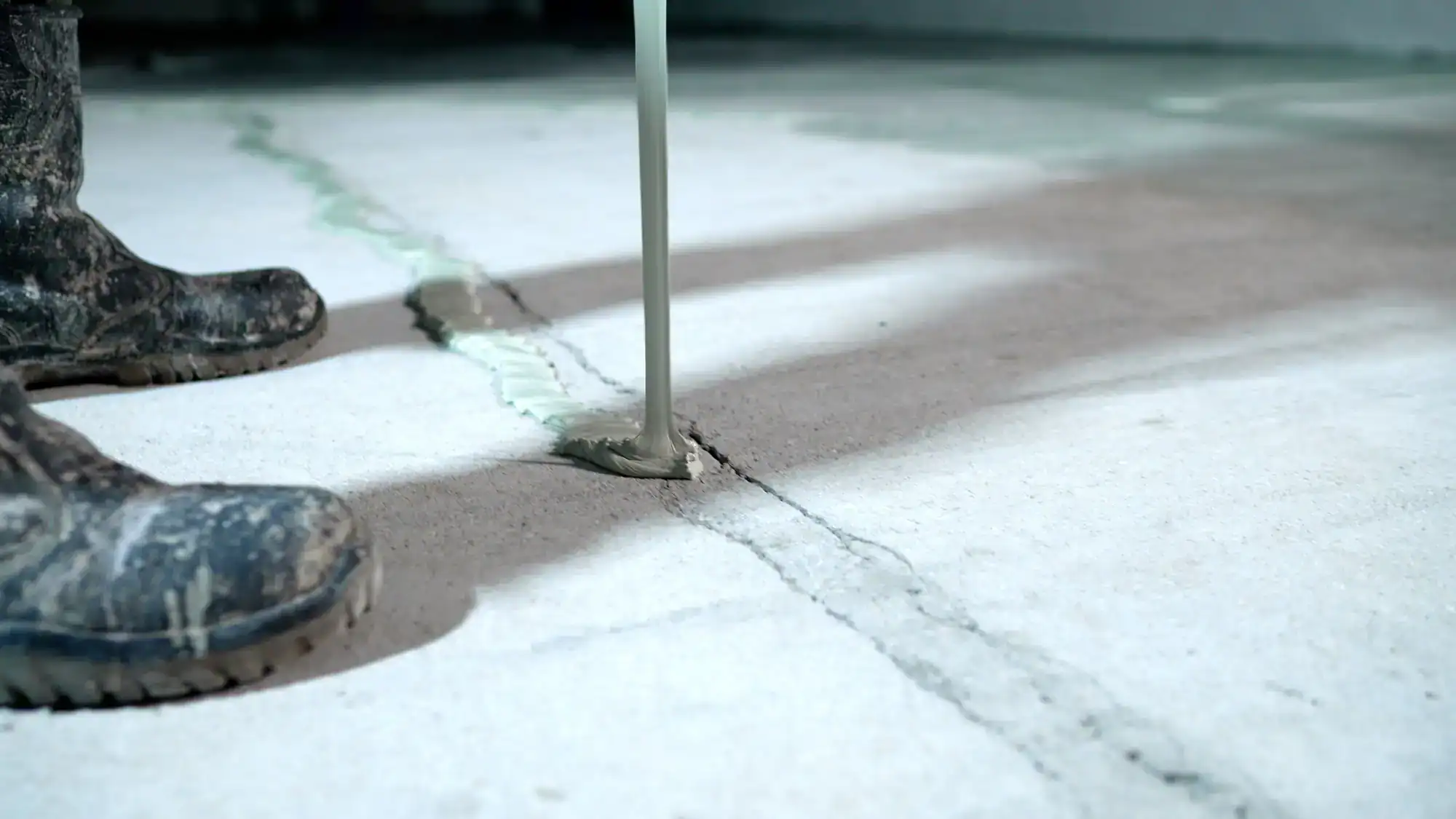
The most common reason DIY fixes fail in Spring City is that they treat the symptom without addressing the source. Hydraulic cement and paint-on sealants can slow water temporarily, but they don’t stop hydrostatic pressure — the force of water-saturated soil pushing against your foundation walls from the outside. In a borough that sits directly on the Schuylkill River with clay-heavy Chester County soil surrounding most foundations, that pressure is significant and consistent, especially during spring snowmelt and after heavy rainfall events.
Older foundations — fieldstone, brick, and early block — are also porous by nature. Water doesn’t need a visible crack to get through; it migrates through the material itself over time. A proper waterproofing system addresses the pressure, the entry points, and the drainage — not just the visible wet spot on the wall. That’s why a professional assessment matters before you spend another dollar on a fix that won’t last the next storm season.
Cost varies depending on the size of your basement, the type of foundation, how water is entering, and what system is needed to stop it. For a straightforward interior drainage system with a sump pump in a standard Spring City rowhouse or colonial, you’re generally looking somewhere in the range of $3,000 to $8,000. More complex situations — exterior excavation, significant crack repair, or a foundation that needs both interior and exterior work — can run higher.
What drives cost up most in older Chester County homes is the combination of issues that tend to travel together: water intrusion alongside mold, or a foundation that also has lead paint in the affected area. Handling those separately through three different contractors almost always costs more than addressing them together. We offer free estimates with no pressure attached, so you know exactly what you’re looking at before you commit to anything. Cash discounts are available for homeowners who prefer to pay that way.
If you’re seeing any of the following, it’s time to make the call: a white chalky residue on your basement walls (that’s efflorescence — mineral deposits left behind as water moves through the foundation), a persistent damp or musty smell even when it hasn’t rained recently, visible mold growth, water pooling on the floor after rain, or cracks in your foundation walls that seem to be getting wider over time.
In Spring City specifically, the combination of a riverfront location and pre-war construction means these signs tend to escalate faster than they would in a newer home further from the water table. What starts as a damp corner in October can be a mold problem by February and a structural concern by spring. The earlier you get an assessment, the more options you have — and the less expensive the fix typically is. A free estimate costs you nothing and gives you a clear picture of where things actually stand.
It depends on the scope of work. Cosmetic repairs like crack patching or applying a waterproof coating generally don’t require a permit. But work that involves installing a sump pump, modifying your drainage system, or making structural changes to your foundation does typically require a permit from Spring City Borough under Chester County’s building code framework.
This matters more than most homeowners realize — not just for the work itself, but for what happens when you sell. Unpermitted structural or waterproofing work can surface during a buyer’s home inspection and create complications at closing. We handle the permitting process as part of the job. You don’t have to figure out Chester County’s building department on your own, and you won’t be left with documentation gaps that cause headaches down the road.
Waterproofing stops the water, but it doesn’t retroactively eliminate mold that’s already established. Those are two separate scopes of work — and both need to happen for the problem to actually be resolved. Waterproofing without mold remediation leaves existing spores in place. Mold remediation without waterproofing means the moisture source is still active, and the mold will return.
This is exactly why our one-stop model matters for Spring City homeowners. A basement that’s been taking on water from the Schuylkill River corridor for years — especially in a home built before 1939 with limited ventilation — almost always has some level of mold present by the time a homeowner calls. We handle both waterproofing and mold remediation in the same project, with the same team, so you’re not coordinating two separate contractors or waiting weeks between phases. The work gets done together, and the problem gets resolved completely.
No catch. Cash payments reduce administrative overhead — no processing fees, no billing delays, no payment platform costs. Passing that savings back to the customer is a straightforward business decision, and it makes particular sense in a community like Spring City where homeowners are already managing real costs on a practical budget.
Spring City’s median household income sits around $76,000, and the borough has a 12% poverty rate — lower than the Chester County average. We operate here because this is a community with real homes that need real work, not because it’s chasing affluent suburbs. The cash discount is one way to make professional-grade waterproofing more accessible to homeowners who’ve been putting off the call because they weren’t sure they could afford it. The free estimate is the other. Between the two, you can get a clear picture of the cost and a realistic path to getting it done — without any pressure to decide on the spot.
Other Services we provide in Spring City