Hear from Our Customers
You stop wondering. That’s the first thing. Whether you’re mid-renovation in a Gwynedd Valley farmhouse, prepping a Penllyn colonial for sale, or dealing with a surprise find behind a wall that was supposed to be a simple weekend project — once it’s confirmed and removed by a licensed contractor, the uncertainty lifts. You have documentation. You have clearance. You can move forward.
In Lower Gwynedd, where homes routinely date back to the 1920s through the 1960s, asbestos isn’t a rare edge case — it’s a statistical likelihood. Floor tiles, pipe insulation, ceiling texture, furnace wrap — these were standard materials in the era when most of the township’s historic village homes were built. The older the home, the higher the odds something in it contains asbestos-containing material.
For homeowners selling in the Wissahickon School District market, where buyers are informed and transactions move fast, having a clean abatement report on the table is the difference between a deal that closes and one that stalls. And for families staying put in Lower Gwynedd — especially in a township where 29% of residents are 65 or older and have potentially lived alongside these materials for decades — getting it handled isn’t just smart. It’s overdue.
We’ve been doing this work across Montgomery County for two decades. Not as a side service. Not as a franchise. As a focused, licensed environmental hazard contractor that knows the difference between a 1940s Gwynedd farmhouse and a 1965 Spring House split-level — and knows exactly what materials to look for in each.
We are fully licensed under Pennsylvania’s Department of Labor and Industry, EPA and HUD compliant, and carry a Certified Lead Inspector and Risk Assessor on staff. That last part matters more than it sounds. It means you’re not just getting a crew — you’re getting a professional who can assess, document, and certify the work in a way that holds up for real estate transactions, insurance claims, and regulatory review.
Lower Gwynedd and the surrounding townships are core territory for us, not a stretch market. We know the local building stock, we know the Pennsylvania DEP notification requirements, and we know that Montgomery County does not accept asbestos at household hazardous waste events — which means there is no DIY path out of this. You need a licensed contractor, and we have been that contractor in this area for twenty years.
It starts with a call — we’re available any time, including nights and weekends, because that’s when people usually discover something alarming. From there, we schedule an inspection, collect material samples, and send them to an accredited laboratory. You get real results, not a guess. If asbestos is confirmed, you get a clear scope of work and a written estimate before anything else happens.
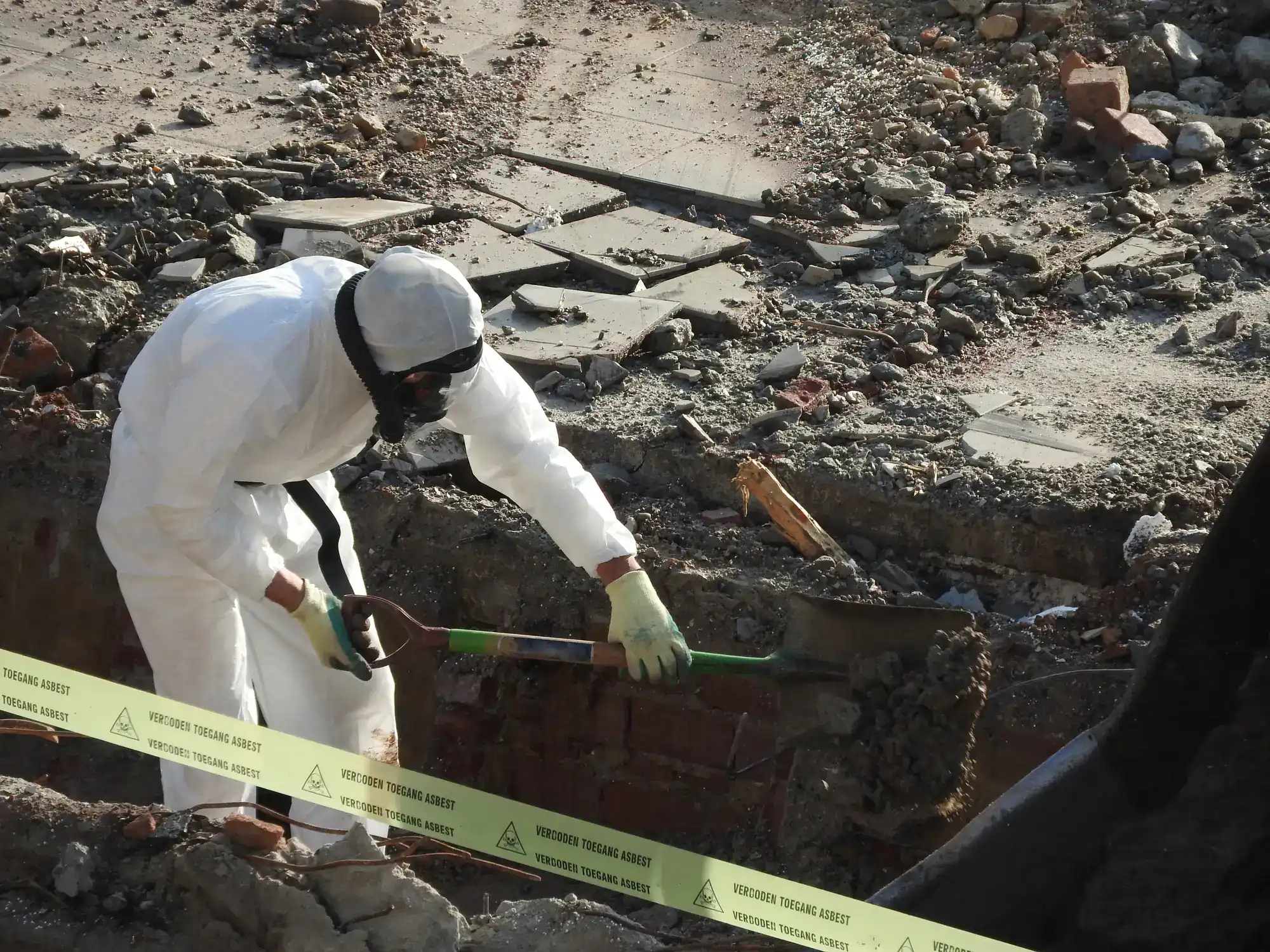
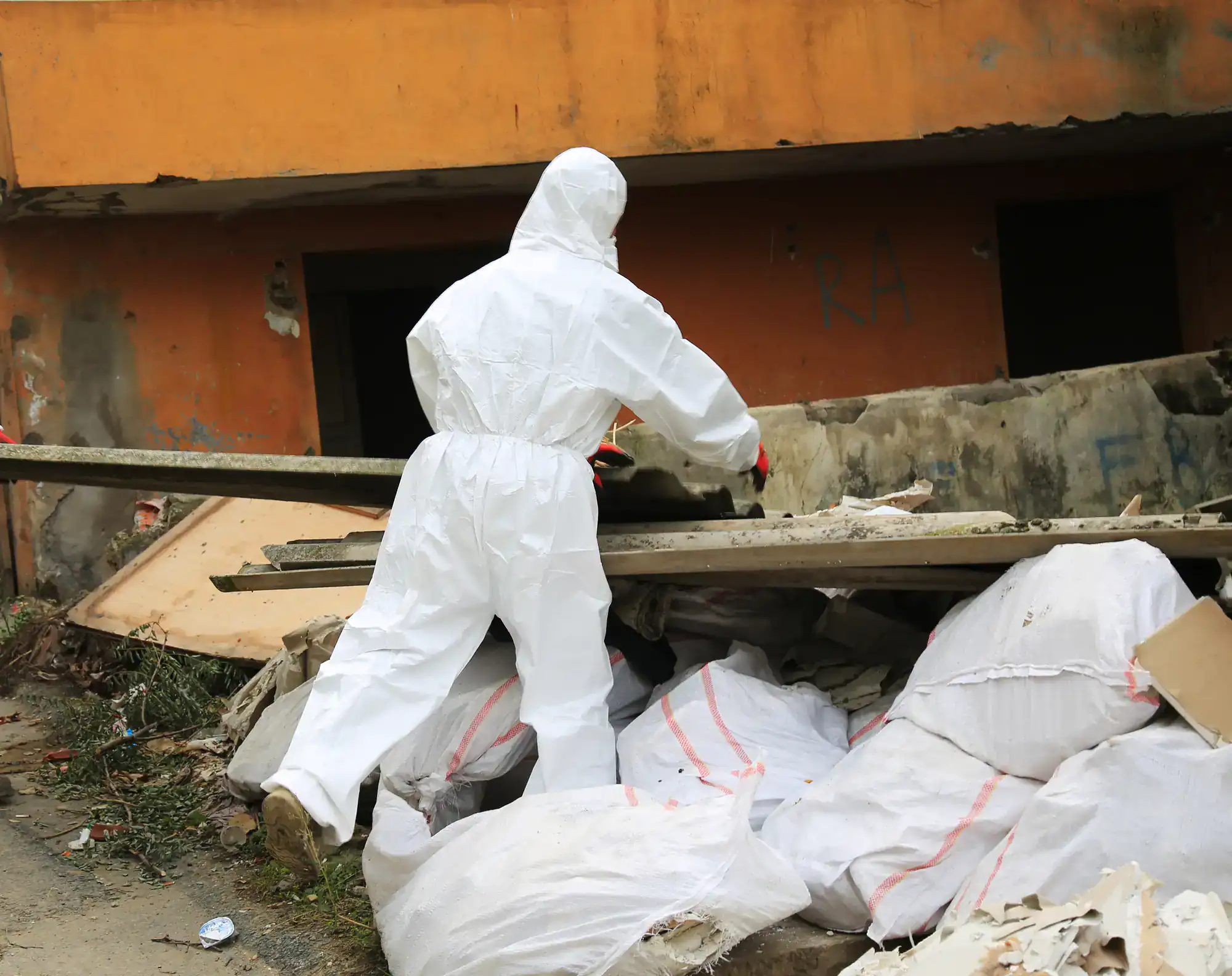
Once the plan is set, our abatement crew sets up full containment using negative air pressure and HEPA filtration — standard on every job, not an upgrade. In Lower Gwynedd, where many homes have older pipe systems, original plaster walls, or vintage floor tile that hasn’t been touched in fifty years, proper containment isn’t optional. Disturbing these materials without it can spread fibers through an entire home. We don’t cut that corner.
Pennsylvania DEP requires a five-day advance notification before friable asbestos removal, and we handle that filing as part of the process — you don’t have to navigate the regulatory side on your own. After removal, the area is cleaned, air-tested, and cleared before containment comes down. You receive full documentation: what was found, what was removed, and confirmation the space is clean. That paperwork matters, especially if you’re selling a home in the Wissahickon School District market where buyers and their attorneys will ask for it.
Ready to get started?
Most contractors handle one piece of this. We handle all of it. Testing, abatement, demolition if needed, cleanup, and waterproofing if it comes up — under one roof, one point of contact, one project that doesn’t require you to coordinate three separate companies. For a homeowner managing a renovation in a historic Lower Gwynedd property, that matters.
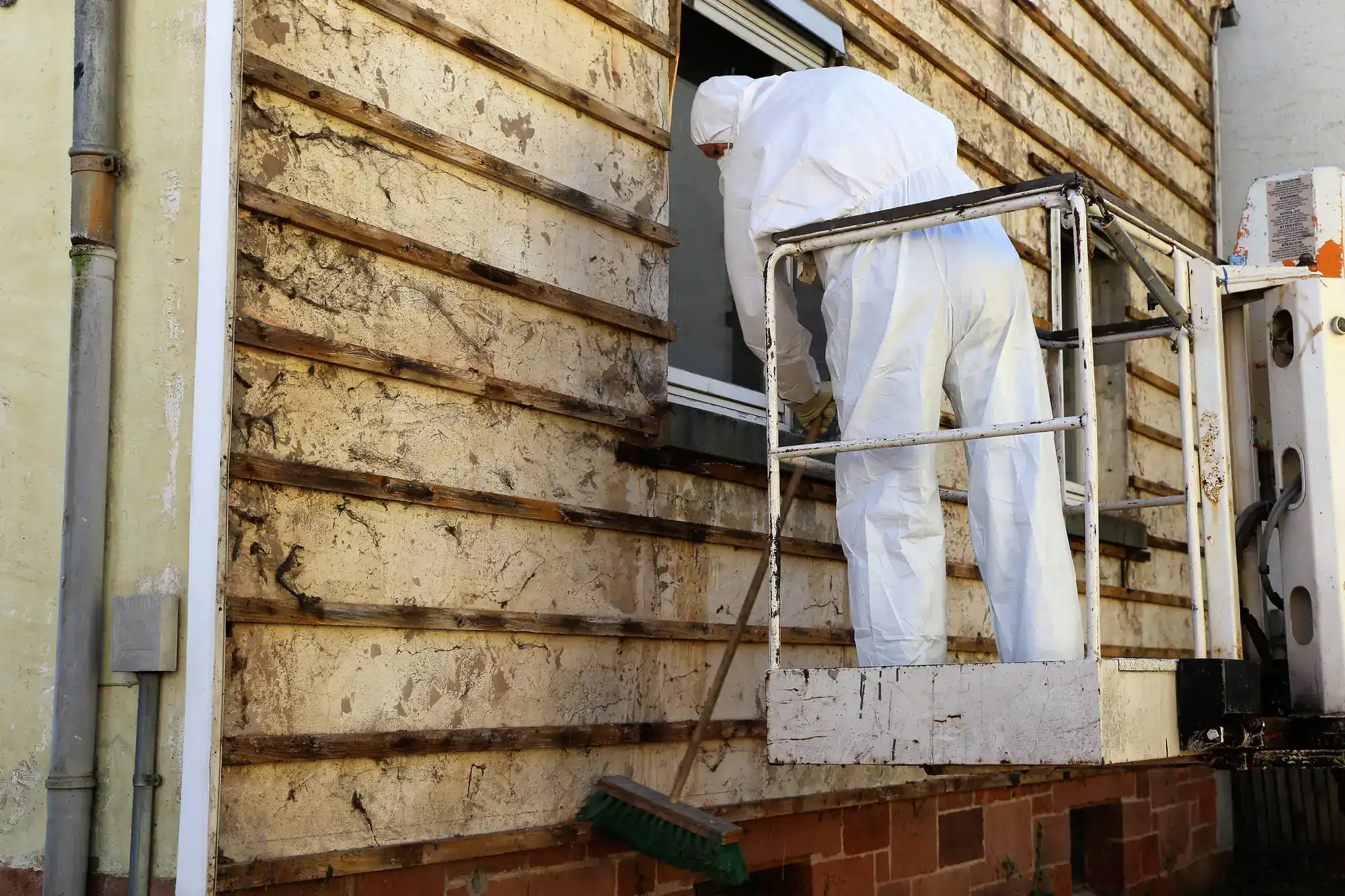
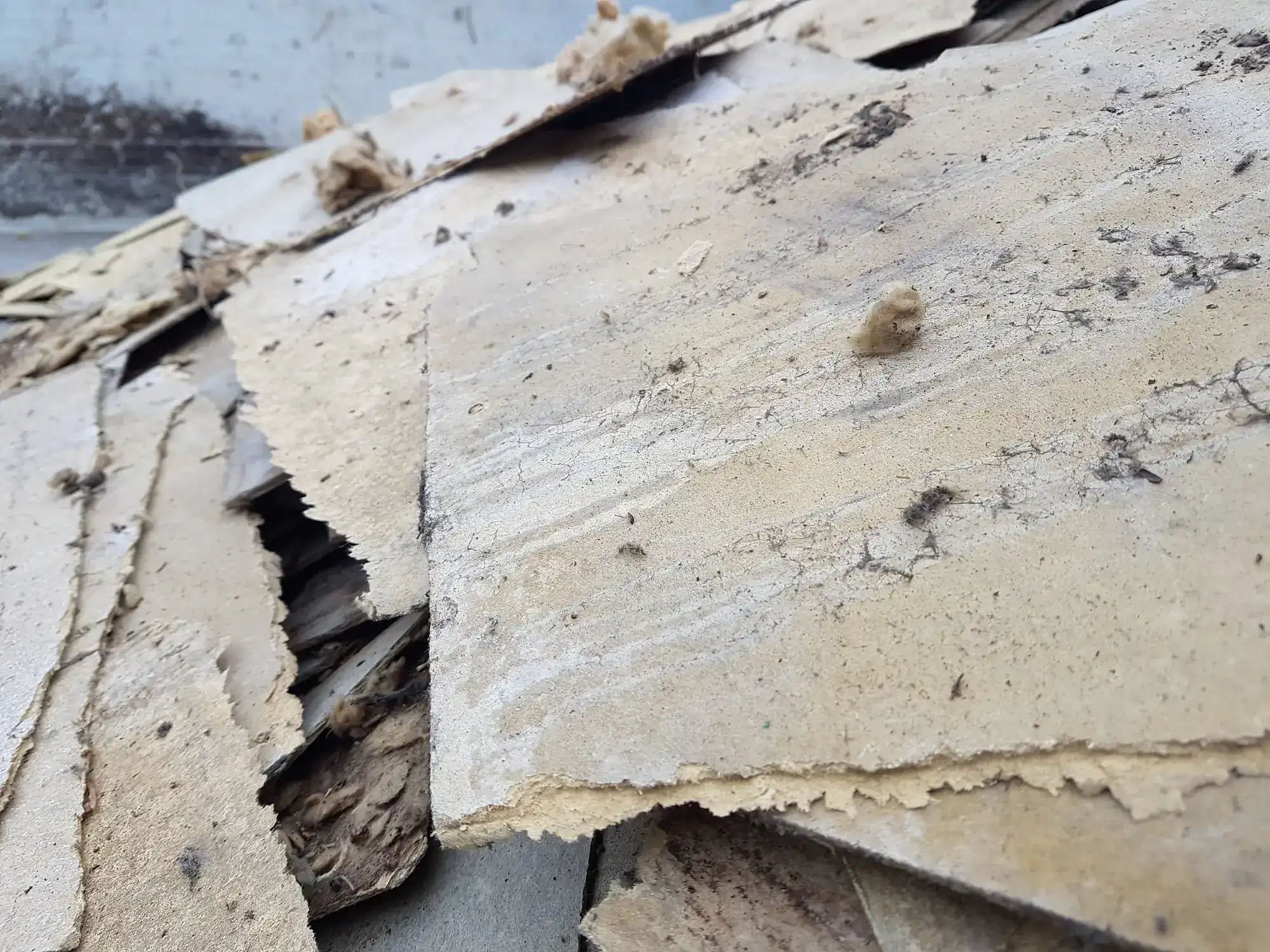
The materials we commonly address in this area include asbestos floor and ceiling tiles, pipe and boiler insulation, textured plaster and joint compound, roofing shingles, and exterior siding — all of which were standard in the residential construction used across Gwynedd, Gwynedd Valley, Penllyn, and Spring House between the 1920s and the late 1970s. If your home was built in that window and hasn’t had a professional assessment, there’s a reasonable chance something in it qualifies. The Spring House and Gwynedd Valley sections of the township in particular carry a high concentration of homes from this era.
We also serve commercial and institutional clients — relevant now given the active construction on the Johnson and Johnson campus on Sumneytown Pike and the proposed Spring House Corporate Center redevelopment. Pre-demolition asbestos surveys are required under federal NESHAP regulations before any significant renovation or teardown, and we handle those too. Whether it’s a single-family home in Penllyn or a large-scale commercial project in Spring House, the process, the licensing, and the documentation standard are the same.
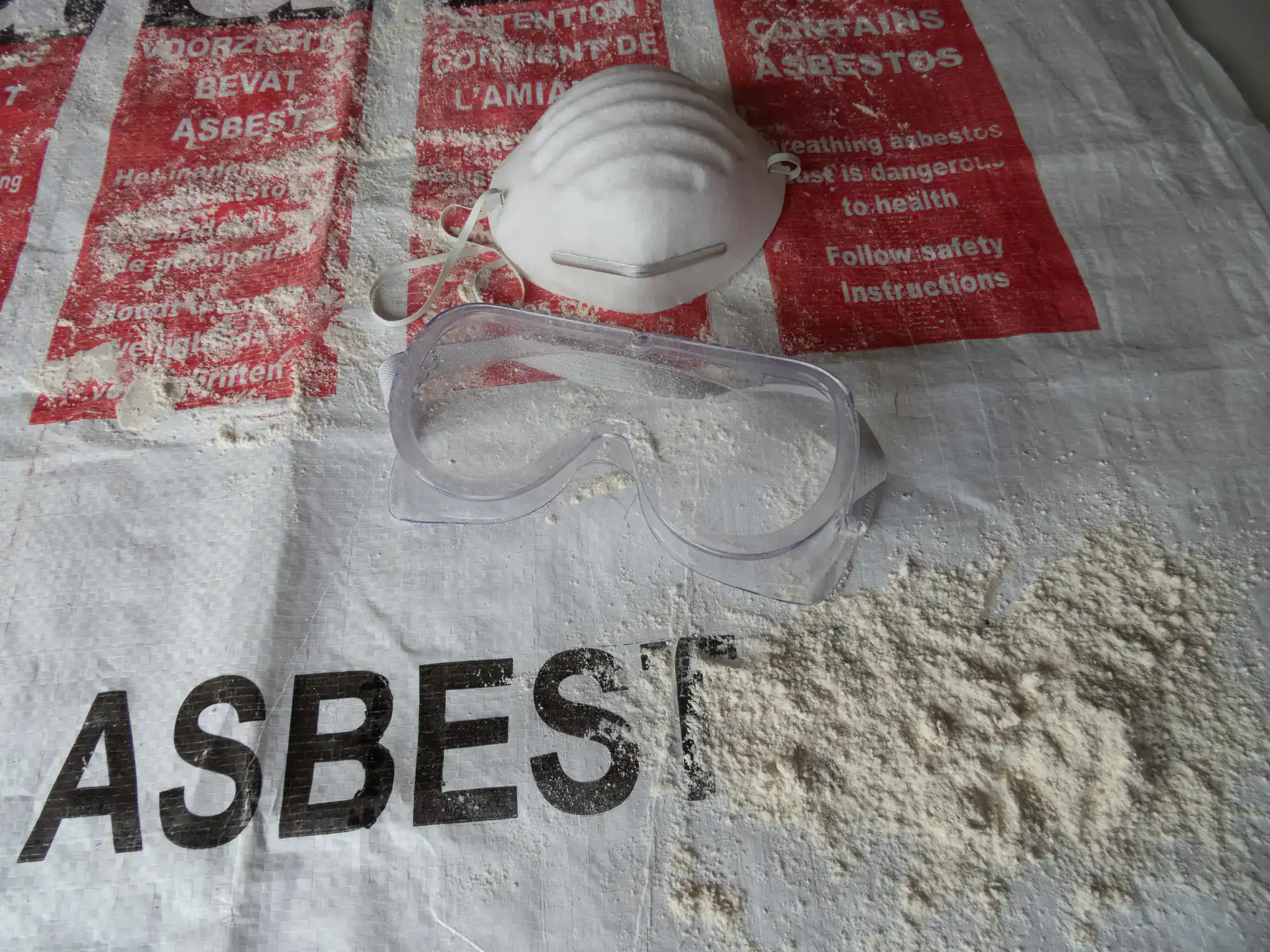
The honest answer is: you don’t know until it’s tested. Asbestos-containing materials don’t look different from materials that don’t contain asbestos. A 1950s floor tile looks like a 1950s floor tile whether it has asbestos in it or not. The only way to confirm is to collect a sample and have it analyzed by an accredited laboratory.
In Lower Gwynedd, where a large portion of the housing stock was built between the 1920s and the 1970s, the statistical likelihood of encountering asbestos-containing material is high. The most common locations are floor tiles, ceiling tiles, pipe and boiler insulation, textured plaster, roofing shingles, and exterior siding. If your home was built before 1980 and you’re planning any renovation that involves disturbing those materials, a professional inspection before work begins is the right call — both for your health and to stay on the right side of Pennsylvania’s abatement regulations.
Yes, and this isn’t a gray area. Pennsylvania requires asbestos abatement contractors to be licensed under the Pennsylvania Asbestos Accreditation and Certification Act, administered by the Department of Labor and Industry. Montgomery County’s own official guidance is direct on this point: asbestos-containing materials should only be removed by a licensed contractor.
Beyond the legal requirement, there’s a practical reason this matters. Improper removal — without proper containment, negative air pressure, and HEPA filtration — can spread asbestos fibers through an entire home. Some properties have ended up with higher airborne fiber levels after a bad abatement than before. And Montgomery County does not accept asbestos at its household hazardous waste events, which means DIY disposal isn’t a viable option regardless. A licensed contractor handles the removal, the PA DEP notification filing, and the proper disposal — all of it.
It depends on the scope and location of the work. For a contained removal in a single room or a basement — say, pipe insulation around an old boiler or floor tile in one area — many homeowners can remain in unaffected parts of the house during the job. The containment setup creates a sealed work zone with negative air pressure, which prevents fibers from migrating to the rest of the home.
For larger-scope projects — whole-floor tile removal, attic insulation, or anything involving the HVAC system — temporary relocation is usually the safer and more practical choice. We’ll walk you through what makes sense for your specific situation during the estimate. There’s no one-size answer, and a contractor who tells you it’s always fine to stay or always necessary to leave without evaluating your actual property isn’t giving you a real answer.
For a typical residential removal — one or two materials in a defined area — costs generally fall in the range of $1,200 to $3,500. Larger scopes, like whole-house tile removal or insulation throughout a full basement, can reach $10,000 to $30,000 depending on the square footage and material type.
In Lower Gwynedd, where many homes are larger historic properties — 2,500 to 4,500 square feet or more — the scope of a full assessment can be more involved than in a smaller suburban home. That said, not every home requires full abatement. Sometimes only specific materials in specific locations need to be addressed, and a professional inspection will tell you exactly what you’re dealing with before any work is committed. We offer free estimates, so you know the full picture before you decide anything. Cash discounts are also available, which is worth asking about when you call.
It can — but it doesn’t have to. The Wissahickon School District drives strong buyer demand in Lower Gwynedd, and homes in this market regularly sell in the high six figures. When an inspection flags suspected asbestos during due diligence, buyers and their attorneys are going to want it resolved before closing. The question is whether you handle it fast or let it stall.
We offer emergency response service specifically for situations like this. If an inspection report comes back with asbestos findings and your closing timeline is at risk, we can mobilize quickly, complete the abatement, and provide the clearance documentation that buyers, sellers, and real estate attorneys need to keep the transaction on track. Having a licensed contractor who can turn this around efficiently — with proper documentation — is the difference between a deal that closes and one that falls apart over an unresolved inspection item.
The free estimate exists because asbestos abatement is not a service most people have budgeted for. You found something unexpected — in a wall, under a floor, wrapped around a pipe — and now you need to know what you’re actually dealing with and what it will cost. Asking someone to commit money before they have that information isn’t fair, and it’s not how we operate. The estimate is the starting point, not a sales pitch.
The cash discount reflects something straightforward: processing fees are real, and passing savings along to the customer when payment is simpler makes sense. In a township like Lower Gwynedd, where homeowners are managing significant properties and often dealing with renovation budgets that already have a lot of moving parts, every reasonable reduction in cost is worth offering. It’s not a gimmick — it’s just one less thing to pay for when you’re already managing an unexpected project.
Other Services we provide in Lower Gwynedd