Hear from Our Customers
You stop juggling four different contractors and start getting answers from one. When we come in, you’re not coordinating between a tester, an abatement crew, a demo team, and a hauler — that’s all one job, one crew, one invoice. For homeowners in Lower Gwynedd, Spring House, and Gwynedd Valley who are already managing busy schedules, that alone is worth a lot.
Lower Gwynedd’s housing stock is older than most people realize. A significant portion of homes here — especially the mid-century ranches and colonials in Penllyn and Gwynedd — were built well before 1978, which means there’s a real chance your walls contain lead paint, your floor tiles contain asbestos, or both. You can’t legally gut those spaces without certified testing and abatement first. We hold EPA Certified Lead Inspector and Risk Assessor credentials, which means we don’t just remove hazardous materials — we inspect, test, and certify them. That’s a different level of qualification than what most demo companies carry.
And if you’re dealing with water damage near the Wissahickon Creek corridor — where flooding has been a documented issue for years — speed matters. Mold starts forming within 24 to 48 hours of water exposure. Having a demolition and abatement contractor available around the clock means the difference between a contained cleanup and a much bigger problem.
We’ve been working in Lower Gwynedd and Montgomery County for over two decades. That means we’ve been inside the pre-1978 colonials off Bethlehem Pike, the mid-century homes near the Gwynedd Valley train station, and the older properties throughout the Wissahickon School District — long before it became a trendy area to renovate. We know what’s in these walls because we’ve seen it firsthand, over and over again.
We’re fully licensed, bonded, and insured. We’re EPA and HUD compliant. We carry the EPA Certified Lead Inspector and Risk Assessor designation — not the basic contractor certification, the full inspection-and-certification credential. And we’re based out of Glenside, about 10 to 15 miles down Route 309, which means we’re not a distant company making a long trip to your Lower Gwynedd job site. We’re your Montgomery County contractor.
What actually sets us apart isn’t a list of credentials — it’s the fact that we handle everything from the first test to the last load of debris. You don’t manage the process. We do.
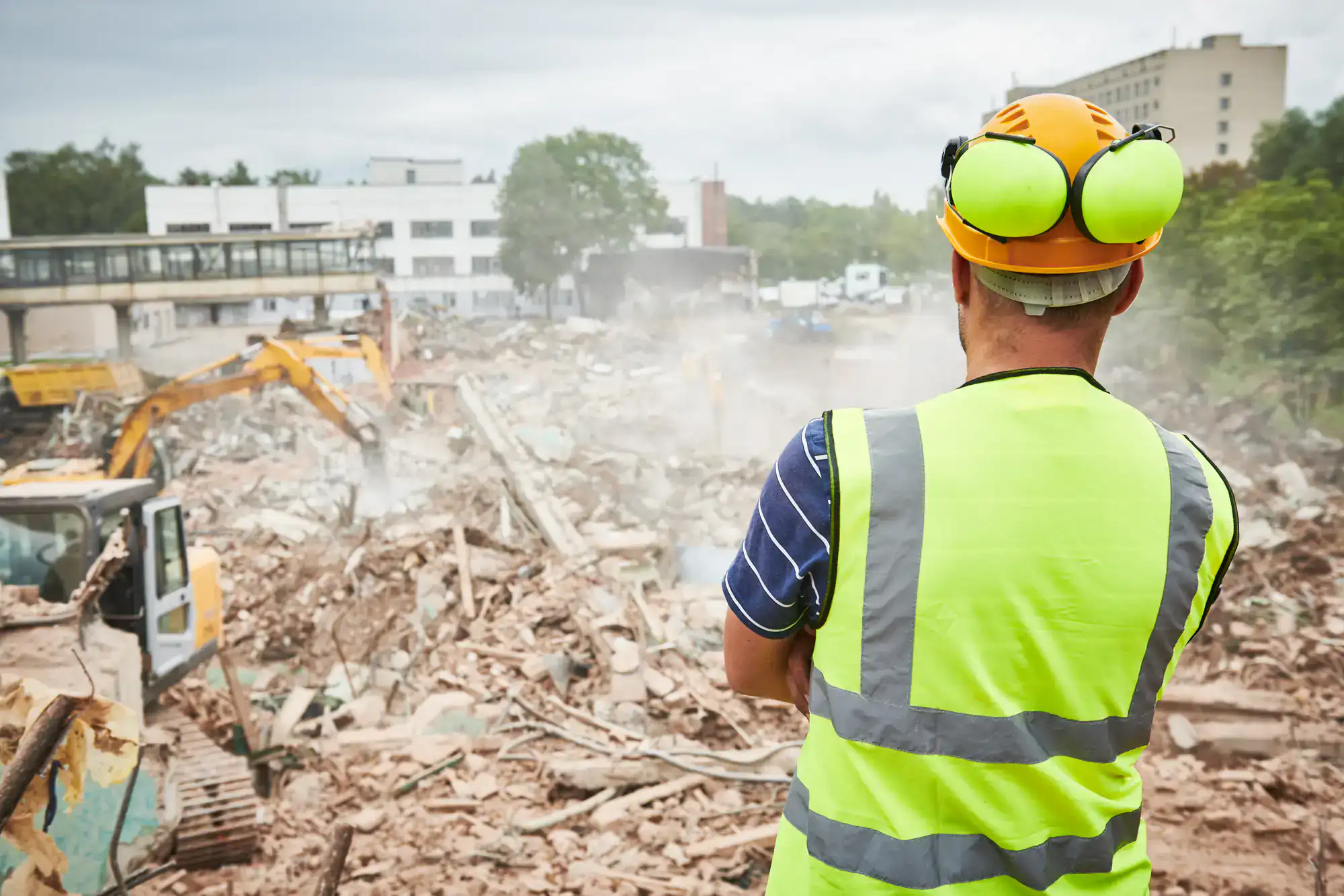
It starts with a free estimate. We come out, assess the space, and give you a clear picture of what the job involves — including whether hazardous materials testing is needed before any demo work begins. For most homes in Lower Gwynedd built before 1978, that answer is yes, and we’ll tell you that upfront rather than discovering it mid-project.
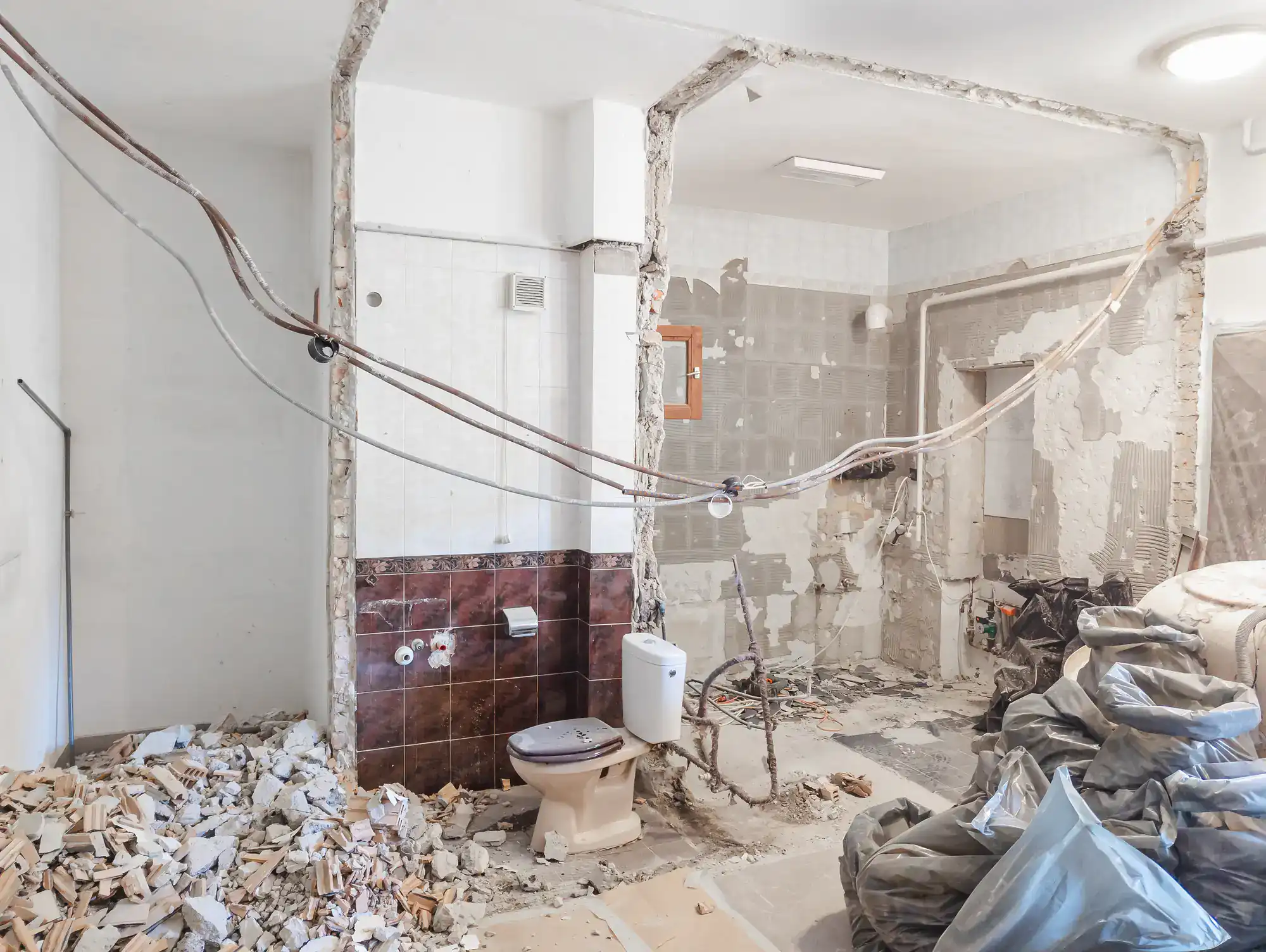
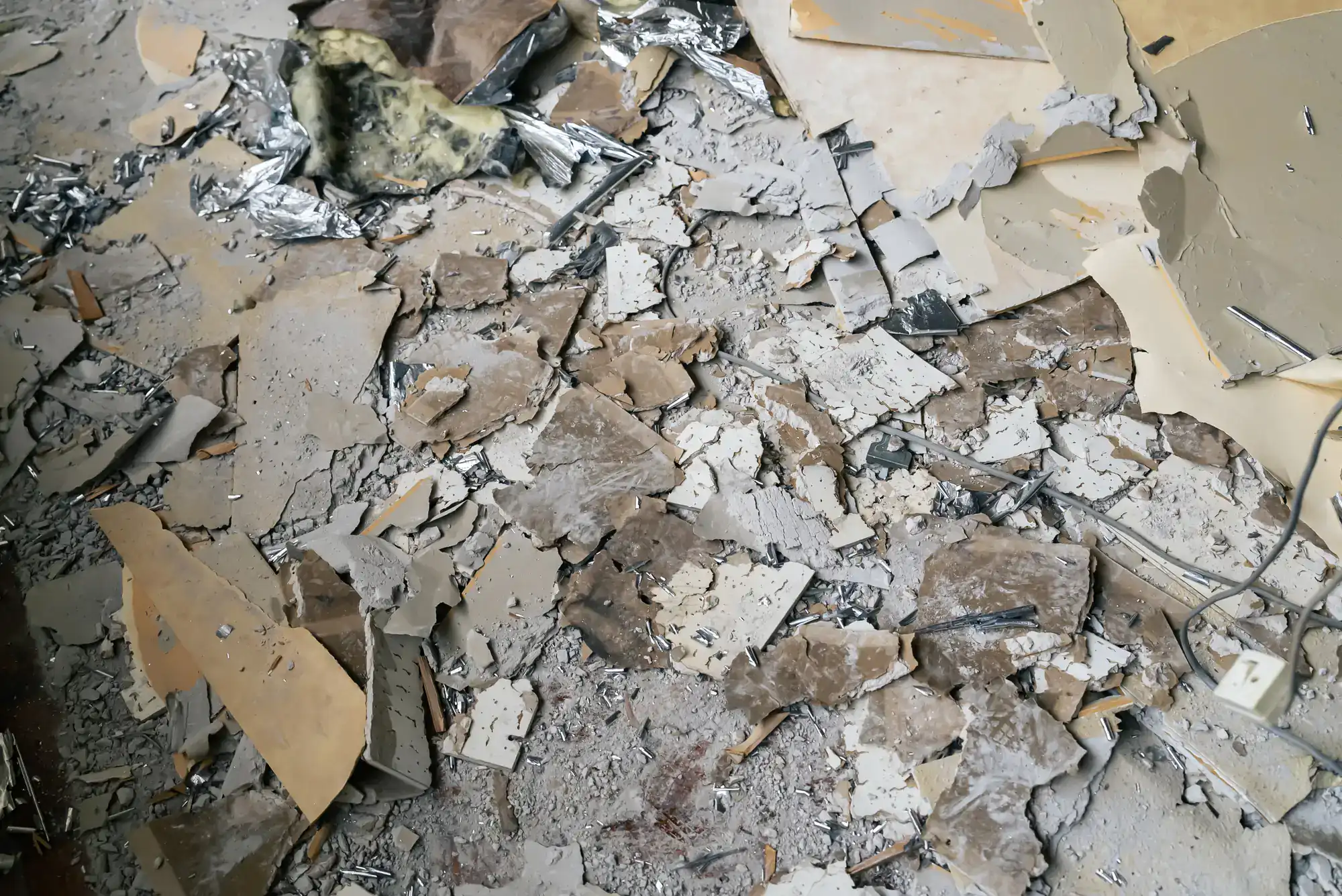
If testing confirms asbestos, lead paint, or mold, we handle the certified abatement before a single wall comes down. This isn’t a separate contractor you have to call — it’s the same team, the same project, the same timeline. Once the space is cleared and certified, demolition or gutting begins. We use HEPA filtration systems throughout to protect your home’s air quality while the work is happening, which matters especially if your family is still living in the house during the project.
Lower Gwynedd Township requires a permit for demolition work, and the Building and Zoning Department routes every application through a formal review process. We handle that on your behalf. By the time we’re done, the debris is gone, the space is clean, and the paperwork is squared away. You don’t have to chase anyone down.
Ready to get started?
We handle the full range of what a demolition project in Lower Gwynedd actually requires. That includes hazardous materials inspection and testing, EPA-certified asbestos and lead abatement, interior gutting and selective demolition, mold remediation, waterproofing, construction debris removal, and full site cleanup. If your project touches any of those phases — and most do — you’re covered under one contractor.
For homeowners near the Houston Creek flood corridor or anywhere in the Wissahickon watershed, water damage gutting is one of the most common jobs we handle. Flooded basements, burst pipes during a Pennsylvania winter, storm-driven moisture intrusion — these situations require fast response and certified mold handling, not just a crew with shovels. We’re available 24 hours a day for exactly those calls.
For properties near Gwynedd Mercy University, the retirement communities along the Route 309 corridor, or any older institutional building in Lower Gwynedd Township, HUD compliance matters. Many contractors can’t legally work on federally-assisted or HUD-regulated properties. We can, and we carry the documentation to prove it. Whether it’s a single-family home in Penllyn, an estate in Spring House, or a larger property along Bethlehem Pike, the scope is the same: test it, clear it, demo it, clean it — done.
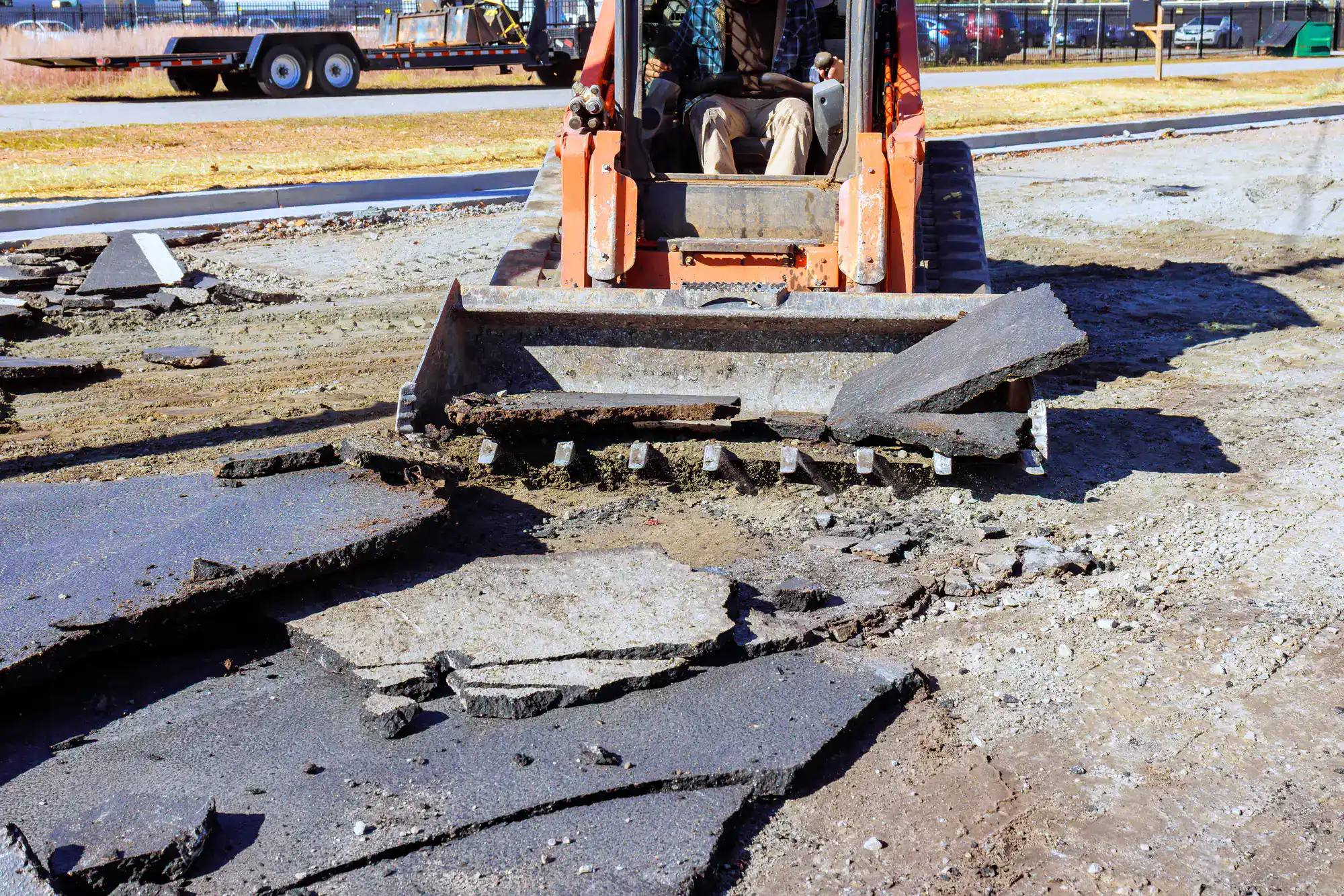

Yes — Lower Gwynedd Township requires permits for demolition work and structural alterations, and the process isn’t a rubber stamp. When you submit a building permit application, it’s automatically routed to the township’s Zoning Officer for review. The township maintains a formal Demolition Checklist Requirements document, which means there are specific items you need to satisfy before work can legally begin.
We can pull permits on your behalf and coordinate with the township directly. Most homeowners who try to navigate this on their own end up either missing something in the checklist or delaying their project waiting on approvals. We’ve done this enough times in Lower Gwynedd and Montgomery County to know how to move it forward without the back-and-forth. You focus on the renovation — we handle the paperwork.
The honest answer is that you don’t know until it’s tested — and if your home was built before 1978, there’s a meaningful chance it contains one or both. Pennsylvania’s housing stock is heavily weighted toward older construction, and Lower Gwynedd’s mid-century neighborhoods in Gwynedd Valley, Penllyn, and Spring House are no exception. Asbestos was commonly used in floor tiles, pipe insulation, roofing materials, and drywall joint compound. Lead paint was standard on interior and exterior surfaces well into the late 1970s.
We hold the EPA Certified Lead Inspector and Risk Assessor credential — not just the basic RRP contractor certification. That means we can legally inspect, test, and certify lead conditions in your Lower Gwynedd home, not just remove materials. If asbestos or lead is found, we handle the certified abatement before any demo work begins. Skipping this step isn’t just a health risk — it’s a federal violation that puts liability on you as the homeowner.
A general contractor can manage a renovation project, but most don’t hold EPA hazmat certifications and aren’t equipped to handle asbestos or lead abatement in-house. That’s a problem in Lower Gwynedd, where a large share of the housing stock predates the federal hazmat thresholds. What typically happens is a general contractor discovers a hazmat issue mid-project, stops work, and asks you to find a certified abatement company — adding cost, delay, and coordination headaches to your project.
A certified demolition contractor like us comes in with the testing capability, the abatement credentials, and the demo crew already integrated. There’s no hand-off, no gap in accountability, and no waiting for a second company to mobilize before work can continue. For a project in a pre-1978 home in Lower Gwynedd or Penllyn, that integrated approach isn’t just more convenient — it’s the only way to stay legally compliant from start to finish.
We’re available 24 hours a day, seven days a week for emergency response — and that availability is there for a reason. Lower Gwynedd sits within the Wissahickon Creek Watershed, a 64-square-mile drainage area that has a documented history of flash flooding. The township received state flood mitigation grant funding in 2021 specifically to study the Houston Creek flooding corridor on its border with Ambler and Whitpain. Tropical Storm Isaias in 2020 caused significant flooding throughout this watershed. Frozen pipe damage during Pennsylvania winters adds another layer of risk, especially in older homes with aging plumbing.
When water gets into a structure, mold begins forming within 24 to 48 hours. The longer you wait, the more material has to come out — and the more expensive the project gets. An emergency call to us means a certified team responds quickly, assesses the damage, and begins the gutting and drying process before mold has a chance to establish. Speed here is not optional.
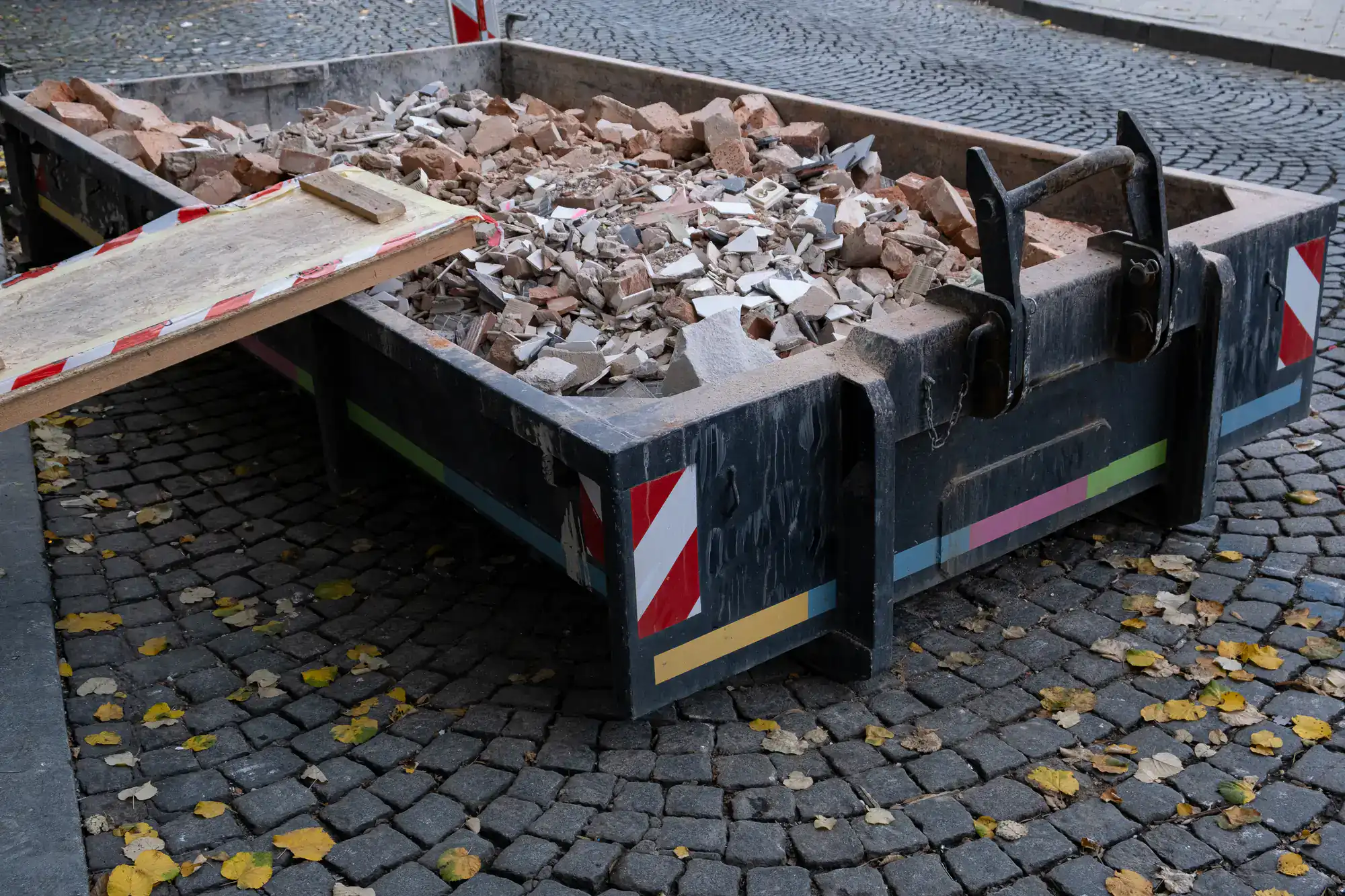
Yes — debris removal is part of the job, not an add-on you have to arrange separately. One of the more frustrating experiences homeowners have with demo contractors is finishing a gutting project only to be told that hauling is a separate scope with a separate company. You’re left coordinating a hauler, waiting on availability, and managing debris sitting in your space longer than it should.
With us, the debris goes when we go. That includes all demo material, abatement waste (which must be disposed of through certified channels under EPA and Pennsylvania DEP regulations), and general construction debris. For a project in Lower Gwynedd, Spring House, or Gwynedd Valley, that means your property is clean and clear when we’re done — not staged with debris piles waiting on a third-party hauler. It’s a small thing that makes a big difference in how the project actually feels when it’s over.
Free estimates are standard — no obligation, no pressure. We come out, walk the space, and give you a clear picture of what the job involves and what it costs before you commit to anything. For a project that may involve testing, abatement, gutting, and debris removal, knowing the full number upfront matters. You shouldn’t be discovering the real cost in phases.
Cash discounts are also available. In a market where demolition and abatement pricing is notoriously opaque, that’s a real option worth asking about when you call. Lower Gwynedd homeowners are often managing significant renovation budgets on properties worth $600,000 or more — and on a project with multiple phases, a cash discount can represent meaningful savings. It’s not a promotional gimmick; it’s a straightforward way we work with clients who prefer to pay that way. Ask about it when you call for your estimate.
Other Services we provide in Lower Gwynedd