Hear from Our Customers
Lower Gwynedd is one of the most sought-after addresses in the Philadelphia suburbs — and water intrusion is one of the fastest ways to chip away at that value. Whether you’re in a historic stone farmhouse near Gwynedd village or a newer colonial off Bethlehem Pike, a wet basement isn’t just an inconvenience. It’s a structural problem, a health concern, and a real estate liability all at once.
The clay-rich soil across Montgomery County doesn’t drain the way sandy or loam soil does. When rain hits, that water lingers against your foundation walls and builds pressure — slowly, quietly, until something gives. Add in the fact that Lower Gwynedd sits within the Wissahickon Creek watershed, a system the Clean Water Partnership itself has described as acting more like a pipe than a stream during heavy rain events, and you’ve got conditions that make basement water intrusion not a matter of if, but when.
Once the water is gone and the system is in place, what changes is significant. The musty smell disappears. The floor is usable again. Your HVAC isn’t fighting moisture around the clock. And when it comes time to sell — or just to know your investment is protected — you’re not sitting on a liability. That’s what a properly waterproofed basement actually gives you.
We’ve been working in homes across Montgomery County for over twenty years, with Lower Gwynedd as core territory — not a stretch market. We know that most residents here carry an Ambler or Spring House mailing address even though they’re in a separate township entirely. We know the housing stock ranges from 18th-century stone foundations near Gwynedd village to midcentury split-levels and modern estates near Route 309. Those aren’t the same job, and we don’t treat them that way.
We’re fully licensed, bonded, and insured in Pennsylvania, EPA and HUD compliant, and certified as a Lead Inspector and Risk Assessor — which matters significantly in Lower Gwynedd, where a large portion of the housing stock predates 1978. Free estimates, cash discounts, and 24/7 availability aren’t perks we advertise to sound good. They’re just how we operate.
It starts with a real assessment. Before anything gets recommended or quoted, we look at your actual basement — the foundation type, where the water is entering, how it’s moving, and what’s driving it. In Lower Gwynedd, that often means accounting for the slope of the lot, the proximity to Houston Creek or other drainage corridors, and whether you’ve got an older stone foundation or a poured-concrete wall that’s developed cracks over time. The free estimate isn’t a sales call — it’s a diagnosis.
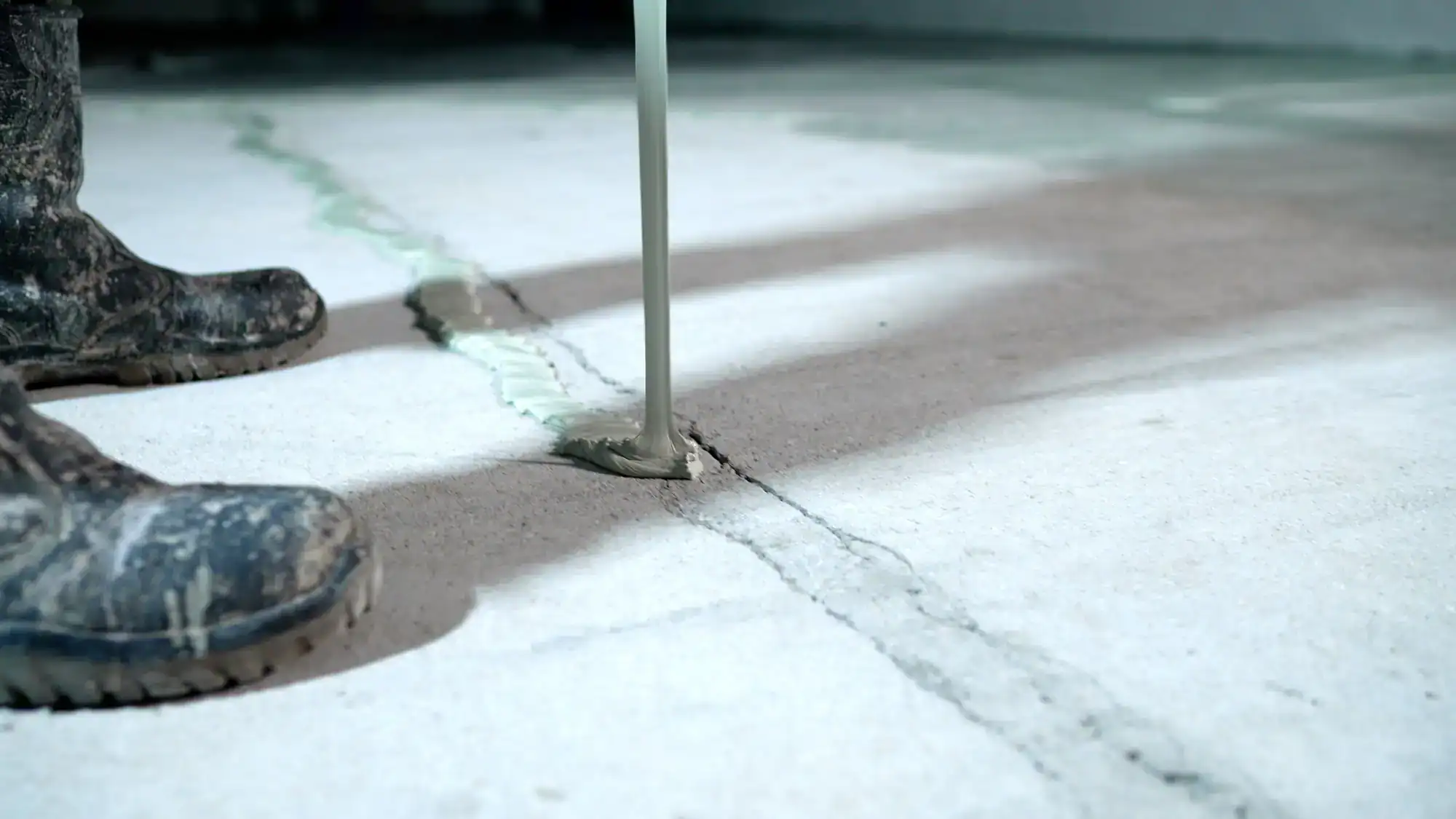
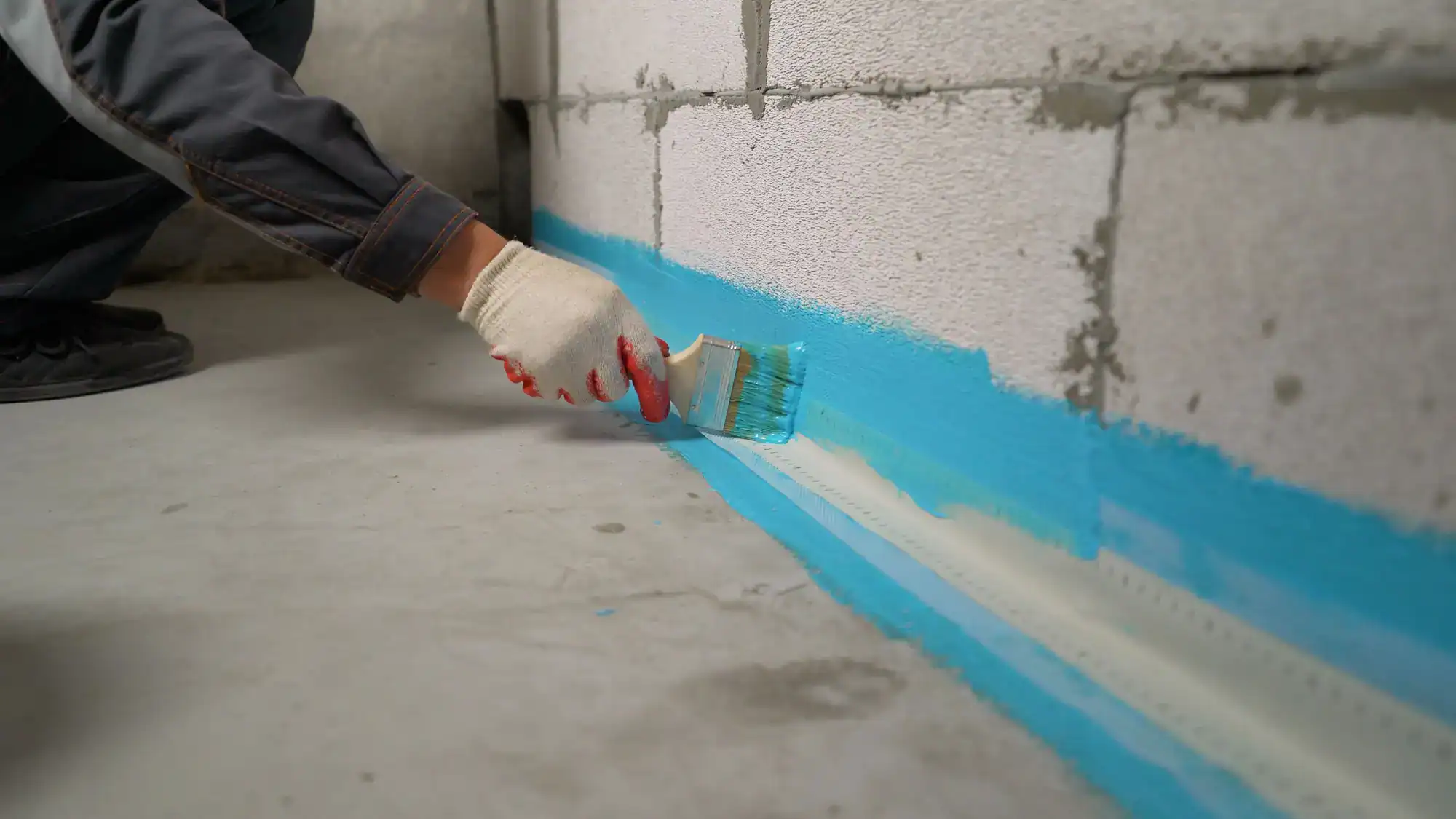
From there, the approach depends on what your home actually needs. Interior drainage systems, sump pump installation, exterior membrane application, crack injection, or a combination — we match the solution to the problem, not the other way around. If the assessment turns up mold, lead paint concerns, or other environmental hazards alongside the water issue, we handle those too. You don’t need to call three different contractors and coordinate a schedule.
Lower Gwynedd Township enforces the Pennsylvania Uniform Construction Code, and depending on the scope of work, certain structural modifications may require a permit through the township’s building department. We know the process and can walk you through what applies to your specific job. When the work is done, we walk you through what was done, why, and what to watch for going forward.
Ready to get started?
Lower Gwynedd’s housing stock is one of the most varied in Montgomery County. Some homes here have foundations that are over a century old — stone laid long before modern waterproofing standards existed. Others are midcentury poured-concrete that’s been shifting and settling for sixty years. And then there are the newer builds on large lots where grading and drainage weren’t designed with the Wissahickon watershed’s stormwater load in mind. Each of those situations calls for a different approach, and that’s exactly what you get.
Our services cover interior drainage systems and French drain installation, sump pump installation and replacement, exterior foundation waterproofing and membrane application, crack injection and foundation sealing, and full environmental testing and remediation when water intrusion has led to mold or other hazardous conditions. Because we’re a full-service environmental company — not just a waterproofing crew — we can address everything in one scope of work. That’s genuinely useful when you’re dealing with an older home in Penllyn or a large estate property near DeKalb Pike where the basement footprint is substantial and the issues are layered.
Spring is the highest-risk season in this area, when snowmelt and sustained rain events combine to push the water table up and saturate the ground around your foundation. We’re available year-round and around the clock — because a flooded basement in January or a cracked foundation wall discovered in August doesn’t wait for a convenient time.

Spring is genuinely the highest-risk season for basement water intrusion in Lower Gwynedd, and there are specific reasons why. The township sits within the Wissahickon Creek watershed, which has been documented to experience significant stormwater overload as development in the region has increased. When snowmelt combines with sustained spring rain, the ground becomes saturated faster than it can drain — and the clay-heavy soil common throughout Montgomery County makes that problem worse, because clay holds water against your foundation walls instead of letting it percolate downward.
That sustained pressure against the foundation is called hydrostatic pressure, and it’s the primary mechanical force behind most basement water intrusion. Over time, it finds the path of least resistance — a hairline crack, a joint between the wall and the floor, a gap around a pipe penetration. Lower Gwynedd Township commissioned the Houston Creek Stormwater Study specifically to address recurring flooding concerns in the area, which tells you this isn’t a fringe problem. If your basement gets wet every spring, it’s not bad luck. It’s a drainage and pressure issue that has a real solution.
The honest answer is that it depends on what your basement actually needs, which is why a real assessment matters before anyone quotes you a number. Interior drainage systems — which include a French drain channel, sump pump, and discharge line — typically run in the range of $3,000 to $8,000 for an average-sized basement, depending on the perimeter footage and complexity. Exterior waterproofing, which involves excavating around the foundation and applying a membrane barrier, tends to cost more because of the labor involved, often ranging from $8,000 to $15,000 or higher for larger homes.
In Lower Gwynedd, where a significant portion of the housing stock includes older homes with stone or aging poured-concrete foundations, the scope of work can vary considerably from one property to the next. A large estate home near Spring House with a full basement footprint is a different job than a 1950s Cape Cod in Gwynedd Valley. We provide free estimates, so you’ll know exactly what you’re looking at before any work begins. We also offer cash discounts, which can meaningfully reduce the final cost for customers who prefer that payment method.
It depends on the scope of the work. In Pennsylvania, interior waterproofing systems — things like French drain channels, sump pump installation, and interior drainage — typically don’t require a building permit when they don’t involve structural modifications to the foundation or the home. You’re essentially installing a drainage system inside the existing space, and that generally falls below the permit threshold.
Where permits become relevant is when the work involves altering foundation walls, creating new structural openings, or making changes that affect the structural integrity of the building. Lower Gwynedd Township enforces the Pennsylvania Uniform Construction Code and as of January 2026, plan reviews and inspections are handled through ARRO Consulting LLC, the township’s newly appointed third-party inspection agency. If your job requires a permit, we know the process and can help you understand what’s required before work starts. We’re not going to leave you guessing about that.
Yes — and in most cases, the mold or the smell is a direct result of the moisture problem, not a separate issue. Mold needs two things to grow: organic material and moisture. Once water is consistently entering a basement, mold typically follows within 24 to 48 hours of a significant intrusion event. Over time, even lower-level moisture — the kind that produces a musty smell without visible standing water — creates conditions where mold colonizes drywall, insulation, wood framing, and stored materials.
What makes us different from a standard waterproofing contractor is that we’re a full-service environmental company. We handle testing, remediation, and waterproofing under one roof. If we find mold during the assessment, we don’t hand you a referral and walk away — we address it as part of the same scope of work. In older Lower Gwynedd homes, particularly those built before 1978, that assessment also includes checking for lead paint concerns, which can become relevant when remediation involves disturbing existing wall or ceiling materials. We’re certified as a Lead Inspector and Risk Assessor, so that’s covered.
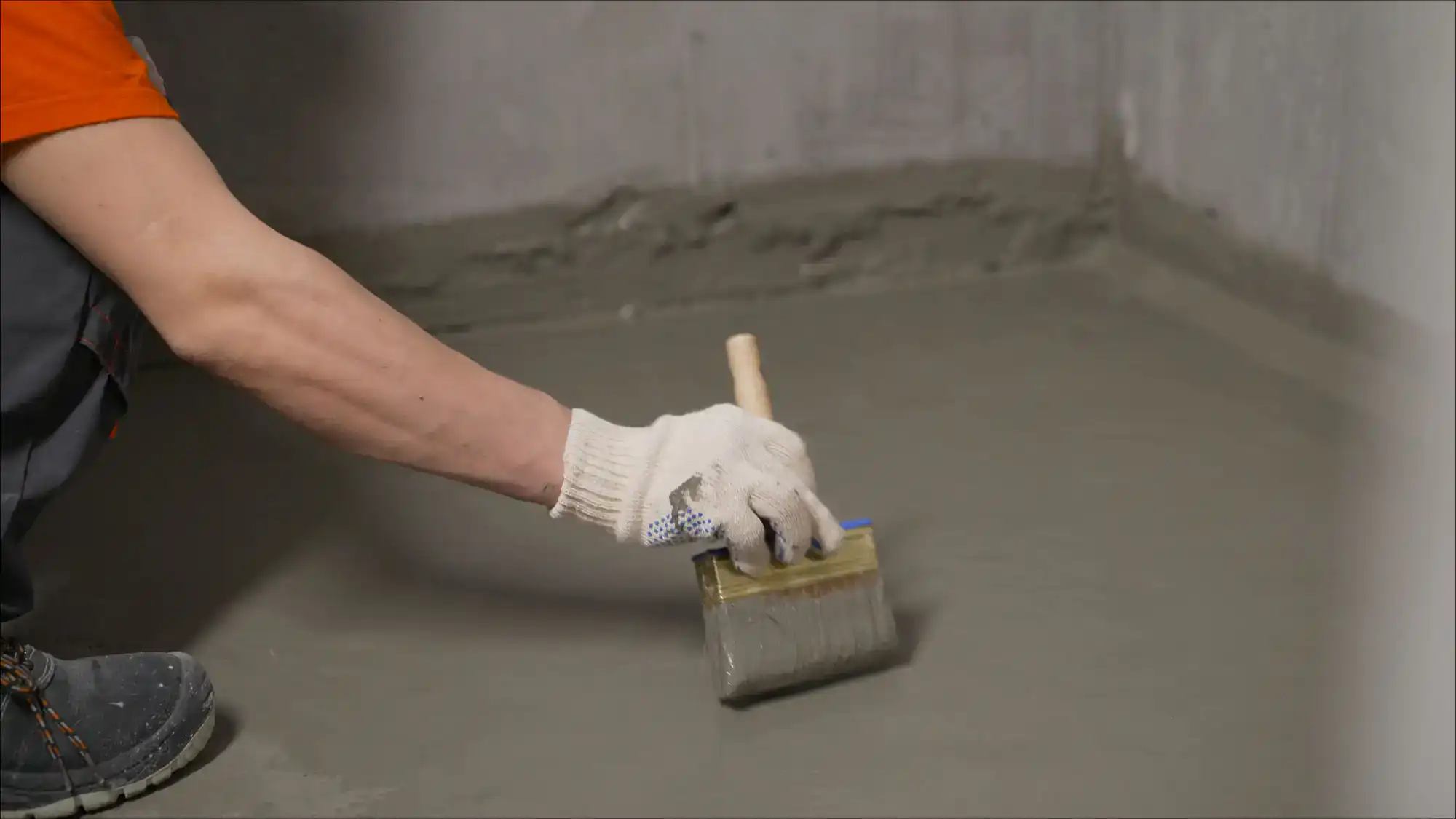
Interior waterproofing manages water after it enters the foundation envelope — it channels it to a sump pump and moves it out before it can cause damage. This typically involves cutting a channel along the perimeter of the basement floor, installing a drainage system, and running it to a sump pit with a pump that discharges water away from the home. It’s effective, less disruptive than exterior work, and the right call in many situations.
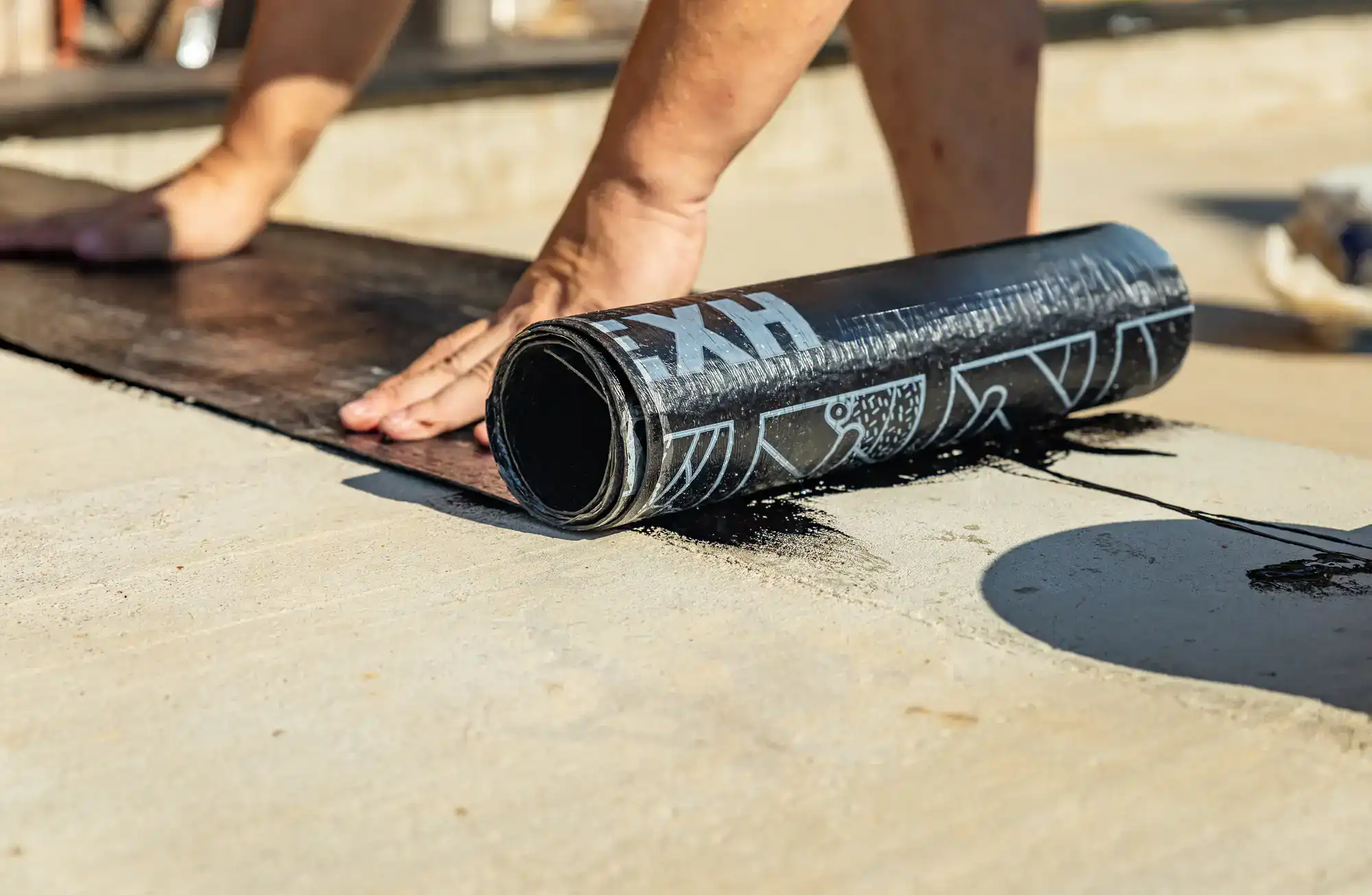
Exterior waterproofing addresses the problem at the source by excavating around the foundation, applying a waterproof membrane to the outside of the foundation wall, and installing drainage board and a footing drain to redirect water before it ever reaches the wall. It’s a more involved process and typically costs more, but for foundations that are actively taking on water through the wall itself — rather than through floor joints or cracks — it can be the more permanent solution. In Lower Gwynedd, where some homes have stone foundations that predate modern construction standards, exterior waterproofing is sometimes the appropriate approach because the wall itself needs to be sealed from the outside. The right answer depends on your specific foundation, your lot’s drainage characteristics, and where the water is actually coming from — which is exactly what the assessment is for.
Yes — 24/7, including nights and weekends. Lower Gwynedd’s position within the Wissahickon Creek watershed means that when a significant storm moves through Montgomery County, basement flooding can happen fast and without much warning. The watershed’s documented tendency to experience stormwater overload during heavy rain events means that even a home that’s been fine for years can take on water quickly when conditions are right.
We maintain 24/7 phone availability and emergency response service specifically because water doesn’t follow a business schedule. Whether you’re in Gwynedd Valley, Spring House, Penllyn, or closer to the Gwynedd village area, a real person answers when you call — not an answering service that takes a message. Emergency response means we can mobilize quickly to assess the situation, help manage active water intrusion, and determine what permanent solution your home needs. If the emergency also surfaces mold, environmental hazards, or structural concerns, we handle all of it. One call, one company, one point of accountability — that’s the practical value of working with a full-service environmental contractor rather than a crew that only does waterproofing.
Other Services we provide in Lower Gwynedd