Hear from Our Customers
Montgomery Township sits at the headwaters of the Wissahickon Creek, and the loam-and-red-shale soil throughout the area doesn’t drain quickly. When rain falls — and around here, it averages 46 inches a year — that water has to go somewhere. Without a proper french drain system, it goes into your foundation, under your floor, and eventually into your living space.
A properly installed french drain redirects that water before it ever becomes your problem. Your basement stays dry. The musty smell disappears. The finished space you’ve been putting off actually gets finished. For homeowners in the township’s 1970s and 1980s-era developments like The Orchards or Montgomery Glen, where original drainage infrastructure is now 40 to 50 years old, this isn’t a luxury upgrade — it’s overdue maintenance on a home that’s worth protecting.
Water damage is expensive. FEMA data shows that just one inch of water in your home can cause up to $25,000 in damage. A french drain that costs a fraction of that and lasts 30 to 40 years is one of the better investments you can make in a Montgomery County home.
We’ve been working in Montgomery County for over 20 years. That means we’ve seen the clay soil conditions, the freeze-thaw damage, the aging drainage systems in the North Penn Valley’s suburban developments, and the water intrusion problems that come with them. This isn’t a franchise operation running a playbook from somewhere else — it’s a team that knows this area inside and out.
What actually sets us apart from every other drainage contractor in the Montgomeryville market is the environmental piece. We hold EPA and HUD certifications as a Certified Lead Inspector and Risk Assessor. In a township where a large portion of the housing stock was built around or before 1978 — the federal lead paint threshold year — that matters before anyone puts a shovel in the ground near your foundation. Most drainage contractors skip that step entirely. We don’t.
We’re fully licensed, bonded, and insured. Free estimates. Cash discounts available. And if something goes sideways at 2 AM during a nor’easter, someone actually picks up the phone.
It starts with a free estimate and a real conversation about what’s happening on your property. Where is the water coming from? Is it surface runoff pooling in the yard, hydrostatic pressure pushing through the foundation wall, or water infiltrating through a cracked basement floor? The answer shapes the entire approach — interior french drain, exterior french drain, or a combination of both.
Before any excavation begins, we assess for environmental hazards. For homes in Montgomery Township built in the 1970s or earlier — especially in the older sections near Montgomery Square — that means checking for lead-contaminated soil and other materials that get disturbed during foundation work. This step protects your family and keeps the project compliant with EPA and HUD standards. Montgomery Township also has an active Stormwater Management Ordinance, most recently updated in 2022, and the township prohibits connecting sump pump or drain discharge to the sanitary sewer — so outlet design has to be done correctly from the start. We handle permitting and design every system to meet local code.
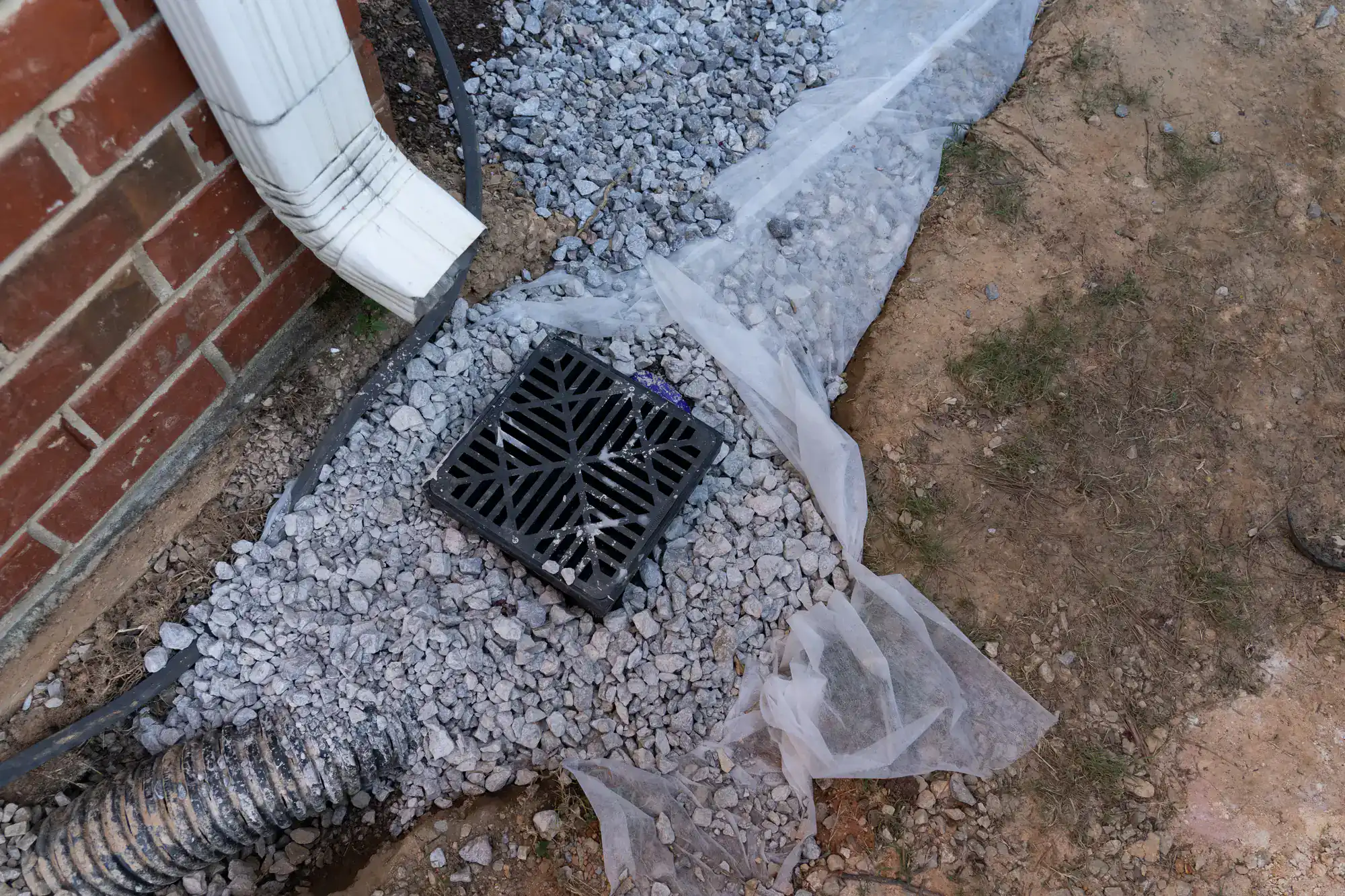
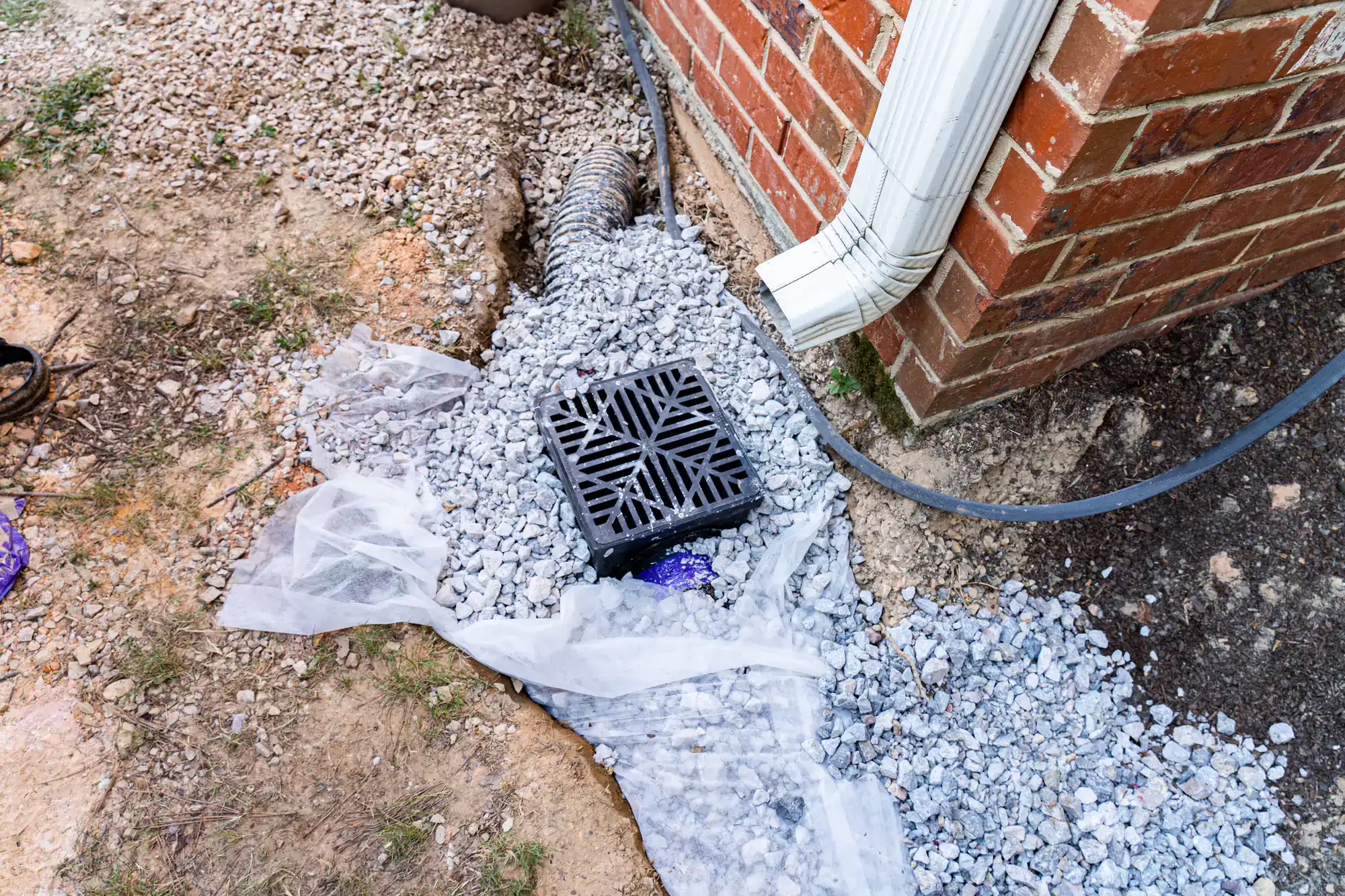
Once the assessment is done and the plan is set, the installation uses rigid perforated PVC pipe, proper geotextile filter fabric, and clean crushed stone — the materials that determine whether a french drain lasts five years or forty. After installation, the site is cleaned up and you get a clear walkthrough of what was done and why.
Ready to get started?
Not all french drains are built the same, and the difference usually shows up three to five years after installation when a cheap system starts backing up or failing. The most common shortcuts — corrugated flex pipe instead of rigid PVC, no filter fabric, inadequate slope, native soil backfill — are exactly what we avoid. In Montgomery Township’s clay-heavy soil conditions, proper geotextile filter fabric isn’t optional. Without it, fine soil particles infiltrate the stone bed and clog the pipe within a few years. With it, the system stays clear and functional for decades.
We handle interior french drains, exterior french drains, yard drainage systems, and french drain cleaning for systems that have already been installed and are starting to underperform. If there’s mold behind the drywall from years of slow water intrusion — which is common in the township’s older basement spaces — we can handle remediation as part of the same project. That’s the one-stop model: drainage installation, environmental testing, mold remediation, and cleanup without needing to coordinate three separate contractors.
Every project in Montgomery Township is approached with the township’s specific conditions in mind — the Wissahickon watershed drainage dynamics, the freeze-thaw cycle that runs from November through March, the permit requirements under the township’s stormwater ordinance, and the housing stock characteristics of a community built largely during a single 20-year development window. We use HEPA filtration on any job where airborne hazards are a concern, which in this area’s older homes is more common than most homeowners realize.

Yes, in most cases you do. Montgomery Township has an active Planning and Zoning department that requires permits for exterior drainage work, and the township’s Stormwater Management Ordinance — updated as recently as 2022 — sets specific standards for how runoff must be managed on residential properties. If your drainage project changes how water flows across your lot or affects neighboring properties, it falls under those rules.
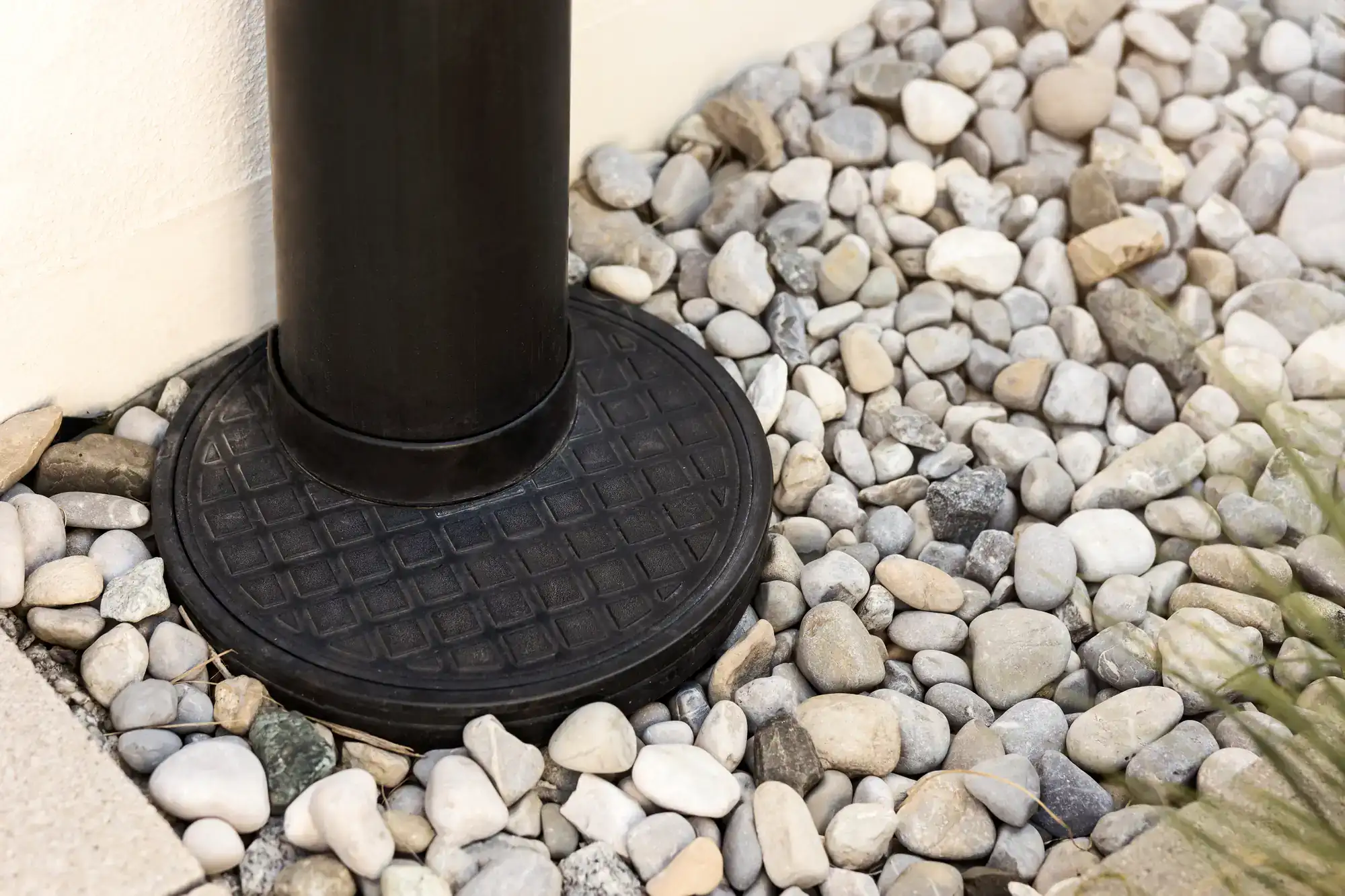
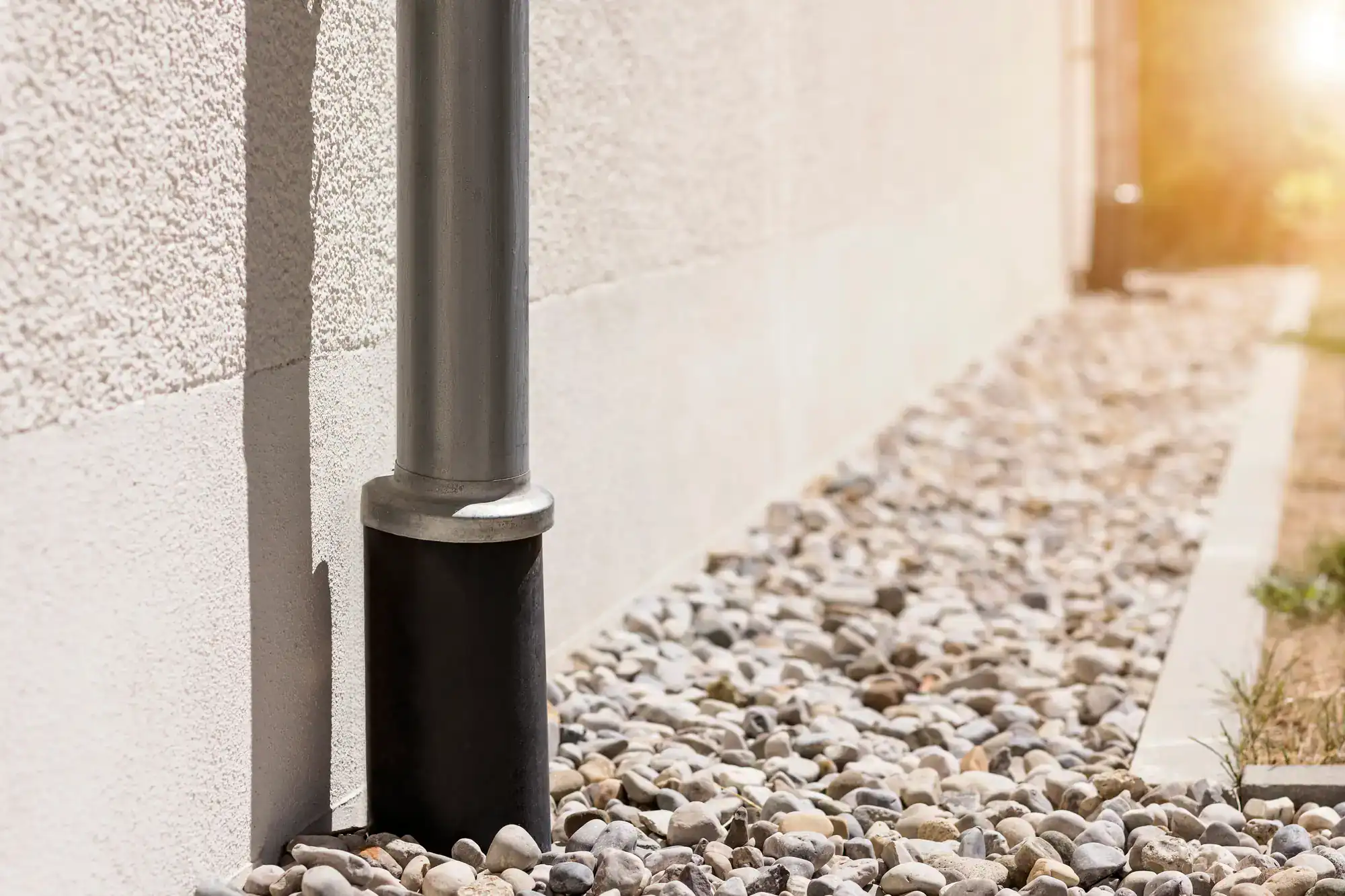
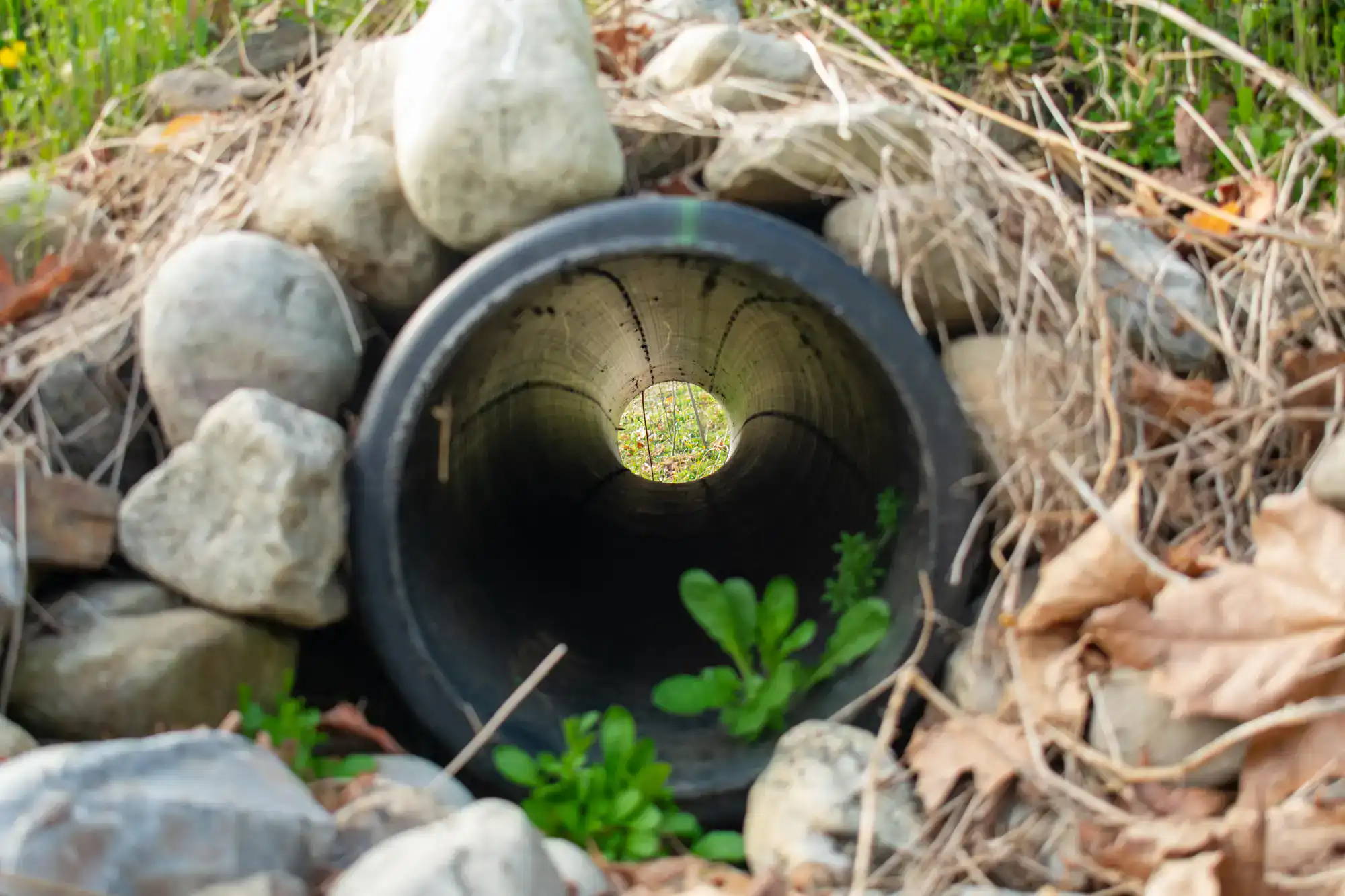
There’s also a specific prohibition in Montgomery Township against connecting sump pumps, floor drains, or downspouts to the sanitary sewer system. That means the outlet design for your french drain has to be planned carefully — directing water to a proper daylight outlet, dry well, or approved storm connection. We handle the permitting process and design every system to meet local code from the start, so you’re not left dealing with violations or failed inspections after the work is done.
The range is wide, and that’s part of what makes it confusing when you’re getting quotes. Nationally, french drain installation runs anywhere from $1,650 to $12,250 depending on the scope. Interior systems typically run $40 to $85 per linear foot; exterior systems usually fall in the $10 to $50 per linear foot range. In Montgomery County, soil conditions and access can affect that number — clay-heavy soil requires more labor and more careful material selection than sandy or loamy ground.
The bigger factor is what’s included. A low quote that skips filter fabric, uses corrugated flex pipe, or doesn’t account for proper outlet design will cost you more in the long run when the system clogs or fails. A free estimate from us gives you a clear breakdown of what the project actually involves and what you’re paying for — no vague line items, no pressure. If paying cash works better for you, there’s a discount available for that too.
An exterior french drain is installed around the outside perimeter of your foundation. It intercepts groundwater and surface runoff before it ever reaches your basement wall. This is generally the more comprehensive solution, but it involves more excavation and is more disruptive to landscaping. For homes in Montgomery Township where the ground freezes repeatedly from November through March, exterior systems need to be installed deep enough to avoid frost heave — something a contractor who doesn’t know the local climate might not account for.
An interior french drain is installed beneath your basement floor, along the perimeter of the interior wall. It doesn’t stop water from entering the foundation, but it captures it at the point of entry and routes it to a sump pump before it can spread across the floor. Interior systems are less invasive and can be installed year-round regardless of ground conditions. Many homes in the township’s older developments benefit from a combination of both approaches, depending on where the water is originating and how severe the intrusion is.
A properly installed french drain should last 30 to 40 years. The key phrase there is “properly installed.” The two biggest factors that shorten a french drain’s lifespan are the wrong pipe material and missing or inadequate filter fabric. Corrugated flex pipe collapses and clogs much faster than rigid perforated PVC. And without geotextile filter fabric separating the stone bed from the surrounding soil, fine particles migrate into the system over time and block drainage.
In Montgomery Township specifically, the clay-and-shale soil composition accelerates this problem. Clay particles are fine enough to infiltrate a stone bed without proper fabric, and once a french drain clogs in this type of soil, cleaning it is difficult and sometimes not worth the effort versus full replacement. We use rigid PVC pipe and proper filter fabric on every installation — not because it’s the cheapest approach, but because it’s the only approach that holds up in this area’s soil conditions over the long term.
Almost certainly. Mold begins growing within 24 to 48 hours of water intrusion, and a basement that has been damp for years — even mildly damp — has had more than enough time to develop mold colonies behind drywall, under flooring, or in insulation cavities. The musty smell that most people write off as “old basement smell” is usually mold. It doesn’t go away on its own, and it doesn’t go away just because you install a french drain.
This is one of the more important reasons to work with us over a standard drainage contractor. We can assess for mold as part of the same project, handle remediation if it’s found, and then install the drainage system that removes the water source driving the problem. Doing it in that order — remediate first, then drain — means you’re not sealing mold behind a freshly waterproofed wall. For homeowners in the township’s 1970s and 1980s-era homes who are finally addressing a long-standing moisture issue, that sequence matters.
Because in a township where a significant portion of the housing stock was built during or before 1978, lead-contaminated soil and lead-based paint on foundation walls are a real and common finding — not a rare edge case. The federal threshold year for lead-based paint is 1978, and many homes in Montgomery Township’s major development corridors, including areas near Montgomery Square and the older sections of the township, fall at or before that line.
When a contractor excavates around a foundation or breaks through a basement floor, they disturb whatever is in that soil and in those walls. If lead or asbestos is present and it’s not handled correctly, it becomes an airborne hazard for your family and a legal liability for everyone involved. We hold EPA and HUD certifications as a Certified Lead Inspector and Risk Assessor — credentials that no standard waterproofing or drainage contractor in the North Wales or Lansdale market carries. We test before the work starts, identify what’s there, and handle it in compliance with federal standards. That’s not an upsell. It’s what responsible excavation work looks like in an older suburban township like Montgomery.
Other Services we provide in Montgomery