Hear from Our Customers
Montgomery County’s soil is notoriously clay-heavy. It swells when it rains, holds water against your foundation for days, and doesn’t care how expensive your home is. For Eagleville homeowners — many of whom are sitting on properties worth well over $400,000 — that slow, steady pressure against your basement walls is exactly how small moisture problems become five-figure repair bills.
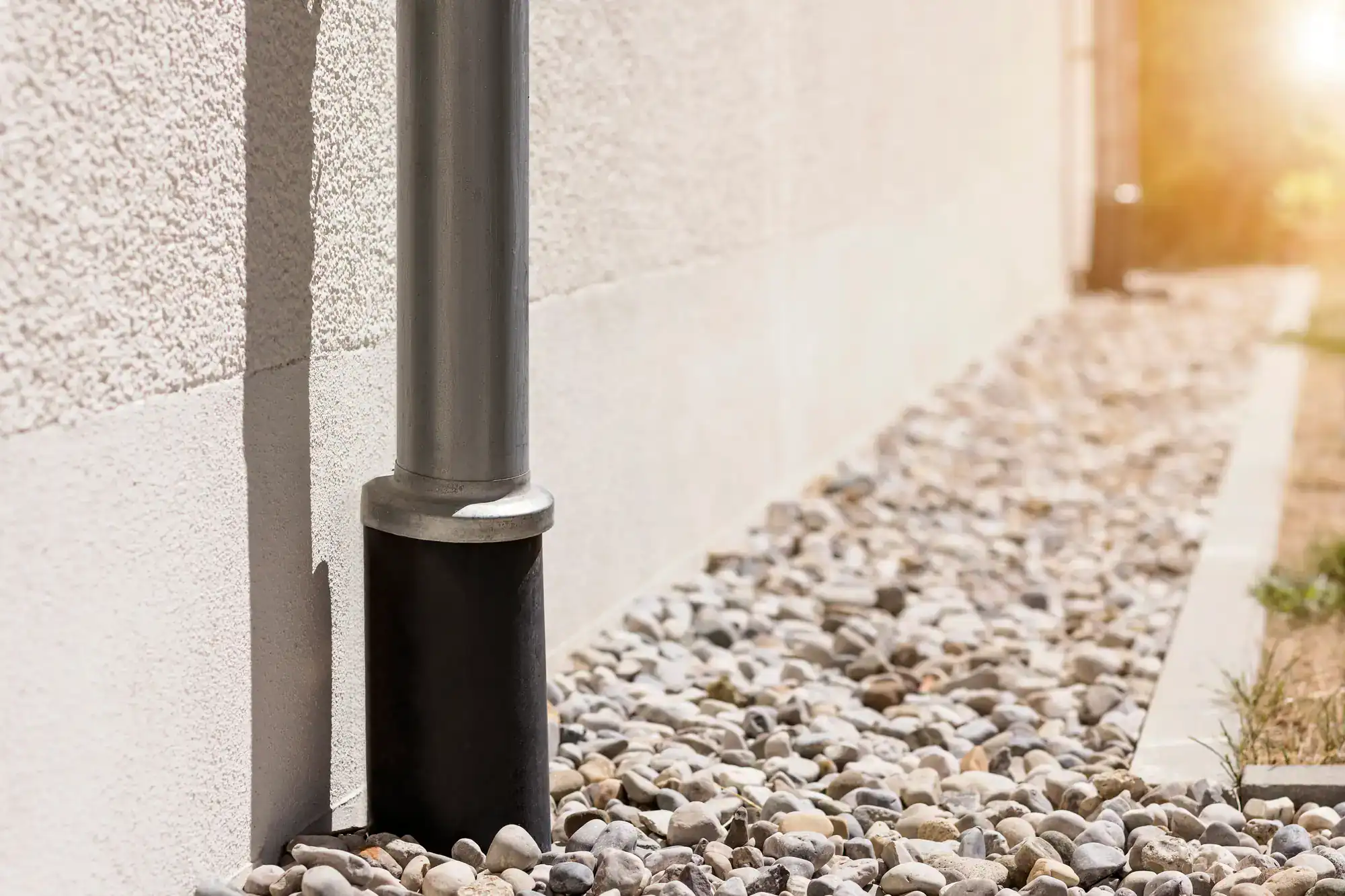
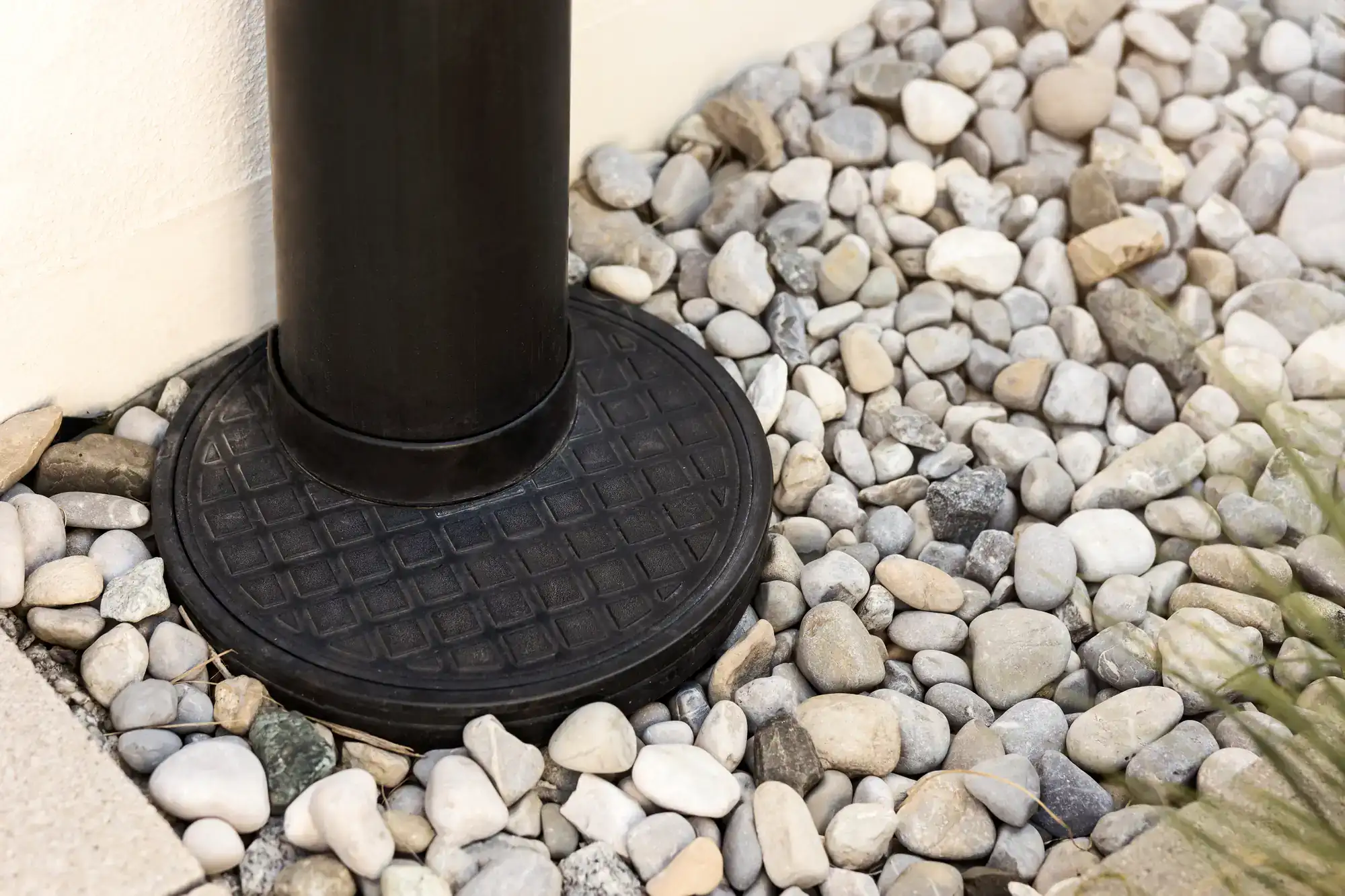
A French drain intercepts that water before it ever reaches your foundation. It redirects it through a gravel-filled trench with a perforated pipe, routing it safely away from your home through a proper outlet. The result is a drier basement, less hydrostatic pressure on your foundation walls, and a yard that doesn’t turn into standing water every time Skippack Creek’s watershed gets hammered with rain.
What most homeowners don’t realize is that the older the home, the more complex the job. A large portion of Eagleville’s housing stock was built before 1978 — which means foundation excavation can disturb lead-contaminated soil and paint. That’s not a risk a standard drainage contractor is equipped to handle. We are, and that changes everything about how this work gets done.
We’ve been doing this work across Montgomery County for nearly 20 years. Not as a franchise. Not with a call center. As a local environmental services company that knows the difference between a drainage problem and a drainage-plus-hazard problem — and has the credentials to handle both.
What sets us apart isn’t just experience. It’s the combination of things that almost no other contractor in this market offers at the same time: Certified Lead Inspector, Certified Risk Assessor, EPA/HUD compliant services, HEPA filtration on every applicable job, and a one-stop model that covers testing, remediation, waterproofing, and drainage under one roof. For homeowners near Eagleville Road, off Route 363, or anywhere in Lower Providence Township dealing with a wet basement in a pre-1978 home, that combination is genuinely rare.
We provide free estimates, cash discounts, 24/7 phone availability, and emergency response service — not as perks bolted on to sound competitive, but as how we’ve operated from the start. Water problems don’t wait for business hours, and neither do we.
It starts with a free on-site estimate. Before anything is quoted or scheduled, someone from our team comes out to assess the actual conditions — where water is entering, how your yard slopes, what the soil looks like, and whether there are any environmental factors that need to be addressed before excavation begins. For homes built before 1978, that last part isn’t optional. We test first. That’s not a sales tactic — it’s how you avoid turning a drainage job into a lead exposure event.
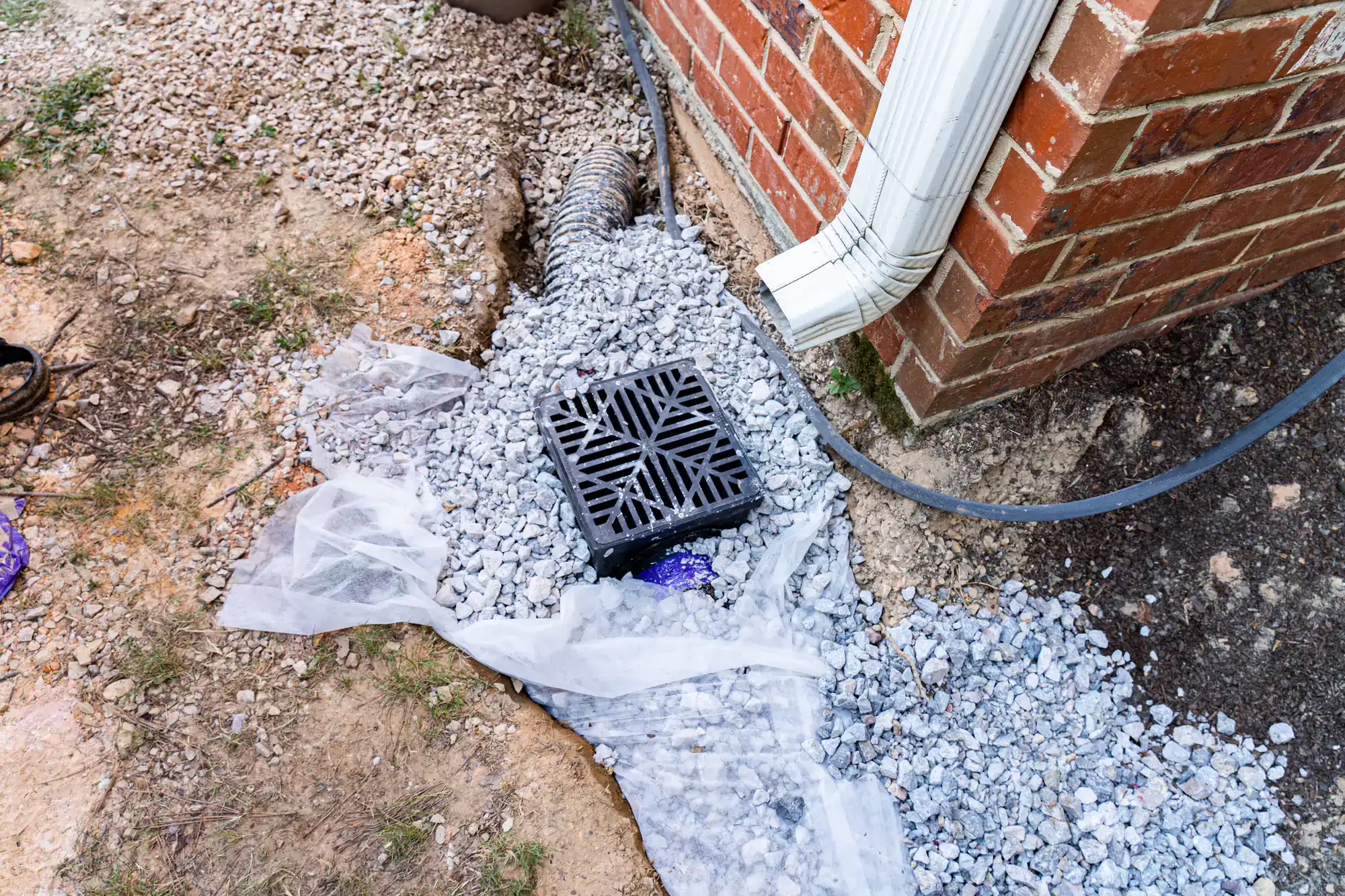
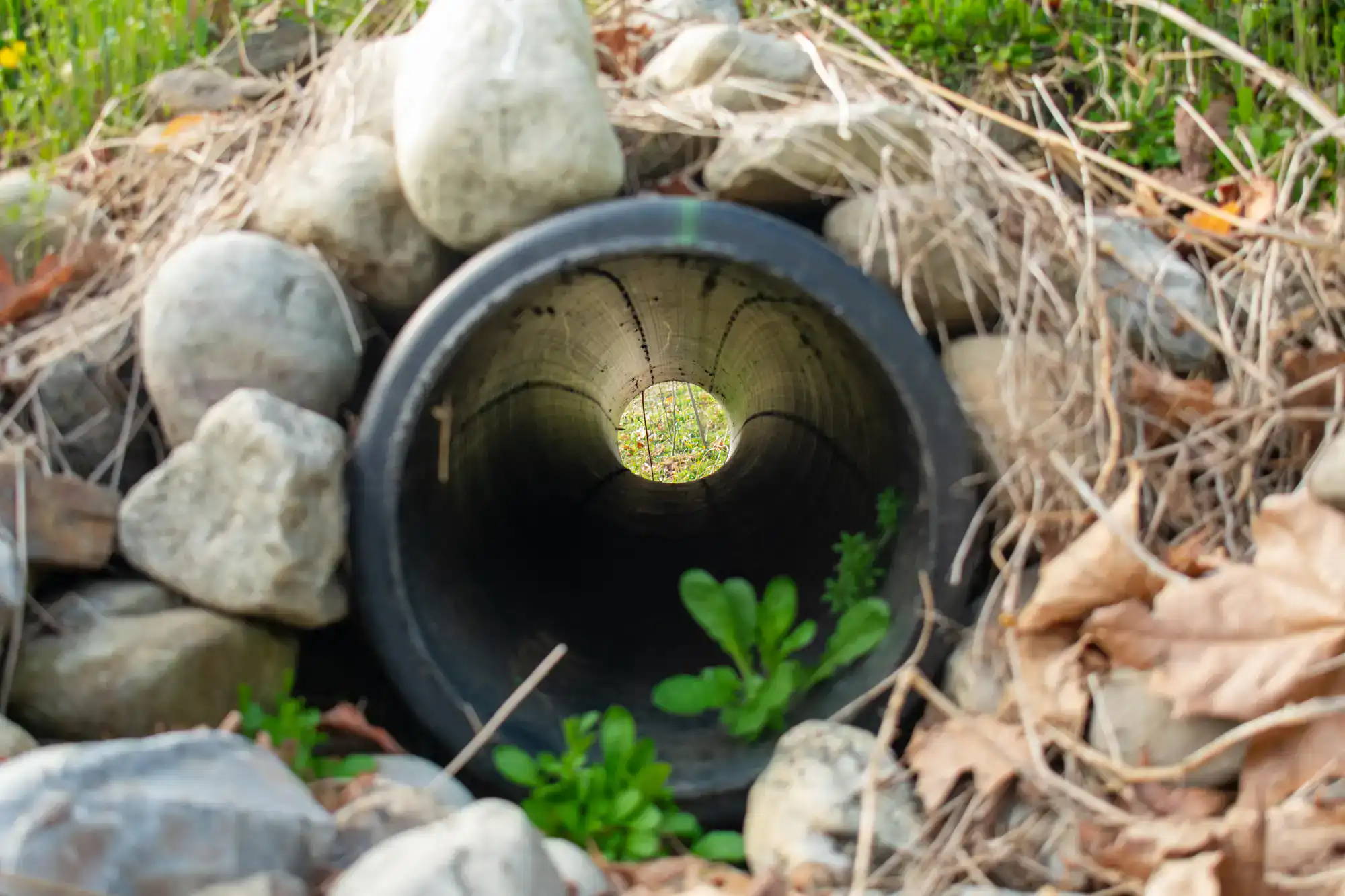
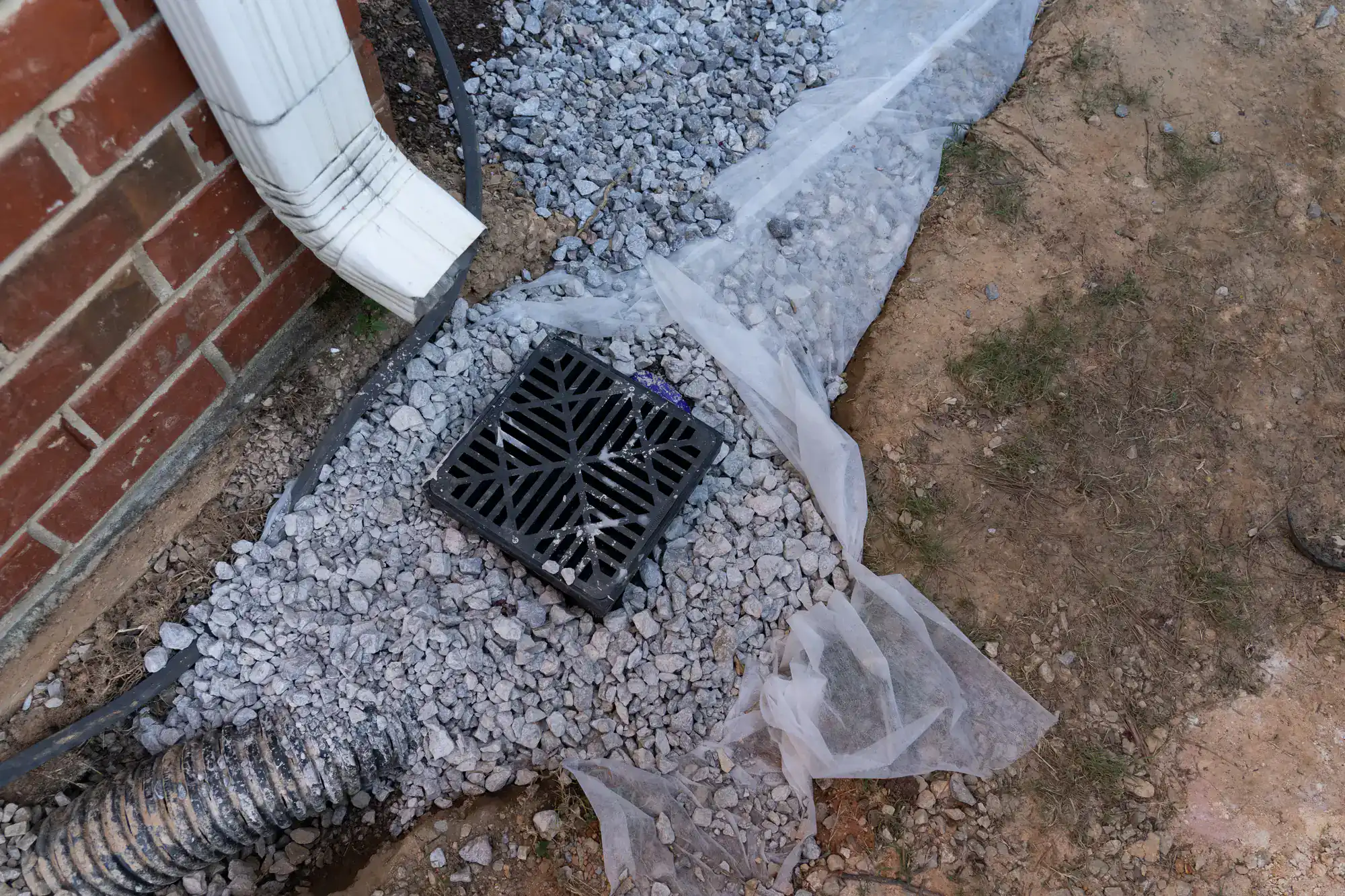
Once the assessment is done and you’ve agreed on the scope, the installation begins. The trench is dug to the appropriate depth for your specific conditions — in Eagleville’s clay-heavy soil, that often means going deep enough to get below the clay layer where water movement is actually possible. Rigid perforated PVC pipe goes in, surrounded by clean crushed stone and wrapped in geotextile filter fabric to keep clay from infiltrating and clogging the system over time. Slope is set precisely — at least 1% grade — so water moves through the system consistently and drains to a proper outlet.
Because this work falls under Lower Providence Township’s stormwater management regulations, and because outlets that connect to PennDOT-maintained drainage infrastructure along roads like Route 363 or Ridge Pike may require a Highway Occupancy Permit, we handle the regulatory side as part of the job. When the work is done, you’ll know exactly what was installed, where it drains, and what to watch for going forward.
Ready to get started?
Our French drain installation isn’t a one-size-fits-all product. What we install at a 1990s colonial off Trooper Road is going to be spec’d differently than what goes in at a 1955 Cape Cod near Eagleville Park — and that difference matters for how long the system lasts and how well it actually works.
Every installation we complete includes rigid perforated PVC pipe (not the corrugated flex pipe that collapses and clogs within a few years), clean #57 crushed stone, properly installed geotextile filter fabric, and a graded outlet that meets township requirements. For homes with active basement moisture, we can integrate the French drain with interior drainage and a sump pump system — addressing both the surface water coming in from the yard and the groundwater pressing up through the floor. The Philadelphia metro area gets roughly 46 inches of rain annually, and Montgomery County’s freeze-thaw cycles add another layer of stress to any drainage system that wasn’t installed with the right materials.
For pre-1978 homes in Eagleville — and there are a lot of them — our Certified Lead Inspector credential means the work area is assessed before excavation begins. If lead-contaminated soil or paint is present, it’s managed properly, not ignored. That’s a level of accountability that the other drainage contractors marketing to this area simply don’t offer. We also provide French drain cleaning and maintenance services for existing systems that may be underperforming.
The most common reason is Montgomery County’s clay-heavy soil. Clay doesn’t drain — it holds water. When it rains, the ground around your foundation saturates quickly, and that water has nowhere to go except against your basement walls. Over time, that hydrostatic pressure finds the path of least resistance: cracks in the foundation, the joint where the wall meets the floor, window wells, or any gap in the waterproofing.
Eagleville’s position within the Skippack Creek watershed compounds this. Properties in lower-lying areas of Lower Providence Township are dealing with both surface water from rainfall and groundwater that rises during wet seasons. A French drain addresses the surface and subsurface water before it reaches your foundation — which is why it’s often the most effective long-term fix for basements that flood repeatedly despite other attempts at waterproofing.
Most residential French drain installations in the Montgomery County area fall somewhere between $2,500 and $8,000, depending on the length of the trench, the depth required, whether the system is exterior or interior, and what outlet solution makes sense for your property. Larger or more complex jobs — particularly those involving pre-1978 homes where environmental testing and hazard management are part of the scope — can run higher.
What drives the range more than anything is site-specific conditions. Eagleville’s clay soil often requires deeper trenching than sandy or loamy soils, which affects labor and material costs. If your outlet needs to connect to a township or PennDOT drainage system, permit fees may apply. We provide free, detailed estimates so you know exactly what you’re paying for and why before any work begins.
An exterior French drain is installed around the perimeter of your foundation, outside the home. It intercepts water in the soil before it ever reaches the foundation wall — which is the most proactive approach, and generally the best option when you’re dealing with surface water or yard drainage problems. The tradeoff is that it requires excavation around the foundation, which in Eagleville’s older housing stock means environmental testing beforehand is a smart and often necessary step.
An interior French drain is installed inside the basement, typically along the perimeter of the floor where the wall meets the slab. It collects water that has already entered the basement and channels it to a sump pump for removal. Interior systems are less disruptive to install, can be done year-round regardless of ground conditions, and are often the right call when exterior excavation isn’t practical. Many Eagleville homeowners end up with a combination — exterior drainage for the yard and an interior system paired with a sump pump for the basement itself.
It depends on the scope of the project. Lower Providence Township has a stormwater management ordinance that governs drainage work affecting how water moves on and off your property. For most standard residential French drain installations that outlet onto your own property — a daylight outlet in a low area of the yard or into a dry well — a formal permit is typically not required. But if your system connects to township-maintained infrastructure or outlets near a PennDOT road like Route 363 or Ridge Pike, a Highway Occupancy Permit from PennDOT District 6 may be required.
There’s also the EPA’s Lead RRP Rule to consider for pre-1978 homes. Any renovation work that disturbs lead-based paint surfaces — which foundation excavation absolutely can — requires compliance with federal lead-safe work practice standards. We handle all of this as part of the job. You won’t be left figuring out which permits apply or whether your contractor is working within the rules.
A French drain installed with the right materials and proper technique should last 30 to 40 years. The key phrase there is “right materials.” The most common reason French drains fail early — within 5 to 10 years — is the use of corrugated flexible pipe, which collapses under soil pressure and clogs with fine particles, and the absence of proper geotextile filter fabric around the gravel bed. In clay-heavy soil like what’s under most of Eagleville, that fabric is what keeps clay from migrating into the stone and choking the system over time.
Pennsylvania’s freeze-thaw cycles add stress to any drainage system. When water in the pipe freezes and expands, it can shift the gravel bed and disrupt the slope if the system wasn’t installed with adequate depth and proper outlet protection. We install every system to the spec that holds up through Montgomery County winters — rigid PVC pipe, clean crushed stone, filter fabric, and a precisely graded outlet that drains completely and doesn’t hold standing water that can freeze.
Yes — and this is one of the more important distinctions between us and most drainage contractors working in Eagleville. A significant portion of homes in this area were built between the 1940s and the late 1970s, which means foundation walls, window wells, exterior trim, and the soil immediately around the foundation may contain lead-based paint or lead-contaminated material. Asbestos pipe insulation is also common in mechanical systems from that era, and it can be present near the areas where drainage work happens.
Our Certified Lead Inspector and Risk Assessor credentials mean the work area is assessed before the first shovel goes in. If hazardous material is present, it’s identified, documented, and managed under EPA and HUD compliance standards — not ignored or disturbed carelessly. For Eagleville homeowners in pre-1978 homes, this isn’t a niche concern. It’s a real health and liability issue that standard waterproofing contractors aren’t equipped to address. Working with us means you’re not taking that risk on blindly.
Other Services we provide in Eagleville