Hear from Our Customers
A lot of homes in Eagleville and the surrounding Lower Providence Township area were built in the 1950s and 1960s. That means there’s a real chance the walls, floors, or ceilings contain asbestos-containing materials or lead-based paint — and most homeowners don’t find out until a contractor is already mid-swing. Getting that wrong doesn’t just delay your project. It creates a health risk, a legal liability, and a cleanup bill that nobody planned for.
When you work with a contractor who’s certified to test before anything gets touched, you eliminate that risk entirely. The project moves in the right order: inspect first, identify what’s there, remove it properly, then demolish. No surprises, no stopping mid-project, no scrambling to find a separate abatement crew after the fact.
The Eagleville area also sits within the Perkiomen Creek and Skippack Creek watershed — and if you’ve lived here through Tropical Storm Isaias or Hurricane Ida, you already know what that means for basements and lower-level spaces. Water damage that doesn’t get fully gutted and dried out properly turns into a mold problem faster than most people expect. Having one contractor who can handle the water damage gutting, the mold remediation, and the waterproofing in a single engagement means the job actually gets finished — not just started.
We’re based in Glenside, PA — about 12 miles from Eagleville — and have been working on Montgomery County homes for over two decades. That means our team has seen the inside of hundreds of mid-century Cape Cods, Colonial Revivals, and ranch homes across Eagleville, Lower Providence Township, and the surrounding communities. We know what’s typically hiding in the walls, what the township’s permit process looks like, and what it takes to get a project done cleanly without cutting corners on the hazmat side.
We’re fully licensed, bonded, and insured, and hold EPA Certified Lead Inspector and Risk Assessor credentials — not just the basic contractor certification, but the higher-tier federal qualification that allows us to inspect, test, and certify lead conditions before a single wall comes down. Every project has a licensed professional on-site throughout the work. No hand-offs to unsupervised subcontractors, no crews left to figure it out on their own.
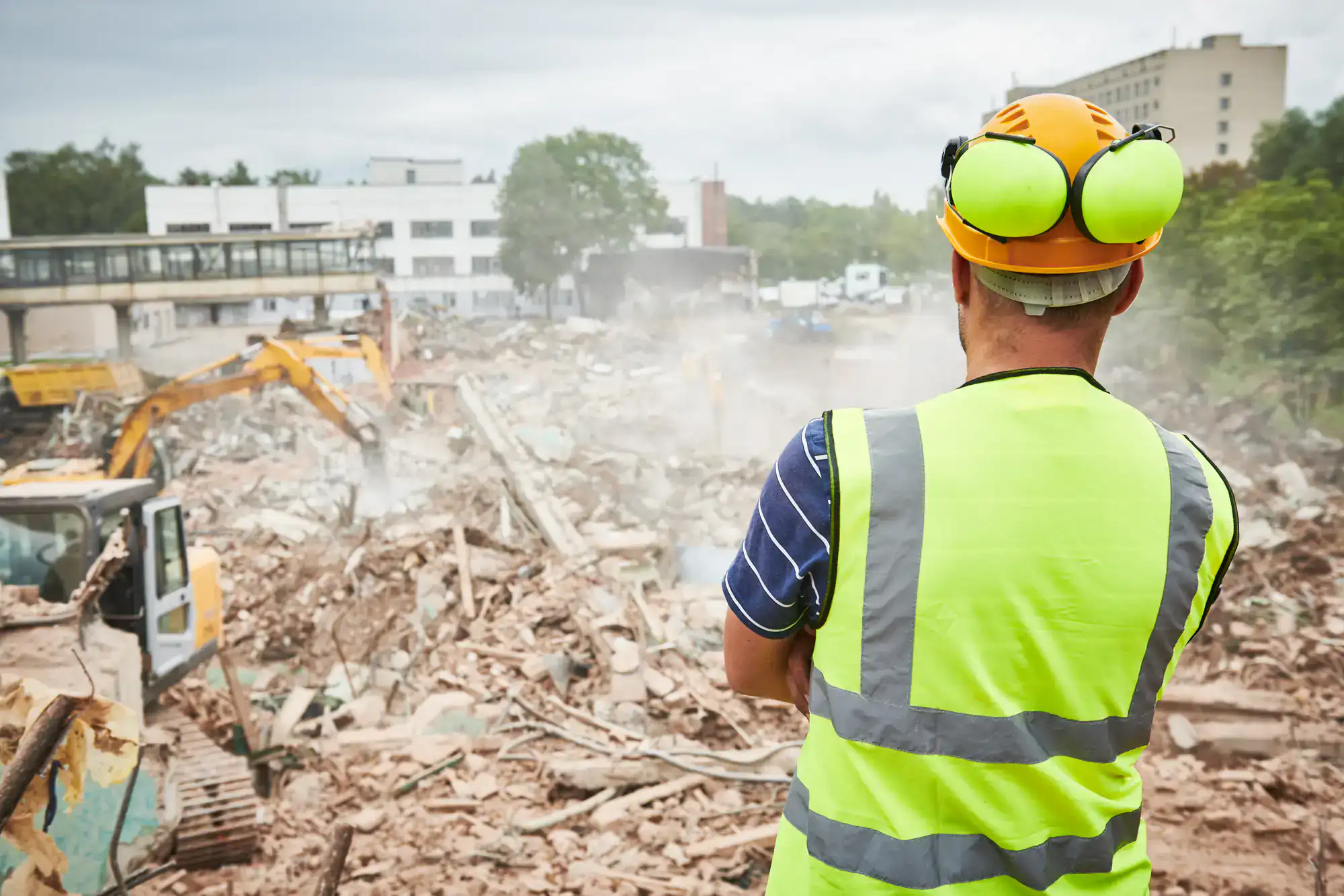
It starts with a free estimate and a walkthrough of the space. Before any demolition begins, we assess the scope of work and — critically for homes in the Eagleville area built before 1978 — evaluate whether testing for asbestos or lead is needed. If it is, that happens first. You get clear results, a clear plan, and a clear cost. No discovering problems halfway through demo.
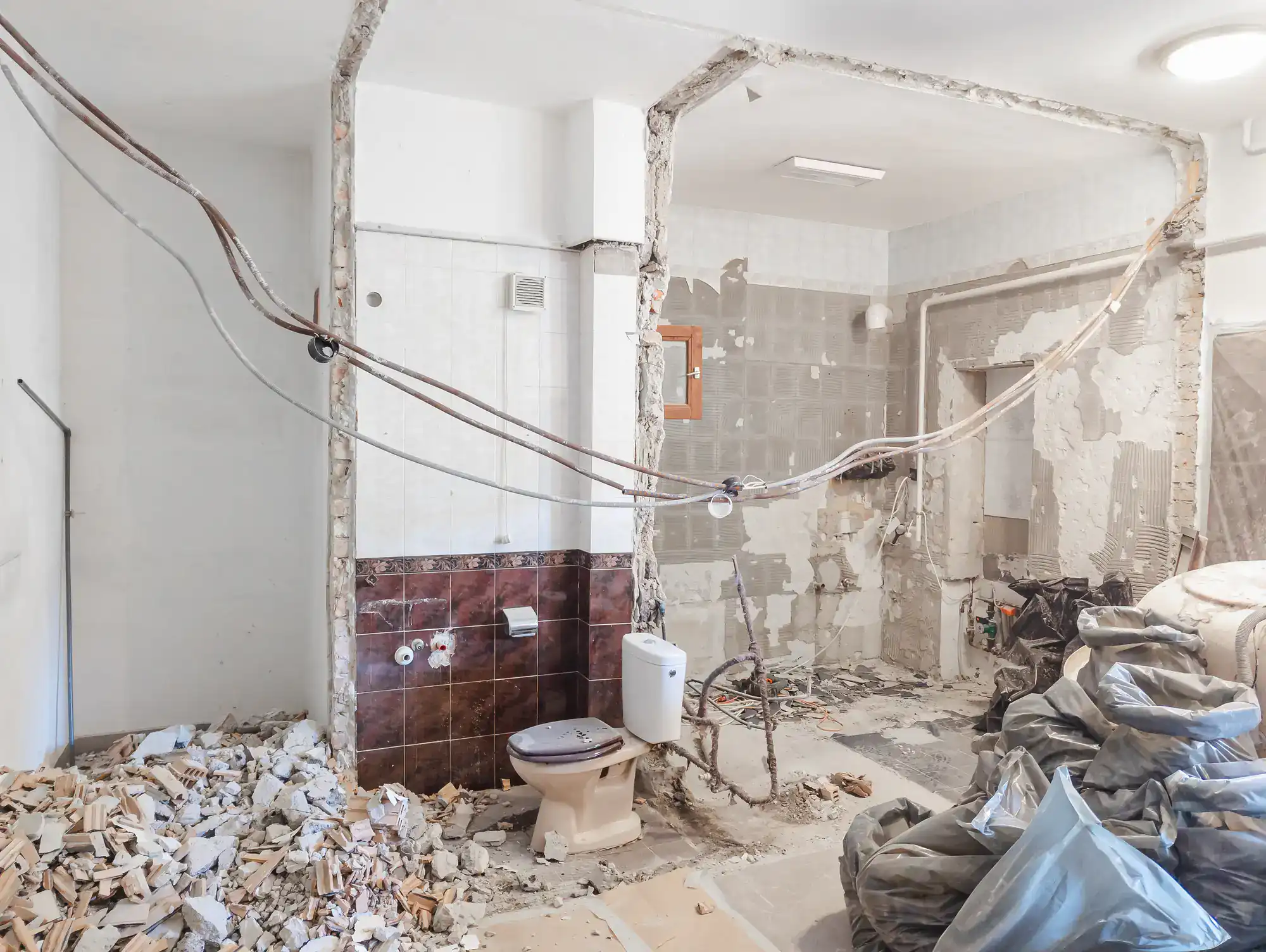
Once the hazmat picture is confirmed, we perform certified removal under proper containment. That means HEPA filtration, negative air pressure, and full protective protocols — not just pulling material and hoping for the best. After abatement is cleared, the demolition or gutting work proceeds on schedule. Whether that’s a full structural teardown, an interior gut for a basement renovation, or selective demo ahead of a remodel, we work to scope and keep the site clean throughout.
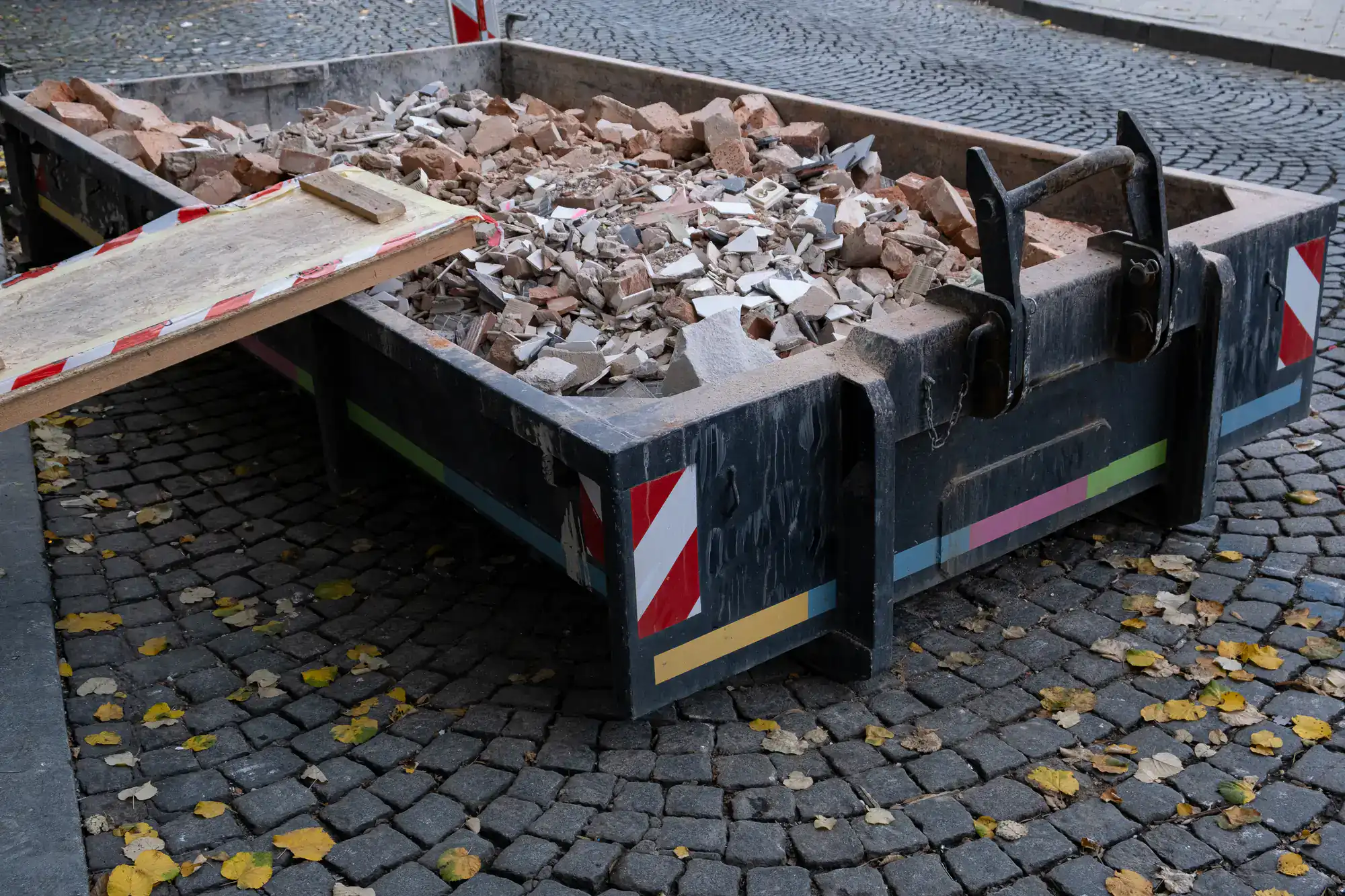
Lower Providence Township requires a demolition permit before any structure is removed, and we handle that process on your behalf. Permit pulled, inspections coordinated, paperwork handled. When the job wraps, debris is removed and the space is left ready for whatever comes next — whether that’s a contractor building it back out or a waterproofing system going in first. The whole project stays in one set of hands from start to finish.
Ready to get started?
We cover the full range of demolition and abatement work that homeowners and property owners in Eagleville and the surrounding area actually need. That includes interior gutting, selective demolition, full structural teardowns, asbestos testing and abatement, lead paint inspection and removal, mold remediation, water damage restoration, basement waterproofing, and construction debris removal. If your project touches any of those categories — and most significant demo projects in older Lower Providence Township homes touch more than one — we handle it without farming pieces of the job out to separate contractors.
For Eagleville residents dealing with the aftermath of a flooding event, the water damage side of the service matters just as much as the demo side. Gutting a water-damaged basement correctly means removing all affected material down to clean substrate, treating for mold, and then waterproofing before anything gets rebuilt. Skipping steps in that sequence is how you end up with the same problem six months later. We run the full sequence, not just the part that’s easiest to schedule.
We’re EPA and HUD compliant, which matters specifically for pre-1978 homes — a significant portion of the housing stock in Eagleville. Cash discounts are available, estimates are free, and the phone is answered 24 hours a day for emergency situations. If a pipe bursts or a storm pushes water into your lower level at 11 PM, you’re not leaving a voicemail.

Yes — Lower Providence Township explicitly requires a demolition permit before any structure is removed. This applies to full teardowns as well as significant interior alterations and structural changes. The permit process runs through the township’s building code official, and applications are generally acted on within 15 business days of a complete submission.
Because Eagleville is a census-designated place within Lower Providence Township — not an incorporated borough with its own code office — all permitting goes through the township at 100 Parklane Drive. If you’ve never pulled a permit before, the process can feel confusing, especially when you’re also trying to coordinate the actual work. We handle the permit application on your behalf as part of the project, so you don’t have to figure out the township’s requirements on your own. Unlicensed contractors typically can’t pull permits at all, which leaves the homeowner legally exposed for unpermitted work.
The honest answer is: you don’t, unless someone tests for it. If your home was built before 1978, there’s a meaningful probability that asbestos-containing materials are present somewhere — floor tiles, pipe insulation, ceiling texture, exterior siding — and that lead-based paint was used on interior or exterior surfaces. The risk isn’t theoretical. It’s a function of when the home was built and what materials were standard at the time.
The right move before any demolition or gutting work begins is to have a certified inspector assess the property. We hold EPA Certified Lead Inspector and Risk Assessor credentials, which means we can legally inspect, test, and certify the lead conditions in your home — not just remove materials after the fact. That’s a higher-tier federal qualification than the basic EPA RRP contractor certification most competitors carry. Testing happens before demo begins, results are documented, and if hazardous materials are found, we remove them under proper containment protocols before any walls come down.
The first 24 to 48 hours matter more than most people realize. Mold begins forming within that window, and the longer saturated materials stay in place, the more structural damage compounds. If your basement took on water — whether from a storm event, a backed-up sewer, or a burst pipe — the priority is getting the water out and beginning the drying and gutting process as quickly as possible.
Eagleville and the surrounding Lower Providence Township area sit within the Perkiomen Creek and Skippack Creek watershed. The creek system has produced multiple historic flood events in recent years, including record crests during Tropical Storm Isaias in 2020 and Hurricane Ida in 2021 — events that directly impacted roads and structures in this community. If you’ve been through one of those events or you’re worried about what the next storm season brings, the most important thing you can do is have a plan and a contractor’s number ready before it happens. We’re available 24 hours a day for exactly this situation — not a next-morning callback, but an actual response when the water is still coming in.
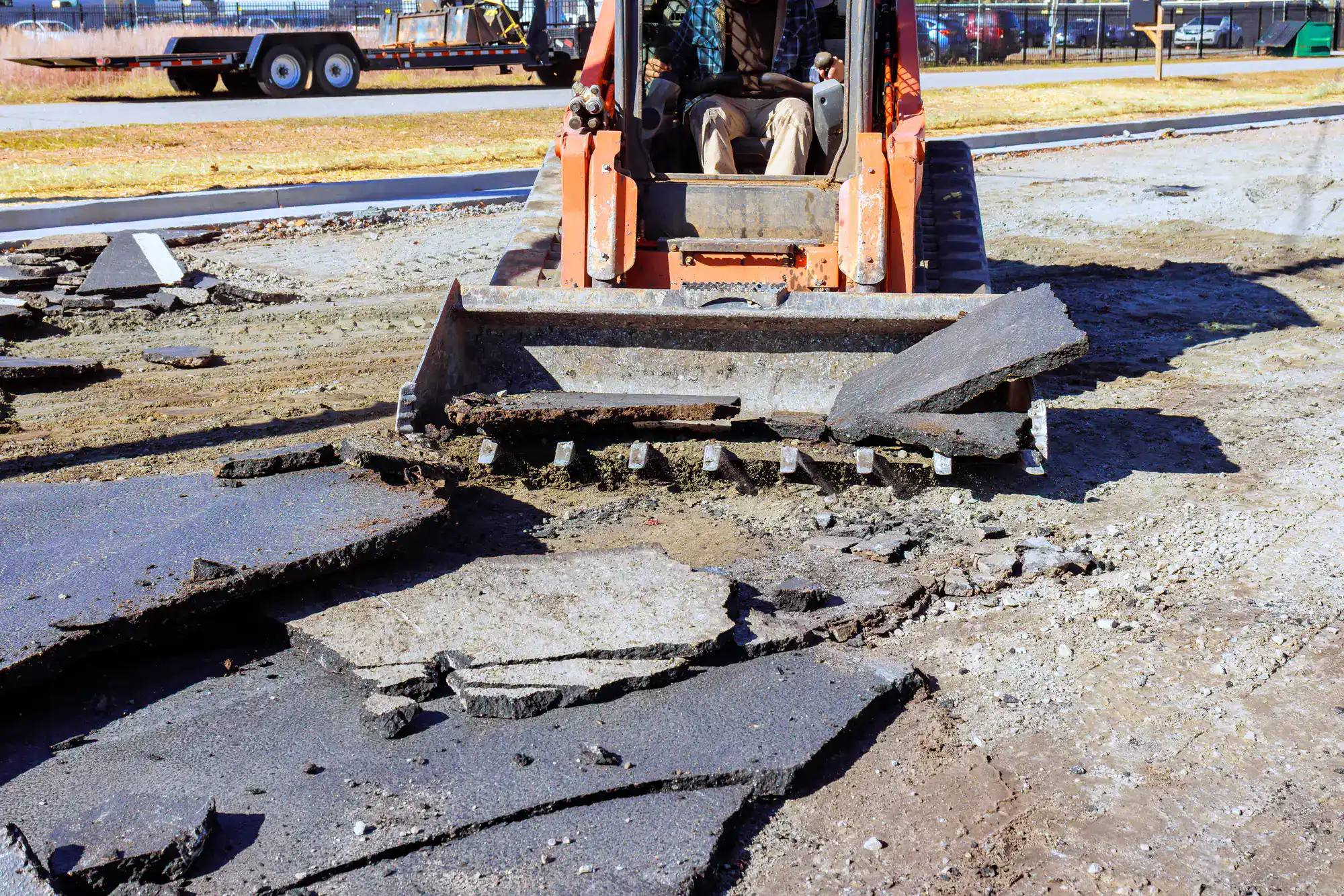
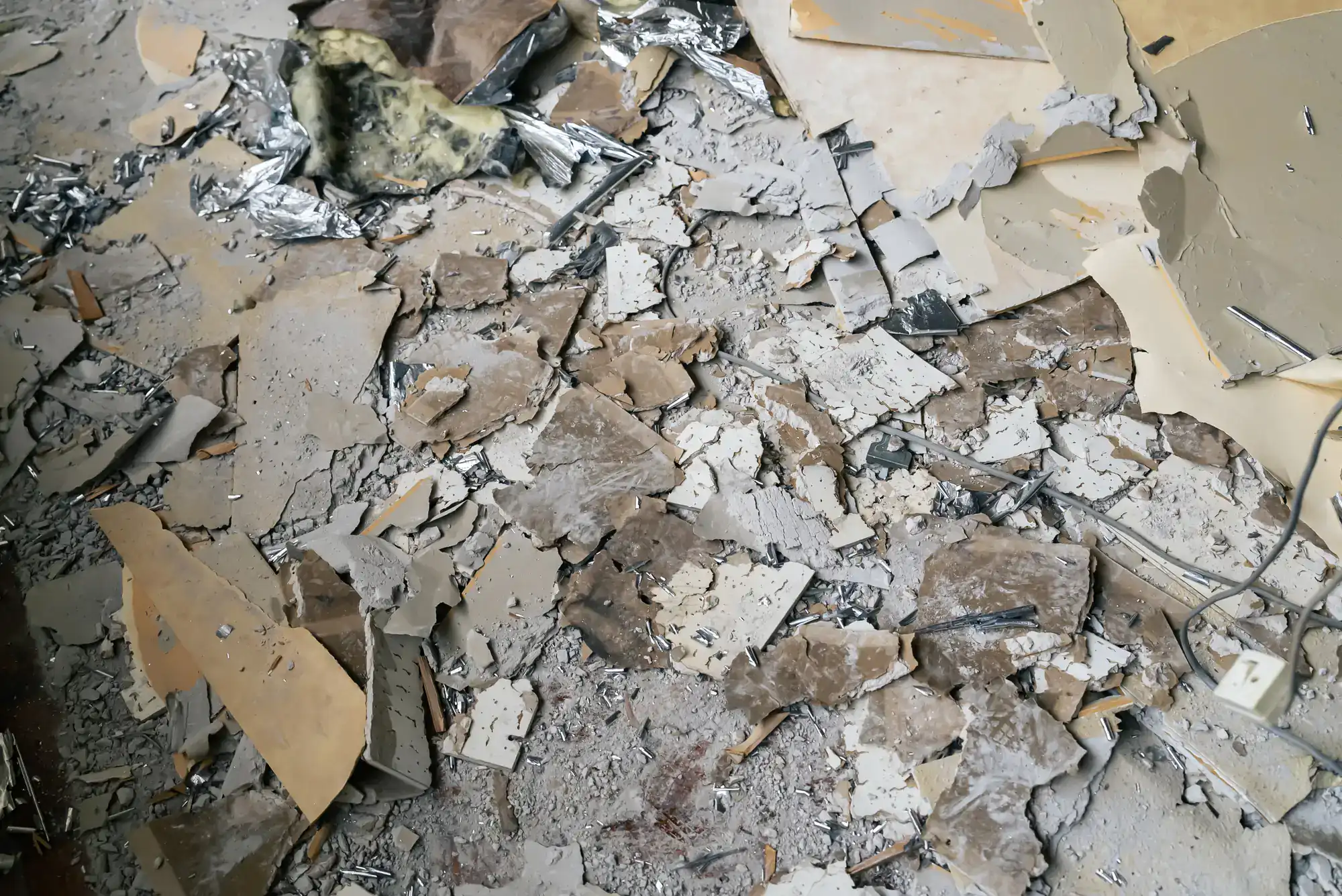
Interior gutting means removing everything inside a space — drywall, flooring, insulation, ceilings, fixtures — down to the structural framing, without taking down the building itself. It’s the right approach when you’re renovating a basement, clearing out a damaged area after water intrusion, or preparing a space for a full remodel. Full demolition means the structure itself comes down, either selectively (removing a portion or addition) or entirely.
For most homeowners in Eagleville dealing with aging mid-century housing stock, interior gutting is the more common need. A basement that flooded, a kitchen being completely redone, or a bathroom that’s been damaged over time — those projects typically call for gutting, not full teardown. The distinction matters because the permit requirements, the timeline, and the cost are different for each. We can assess your specific situation during the free estimate walkthrough and tell you exactly what the scope of work looks like before you commit to anything.
Costs vary based on the size of the space, the scope of work, and whether hazardous materials are involved. A straightforward interior gut of a single room or basement space will run differently than a full structural demolition or a project that requires certified asbestos abatement and lead removal before demo can begin. In the Montgomery County market, interior gutting projects for a single space often start in the range of a few thousand dollars and scale from there depending on square footage, material type, and debris volume.
What tends to catch homeowners off guard is the cost of hazmat work on top of the base demo price — especially in pre-1978 homes in Eagleville and Lower Providence Township, where asbestos and lead are a realistic finding, not a remote possibility. Getting a clear, itemized estimate before work begins is the only way to know what you’re actually committing to. We provide free estimates with a defined scope of work, so you understand the full picture upfront. Cash discounts are also available, which can make a meaningful difference on larger projects.
Yes, and it’s work we’re familiar with. The Perkiomen Creek watershed has produced some of the most significant flooding this region has seen in decades, and homes in Lower Providence Township — including those along and near Eagleville Road — have been directly affected. Water damage in flood-prone areas tends to be more extensive than a single event suggests, because repeated moisture exposure over time creates conditions that standard renovation contractors aren’t always equipped to handle properly.
When we work on a flood-affected home in this area, the process accounts for the full scope of what water damage actually does to a structure — not just what’s visible. That means checking for mold behind walls, under flooring, and in insulation cavities; removing all compromised material completely; treating the substrate before anything gets rebuilt; and waterproofing the space to reduce the risk of the same problem recurring. If your home is in an area that’s flooded before or sits near a drainage corridor, that context shapes how the job gets approached from the start.
Other Services we provide in Eagleville