Hear from Our Customers
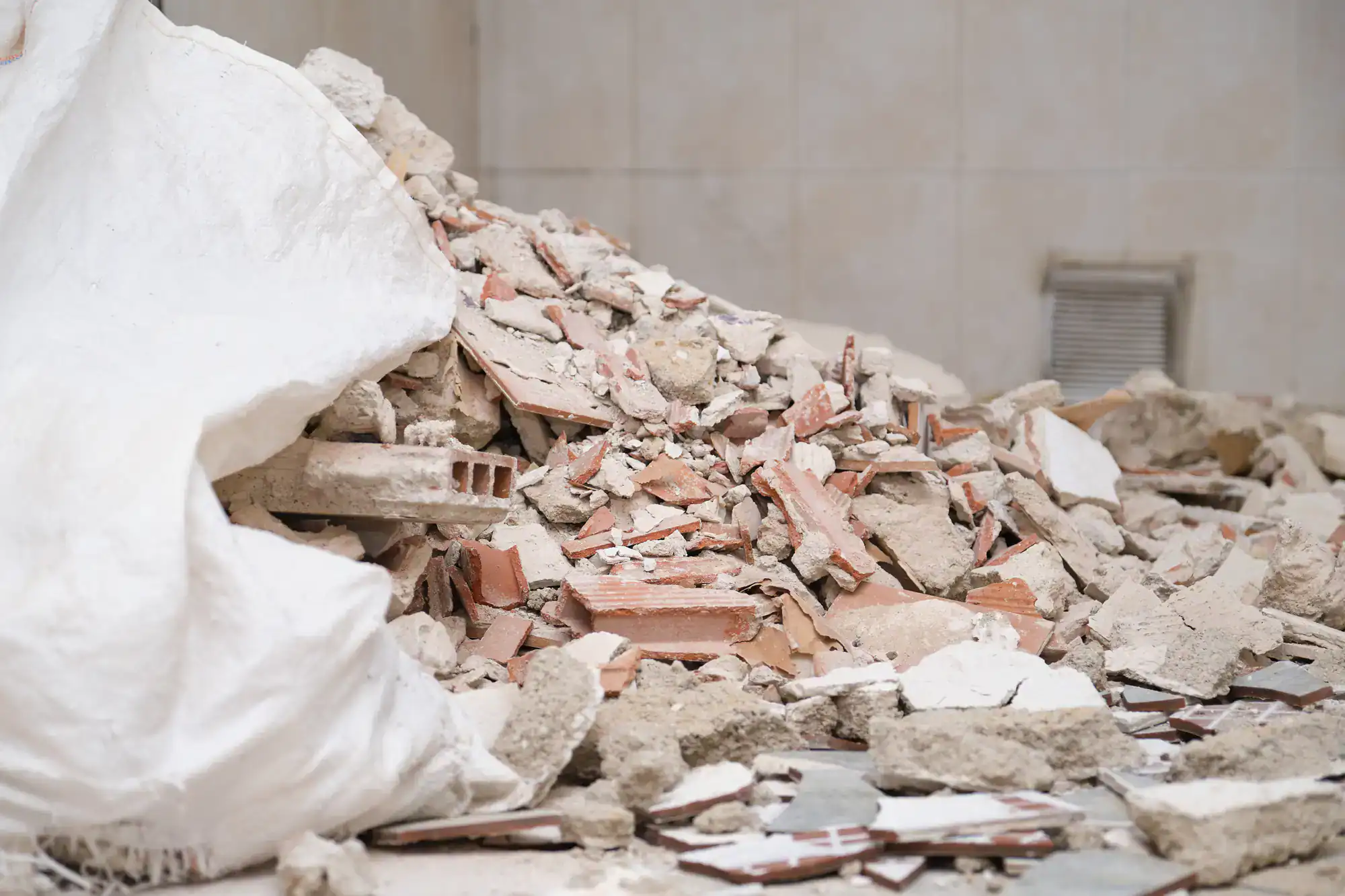
Most homeowners in Eagleville don’t call a demolition contractor because they want demolition. They call because they’re finally doing the kitchen gut they’ve been putting off, or because they opened a wall and found something they weren’t expecting, or because the basement has been slowly losing the fight against moisture and it’s time to start over. Whatever got you here, the outcome you actually want is simple: the space cleared, the hazards handled legally, and the project moving forward without a two-week pause while you track down a second contractor.
That’s exactly where our integrated model makes a real difference. Eagleville’s housing stock — with a median construction year of 1980 and a meaningful share of homes built in the 1950s, 60s, and early 70s — carries a predictable profile of asbestos-containing floor tiles, lead-based paint, and pipe insulation that wasn’t installed with future demo crews in mind. When we open a wall and find something, we don’t stop. We test it, remediate it, and keep moving. One crew. One contract. No frozen timelines.
The red shale soils throughout this part of Montgomery County, combined with Eagleville’s proximity to Skippack Creek, mean older basements here deal with moisture intrusion on a level that accelerates deterioration. A gut-out that also addresses the underlying waterproofing issue is a completely different outcome than one that just clears the damaged material and leaves the cause untouched. We handle both sides — which means when the job is done, it’s actually done.
We’ve been working in Chester, Delaware, Montgomery, New Castle, and Bucks counties for over twenty years. That’s twenty years of opening walls in post-war ranches throughout Eagleville, gutting mid-century basements near Evansburg State Park, and handling the kind of surprises that send less-prepared contractors scrambling. Montgomery County is home territory — not a stretch of the service map.
The credentials behind our work aren’t just marketing language. We hold a Pennsylvania state asbestos license under Act 194 and Act 161, carry Certified Lead Inspector and Risk Assessor designation, and operate under EPA and HUD compliance standards for pre-1978 residential properties. Fully licensed, bonded, and insured — all three, not just one. That matters when you’re investing in a home worth $400,000-plus in a neighborhood like Eagleville, where the permit authority is Lower Providence Township and the regulatory requirements are real.
If something comes up mid-project, we don’t hand you a problem. We handle it.
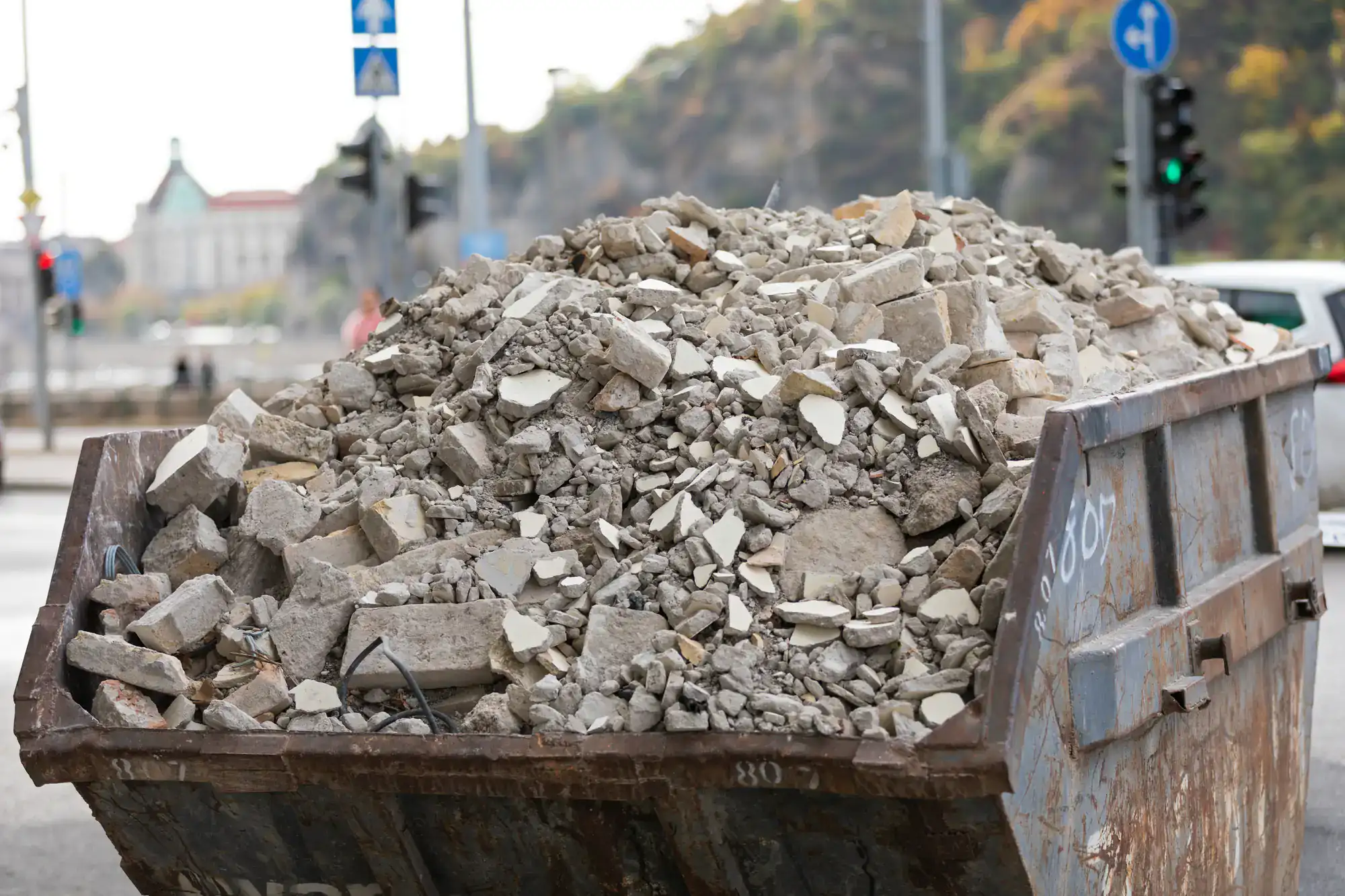
It starts with a free estimate and a real conversation about what you’re working with. For most Eagleville homes built before 1978, that conversation includes an honest assessment of where hazardous materials are likely to be — floor tiles, ceiling tiles, pipe insulation, joint compound, painted surfaces — and what testing or abatement will be required before demolition can proceed. Pennsylvania law is clear on this: asbestos and lead removal requires a state-licensed contractor, and that work has to happen before the demo crew starts swinging. We handle both, so there’s no waiting for a second firm to show up.
Once the scope is confirmed and any required Lower Providence Township permits are in order, our crew moves in with HEPA filtration systems and containment protocols that keep dust and particulates from migrating through your home’s HVAC and into living spaces. This isn’t a procedural footnote — in a family neighborhood where kids are coming home from Eagleville Elementary or Methacton High School to a house that’s mid-renovation, air quality during the job matters. Selective or full interior demolition proceeds methodically, with debris staged and removed cleanly.
If the project involves a basement gut-out — which is common in Eagleville’s older housing stock given the moisture conditions along the Skippack Creek watershed — waterproofing assessment and remediation can be integrated into the same project before the rebuild begins. The goal is a finished job, not just a cleared space.
Ready to get started?
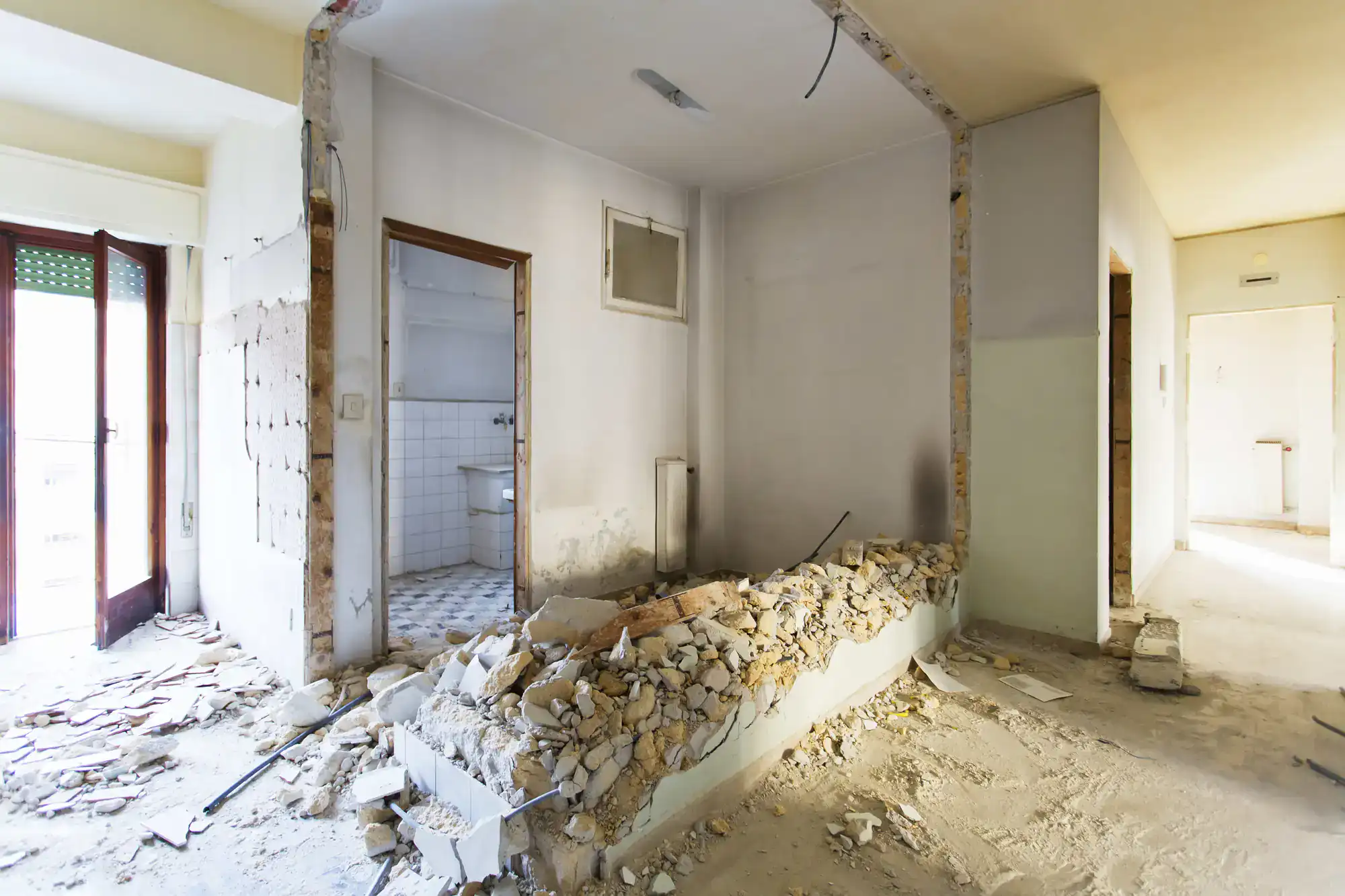
Interior demolition in Eagleville covers a wide range of project types — kitchen gut-outs, bathroom demolition, basement clearing, selective wall removal, and full interior gutting ahead of major renovations. What makes us different from the general demolition contractors and junk-removal-turned-demo operations that surface in local searches is the environmental side. We test for hazardous materials before the work begins, hold the state and federal credentials to remediate what we find, and keep the project on a single timeline from first inspection to final walkthrough.
For Eagleville homes built during the peak asbestos-use era — roughly 1945 through the early 1980s — that environmental capability isn’t optional. It’s the legal requirement. Pennsylvania’s asbestos licensing law applies to every property in Lower Providence Township, and the EPA’s Lead Renovation, Repair, and Painting rule applies to any home built before 1978 where painted surfaces are disturbed. We are EPA and HUD compliant and carry the Certified Lead Inspector and Risk Assessor designation, which means the compliance side of your project is covered before a single tile comes up.
Mold remediation and basement waterproofing round out our service offering when the gut-out reveals what Eagleville’s red shale soils and older drainage systems have been quietly doing to a foundation for the past forty years. Free estimates, cash discounts, a beat-any-estimate guarantee, and 24/7 availability mean you’re not waiting on hold or dealing with a contractor who disappears between calls.
Yes, and this is one of the details that catches Eagleville homeowners off guard. Because Eagleville is a census-designated place within Lower Providence Township — not an independent borough — your building permits are issued by the township, not a separate municipal office. Interior demolition that involves structural elements, load-bearing walls, or changes to plumbing, electrical, or HVAC systems requires a permit from Lower Providence Township before work begins.
On top of the township-level permit, there are state and federal requirements that apply independently. Pennsylvania’s Asbestos Accreditation and Certification Act requires that any asbestos abatement be performed by a state-licensed contractor. The EPA’s Lead Renovation, Repair, and Painting rule applies to any pre-1978 home where renovation disturbs painted surfaces. These aren’t optional — they apply to a large portion of Eagleville’s housing stock. We operate in compliance with all three layers of regulation, which means you’re not left navigating this on your own.
The honest answer is: you don’t know until it’s tested. But Eagleville’s housing stock gives you a reasonable starting point. If your home was built between the late 1940s and the early 1980s — which covers a significant share of the ranch homes, Cape Cods, and Colonial Revivals throughout the neighborhood — there’s a real probability that asbestos-containing materials are present somewhere. Common locations include vinyl floor tiles, ceiling tiles, pipe and duct insulation, joint compound, and exterior siding materials.
The only way to confirm is through professional testing before demolition begins. We conduct pre-demolition environmental assessments as part of our process — not as an add-on you have to schedule separately. If asbestos is found, we hold the Pennsylvania state license required to remediate it legally. If it’s not found, you have documentation that the space was tested and cleared, which matters if you ever sell the property or pull additional permits down the road.
The difference is legal exposure and health risk — both of which land on you as the property owner if something goes wrong. Pennsylvania requires a state-issued asbestos license for any contractor handling asbestos-containing materials, and the EPA requires Lead Renovation, Repair, and Painting certification for work in pre-1978 homes. A general laborer or unlicensed crew doesn’t hold these credentials. If they disturb asbestos or lead paint without proper containment and disposal, the liability for improper handling follows the property, not just the contractor.
In practical terms, an unlicensed crew might be cheaper on the front end. But if they open a wall in a 1965 ranch in Eagleville and disturb asbestos floor tiles without proper containment, you’re looking at potential EPA violations, remediation costs that dwarf what you would have paid a licensed contractor, and a property with a documented hazmat incident on its record. The math doesn’t work in favor of cutting corners here. We carry every required credential — state asbestos license, lead certification, EPA and HUD compliance — and we’re transparent about it.
Lead-based paint was federally banned for residential use in 1978, and asbestos was phased out of most residential construction materials through the early 1980s — but the cutoff isn’t as clean as those dates suggest. Asbestos-containing materials that were manufactured before the phase-out were still being installed in homes through the early 1980s as existing inventory was used up. So a home built in 1981 or 1982 in Eagleville could still contain asbestos floor tiles or ceiling materials that were produced years earlier.
For homes built after 1985, the risk drops substantially but doesn’t disappear entirely. Certain vermiculite insulation products, some older HVAC wrap materials, and legacy pipe insulation in homes that were partially renovated using older materials can still test positive. The only way to know for certain is to test before you demo. We include pre-demolition environmental assessment in our process for exactly this reason — because assumptions based on construction dates alone have a track record of being wrong.
Eagleville sits in a part of Montgomery County where red shale predominates in the subsoil, and the proximity to Skippack Creek and the broader Perkiomen watershed means groundwater pressure on older foundations is a recurring reality. For homes built in the 1950s through 1970s — which make up a large share of Eagleville’s housing inventory — the original waterproofing systems were not designed for the long-term moisture exposure these properties have experienced. By the time a homeowner decides to gut a basement, the walls, floor framing, and insulation have often absorbed years of moisture intrusion, and mold growth is a common finding behind finished surfaces.
This matters for demolition planning because a gut-out that clears the damaged material without addressing the underlying moisture source is a temporary fix. Within a few years, the same conditions reproduce the same damage. Our integrated model includes mold remediation and basement waterproofing alongside the demolition scope, so the project addresses the cause rather than just clearing the symptoms. For Eagleville homeowners dealing with a basement that’s been fighting moisture for decades, that’s the difference between a renovation and a real solution.
Yes — every project starts with a free estimate, no obligation attached. For Eagleville homeowners, that estimate includes an honest assessment of what the project actually involves: the scope of the demolition, whether environmental testing is warranted based on the home’s age and construction type, what Lower Providence Township permit requirements apply, and a clear picture of the total cost before any work begins. There are no surprise line items added after the job starts.
We also offer cash discounts for qualifying projects and back every quote with a beat-any-estimate guarantee — meaning if you get a legitimate competing quote for the same scope of licensed, certified work, we’ll beat it. The emphasis on “licensed and certified” matters here, because a quote from an unlicensed operator isn’t a fair comparison for a project that legally requires state and federal credentials. Eagleville’s housing stock is old enough that most serious interior demolition projects touch environmental compliance in some way, and the contractor handling that work needs the proper credentials. We have them, and our pricing reflects real, legal, fully covered work — not a number that grows once the walls come down.
Other Services we provide in Eagleville