Hear from Our Customers
When water comes up from Black Hole Creek or a pipe lets go in January, the damage doesn’t wait. In a home built in the 1950s or earlier — which describes most of the housing stock in Montgomery — water-damaged walls and flooring often mean disturbed asbestos or lead paint before a single board gets pulled. That’s where most contractors stop and tell you to call someone else. We don’t.
Getting your home back to a livable state shouldn’t require you to coordinate an inspector, an abatement crew, a demo team, and a debris hauler. We handle all of it under one roof. You make one call, we assess what’s there, we handle the hazardous materials legally and safely, and we tear out what needs to go — contained, documented, and done right.
The end result isn’t just a cleaned-out space. It’s a project that was handled by certified professionals who didn’t cut corners on the stuff that actually matters — the stuff that protects your family, your home’s value, and your standing with your insurer. In Montgomery, where older homes are the norm and flooding is a real seasonal threat, that kind of complete, certified response isn’t a luxury. It’s exactly what the situation calls for.
We’ve been doing this work for over two decades. That means we’ve been inside hundreds of pre-war and mid-century homes across Pennsylvania — the kind with horsehair plaster, asbestos floor tiles, and lead-painted trim that surprises contractors who haven’t seen it before. Nothing in a 70-year-old home in Montgomery is going to catch us off guard.
We’re EPA Certified Lead Inspectors and Risk Assessors — not just removal contractors. That distinction matters because it means we can legally inspect, test, and certify lead conditions in your home, not just show up after someone else does the assessment. Combined with our EPA and HUD compliance credentials, we’re equipped to handle the full scope of what older homes in Montgomery and the surrounding area typically require.
We’re fully licensed, bonded, and insured. We pull permits. We answer the phone at 2 AM when a pipe bursts and you’re standing in three inches of water wondering what to do next. That’s the version of this job we signed up for.
It starts with a free estimate and an honest conversation about what you’re dealing with. If your home was built before 1978 — and the majority of homes in Montgomery were — we’ll talk about what materials are likely present and whether testing is needed before any work begins. Federal law requires certified contractors to handle asbestos-containing materials and lead paint during demolition or renovation. We handle that assessment upfront so there are no stops, no fines, and no liability surprises down the road.
Once we know what we’re working with, we handle the permits. For work in Montgomery Borough or the surrounding area, demolition permits are required under Pennsylvania’s Uniform Construction Code. We pull those on your behalf — you don’t have to figure out which office to call or what forms to file.
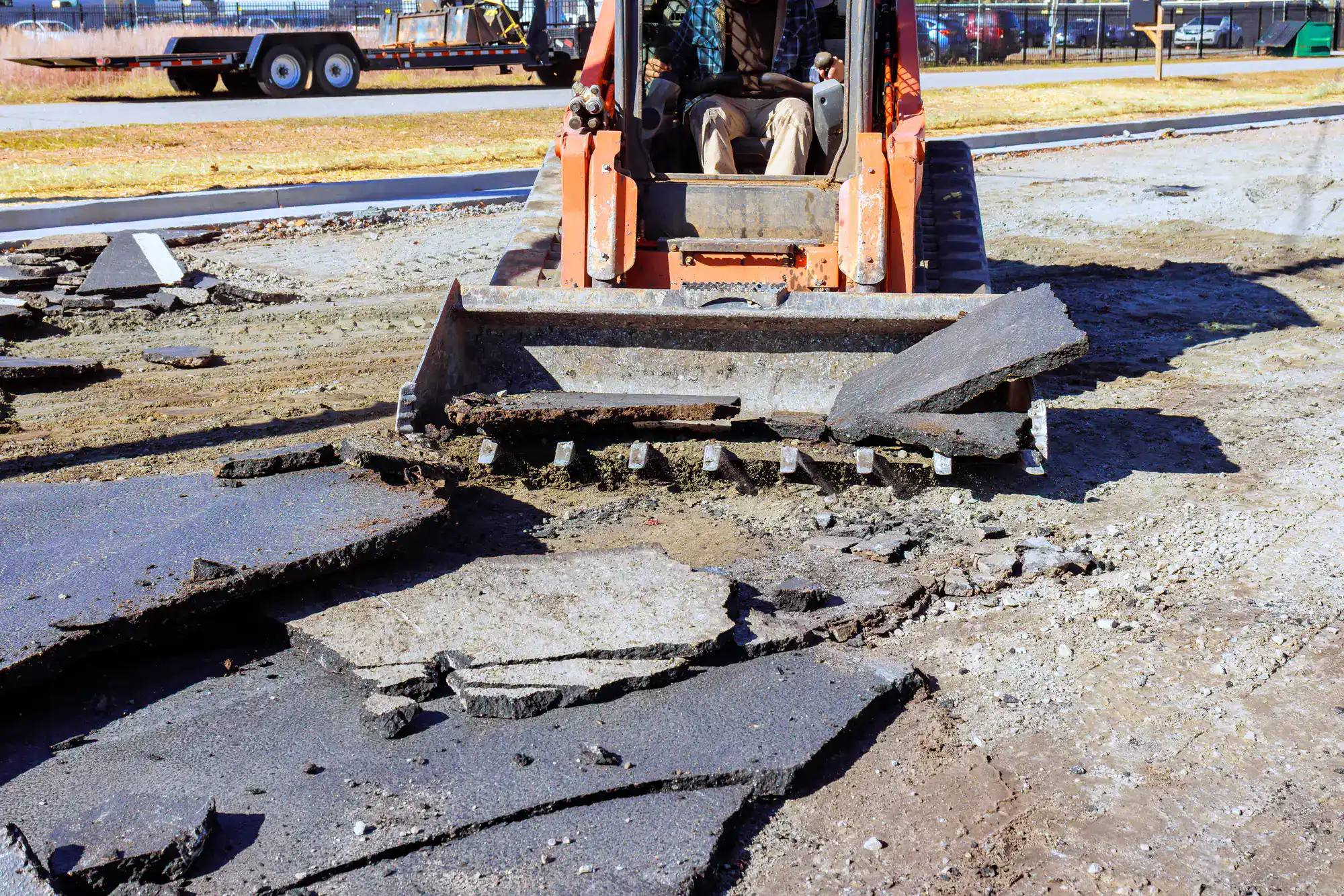
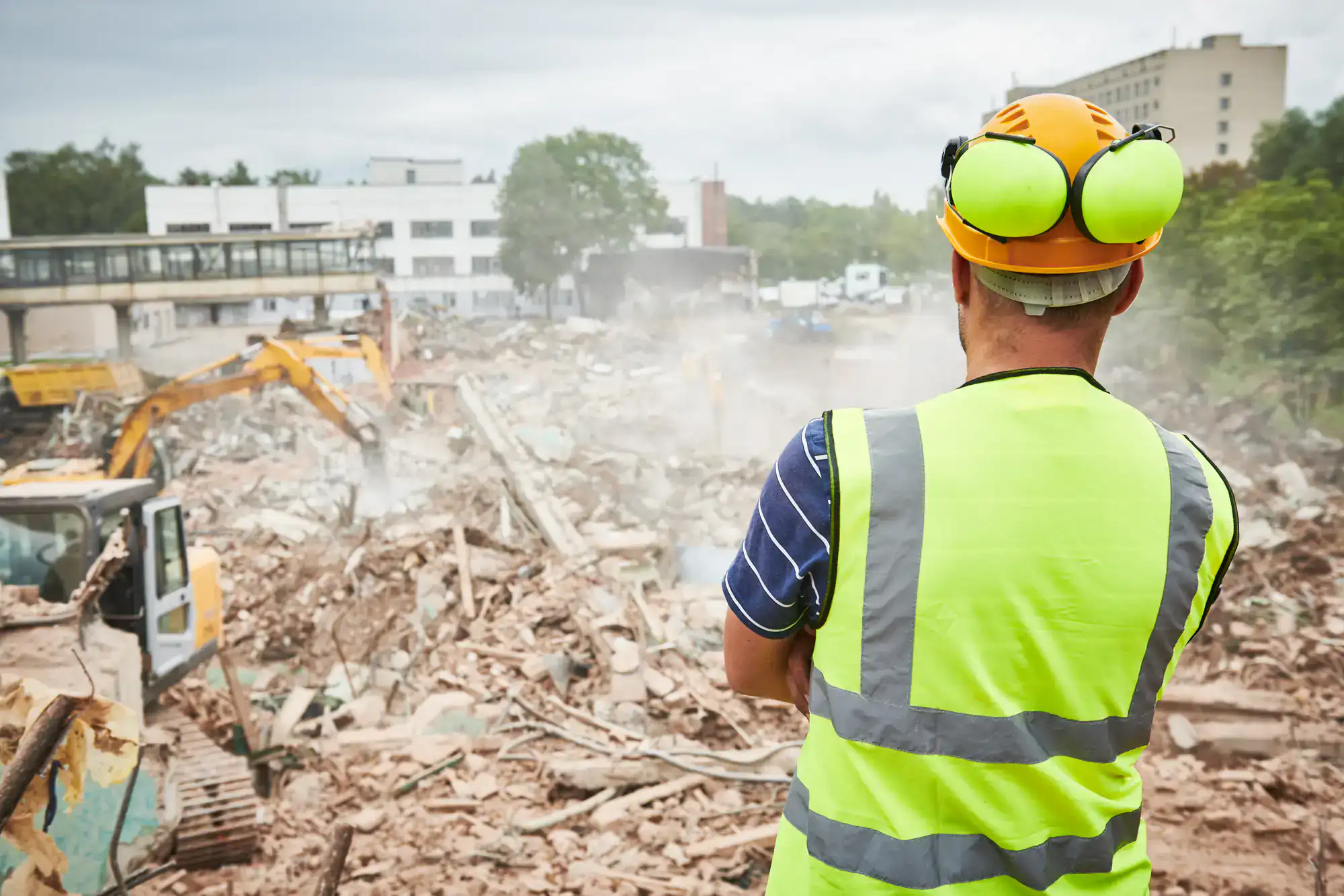
Then the work begins. Abatement comes first when hazardous materials are present — HEPA-contained, properly documented, and fully compliant. Demolition or gutting follows once the space is clear. If water damage triggered the project, we work quickly because every day that passes after a flood or pipe failure increases mold risk in an older structure. When the debris is out and the space is clean, you’ll have documentation of everything that was done — the kind of paperwork that matters when you’re dealing with insurance or preparing to sell.
Ready to get started?
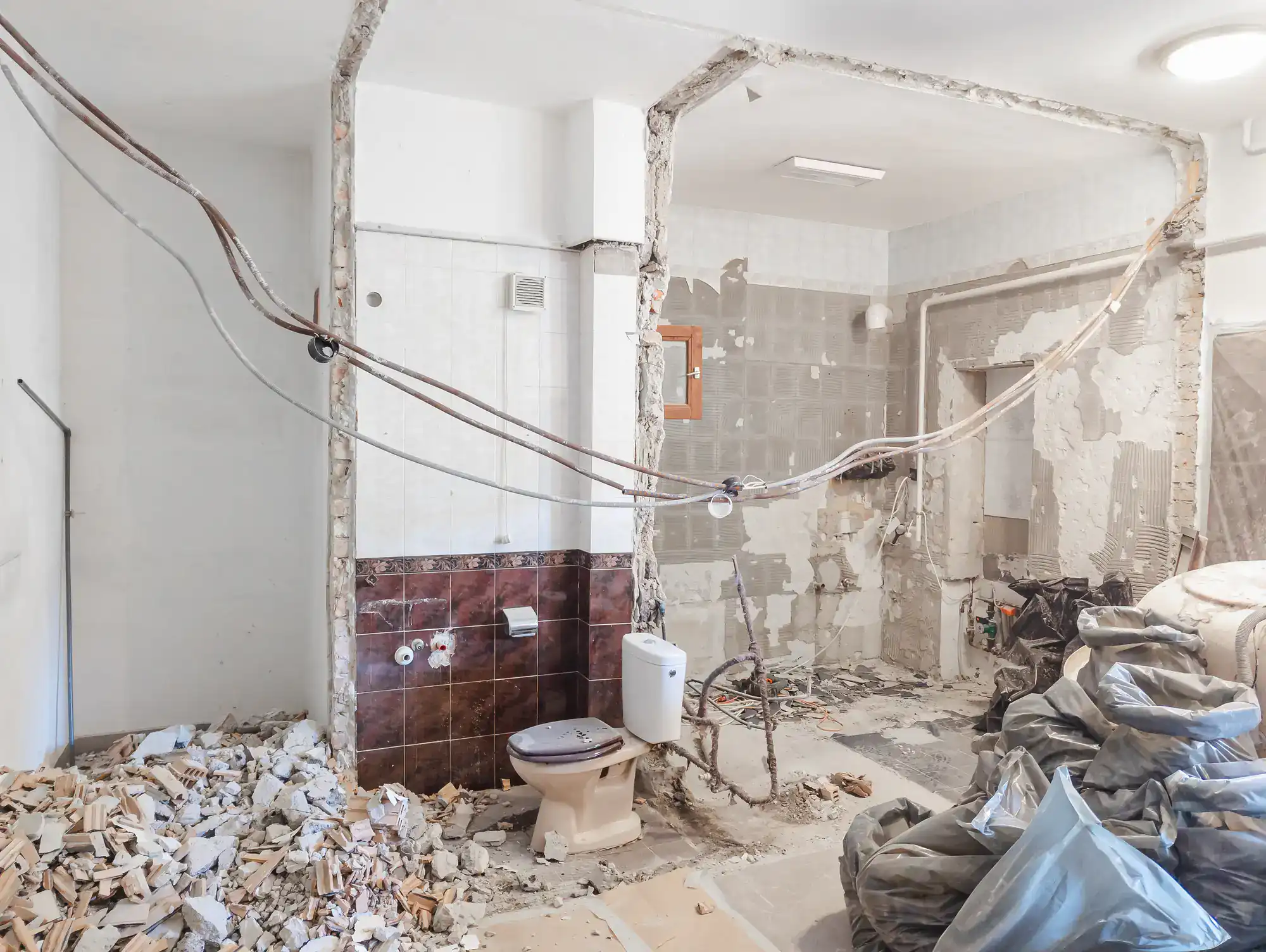
For homes in Montgomery, a demolition or gutting project rarely involves just one thing. The age of the housing stock here means asbestos and lead are common — not rare edge cases. Our full-scope service starts with environmental testing and inspection, moves through certified abatement of any hazardous materials found, and continues into interior demolition, debris removal, and final cleanup. If mold is present from water intrusion — common in basements and lower-level spaces near the West Branch Susquehanna watershed — we handle that as part of the same engagement.
We use HEPA filtration systems throughout abatement work to keep contaminated particles contained to the work area. In older homes with poor air sealing, this isn’t optional — it’s the difference between a safe project and one that spreads asbestos fibers or lead dust through the rest of your living space. Every job is supervised on-site by a licensed professional, not handed off to a crew working without oversight.
We also offer cash discounts — a straightforward pricing advantage in a market where most homeowners are making careful renovation decisions on a real budget. Median home values in Montgomery sit around $70,000 for recent sales, which means the people buying and renovating homes here are investing thoughtfully. Transparent pricing and a cash option are our way of making sure you know exactly what you’re spending before a single wall comes down.

If your home was built before 1978, the honest answer is: probably. The average home age in Montgomery is around 73 years, which places the typical construction year somewhere in the early 1950s. Asbestos-containing materials were commonly used in floor tiles, pipe insulation, ceiling tiles, roofing shingles, joint compounds, and textured coatings well into the 1970s. Lead paint was standard in residential construction before the federal ban in 1978.
That doesn’t mean your home is dangerous to live in as-is. It means that the moment renovation, gutting, or demolition work disturbs those materials, federal law requires certified contractors to handle them. Hiring someone without the right credentials — even if they’re cheaper — creates real legal and health exposure for you as the homeowner. An EPA Certified Lead Inspector can assess what’s actually present before any work begins, so you know what you’re dealing with rather than finding out mid-project.
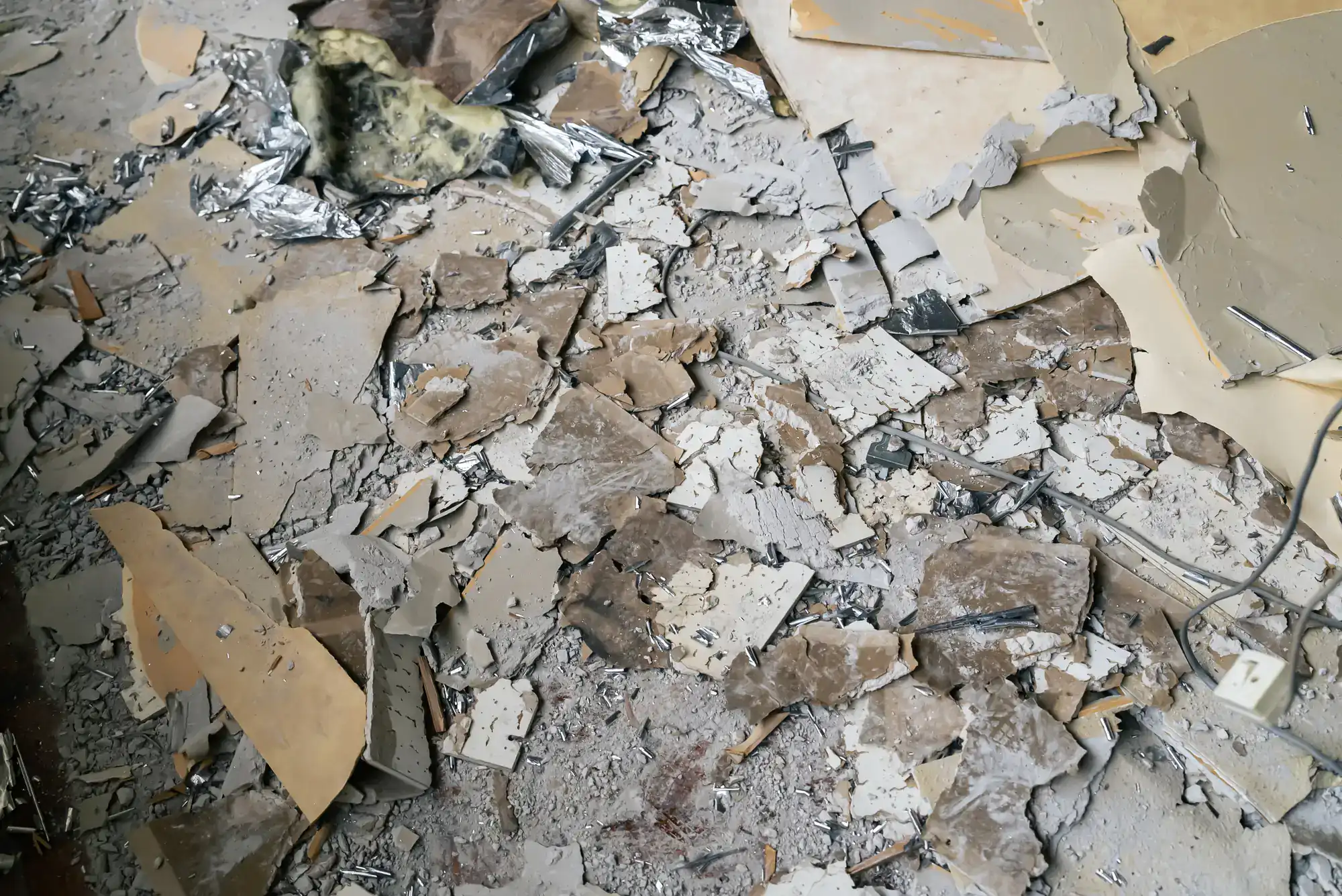
Water damage in Montgomery is a real and recurring issue. The borough sits in the West Branch Susquehanna River valley, and Black Hole Creek runs directly through it. When flooding hits — whether from a heavy spring rain event, a remnant tropical system, or a frozen pipe letting go in January — the clock starts immediately. Mold begins forming within 24 to 48 hours in a wet structure, and in an older Montgomery home, the materials that need to come out often contain asbestos or lead.
That combination — urgent timeline plus hazardous materials — is exactly why you need a contractor who can do both. If you call a general demo crew, they may not be certified to handle the abatement. If you call an abatement company first, you’re adding days to a situation that gets worse by the hour. We handle both in one engagement, which means the gutting and the hazmat work happen on the same timeline rather than waiting on two separate contractors to coordinate schedules.
Yes. Structural demolition work in Montgomery Borough and the surrounding area requires permits under Pennsylvania’s Uniform Construction Code. Montgomery Borough’s building permit office is located on Route 54. The specific requirements vary depending on the scope of work — a full structural demolition has different requirements than an interior gutting — but the permit requirement applies in either case.
The practical challenge for most homeowners is that navigating the permit process takes time and familiarity with local municipal offices. As a licensed contractor, we can pull demolition permits on your behalf. That means you’re not spending time figuring out which forms to file or which office to call — we handle it as part of the project scope. Unlicensed contractors typically can’t pull permits at all, which leaves homeowners exposed to code violations and potential stop-work orders mid-project.
This is one of the most important questions you can ask before signing anything. In Pennsylvania, there’s no state-level financial or criminal background check required for home improvement contractors — which means the bar to calling yourself a demolition contractor is low. The credentials that actually matter are specific and verifiable: EPA certification for lead inspection and risk assessment, EPA RRP certification for renovation work in pre-1978 homes, and Pennsylvania DEP certification for asbestos abatement contractors.
We hold EPA Certified Lead Inspector and Risk Assessor credentials — a step above the basic RRP contractor certification that most competitors carry. That means we can legally inspect and certify lead conditions, not just remove them. We’re also EPA and HUD compliant, which matters if your property involves federally-assisted housing or falls under HUD’s lead-safe housing rules. Ask any contractor you’re considering to show you their certifications before work begins. If they can’t produce them, the liability for any federal violations during the project lands on you as the property owner.
Cost varies significantly depending on the scope of work, the size of the space, and what materials are present. A straightforward interior gutting of a single room is a very different project from a full structural demolition or a flood-damaged basement that requires asbestos abatement before anything can be removed. What we can tell you is that every estimate from us is free, itemized, and given upfront — no vague ballpark figures that balloon after the contract is signed.
For homeowners in Montgomery, it’s worth understanding that the cost of certified abatement work is built into the project for a reason. Federal law requires it for pre-1978 homes, and the cost of hiring an uncertified contractor — in terms of potential fines, health liability, and insurance complications — can far exceed any savings on the front end. We also offer cash discounts, which is a real pricing advantage for homeowners who want to keep project costs manageable. The best way to get an accurate number for your specific situation is to call us and walk through what you’re dealing with.
It’s a fair question. We’re based in Glenside, and we’re not going to pretend otherwise. What we can tell you is that the credentials we carry — EPA Lead Inspector and Risk Assessor certification, full licensure, bonding, insurance, and two decades of experience in older Pennsylvania homes — are not easy to find in any market, let alone a smaller one. The reality in many rural and semi-rural parts of north-central Pennsylvania is that certified abatement and demolition contractors with a full-service model are genuinely hard to come by locally.
What you get with us isn’t a contractor who happens to be nearby. It’s a contractor who has the certifications to handle your pre-1978 home legally, the equipment to do it safely, and the experience to know what we’re going to find before the first wall comes down. For a homeowner in Montgomery dealing with flood damage, an aging structure, or a renovation that’s uncovered something unexpected, that combination is worth more than proximity. We make the drive because the work matters — and because cutting corners on certified abatement in a 70-year-old home isn’t something you want the closest available option doing.
Other Services we provide in Montgomery