Hear from Our Customers
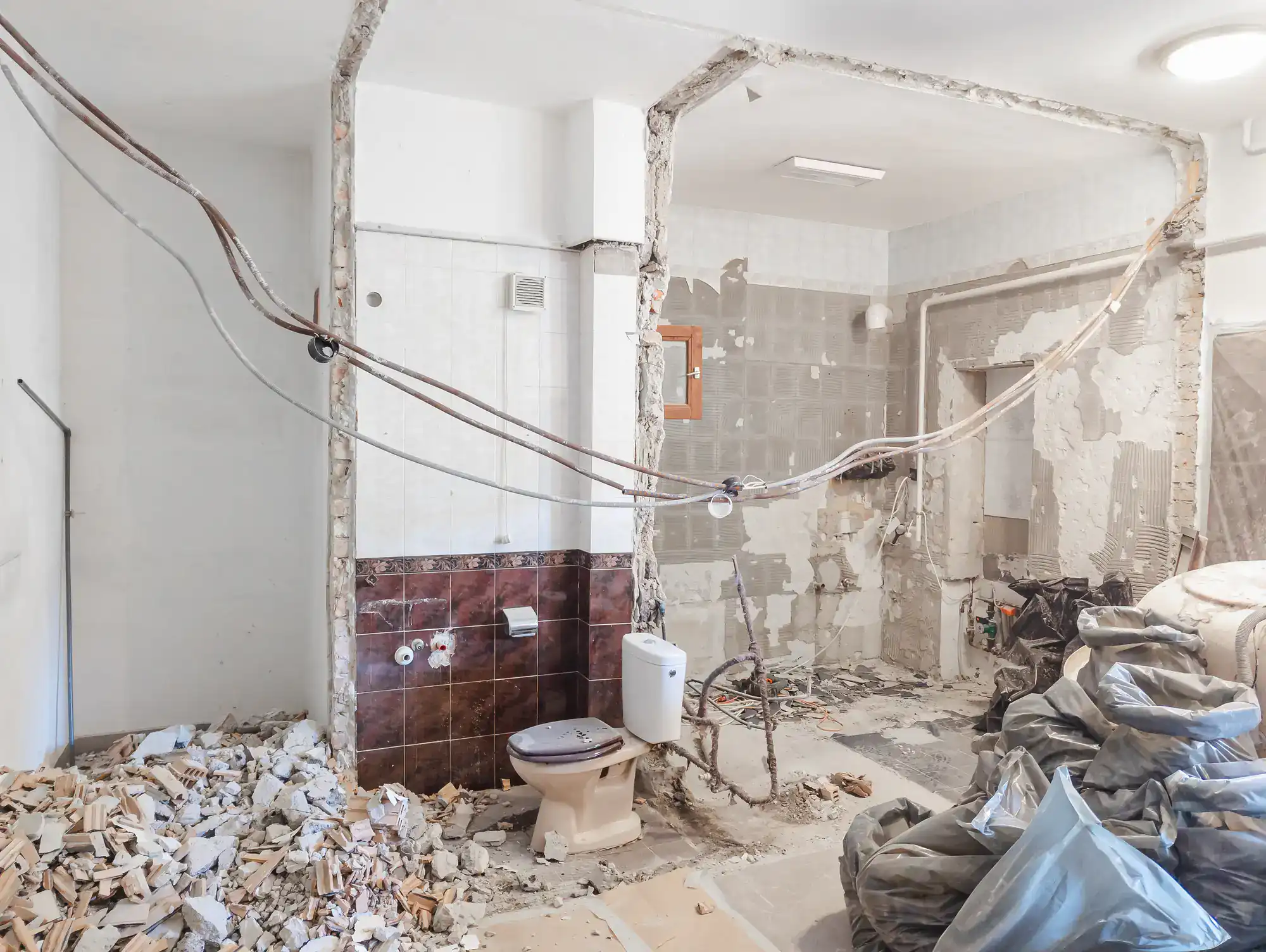
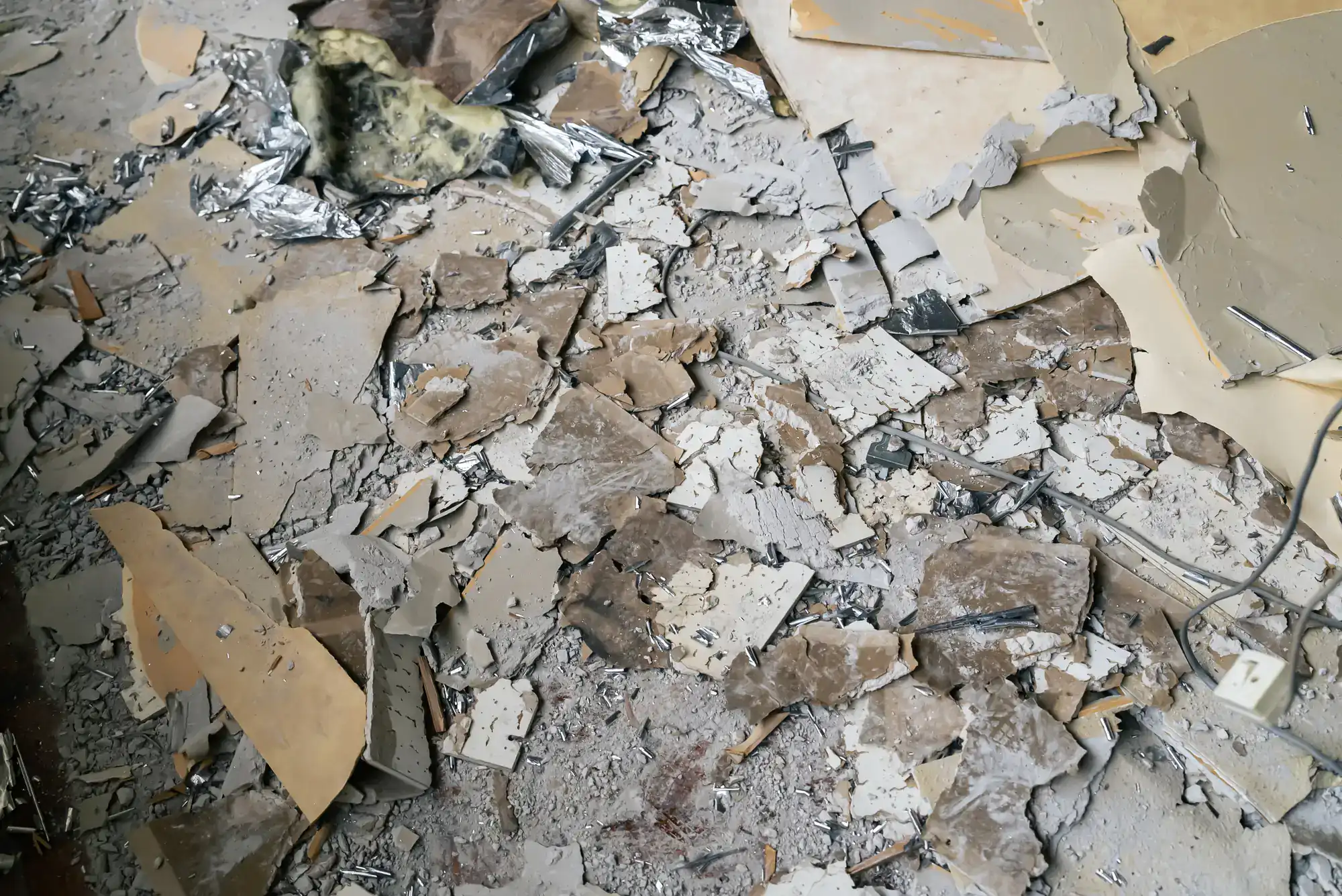
When water gets into an older home along the Perkiomen Creek corridor, the damage rarely stops at wet flooring. Drywall saturates. Insulation traps moisture. Mold starts forming within 24 to 48 hours. And in Lower Frederick, where a meaningful portion of the housing stock predates 1978 — some of it by a century or more — that wet drywall and old insulation may also contain asbestos or lead. That’s the reality of owning property in a place with the kind of deep settlement history this township has.
What you get when you call us is a contractor who can handle all of it in a single engagement. Testing, abatement, gutting, demolition, debris removal, and waterproofing — without handing you off to someone else at every stage. That matters everywhere, but it matters especially here in Lower Frederick, where getting multiple specialty contractors to drive out to a rural township in western Montgomery County takes time you don’t always have.
The practical outcome is straightforward: your damaged structure gets properly assessed, the hazardous materials get handled by someone actually certified to handle them, and the gutting and demolition get done cleanly, with permits pulled and HEPA filtration running throughout. You’re not left managing the process. You’re left with a property that’s ready for whatever comes next.
We’ve been working on residential and commercial properties throughout Montgomery County for over two decades. We’re owner-operated, fully licensed, bonded, and insured, and we hold EPA Certified Lead Inspector and Risk Assessor credentials — which means we can legally inspect, test, and certify lead conditions in a structure before any demolition or gutting begins. That’s a different qualification than a basic renovation contractor, and in Lower Frederick, where homes along Gravel Pike and Big Road can date back generations, it’s the qualification that actually matters.
Our service area covers Chester, Delaware, Montgomery, New Castle, and Bucks counties, and the Perkiomen Valley is familiar territory. The older farmhouses in Zieglerville, the flood-exposed properties near the creek, the mid-century residential stock that went up during Lower Frederick’s growth years — we’ve worked on all of it. We offer free estimates, cash discounts, and 24/7 availability for emergency response. No subcontracting to unlicensed labor. A licensed supervisor is on-site from start to finish.
It starts with a free estimate and a thorough walkthrough of your property. Before anything gets torn out, we assess what’s there — not just the visible damage, but what the structure is made of and when it was built. In Lower Frederick, where a home built before 1978 is the norm rather than the exception, that assessment almost always includes checking for asbestos-containing materials and lead paint. If testing is needed, we handle it directly. You don’t need a separate inspector.
Once the scope is clear, permits get pulled through Lower Frederick Township under Pennsylvania’s Uniform Construction Code. If your property sits in or near a floodplain overlay zone — which applies to a number of parcels near the Perkiomen Creek and its tributaries like Swamp Creek and Mine Run — that gets factored into the permitting process from the start. We know the local regulatory environment and handle the paperwork so you don’t have to figure out which forms apply to your situation.
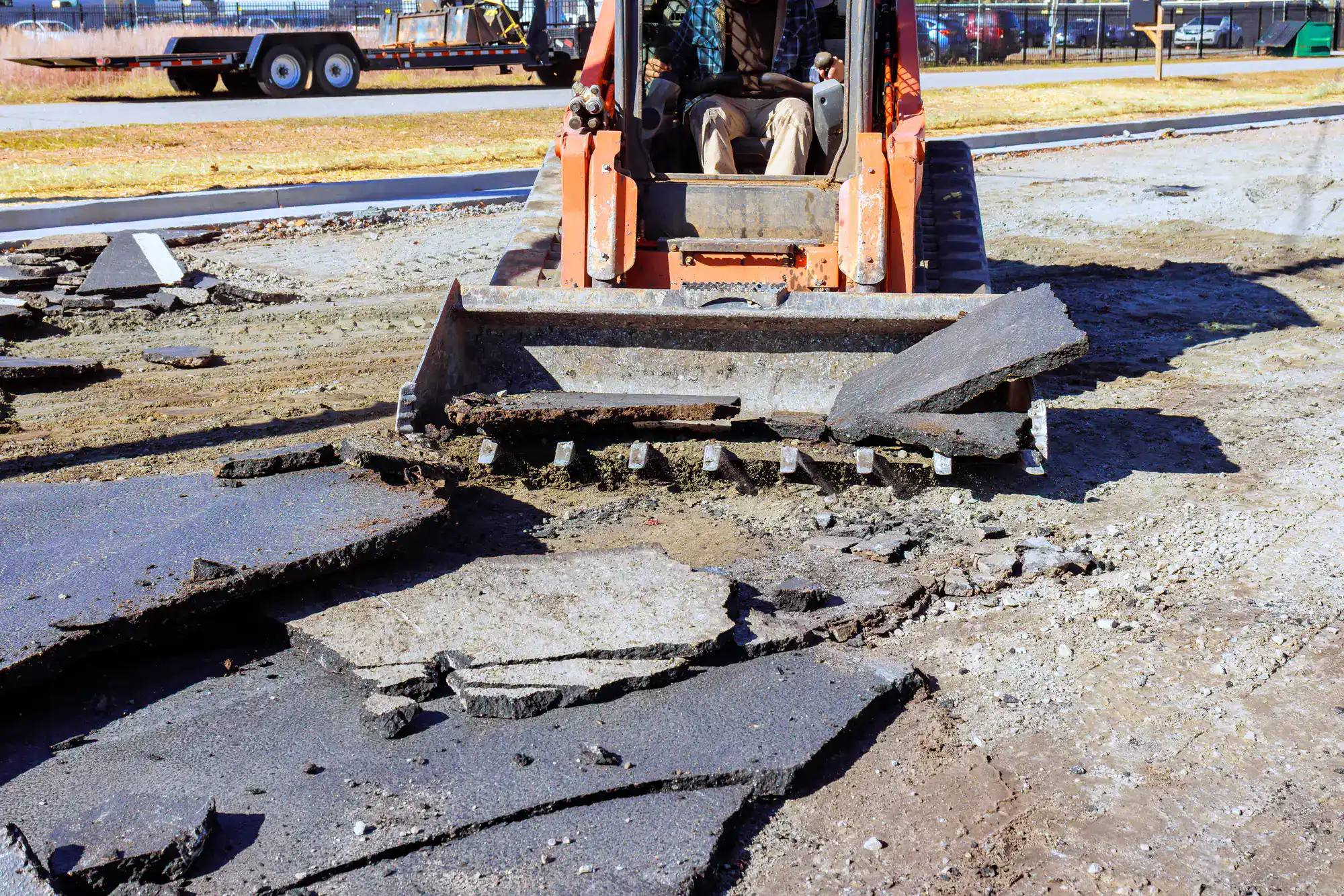
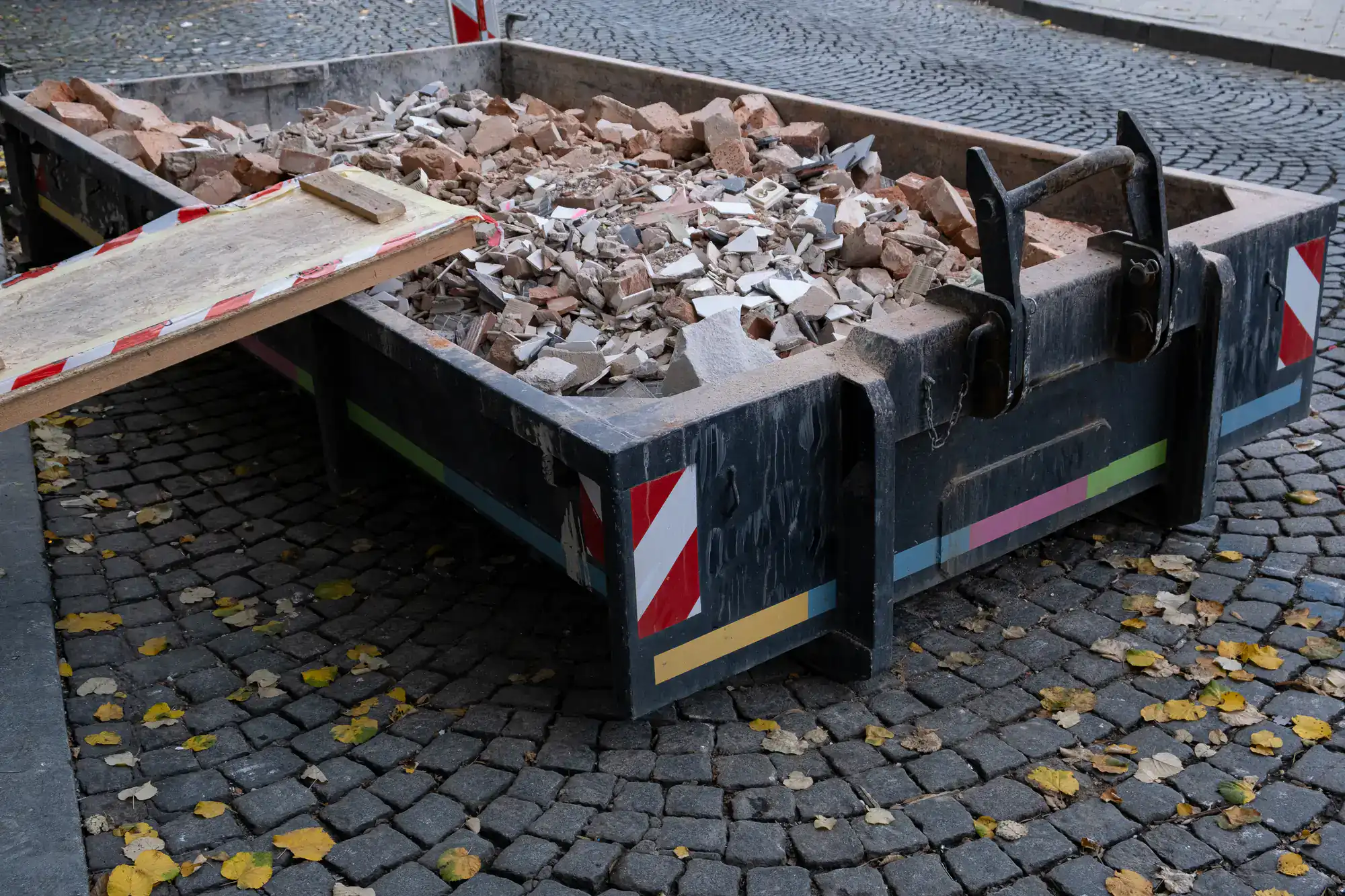
Then the work begins. HEPA filtration systems run throughout any abatement or gutting phase to contain airborne particles before they spread. Hazardous materials are removed and disposed of according to EPA and HUD standards. Structural elements, flooring, drywall, insulation — whatever needs to come out comes out cleanly and completely. Debris is removed from the site. What you’re left with is a gutted, cleared space that’s ready for restoration, renovation, or whatever the next phase of your project requires.
Ready to get started?
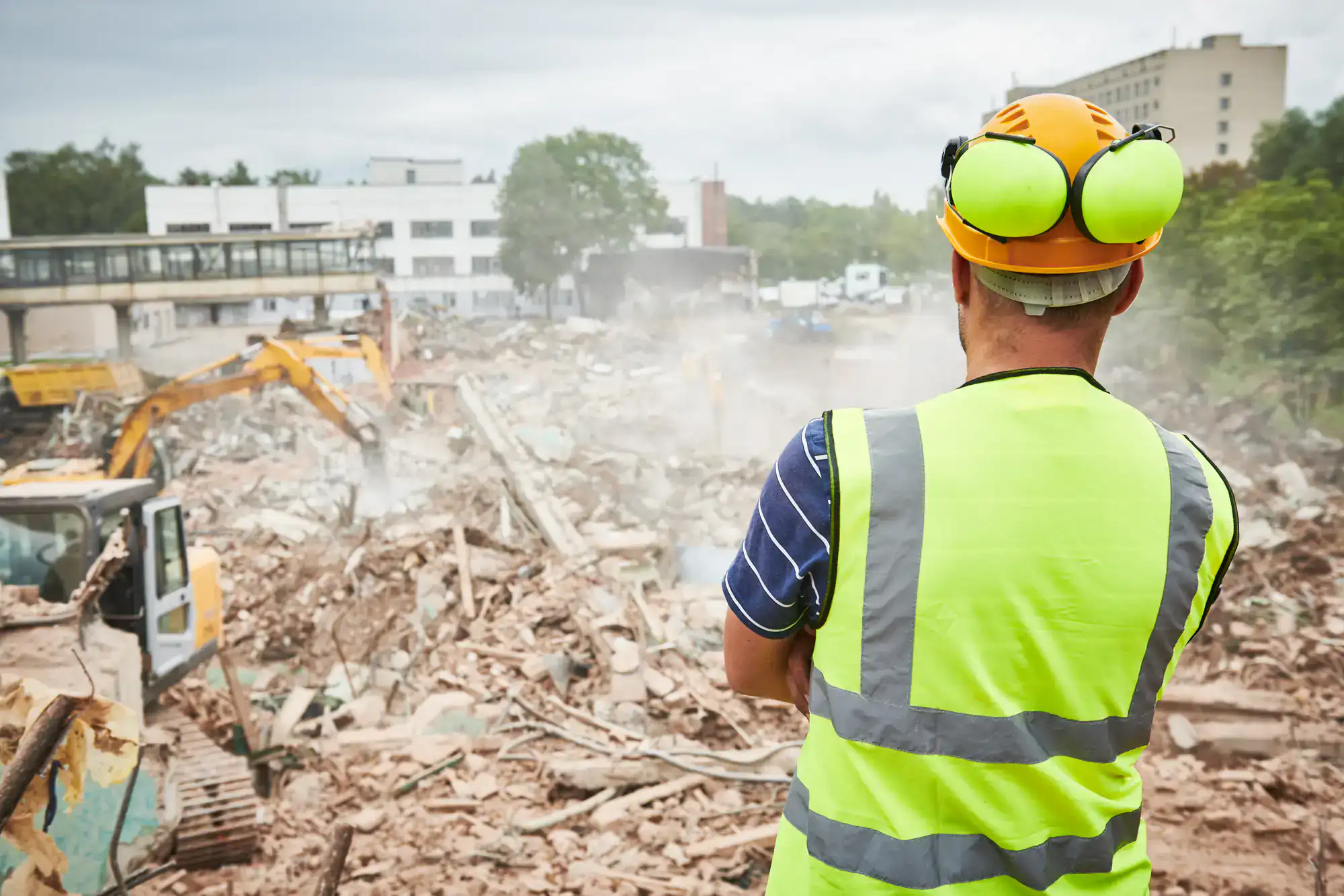
The core of what we do is demolition and gutting — interior demolition of residential and commercial structures, construction debris removal, and full site cleanup. But because we’re also a licensed environmental abatement contractor, every project includes the hazmat layer that most demolition crews aren’t qualified to handle. Asbestos inspection, testing, and abatement. Lead inspection, testing, and removal. Mold sampling, testing, and remediation. Above-ground oil tank removal. All of it under one roof, with one licensed team.
For Lower Frederick specifically, the flood and water damage component is especially relevant. The Perkiomen Creek has a documented flooding history — Tropical Storm Ida in September 2021 damaged bridges at Salford Station Road and Hendricks Station Road within the township and left properties throughout the area dealing with serious water intrusion. When a flood-damaged home also contains pre-1978 construction materials, you need a contractor who can address both problems at once. We do that. Water damage restoration and waterproofing are part of the same service offering as the demolition and abatement work.
Duct cleaning, HEPA filtration during all active work phases, and full construction clean-outs round out the service. Every project is staffed by a licensed, supervised team. No unlicensed subcontractors. No handoffs mid-project. Just one company that sees the job through from the initial walkthrough to the final cleanup.

Yes, demolition and major interior gutting work in Lower Frederick Township requires permits administered under Pennsylvania’s Uniform Construction Code. The township handles its own code enforcement, so permits are pulled locally — not through a county-level office. The specific requirements depend on the scope of the project: a full structural demolition has different permit requirements than an interior gut of a flood-damaged basement, and properties in or near a floodplain overlay zone may face additional regulatory review.
The practical advantage of working with us is that we pull the permits on your behalf. You don’t need to navigate Lower Frederick Township’s process yourself or figure out which inspections apply to your specific situation. For properties near the Perkiomen Creek or its tributaries — where floodplain regulations are a real consideration — having a contractor who understands the local regulatory environment from the start prevents delays and complications later in the project.
If your home was built before 1980, asbestos testing before any demolition or major renovation work is strongly advisable and, depending on the scope of work, may be legally required. Asbestos-containing materials were widely used in residential construction through the late 1970s — in floor tiles, insulation, drywall joint compound, pipe insulation, roofing materials, and more. A home built in the 1960s in Lower Frederick has a high statistical probability of containing at least some of these materials.
The risk isn’t in having asbestos present — it’s in disturbing it. When asbestos-containing materials are cut, broken, or demolished without proper containment, fibers become airborne and create a serious inhalation hazard. We handle asbestos inspection and testing directly, so you get a clear answer before anything gets torn out. If abatement is needed, it’s handled by our crew under EPA-compliant protocols, with HEPA filtration running throughout. You don’t need a separate testing company and a separate abatement contractor — we do both.
We maintain 24/7 phone availability specifically because water damage is a time-sensitive problem. Mold begins forming within 24 to 48 hours of water intrusion, and in an older home — which describes most of the housing stock in Lower Frederick — wet materials may also contain asbestos or lead, turning a water damage event into a multi-hazard situation that compounds by the hour. Waiting until business hours to make the call is rarely the right move.
When you reach us after a storm event, the first step is a rapid assessment of what you’re dealing with. The Perkiomen Creek and its tributaries — including Swamp Creek and Mine Run, which drain through Lower Frederick — can rise quickly during heavy rainfall events. Properties in the floodplain zones near these waterways are at the highest risk. We’re familiar with the flood dynamics of this area and can respond with the right equipment and the right certifications to start the gutting and abatement process without delay.
A standard demolition contractor tears things down. An environmental abatement contractor is certified to identify, contain, and remove hazardous materials — asbestos, lead paint, mold — before or during that demolition. The problem is that in most older homes, you need both. And most contractors are only one or the other, which means you’re coordinating two separate companies, two separate site visits, and two separate scopes of work for what is really one connected project.
We operate as both. We hold EPA Certified Lead Inspector and Risk Assessor credentials — a specific federal qualification that goes beyond the basic EPA RRP contractor certification most renovation companies carry. That credential legally authorizes us to inspect, test, and certify lead conditions in a structure, not just remove materials. For a Lower Frederick homeowner dealing with a pre-1978 farmhouse, a flood-damaged older home, or a renovation project that’s uncovered something unexpected in the walls, that dual capability is the practical difference between a clean, compliant project and one that creates new problems while solving old ones.
The reliable answer is testing — not assumption. Federal law presumes that any home built before 1978 contains lead-based paint, and in a township like Lower Frederick where some structures date back to the 18th century, that presumption is well-founded. But knowing whether lead is present and where it’s concentrated is what actually informs how a renovation or demolition project gets scoped and priced.
We hold EPA Certified Lead Inspector and Risk Assessor credentials, which means we can conduct a formal lead inspection and risk assessment on your property — not just remove materials that are assumed to contain lead. That inspection produces a documented report of where lead is present, in what condition, and what the risk level is. For a homeowner planning a kitchen renovation, a basement gut, or any interior demolition in a pre-1978 Lower Frederick home, that report is the foundation for doing the work safely, legally, and without surprises. It also protects you from federal liability that can arise from improperly handled lead during renovation work.
Free estimates are standard on every project, so you know exactly what you’re looking at before any work begins. We also offer cash discounts, which is genuinely useful for homeowners managing out-of-pocket costs after a flood event or an unexpected discovery during a renovation — situations that come up regularly in a township with Lower Frederick’s combination of older housing stock and documented flood exposure.
The pricing transparency matters here because demolition and abatement costs can be hard to predict when you don’t know what’s in the walls going in. The free estimate process includes a thorough walkthrough and, where needed, testing before a number is put on the table. That means the estimate you receive reflects the actual scope of the project — not a low-ball figure that grows once the crew is already on-site. For homeowners in Zieglerville, Spring Mount, or anywhere else in Lower Frederick dealing with a time-sensitive situation, knowing the real number upfront makes the whole process easier to manage.
Other Services we provide in Lower Frederick