Hear from Our Customers
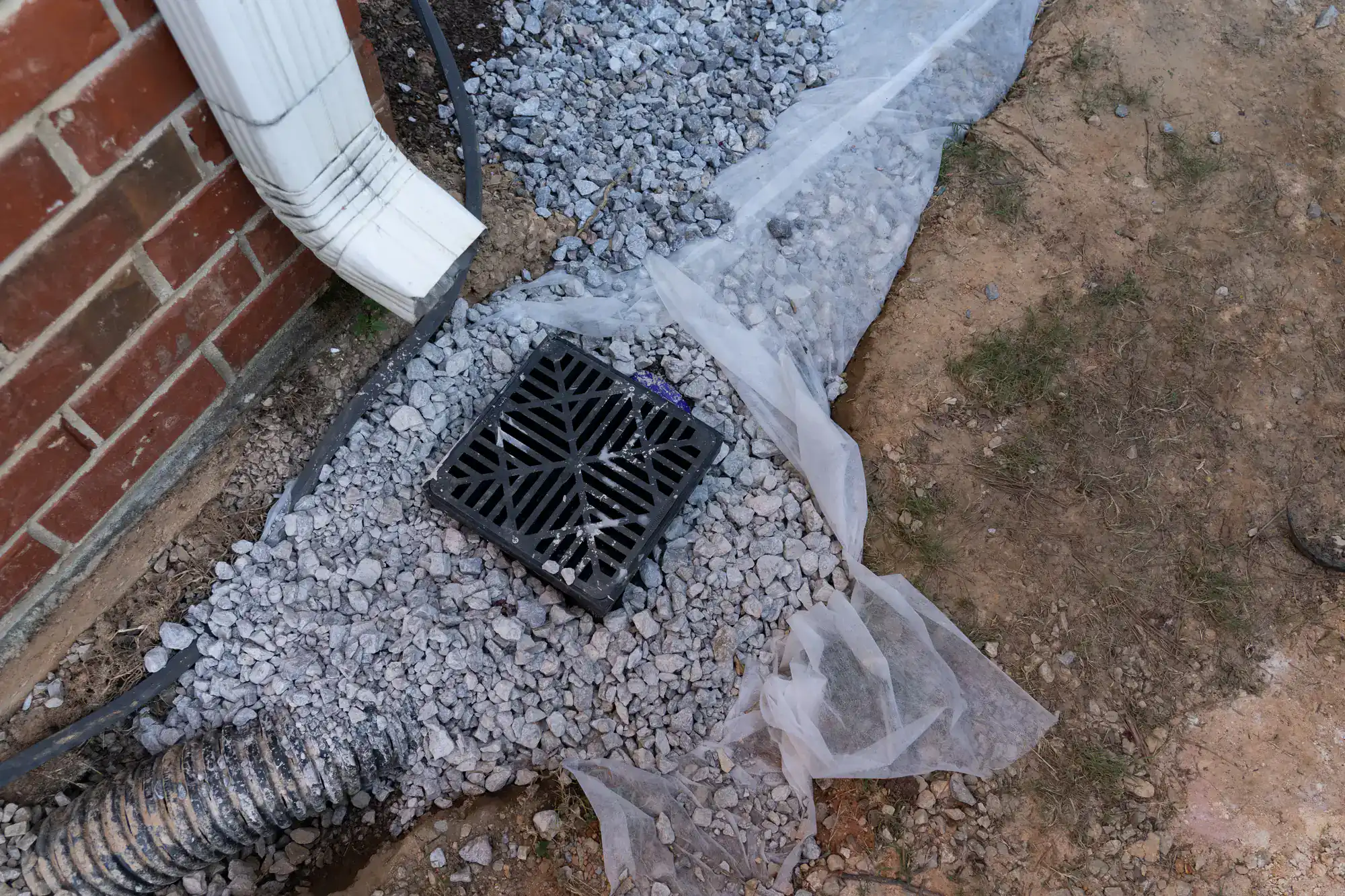
Once a french drain is doing its job, the water that used to pool against your foundation walls never gets the chance to build pressure in the first place. No more mopping up after a heavy rain on Gravel Pike. No more watching the forecast like it’s a threat assessment. You just live in your house — the way it was supposed to work.
Lower Frederick’s terrain doesn’t do anyone any favors when it comes to drainage. The rugged, sloped lots throughout the township — especially on properties near the diabase ridge in the south or the low-lying areas close to Swamp Creek — push groundwater directly toward foundations. Clay-heavy soils in this part of Montgomery County hold water instead of draining it, which means hydrostatic pressure builds up slowly and quietly until it finds a crack. A french drain intercepts that water before it ever reaches your foundation wall.
For homes built in the 1970s, 80s, or earlier — which covers a significant portion of Lower Frederick’s housing stock — there was likely never a perimeter drainage system installed to begin with. Builders of that era graded the lot and called it done. That approach degrades over time. If your home is in that category, you’re not dealing with a fluke. You’re dealing with a structural gap that was always going to catch up with you eventually.
We’ve been working in Lower Frederick and the surrounding Montgomery County region for about 20 years. That’s long enough to know the difference between a drainage problem that needs a french drain and one that needs something else entirely — and honest enough to tell you which one you’re actually dealing with.
What sets us apart from a standard drainage contractor isn’t just the experience. It’s the certifications. We hold EPA and HUD-compliant credentials, including a Certified Lead Inspector and Risk Assessor on staff. In a township like Lower Frederick, where historic farmhouses and pre-1978 construction are common — including homes not far from the Knurr Log House on the National Register of Historic Places — that credential matters more than most homeowners realize until someone explains why.
We’re fully licensed, bonded, and insured at the level that covers environmental hazard work, not just general construction. Free estimates, cash discounts, and 24/7 availability round it out. When you call, someone actually picks up.
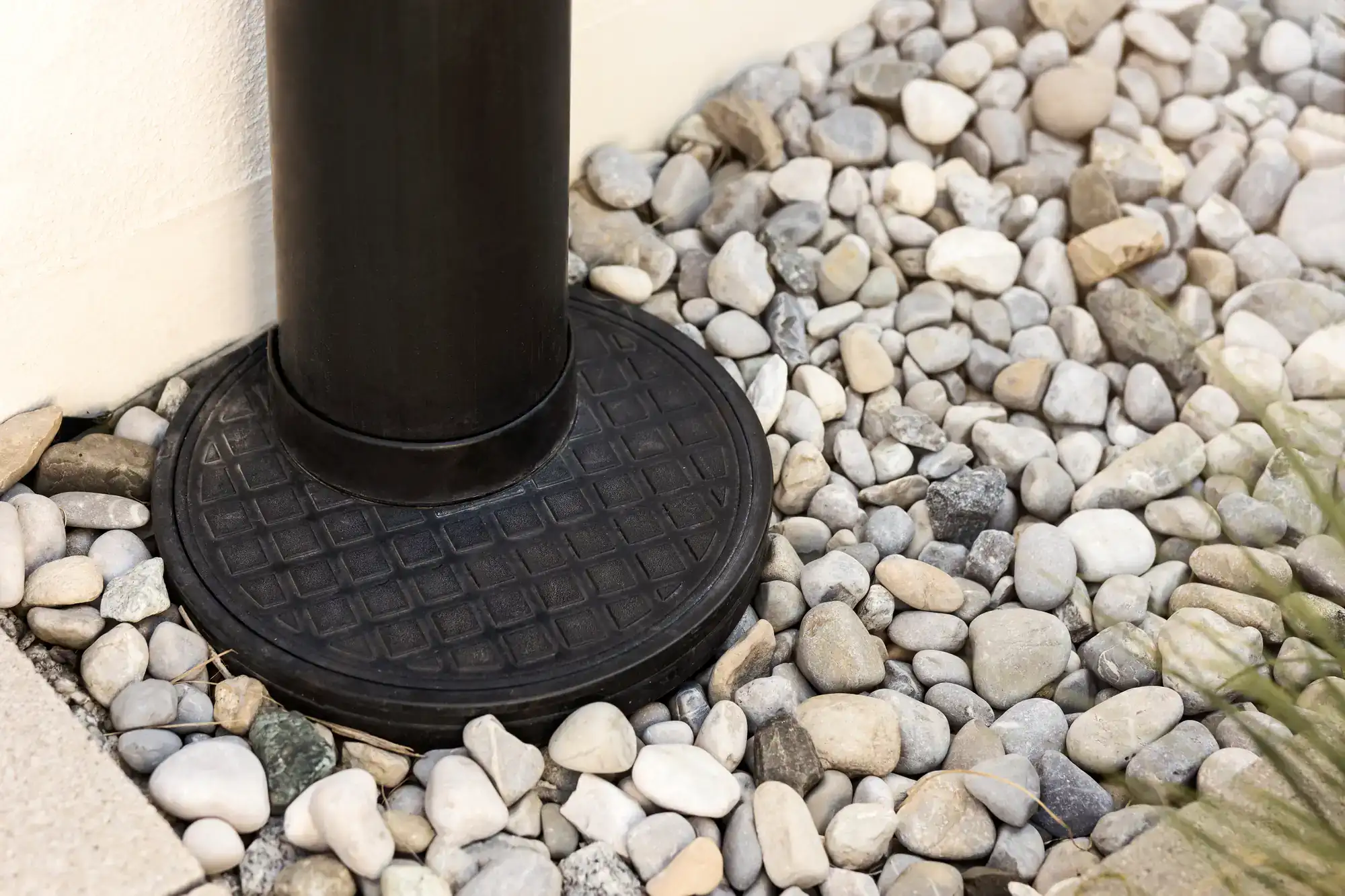
It starts with a free on-site assessment. We look at where the water is entering, where it’s coming from, and what kind of system — interior, exterior, or both — actually makes sense for your property. Lower Frederick lots tend to be larger and more topographically varied than your average suburban parcel, so this step isn’t a formality. The site conditions here genuinely affect what gets installed and where.
From there, we handle the permit side. Lower Frederick Township requires a grading permit under Chapter 77 for earth disturbance over 5,000 square feet, and the township’s stormwater management ordinance — updated in 2022 — comes into play depending on what surface modifications are involved. We know these requirements and we pull the right permits before a shovel goes in the ground. You shouldn’t have to navigate municipal code on top of a drainage problem.
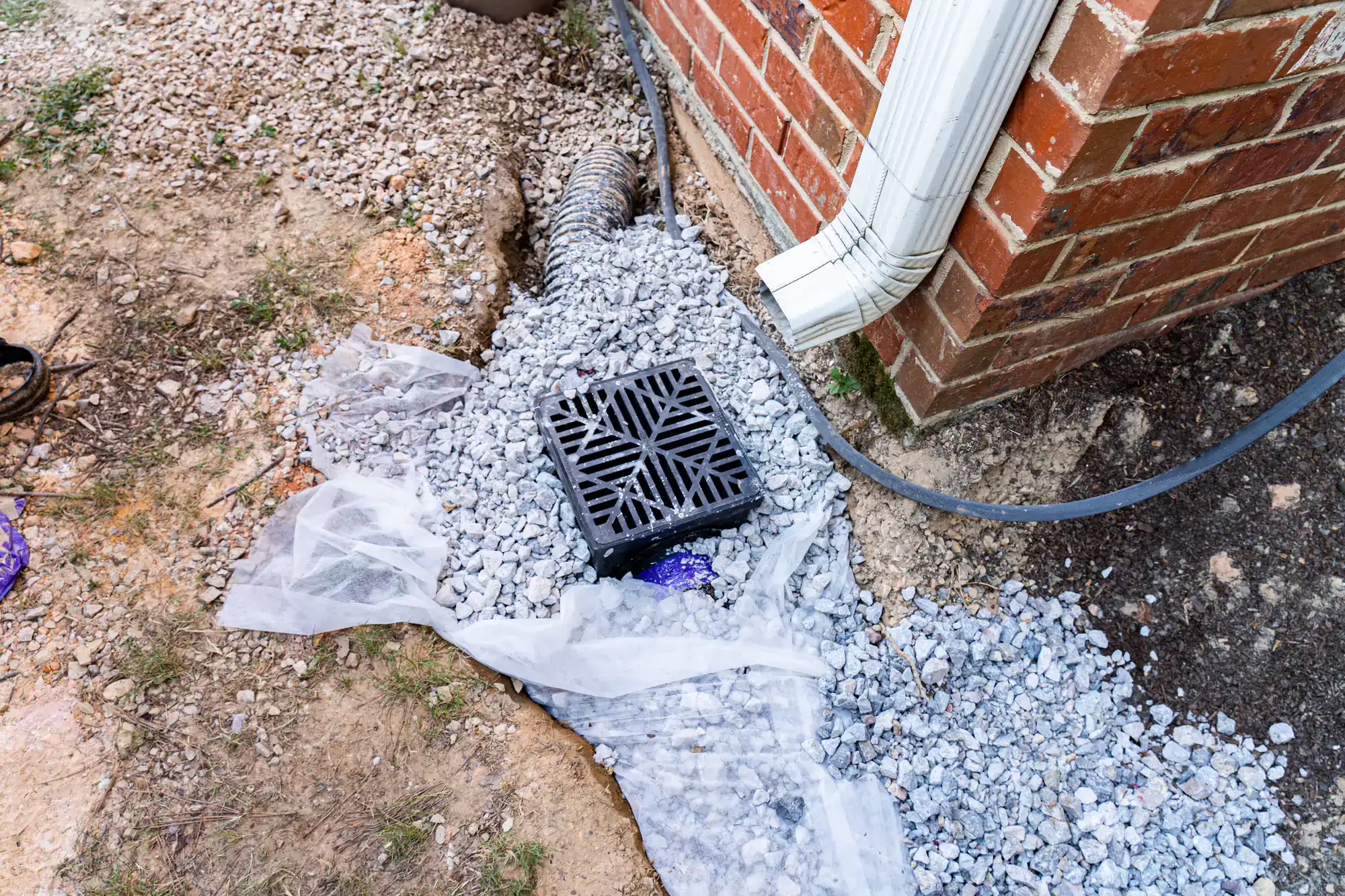
Installation means rigid perforated PVC pipe — not the cheap corrugated flex pipe that collapses within a few years — surrounded by clean crushed stone, wrapped in geotextile filter fabric to keep soil from clogging the system, and sloped at a minimum 1% grade to a proper outlet. When the job is done, we walk you through what was installed, where it drains, and what to watch for going forward. A french drain done right lasts 30 to 40 years. That’s the goal every time.
Ready to get started?
French drain installation in Lower Frederick isn’t a one-size situation. Some properties need a perimeter foundation system — interior, exterior, or both — to address basement water intrusion. Others have yard drainage issues that are entirely separate: low spots that hold water after every rain, soggy stretches near outbuildings, erosion channels cutting through landscaping. We handle both, and on a lot of Lower Frederick properties, both are relevant at the same time.
For homes near the Perkiomen Creek corridor or Swamp Creek, elevated groundwater is a near-constant condition, not just a seasonal one. The 100-year floodplain buffer zones established in Lower Frederick’s zoning code are a real factor for properties in those areas, and any drainage work near those corridors has to account for Zone 1 and Zone 2 setback requirements. That’s not something a contractor unfamiliar with this township would flag — but we do.
Every installation includes professional-grade materials, HEPA filtration on any job where pre-1978 construction creates airborne hazard risk, and a full walkthrough before and after the work. If testing reveals lead paint or asbestos near the work area — which is a realistic possibility in older Lower Frederick homes — we don’t stop and hand you a referral. We handle it. That’s the one-stop model, and it’s the reason homeowners in this area don’t have to coordinate three different contractors to solve one problem.
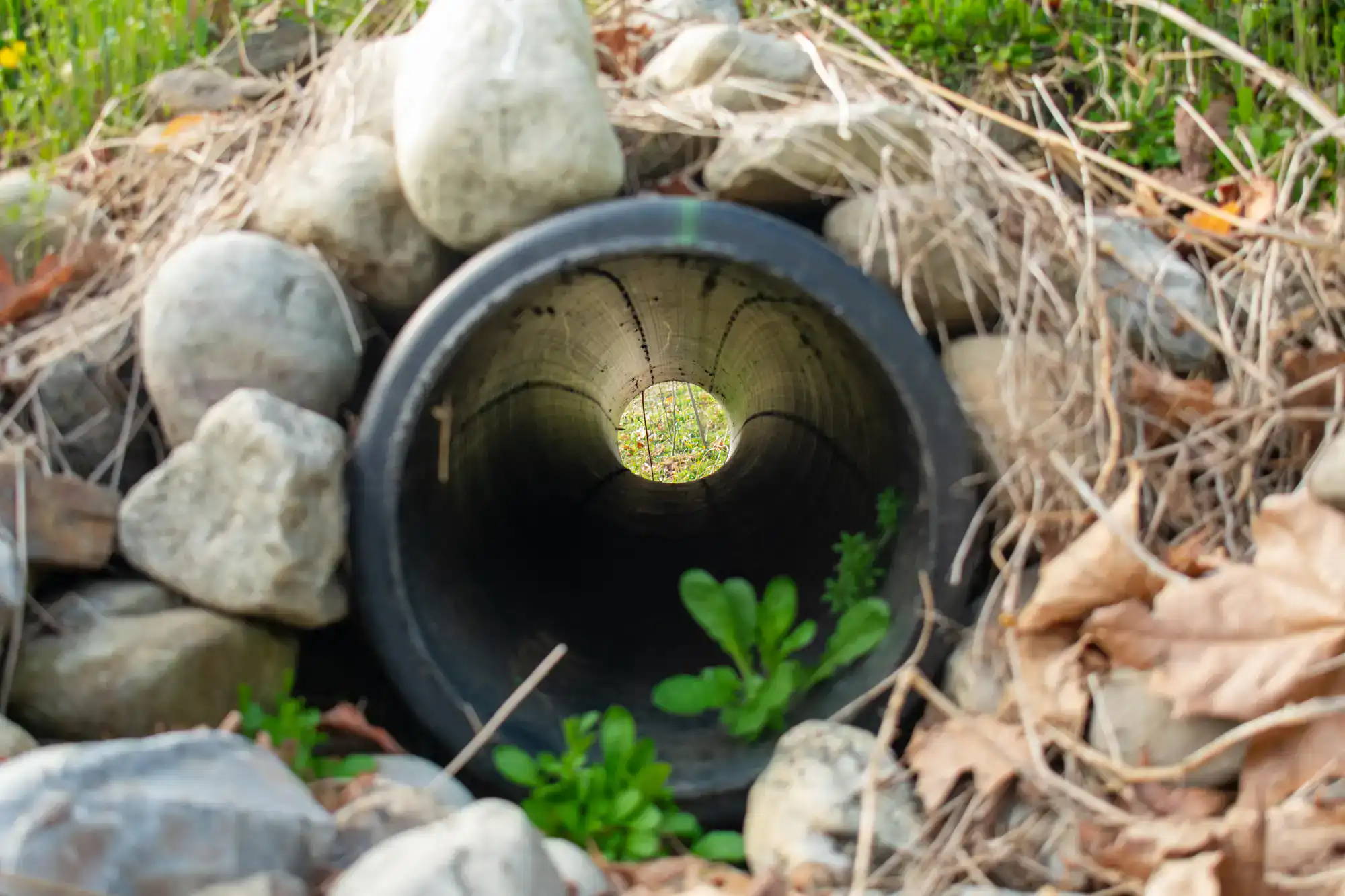
Spring flooding in Lower Frederick basements is almost always a combination of the same factors hitting at once. Snowmelt from the Perkiomen Valley’s winter accumulation, heavy March and April rains, and already-saturated clay soils create a situation where the ground simply can’t absorb water fast enough. When that happens, groundwater builds up around your foundation and finds whatever path of least resistance exists — a crack, a joint, a porous section of block wall.
The Perkiomen Creek watershed is actively monitored by USGS flood gauges because elevated water levels in this watershed are a documented, recurring pattern — not an anomaly. Homes near the creek corridor and Swamp Creek are dealing with a naturally elevated water table on top of seasonal saturation. A french drain system — properly installed with rigid pipe, clean stone, and correct slope — intercepts that groundwater before it reaches your foundation wall and redirects it away from the structure entirely. That’s how you break the annual cycle instead of just managing it with a mop.
An exterior french drain is installed outside the foundation, typically in a trench dug around the perimeter of the home. It intercepts groundwater before it ever reaches the foundation wall — which is the ideal scenario when the goal is to prevent water from building pressure against the structure in the first place. Exterior systems are more disruptive to install because they require excavation, but they address the problem at its source.
An interior french drain is installed inside the basement, usually along the perimeter of the floor where the wall meets the slab. It captures water that has already entered the structure and channels it to a sump pump for removal. Interior systems are less disruptive to the yard and landscaping, which matters on the larger, more established lots common in Lower Frederick. In many cases, the right answer is a combination of both — and the only way to know which approach fits your specific property is a proper on-site assessment that accounts for your soil conditions, lot grade, and the actual source of the water intrusion.
French drain cost in Montgomery County varies based on the length of the system, whether it’s interior or exterior, the depth of the trench required, and what the soil and site conditions look like. For a basic exterior perimeter system on a standard residential lot, you’re generally looking at a range that can start around $1,500 to $3,000 for a straightforward installation and climb significantly from there depending on scope. Interior systems with sump pump integration typically run in a similar range but vary based on basement size and existing conditions.
In Lower Frederick specifically, larger lot sizes and more varied terrain can affect the total linear footage required, which directly affects cost. Properties near the Perkiomen Creek or Swamp Creek corridors may also require additional consideration for floodplain buffer zone compliance. The most accurate way to understand what your project will cost is a free on-site estimate — not a ballpark over the phone. We provide those at no charge, with no obligation, and with a clear itemized breakdown so you know exactly what you’re paying for and why.
Yes — and this is one of the most important things to understand before hiring any drainage contractor in Lower Frederick. A significant portion of the township’s housing stock predates 1978, which is the federal threshold year for lead-based paint. Historic farmhouses, mid-century homes, and older structures throughout the township may also contain asbestos in pipe insulation, floor tiles, or other building materials. When a contractor excavates around a pre-1978 foundation or breaks through a basement floor, those materials can become airborne hazards.
Standard drainage contractors are not equipped to identify or manage this risk. We are. We carry EPA and HUD-compliant certification, including a Certified Lead Inspector and Risk Assessor on staff. We test before we dig, use professional-grade HEPA filtration systems on any job where airborne hazard risk exists, and handle remediation in-house if testing confirms a problem. You don’t have to pause a drainage project to find a separate environmental contractor — we handle both in a single engagement, which means less disruption, less coordination, and no gap in accountability between the two scopes of work.
It depends on the scope of the work. Lower Frederick Township requires a grading permit under Chapter 77 of the municipal code for any earth disturbance covering 5,000 square feet or more. On larger residential lots — which are common in Lower Frederick given the township’s R-1 Rural Residential zoning — an exterior french drain installation that involves trenching around a full foundation perimeter can reach that threshold. The township’s stormwater management ordinance, updated in September 2022 under Chapter 134, also comes into play if the project involves adding more than 1,000 square feet of impervious surface.
Properties near the Perkiomen Creek or Swamp Creek have an additional layer to account for: Lower Frederick’s floodplain buffer zone regulations establish Zone 1 and Zone 2 setbacks around waterways that affect where drainage work can be performed. We’re familiar with these local requirements and handle the permit process as part of the project. You shouldn’t have to research municipal code on top of dealing with a flooded basement — that’s part of what hiring a professional contractor is supposed to mean.
Lower Frederick is a working and middle-class rural township — not a wealthy suburb. Homeowners here are careful with money, and they should be. A french drain installation is a real investment, and we think it’s fair to pass along a cost savings when a homeowner pays in cash, since it reduces processing overhead on our end. That savings gets reflected directly in the project price.
It also comes back to how we approach the work in general. Lower Frederick residents aren’t looking for a contractor who plays pricing games or tacks on fees after the estimate. They want to know what something costs, understand why it costs that, and feel confident they’re getting honest value for it. The cash discount is one way we keep that straightforward. Combined with a free estimate and no-obligation assessment, the goal is to make sure you have a clear picture of the full cost before you commit to anything — not after.
Other Services we provide in Lower Frederick