Hear from Our Customers
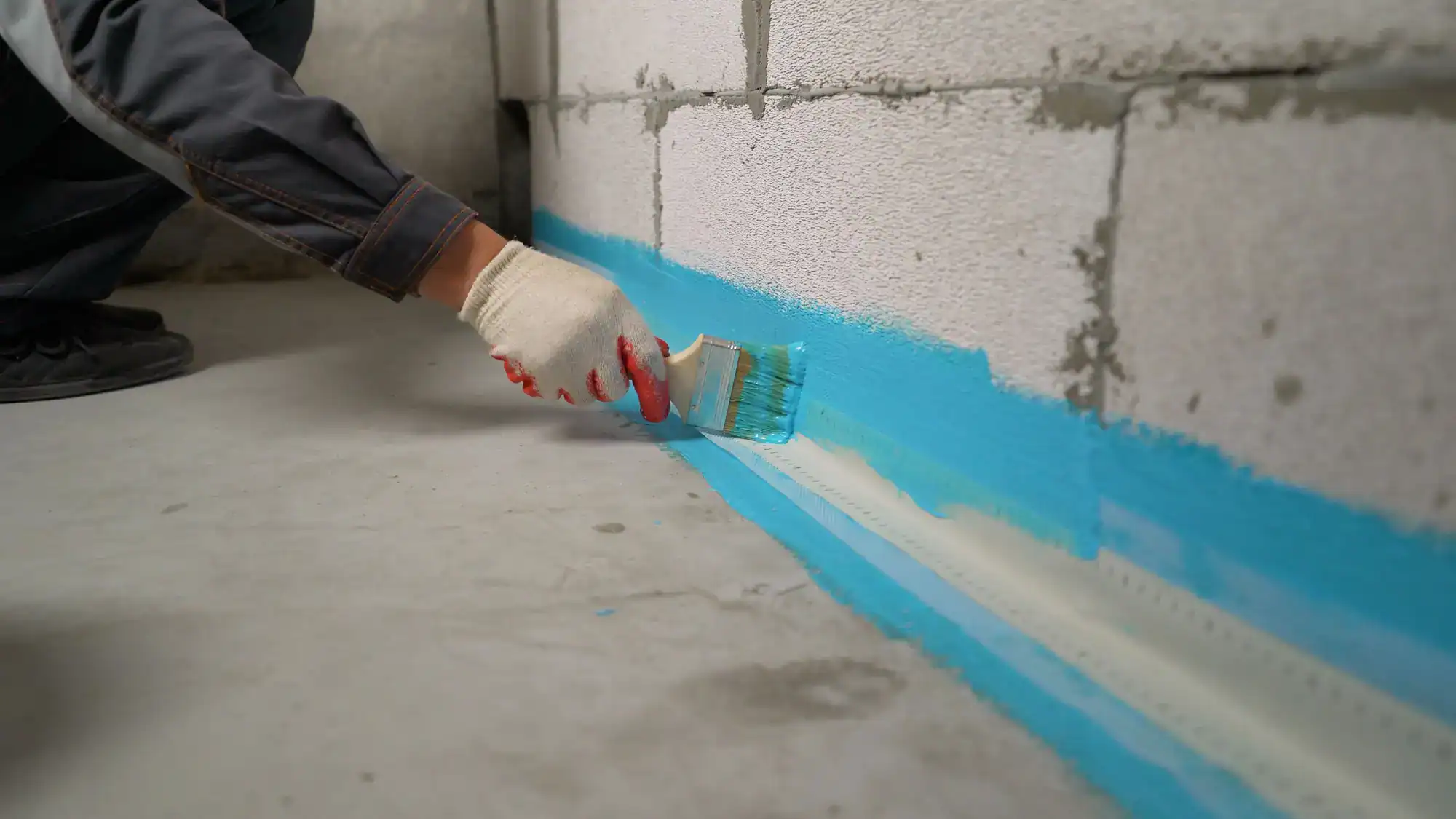
Once the water stops coming in, you get your space back. That might sound simple, but for a lot of Lower Frederick homeowners, the basement has been off-limits for years — too damp, too musty, too much of a question mark. A properly waterproofed basement becomes usable square footage again, and in a market where homes are sitting around $356,000, that matters.
The bigger issue is what water does over time when it’s ignored. The fractured Triassic shale that runs under much of Lower Frederick doesn’t move water predictably. It channels it through cracks and fissures in ways that don’t always line up with recent rainfall. That means your basement can show up wet on a dry Tuesday in October, and if the wall’s been quietly absorbing moisture for years, you’re already dealing with more than a drainage problem — you’re dealing with mold conditions, efflorescence, and the early stages of structural wear.
Lower Frederick’s housing stock runs the full range, from colonial-era farmhouses near Spring Mount to mid-century block ranches off Route 73. Older foundations weren’t built with modern waterproofing standards, and they’ve had decades of freeze-thaw cycles working against them. Getting ahead of it now costs a fraction of what it costs to fix it after the damage compounds.
We’ve been working in Lower Frederick and across Montgomery County for over twenty years. That’s not a headline number — it’s the reason we actually understand what drives basement water problems in a creek valley like this one. We’ve worked on homes along the Perkiomen corridor, in the older neighborhoods off Gravel Pike, and in newer developments where drainage still hasn’t caught up with the terrain.
What makes us different from the regional chains is scope. We’re not just a waterproofing crew. We’re certified lead inspectors, mold remediation specialists, and environmental hazard professionals operating under one roof. In a township where a wet basement can quickly become a mold problem or a lead paint disturbance during repair work, that combination matters. You get one company handling the full picture — not three separate contractors who’ve never talked to each other.
We’re fully licensed, bonded, and insured. Free estimates, cash discounts, and 24/7 availability aren’t add-ons — they’re how we operate.
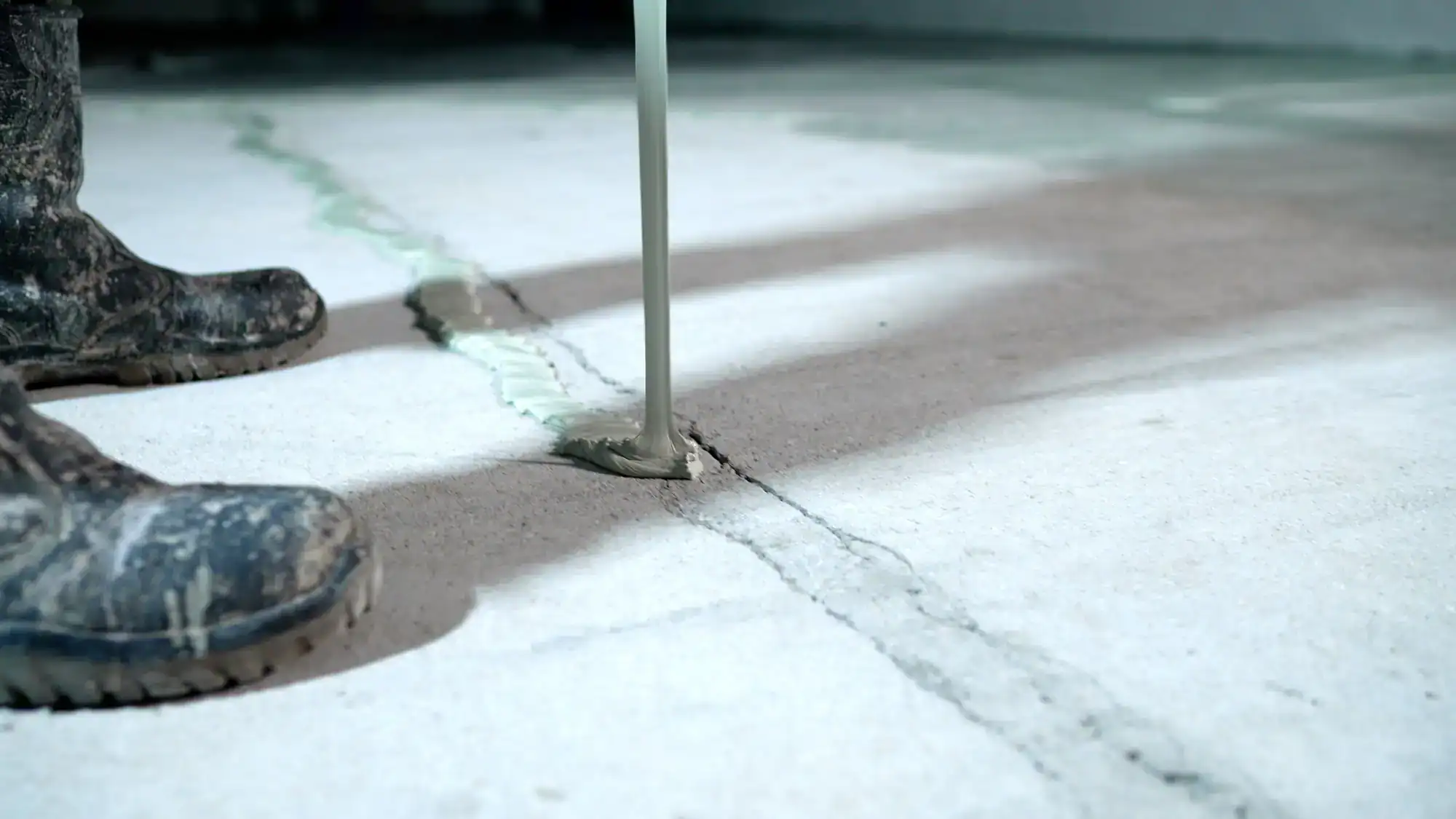
It starts with a real inspection, not a sales walkthrough. When we come to your home in Lower Frederick, we’re looking at the actual source of the problem — where water is entering, what’s driving it, and what the right fix is for your specific foundation type and site conditions. That might be a crack in a poured wall, hydrostatic pressure building against a block foundation, a failed sump system, or groundwater moving through fractured bedrock below the slab. We find it before we recommend anything.
From there, we explain what we found in plain language and give you a clear scope of work. No jargon, no pressure, no minimum-spend threshold before we take you seriously. If a targeted repair solves your problem, that’s what we’ll tell you. If your situation calls for a more comprehensive interior drainage system or exterior waterproofing, we’ll walk you through exactly why — and what it involves.
One thing worth knowing for Lower Frederick specifically: depending on the scope of work, exterior excavation or drainage installation near the foundation may require a permit from the township. Lower Frederick Township operates out of 53 Spring Mount Road and can confirm what’s required for your project before work begins. We’re familiar with this process and can help you navigate it without it becoming a headache.
Ready to get started?
Basement waterproofing in Lower Frederick isn’t a one-size solution. The combination of clay-heavy soils, Triassic shale bedrock, proximity to the East Branch Perkiomen Creek, and a housing stock that spans three centuries means the approach has to match the actual conditions — not a standard package pulled from a national franchise manual.
We handle interior drainage systems, sump pump installation and replacement, crack injection and wall sealing, exterior waterproofing and excavation, and crawl space encapsulation. Because we’re also certified in mold remediation and lead inspection, we can address what water damage often leaves behind — mold growth in wall cavities, deteriorated drywall, or lead paint disturbed during repair work on older foundations. That’s a level of coverage most waterproofing-only companies simply can’t offer.
We use HEPA filtration systems during remediation work to prevent airborne contaminants from spreading through your home during the process. State-of-the-art equipment, not shortcuts. If you’re in a lower-lying area near the creek, in one of the older neighborhoods off Route 29, or in a home with a stone or block foundation that’s been slowly losing the fight against moisture, we’ve handled situations like yours before. Call for a free estimate and we’ll give you a straight answer about what your basement actually needs.

This is one of the most common questions we hear from homeowners in Lower Frederick, and the answer has everything to do with the geology under your foundation. Lower Frederick sits on Triassic Lowlands geology — specifically Lockatong Argillite and shale formations — which are fractured bedrock systems. Water doesn’t move through fractured rock the way it moves through uniform soil. It travels through cracks and fissures along unpredictable paths, which means groundwater that fell as rain days or even weeks ago can show up at your foundation wall long after the surface has dried out.
This is compounded by the clay-heavy soils common in this part of Montgomery County. Clay retains water rather than draining it, which keeps the soil around your foundation saturated for extended periods after a rain event. The result is sustained hydrostatic pressure against your basement walls — and eventually, that pressure finds a way in. If your basement is getting wet on dry days, it’s almost certainly a groundwater or soil saturation issue, not a surface drainage problem, and it needs a different solution than a downspout extension.
Cost varies depending on what’s actually causing the problem and how extensive the solution needs to be. A targeted crack injection or localized wall sealing on a single entry point might run in the $500–$1,500 range. A full interior perimeter drainage system with sump pump installation in a larger basement can range from $5,000 to $12,000 or more depending on the size of the space, the foundation type, and site conditions. Exterior waterproofing with excavation sits at the higher end of the range because of the labor involved.
What we’d caution against is letting a ballpark number drive your decision before you know what you’re actually dealing with. In Lower Frederick, where homes range from historic farmhouses with stone foundations to newer construction in the $400,000–$800,000 range, the scope of work varies significantly from property to property. A free estimate gives you a real number based on your actual situation — not a range pulled from a national average. We also offer cash discounts, which can meaningfully reduce the final cost for homeowners who prefer that route.
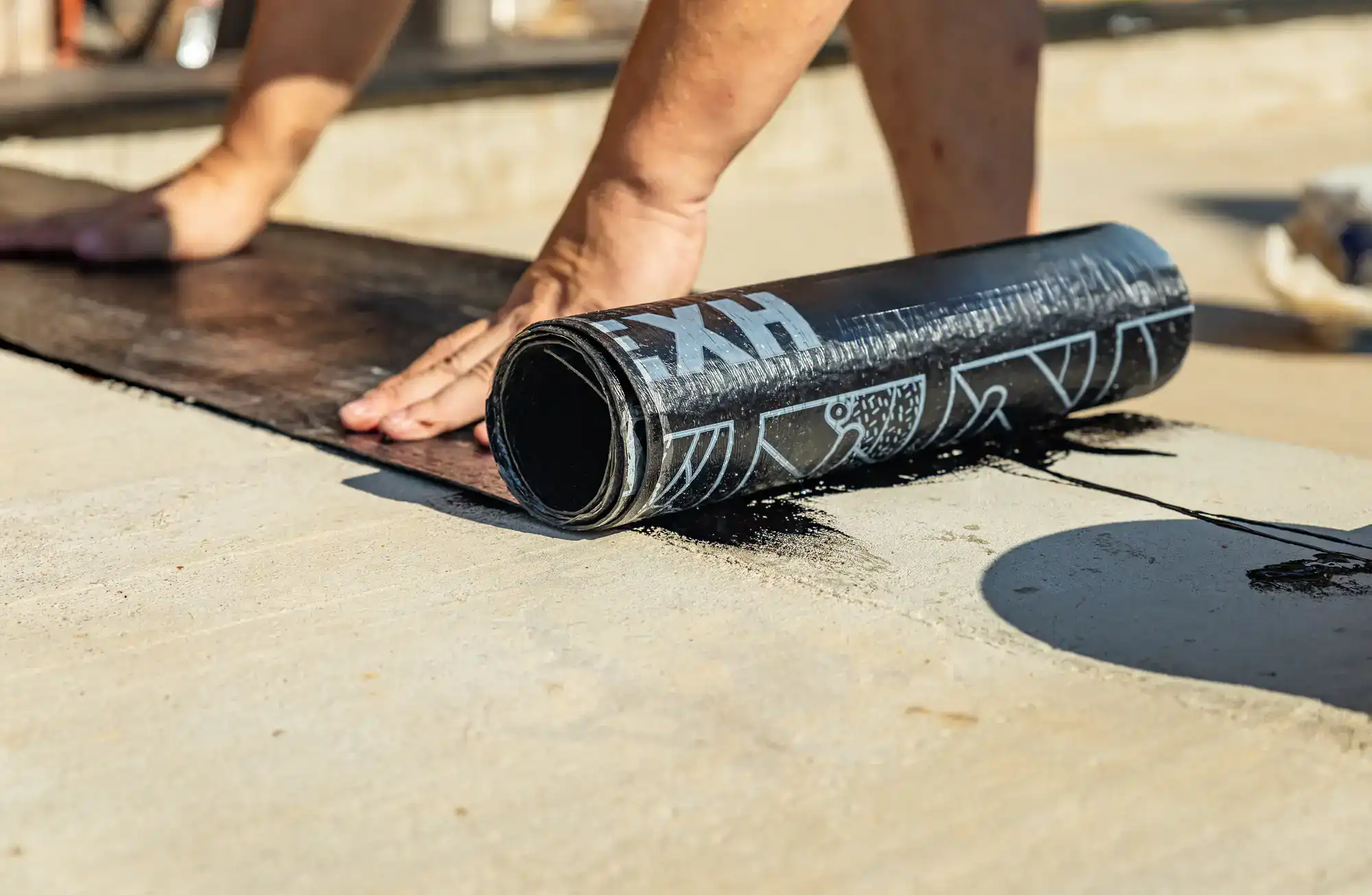
Exterior waterproofing addresses the problem at the source — it involves excavating around the foundation, applying a waterproof membrane or coating to the outside of the wall, and installing drainage board and a footing drain to direct water away before it ever contacts the foundation. It’s the most comprehensive approach, but it’s also the most involved and typically the most expensive, and it requires permits for excavation in Lower Frederick Township.
Interior waterproofing manages water after it enters the wall assembly — typically through a drainage channel installed along the inside perimeter of the basement floor that directs water to a sump pit, where it’s pumped out. It doesn’t stop water from entering the wall, but it controls it effectively and prevents it from pooling on your floor. For many Lower Frederick homes, especially those with block foundations where water seeps through the cores of the blocks, an interior system is the practical and cost-effective solution. The right choice depends on your foundation type, your site’s drainage conditions, and your long-term goals for the space — which is exactly what a proper inspection helps determine.
Yes — and this is one area where we operate differently than a standard waterproofing contractor. Mold remediation and basement waterproofing are separate services that most companies don’t offer together, which means homeowners often fix the water problem without addressing the mold that’s already colonized the wall cavities, floor joists, or drywall. That mold doesn’t go away on its own, and it will continue to affect your indoor air quality even after the basement is dry.
We’re a certified mold remediation specialist in addition to being a waterproofing contractor. When we find active mold growth during an inspection — which is common in Lower Frederick homes that have had recurring moisture issues over multiple wet seasons — we can handle both the remediation and the waterproofing in a single coordinated process. We use HEPA filtration systems during remediation to prevent spores from spreading through your home’s air supply. You don’t need to hire a separate remediation company and then schedule a waterproofing crew afterward. One company, one process, one point of accountability.
It’s a legitimate factor for a significant portion of homes in Lower Frederick. The East Branch Perkiomen Creek, monitored by NOAA at the Schwenksville gauge station, has documented flood stages that begin affecting streets and low-lying properties at 8 feet and escalate significantly from there. The creek has historically crested above 19 feet during major storm events — and those events aren’t ancient history. Homes in the lower-lying areas of the Perkiomen Valley, particularly those near the creek corridor along Route 29, face real groundwater pressure during and after high-water events that goes well beyond normal seasonal moisture.
For these properties, standard interior drainage and sump pump systems are often the most practical line of defense — they can’t stop a flood, but they manage incoming groundwater and give you a fighting chance during a high-water event rather than waking up to standing water on the floor. Sump pump capacity, battery backup, and proper drainage channel sizing all matter more here than they would for a home on higher ground. If your property is in a lower elevation area near the creek, that context should be part of the waterproofing conversation from the start.
Yes, we offer cash discounts on waterproofing and remediation work. For homeowners in Lower Frederick — a community with a strong tradition of straightforward, no-nonsense transactions — this is a practical option that reduces the total cost of the project without financing fees, payment plan markups, or third-party lender involvement. It’s a simple way to make professional-grade work more accessible.
Lower Frederick has a homeownership rate of around 86%, and a lot of those homeowners are making maintenance decisions based on real budgets, not unlimited renovation funds. The median home value here is around $356,000 — which means protecting that investment matters, but so does getting fair value for what you spend. The cash discount option exists because we’d rather work directly with homeowners who want a fair deal than add cost layers that don’t benefit anyone. When you call for your free estimate, ask about current cash pricing — it’s a straightforward conversation and there’s no obligation attached to it.
Other Services we provide in Lower Frederick