Hear from Our Customers
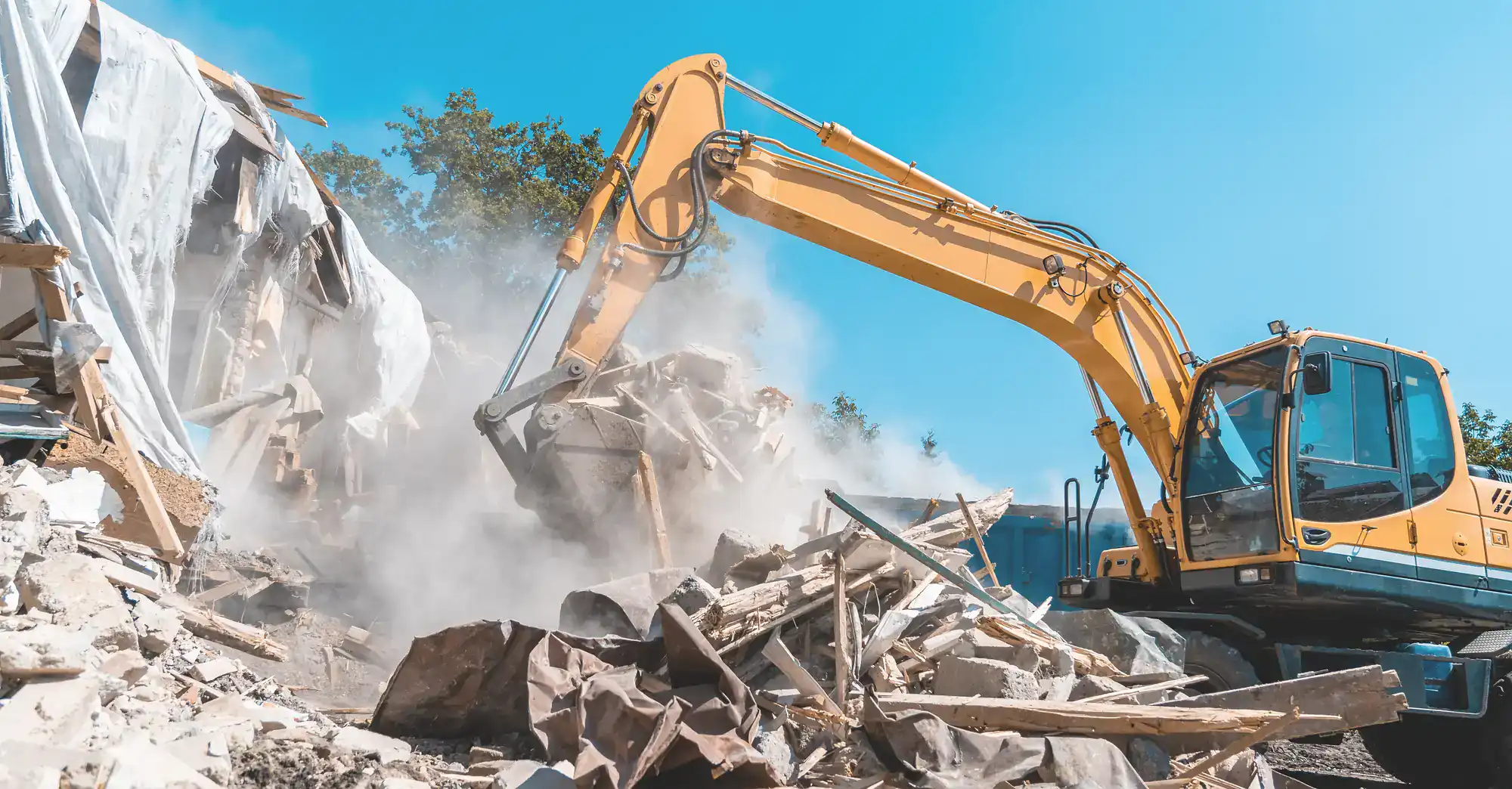
Here’s what usually happens when a Springfield homeowner starts a kitchen or bathroom gut: the demolition contractor opens a wall, finds something unexpected, and suddenly the whole project is on hold while you scramble to find a certified abatement company. That delay can cost you weeks and real money — and it happens constantly in a township where the median home was built in 1955.
When you work with us, that scenario doesn’t exist. Testing, hazmat remediation, and demolition are all handled in-house, in sequence, without stopping the clock. If asbestos turns up in the floor tiles or lead paint shows up under three layers of wallboard — and in Springfield’s Stoney Creek-era stone colonials, that’s more likely than not — we already have the certifications and the crew to deal with it on the spot.
The result is a clean, cleared space ready for your contractor to build back into. No coordination headaches, no surprise sub-contractors, no project restart. Just a gutted room done right, with documentation that satisfies Pennsylvania’s regulatory requirements and protects your home’s value.
We’ve been doing this work in Delaware County for over twenty years, and Springfield is home territory. That’s not a marketing line — it means we’ve opened walls in hundreds of mid-century homes across Springfield and the surrounding county, including the kind of post-war construction that defines neighborhoods along Baltimore Pike and throughout the Stoney Creek development. We know what’s in those walls before the first hammer swings.
The credentials are real and specific: Pennsylvania state-issued asbestos certification under Act 194, Certified Lead Inspector and Risk Assessor designation, EPA/HUD compliance, and full licensing, bonding, and insurance. In a state where performing asbestos removal without certification is illegal, those aren’t extras — they’re the baseline for doing this job legally.
We serve Springfield as part of our core Delaware County territory. When you call, someone picks up — including at 2am if something goes sideways. Free estimates, cash discounts, and a beat-any-estimate guarantee mean the conversation starts honestly and stays that way.
Before anything is removed, we start with an evaluation. We walk the space, assess what’s there, and test for regulated materials — asbestos, lead, mold — before a single tool touches a surface. In Springfield, where ZIP code 19064 homes were primarily built in the 1940s, this step isn’t precautionary. It’s expected. Skipping it is how projects end up in legal and financial trouble.
If regulated materials are found, we handle the remediation in-house under our state certifications. We notify the Pennsylvania Department of Environmental Protection as required, use HEPA filtration systems throughout the work area, and follow the containment and disposal protocols that protect your family and satisfy the inspectors. Springfield Township’s Building Department requires permits for this kind of work, and we know the process — we’ve been through it in Delaware County more times than most contractors have submitted estimates.
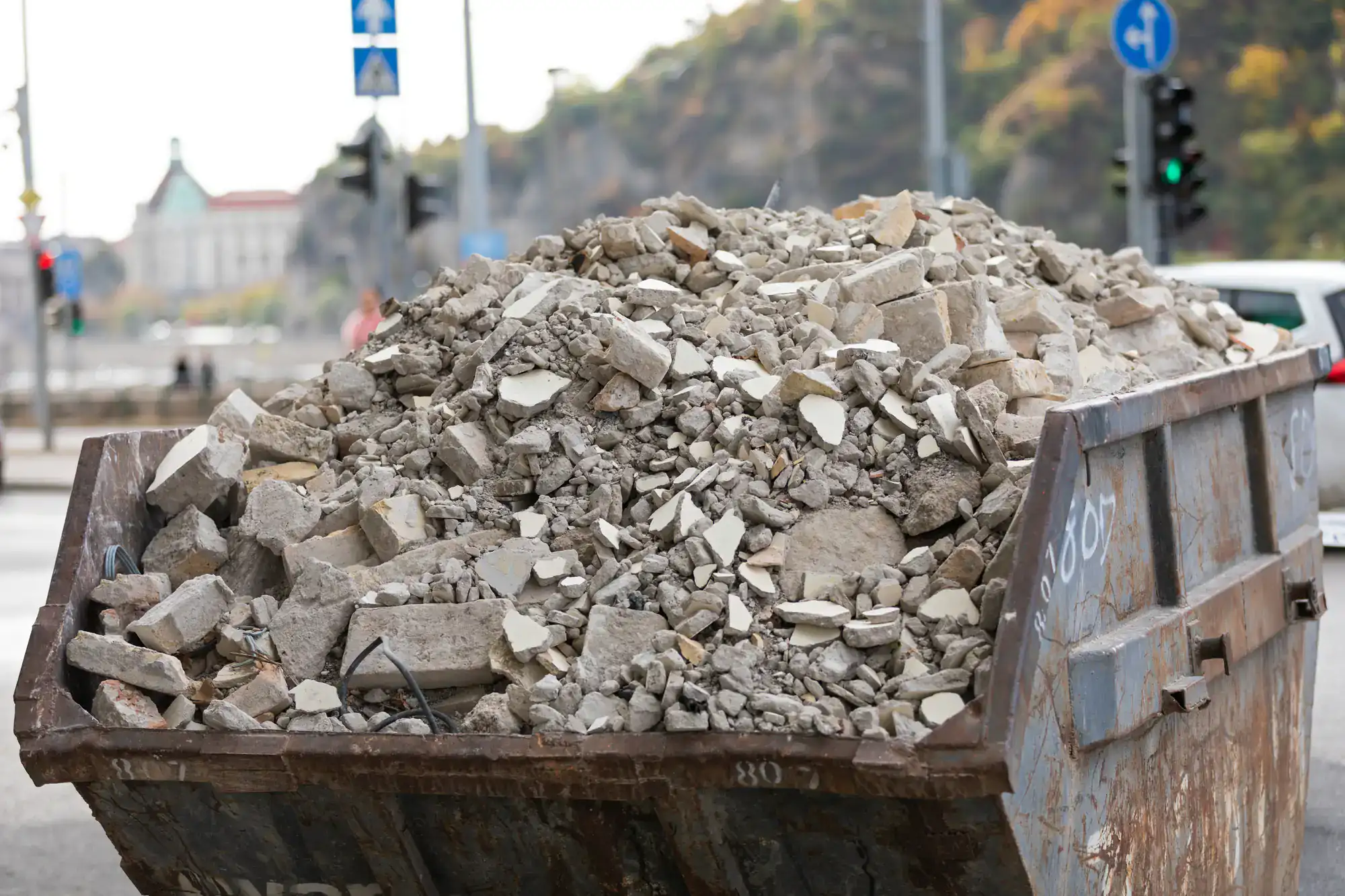
Once the space is clear and certified, the demolition itself moves efficiently. Debris is removed, the area is cleaned, and you’re left with a space that’s ready for the next phase — not a liability waiting to surface during a future sale or inspection. The whole sequence is managed by one company, under one contract, from start to finish.
Ready to get started?
We handle the full scope of what demolition actually involves in an older Delaware County home. That means interior gut-outs, selective structural demolition, kitchen and bathroom strip-downs, basement clearing, and the removal of materials that most contractors aren’t licensed to touch. If a load-bearing wall needs to come out, that gets flagged early and handled with the proper structural documentation Springfield Township requires before and after the work.
The environmental side is fully integrated — not referred out, not subcontracted. Asbestos testing and abatement, lead paint inspection and removal, mold remediation, and waterproofing are all performed by our own certified crew. For Springfield homeowners near Darby Creek or Crum Creek who’ve dealt with basement water intrusion, that waterproofing piece matters as much as the demo itself. The work doesn’t stop at clearing the space — it finishes with a space that’s clean, dry, and ready to build.
We also serve general contractors and builders working in the Springfield area who need a reliable licensed sub for the gut-out phase before renovation begins. Whether it’s a single bathroom in a Scenic Hills colonial or a full interior strip-down before a major remodel, the process is the same: one crew, one contract, done right the first time.
If your Springfield home was built before 1980, it’s not really a question of whether asbestos is present — it’s a question of where. Asbestos was used in floor tiles, ceiling tiles, pipe insulation, joint compound, plaster, and dozens of other standard building materials through the late 1970s. In ZIP code 19064, where homes were primarily built in the 1940s, the probability of encountering asbestos during any gut renovation is extremely high.
The important thing to understand is that asbestos in place and undisturbed isn’t necessarily an emergency. But the moment you start demolition — pulling up floors, opening walls, removing ceilings — those materials get disturbed, and that’s when exposure risk becomes real. Pennsylvania law requires that any contractor performing asbestos removal hold a state-issued certification under Act 194 of 1990. We hold that certification. If your contractor doesn’t, they’re not legally permitted to handle what they’re likely to find in your home.
Yes. Springfield Township’s Building Department requires permits for construction and remodeling projects, including interior demolition. The township operates under the Pennsylvania Uniform Construction Code and has adopted local amendments that go beyond the state minimums, so what’s required in Springfield isn’t always identical to what’s required in a neighboring municipality.
Beyond the township permit, there are state and federal layers depending on what’s found during the work. The Pennsylvania Department of Environmental Protection requires notification and a filing fee for demolition or renovation projects involving regulated asbestos-containing materials. If the home was built before 1978 — which covers the vast majority of Springfield’s housing stock — the EPA’s Lead Renovation, Repair, and Painting Rule also applies, requiring that the contractor be lead-safe certified. We manage all of this as part of the project. You don’t need to become an expert in Pennsylvania construction code to get your kitchen gutted — that’s what twenty years of working in Delaware County is for.
With most demolition contractors, discovering asbestos or lead mid-project means stopping work entirely, calling in a separate certified abatement company, waiting for their availability, and restarting the project once they’re done. In a market like Springfield — where the majority of homes are between 60 and 80 years old — this isn’t a rare scenario. It’s the most common one.
Because we handle testing, abatement, and demolition in-house, a mid-project discovery doesn’t stop the job. The same crew that’s doing the demolition is already certified to handle the remediation. We contain the area, address the material under the proper protocols, and keep the project moving. There’s no waiting for a second contractor, no renegotiating scope, and no gap in accountability. For Springfield homeowners who’ve already coordinated a renovation timeline with a general contractor or a kitchen designer, that continuity is worth a great deal.
The honest answer is that it depends on the scope of the project and what’s found during the initial evaluation. A straightforward bathroom gut in a newer home is a different job than a full kitchen strip-down in a 1952 Stoney Creek colonial where asbestos tiles are under the linoleum and lead paint is on every surface. The materials, the required certifications, the disposal protocols, and the labor involved are genuinely different — and any contractor quoting you a flat number without walking the space first isn’t giving you a real estimate.
What we offer is a free, on-site estimate that accounts for the actual conditions of your specific home. If you have a competing quote, we’ll beat it. If you’re paying cash, there’s a discount on top of that. The goal isn’t to be the cheapest bid — it’s to be the most transparent one, so you know exactly what you’re getting before the work starts and there are no surprises when it’s done. In a township where home values are approaching $500,000, the cost of a bad demolition job shows up later in ways that far exceed what you saved upfront.
Yes — but only if that contractor holds a Pennsylvania state-issued asbestos certification, which most demolition contractors in the Delaware County market do not. Under Pennsylvania’s Asbestos Occupations Accreditation and Certification Act, performing asbestos abatement without state certification is illegal. That’s not a technicality — it’s a law with real enforcement consequences for both the contractor and the homeowner who hired them.
We are one of the few contractors in this market who can legally and practically handle both demolition and asbestos abatement under one roof. We also hold a Certified Lead Inspector and Risk Assessor designation and are EPA/HUD compliant, which means we cover lead paint as well. For a Springfield homeowner dealing with a pre-1978 home — which is most of the township — having a single contractor who is certified across all three hazmat categories means the project can move from evaluation to completion without any phase requiring a different company. That’s the practical value of our one-stop model in a township where the housing stock almost guarantees you’ll need it.
Yes. We offer 24/7 phone availability and emergency response services, and that matters in Springfield for a specific reason: the township sits along Darby Creek to the northeast and Crum Creek to the west. Homes near those waterways have experienced flooding over the years, and when water gets into an older home’s basement or crawl space, the damage often requires immediate gut-out and remediation before mold takes hold or structural materials deteriorate further.
Emergency demolition isn’t just about speed — it’s about having the right certifications available immediately. When a Springfield homeowner calls at midnight because their basement flooded and the walls need to come out, the contractor who shows up needs to be equipped to handle whatever is in those walls, not just the water damage on the surface. Our crew arrives certified for asbestos, lead, and mold — so if the emergency reveals something beyond water damage, the project doesn’t have to pause while you find someone else. Springfield’s older housing stock means emergencies here tend to be more complicated than they first appear, and we’re set up for exactly that.
Other Services we provide in Springfield