Hear from Our Customers
Springfield’s housing stock is older than most people realize. The Scenic Hills neighborhood alone has a median home construction year around 1952, and the rest of the township isn’t far behind. That vintage of construction almost always means asbestos in the floor tiles, pipe insulation, or ceiling texture — and lead paint on just about every painted surface in the house. When you hire a demolition crew that skips the testing phase, you’re not saving money. You’re creating a federal liability problem and a health hazard that doesn’t go away just because the debris got hauled off.
What you actually want is to get through this project cleanly — walls down, materials out, space ready for whatever comes next — without a surprise stop-work order or a hazmat situation that doubles your timeline. That’s what a proper process looks like. Testing happens first, abatement gets done right, and then demolition moves forward with nothing hidden and nothing left behind.
For Springfield homeowners dealing with water damage in a finished basement or gutting a kitchen in a 1958 split-level off Baltimore Pike, the difference between a certified contractor and a general demo crew isn’t just paperwork. It’s whether the job is legal, whether your home is safe afterward, and whether you’re protected if something turns up mid-project.
We’ve been doing this work across Delaware County, Montgomery County, Chester County, and Bucks County for over two decades. That’s not a number on a website — it’s two decades of walking into pre-war basements, post-war split-levels, and everything in between, knowing exactly what to look for before the first wall comes down.
Springfield sits squarely in our service area. We know Delaware County’s housing stock, understand how Springfield Township’s Building Department at 50 Powell Road handles permit requirements, and hold the EPA certifications to legally inspect, test, and certify lead and asbestos conditions — not just remove them. That’s a distinction most demo companies in this area can’t make.
We’re fully licensed, bonded, and insured. Owner-operated. Available 24/7. And if you pay cash, there’s a discount for that too. Our goal is straightforward: get your project done correctly, documented properly, and finished without anything coming back on you later.
It starts with a free estimate. Someone comes out, walks the space, and gives you a clear picture of what’s involved — not a ballpark, not a range with an asterisk. Because Springfield homes are predominantly pre-1978 construction, that walkthrough includes an honest assessment of what hazardous materials are likely present and whether testing is needed before anything else moves forward. In most cases in this township, it is.
If testing confirms asbestos, lead, or mold, certified abatement happens before demolition begins. This isn’t optional — it’s required under federal EPA and NESHAP regulations, and Springfield Township’s own Building Department requires permits for demolition of existing structures. We handle the permit process at 50 Powell Road so you don’t have to figure out the township’s local code amendments on top of everything else you’re managing.
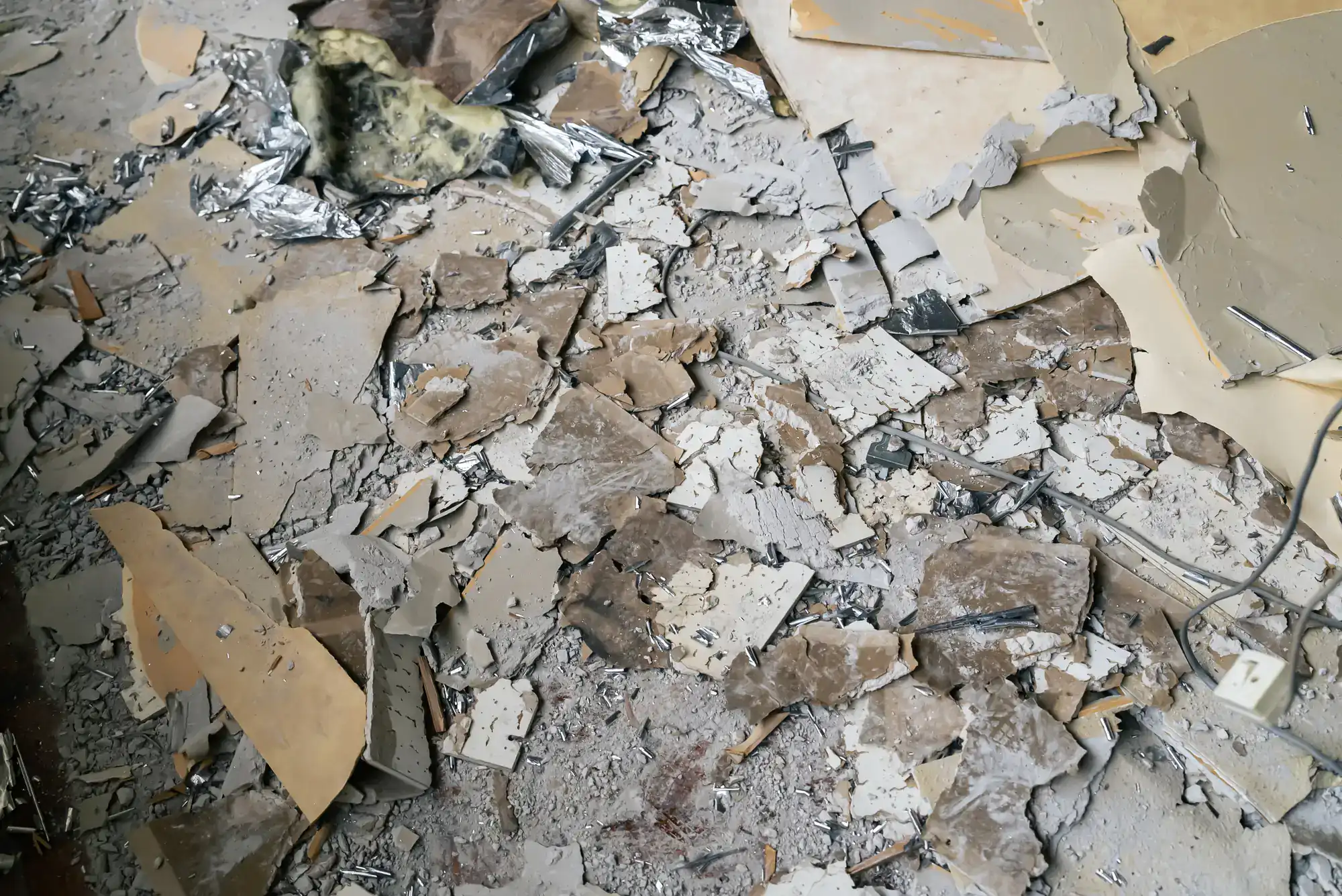
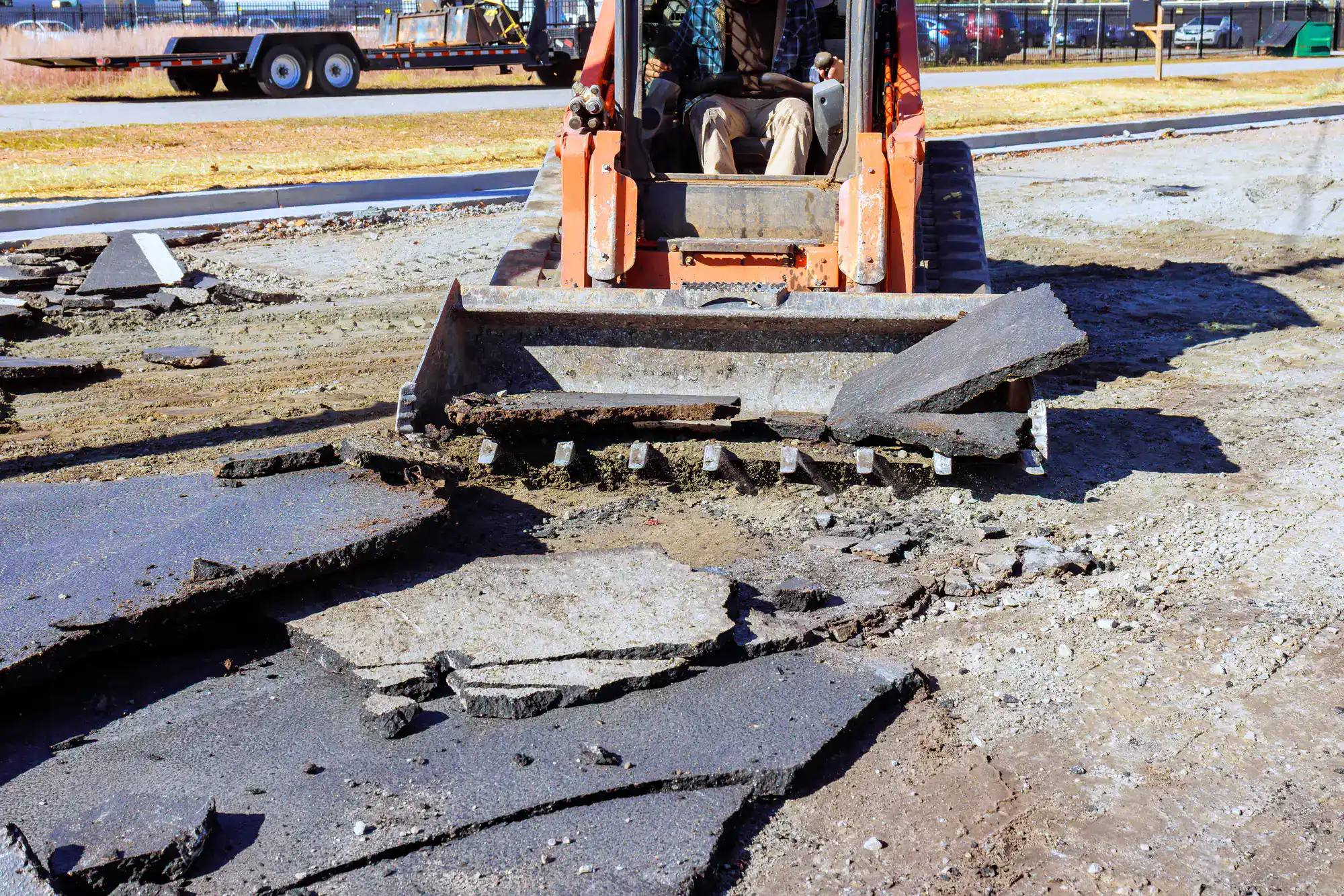
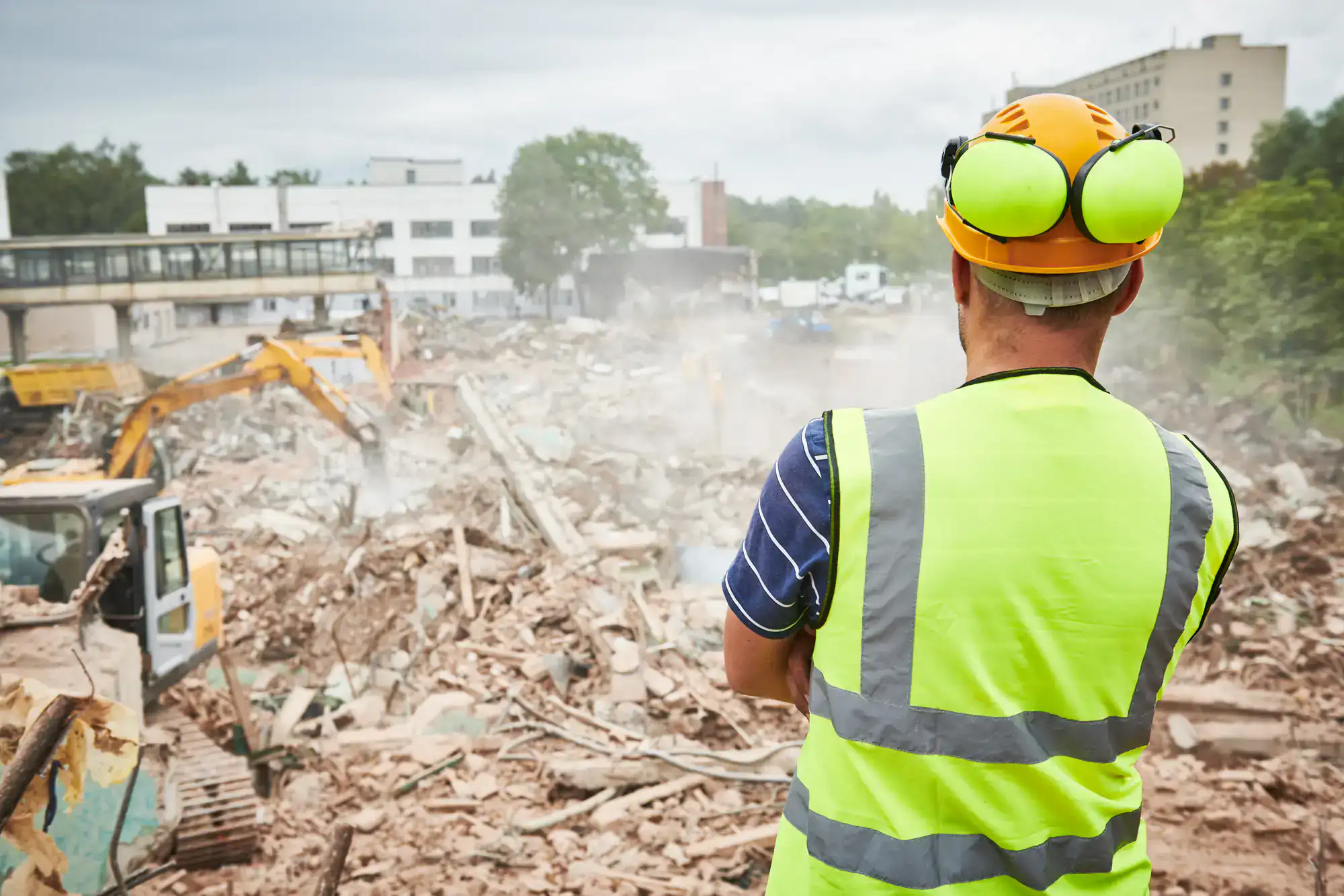
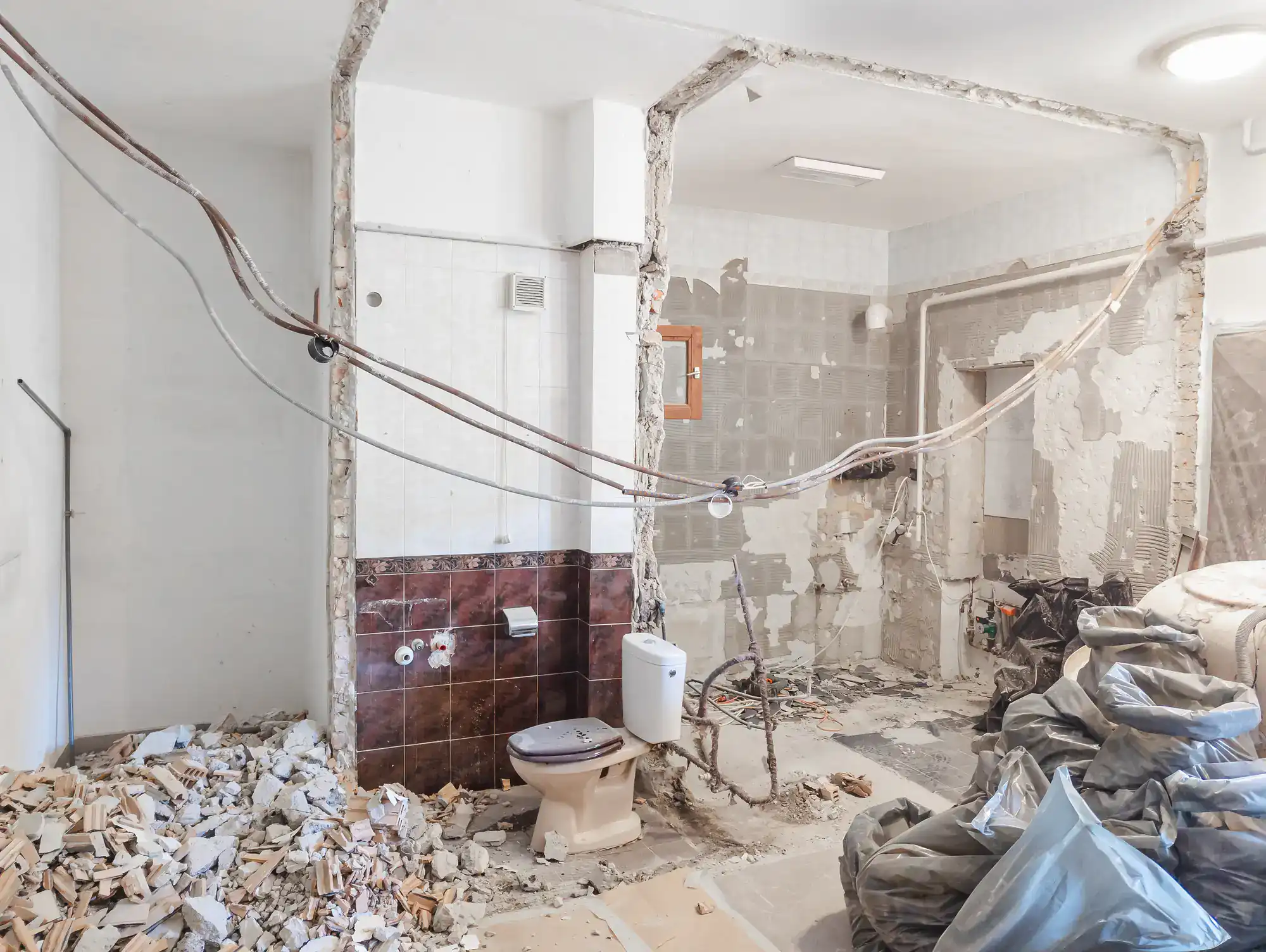
Once abatement is complete and the space is cleared, demolition proceeds. Whether that’s gutting a water-damaged basement, taking down interior walls for a renovation, or a more involved structural project, the work gets done with HEPA filtration running throughout to keep airborne particles contained. When the job is finished, debris is removed and the space is left clean. No coordinating three separate companies, no gaps in accountability — one crew handles it start to finish.
Ready to get started?
Our services in Springfield aren’t designed around new construction or commercial teardowns. They’re built around the reality of Delaware County’s residential market — older homes, aging mechanical systems, original insulation, and decades of layered materials that need to be handled carefully before anything comes down.
That means asbestos testing and abatement, lead inspection and removal, interior demolition and gutting, basement waterproofing, mold remediation, and construction debris removal are all available under one roof. If you’re in Scenic Hills dealing with a flooded basement, or you’re on one of the older streets near Indian Rock Park and your kitchen renovation just turned into a hazmat situation, we cover the full scope. Above-ground oil tank removal is also available — relevant for a lot of Springfield’s mid-century homes that still have original oil systems on the property.
Emergency response is available around the clock. Delaware County winters are hard on older pipes, and when something goes wrong at 11 PM in a 1955 colonial, the mold clock starts immediately. Having a certified contractor who answers the phone and can respond the same night isn’t a luxury in this market — it’s the only way to keep a manageable problem from becoming a major one. Free estimates are standard, and cash discounts are available for qualifying projects.

Yes, Springfield Township requires permits for demolition of existing structures, and that applies to significant interior work as well — not just full teardowns. The township’s Building Department is located at 50 Powell Road and operates under Pennsylvania’s Uniform Construction Code, plus its own local amendments that go beyond the state baseline. That means the requirements here aren’t identical to what you’d find in a neighboring township, and assuming otherwise is how projects get stopped mid-job.
A licensed contractor can pull permits on your behalf, which is one of the practical advantages of hiring someone who’s properly credentialed rather than a crew that operates without licensure. We handle the permit process as part of the project. You don’t need to become an expert in Delaware County code requirements — that’s already handled before the first wall comes down.
Not definitively, but the probability is high enough that you should assume it until testing says otherwise. Homes built in the 1940s through the 1960s — which describes the majority of Springfield’s housing stock, including most of Scenic Hills — commonly contain asbestos in 9×9 vinyl floor tiles, pipe and boiler insulation, ceiling texture, roofing materials, and joint compound. These materials were standard construction practice at the time and weren’t phased out until the late 1970s and into the 1980s.
The only way to know for certain is professional testing by a certified inspector. Under federal NESHAP regulations, a pre-demolition asbestos survey is legally required before any demolition work on a structure that may contain asbestos. In Springfield’s housing stock, that’s essentially every significant project. We hold EPA Certified Lead Inspector and Risk Assessor credentials, which means the testing, certification, and abatement can all happen through the same contractor — no handoffs, no gaps.
A standard demolition contractor takes things down and hauls them away. An environmental abatement contractor is certified to identify, contain, and legally remove hazardous materials — asbestos, lead paint, mold — before or during that demolition process. In new construction or commercial buildings without hazmat concerns, the distinction doesn’t matter much. In a pre-1978 Springfield home, it matters enormously.
Federal law requires certified contractor involvement before disturbing lead paint in homes built before 1978 under the EPA’s RRP Rule. It also requires a professional asbestos survey before demolition under NESHAP. A demolition crew without environmental certifications can’t legally perform that work — which means if they start swinging hammers without the proper testing and abatement steps completed first, they’re creating a regulatory violation and a health hazard that falls back on the homeowner. We hold both capabilities, which is why Springfield homeowners dealing with older homes don’t need to hire two separate companies.
We’re available 24 hours a day, seven days a week, and emergency response is part of how we operate — not an add-on service. That matters in Springfield because Delaware County’s winters are genuinely hard on older housing stock. Frozen pipes are a recurring problem in homes built before modern insulation standards, and Springfield’s mid-century construction is particularly vulnerable during hard freezes. When a pipe lets go, mold begins forming within 24 to 48 hours of water exposure.
Getting a certified contractor on-site quickly — someone who can assess the damage, identify any hazmat concerns in the affected materials, and begin gutting the damaged areas properly — is the difference between a contained remediation project and a much larger structural problem. We can respond the same night in most cases and will give you a clear picture of what’s involved before any work begins. The estimate is free, and the response time is real.
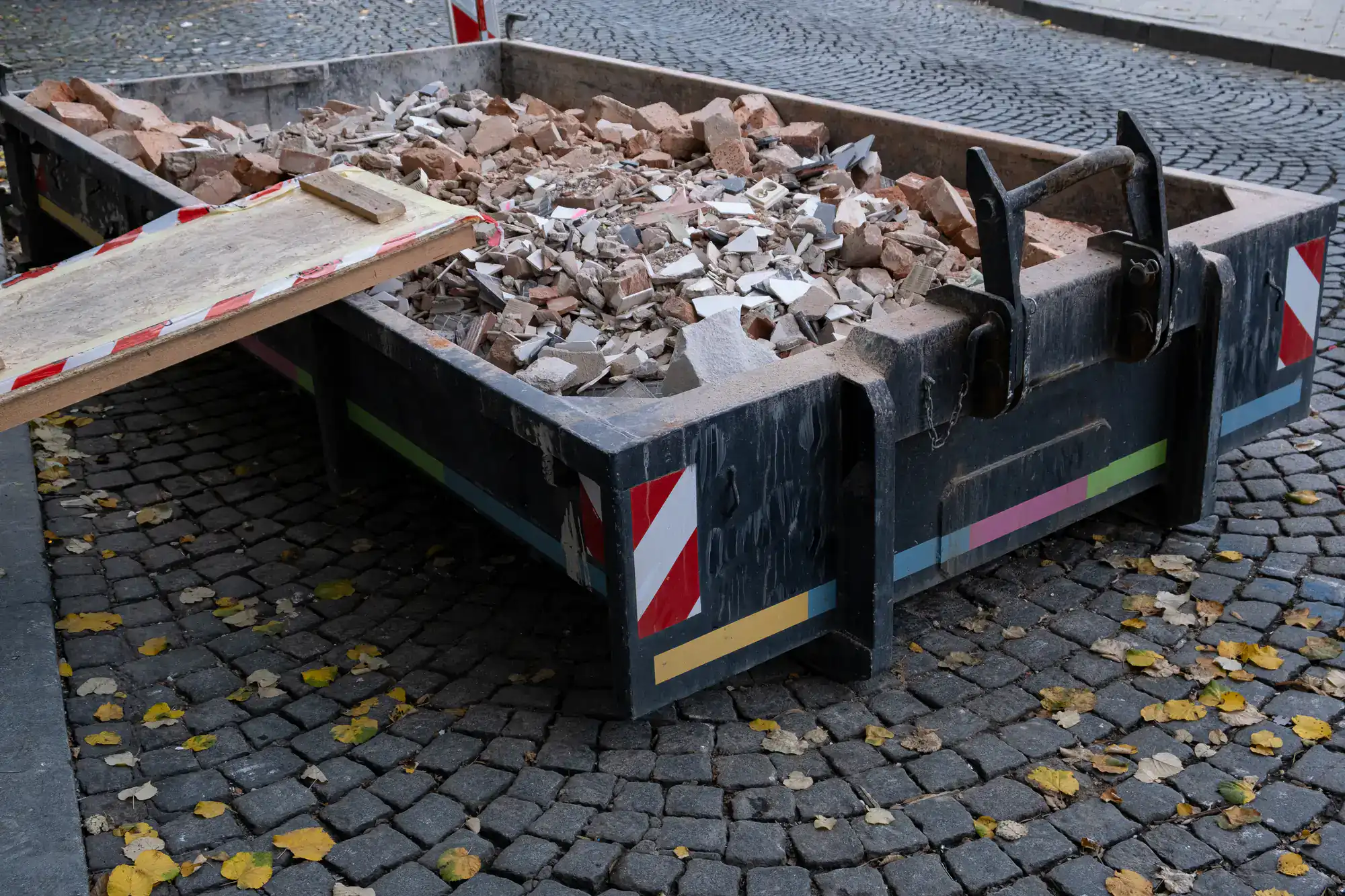
Yes, debris removal is part of the job — not a separate line item you have to figure out after the fact. When demolition or gutting is complete, we remove the debris and leave the space clean. This includes materials from interior demolition, gutting projects, and abatement work where hazardous materials require proper disposal under EPA guidelines.
In Springfield, where renovation projects in older homes frequently uncover materials that can’t just go into a standard dumpster — asbestos-containing tiles, lead-painted trim, contaminated insulation — having a contractor who handles regulated disposal correctly is important both legally and practically. Improper disposal of hazardous construction materials is a federal violation, and it’s one of the hidden costs that shows up after the fact when homeowners hire a general crew that isn’t equipped for this type of work. With us, disposal is included and handled properly from the start.
It comes down to how we operate. We’re owner-operated, which means there’s less overhead than a larger company with multiple layers of management and administrative staff. When a customer pays cash, that efficiency gets passed back to them directly. It’s a straightforward arrangement that works well for homeowners managing renovation budgets in a market where project costs add up fast.
Springfield homeowners are dealing with homes that average over $500,000 in value, and significant renovation or remediation work is a real investment. If paying cash lets you keep more of that budget in your pocket without sacrificing the quality, certifications, or scope of the work — that’s a practical option worth knowing about. It’s not available on every project, but it’s worth asking about when you call for your free estimate.
Other Services we provide in Springfield