Hear from Our Customers
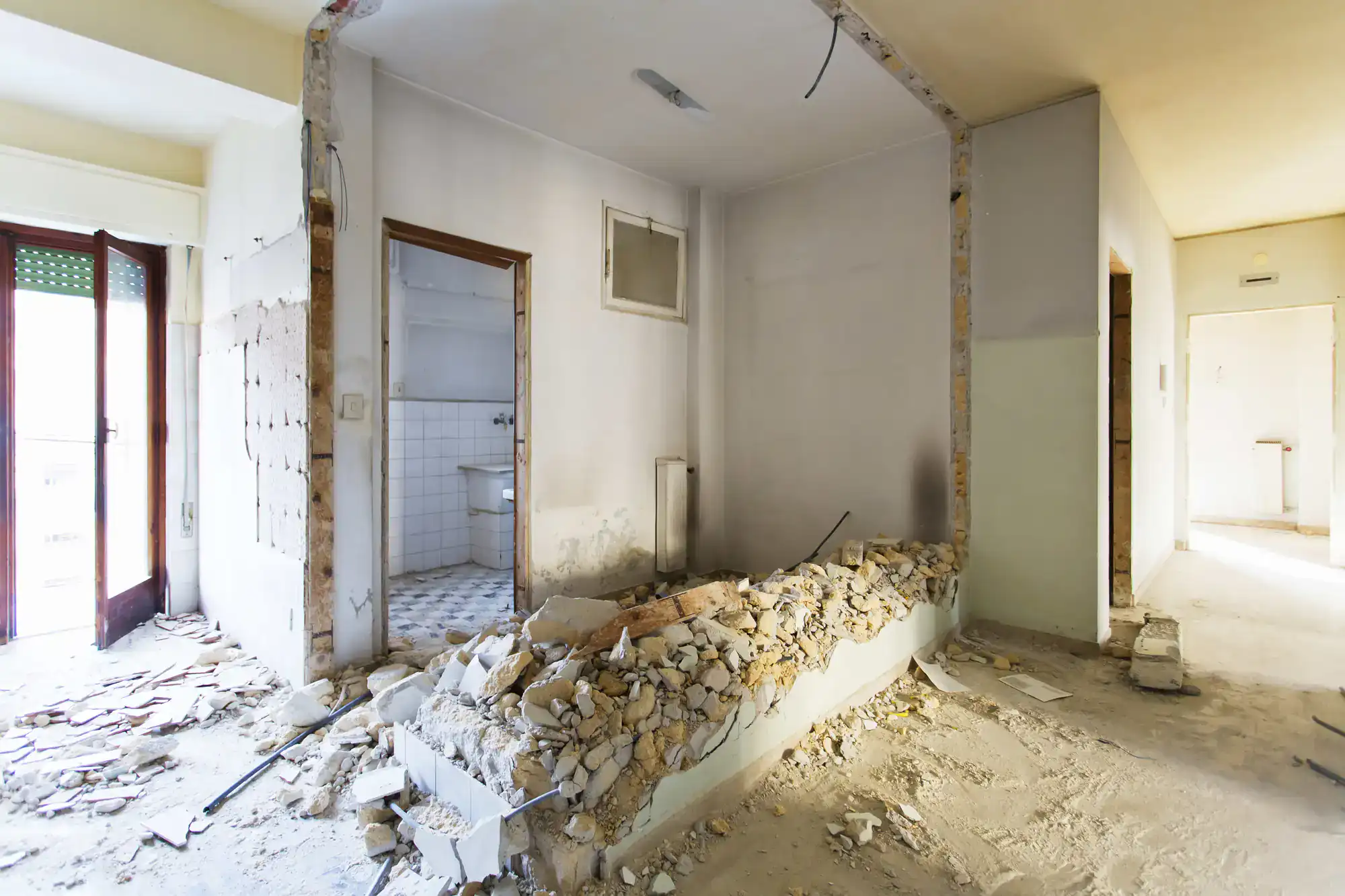
When you hire a contractor equipped only to swing a hammer, you’re one wall cavity away from a project that grinds to a halt. Spring City’s housing stock is almost entirely pre-World War II — Victorian row homes, brick duplexes, Colonial twins — and virtually every one was built before the 1978 lead paint ban. Asbestos insulation, lead-painted trim, deteriorating plaster over wood lath. These aren’t surprises in Spring City. They’re the baseline expectation.
When the contractor you hire can handle what they find — without stopping the job, calling in a separate abatement crew, and restarting the clock — your project actually finishes. That’s the real outcome. Not just a gutted room, but a gutted room that got there without a two-week delay and a change order you didn’t see coming.
Spring City’s location along the Schuylkill River adds another layer. Periodic flooding means basements and lower levels throughout the borough take on water in ways that inland communities don’t. When that happens in a home with original plaster walls and older insulation, mold moves fast. Having one team that can demo the damaged material, assess the mold, and remediate it before the rebuild starts isn’t a luxury — it’s the only way the timeline holds in Spring City.
We’ve been handling demolition and environmental work across Chester County for over twenty years. That longevity isn’t just a number — in a trade that requires ongoing state certification for asbestos and lead removal, it means two decades of consistent regulatory compliance. Contractors who cut corners don’t last twenty years.
Spring City sits squarely in our Chester County service area, and we know what the homes here look like on the inside. The row homes off Main Street, the brick duplexes near the Schuylkill, the older properties in East Vincent Township — we’ve worked in these construction types before, and we know what to expect when the walls come open in Spring City.
We’re fully licensed, bonded, and insured. We hold Pennsylvania’s state-issued asbestos contractor certification, Certified Lead Inspector and Risk Assessor credentials, and full EPA/HUD compliance under the federal Lead Renovation, Repair, and Painting Rule. We offer free estimates, cash discounts, and we’ll beat any legitimate estimate you bring us.
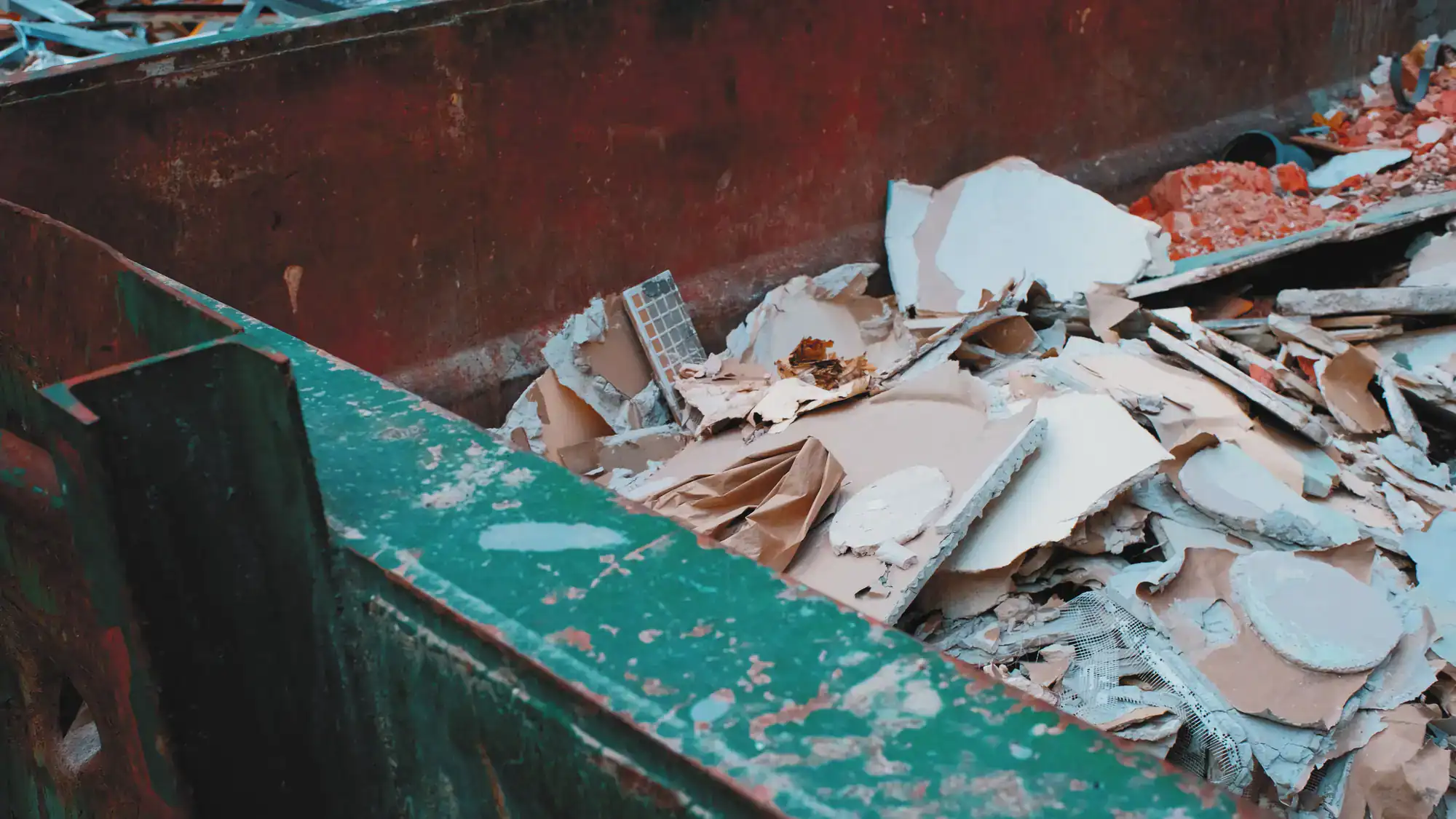
It starts with a free on-site estimate. We come to your Spring City property, walk the space with you, and give you a straight assessment of what the job involves — including any visible signs of asbestos, lead paint, or moisture damage that could affect the scope. You get a real number, not a low-ball quote designed to get in the door.
Before any demolition begins, we handle permitting. Spring City Borough requires a demolition permit through the local building official under Pennsylvania’s Uniform Construction Code, and we coordinate that process so it doesn’t fall on you. If testing confirms the presence of regulated materials — asbestos-containing insulation, lead paint on surfaces being disturbed — we handle the certified abatement in-house before the demo work begins. That’s the step where most contractors have to stop and call someone else. We don’t.
Once the site is cleared and compliant, the demolition proceeds under licensed, on-site supervision from start to finish. In Spring City’s attached row homes and duplexes, we use HEPA filtration and proper containment to make sure the work stays inside your unit and doesn’t affect the neighbors sharing your wall. When the job is done, you get a clean, cleared space that’s ready for whatever comes next — with documentation of every regulated material that was handled along the way.
Ready to get started?
Most demolition contractors in the Spring City area — including the ones that come up first in a local search — are equipped for site clearing, excavation, and structural removal. What they’re not equipped for is the interior of a 130-year-old row home on a borough street where every wall is a potential hazmat discovery. That gap is exactly where projects stall, budgets blow up, and homeowners end up managing two separate contractors instead of one.
We handle the full scope under one roof. Interior gut-outs, selective demolition, full structural removal, post-flood emergency tear-outs — and when asbestos, lead, or mold turns up mid-project, we don’t hand it off. We’re state-certified to test it, remove it, and document it, then pick up where the demo left off. For General Contractors working in Spring City and the broader Chester County area, that means one subcontractor who won’t stop the job when the walls get complicated.
We also handle waterproofing — which matters in a riverfront borough where moisture issues in older foundations are common. If your project starts as a basement gut-out and turns into a waterproofing job once the walls come down, we can take it the full distance. Free estimates, 24/7 availability, and a beat-any-estimate guarantee mean you’re not overpaying for the coverage you actually need.
Yes, in most cases. Spring City Borough operates under Pennsylvania’s Uniform Construction Code, which requires a demolition permit from the local building official before work begins on any existing structure. For interior gut-outs — removing walls, ceilings, flooring, or other structural components — you’ll want to confirm the specific requirements directly with Spring City Borough Hall, since permit thresholds can vary depending on the scope of work.
What most homeowners in Spring City don’t think about until it’s too late is that the permit process in a pre-WWII home often intersects with hazmat requirements. If your project will disturb surfaces that may contain asbestos or lead paint — which is nearly every interior renovation in Spring City’s older housing stock — Pennsylvania law and federal EPA regulations require that a certified abatement contractor assess and remove those materials before demolition proceeds. We handle both sides of that: the permit coordination and the certified abatement, so you’re not managing two separate processes on your own.
You don’t know for certain until it’s tested — and that’s exactly the point. In Spring City, where the borough’s housing stock is almost entirely pre-World War II, the odds that your home contains asbestos-containing materials are high. Pipe insulation, floor tiles, ceiling tiles, joint compound, roofing materials, and insulation around heating systems were all commonly manufactured with asbestos through the mid-20th century.
The right move before any gut renovation is a professional inspection by a certified asbestos inspector who can collect samples and send them to an accredited lab. If regulated materials are confirmed, Pennsylvania’s Asbestos Accreditation and Certification Act requires that a state-certified abatement contractor remove them before demolition disturbs those surfaces. We hold that certification. We can test, confirm, and remove in-house — so you’re not coordinating between an inspector, a separate abatement contractor, and a demo crew. One call covers the whole process.
If a contractor without hazmat credentials finds asbestos or lead paint mid-project, the job stops. They’re legally required to halt work, bring in a certified abatement contractor, wait for the removal and clearance testing to be completed, and then restart. In practice, that means days to weeks of delay, a change order you weren’t expecting, and the hassle of managing a second contractor you didn’t hire.
When we’re running the project, that discovery doesn’t stop the job. We’re already certified to handle it. Our team assesses the material, contains the work area using HEPA filtration and negative air pressure to prevent cross-contamination — which matters especially in Spring City’s attached row homes and duplexes where your neighbor is on the other side of the wall — removes the regulated material under state-certified protocols, and picks up the demolition where it left off. The timeline stays intact, and you have documentation of every regulated material that was handled, which matters for resale and permit closeout.
In most cases, yes. When a basement or lower level in Spring City takes on water — whether from a Schuylkill River flood event, a sump pump failure, or a burst pipe — the water-damaged materials need to come out before remediation can be effective. Drywall, insulation, wood framing, and flooring that have been saturated can’t simply be dried in place. Mold colonizes fast in those conditions, especially in older Spring City homes with original plaster walls and limited airflow in the lower levels.
The demolition step isn’t just about removing visibly damaged material — it’s about exposing the full extent of moisture intrusion so the remediation team can treat the actual affected area, not just the surface. In a pre-WWII home, that process can also uncover asbestos-containing insulation or lead paint on surfaces that are now wet and disturbed, which triggers the same hazmat requirements as any other renovation. We handle the emergency demo, the hazmat assessment, and the mold remediation as a single scope of work — available 24/7, including after-hours when flooding doesn’t wait for business hours.
Interior demolition in Spring City typically runs somewhere between $2 and $8 per square foot depending on the scope, the materials involved, and what’s found inside the walls. A single-room gut — kitchen or bathroom — might run $1,000 to $3,000. A full gut-out of a row home to the studs can reach $5,000 to $9,800 or more, depending on square footage and hazmat findings.
The honest answer is that the final cost in a pre-WWII Spring City home depends heavily on what’s behind the walls. If asbestos insulation or lead paint is confirmed, abatement adds to the total — but it’s a required cost regardless of who does it. The difference with us is that the abatement is handled in-house at a single project rate, rather than as a separate contractor engagement that adds markup and delay. We offer free estimates, we’ll beat any legitimate written estimate, and we offer cash discounts — because Spring City is a real community with real budgets, and we’d rather earn your business on the merits than price you out of doing the job right.
Yes — and the specific licenses matter here, not just the general claim of being “licensed and insured.” We hold Pennsylvania’s state-issued asbestos contractor certification under the Asbestos Accreditation and Certification Act, which is one of the few mandatory state-level licenses in the construction trades. We also hold Certified Lead Inspector and Risk Assessor credentials and maintain full EPA/HUD compliance under the federal Lead Renovation, Repair, and Painting Rule — the federal regulation that requires any contractor working in pre-1978 homes to be lead-safe certified.
In Spring City, where virtually every residential structure predates 1978 and a significant portion predate 1940, those aren’t background credentials. They’re the specific authorizations required to legally perform the work that this borough’s housing stock demands. We’re fully bonded and insured as well, which matters in a borough of attached homes where demolition work in one unit can affect the property next door. Chester County is part of our core service area, and Spring City is a borough we know well — the construction types, the permit process, and the conditions inside those old walls.
Other Services we provide in Spring City