
Hear from Our Customers
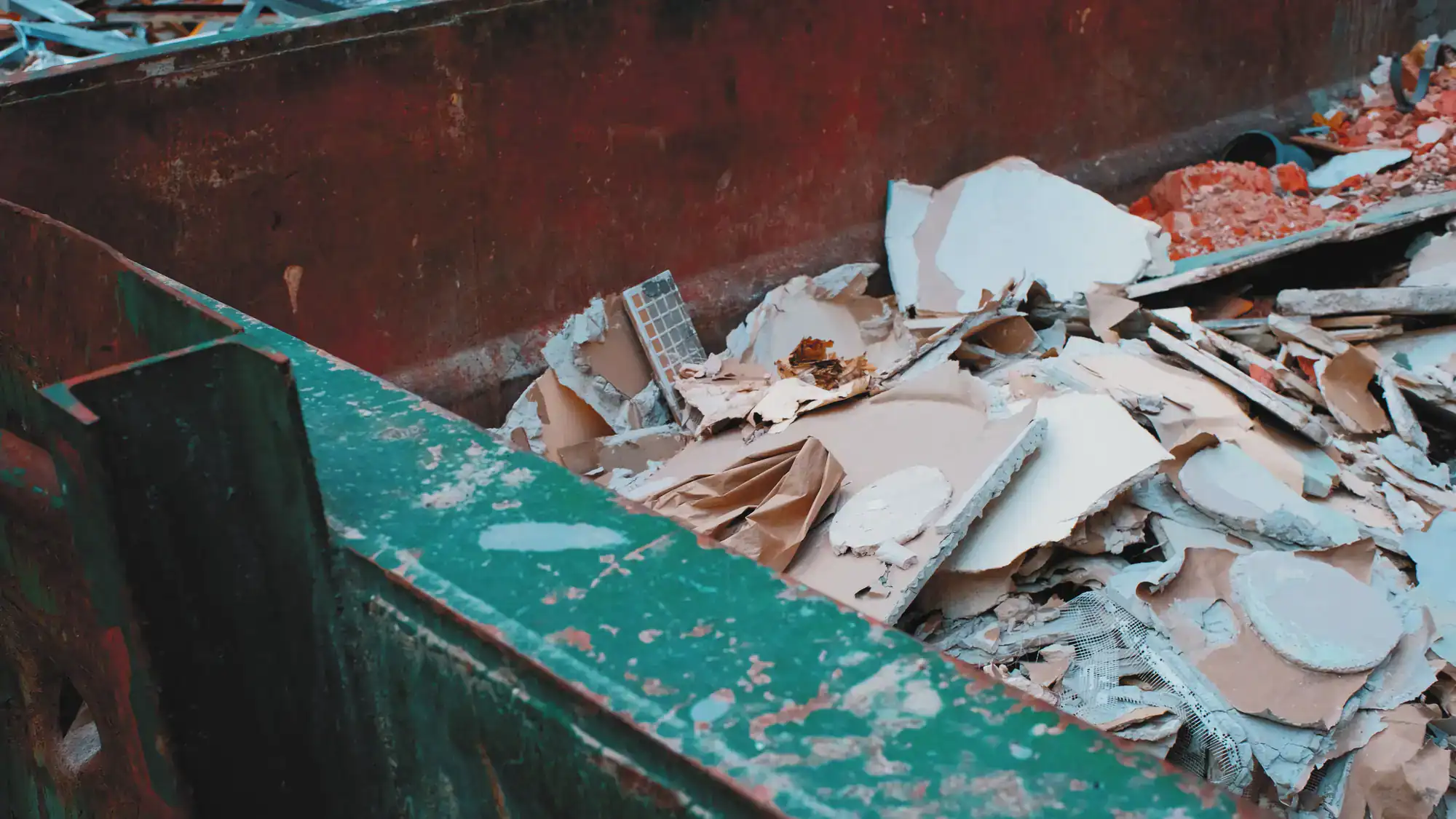
When you’re gutting a kitchen or tearing out a bathroom in a pre-war Rosemont colonial, the biggest risk isn’t the demo itself — it’s what gets discovered halfway through. Asbestos in the floor tile. Lead paint under three layers of wallpaper. Mold behind the shower wall. A contractor who isn’t certified to handle those things has to stop, call someone else, and leave your project sitting open while you wait. That doesn’t happen here.
We handle testing, abatement, and demolition under one roof. That means when something turns up — and in a Rosemont home built before 1960, there’s a real chance something will — the job doesn’t pause. We test it, remediate it, and keep moving. One crew, one contract, one point of accountability from the first walkthrough to the final cleanout.
That matters even more in a community like Rosemont, where homes in the Beaupre neighborhood and along the Garrett Hill section can carry original plaster walls, vintage tile, and period insulation that require careful, credentialed handling. You’re not just protecting a renovation budget — you’re protecting a home worth close to $807,000. The credentials behind the work matter at that level.
We’ve been doing this work for twenty years across Delaware County and Montgomery County — both of which govern portions of Rosemont. That’s not a coincidence. Rosemont straddles Radnor Township and Lower Merion Township, and the permit requirements on each side of that line are different. We know both. We’ve pulled permits in both jurisdictions, worked with both code enforcement offices, and handled the specific conditions that show up in this housing stock repeatedly.
The homes in Rosemont — whether you’re off Lancaster Avenue near Rosemont Station or tucked into one of the estate-derived neighborhoods that grew out of properties like the old Beaupre estate on Conestoga Road — are not generic suburban builds. They’re older, they’re architecturally specific, and they require a contractor who comes in prepared, not one who figures it out as they go.
We’re fully licensed, bonded, and insured. We carry Pennsylvania’s state-issued asbestos contractor certification, a Certified Lead Inspector and Risk Assessor credential, and EPA/HUD compliance for pre-1978 residential work. Those aren’t marketing claims — they’re the specific licenses Pennsylvania law requires for this type of work.
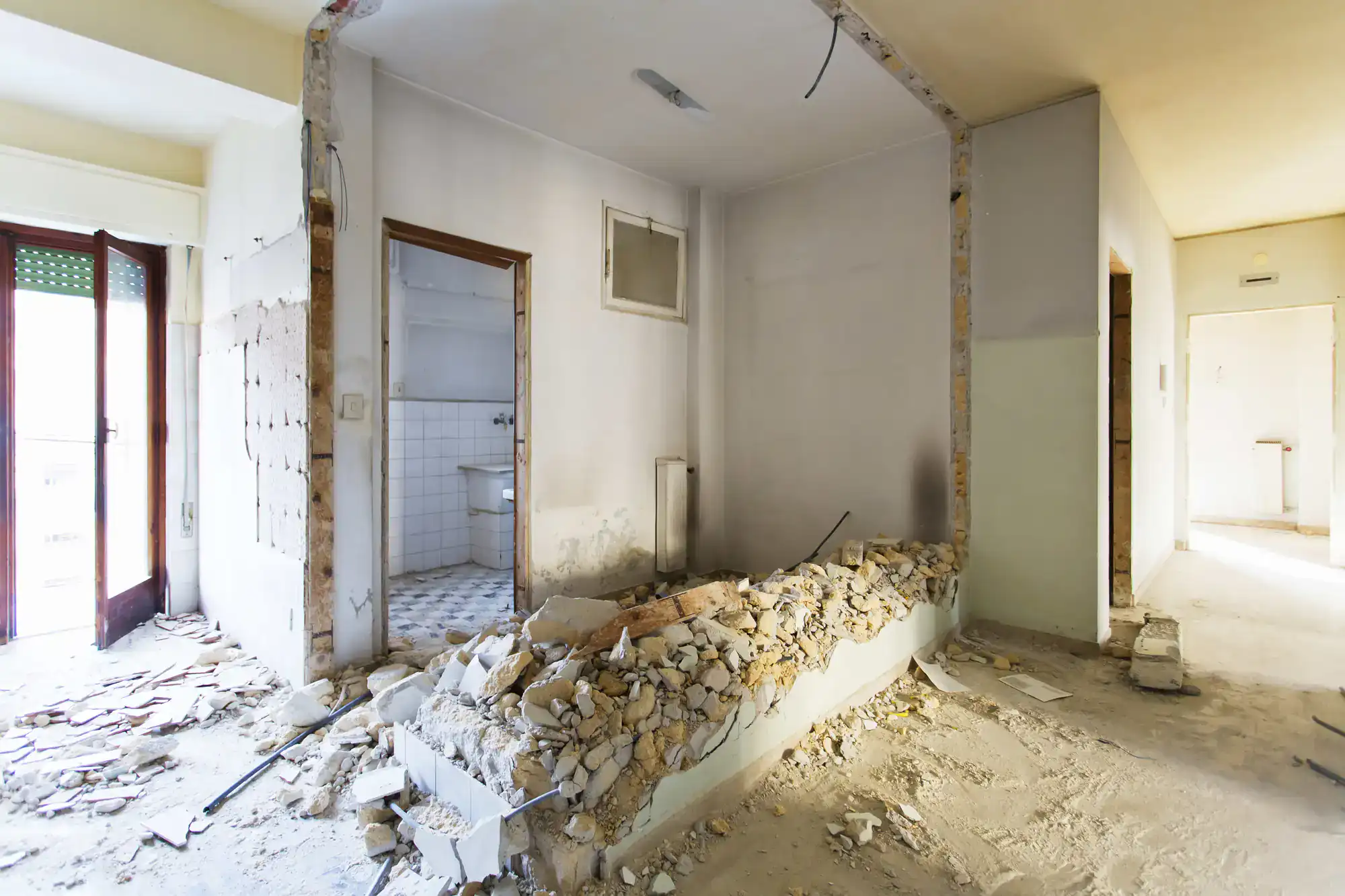
It starts with a free estimate and a real conversation about what you’re working with. Before anything gets touched, we evaluate the space — what’s there, how old it is, and what materials are likely present based on the age and construction type of your home. In Rosemont, where the median build year is 1960 and a significant portion of homes predate World War II, that evaluation isn’t a formality. It’s the step that protects you.
If testing is needed, we handle it. If hazardous materials are found — asbestos, lead, mold — we remediate them under the appropriate state and federal certifications before demolition begins. That sequencing matters legally and practically. Pennsylvania’s Asbestos Accreditation and Certification Act and the EPA’s Lead Renovation, Repair, and Painting Rule both have specific requirements for how this work gets done in pre-1978 homes. We follow them. We’re licensed to.
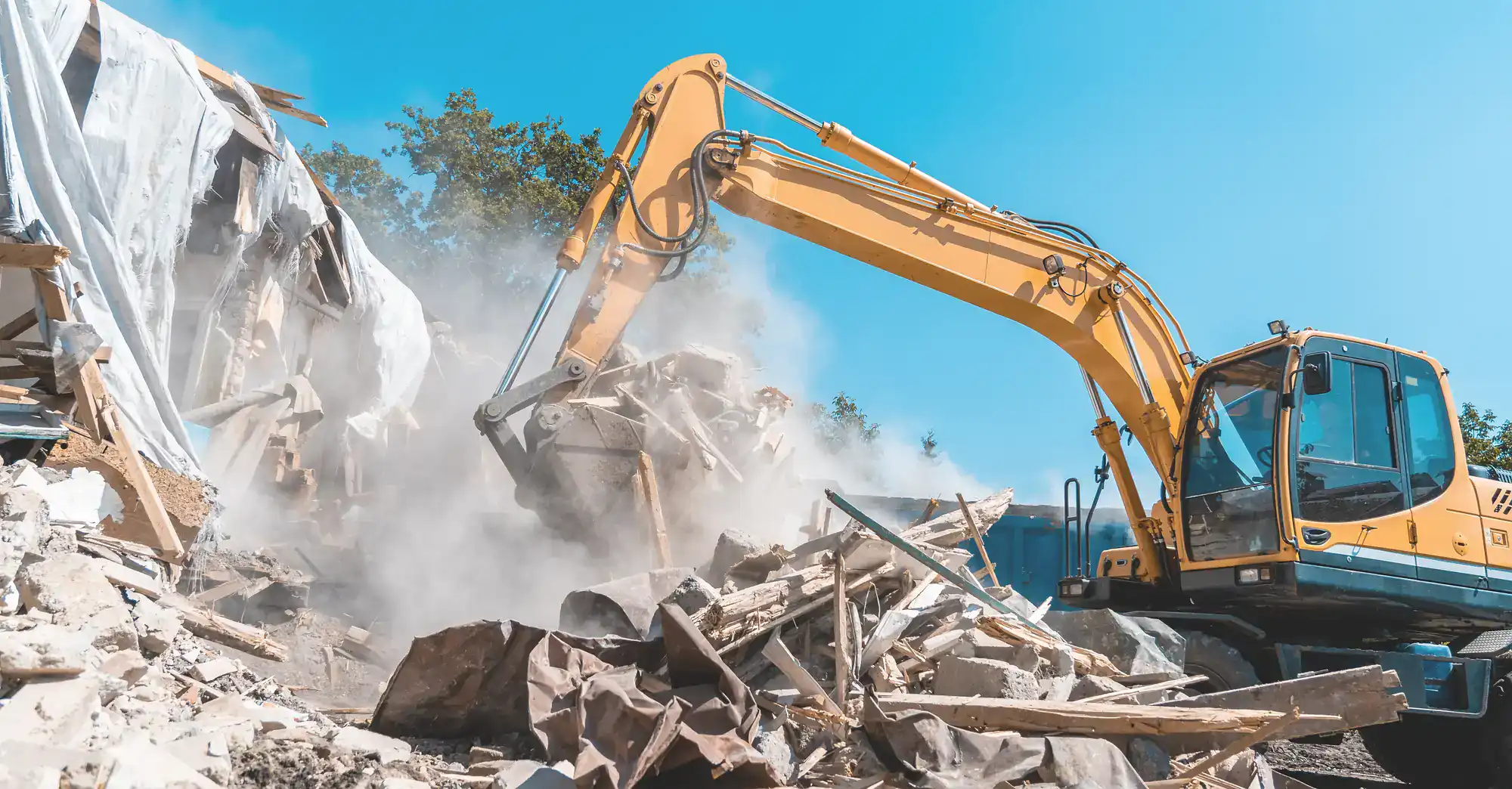
Once the space is clear, demolition proceeds under on-site licensed supervision from start to finish. We use HEPA filtration systems throughout hazardous material work to keep the air clean in the rest of your home. If your property is in the Radnor Township portion of Rosemont, your demo permit also requires a certificate of extermination and Shade Tree Ordinance compliance before it’s issued — steps that catch a lot of homeowners off guard. We can walk you through exactly what your address requires before you’ve committed to anything.
Ready to get started?
The scope of what we handle goes well beyond swinging a sledgehammer. Interior demolition and gutting, full room tear-outs, kitchen and bathroom demo, basement clearing — that’s the core of it. But layered on top of that, and often required before demo can even begin in a Rosemont home, is the environmental side: asbestos testing and abatement, lead inspection and removal, mold sampling and remediation, and waterproofing. All of it is available under one roof.
For homeowners in the Radnor Township section of Rosemont, working with a contractor who understands the township’s specific permit requirements is genuinely useful. Radnor requires specialty contractor licensing for demolition work, a certificate of extermination prior to permit issuance, and compliance with Chapter 263 of the Township Code — the Shade Tree Ordinance — before a demo permit is approved. For properties on the Lower Merion Township side, Montgomery County’s own review process applies. Either way, you’re covered.
What this means practically is that you don’t need to coordinate three separate contractors to get through a gut renovation in a pre-1960 Main Line home. You make one call, get one estimate, and work with one crew that is licensed for every phase of the job. Cash discounts are available, we’ll beat any legitimate estimate, and the first conversation is always free.
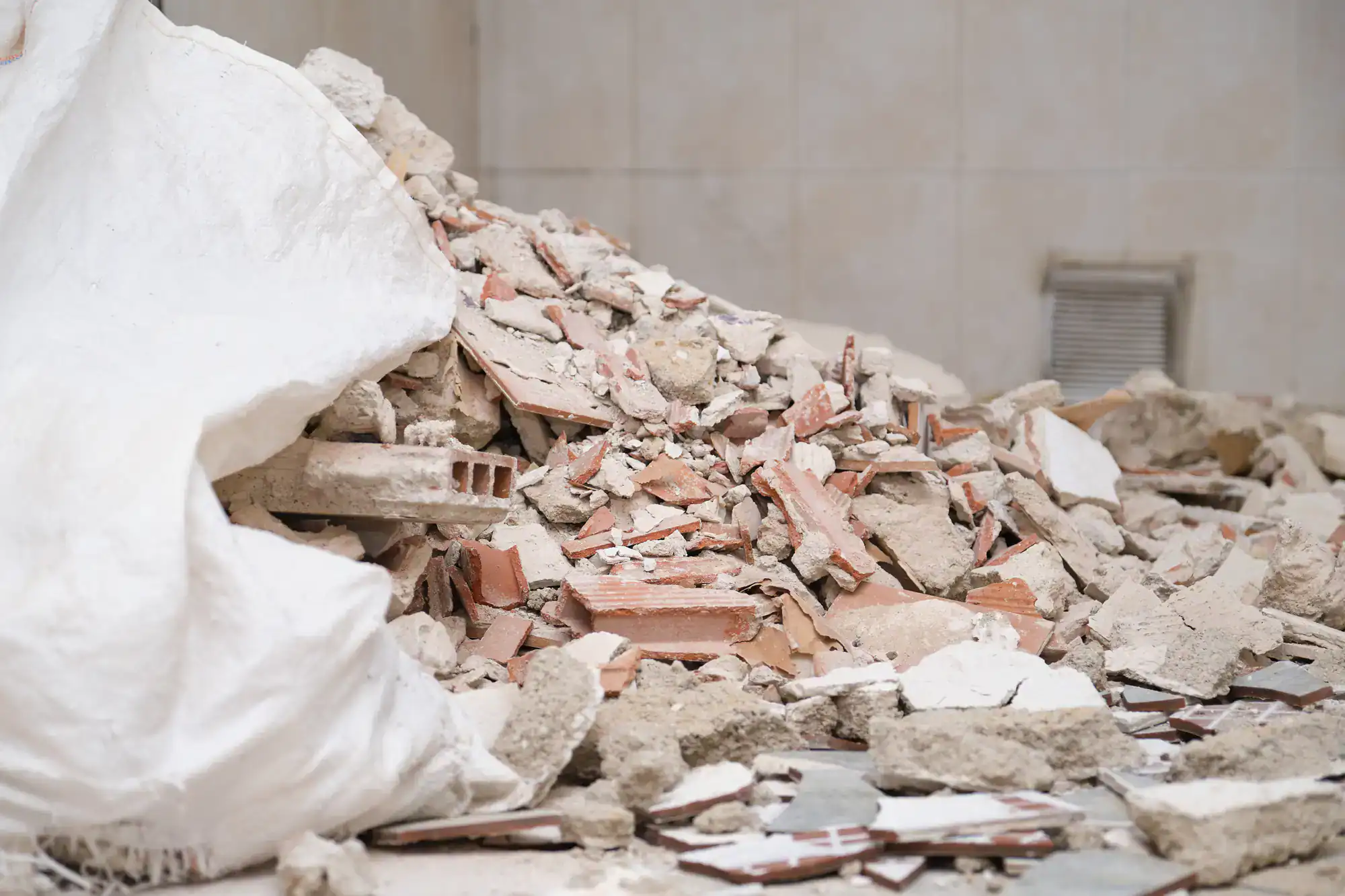
In most cases, yes — and the specifics depend on which side of Rosemont your property sits on. Because Rosemont straddles both Radnor Township in Delaware County and Lower Merion Township in Montgomery County, permit requirements vary based on your exact address. For properties in the Radnor Township portion, demolition is classified as specialty contractor work, which means the contractor you hire must hold a township-issued specialty contractor license. The permit process also includes two less-obvious requirements: a certificate of extermination from a licensed pest control company must be submitted before the permit is issued, and your project must demonstrate compliance with Radnor Township’s Shade Tree Ordinance under Chapter 263 of the Township Code.
For properties in the Lower Merion Township portion, you’re under Montgomery County jurisdiction with its own permit review process. Lower Merion is known for thorough code enforcement, so it’s worth understanding what your specific address requires before you start. When you call us, we can help you figure out which jurisdiction you’re in and what that means for your project timeline — before you’ve spent anything.
This is one of the most common concerns for homeowners in Rosemont — and it’s a legitimate one. Over 29% of homes in this community were built before 1950, and asbestos-containing materials were used in residential construction well into the late 1970s. Floor tiles, ceiling texture, pipe insulation, plaster bonding compounds, joint compound, and roofing materials from that era frequently contain asbestos. When it’s intact and undisturbed, the risk is relatively low. The problem comes when renovation work — cutting, sanding, demolishing — disturbs those materials and releases fibers into the air.
Under Pennsylvania’s Asbestos Accreditation and Certification Act, any contractor removing regulated asbestos-containing materials must hold a state-issued asbestos contractor certification. We hold that certification. When our crew encounters suspect material during a gut job, we don’t stop the project and leave you searching for a separate abatement contractor. We test it, and if it requires remediation, we handle it under our existing certification and keep the job moving. That’s the practical value of working with a contractor who does both.
If your Rosemont home was built before 1978, lead-based paint is not a maybe — it’s a near-certainty. The federal ban on lead paint in residential construction took effect in 1978, and the median construction year for homes in Rosemont is 1960. That means the overwhelming majority of homes in this community were built when lead paint was standard. It can be present on walls, trim, windows, doors, and original cabinetry — and it doesn’t always look old or deteriorated. Sometimes it’s hidden under multiple layers of newer paint.
Under the EPA’s Lead Renovation, Repair, and Painting Rule, any contractor doing renovation work in a pre-1978 home must be lead-safe certified and follow specific containment and work practices. We hold a Certified Lead Inspector and Risk Assessor credential and are fully EPA/HUD compliant. During demolition or gutting work, we use HEPA filtration systems and proper containment to prevent lead dust from migrating into the rest of your home — which matters especially if you have children or anyone with respiratory sensitivities living there.
This is worth asking directly — and specifically — before you hire anyone. There are multiple layers of licensing that apply to demolition work in Rosemont, and “licensed and insured” as a general claim doesn’t tell you much. For work involving asbestos, Pennsylvania requires a state-issued asbestos contractor certification under the Asbestos Accreditation and Certification Act. For work in pre-1978 homes involving lead, the EPA’s RRP Rule requires lead-safe certification. For properties in the Radnor Township portion of Rosemont specifically, the contractor must also hold a township-issued specialty contractor license for demolition work.
Ask any contractor you’re considering to name the specific licenses they hold — not just confirm that they’re “licensed.” Ask for their Pennsylvania asbestos contractor certification. Ask whether they hold a Certified Lead Inspector and Risk Assessor credential. Ask if they’re EPA/HUD compliant. We hold all of these, and we’ll answer every one of those questions clearly. We’re also fully bonded and insured, which means you have real financial protection if something goes wrong — not just a verbal assurance.
The honest answer is that it depends on what’s found during the evaluation phase — and in Rosemont’s older housing stock, that phase matters more than it does in newer construction. A straightforward interior gut of a kitchen or bathroom in a home with no hazardous material findings can often be completed in a day or two of active demo work. But in a pre-war colonial or a mid-century home in the Beaupre area or Garrett Hill section, the evaluation and any required testing or remediation add time to the front end of the project.
That front-end time is not wasted — it’s what prevents a much longer and more expensive stoppage later. A contractor who skips the evaluation and hits asbestos-containing floor tile on day two of a gut job faces a mandatory work stoppage under Pennsylvania law until a certified abatement contractor handles it. Because we handle testing, remediation, and demolition in sequence under one contract, that scenario doesn’t apply. The job moves in order, and you have a realistic timeline before work begins — not a surprise after it’s already started.
Yes — cash discounts are available, and we’ll beat any legitimate written estimate for comparable licensed work. The cash discount is straightforward: it reduces overhead on both sides and gets passed directly to you. In a community where gut renovations frequently involve multiple phases — demo, abatement, waterproofing — the savings on a cash transaction add up across the full scope of a project.
The beat-any-estimate guarantee applies to apples-to-apples comparisons. If another licensed, certified contractor serving the Rosemont and Radnor Township area has given you a written estimate for the same scope of work, bring it to us. The key word is licensed — the comparison has to be fair. A lower quote from a contractor who isn’t PA asbestos-certified or EPA/HUD compliant isn’t really a comparable offer in a pre-1960 Main Line home. It’s a different product with a different risk profile. We’re happy to walk through any estimate you’ve received and explain exactly what you’re comparing. The first conversation is always free — call (484) 378-2453 any time.
Other Services we provide in Rosemont