Hear from Our Customers
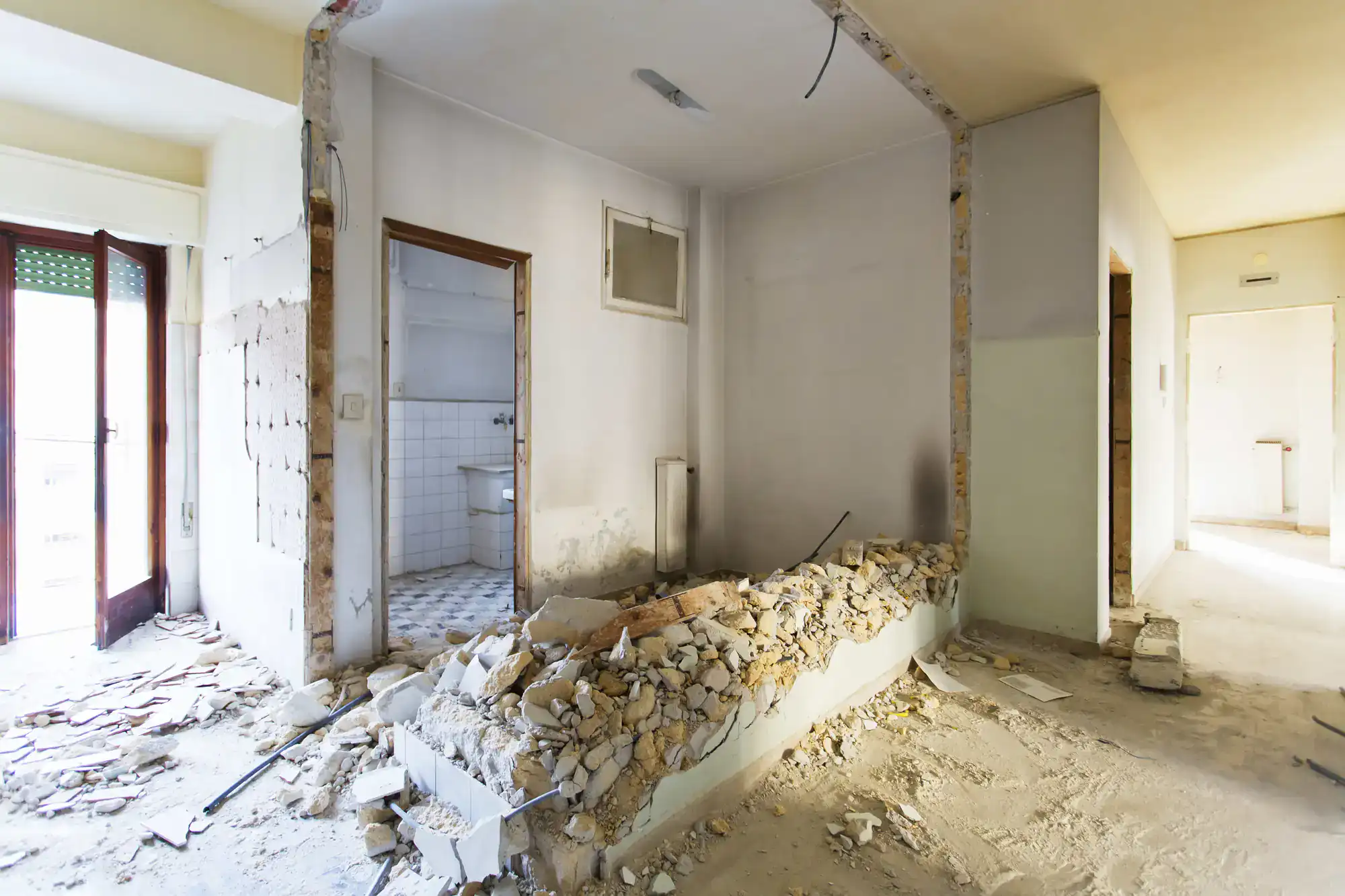
Lower Gwynedd is one of the most sought-after addresses in the Philadelphia suburbs — and a lot of the homes here were built long before anyone was talking about lead paint regulations or asbestos in floor tiles. It’s just the reality of renovating in a township that’s been continuously settled since 1698. When you gut a kitchen or open up a basement in Spring House or Penllyn, there’s a real chance you’re dealing with materials that need more than a dumpster and a sledgehammer.
What you get when you work with us is a project that doesn’t stop. No mid-demolition panic when something turns up in the walls. No scrambling to find a separate abatement crew while your renovation sits half-finished. Testing, removal, and demolition happen in sequence, under one contractor, with the proper state licensing and EPA compliance behind every step.
For families renovating in Lower Gwynedd’s older housing stock — especially in homes along Bethlehem Pike or in the Gwynedd Valley corridor — that continuity isn’t just convenient. It’s the difference between a renovation that finishes on time and one that doesn’t finish at all.
We’ve been working in Lower Gwynedd and throughout Montgomery County for over twenty years. That means we’ve been inside the mid-century colonials off Butler Pike, handled original floor tiles in Spring House kitchens, and navigated the layered construction history that defines Lower Gwynedd’s housing stock. This isn’t a company that shows up in a new township and figures it out as we go.
Our credentials are real and verifiable. We hold a PA state asbestos license under Pennsylvania’s Asbestos Accreditation and Certification Act, a Certified Lead Inspector and Risk Assessor designation, and full EPA/HUD compliance for pre-1978 residential work. We’re fully licensed, bonded, and insured — all three, not just one.
We also know Lower Gwynedd’s specific permit requirements. The township’s Building and Zoning Department requires a township-level contractor license on top of state licensing, and demolition projects here follow a specific checklist. We handle all of it as standard operating procedure, not as an afterthought.
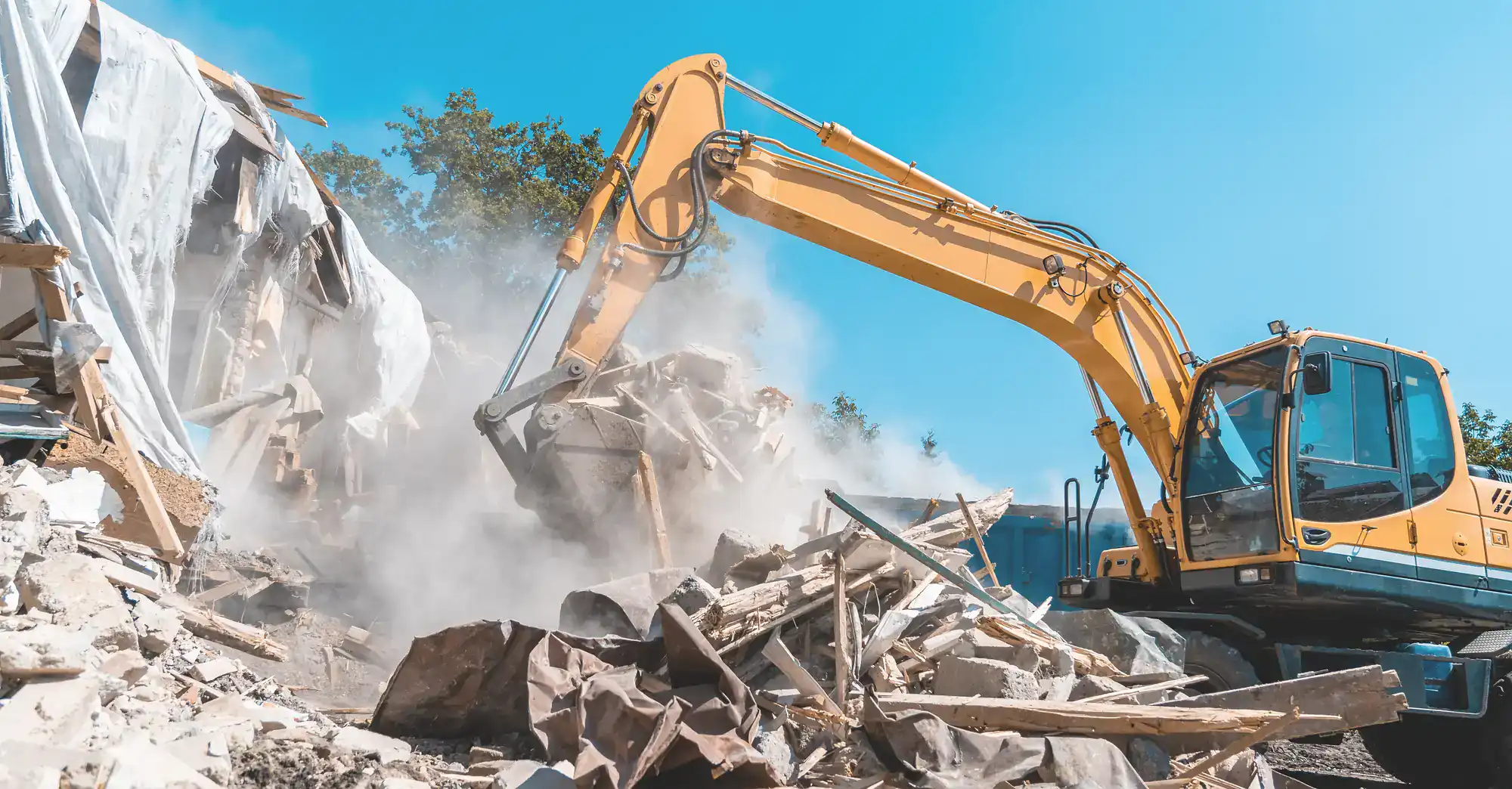
It starts before anything gets torn out. We come in for an initial evaluation — assessing the scope of the project, identifying structural walls, and testing for hazardous materials before a single piece of drywall comes down. In Lower Gwynedd, where homes frequently contain pre-1978 construction materials, this step isn’t optional. It’s what keeps your project legal, safe, and moving.
If testing turns up asbestos or lead, abatement happens first — with HEPA filtration, proper containment, and disposal that meets Pennsylvania state and federal EPA standards. Once the space is clear and confirmed clean, demolition proceeds. The township’s demolition checklist requirements are followed throughout, and any permits required for structural work — wall removal, room alterations, or modifications to the existing structure — are handled before work begins, not after a stop-work order shows up.
When the job is done, we conduct a final walkthrough and inspection. You’re not left with a half-cleared space and a handshake. The site is clean, compliant, and ready for whatever comes next — whether that’s a contractor building out a new kitchen or a developer moving forward on a larger renovation.
Ready to get started?
We cover the complete chain from evaluation to final inspection — hazardous material testing, asbestos and lead abatement, interior demolition, environmental clean-outs, and waterproofing. That last one matters more than people expect. Lower Gwynedd’s older homes, particularly in Spring House and Penllyn, frequently have basements and crawl spaces with original drainage systems that show their age once walls come down. We handle what’s behind the walls and what’s underneath the floor.
For residential projects, that means gut renovations, kitchen and bathroom teardowns, basement demolition, and full interior strip-outs — all with the hazmat awareness that Lower Gwynedd’s pre-1978 housing stock requires. For commercial work, the Spring House Innovation Park and the ongoing Spring House Corporate Center redevelopment on Norristown Road represent exactly the kind of large-scale interior demolition and lab conversion work we’re built for.
Every project comes with a free estimate upfront, 24/7 phone availability, and a price-beating guarantee. Cash discounts are available. If you’re comparing quotes, call us at (484) 378-2453 — we’ll match or beat any legitimate estimate. Emergency response is also available for situations that don’t wait for business hours, including water intrusion, mold discovery, or fire damage in any of the township’s four villages.
Yes, in most cases. Lower Gwynedd Township requires building permits for any work that involves moving or constructing walls, creating new rooms, or altering the existing structure of a home. Painting, swapping out cabinets, or replacing carpet doesn’t require a permit — but if you’re gutting a room, removing a load-bearing or non-load-bearing wall, or opening up a floor plan, you need one before work begins.
On top of that, Lower Gwynedd has a township-level contractor licensing ordinance. Any contractor performing work that requires a building permit must hold a township contractor’s license — separate from their state licensing. That’s not something every contractor coming into the township is prepared for. We operate under the township’s permit requirements and demolition checklist as standard practice, so your project starts compliant and stays that way.
The honest answer is: you don’t know until it’s tested. Any home built before 1978 has the potential for lead paint, and any home built before 1980 may contain asbestos in insulation, floor tiles, ceiling tiles, joint compound, or pipe wrap. Lower Gwynedd’s housing stock spans centuries, with a significant concentration of mid-century construction from the 1950s and 1960s — which puts a large portion of the township’s homes squarely in that window.
Testing is the only way to know for certain. We hold a Certified Lead Inspector and Risk Assessor designation — a state-licensed credential that authorizes formal inspection and risk assessment. We can test before demolition begins, identify what’s present, and handle removal if needed. You don’t need to hire a separate inspector and then find an abatement contractor. We do both, which means the project keeps moving without the gap in the middle.
Work stops on that area until the material is properly handled — that’s the law, not a preference. Under Pennsylvania’s Asbestos Accreditation and Certification Act (Act 194 and Act 161), asbestos abatement must be performed by a state-licensed contractor. Disturbing asbestos without proper containment and removal is a health hazard and a legal violation.
What we do differently is catch it before the project reaches that point. Because we test first and demolish second, asbestos discoveries don’t become emergency stoppages — they become the next scheduled step. Containment goes up, HEPA filtration runs throughout the removal process, and the material is disposed of according to state and federal requirements. Once the space is confirmed clear, demolition continues. For homeowners in Spring House or Gwynedd Valley renovating older homes, this sequence is what keeps a project on schedule instead of stuck.
The range varies based on scope, square footage, and what’s found during the initial assessment. A straightforward interior demolition — gutting a kitchen or bathroom in a home without hazardous materials — generally runs differently than a full floor gut-out in a 1960s colonial where asbestos floor tiles or lead paint are present. The abatement component adds cost, but it’s a required cost, not an optional one.
What we offer is a free, no-obligation estimate so you get a real number for your specific project before committing to anything. We also offer cash discounts and will beat any legitimate competing estimate. In a township where homes regularly sell for $600,000 and above, the cost of doing it right is a fraction of the cost of doing it wrong — a lead or asbestos violation discovered during a pre-sale inspection can derail a transaction entirely. Call (484) 378-2453 to schedule your free estimate.
Yes — but only if they hold the right credentials for both. In Pennsylvania, asbestos abatement requires a specific state-issued license under Act 194 and Act 161. Lead removal in pre-1978 residential properties requires EPA/HUD compliance and, for formal inspections, a Certified Lead Inspector and Risk Assessor designation. Most general demolition contractors don’t hold these credentials. They can swing a hammer, but the moment something turns up in the walls, they have to stop and refer you elsewhere.
We hold all of it — the PA asbestos license, the certified lead inspector designation, and full EPA/HUD compliance. That means one contractor handles the full scope without a handoff in the middle. For Lower Gwynedd homeowners managing a renovation in an older home, that continuity is significant. You’re not coordinating three separate contractors and three separate schedules. One call, one crew, one project from start to finish.
Yes. We provide emergency response service and are available by phone 24 hours a day, seven days a week. Emergencies in older homes don’t follow a schedule — a burst pipe in a Spring House basement, a mold discovery during a pre-sale inspection in Penllyn, or fire damage that needs immediate structural assessment can happen any time. Waiting until Monday morning to make calls isn’t always an option.
Lower Gwynedd’s older housing stock, with its original plumbing and drainage systems, creates real exposure to water intrusion events — particularly in basements and crawl spaces of mid-century homes. When water gets in and sits, mold follows quickly. The faster a qualified contractor can assess and begin remediation, the less structural damage compounds. We respond to emergency calls across Lower Gwynedd and throughout Montgomery County, and we bring the same licensed, hazmat-aware approach to emergency work that we apply to planned renovations. Call (484) 378-2453 any time.
Other Services we provide in Lower Gwynedd