Hear from Our Customers
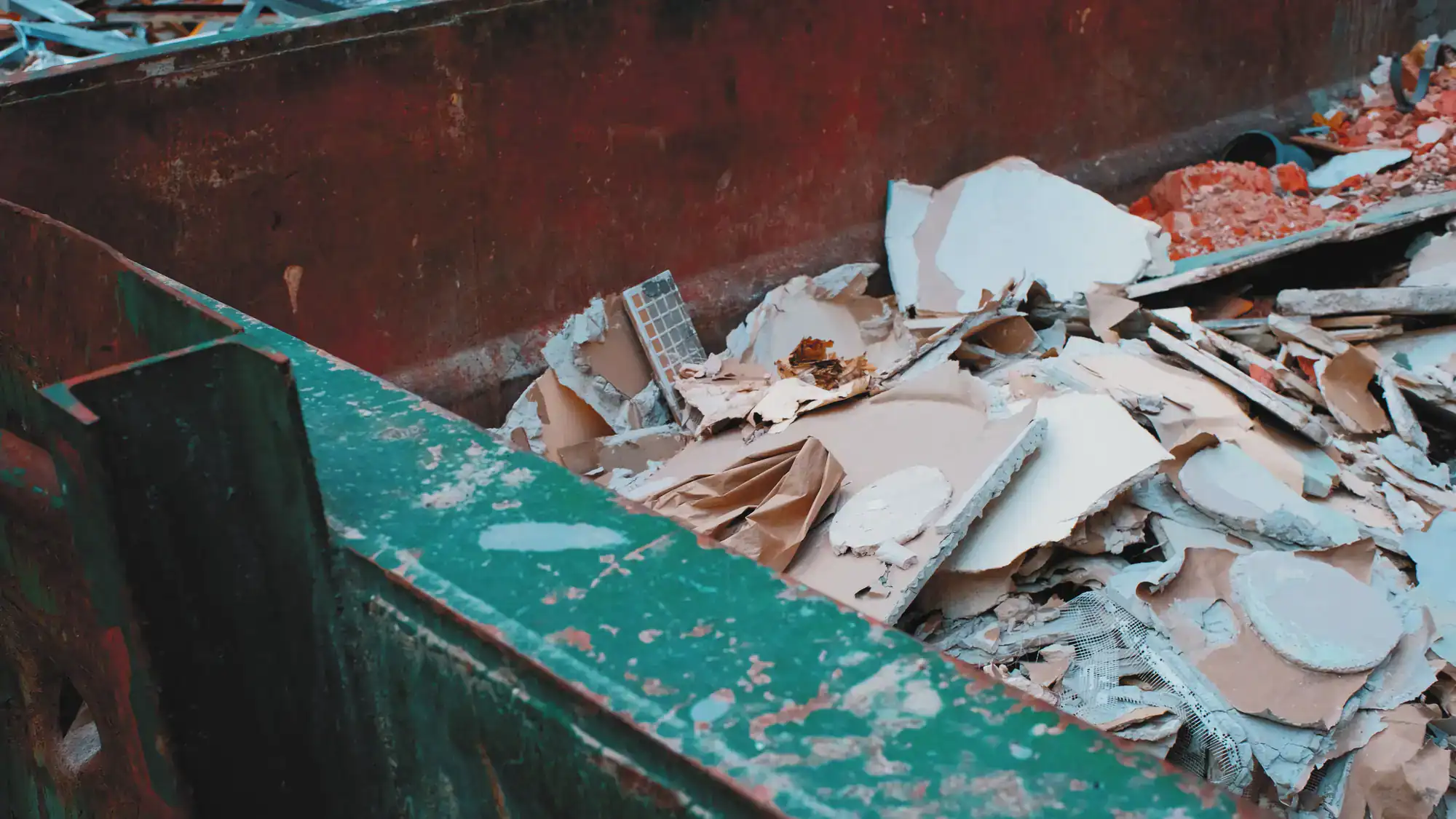
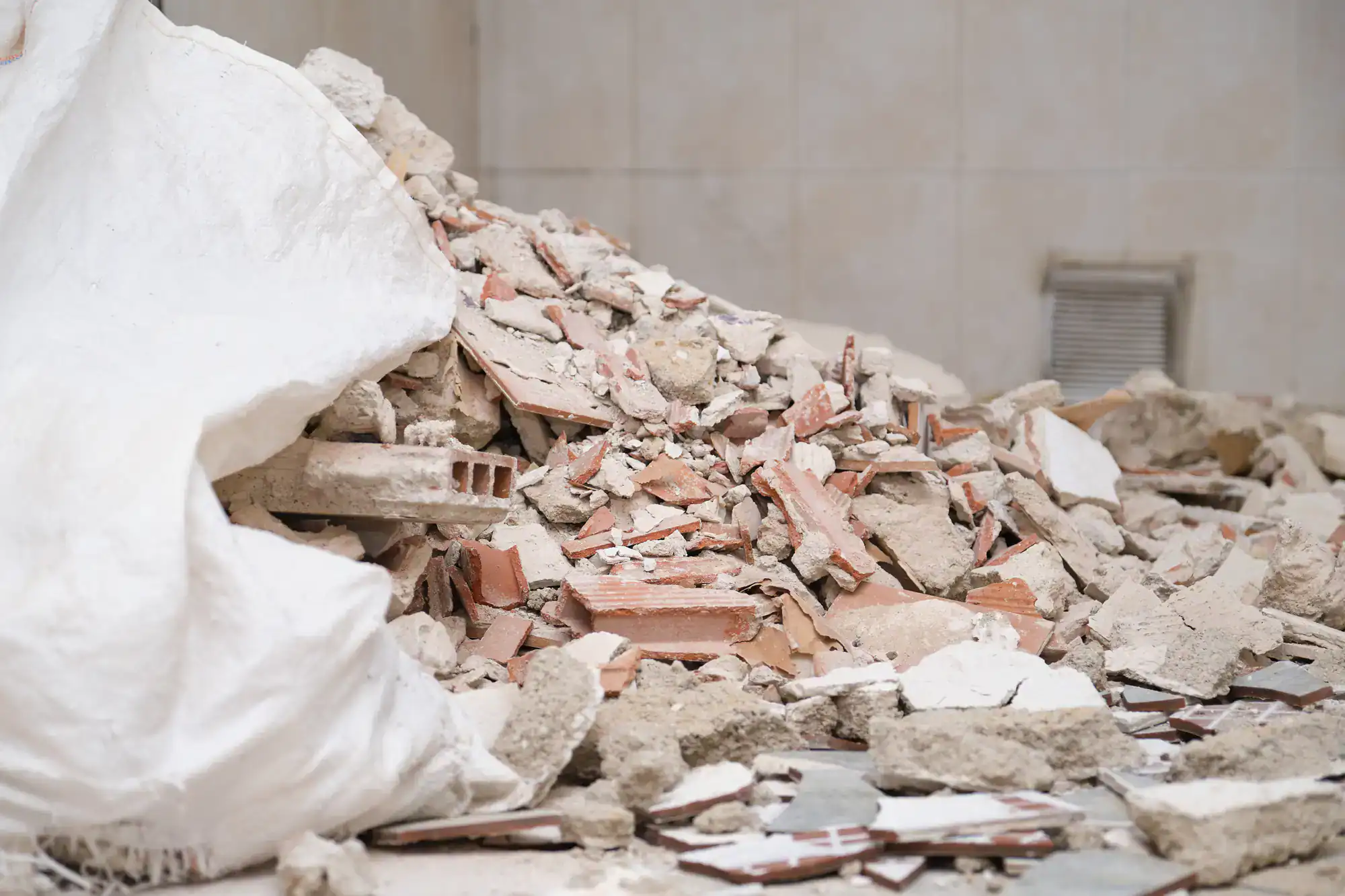
Most people calling about demolition are already mid-project. They’ve pulled a permit, hired a GC, and now they need someone to gut a kitchen, tear out a water-damaged basement, or strip a room down to the studs before the real work starts. What they don’t always account for is what’s inside the walls — and in Lower Frederick, that’s rarely a simple question.
The township’s housing stock spans centuries. There are historic farmhouses off Route 73 that predate Pennsylvania statehood, mid-century homes built with materials we now know are hazardous, and a large wave of homes from the 1980s and 1990s — the township’s fastest growth period — that are now old enough to carry their own risks. Lead paint, asbestos-containing materials, and mold from prior water intrusion are not hypotheticals here. They’re statistical near-certainties in a meaningful share of the homes in this area.
When we complete a demolition job, you’re not just left with cleared space. You’re left with documentation, compliant disposal, and the confidence that what came out of those walls was handled correctly — not rushed past because the crew wasn’t equipped to deal with it. For homeowners along the Perkiomen Creek who’ve dealt with flood damage, that also means mold assessments and waterproofing are part of the same conversation, not a second call to a second contractor.
We’ve been doing this work in Montgomery County for two decades — and that includes deep roots in Lower Frederick and the surrounding Perkiomen Valley. Not just demo — the full scope. Testing, abatement, demolition, mold remediation, waterproofing. One company, one crew, one call. That model exists because the alternative — coordinating multiple contractors through a hazmat discovery — costs homeowners time, money, and a lot of unnecessary stress.
Lower Frederick is the kind of township where that matters more than most. The older homes near Zieglerville and Spring Mount, the creekside properties with documented flood exposure, the historic structures that show up on renovation plans without a clear picture of what’s inside — these are not jobs for a crew that’s going to stop work the moment something unexpected turns up. We’re licensed under Pennsylvania’s asbestos and lead certification laws, EPA/HUD compliant, and fully bonded and insured. That’s not a marketing list. It’s the legal baseline for doing this work correctly in the state of Pennsylvania, and it’s what you should be asking for before anyone swings a hammer.
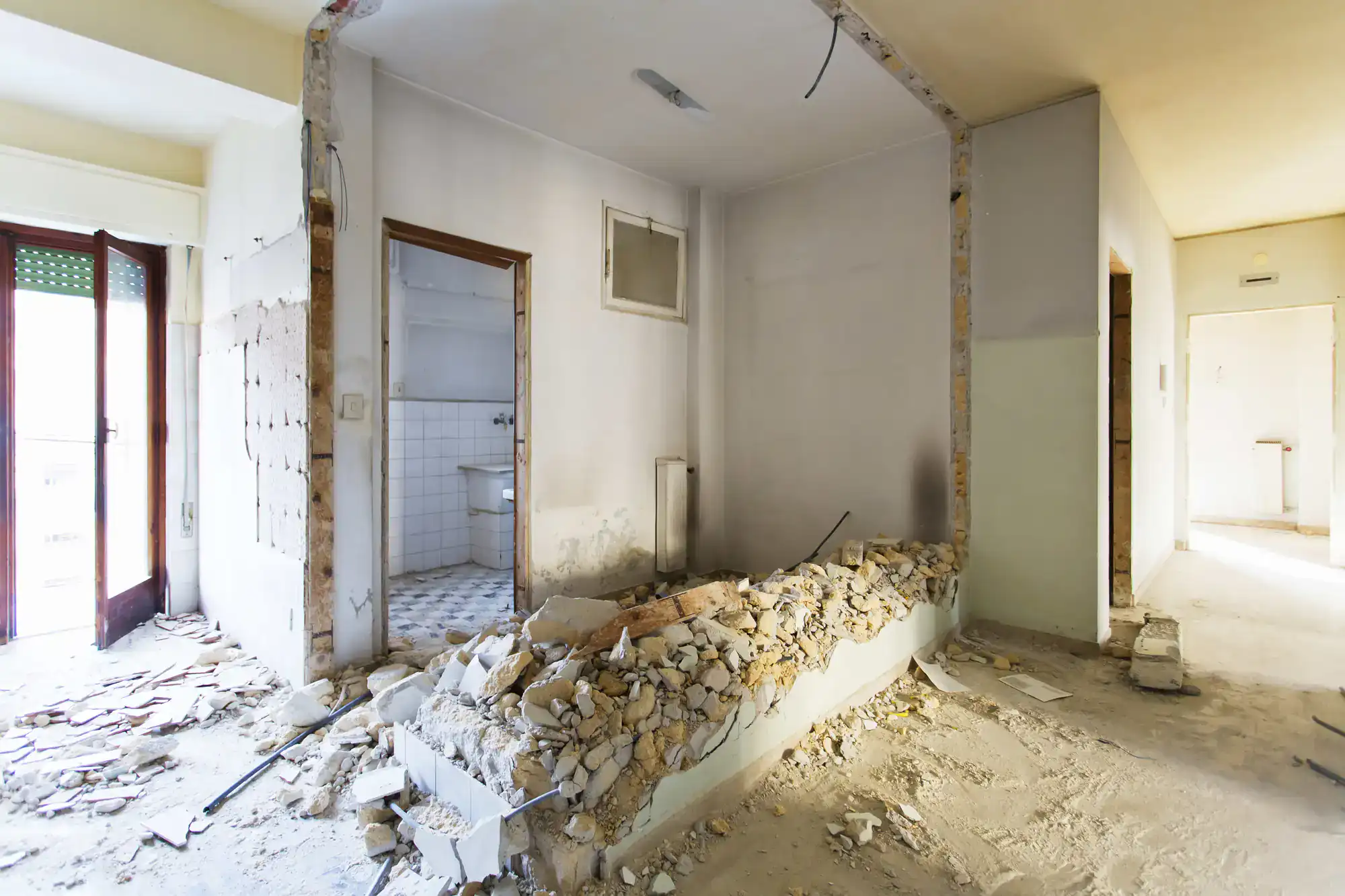
It starts with a free estimate and a real conversation about the scope. Before any demolition work begins, we evaluate the property for hazardous materials — lead paint, asbestos-containing materials, mold. In a township like Lower Frederick, where a significant portion of the housing stock predates 1978, this step isn’t optional. It’s required by law, and skipping it creates liability for the homeowner, not just the contractor.
If hazardous materials are present, abatement comes first. We handle that in-house — no stopping the job, no bringing in a second crew, no timeline blowup while you wait for someone else to get scheduled. HEPA filtration systems are used throughout containment and removal to make sure the air quality in your home after the work is done is better than it was going in, not worse. Once abatement is complete, demolition proceeds — gutting walls, removing flooring, stripping structural elements — whatever the project requires.
Lower Frederick Township requires a building permit for demolition work, and contractors must provide a Certificate of Insurance naming the township as the certificate holder. We carry that documentation and know the local permit process. Your project doesn’t get held up at the township office because the paperwork wasn’t in order. When the work is done, you get a clean site, proper disposal documentation, and a clear handoff to whatever comes next — whether that’s your GC, your waterproofing phase, or your rebuild.
Ready to get started?
Most demolition contractors are equipped for one thing: tearing things out. What they’re not equipped for is the moment they find something hazardous — and in Lower Frederick’s housing stock, that moment comes up often. When a demo-only crew hits asbestos floor tile, lead paint on original window casings, or mold behind a water-damaged wall, the job stops. You’re suddenly managing two contractors, two schedules, and a project that’s bleeding time and money while you wait.
We’re built differently. The same company that tests your walls is the same company that removes what’s in them and completes the demolition. That includes asbestos abatement, lead paint removal, mold sampling and remediation, interior gutting, selective demolition, and waterproofing — all under one license, one insurance policy, and one point of contact. For homeowners in Spring Mount renovating a home that’s been in the family for decades, or for a general contractor prepping a Zieglerville property for a full gut renovation, that single-source model is the difference between a project that moves and one that stalls.
We also offer 24/7 availability and emergency response — which is directly relevant for Lower Frederick properties along the Perkiomen Creek. When floodwater gets into your walls, mold begins within 24 to 48 hours. Having a contractor who answers the phone at 11 p.m. and can mobilize quickly isn’t a luxury in this township. For some homeowners, it’s exactly what the situation demands.

Yes. Lower Frederick Township requires a building permit for demolition work, and that applies whether you’re doing a full structure tear-down or gutting interior rooms as part of a renovation. If you’re the property owner pulling the permit yourself, the process goes through the township directly. If a contractor is the applicant, the township requires a Certificate of Insurance that names “Lower Frederick Township” as the certificate holder — a specific administrative requirement that not every out-of-area contractor will know to bring.
Getting this wrong doesn’t just slow things down. It can stop a project entirely while the paperwork gets sorted out. We operate in Montgomery County and are familiar with Lower Frederick Township’s permitting process. The documentation is handled before the crew shows up, not figured out on the fly. If you’re not sure where your project falls in terms of permit requirements, that’s a good question to ask during the free estimate — and it’s one we can answer clearly.
You don’t — not without testing. Asbestos-containing materials aren’t visible to the naked eye, and they were used in a wide range of building products that were completely standard through the 1970s and into the early 1980s: floor tiles, ceiling tiles, insulation, joint compound, roof shingles, pipe wrap, and textured paint, among others. If your home was built before 1980, there’s a real possibility that some of these materials are present, and in Lower Frederick’s older housing stock — which includes homes dating back well over a century — that possibility is not remote.
The only way to know for certain is to have samples tested by a licensed professional before any demolition or renovation work begins. Pennsylvania law requires that regulated asbestos-containing materials be removed by a licensed abatement contractor before work that would disturb them. We’re certified under Pennsylvania’s asbestos accreditation laws and can handle the testing and the removal as part of the same project. You don’t need to find a separate testing company and then a separate abatement crew — it’s one call, one process, and one less thing to coordinate.
Flood damage moves fast. Once water gets into walls, insulation, and subfloor materials, mold can begin developing within 24 to 48 hours. The longer water-saturated materials stay in place, the more extensive the remediation becomes — and the more expensive the recovery gets. For properties in and around Lower Frederick that sit near the Perkiomen Creek or in low-lying areas of the township, this isn’t a hypothetical scenario. The creek has crested at historic highs in recent years, and creekside communities near Schwenksville and Lower Frederick have dealt with real flood damage as a result.
We offer 24/7 availability and emergency response service for exactly this kind of situation. That means someone answers the phone regardless of when the water rises, and the crew can mobilize quickly to assess the damage, contain and remove affected materials, and begin the mold remediation process before the problem compounds. Emergency interior demolition — gutting water-damaged drywall, flooring, and structural cavities — followed by mold removal and waterproofing is a sequence we handle in-house. You don’t have to coordinate that response across multiple contractors when you’re already dealing with a stressful situation.
Interior demolition means removing specific elements inside a structure — walls, flooring, ceilings, fixtures, cabinetry — while the building itself stays standing. This is what most homeowners in Lower Frederick are dealing with when they’re gutting a kitchen, finishing a basement, or renovating a room in an older home. The structure remains; what’s inside gets stripped out to prepare for the rebuild. Full demolition means taking the entire structure down to the ground, which is less common in residential projects but does come up — particularly with older outbuildings, agricultural structures, or properties where the existing structure isn’t worth saving.
In either case, the process starts the same way: an evaluation of what’s in the walls before anything comes down. In Lower Frederick, where the housing stock includes historic farmhouses, mid-century homes, and properties with documented water damage histories, that evaluation step is not something to skip. The type of demolition you need is usually clear from the scope of your project — and if it’s not, that’s a conversation we can walk you through during the free estimate. There’s no obligation, and it’s a lot easier to get clarity upfront than to figure it out mid-project.
The honest answer is that it depends on the scope, the size of the space, and — critically — what’s inside the walls. A straightforward gut of a single room in a newer home is a very different project from stripping a pre-1978 farmhouse that requires lead abatement and asbestos removal before demolition can proceed. In Lower Frederick, where a significant portion of the housing stock falls into that older category, it’s common for the environmental component to be a meaningful part of the overall project cost.
Generally speaking, residential interior demolition in the Montgomery County area can range from a few hundred dollars for a small, clean scope to several thousand for larger spaces or projects involving hazmat abatement. The most reliable way to get a real number is a free on-site estimate — which we provide at no cost and with no obligation. We also offer cash discounts and will beat any legitimate competing estimate. If you’ve already gotten a quote elsewhere, bring it. The goal isn’t to be the cheapest option; it’s to make sure you’re getting certified, licensed work at a price that’s actually competitive.
For some parts of a project — removing non-structural fixtures, pulling out cabinetry, taking down drywall in a newer home — a capable homeowner can absolutely handle demo work themselves. But in Lower Frederick, the age of the housing stock makes that a calculation worth thinking through carefully before you start swinging. If your home was built before 1978, disturbing painted surfaces without lead-safe practices isn’t just inadvisable — under the EPA’s Lead Renovation, Repair, and Painting Rule, it requires a certified contractor. The same applies to asbestos-containing materials: Pennsylvania law requires licensed abatement before any work that would disturb regulated materials.
The risk isn’t just regulatory. Lead dust and asbestos fibers don’t leave with the debris — they settle into your home’s surfaces and air, and the people most at risk are the ones who live there. If you’re not certain what’s in your walls, the smartest move before any DIY demo is a professional assessment. We can evaluate the space, identify what’s present, and give you a clear picture of what’s safe to handle yourself versus what legally and practically requires a licensed crew. That conversation is free, and it can save you from a situation that ends up costing significantly more to fix than it would have to do right the first time.
Other Services we provide in Lower Frederick