Hear from Our Customers
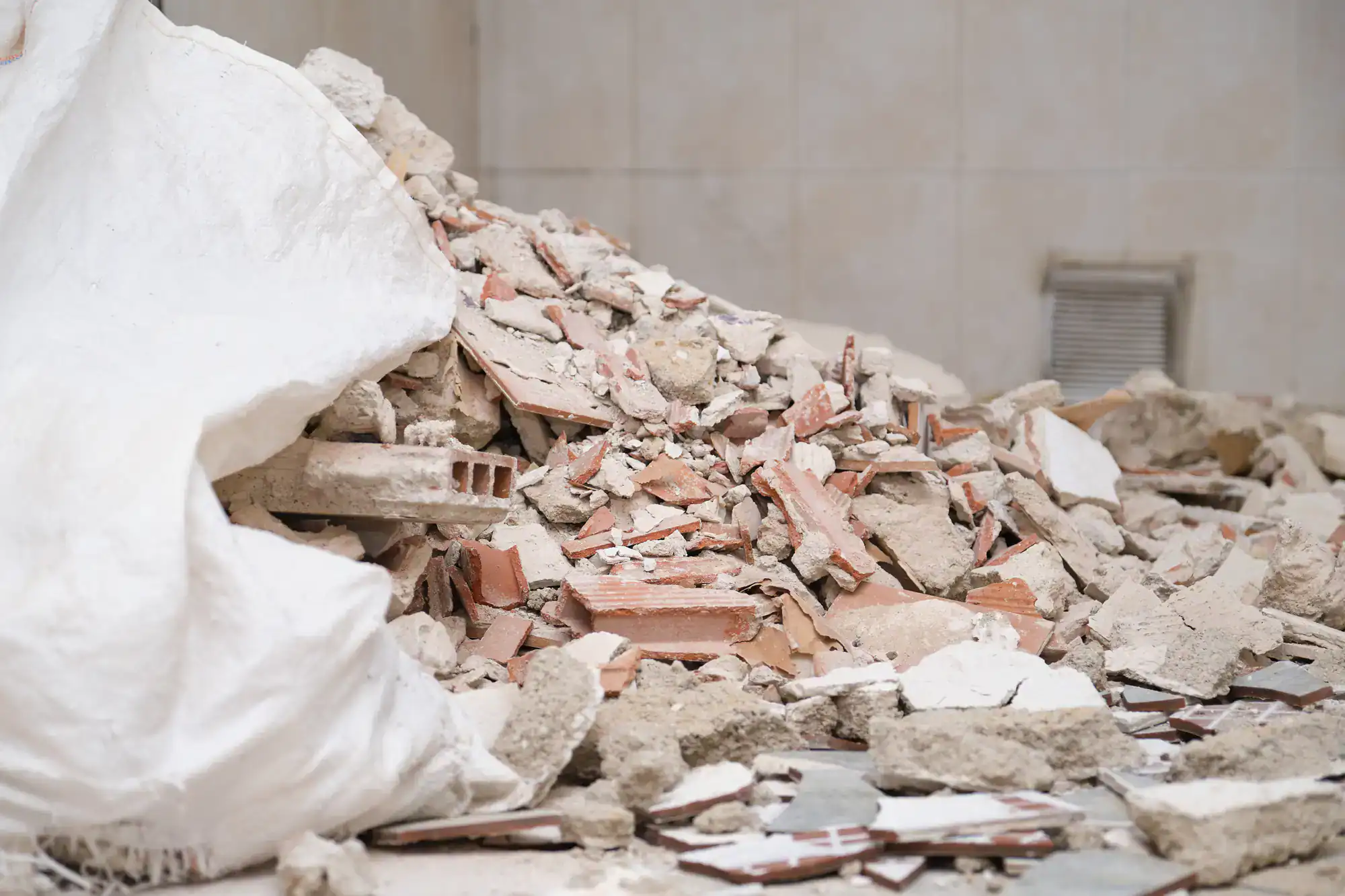
Bryn Mawr is defined by its older housing stock. Colonials north of Lancaster Avenue, row homes running along Route 30, Victorian-era properties tucked into the neighborhoods near Bryn Mawr College — less than five percent of homes sold here are new construction. That means the overwhelming majority of gut renovations in this ZIP code are happening inside buildings that were constructed well before modern hazmat regulations existed. Asbestos in the insulation, lead paint on the trim, mold behind the plaster — these aren’t rare edge cases in Bryn Mawr. They’re the baseline expectation.
When a demolition contractor without environmental credentials hits regulated materials, the job stops. They have to call in a separate abatement company, wait for clearance, and restart — and you’re stuck in the middle of that delay with a half-gutted kitchen and a timeline that’s falling apart. We don’t create that problem because we handle all of it in-house. Testing, remediation, and demolition are all under one roof, which means a discovery mid-project doesn’t blow up your schedule. It gets handled, and the work keeps moving.
The result is a clean, fully inspected, ready-to-build space — without the coordination headaches, the surprise invoices, or the weeks of waiting. Whether you’re gutting a bathroom in a 1920s colonial near Montgomery Avenue or opening up the floor plan of a row home off Route 30, you get one team, one process, and one contractor who’s accountable for the whole thing from start to finish.
We’ve been doing this work in the Philadelphia suburbs for over twenty years. That’s two decades of gut renovations, hazmat discoveries, and completed projects across Montgomery County, Delaware County, and Chester County — the three counties that make up the Bryn Mawr area. We know what’s inside these homes because we’ve been inside thousands of them.
The credentials are real and specific. We hold Pennsylvania state certification for asbestos abatement — one of the only mandatory state-issued licenses in the construction trades in PA. We have a Certified Lead Inspector and Risk Assessor on our team, which is a formal, tested, renewed credential — not a checkbox. We’re EPA and HUD compliant, fully licensed, bonded, and insured. On-site licensed supervision is standard on every project, not an upgrade.
From the historic properties near Harriton Road to the rental stock surrounding Harcum College, we’ve worked across the full range of what Bryn Mawr’s built environment looks like. We’re not a distant regional contractor stretching our service map — this is our market, and we know it well.
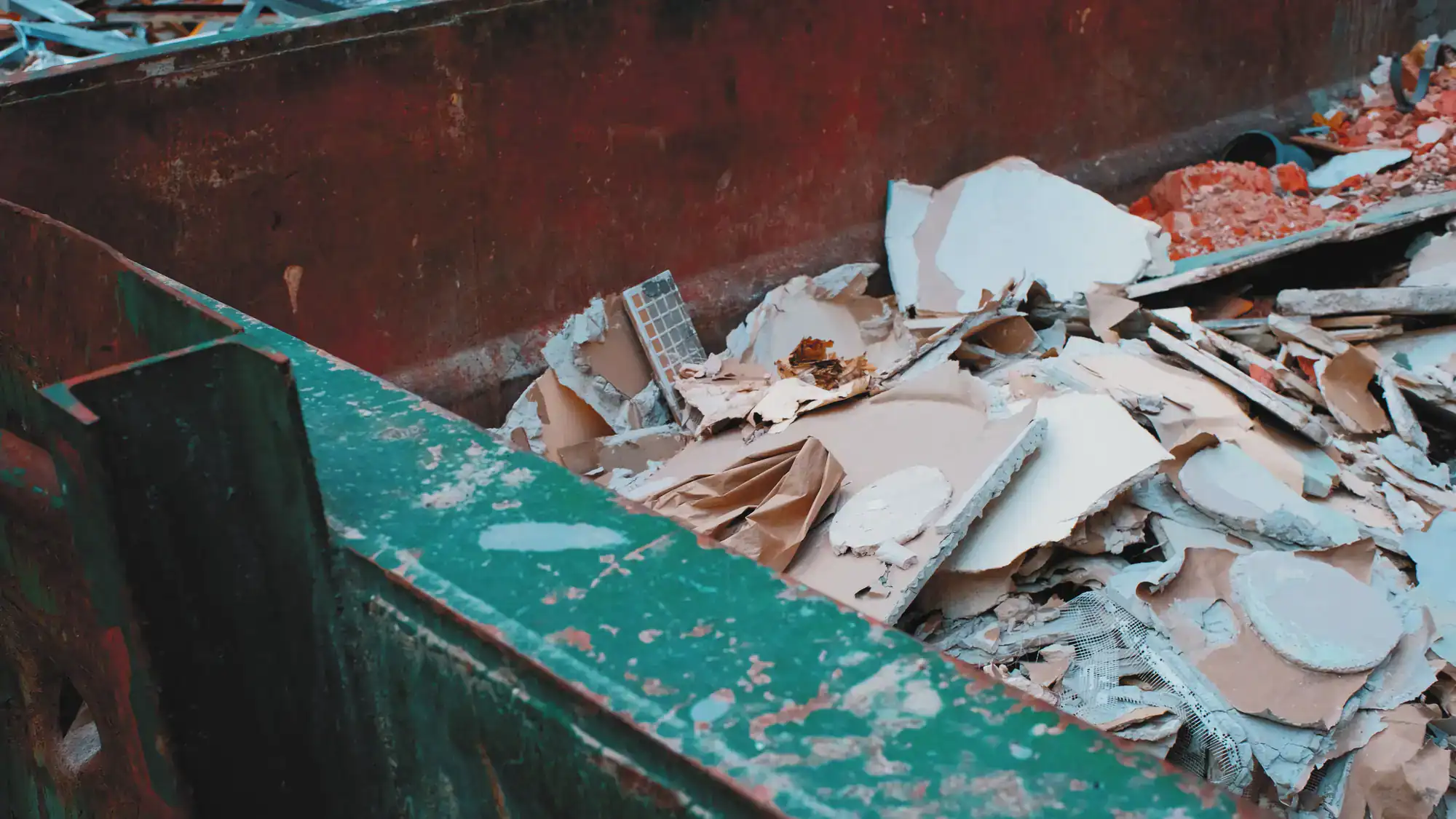
It starts with a free estimate. Someone from our team comes out, walks the space, and gives you a real number for your specific project — not a ballpark pulled from a pricing sheet. If you’ve already got a quote from another contractor, we’ll beat it. That conversation also includes an honest assessment of what the space likely contains, because in Bryn Mawr’s older housing stock, that assessment is almost always relevant.
Before any demo work begins, we conduct testing for asbestos, lead, and mold. This isn’t a precaution we tack on — it’s a required step under Pennsylvania state law and federal EPA regulations for pre-1978 properties, which describes the vast majority of homes in the 19010 ZIP code. If regulated materials are present, we handle the abatement in-house with our state-certified team before demolition proceeds. Lower Merion Township requires a permit for demolition work, and we manage that process as part of our standard workflow — so you’re not navigating the Building Regulations Division on your own.
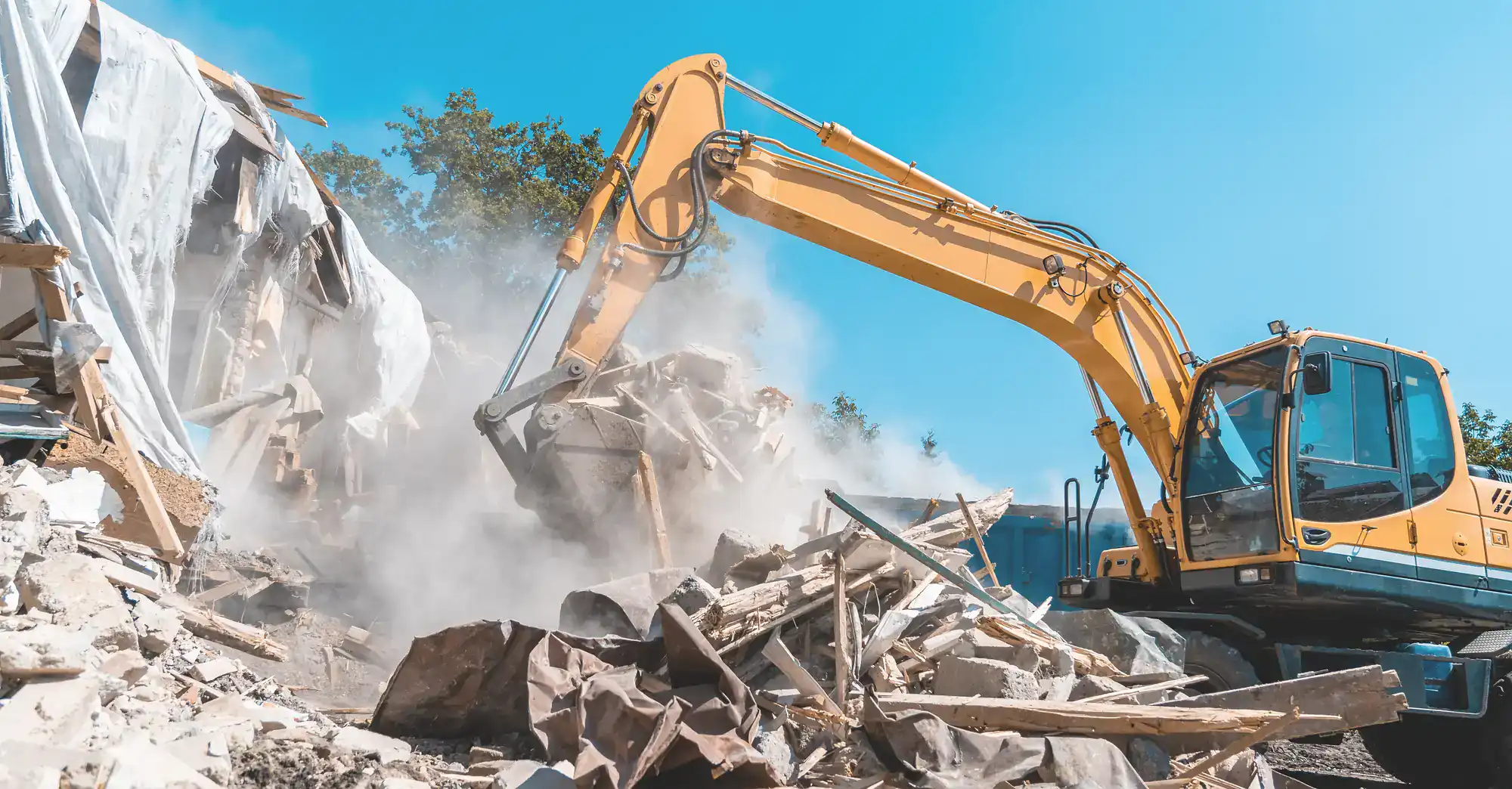
Once the space is clear and compliant, our demo crew moves in with HEPA filtration systems running to contain dust and debris. Work is supervised on-site by a licensed professional throughout the project. When the job is done, you get a final inspection and a clean, documented record of what was found, what was remediated, and what was removed — which matters when it comes time to sell or build back.
Ready to get started?
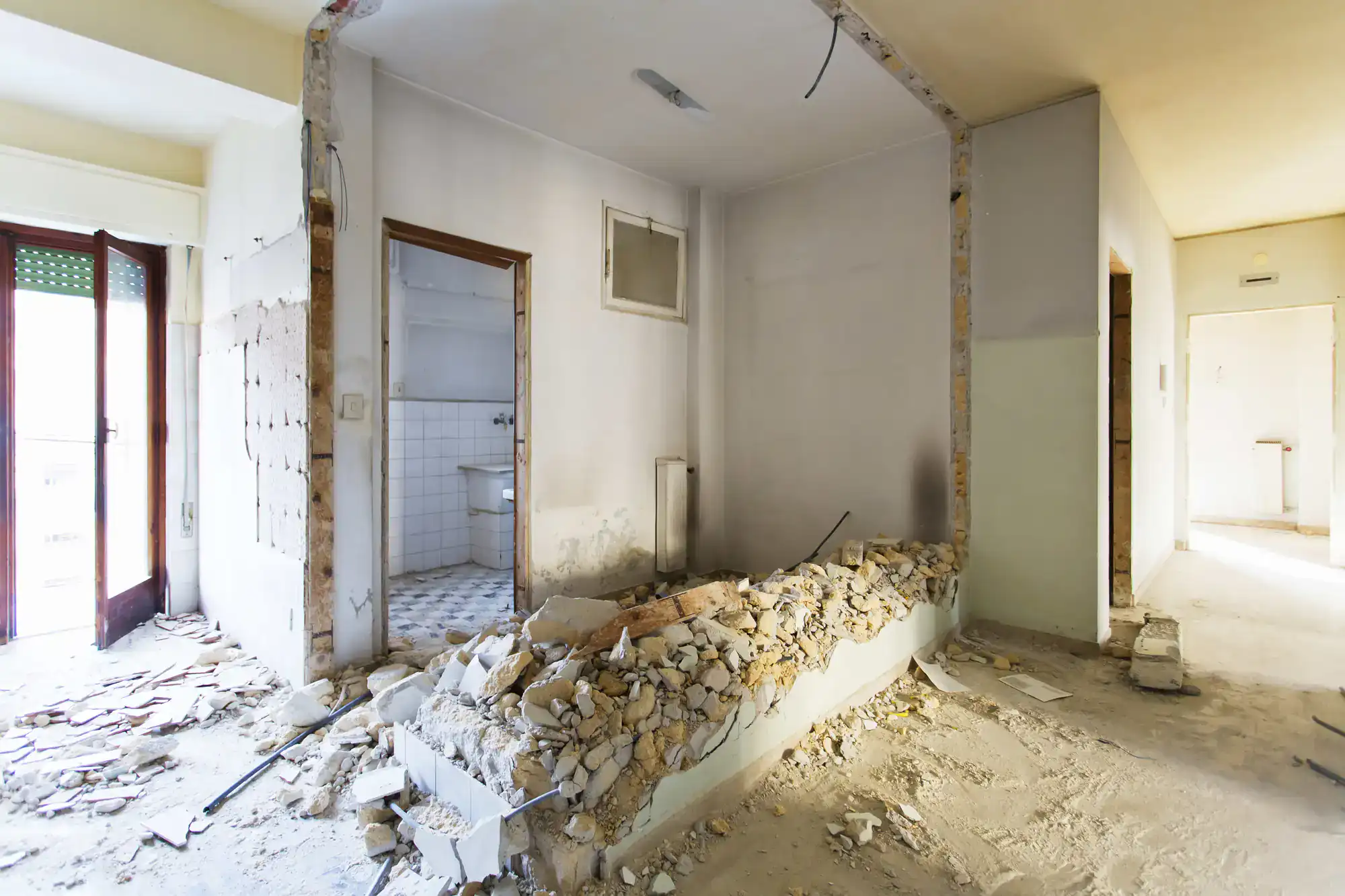
We offer full interior demolition — kitchens, bathrooms, basements, full-floor gut-outs — alongside the environmental services that older Bryn Mawr homes almost always require. Asbestos testing and abatement, lead paint inspection and removal, mold remediation, and waterproofing are all handled by the same team under the same roof. You don’t need to hire a separate abatement contractor and then bring in a demo crew. One call covers the entire scope.
This matters especially in Bryn Mawr because the housing stock here isn’t uniform. The large colonials north of Montgomery Avenue have different construction profiles than the row homes along Route 30 or the older rental properties near the college campuses. We’ve worked across all of it — plaster walls, stone foundations, old-growth framing, original millwork — and our process adapts accordingly. HEPA filtration systems are used on every project to protect the rest of the home while the demo work is underway.
For general contractors working on Main Line renovation projects, we’re the sub that keeps your timeline intact. When the demo phase uncovers something regulated, it doesn’t stop the job — it gets handled in-house and the project moves forward. Free estimates, cash discounts, and 24/7 availability including emergency response are standard. If you’re a homeowner or a GC in the Bryn Mawr area, the number to call is (484) 378-2453.
Yes — and the answer is a bit more specific than most contractors will tell you. The majority of Bryn Mawr falls within Lower Merion Township, which enforces the Pennsylvania Uniform Construction Code and requires a permit for demolition and removal work. That includes interior demolition like removing walls, gutting kitchens, or opening up structural elements. Violations can result in fines up to $1,000, and unpermitted work can create complications when you go to sell the property or pull subsequent permits for the build-back.
The portions of Bryn Mawr that fall within Haverford Township or Radnor Township are governed by those townships’ building departments, which have their own permit requirements. If your property is in the 19010 ZIP code but you’re not sure which municipality governs it, we can help you sort that out before any work begins. Permit management is part of our standard process — we’re not handing you a stack of paperwork and wishing you luck.
Almost certainly yes. Asbestos was used in insulation, floor tiles, ceiling tiles, joint compound, plaster, and drywall compound in homes built through the early 1980s. A 1950s home in Bryn Mawr has a high probability of containing asbestos-containing materials somewhere in the structure — and the only way to know for sure is to test before you disturb anything.
Under Pennsylvania law and federal NESHAP regulations, regulated asbestos-containing materials must be identified and removed by a licensed abatement contractor before demolition or renovation work that would disturb them. If a demo crew without asbestos certification hits regulated material and keeps working, that’s a federal violation — and the liability lands on the property owner, not just the contractor. We test first, identify what’s present, and handle any abatement with our state-certified team before the demo phase begins. It’s not an optional add-on. It’s how legal, safe demolition in older homes actually works.
A standard demolition contractor is licensed to tear things out. An environmental contractor is licensed to handle what they find inside those things. In most markets, those are two different companies — and in a community like Bryn Mawr, where virtually every home predates modern hazmat regulations, that gap creates a real problem. The demo crew starts work, hits asbestos or lead, and has to stop until a separate certified abatement company can come in, assess, remediate, and provide clearance. That process can add days or weeks to a project timeline.
We bridge that gap because we’re both. We hold Pennsylvania state asbestos certification, employ a Certified Lead Inspector and Risk Assessor, and are fully EPA and HUD compliant — meaning we can legally and safely handle whatever the demo phase uncovers without stopping the job. For Bryn Mawr homeowners and the general contractors working on Main Line renovation projects, that integrated capability is the practical difference between a project that runs on schedule and one that doesn’t.
Interior demolition nationally runs roughly $2 to $8 per square foot depending on scope, with full gut-outs typically falling somewhere between $2,500 and $9,800. In a market like Bryn Mawr — where homes are larger, older, and more architecturally complex than the average suburban property — projects on the higher end of that range are more common. A full kitchen gut in a 1920s colonial north of Lancaster Avenue is a different job than a simple wall removal in a newer construction, and the price reflects that.
What most estimates won’t tell you upfront is whether environmental remediation will be needed — and in Bryn Mawr’s housing stock, it usually is. Asbestos abatement, lead paint removal, or mold remediation can add to the total cost if they’re discovered mid-project and handled by a separate contractor on an emergency basis. When we test first and handle everything in-house, you get a more accurate total picture of the project cost before work begins, and you avoid the inflated emergency pricing that comes with last-minute abatement calls. Free estimates are available — call (484) 378-2453 to get a number for your specific project.
Yes — but only if that contractor holds the right credentials, and most don’t. Pennsylvania requires a state-issued license for asbestos abatement work, governed by the Pennsylvania Asbestos Accreditation and Certification Act. This is one of the only mandatory state-level certifications in the entire construction trades sector in PA, and it’s not something a general demolition contractor can claim without going through the formal licensing process. Many contractors who advertise demolition services in the Lower Merion Township area are not certified for asbestos work.
We hold Pennsylvania state asbestos certification and are fully licensed to handle both the abatement and the demolition under one roof. That means Lower Merion Township homeowners don’t need to find a separate abatement sub, coordinate two schedules, or wait for one crew to finish before the other can start. We manage the full scope — testing, abatement, and demo — as a single continuous process. It’s worth asking any contractor you’re considering whether they can legally perform asbestos abatement in Pennsylvania before you sign anything.
Yes, cash discounts are available. For homeowners in Bryn Mawr undertaking gut renovations — especially on larger projects involving multiple rooms or full-floor demo work — paying in cash can meaningfully reduce the total cost. It’s a straightforward way to lower your invoice on a project that’s already carrying significant scope.
We also offer free estimates with no obligation and will beat any legitimate competing estimate you bring to us. For a community where renovation projects routinely involve high-value properties and demanding timelines, that combination — transparent pricing, a price-match guarantee, and a cash discount option — gives you a real way to evaluate whether you’re getting a fair deal before anyone touches your home. The goal is a number you can trust before the project starts, not a surprise when it’s done. Call (484) 378-2453 to schedule your free estimate.
Other Services we provide in Bryn Mawr