Hear from Our Customers
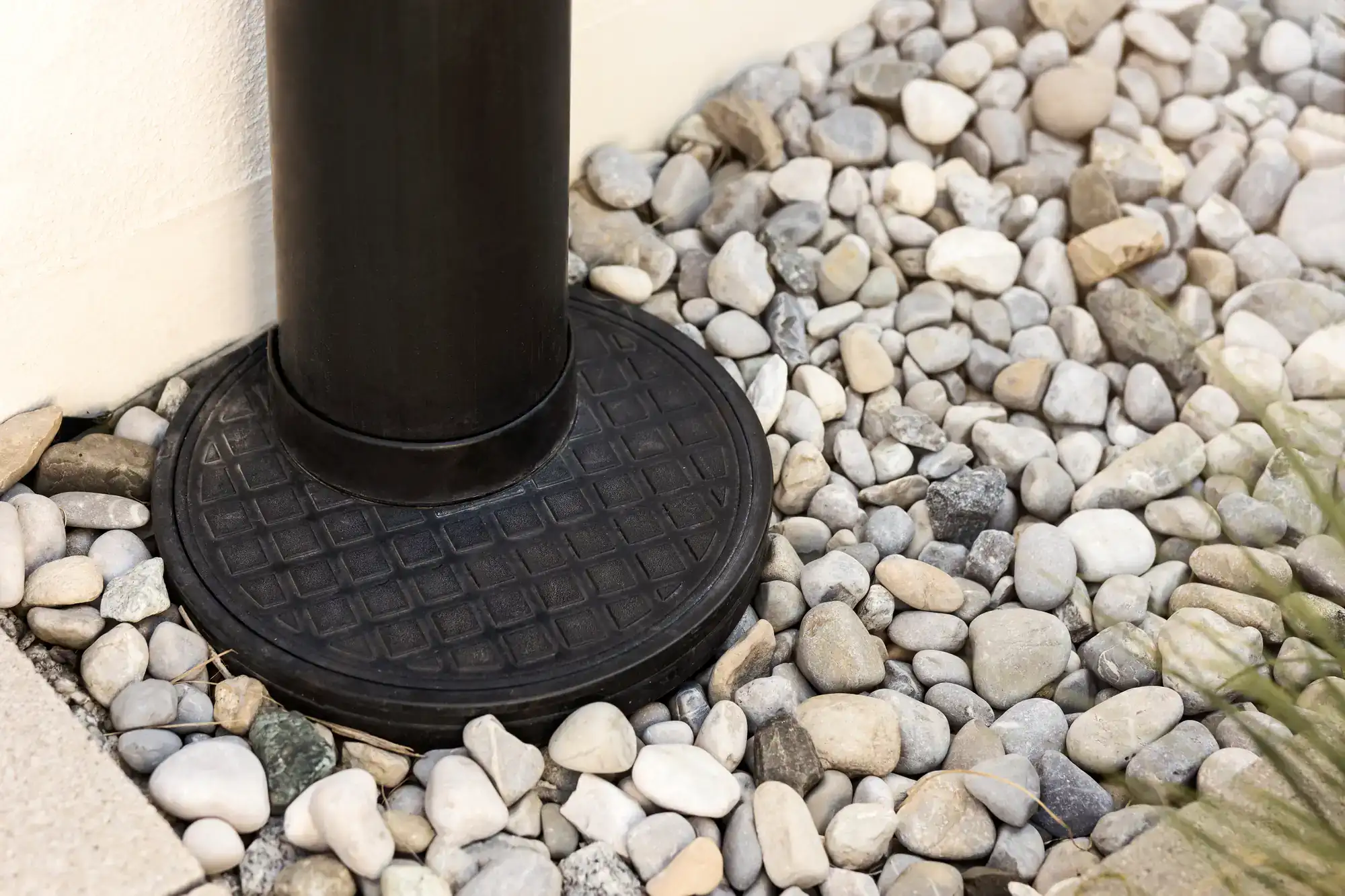
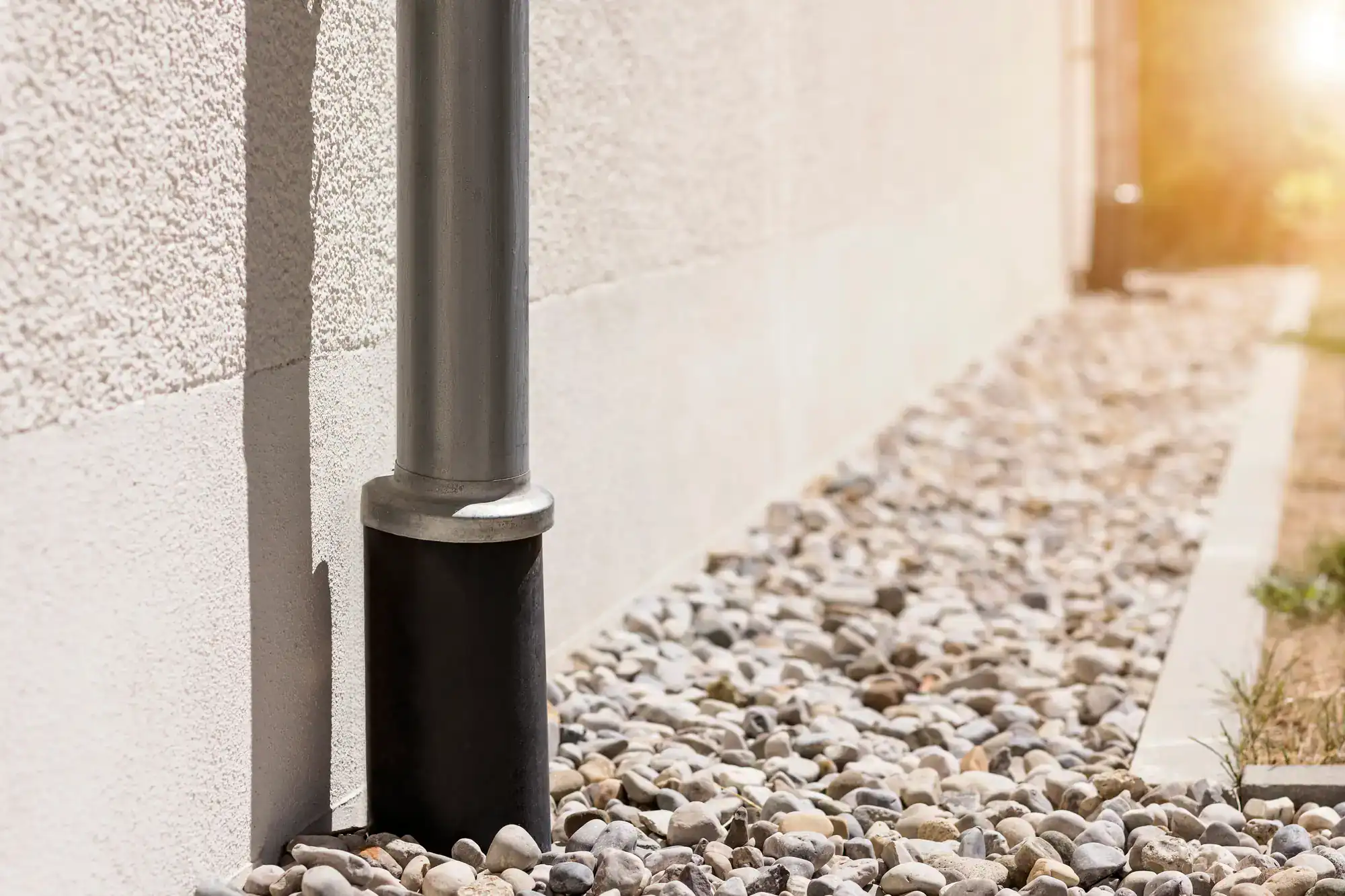
Bryn Mawr gets around 46 inches of rain a year, and the clay-heavy soils throughout Lower Merion Township don’t do you any favors. When water can’t drain properly through that dense soil, it builds up against your foundation — and eventually, it finds a way in. A properly installed french drain system intercepts that water before it ever reaches your walls and moves it away from the house entirely.
For homes along Lancaster Avenue and throughout the 19010 area, that means no more damp smell in the morning, no more white mineral staining creeping up the basement walls, and no more second-guessing whether this winter’s freeze-thaw cycle is going to open up a new crack. You get usable, dry space — and real peace of mind about the condition of a home that’s worth close to $860,000 on today’s market.
A french drain done right lasts 30 to 40 years. That’s what you get when the job uses rigid perforated PVC, proper geotextile filter fabric, and clean crushed stone instead of the shortcuts that fail in five. In a community where the housing stock is this old and this valuable, the quality of what goes into the ground matters as much as the fact that something went in at all.
We’ve been working in Chester, Delaware, and Montgomery counties for over 20 years. That includes a lot of homes in Bryn Mawr — stone estates, Victorian-era twins, early 20th-century colonials — the kind of properties where you can’t just start digging without knowing what you might disturb in the process.
That’s what sets us apart from every other drainage contractor showing up in local search results. We’re a Certified Lead Inspector and Risk Assessor with EPA and HUD compliant protocols. Before work starts, we can test for lead, asbestos, and mold — because in a community where most homes predate 1978, those aren’t hypothetical concerns. They’re real ones. No other french drain company serving the Bryn Mawr area brings that to the table.
We’re fully licensed, bonded, and insured — not just at the contractor level, but at the environmental services level. Free estimates, 24/7 availability, and cash discounts are part of how we work. But the real reason people call us is that they want the job done correctly the first time, on a home they’ve invested everything into.
It starts with a free on-site assessment. We come out, look at where the water is entering, how the soil is graded around your foundation, and what the drainage pattern looks like on your specific property. In Bryn Mawr, that often means accounting for the rolling terrain — the name literally means “big hill” in Welsh — and the clay-heavy soil that creates what’s commonly called the clay bowl effect: water collects in the looser backfilled soil around your foundation instead of draining away. We identify exactly what’s happening before we recommend anything.
From there, we walk you through the plan. Interior french drain, exterior french drain, or a combination — it depends on your home’s specific situation, not a default package. If there’s any reason to test for lead paint, asbestos, or mold before we start disturbing soil or opening walls, that happens first. Because we handle environmental testing and remediation in-house, you’re not waiting on a second contractor or managing two separate timelines.
Once work begins, we handle the permitting side too. Lower Merion Township has specific stormwater management requirements under Chapter 121 of the Township Code, and work that affects existing drainage patterns typically requires a permit. We know the process, we pull what’s needed, and you don’t have to figure that out on your own. When the job is done, you’ll know exactly what was installed, where it drains, and why it’s built to last.
Ready to get started?
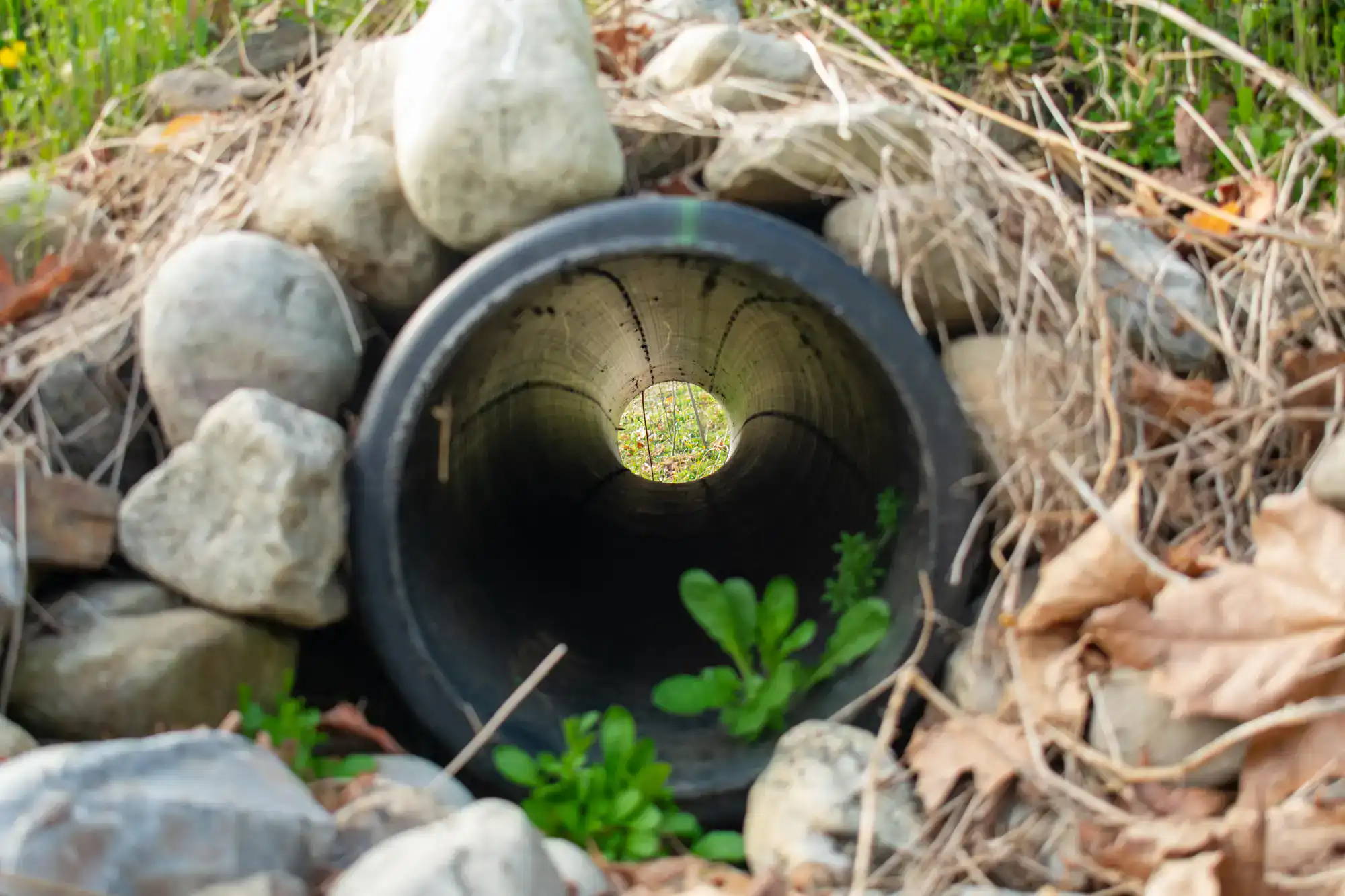
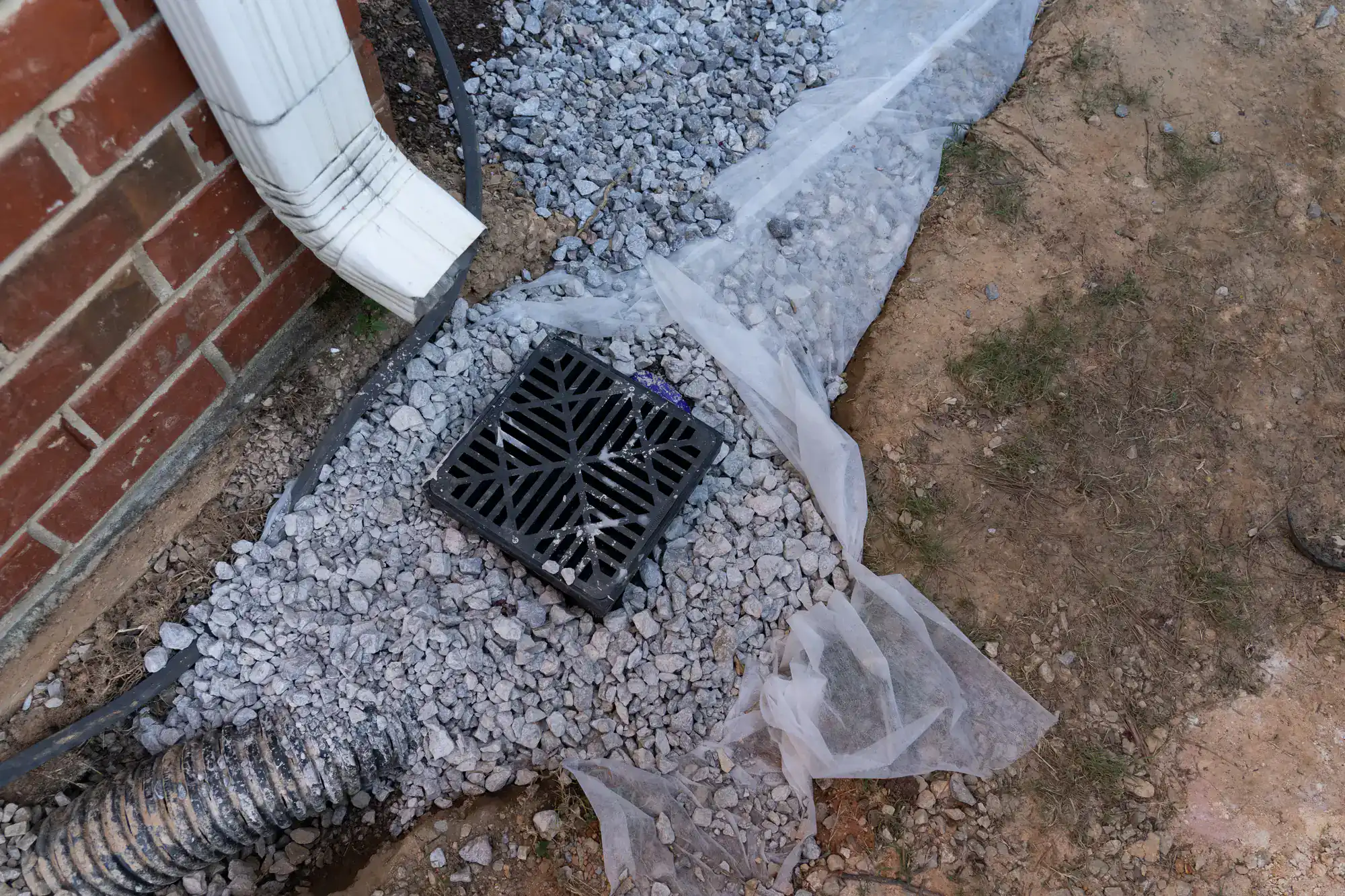
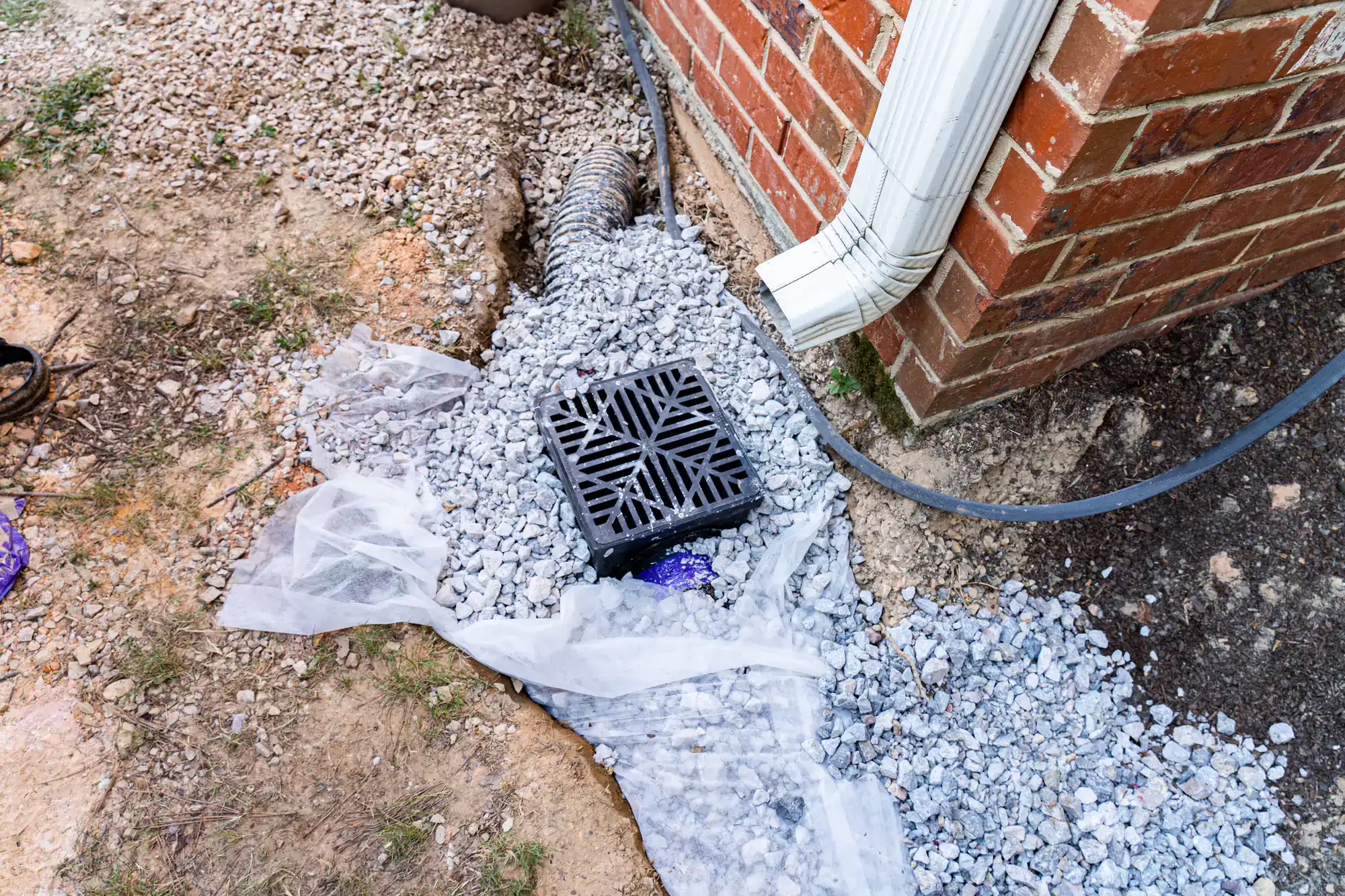
Every french drain installation we complete in the Bryn Mawr area uses rigid perforated PVC pipe — not the cheap corrugated flex tubing that collapses over time. The trench is lined with geotextile filter fabric to keep fine clay particles from migrating into the gravel bed and clogging the system. The gravel itself is clean crushed stone, and the pipe is set at a minimum 1% slope so water actually moves the way it’s supposed to. These aren’t upgrades — they’re how it should be done every time.
For homes in Garrett Hill, Rosemont, and throughout the 19010 ZIP code, we also factor in the jurisdictional complexity that comes with this area. Depending on whether your property falls under Lower Merion Township, Radnor Township, or Haverford Township, the permit requirements and stormwater management rules are different. We work across all three jurisdictions and handle the compliance side as part of the job.
If your project involves a finished basement, a stone foundation wall, or any space where mold, lead, or asbestos could be present, we can test, remediate, and install under one engagement. That means no project stalls, no subcontractor coordination, and no surprises halfway through. Whether you’re dealing with a wet corner after every heavy rain or a basement that’s been slowly losing the battle for years, we can assess it, explain it, and fix it — with work that holds up for decades.

In most cases, yes — and it’s worth taking seriously. Lower Merion Township’s stormwater management ordinance, codified under Chapter 121 of the Township Code, requires a permit for any work that interferes with or changes the course of existing drainage patterns. That language is broad enough to cover most french drain installations, particularly exterior systems that redirect how water moves around your foundation.
Skipping the permit isn’t just a technical violation — it can create real problems when you sell the property. Pennsylvania real estate disclosure requirements mean permit history comes up during transactions, and unpermitted drainage work can complicate or delay a sale. We handle the permitting process as part of every job in Lower Merion Township, so you’re covered from a compliance standpoint and protected at resale. If your property falls under Radnor or Haverford Township instead — both of which are part of the 19010 ZIP code serving Bryn Mawr — the requirements differ, and we know those processes too.
This is one of the most common frustrations we hear from homeowners in Bryn Mawr, and it almost always comes down to the same root cause: the drainage system didn’t address where the water is actually coming from. Bryn Mawr sits on clay-heavy soil throughout Lower Merion Township, and that soil holds water instead of draining it. When a home is built, the backfilled soil around the foundation is looser than the undisturbed native clay — and that loose zone becomes a collection basin for rainwater and groundwater. If a previous waterproofing job applied a coating to the wall but didn’t intercept the water at the source, you’re going to keep seeing the problem.
A properly installed french drain system — interior, exterior, or both — addresses the hydrostatic pressure that builds up in that clay bowl before it ever reaches your foundation wall. It’s not about sealing the wall harder. It’s about redirecting the water so it never gets the chance to press against your foundation in the first place. We assess the full picture before recommending anything, because the fix depends on understanding the specific failure.
An exterior french drain is installed around the perimeter of your foundation, outside the house. It captures water at the surface and in the upper soil layers before it can reach the foundation wall. It’s the more comprehensive solution because it intercepts water early — but it requires excavation around the foundation, which is more disruptive and more involved, especially on older Bryn Mawr properties with mature landscaping or hardscaping close to the house.
An interior french drain is installed inside the basement, typically along the perimeter of the floor at the base of the foundation wall. It captures water that has already entered the wall system and channels it to a sump pump for removal. It’s less disruptive to the exterior of the property and can be installed year-round, including in winter when exterior excavation isn’t practical. For many homes in the Bryn Mawr area — particularly Victorian-era and stone foundation properties where exterior access is limited — an interior system is the more realistic and equally effective option. Which one is right for your home depends on where the water is entering and what your foundation looks like. That’s what the assessment is for.
The honest answer is that it varies based on the scope of the job — the length of the drain, whether it’s interior or exterior, what the soil conditions are, and whether any environmental testing or remediation needs to happen first. For a straightforward interior french drain in a standard basement, you’re generally looking at a range that starts around $3,000 to $5,000 for smaller perimeter runs and can reach $8,000 to $12,000 or more for larger or more complex installations. Exterior systems with full perimeter excavation tend to run higher.
What’s worth keeping in mind in a market like Bryn Mawr, where average home values are near $860,000, is what the alternative costs. FEMA estimates that a single inch of water in a home can cause up to $25,000 in structural and content damage — and standard homeowners insurance typically doesn’t cover gradual water intrusion. A french drain system that lasts 30 to 40 years is a protection investment, not just a repair bill. We provide free estimates so you know exactly what the project involves and what it costs before you commit to anything. Cash discounts are also available.
Yes — and this is one of the most important things to understand if you own a pre-1978 home in Bryn Mawr. When a drainage contractor opens up a basement wall or excavates around an older foundation, they can encounter lead paint on the foundation walls, lead-contaminated soil in the immediate perimeter, asbestos on pipe insulation, or mold behind finished surfaces. A standard waterproofing contractor isn’t equipped to identify or safely handle any of those things. They either miss it, stop the project, or proceed in a way that creates a health hazard.
We are a Certified Lead Inspector and Risk Assessor with EPA and HUD compliant protocols. We use HEPA filtration systems on jobs where airborne particulates are a concern, and we can test, remediate, and complete the drainage installation in one continuous engagement. That matters enormously in Bryn Mawr, where the Gilded Age estates, Victorian-era twins, and early 20th-century colonials that define the community’s character are almost universally pre-1978 construction. You shouldn’t have to coordinate multiple contractors or wonder whether the crew working on your foundation is equipped for what they might find. With us, that’s already covered.
Spring and fall are the most active seasons for french drain installation in the Bryn Mawr area, and for good reason. Spring brings the combination of snowmelt and the region’s heaviest rainfall, which is when hydrostatic pressure against foundations peaks and water intrusion problems become impossible to ignore. Homeowners who dealt with wet basements all winter tend to move quickly in March through May. Fall installations — September through November — are popular with homeowners who want drainage issues resolved before the ground freezes and exterior excavation becomes difficult or cost-prohibitive.
Interior french drain systems can be installed year-round, including in winter, because the work happens inside the basement and isn’t affected by ground conditions. If you’re dealing with an active water problem right now, waiting for a “better” season isn’t necessary — and in many cases, letting the problem continue through another wet season means more moisture damage, more mold risk, and more cost down the road. We offer 24/7 availability and emergency response for situations that can’t wait, and free estimates are available any time of year so you can understand your options before committing to a timeline.
Other Services we provide in Bryn Mawr