Hear from Our Customers
Most homeowners in Bryn Mawr don’t call a demolition contractor because they want demolition — they call because something went wrong, something needs to go, or a renovation has hit a wall they weren’t expecting. What you actually want on the other side of that call is a cleared space, a clean bill of health, and zero paperwork surprises waiting for you down the road.
Here’s the reality of this market: over 75% of Bryn Mawr’s housing stock was built before 1978. That’s not a statistic to gloss over. It means asbestos in the floor tiles, lead paint under every layer of renovation work since the Eisenhower administration, and materials that federal law requires a certified contractor to handle — not just remove, but test, document, and abate correctly. When that’s done properly, you’re not just getting a gutted room. You’re getting a space that’s safe, permitted, and legally clear.
For landlords managing rental properties near Bryn Mawr College, that documentation matters even more. HUD’s lead-safe housing rules put specific legal obligations on property owners renovating pre-1978 rentals. When we complete the work, you walk away with certified paperwork that protects you, your tenants, and your investment — not just a cleared-out space and a handshake.
We’re based in Glenside, PA — about 10 miles from Bryn Mawr down Route 30 — and have been working on Philadelphia-area homes for over two decades. This is an owner-operated business, which means the person who holds the EPA Certified Lead Inspector and Risk Assessor credentials is the same person accountable for how your job gets done.
The Main Line housing stock isn’t a mystery to us. We’ve worked on pre-war stone estates, converted multi-family buildings, mid-century row houses — the full range of what you find when you’re operating in communities like Bryn Mawr, Rosemont, and Garrett Hill. We know what’s typically inside a 1928 Tudor revival and what to look for before a single wall comes down.
We’re fully licensed, bonded, and insured. We’re EPA/HUD compliant, carry HEPA filtration systems on every abatement job, and offer free estimates with no pressure. If something goes sideways at 2 AM, we pick up.
It starts with a free estimate. We come out, assess the space, and tell you exactly what we’re looking at — including whether hazardous materials testing is needed before any demolition can legally begin. In Bryn Mawr, that assessment almost always includes a conversation about asbestos and lead, given the age of the housing stock. That’s not us upselling you. That’s us keeping you out of a situation where unpermitted or improperly handled demo work creates a federal liability problem.
Once the scope is clear, we handle the permits. If your property sits in the Lower Merion Township portion of Bryn Mawr, that means coordinating with the Building and Planning Department at 75 E. Lancaster Avenue. If you’re in the Radnor or Haverford Township sections — same ZIP code, different building department — we know which office to call. Bryn Mawr is one of the few communities in this region where three separate townships share one ZIP code, and navigating that correctly is part of what you’re hiring us to do.
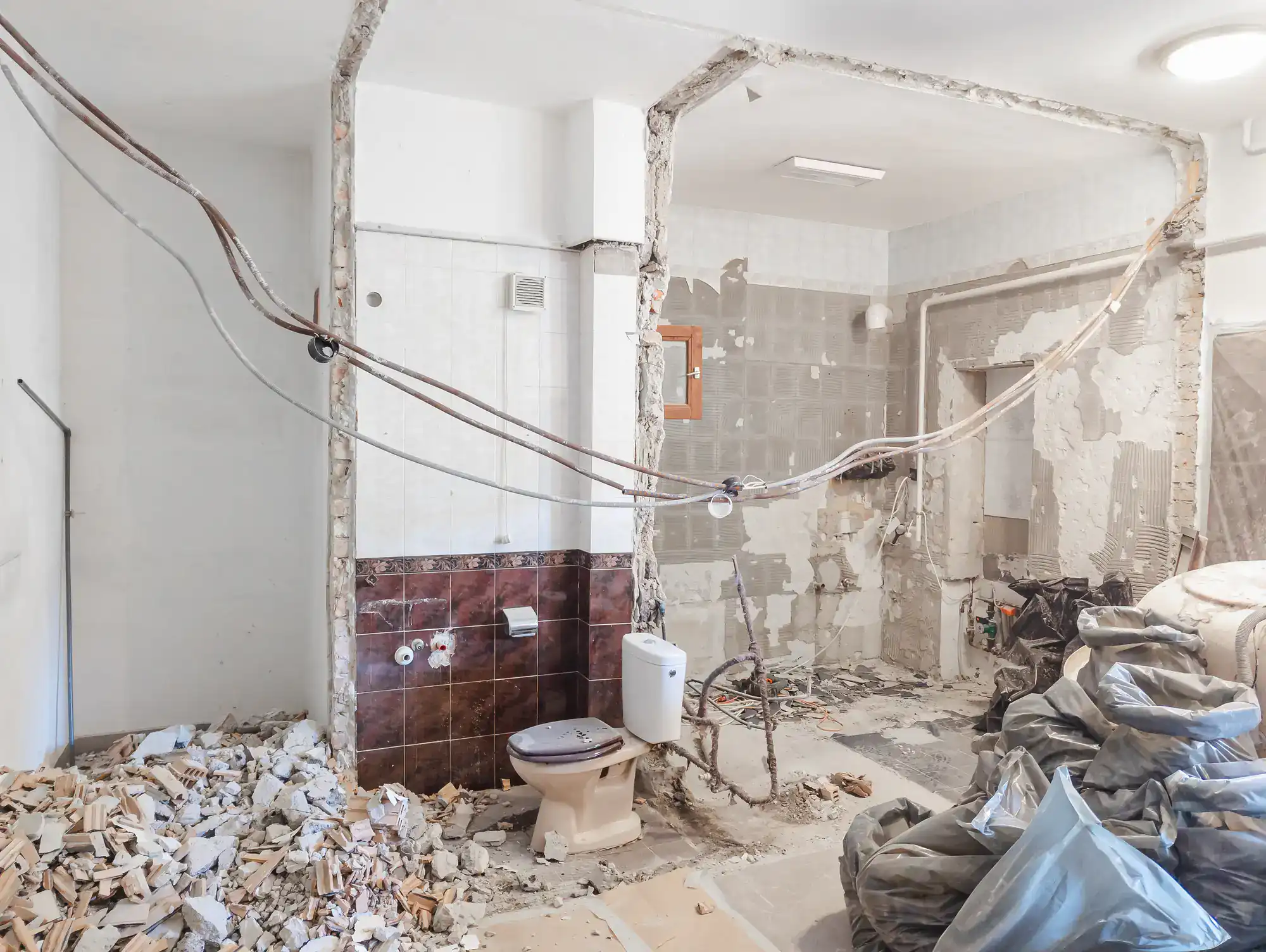
From there, we move through abatement if needed, then demolition or gutting, then debris removal and cleanup. If water damage is involved, waterproofing is part of the same engagement. One crew, one point of contact, one invoice. When we leave, the space is clean, documented, and ready for whatever comes next.
Ready to get started?
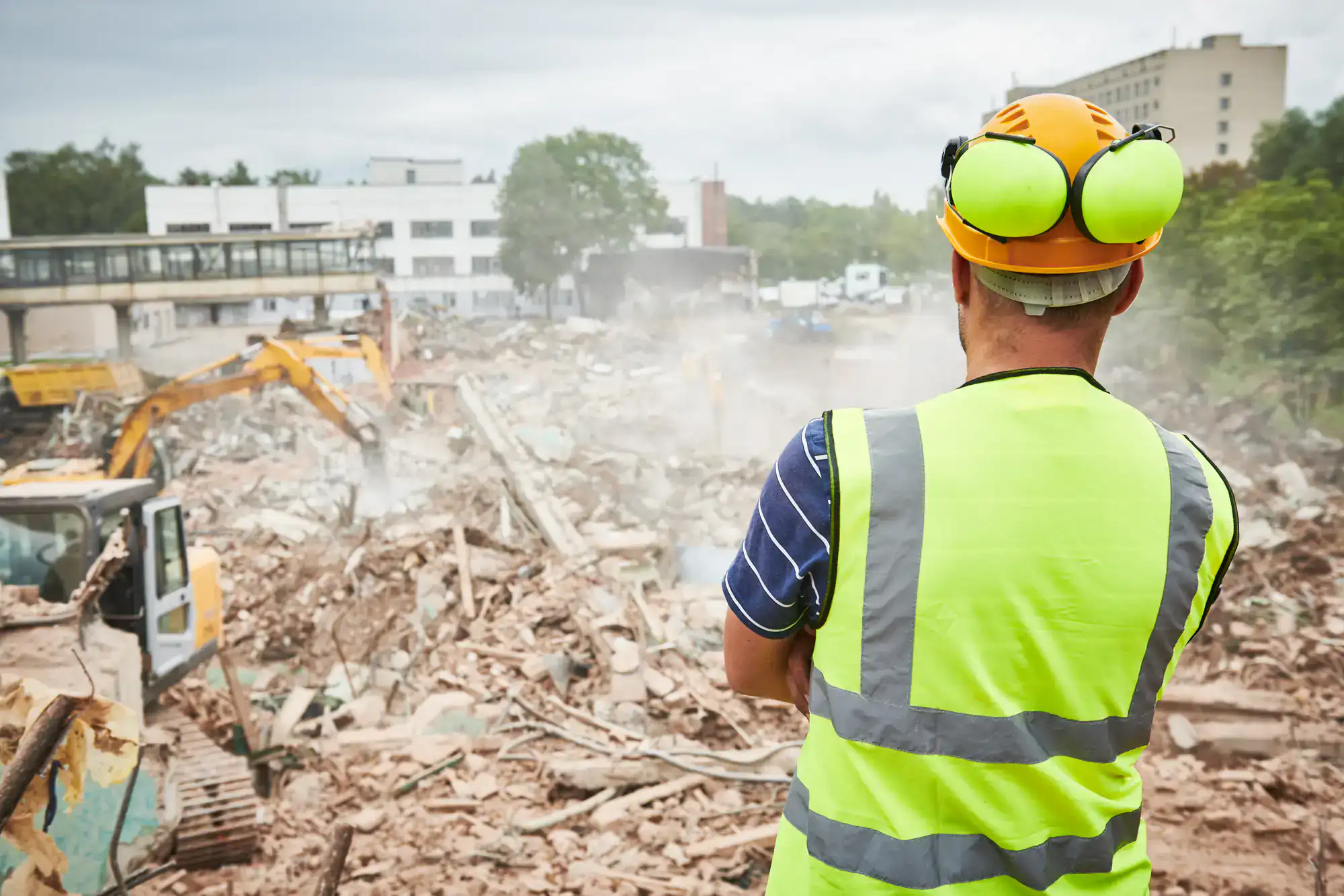
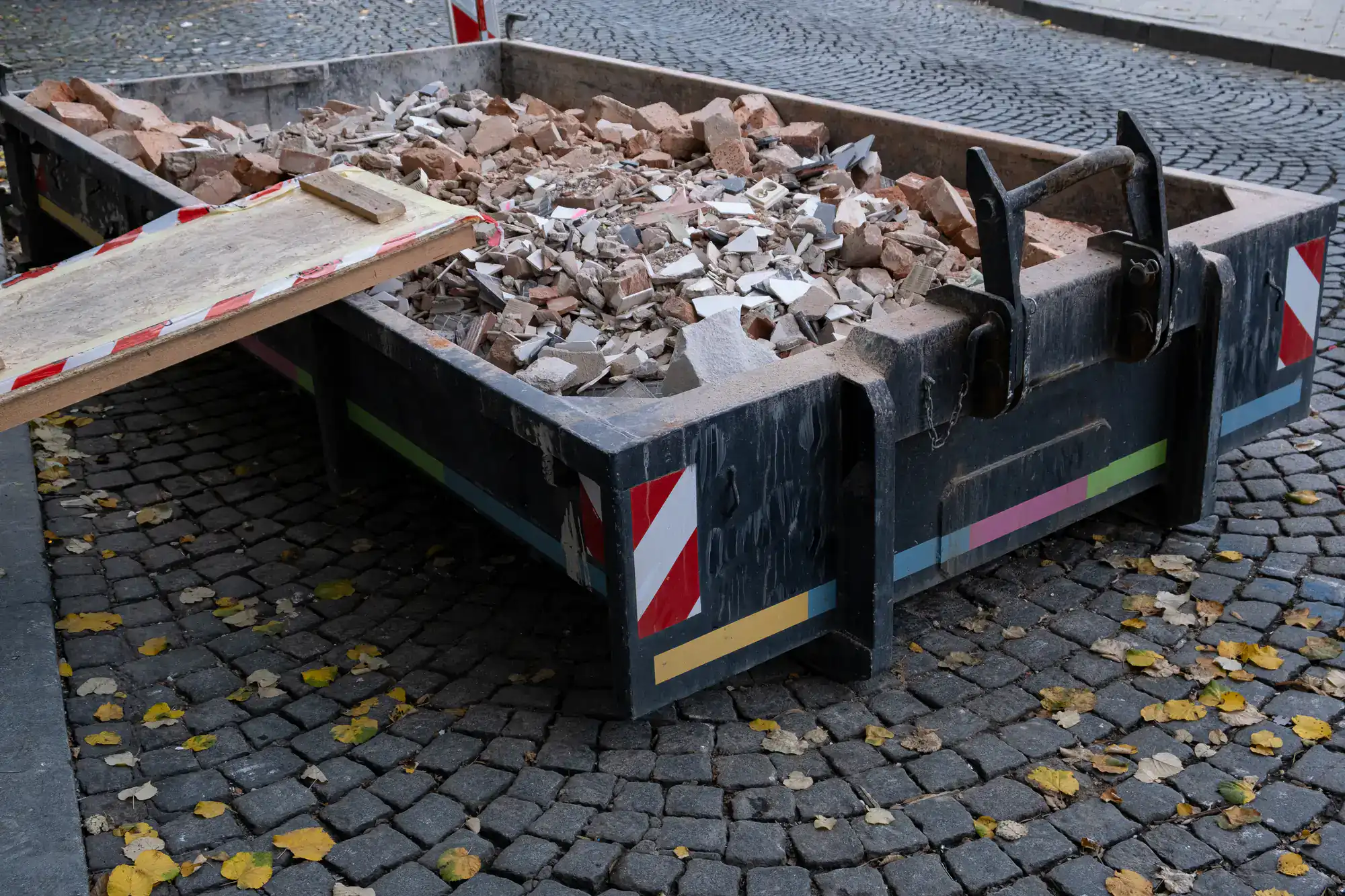
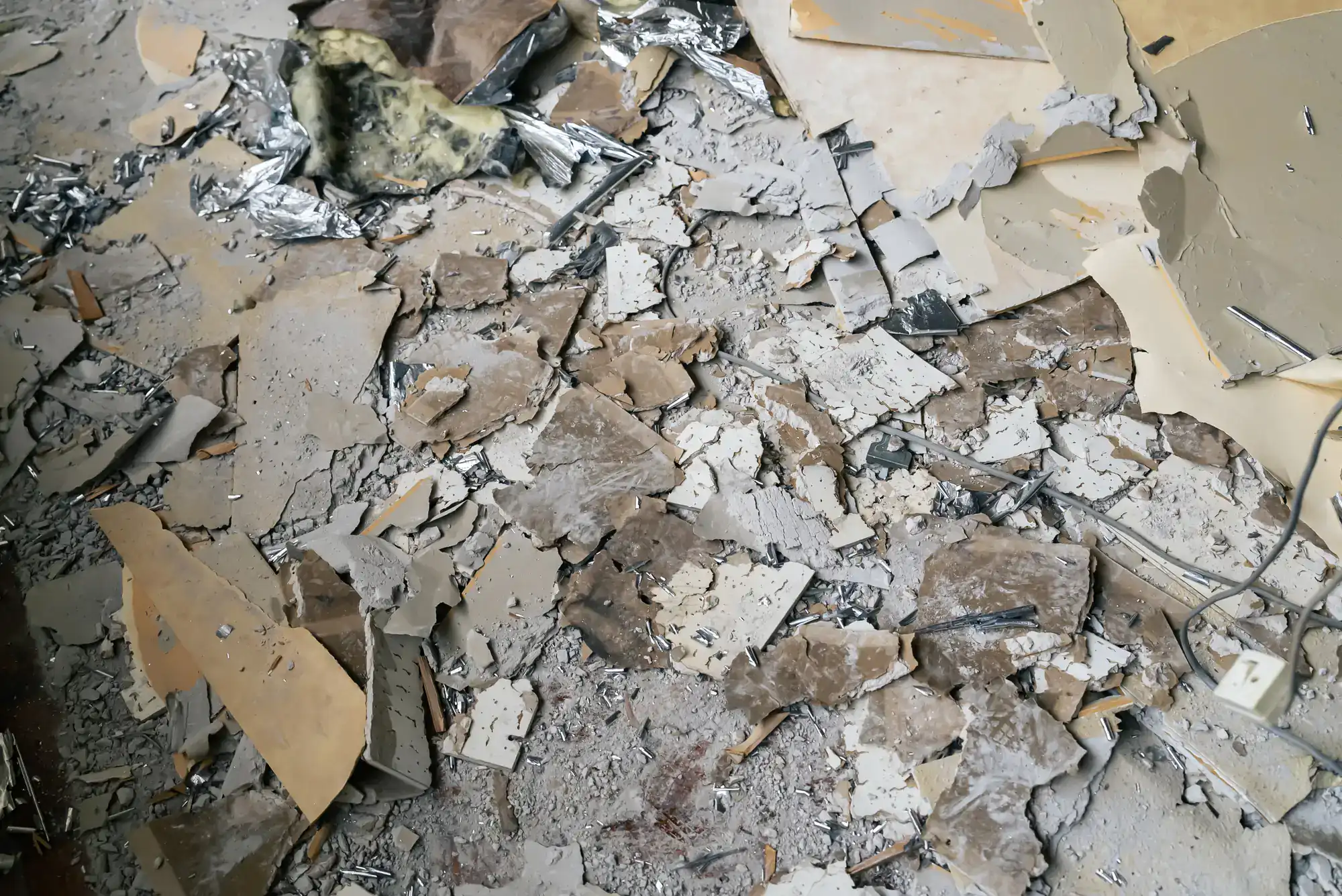
We handle the full scope of what demolition actually requires in a market like Bryn Mawr. That means environmental testing and hazmat inspection before work begins, certified asbestos and lead abatement using HEPA filtration and negative air containment, interior demolition and gutting, structural demo where applicable, construction debris removal, and waterproofing when water damage is part of the picture. You don’t need to source four separate contractors and coordinate their schedules around each other. That’s the whole point of how we operate.
For historic properties — and Bryn Mawr has more than its share, from Gilded Age estates to early 20th century stone homes — the process includes an additional layer of care around Lower Merion Township’s Historical Commission requirements. Properties classified as historic resources under Lower Merion’s guidelines may require commission review before demolition or significant alteration. We’re familiar with that process and can advise you on how to proceed without running into a stop-work order.
For rental property owners managing pre-1978 buildings near the college, our HUD-compliant lead inspection and abatement services fulfill the specific federal documentation requirements that apply to those properties. Whether it’s a single-family gut job on an estate-row property or a water-damaged multi-family building off Lancaster Avenue, the process is the same: thorough, permitted, and fully documented from start to finish.
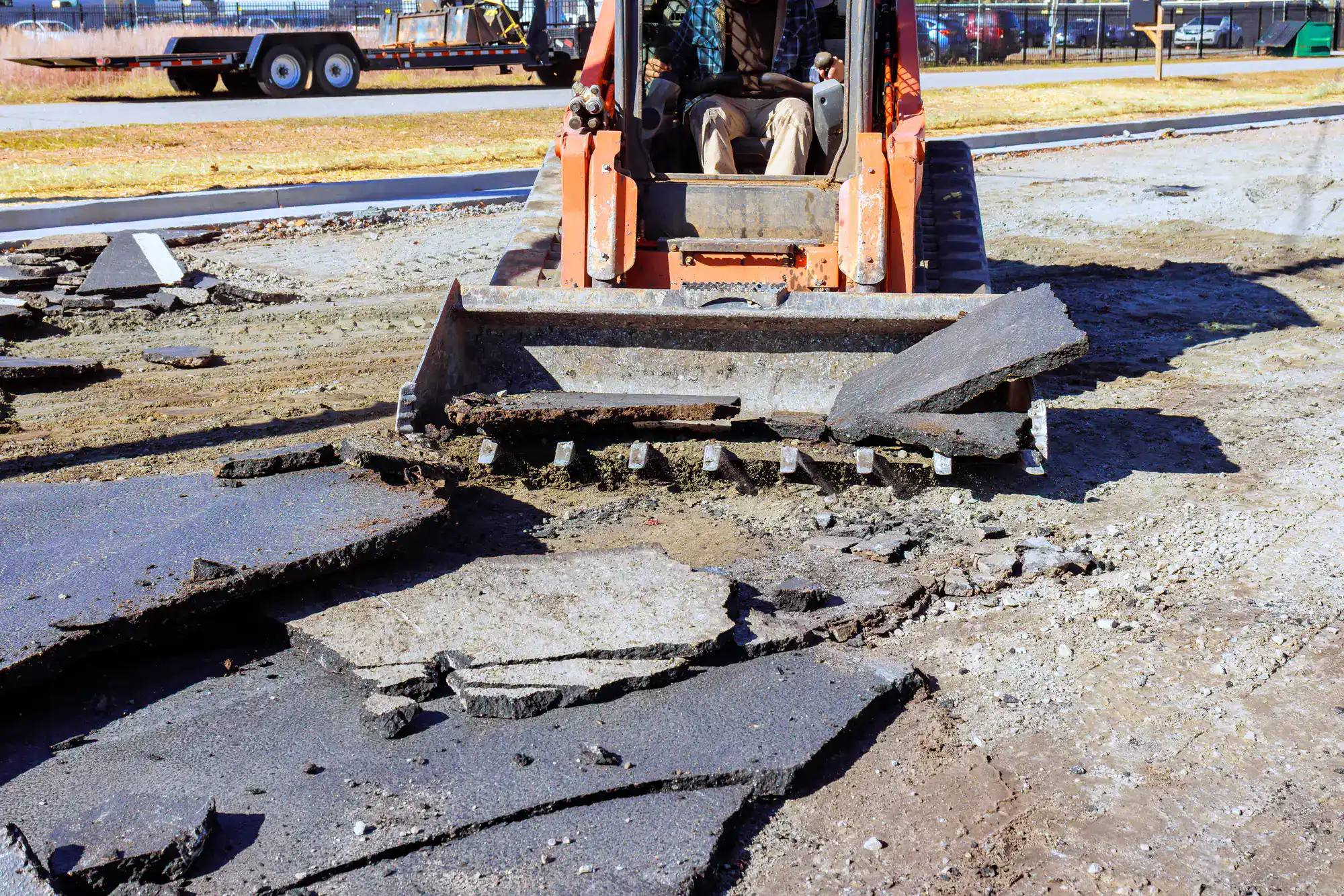

Yes — and the permit requirement applies whether you’re taking down one wall or gutting an entire floor. In the Lower Merion Township portion of Bryn Mawr, demolition work requires an approved permit from the Building and Planning Department before any structural work begins. Starting without one doesn’t just mean a fine — Lower Merion’s code specifically adds penalty fees on top of the standard permit cost when work begins before permits are issued. Fines for violations can reach $1,000, and that’s before the penalty surcharge.
What makes Bryn Mawr more complicated than most towns is the jurisdictional split. The 19010 ZIP code spans Lower Merion Township, Radnor Township, and Haverford Township — three separate building departments with their own permit processes. Knowing which office applies to your specific address is something a lot of homeowners get wrong, and it can delay a project significantly. When we handle your job, permit coordination is part of the scope — we identify the correct jurisdiction for your address and manage the filing so you’re not guessing.
The honest answer is: if your home was built before 1978, you should assume both are present until a certified inspection says otherwise. In Bryn Mawr, where more than 37% of homes were built before 1939 and over 75% predate the 1978 federal threshold, this isn’t a fringe scenario — it’s the baseline expectation on virtually every renovation or demolition job.
Asbestos was commonly used in floor tiles, pipe insulation, ceiling tiles, roofing materials, and joint compound throughout the mid-20th century. Lead paint was standard on interior and exterior surfaces until it was banned for residential use in 1978. Neither is visible to the naked eye, and neither can be confirmed or ruled out without certified testing. We hold EPA Certified Lead Inspector and Risk Assessor credentials — which means we can legally inspect, test, and certify the lead condition of your property, not just remove materials under basic RRP protocols. If you’re planning any demolition or renovation work in a pre-war or mid-century Bryn Mawr home, that inspection is the right first step.
Water damage and demolition work intersect more often than most homeowners expect — especially in Bryn Mawr’s older housing stock, where original plumbing systems, stone foundations, and pre-war construction methods create real vulnerability to moisture intrusion. When water damage is discovered mid-project, the timeline matters immediately. Mold begins forming within 24 to 48 hours of water exposure, and in an older home where materials like wood framing and plaster have absorbed moisture over decades, the spread can be fast.
We handle water damage as part of the same engagement — no need to pause the demolition project and bring in a separate restoration crew. We assess the extent of the damage, handle the gutting of affected materials, address mold if it’s present, and waterproof the space before the project moves forward. For homeowners dealing with a burst pipe or flooded basement in a pre-war Bryn Mawr home, that integrated response is what keeps a manageable problem from becoming a full rebuild. We’re available 24/7 for emergency response, because water damage doesn’t wait for business hours.
It can, depending on your property’s classification. Lower Merion Township operates an active Historical Commission that reviews alterations to properties identified as Class 1 or Class 2 historic resources. In February 2023, the Board of Commissioners adopted new Design Guidelines specifically to assist property owners working on historic structures. If your home is on the Historical Commission’s resource list, certain demolition or exterior alteration work may require review and approval before it can proceed — even if you already have a standard building permit.
Bryn Mawr has a higher concentration of historically classified properties than most communities in the region, given its Gilded Age estate history and the density of pre-1900 and early 20th century stone and brick construction throughout the township. This doesn’t mean demolition is off the table — it means the process requires an additional step that an inexperienced contractor might not even be aware of. We’ve worked on historic Main Line properties for two decades and understand how to move through that review process without derailing your project timeline.
Demolition pricing in Bryn Mawr varies significantly based on the scope of work, the building type, and whether hazardous materials are involved — which, in this market, they usually are. A straightforward interior gut of a single room in a post-war home will cost considerably less than a full-floor demolition in a pre-1939 stone estate that requires asbestos abatement and lead paint remediation before structural work can begin. Permit fees, debris disposal, and utility disconnection are costs that sometimes surface after a contract is signed with less transparent contractors — we include all of that in the estimate upfront.
For Bryn Mawr specifically, the age and complexity of the housing stock means that hazmat testing and abatement are a realistic line item on most projects, not an edge case. The cost of skipping that step — federal liability, potential fines, health risk to your family, and the expense of remediation after the fact — is significantly higher than doing it correctly the first time. We provide free estimates with a clear, written scope of work so you know exactly what you’re paying before anything starts. Cash discounts are also available, which is a straightforward way to reduce your total project cost without any negotiation theater.
Not legally, if the property was built before 1978 and the work disturbs lead-based paint. HUD’s lead-safe housing rules — specifically 24 CFR Part 35 — impose specific requirements on landlords and property managers renovating pre-1978 rental properties. For federally assisted housing or HUD-regulated properties, only contractors who are EPA/HUD compliant and carry the appropriate lead certifications can perform certain categories of renovation and abatement work. Hiring an uncertified contractor for that work exposes the property owner to federal liability, not just a permit violation.
In Bryn Mawr, where over half of occupied housing units are renter-occupied and a significant portion of that rental stock is pre-1978 construction — much of it housing Bryn Mawr College students and young professionals — this is a real and recurring compliance issue for landlords. We’re EPA/HUD compliant and hold EPA Certified Lead Inspector and Risk Assessor credentials, which means we can provide the certified inspection, risk assessment, and abatement documentation that satisfies HUD requirements. For property managers maintaining multiple pre-1978 rental buildings in this market, that documentation isn’t just a legal safeguard — it’s the paper trail that protects you if a tenant ever raises a lead exposure concern.
Other Services we provide in Bryn Mawr