Hear from Our Customers
Most Wyndmoor homeowners don’t call about drainage until something forces their hand — a storm that leaves two inches of standing water in the basement, a renovation plan that stalls because the floor is damp, or a home inspection that flags water intrusion right before closing. By that point, the problem has usually been building for years.
A properly installed french drain system intercepts groundwater before it reaches your foundation or redirects it away from areas where it pools. For homes in Wyndmoor — where the clay-heavy soils hold water instead of draining it and many foundations were built without any waterproofing system at all — that kind of drainage infrastructure isn’t an upgrade. It’s what should have been there from the start.
Wyndmoor gets just over 48 inches of rain a year, and the community sits at the headwaters of Cresheim Creek, which means water moves through this neighborhood with real force during heavy storms. When you add freeze-thaw cycles every winter to foundations that have been absorbing that pressure for 70-plus years, you get cracks, seepage, and eventually real structural damage. A french drain installation done correctly — with the right pipe, the right slope, the right outlet — stops that cycle. Your basement becomes usable space again. Your yard drains the way it should. And your home stops losing value to a problem that was entirely fixable.
We’ve been working in Wyndmoor and Montgomery County for close to two decades. That means we’ve been inside the same category of homes that line the streets near Mermaid Lane and Paper Mill Road — pre-war stone colonials, post-war brick ranches, and everything in between. We know what these homes are made of, and we know what’s often hiding behind the walls when drainage work starts.
What separates us from a standard waterproofing crew isn’t just experience — it’s certification. We’re EPA and HUD compliant, hold credentials as a Certified Lead Inspector and Risk Assessor, and carry full state DEP accreditation. When we’re working around the foundation of a 1940s home in Wyndmoor, we’re not guessing at what we might disturb. We’re qualified to assess it, handle it, and document it.
We’re fully licensed, bonded, and insured — and we offer free estimates with no pressure and no runaround. If you pay cash, we’ll give you a discount on top of that. We answer the phone around the clock, including when the storm hits at 11 PM and your basement is already taking on water.
It starts with a site assessment. Before anything gets dug up, we walk the property, look at where water is entering or pooling, evaluate the grade, and check what’s around the foundation. In Wyndmoor, that last part matters more than most places. A lot of homes here were built before 1978, which means lead paint and asbestos pipe insulation are real possibilities — not remote ones. We check for those things before we start, not after.
Once we understand the full picture, we determine whether an exterior french drain, an interior french drain, or a combination of both is the right call for your specific property. Exterior systems intercept water before it reaches the foundation. Interior systems manage water that’s already getting in. The right answer depends on your home, your soil, your grade, and how the water is actually moving — and we’ll explain exactly what we’re recommending and why before any work begins.
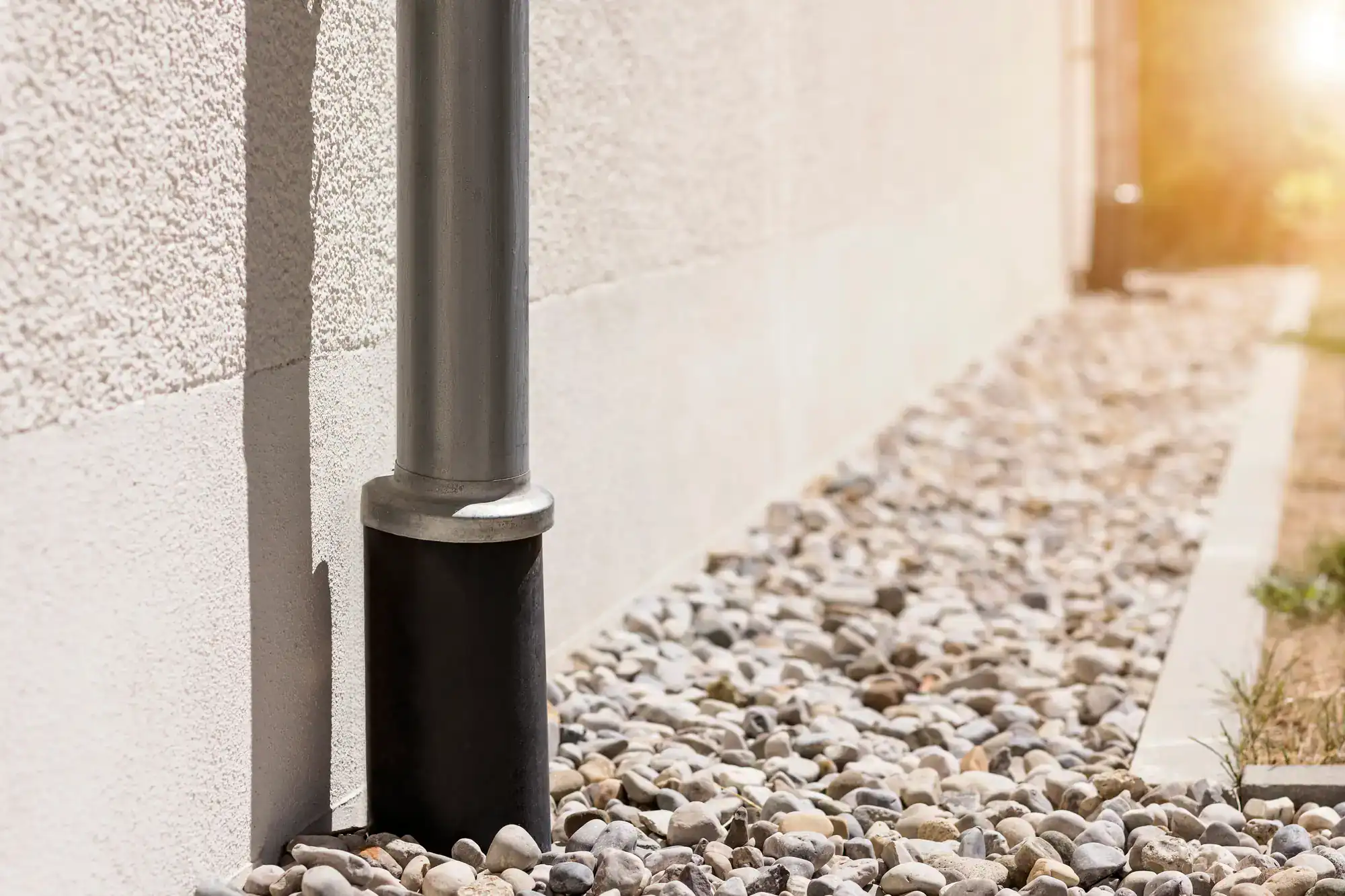
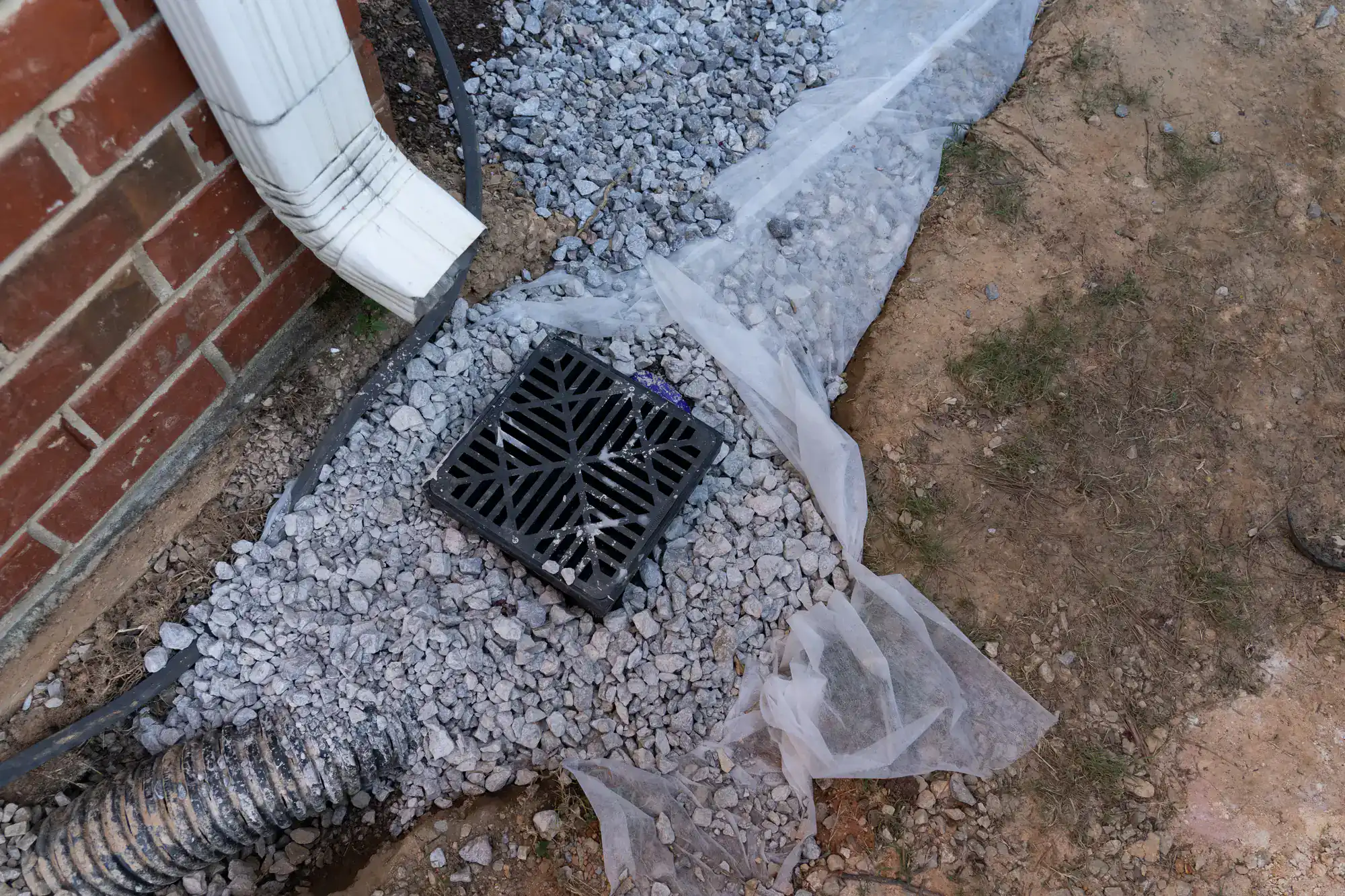
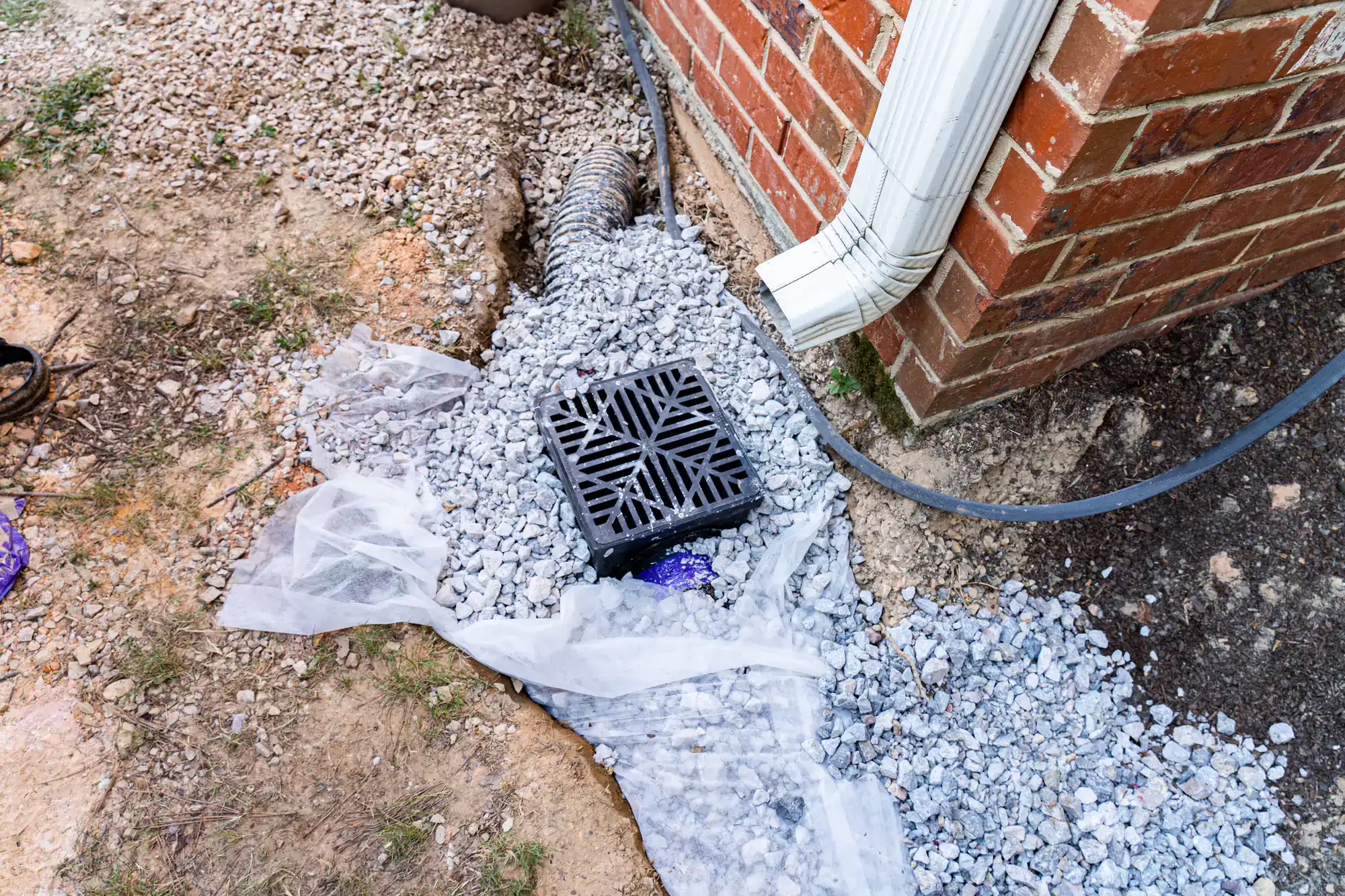
Springfield Township has a stormwater management ordinance, and depending on your property’s proximity to natural drainageways, DEP permits may be required. We handle the permit side of things so you’re not left figuring that out on your own. Installation typically involves trenching, laying perforated PVC pipe wrapped in geotextile filter fabric, backfilling with clean crushed stone, and routing the outlet to a safe discharge point. When the job is done, the area is graded and cleaned up. You’ll know what was installed, where it goes, and how to maintain it.
Ready to get started?
The quality of a french drain comes down to four things: the pipe, the fabric, the gravel, and the slope. We use rigid perforated PVC — not the corrugated flex pipe that collapses under soil pressure within a few years. The pipe is wrapped in geotextile filter fabric that keeps fine soil particles from migrating into the system and clogging it over time, which is the most common reason french drains fail prematurely. We backfill with clean crushed stone, not mixed fill, and we maintain a minimum one-percent slope throughout — one inch of drop per ten linear feet — so water actually moves through the system instead of sitting in it.
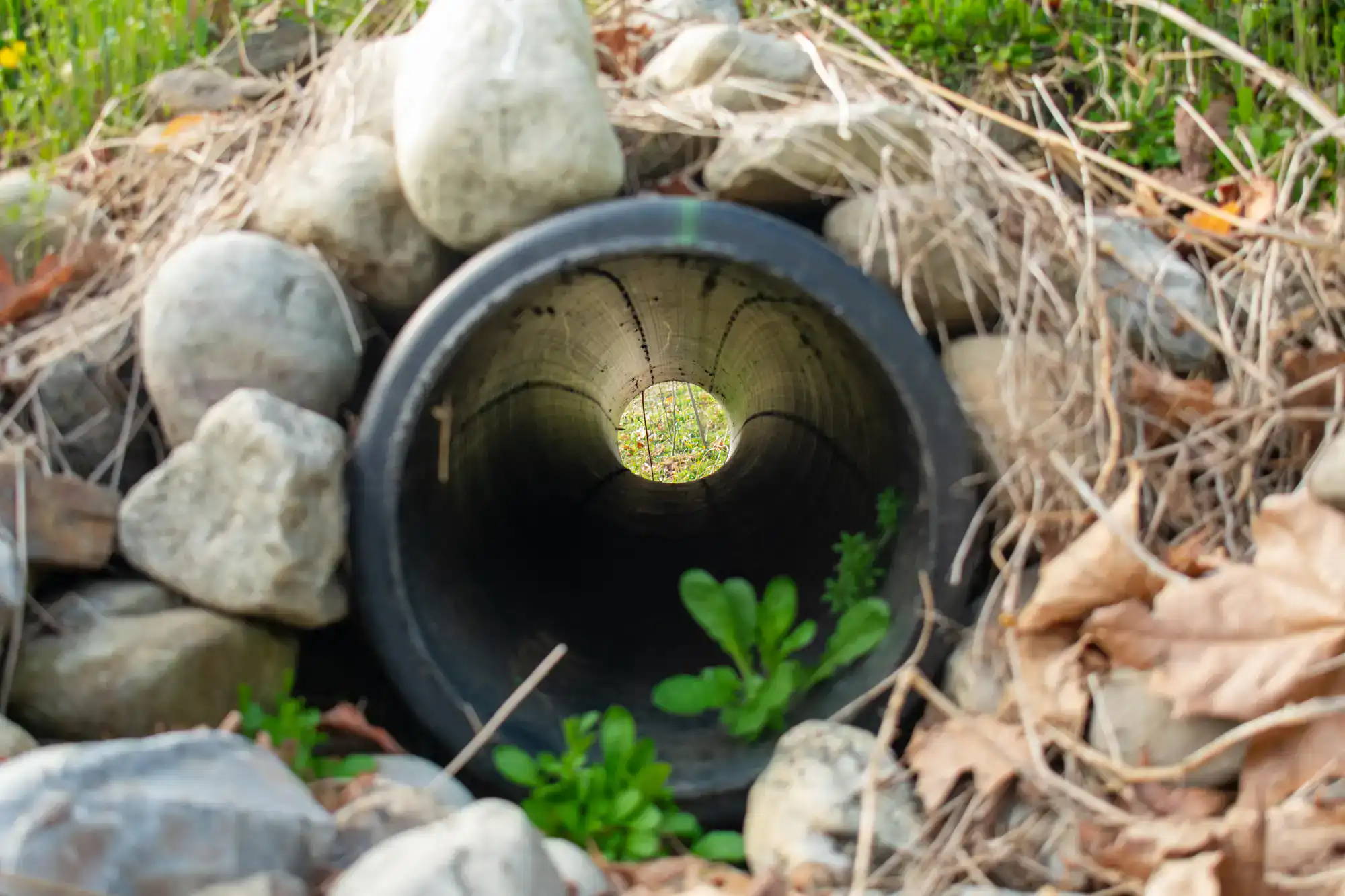
For Wyndmoor specifically, the combination of clay-heavy soils and the community’s position at the top of the Cresheim Creek watershed means surface water doesn’t have anywhere easy to go during a heavy rain event. A properly designed system accounts for that volume and routes it to a discharge point that doesn’t just shift the problem to your neighbor’s yard or a low spot on your own property.
If we find mold, lead paint, or asbestos during the project — and in a neighborhood where most homes predate 1960, that’s not a rare discovery — we handle it in the same engagement. No second contractor, no gap in accountability, no waiting around for someone else to come in and assess what we already found. That’s the practical value of working with a company that does environmental abatement and drainage under the same roof.

Yes, in most cases. Springfield Township operates under a stormwater management ordinance — Ordinance No. 1624, enacted in September 2022 — that governs drainage work within the Township’s boundaries. If your project involves excavation near the foundation, changes to how stormwater leaves your property, or any work adjacent to a natural drainageway, a permit is typically required before work begins.
Properties near the Cresheim Creek corridor may also trigger Pennsylvania DEP permitting requirements under state stormwater regulations. If your drainage outlet routes anywhere near a state road right-of-way, PennDOT approval may be needed as well. We handle the permit research and filing as part of our process, so you’re not left navigating the Township code on your own. A contractor who skips permits isn’t saving you time — they’re creating liability that lands on you as the property owner.
The national average range for french drain installation runs from about $1,650 on the low end to $12,250 or more for larger or more complex systems. Where your project lands in that range depends on several factors: whether you need an exterior system, an interior system, or both; the length of the drain run; how accessible the work area is; and whether any environmental hazards like lead paint or asbestos are present and need to be addressed before or during installation.
In Wyndmoor, where the median home was built around 1951 and many properties date back to the 1930s or earlier, it’s common to discover conditions during a drainage project that a standard contractor isn’t equipped to handle — and that can mean unexpected costs and delays if you hired the wrong company. We assess those factors upfront and include them in your estimate so there are no surprises after the work starts. The estimate is free, and if you pay cash, we offer a discount on the final price.
An exterior french drain is installed around the outside perimeter of your foundation. It intercepts groundwater before it builds up hydrostatic pressure against your foundation walls — the most effective solution when the water source is surface runoff or a high water table pressing in from outside. It requires excavating down to the footing, which is more labor-intensive, but it addresses the problem at its source.
An interior french drain is installed inside the basement, typically along the perimeter below the slab. It doesn’t stop water from entering the foundation — instead, it captures water that’s already gotten in and routes it to a sump pump for removal. This is often the right call when exterior excavation isn’t practical, when the foundation wall itself is the entry point, or when the homeowner’s goal is to manage moisture in a space they want to finish and use. In Wyndmoor, where many homes have older stone or early poured-concrete foundations, the right answer is often specific to how that particular foundation was built and how water is actually moving through it — which is something we assess before recommending anything.
A french drain installed with the right materials and proper technique should last 30 to 40 years. The two biggest factors that shorten that lifespan are soil infiltration and root intrusion. When fine soil particles migrate through inadequate or missing filter fabric and accumulate inside the pipe, the system gradually loses its ability to move water. Tree roots — common in an established, heavily wooded neighborhood like Wyndmoor — can work their way into perforated pipe over time and cause the same problem.
Using rigid perforated PVC pipe instead of corrugated flex pipe makes a significant difference in long-term performance. Corrugated pipe has ridges that trap sediment and is more prone to collapse under soil pressure. We use solid-wall PVC with perforations, wrapped in geotextile filter fabric, specifically to extend the system’s functional life. Periodic french drain cleaning — flushing the line every few years — is the main maintenance task that keeps the system performing the way it should over the long run.
It can, and in Wyndmoor, this is a real concern worth taking seriously. The majority of homes in this community were built before 1978 — many before 1960 — which means lead-based paint is statistically likely to be present on foundation walls, window wells, and other surfaces near where drainage work happens. Asbestos pipe insulation was standard in residential construction through the early 1970s, and basement pipes are exactly what get disturbed during interior french drain installation.
A standard drainage contractor isn’t certified to identify, test, or handle either of those hazards. They may disturb them without realizing it, or they may recognize the issue and walk away — leaving you to find a separate abatement contractor before the drainage work can continue. We hold EPA and HUD certification as a Certified Lead Inspector and Risk Assessor, and we’re fully accredited for asbestos and environmental abatement work. We assess these risks before the project starts and handle whatever we find within the same engagement — no second contractor, no scheduling gap, no unresolved hazard left behind.
It comes down to how we run the business. Payment processing fees are a real cost, and when we work directly with homeowners — especially on larger projects like french drain installation — passing some of that savings back to the customer is a straightforward way to make the work more accessible without cutting corners on materials or labor.
In a community like Wyndmoor, where a lot of the homes are owner-occupied by long-term residents who are maintaining properties they’ve owned for years, we work with a lot of people who prefer a direct, no-middleman transaction. The cash discount reflects that. It’s not a promotion — it’s just an honest way of doing business with people who are making a real investment in a home they care about. The quality of the work, the materials we use, and the credentials we bring to the job don’t change based on how you pay.
Other Services we provide in Wyndmoor