Hear from Our Customers
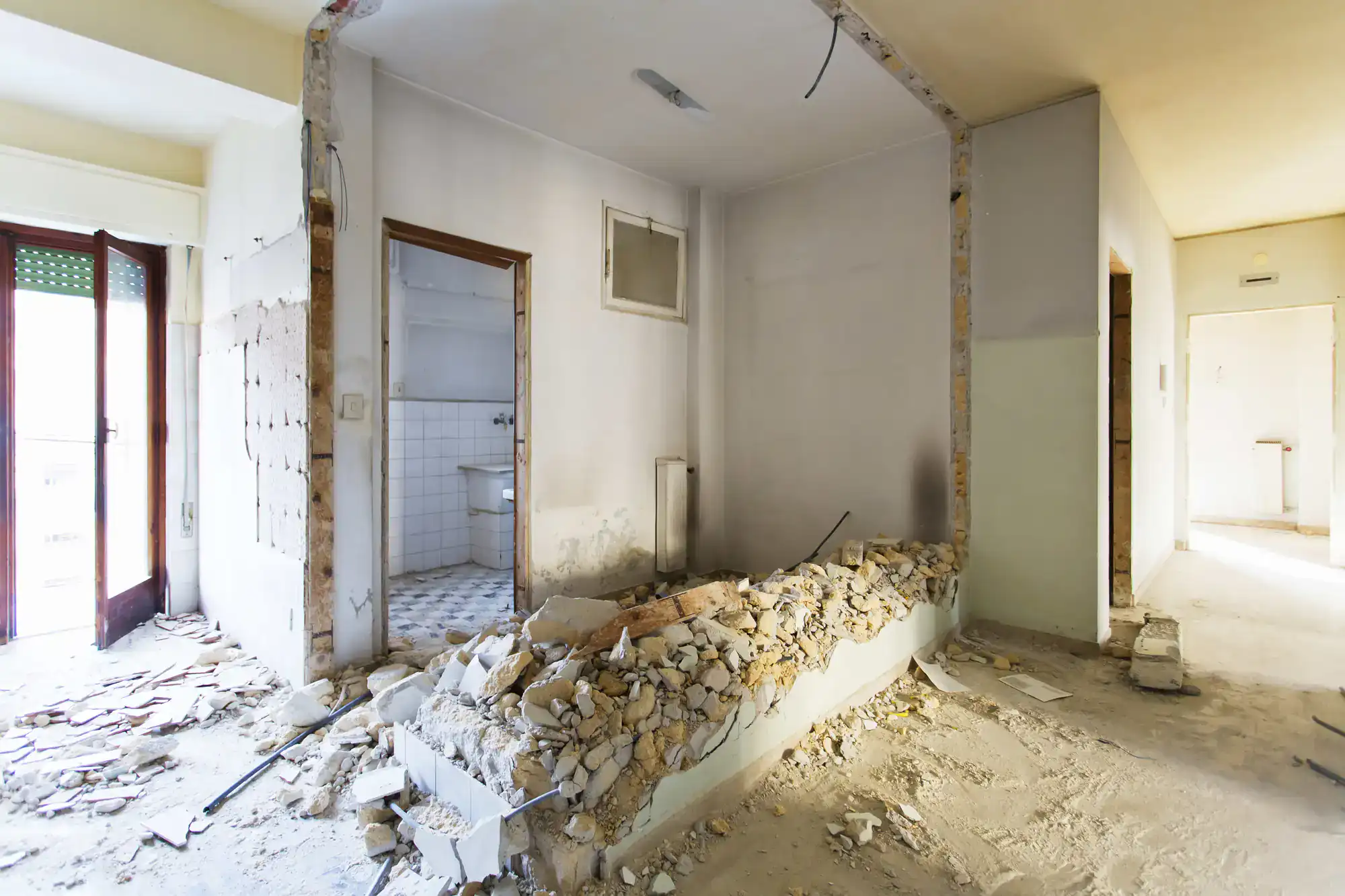
When you open up a wall in a Wyndmoor home — whether it’s a Victorian on Stenton Avenue or a postwar colonial built on the old Whitemarsh Hall estate grounds — there’s a real chance you’re going to find something that requires more than a dumpster and a crowbar. Lead paint. Asbestos floor tiles. Pipe insulation that hasn’t been touched since 1955. These aren’t worst-case scenarios in a zip code where most of the housing stock predates 1978. They’re the norm.
What that means for your renovation is simple: the contractor you hire for demolition needs to be equipped to handle what they find. If they’re not certified for hazmat, they’re legally required to stop work the moment something turns up. That means delays, a second contractor, a second contract, and a project that just got a lot more complicated. We carry the state certifications for asbestos and lead abatement in Pennsylvania, which means the job doesn’t stop when the walls open up.
Wyndmoor’s proximity to the Wissahickon Creek corridor also means basement moisture and water intrusion are common realities for homeowners here. Mold behind drywall, deteriorating subflooring, waterproofing work that requires demolition first — these are things we handle as part of the same project, not a separate call to a separate company. You get a clean, ready space at the end. That’s the actual outcome.
We’ve been doing demolition and environmental abatement work in Montgomery County for two decades, with deep roots in the Wyndmoor community and the surrounding townships. That means we’ve worked in the same housing stock you’re dealing with — the pre-war craftsmen, the mid-century ranches, the postwar homes that went up on the old estate grounds — and we know exactly what tends to be hiding inside them.
Our credentials aren’t just marketing. We hold Pennsylvania’s state-issued asbestos contractor certifications under Act 194 and Act 161, the Certified Lead Inspector and Risk Assessor designation, and full EPA/HUD compliance under the Lead RRP Rule. These are state-regulated licenses that most contractors in this area simply don’t carry. In a community like Wyndmoor, where nearly every home is old enough to contain regulated materials, that distinction matters more than it might somewhere else.
We’re fully licensed, bonded, and insured — and we’ll give you a free estimate before any work begins. If you have a competing quote, we’ll beat it.

It starts with a free on-site estimate. We come out, walk the space, and tell you exactly what you’re looking at — scope, timeline, and cost — before you commit to anything. If there’s any indication that asbestos or lead-containing materials may be present (and in a Wyndmoor home, there usually is some probability), testing happens before demolition begins. That’s not a delay — that’s the step that keeps your project from being derailed later.
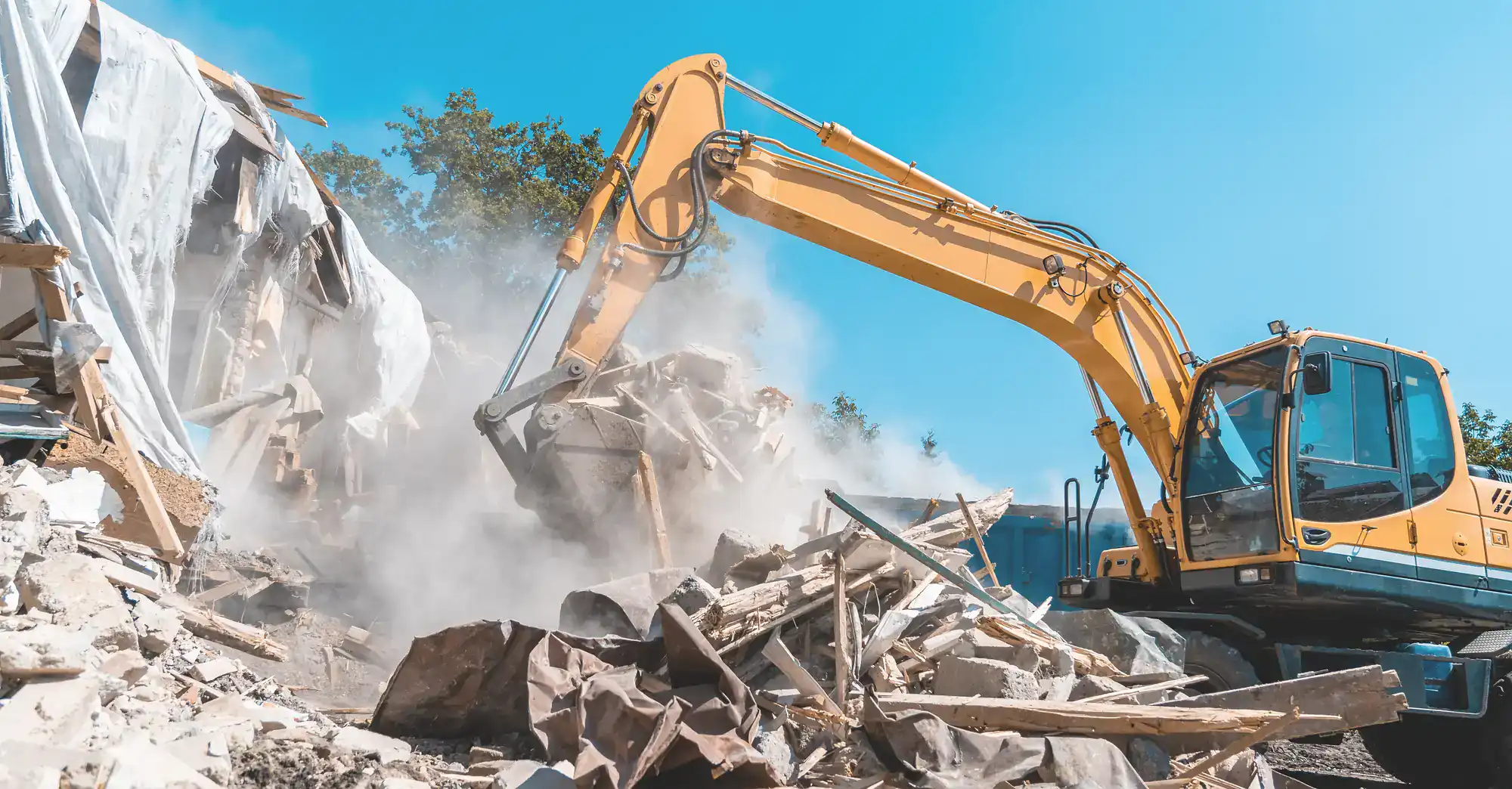
If testing confirms regulated materials, we handle abatement in-house with our certified team. Pennsylvania law requires notification to the PA Department of Environmental Protection before asbestos abatement work begins, and we manage that process as part of the job. You don’t need to navigate that separately. Once the space is cleared and compliant, demolition proceeds — gutting walls, removing flooring, stripping ceilings, pulling fixtures, clearing debris — whatever the scope calls for.
Springfield Township requires a building permit for the demolition of existing structures, submitted through the Township’s Building and Zoning Department. We work within that process. By the time the job is done, you have a clean, cleared space that’s ready for your contractor to build back — with no open compliance questions, no leftover hazmat liability, and no reason to stop.
Ready to get started?
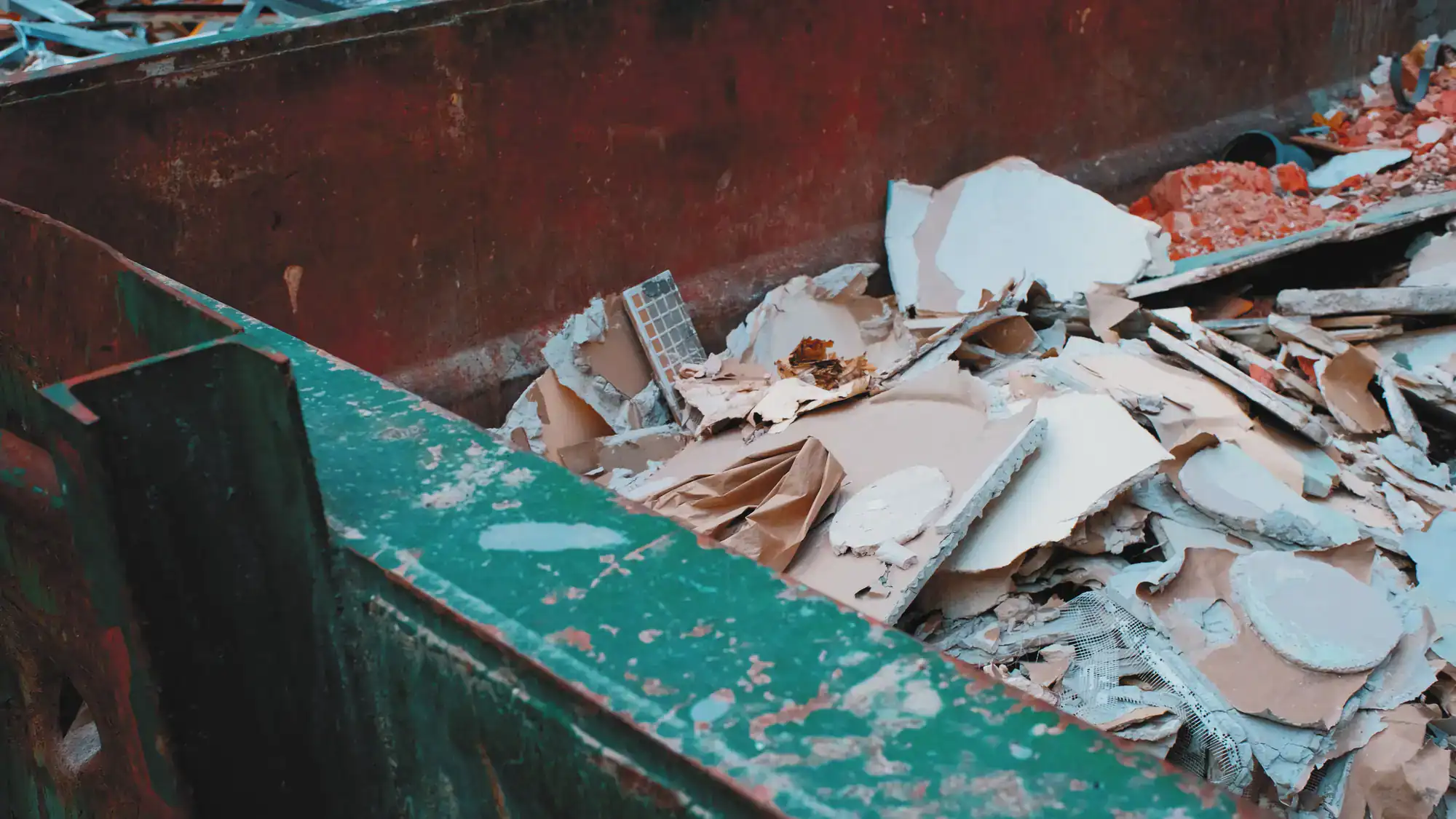
We handle interior demolition and gutting for kitchens, bathrooms, basements, and full-floor renovations. That includes wall removal, flooring tear-out, ceiling demolition, fixture and cabinet removal, and complete debris hauling. But in a community like Wyndmoor — where the median home was built well before the federal regulations that banned lead paint and asbestos — the demo work doesn’t happen in a vacuum. It happens inside homes that have layers of history inside their walls, and that history has to be dealt with correctly.
That’s why our service model is built the way it is. Testing, abatement, and demolition are all handled under one roof. There’s no moment where the job pauses because something was found that the contractor wasn’t equipped to handle. Our team is certified for the full scope, and the process is designed to move forward, not stop.
For Wyndmoor homeowners dealing with basement water intrusion — a real and recurring issue given the community’s position near the Wissahickon Creek watershed — we also provide waterproofing services that integrate directly with the demolition phase. If the affected walls or flooring need to come out before waterproofing can begin, that work is included in the same project. One call, one crew, one timeline. We offer emergency response around the clock for situations that can’t wait.
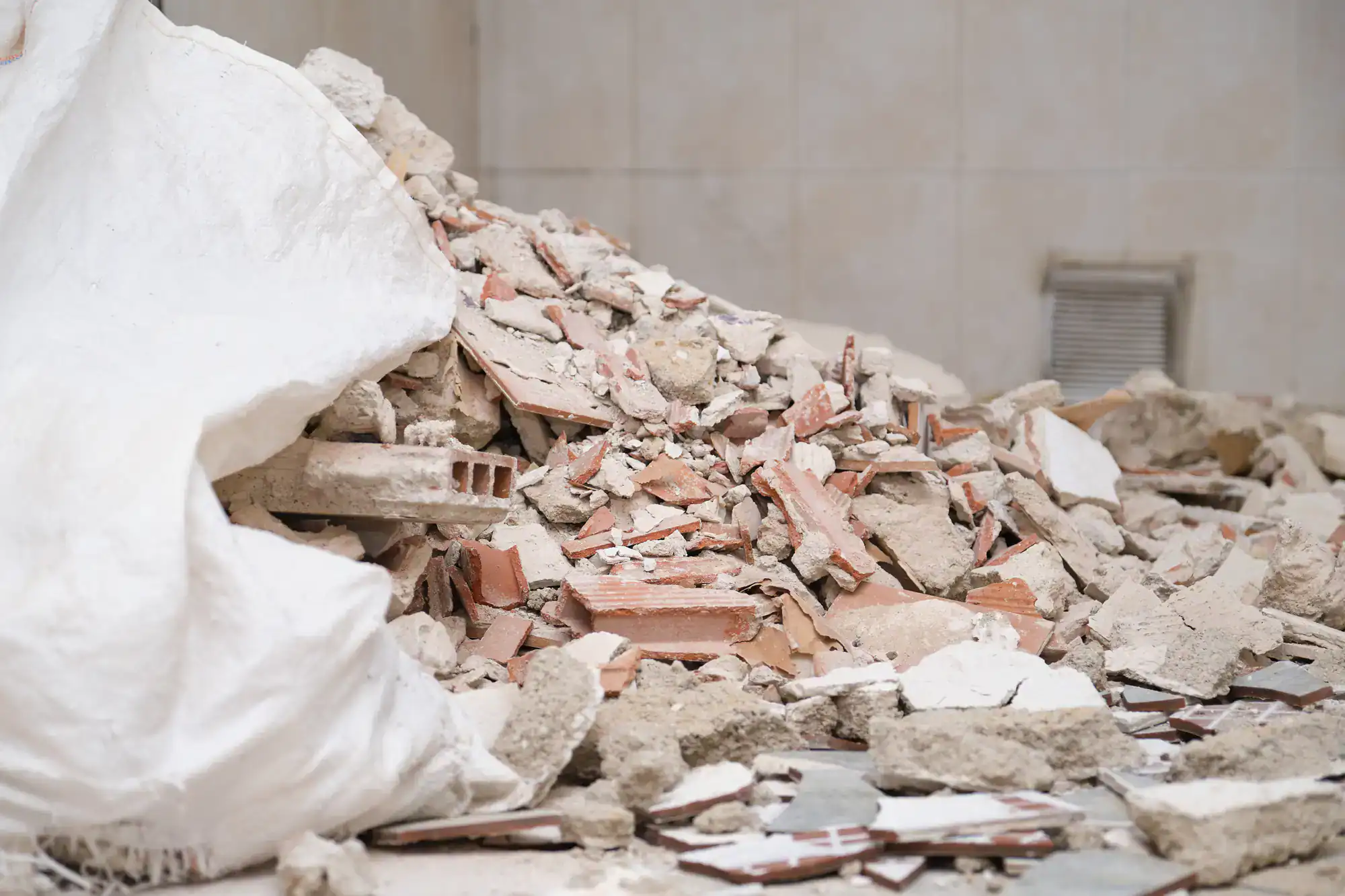

Yes — Springfield Township requires a building permit for the demolition of existing structures, and that applies to interior gut renovations, not just full teardowns. Permit applications go through Springfield Township’s Building and Zoning Department. If your renovation also involves electrical, mechanical, or plumbing work — which most gut projects do — those require separate permits as well.
On top of the township permit, asbestos abatement work in Pennsylvania requires advance notification to the PA Department of Environmental Protection before work begins. This is a state-level requirement that applies regardless of project size when regulated asbestos-containing materials are confirmed. We manage both the township permit coordination and the DEP notification process as part of the job, so you’re not left figuring out the regulatory side on your own.
Almost certainly lead paint, and very likely asbestos in some form. Lead paint was used in residential construction until it was federally banned in 1978, so any Wyndmoor home built before that year has a high probability of containing it — especially in older layers of paint on walls, trim, and ceilings. Asbestos was commonly used in floor tiles, ceiling tiles, pipe insulation, joint compound, and plaster through the late 1970s, meaning a 1950s Wyndmoor home could contain it in multiple locations.
The honest answer is that you won’t know for certain until testing is done. What you can know is that opening walls and floors in a Wyndmoor home of that age without testing first is a risk — both to your health and to the legal standing of your project. We test before demolition begins, handle abatement in-house if regulated materials are confirmed, and then proceed with the gut work without stopping the job. That’s the sequence that protects you.
This is exactly the situation you want to avoid — and the reason testing before demolition is so important. If a contractor who isn’t certified for asbestos abatement discovers regulated materials mid-project, they’re legally required to stop work. That means a halted job, a second contractor to locate and schedule, additional costs, and a timeline that’s now completely unpredictable. In a Wyndmoor home where the housing stock almost universally predates the regulations that banned asbestos, this isn’t a rare edge case. It’s a foreseeable risk.
We test before the first wall comes down. If asbestos is found, abatement is handled by our same certified team — no stoppage, no second contractor, no scrambling. The project continues on schedule. This is the core reason the one-stop model matters in a community with older housing stock: it eliminates the single most common source of gut renovation delays before it has a chance to happen.
It depends on the scope, but for a standard kitchen or bathroom gut in a Wyndmoor home, demolition typically takes one to three days once the space is cleared and any abatement work is complete. A full-floor or multi-room gut takes longer — usually several days to a week depending on the size of the home and what’s found inside the walls. Homes in Wyndmoor that have been renovated multiple times over the decades can sometimes reveal unexpected structural conditions or additional layers of hazmat that affect the timeline.
The most accurate answer comes from the on-site estimate, which is free and happens before any commitment is made. That walkthrough gives us a clear picture of what the job actually involves — not a generic estimate based on square footage alone. If testing is required, that adds time upfront, but it’s time that prevents much larger delays later. The goal is a realistic timeline from day one, not an optimistic one that falls apart when the walls open up.
Yes, and for many Wyndmoor homeowners, that combination is exactly what the situation calls for. Basement water intrusion is a common issue in this area — Wyndmoor sits near the Wissahickon Creek watershed, and older homes with aging foundations are particularly susceptible to moisture infiltration. In many cases, the affected drywall, flooring, or framing needs to come out before waterproofing can be properly addressed. Trying to waterproof over damaged materials doesn’t solve the problem — it just hides it temporarily.
We handle both sides of that equation. The demolition phase clears out what needs to go, and the waterproofing work addresses the underlying moisture issue as part of the same project. You’re not coordinating two separate contractors, two separate schedules, or two separate scopes. If mold is present as a result of the water intrusion, that’s addressed as well. The result is a basement that’s actually fixed — not patched.
The cash discount comes down to transaction costs. Credit card processing fees run two to three percent on every transaction, and on a demolition project of any real size, that adds up to a meaningful amount. When a client pays in cash, we pass that savings directly back to them rather than absorbing it into overhead. It’s a straightforward exchange — less administrative cost on our end, a lower invoice on yours.
For Wyndmoor homeowners who are already managing the broader costs of a gut renovation — contractor fees, materials, permits, and the build-back — every legitimate reduction in the demolition phase matters. The cash discount is one way we keep pricing transparent and fair without inflating quotes to cover processing costs on the back end. It’s worth asking about when you call for your free estimate, especially on larger-scope projects where the percentage savings translates to real dollars.
Other Services we provide in Wyndmoor