Hear from Our Customers
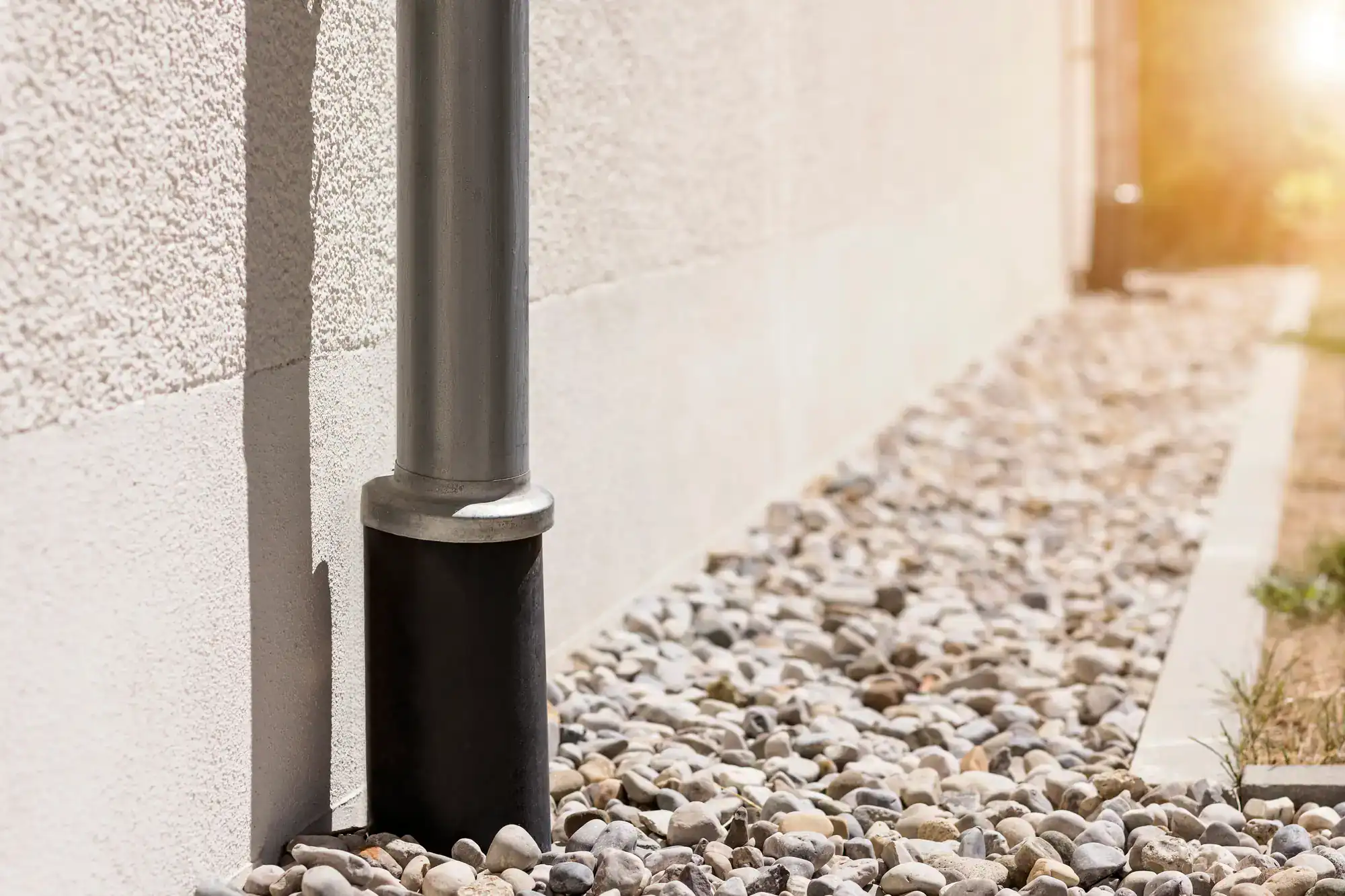
When water stops finding its way in, you stop losing usable space. A finished basement becomes a real room again. Storage stays dry. The smell goes away. And the low-grade anxiety every time a storm rolls through the Perkiomen Valley — that goes away too.
Lower Salford sits on clay-heavy soil that holds water instead of moving it. When the East Branch Perkiomen Creek runs high in the spring and the ground around your foundation is already saturated, hydrostatic pressure builds against your basement walls whether you can see it or not. A properly installed french drain system intercepts that water before it ever reaches your foundation — redirecting it through perforated pipe, clean crushed stone, and filter fabric to a safe outlet point away from your home.
For homeowners in the established neighborhoods around Harleysville and Mainland — many of them in homes built between the 1940s and 1970s — a french drain isn’t a luxury upgrade. It’s the fix that keeps a decades-old foundation from fighting a losing battle against the soil around it. Done right, it lasts 30 to 40 years.
We’ve been working in Montgomery County for roughly 20 years. That’s not a tagline — it’s the reason we understand what’s actually happening under the soil around a 1965 split-level in Harleysville versus a newer build off Lucon Road. Lower Salford has specific conditions, and we’ve worked in them long enough to stop guessing.
What separates us from a standard drainage contractor is the environmental side of the work. We’re Certified Lead Inspectors and Risk Assessors operating under EPA and HUD guidelines. That matters in Lower Salford because a significant portion of the housing stock here predates 1978 — which means lead-containing materials may be present near the foundation before anyone picks up a shovel. We test before we dig. Most contractors don’t.
We’re fully licensed, bonded, and insured. We offer free estimates, cash discounts, and 24/7 phone availability — because water doesn’t wait for business hours, and neither do we.
It starts with a free on-site assessment. We come out, look at where the water is entering, where it’s pooling, and what’s driving it — whether that’s surface runoff, a high water table near one of the creek corridors, or hydrostatic pressure from saturated clay. Knowing the source matters, because a french drain installed for the wrong reason is money spent on the wrong problem.
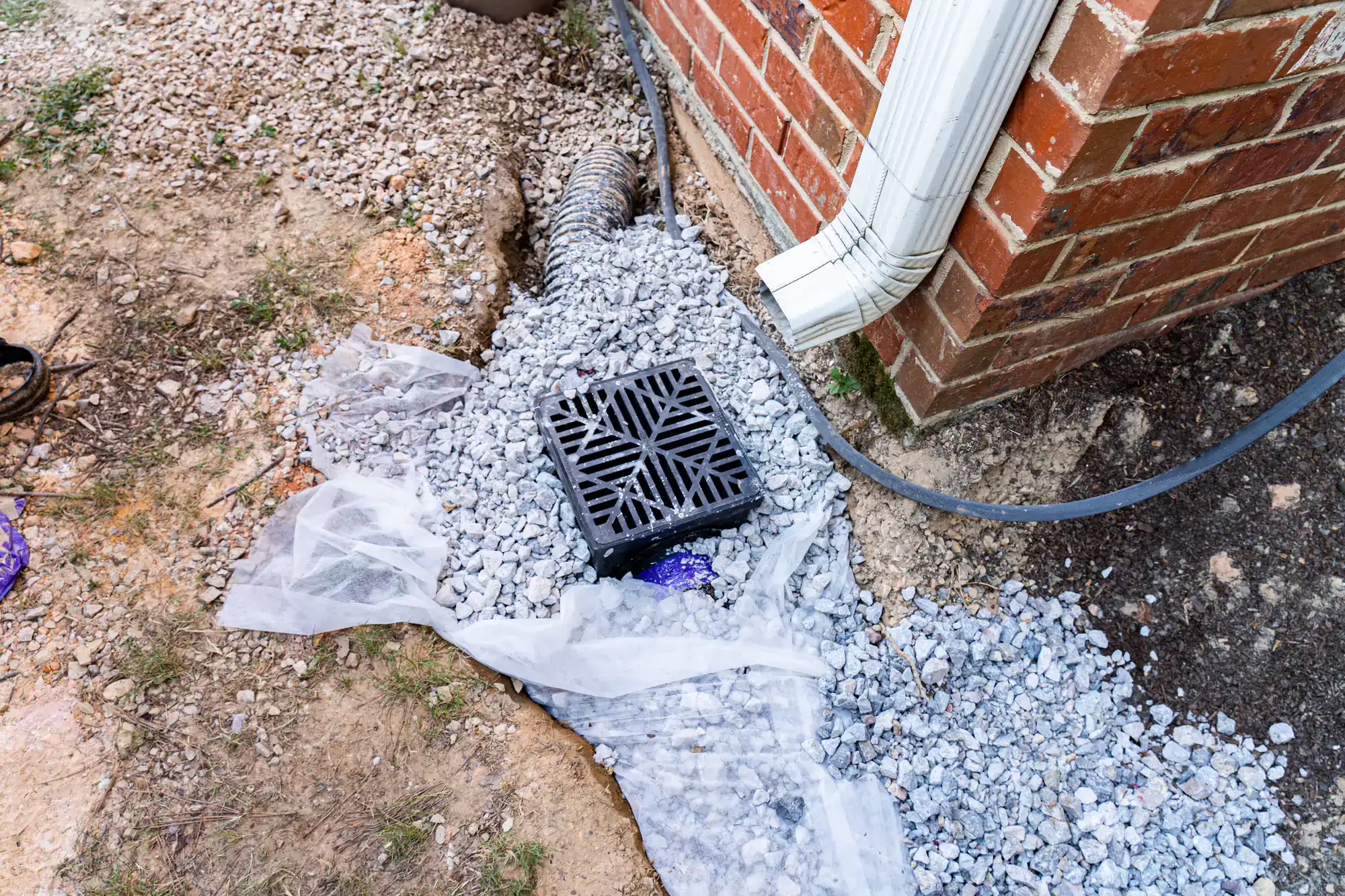
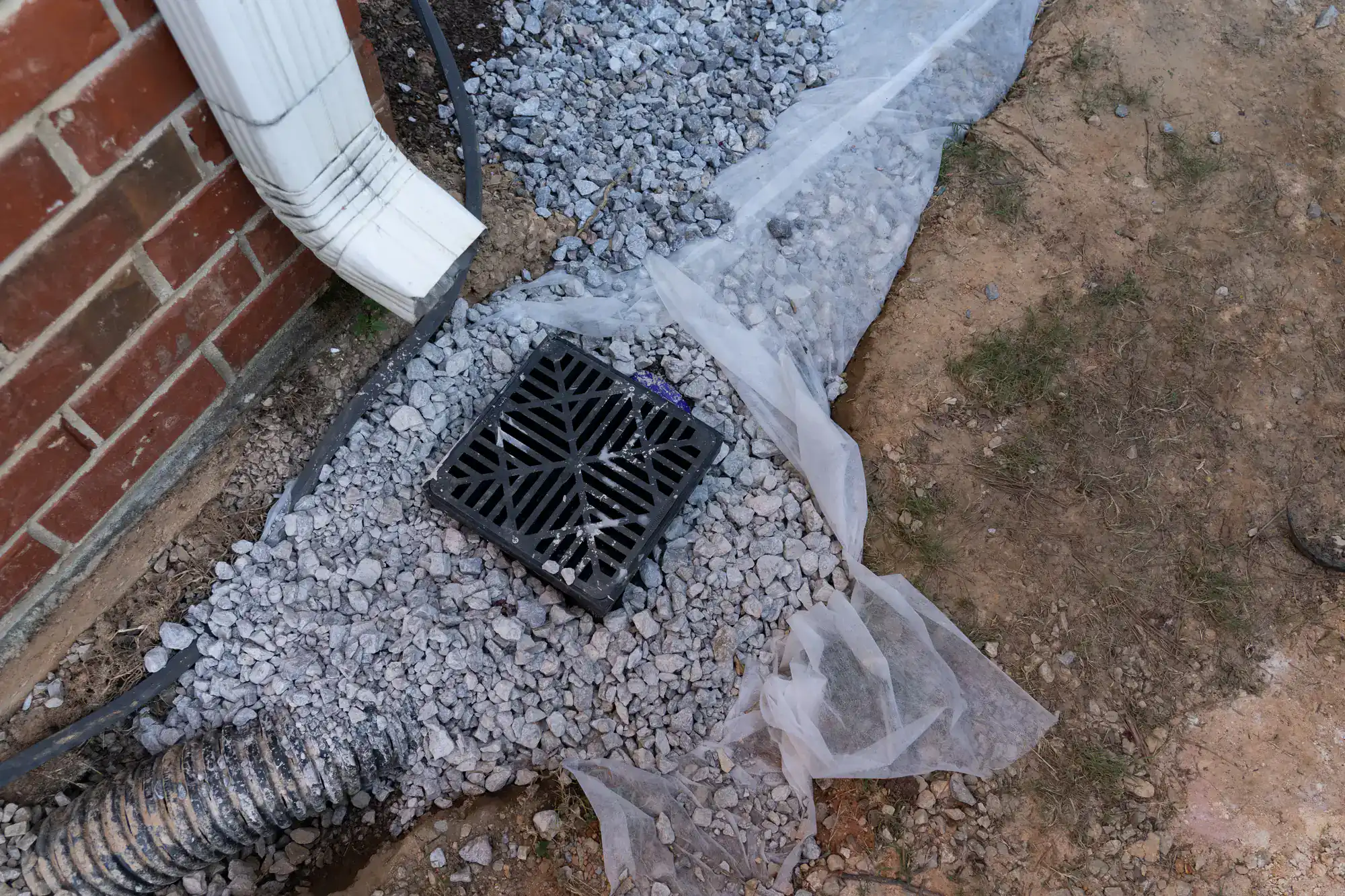
From there, we handle any necessary environmental testing before excavation begins. For homes in Lower Salford’s older residential areas, that means checking for lead or other hazardous materials near the foundation before we break ground. Once the site is cleared, we excavate the trench, lay the geotextile filter fabric, bed it with clean crushed stone, and set the perforated PVC pipe at the correct slope — a minimum one percent grade throughout the entire run. The fabric wraps the stone and pipe to keep Lower Salford’s fine clay particles from infiltrating and silting the system over time. That detail alone is the difference between a drain that lasts decades and one that fails in five years.
We outlet the system to daylight or a dry well depending on your property layout, clean up the site, and walk you through exactly what was installed and why. Lower Salford Township participates in the NPDES stormwater program, and any work near natural drainageways may require DEP coordination — we handle that conversation so you don’t have to.
Ready to get started?
French drain installation costs typically range from $1,650 to $12,250 nationally, with most residential projects landing around $5,000. What moves that number is depth, total linear footage, pipe specification, outlet complexity, and whether environmental testing is required before work begins. In Lower Salford, where a meaningful share of homes were built before 1978, pre-excavation testing is often part of the job — and it’s something we include in the assessment process rather than tacking on as a surprise after the fact.
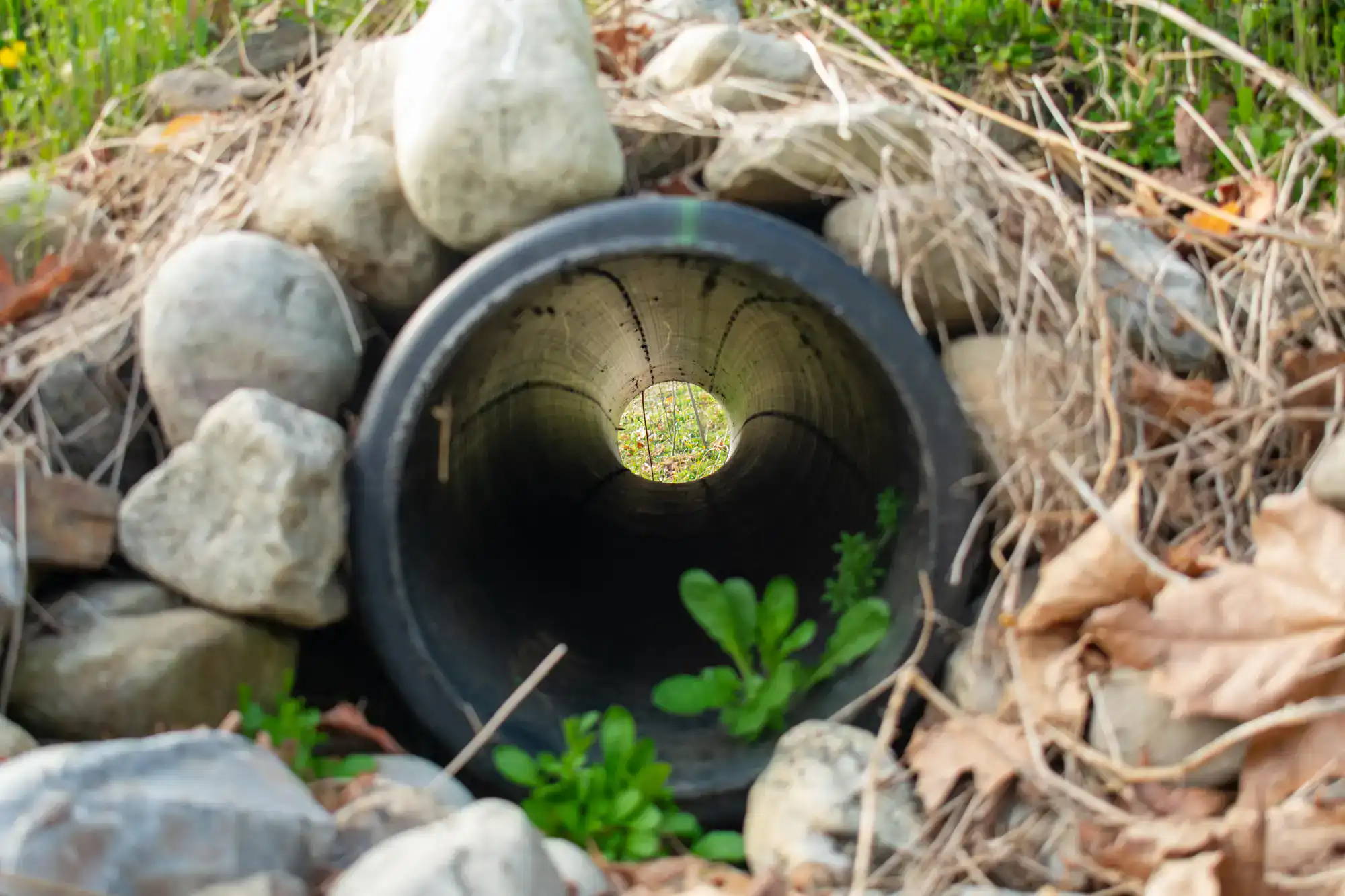
Every installation we do uses rigid perforated PVC pipe — not corrugated flex pipe, which collapses and clogs faster in clay-heavy soil. We use clean number 57 crushed stone and wrap the system in geotextile filter fabric specifically because Lower Salford’s soil composition demands it. We also use HEPA filtration systems during any work involving potential environmental hazards, which matters in the older neighborhoods around Harleysville where disturbed soil can carry lead particulate.
If your basement has already taken on water, we can assess for mold, handle remediation, and coordinate demolition of damaged materials before waterproofing goes in — all under one roof. You don’t need three contractors and three schedules. We do the full scope, and we do it in the right order. Cash discounts are available, and every job starts with a free estimate so you know exactly what you’re committing to before any work begins.

It depends on where the water is coming from. Gutters handle roof runoff — but if your basement is getting wet because of groundwater pressure or surface water migrating toward your foundation through saturated soil, gutters won’t touch it. In Lower Salford, the clay-heavy soil throughout the township holds water rather than absorbing it, which means even a moderate rainstorm can build significant hydrostatic pressure against your foundation walls within hours.
The way to know for sure is a proper site assessment. We look at where the water enters, when it enters (during rain versus days after), and whether it’s coming through the wall, up through the floor, or both. Each of those tells a different story. If the source is groundwater or lateral soil pressure — which is common in the lower-elevation areas near the East Branch Perkiomen Creek corridor — a french drain is the right fix. If it’s purely a surface runoff issue, the solution might be simpler. We’ll tell you honestly either way.
Most residential french drain installations in Lower Salford fall somewhere between $3,000 and $8,000. The range is wide because the actual cost depends on how deep the trench needs to go, the total linear footage of pipe, the outlet situation on your property, and whether any environmental testing is required before excavation starts.
In Lower Salford specifically, homes built before 1978 may require lead testing prior to digging near the foundation. That’s a step we build into our process rather than an add-on that catches you off guard. We also factor in the soil conditions here — clay-heavy ground requires more careful filter fabric installation to prevent silting, which affects both material and labor. The best way to get a real number for your specific property is a free on-site estimate. We’ll assess the scope, explain what’s driving the cost, and give you a clear quote before anything starts. Cash discounts are available.
An exterior french drain is installed around the perimeter of your foundation, outside the home, to intercept groundwater before it ever reaches your basement walls. It requires excavation down to the footing level and is the most effective long-term solution for stopping water at the source. The tradeoff is that it’s more involved — more excavation, more disruption to landscaping, and in older Lower Salford homes, it requires environmental testing before digging begins.
An interior french drain, sometimes called a drain tile system, is installed inside the basement along the perimeter. It doesn’t stop water from entering the wall — it captures it after it gets in and redirects it to a sump pump. It’s less disruptive to install and works well when exterior access is limited or when the water source is primarily hydrostatic pressure from below. For many homeowners in Harleysville and Mainland dealing with chronic basement moisture, an interior system is the more practical route. We assess both options and recommend based on where your water is actually coming from — not based on which job is easier for us to do.
A properly installed french drain using the right materials should last 30 to 40 years. The key word is properly. In Lower Salford’s clay-heavy soil, the most common failure point is the filter fabric — or the absence of it. Clay particles are fine enough to infiltrate a gravel-and-pipe system without a geotextile barrier, and once silting starts, the drain loses capacity gradually until it stops functioning entirely. That’s how a five-year-old drain ends up needing replacement.
The pipe specification matters too. Corrugated flex pipe — the kind that’s cheaper and faster to install — is more prone to collapse and root infiltration than rigid perforated PVC. We use rigid PVC on every installation because the soil movement that comes with Lower Salford’s freeze-thaw cycles puts real stress on buried pipe over time. The combination of proper pipe, quality filter fabric, correct slope, and clean crushed stone is what separates a drain that’s still working in 2055 from one that’s causing problems by 2030. Regular cleaning every few years also extends the system’s life, particularly in areas with heavy clay content.
It depends on the scope and location of the work. Straightforward residential french drain installations on private property typically don’t require a building permit in most townships. However, Lower Salford Township actively participates in the federally mandated NPDES stormwater program and has its own stormwater management ordinance under Chapter 142 of its Subdivision and Land Development Ordinance. If your drainage work affects stormwater flow patterns in a way that crosses into regulated territory, township review may apply.
More importantly, any work near a natural drainageway — and Lower Salford is drained by the East Branch Perkiomen Creek and Skippack Creek, both of which have tributary corridors running through the township — may require a DEP permit under 25 Pa. Code Chapter 105. If your property sits near one of those corridors, that’s a conversation that needs to happen before excavation starts, not after. We’re familiar with these requirements and handle the regulatory side of the job so you’re not left dealing with a compliance issue after the work is done.
Because a significant portion of the homes in Lower Salford — particularly in the established neighborhoods around Harleysville and Mainland — were built before 1978, which is the federal threshold for lead-based paint. Lead doesn’t stay on walls. Over decades, it migrates into the soil around a foundation through paint flaking, weathering, and prior renovation work. When a contractor excavates near that foundation without testing, they can disturb lead-contaminated soil and spread it across your yard, your garden, and your home’s entry points.
We’re Certified Lead Inspectors and Risk Assessors operating under EPA and HUD guidelines — credentials that most drainage contractors in this area simply don’t hold. Testing before we dig isn’t a formality. It’s how we make sure the job doesn’t create a health hazard for the people living in the house, especially in homes where kids are present. If lead is found, we have the protocols and equipment — including HEPA filtration systems — to handle it safely as part of the same engagement. You don’t need a separate environmental firm. That’s the whole point of how we work.
Other Services we provide in Lower Salford