Hear from Our Customers
Lower Salford’s clay-heavy Piedmont soils don’t drain well. They hold moisture against your foundation walls like a sponge, and every freeze-thaw cycle through the winter pushes that pressure deeper into the cracks. By the time March rolls around and the East Branch Perkiomen Creek swells, the hydrostatic pressure against older foundations in Harleysville, Lederach, and Mainland has been building for months. That’s not bad luck — it’s geology, and it’s fixable.
When basement waterproofing is done correctly, you stop reacting to every heavy storm and start trusting your home again. No more pulling up wet carpet after a nor’easter. No more running a dehumidifier that can’t keep up. No more wondering if that smell is mold. Whether your basement is finished and used as a family room or it’s a utility space you’d rather not think about, keeping it dry protects the structural integrity of your home and its resale value in a market where Lower Salford homes carry real weight.
The other thing most waterproofing companies won’t tell you upfront: water in your basement rarely travels alone. Moisture creates mold. Mold spreads into drywall, framing, and insulation. In older homes — and Lower Salford has plenty of them, from colonial-era farmhouses to mid-century split-levels — that can mean disturbing materials that require more than a shop vac and a coat of DryLok. We handle the full picture, not just the part that’s easy to quote.
We’ve been doing this work throughout Chester, Delaware, Montgomery, Bucks, and New Castle counties for over twenty years. That’s not a number we throw out to sound impressive — it means we’ve waterproofed stone farmhouse foundations across Lower Salford, poured concrete block basements from the 1960s, and newer construction on former cornfields throughout the Indian Valley. We’ve seen what happens when a sump pump fails during a tropical storm remnant that drops six inches of rain on Montgomery County in 48 hours. We know what that call sounds like at 11 PM.
We’re fully licensed, bonded, and insured. We’re EPA and HUD compliant, certified as Lead Inspectors and Risk Assessors, and we use HEPA filtration on every job. That last part matters more than most people realize — especially in Lower Salford Township where homes from the 1700s and 1800s still stand alongside newer subdivisions off Route 63 and Route 113. When you call us, you’re getting a company that’s equipped to handle whatever your basement is actually hiding, not just what’s visible on the surface.
It starts with a free estimate. We come out, look at your foundation walls, check the drainage situation, assess your sump pump setup, and give you a straight read on what’s happening and what needs to happen. No upselling. No manufactured urgency. Just an honest assessment from someone who’s seen this kind of problem in homes all over the Indian Valley.
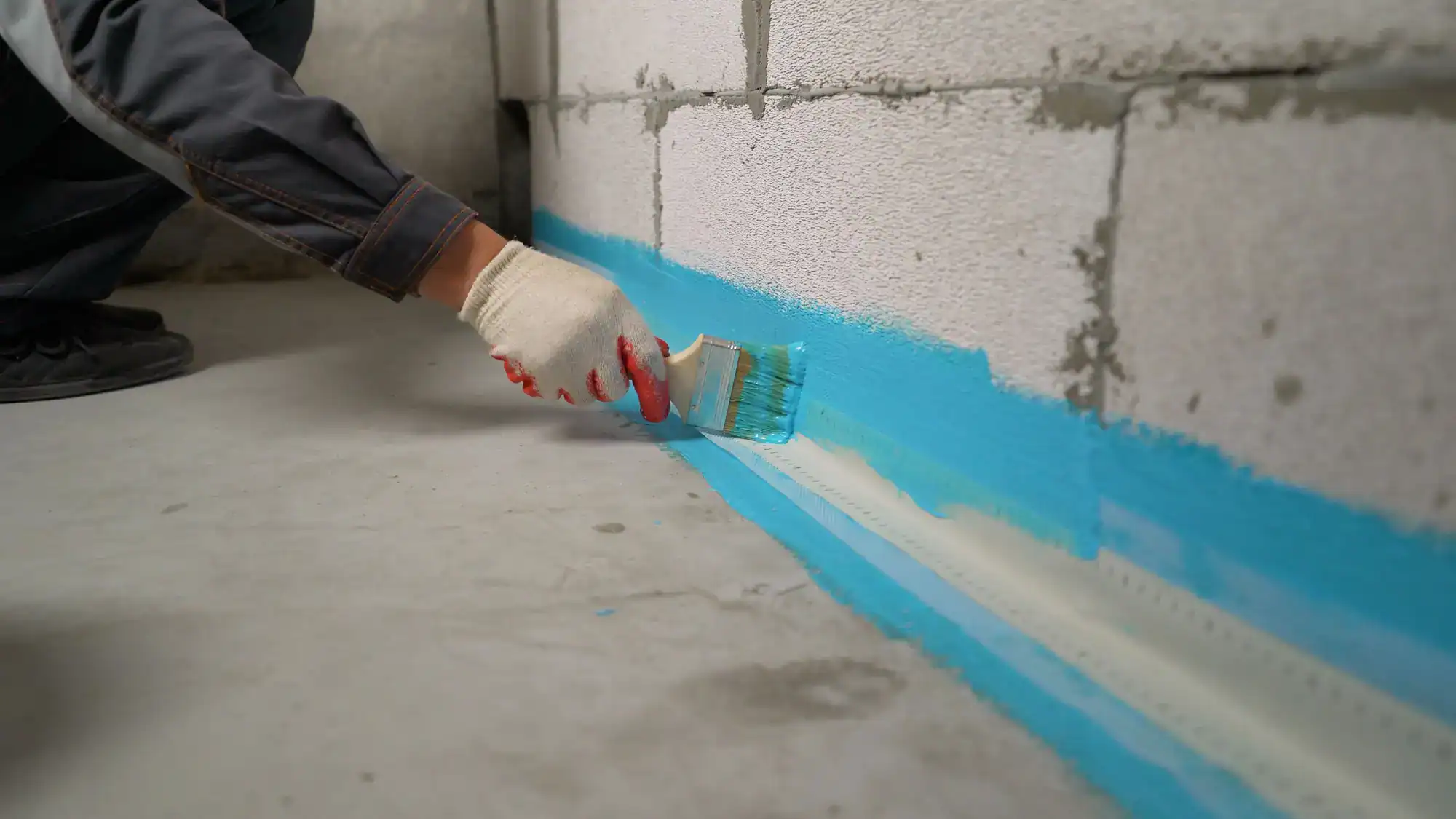
From there, the work depends on what your basement actually needs. Interior waterproofing — drain tile systems, sump pump installation or replacement, wall crack injection — handles most of what Lower Salford homeowners deal with, especially in homes where the foundation is sound but water is finding its way in through pressure and settlement cracks. Exterior waterproofing is a bigger job, but sometimes it’s the right one, particularly for older stone or rubble-masonry foundations where the perimeter drainage has failed entirely. We’ll tell you which approach makes sense for your specific situation, not whichever one costs more.
Because Lower Salford Township requires permits for structural and drainage work, we handle that coordination as part of the job. The township’s Building and Zoning Department at 379 Main Street in Harleysville oversees these approvals, and working with a licensed, insured contractor matters here — not just for compliance, but because it protects you when it comes time to sell. If we find mold, lead-affected materials, or other environmental concerns during the waterproofing process, we can address all of it in the same engagement. That’s the one-stop model, and in a township with as much housing history as Lower Salford, it comes in handy more often than you’d expect.
Ready to get started?
The range of basement conditions across Lower Salford is wider than most townships. A stone foundation in Vernfield from the 1800s has completely different needs than a poured concrete basement in a newer Harleysville subdivision. A mid-century block wall in Mainland that’s been seeping for years needs a different approach than a finished basement in Lederach that flooded once during a major storm event. We assess each situation individually because there’s no single fix that works everywhere — and any company that shows up with one solution for every basement isn’t doing the job right.
Our waterproofing services cover interior drainage systems, sump pump installation and replacement, wall crack injection, exterior excavation and waterproofing membrane application, crawl space encapsulation, and window well drainage. When water intrusion has already caused damage — and in a lot of Lower Salford homes it has, whether the homeowner knows it yet or not — we also handle mold testing, mold remediation, and the demolition of compromised materials. Lead testing and abatement is available for older homes where disturbing walls or flooring could create a hazard. All of it is done with HEPA filtration, state-of-the-art equipment, and the kind of care that keeps your home livable during the process.
Montgomery County gets roughly 48 inches of rain per year — ten inches more than the national average — and that number is trending up. The FEMA flood maps for the East Branch Perkiomen Creek corridor have already been revised to reflect the increased flood exposure for Lower Salford and surrounding townships. If your basement has been fine for years and recently started showing problems, that’s not coincidence. The conditions are changing, and the fix needs to be built to last.

Spring flooding in Lower Salford is one of the most predictable patterns we see across the Indian Valley. The township sits within the East Branch Perkiomen Creek and Skippack Creek drainage systems, and when snowmelt combines with heavy March and April rains, the clay-heavy soils that cover most of this area become completely saturated. Saturated soil can’t absorb any more water, so it pushes that moisture against your foundation walls instead — a condition called hydrostatic pressure. Once that pressure finds a crack, a cold joint, or a porous block wall, water gets in.
The fact that it happens every spring isn’t bad luck — it’s a drainage problem, and it has a real solution. Interior drain tile systems channel that water to a sump pump before it ever reaches your floor. Exterior waterproofing addresses the source directly. Which approach makes more sense depends on your foundation type, the age of your home, and where the water is entering. That’s exactly what a free estimate is for — we look at your specific situation and tell you what will actually work.
Waterproofing costs in Lower Salford and the greater Montgomery County area vary based on the size of your basement, the severity of the water intrusion, and the type of system needed. A basic interior drain tile system with sump pump installation typically runs in the range of $3,000 to $8,000 for an average-sized basement. Exterior waterproofing, which involves excavating around the foundation and applying a waterproof membrane, is a more involved job and can range from $8,000 to $20,000 or more depending on the scope. Crack injection repairs for isolated entry points are on the lower end of the cost spectrum.
The honest answer is that the cost of not waterproofing usually ends up higher. A finished basement that floods once can easily sustain $10,000 or more in damage to flooring, drywall, and personal property — and that’s before factoring in mold remediation, which is often required after a water event in a space that wasn’t dried out quickly. We offer free estimates and cash discounts, so you’ll know exactly what you’re looking at before any work begins. No surprises, no pressure.
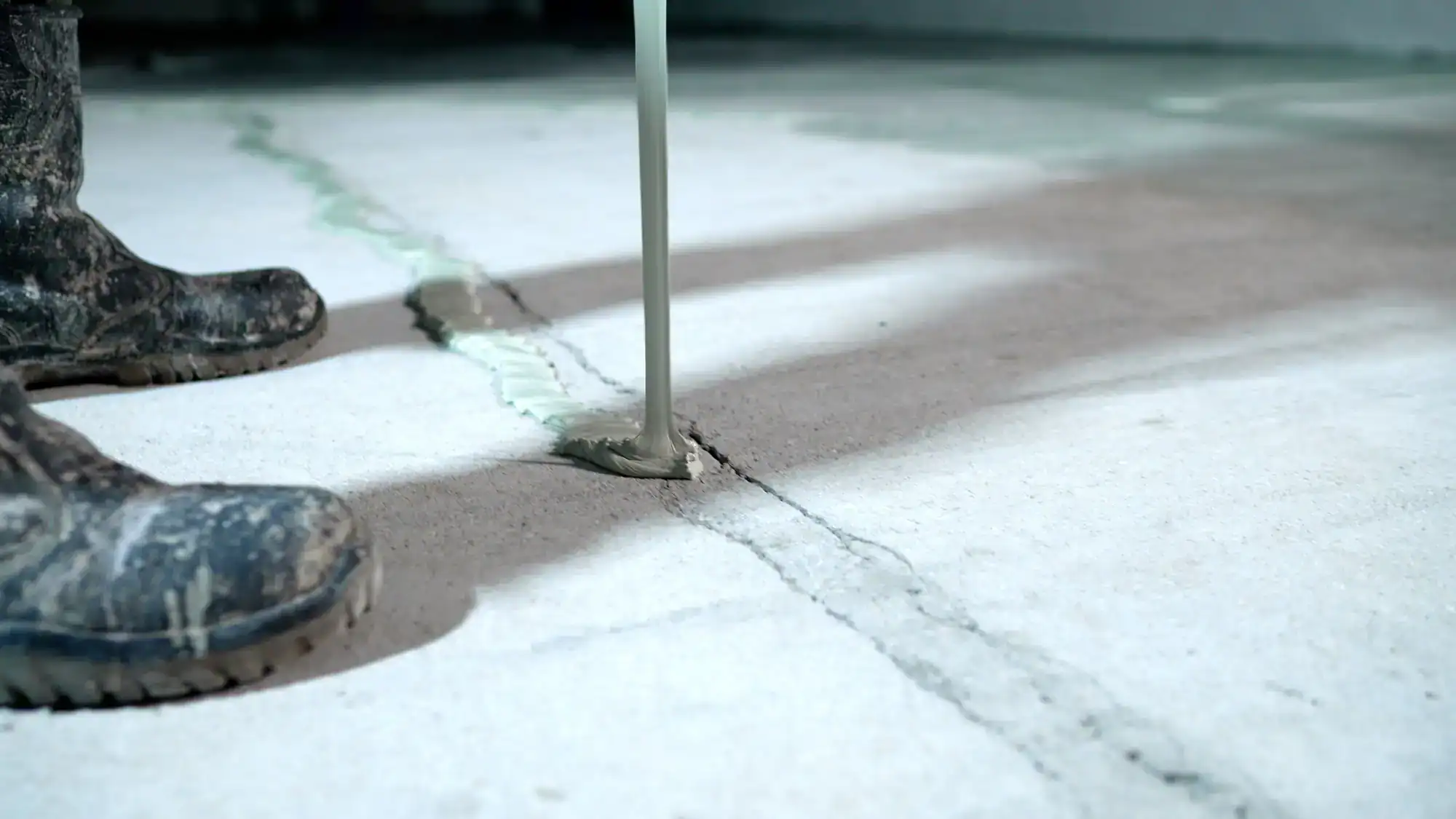
Interior waterproofing manages water after it enters the foundation perimeter — it doesn’t stop water from reaching your walls, but it intercepts it before it can pool on your floor. A drain tile system (also called a French drain) is installed along the interior perimeter of your basement, channeling water to a sump pit where a pump removes it from the home. This is the most common approach for Lower Salford homes dealing with chronic seepage through block walls or floor-wall joints, and it’s typically less disruptive and less expensive than exterior work.
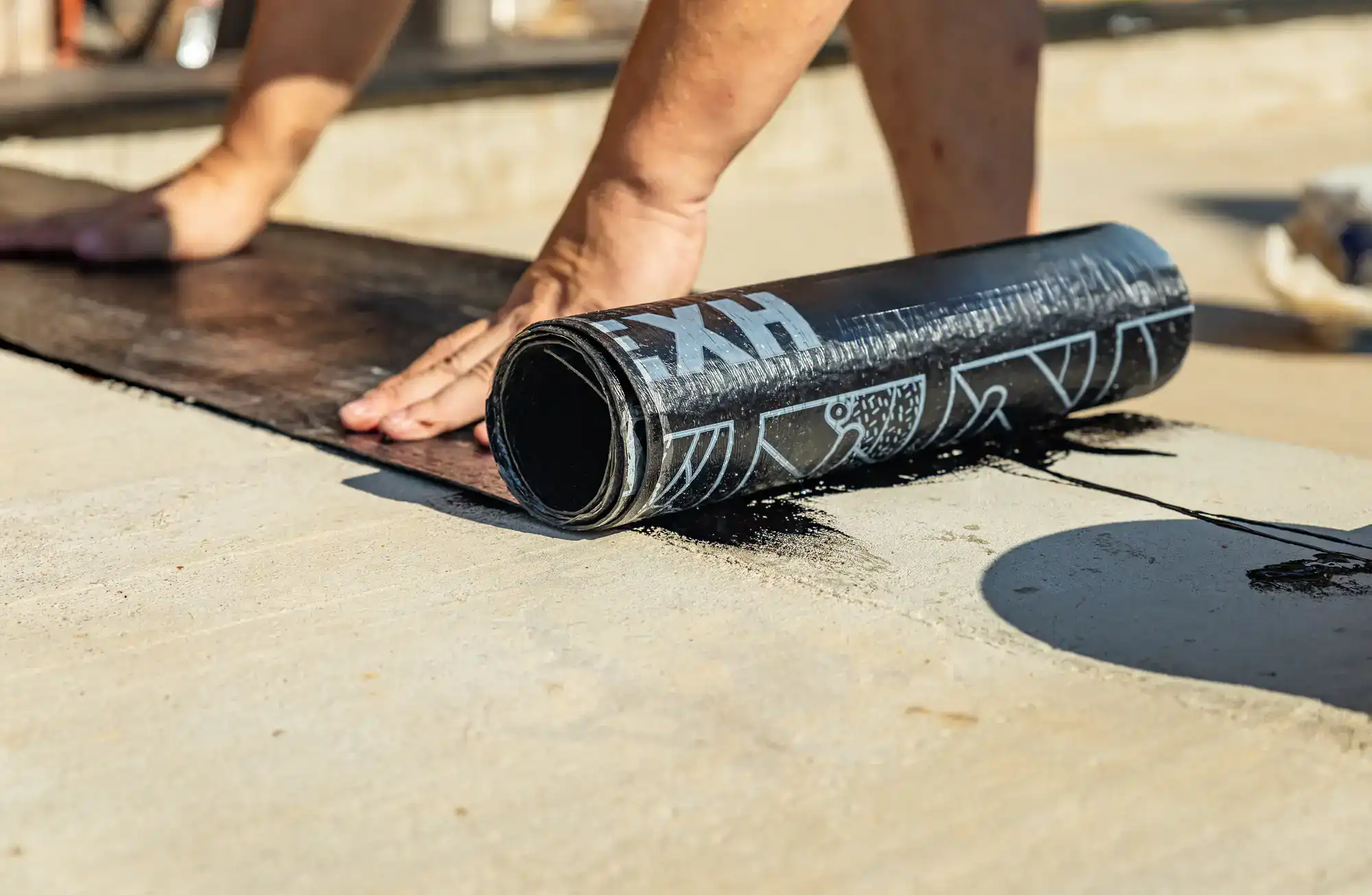
Exterior waterproofing addresses the problem at the source. It involves excavating the soil around your foundation, cleaning the exterior walls, applying a waterproof membrane or coating, and installing drainage board and a perimeter drain to redirect water away before it ever reaches your foundation. This approach is often the right call for older stone or rubble-masonry foundations — common in the historic farmhouse and mill building stock found throughout Lower Salford — where the wall itself is too porous for interior management alone to be effective. We’ll tell you which approach your home actually needs.
Yes, but the approach is different than what works on a modern poured concrete or block foundation. Stone and rubble-masonry foundations — the kind you’ll find in colonial-era farmhouses and 19th-century mill buildings throughout Vernfield, Lederach, and the rural parts of Lower Salford Township — are inherently porous. They were never designed to be waterproof, and many of them have been managing moisture passively for over a century. That doesn’t mean they’re beyond help.
For these foundations, exterior waterproofing with a membrane application is often the most effective long-term solution because it creates a barrier on the outside face of the wall before water can work its way through the stone. Interior systems can also be used to manage what gets through. The key is assessing the condition of the mortar, identifying where water is entering, and designing a solution that accounts for the age and construction type of the structure. We’ve worked on homes throughout the Indian Valley with exactly this kind of historic foundation, and we know how to approach them without causing additional damage to the structure.
If your basement has experienced water intrusion — even once, even if it dried out on its own — mold is a legitimate concern. Mold can begin growing within 24 to 48 hours of a moisture event, and it doesn’t always show itself visibly right away. It grows behind drywall, inside insulation, underneath flooring, and in the framing of finished spaces. By the time you can see it or smell it, it’s often already spread beyond the initial wet area.
In Lower Salford specifically, this is a real issue for homes with finished basements that have experienced spring flooding or storm-related seepage. Finished basements trap moisture in wall cavities and under flooring in a way that unfinished spaces don’t, and older homes with less vapor control are especially vulnerable. We handle mold testing and remediation in addition to waterproofing, which means if we find evidence of mold growth during the waterproofing assessment, we can address it in the same project rather than sending you to a separate contractor. That matters when you’re dealing with a home that’s been holding moisture for years.
Yes. We offer cash discounts on qualifying waterproofing projects, and for homeowners in Lower Salford managing a significant repair cost, that’s a real and practical benefit — not a gimmick. Waterproofing is a major home investment, and reducing the out-of-pocket cost where possible is something we’re glad to offer to the homeowners we work with in this area.
The Indian Valley has a strong tradition of community-based business, and a lot of the work we do in Lower Salford comes from neighbors recommending us to neighbors. Keeping our pricing honest, transparent, and accessible is part of how we’ve operated for twenty years in Montgomery County. The free estimate means you know the number before you commit to anything, and the cash discount is available to discuss when we meet. There are no hidden fees, no financing traps, and no pressure to sign the same day. We’d rather earn your trust the right way.
Other Services we provide in Lower Salford