Hear from Our Customers
When water keeps finding its way in, the damage doesn’t stay contained to the basement. It works its way into walls, flooring, stored belongings, and eventually into the air your family breathes. In Brittany Farms-The Highlands, where homes are worth well over half a million dollars and 34% of households have kids under 18, that’s not a small thing to ignore.
The housing stock in Brittany Farms-The Highlands was built primarily between the 1960s and 1990s — a period when foundation waterproofing standards were minimal compared to today. Add Bucks County’s clay-heavy soil to that equation, and you get what drainage professionals call the clay bowl effect: the loose backfill soil around your foundation holds water like a sponge, pressing it directly against walls that were never built to handle it long-term. A properly installed french drain system intercepts that water before it ever reaches your foundation.
Once the drainage is working the way it should, the difference is real. No more musty smell creeping upstairs. No more writing off the basement as unusable space. No more dreading the forecast every time a storm rolls in off the Delaware Valley. You get your home back — and you protect the investment you’ve built in it.
We’ve been working in the Pennsylvania market for nearly 20 years. We’re not a national franchise applying a generic playbook to every job. We know Bucks County — the soil conditions, the drainage quirks, the housing stock in Brittany Farms-The Highlands and surrounding areas, and the regulatory environment that comes with working in New Britain Township.
What separates us from every other drainage contractor serving the 18914 area isn’t just experience. It’s that we’re also a Certified Lead Inspector and Risk Assessor operating under EPA and HUD compliance protocols. In a neighborhood where a significant portion of homes predate the EPA’s 1978 lead paint threshold, that credential matters before a single shovel hits the ground. We test first. We know what we’re dealing with. Then we build a system that lasts.
We’re fully licensed, bonded, and insured — and we’re available 24/7, because water doesn’t wait for Monday morning.
It starts with a free estimate and a real conversation about what’s happening on your property. We look at where water is entering, how your yard grades, what the soil conditions look like, and whether there are any environmental factors — like lead-contaminated soil around an older foundation — that need to be addressed before excavation begins. For homes in Brittany Farms-The Highlands built before 1978, this step isn’t optional. It’s how responsible work gets done.
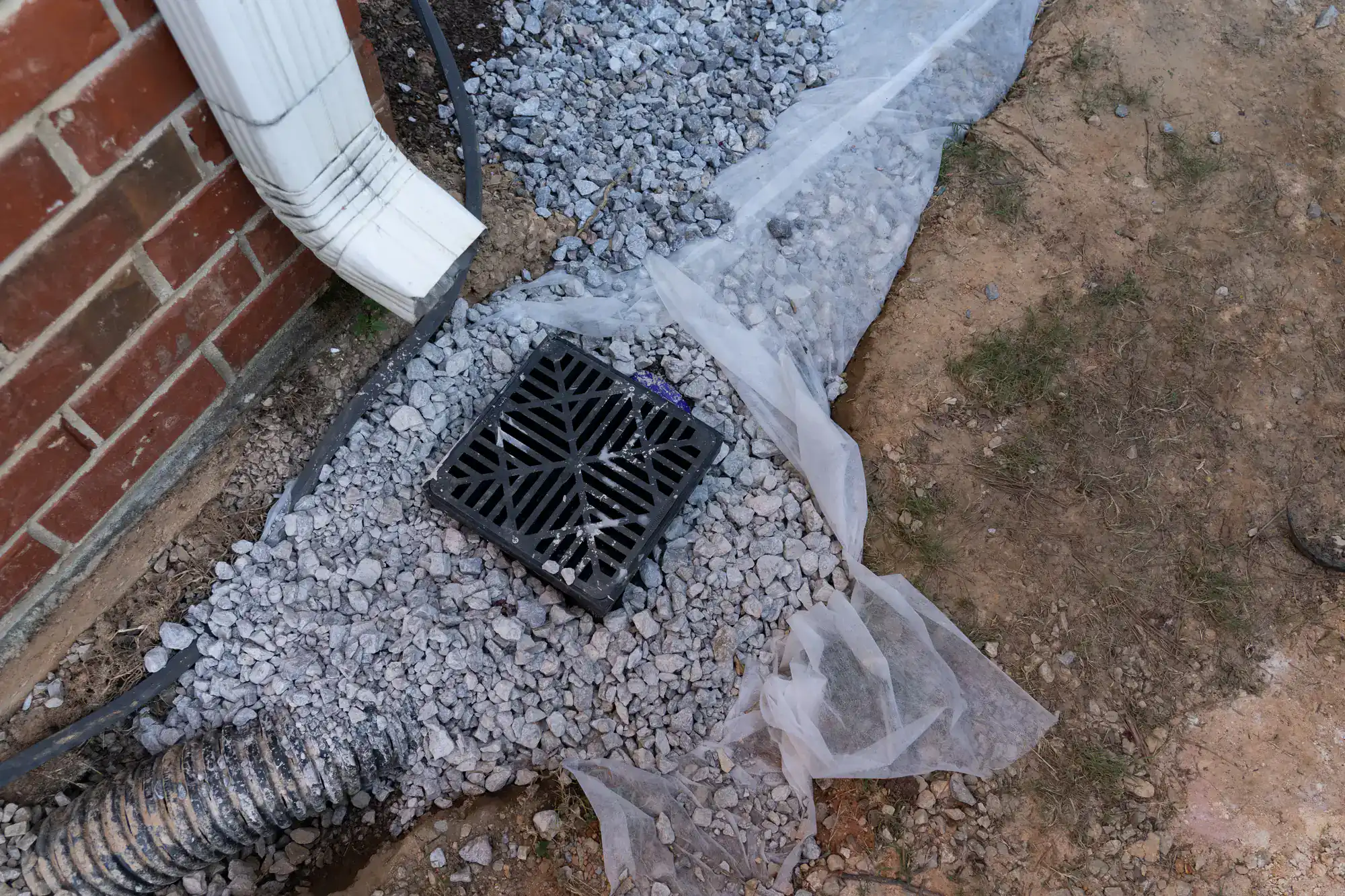
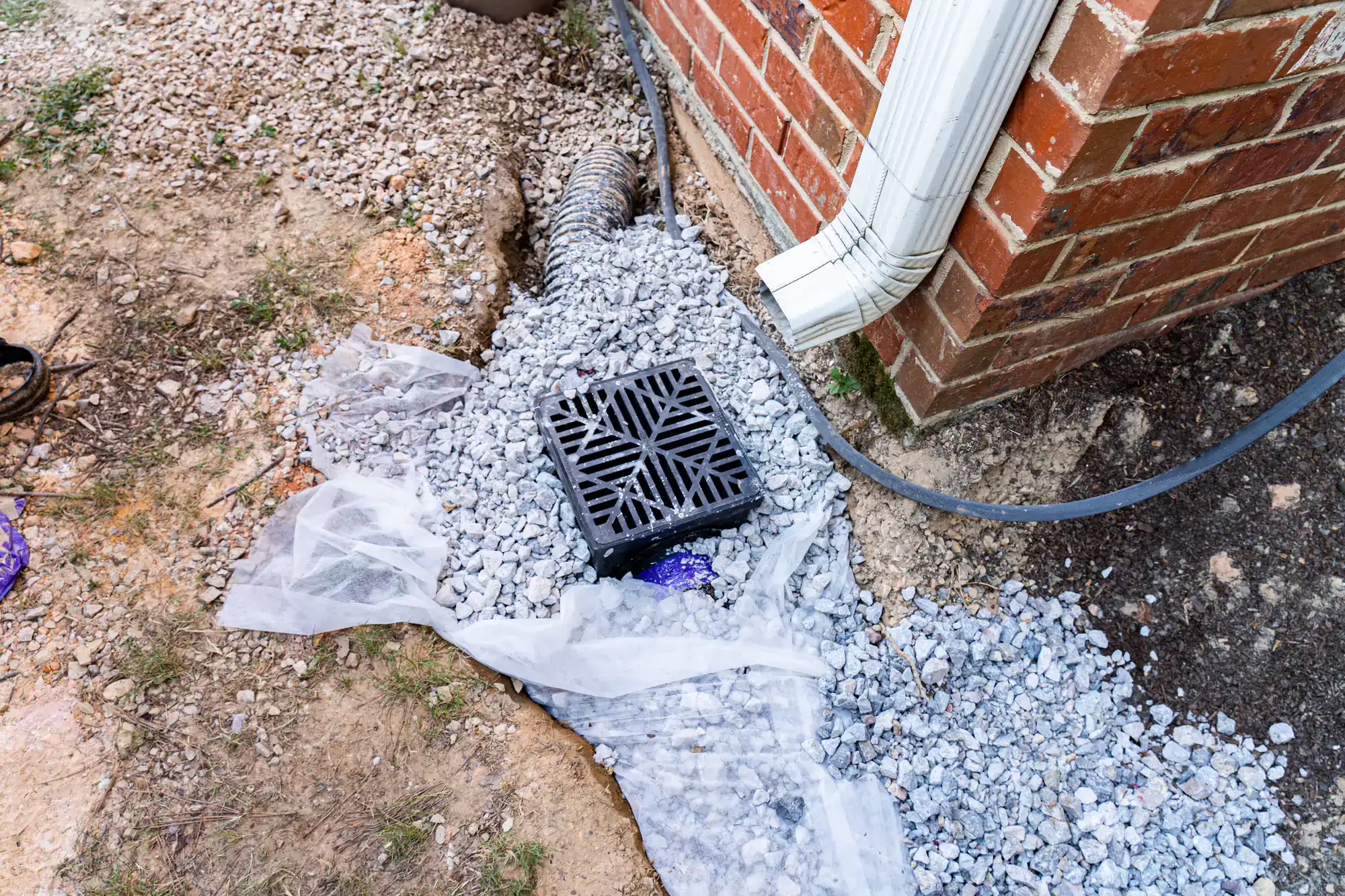
Once we understand the full picture, we design a french drain system built for your specific conditions. That means rigid perforated PVC pipe — not cheap corrugated flex pipe that collapses in a few years — proper geotextile filter fabric to keep sediment out, clean crushed stone, and precise slope calculations to move water away efficiently. We also pull the permits required under New Britain Township’s stormwater management framework, so the finished system is compliant and documented.
After installation, we walk you through what was done, where the water is now going, and what basic maintenance looks like to keep the system performing for decades. If mold or other hazards were identified during the process, we handle those in the same engagement — no second contractor, no coordination gap.
Ready to get started?
A french drain installation from us isn’t just pipe and gravel. It’s a complete drainage solution built around what your specific property needs — and backed by the kind of environmental expertise that no waterproofing-only contractor in this area can offer.
For homeowners in Brittany Farms-The Highlands, that often means more than just the drain itself. If there’s mold behind the basement drywall, we test for it and remediate it. If the soil around your foundation tests positive for lead — common in homes built before 1978 along Butler Avenue-era construction corridors — we handle it safely, under EPA protocol, before any excavation happens. We use HEPA filtration systems on every job where airborne hazards are a risk. That matters when your kids are upstairs and the crew is working below.
We also offer yard drainage solutions for surface water problems — low spots in the yard, water pooling near the foundation, or drainage issues created by impervious surfaces like driveways and patios that increase runoff. Whether the problem is interior, exterior, or both, we assess the full picture and build a system that addresses the actual cause — not just the symptom. Free estimates, cash discounts available, and we’re reachable around the clock.
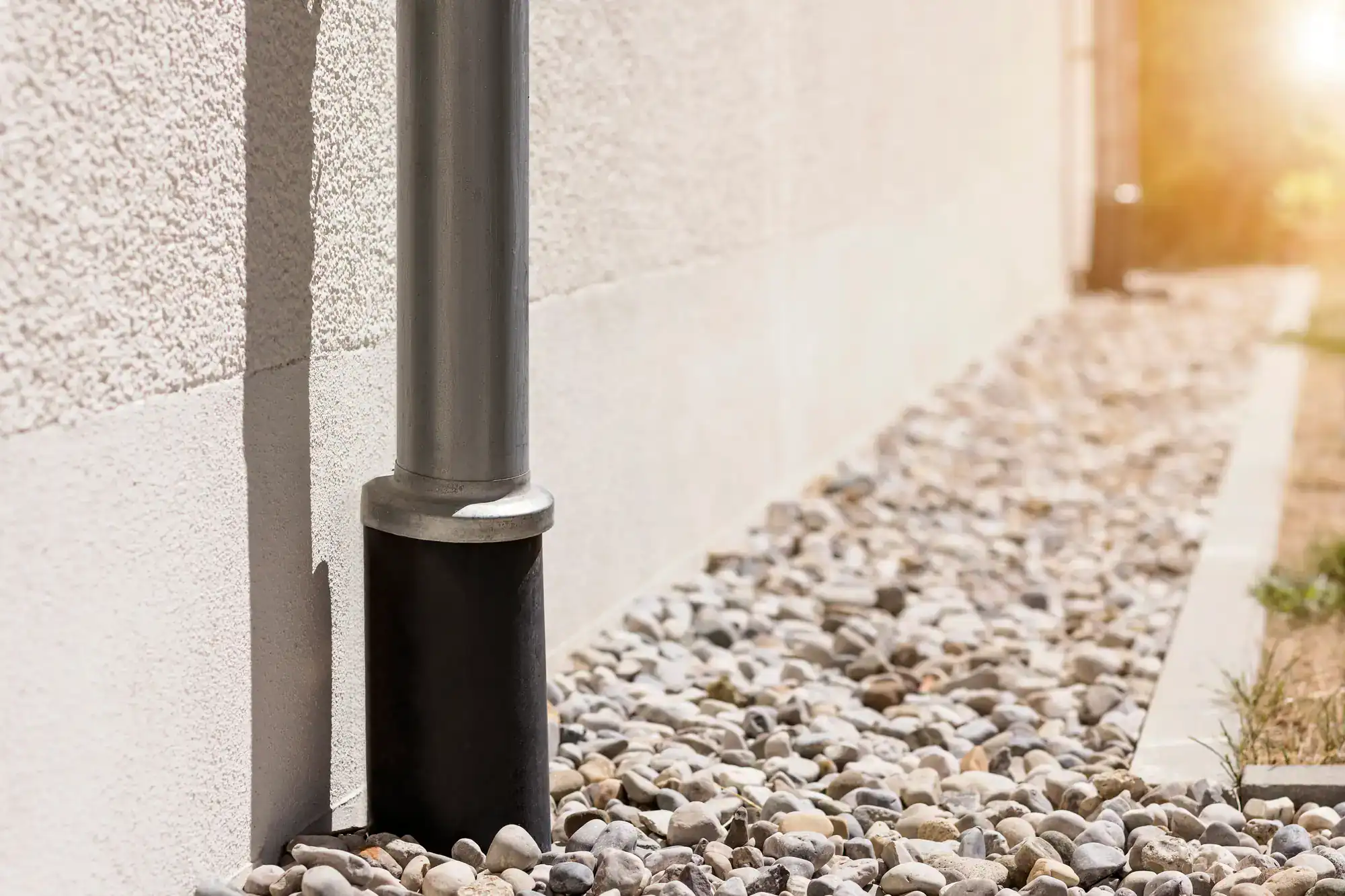

The short answer is clay soil and construction age. Bucks County has naturally clay-heavy soil, and when your home was built — likely somewhere between the 1960s and 1990s based on the Brittany Farms-The Highlands housing stock — the builder excavated a hole larger than the foundation and backfilled around it with loose, disturbed soil. That loose backfill absorbs and holds water far more readily than the undisturbed clay surrounding it, creating a zone of concentrated moisture right against your foundation walls.
Every time it rains heavily — and the Philadelphia metro area gets around 46 inches of precipitation per year, above the national average — that zone fills up and hydrostatic pressure builds. If your foundation waterproofing is minimal or aging, which is common in homes of this era, water finds a way in. A french drain system intercepts that water in the backfill zone before it reaches the wall, rerouting it away from the foundation entirely. That’s the fix — not patching cracks, not a dehumidifier, not hoping for a dry summer.
Cost varies based on the scope of the project — whether it’s interior, exterior, or both; how long the drain run needs to be; what the outlet situation looks like; and whether any environmental testing or remediation is required before work begins. For a standard exterior french drain around a residential foundation in the Bucks County area, you’re typically looking at somewhere in the range of $3,000 to $8,000 depending on those variables. More complex systems or properties with environmental hazard considerations will fall toward the higher end.
What’s worth keeping in mind is the math on the other side of that number. FEMA data puts the average cost of just one inch of water in a home at up to $25,000 in damage. The median home value in Brittany Farms-The Highlands is over $569,000 — and a wet basement affects resale value, triggers disclosure obligations in Pennsylvania, and compounds into mold and structural issues over time. A french drain that lasts 30 to 40 years is not an expense. It’s what keeps a much bigger expense from happening. We offer free estimates and cash discounts, so you know exactly what you’re looking at before committing to anything.
In most cases, yes — and you want one. New Britain Township operates under a formal Stormwater Management ordinance (Chapter 26 of the Township Code), developed under the Neshaminy Creek Act 167 stormwater management framework. Exterior excavation work near a foundation, trench installation, and any drainage work that affects how stormwater moves on or off your property generally requires a permit in Bucks County townships.
Beyond the legal requirement, pulling a permit protects you. It creates a documented record of the work, ensures the system was installed to code, and prevents potential liability issues if the drainage affects neighboring properties or the municipal storm sewer system. Contractors who skip the permit process are cutting a corner that could come back to you — not them — if something goes wrong. We handle the permit process as part of the job. You don’t have to chase down township paperwork on your own.
The right answer depends on where the water is coming from and how it’s getting in. An exterior french drain is installed around the perimeter of the foundation, outside the home, and works by intercepting groundwater and surface water before it ever reaches the foundation wall. It’s the most comprehensive solution and addresses the problem at its source. The tradeoff is that it requires excavation around the foundation, which is more involved — and in Brittany Farms-The Highlands, where many homes predate the EPA’s 1978 lead paint threshold, that excavation needs to be preceded by proper soil and paint testing.
An interior french drain — sometimes called a basement perimeter drain — is installed inside the basement along the footing and routes water that has already entered the wall to a sump pump for removal. It’s less disruptive to install and works well in situations where exterior excavation isn’t practical. Some properties need both. During a free estimate, we assess the specific entry points, the soil conditions, and the layout of your property to recommend what will actually solve the problem — not just what’s easiest to sell.
Yes — and this is one of the most important questions a homeowner in Brittany Farms-The Highlands can ask before hiring anyone for this kind of work. Homes built before 1978 may contain lead-based paint on foundation walls, exterior trim, and other surfaces. Over decades, that paint deteriorates and contaminates the surrounding soil. Asbestos was commonly used in pipe insulation, floor tiles, and joint compound in homes built through the mid-1970s. When a contractor excavates around your foundation or breaks through a basement floor, they can disturb both.
A standard waterproofing contractor has no protocol for this. They’re not trained to identify it, they’re not equipped to handle it, and they’re not insured for it. We are a Certified Lead Inspector and Risk Assessor operating under EPA and HUD compliance protocols. We test before we dig. If lead-contaminated soil or asbestos materials are present, we handle them safely — using HEPA filtration systems and proper containment — before the drainage work begins. For a neighborhood with the construction history that Brittany Farms-The Highlands has, this isn’t a niche concern. It’s a standard part of doing this work responsibly.
A properly installed french drain — rigid perforated PVC pipe, quality geotextile filter fabric, clean crushed stone, correct slope — will typically last 30 to 40 years. The key phrase there is “properly installed.” Systems built with corrugated flex pipe, inadequate gravel, or no filter fabric tend to fail within three to five years as sediment clogs the pipe and the system loses its ability to drain. You won’t always know it’s failing until the basement floods again.
In Bucks County, where clay-heavy soil means fine particles are constantly present in groundwater, filter fabric quality and proper bedding material matter more than in sandier regions. Routine french drain cleaning — flushing the pipe to clear sediment buildup — is worth doing every few years to extend the system’s life, especially in areas with high groundwater activity or heavy clay content. We build systems designed to last and explain the maintenance picture clearly so you’re not caught off guard down the road. And because we’re available around the clock, if something does come up between maintenance cycles, you’re not left waiting for a callback.
Other Services we provide in Brittany Farms-The Highlands