Hear from Our Customers
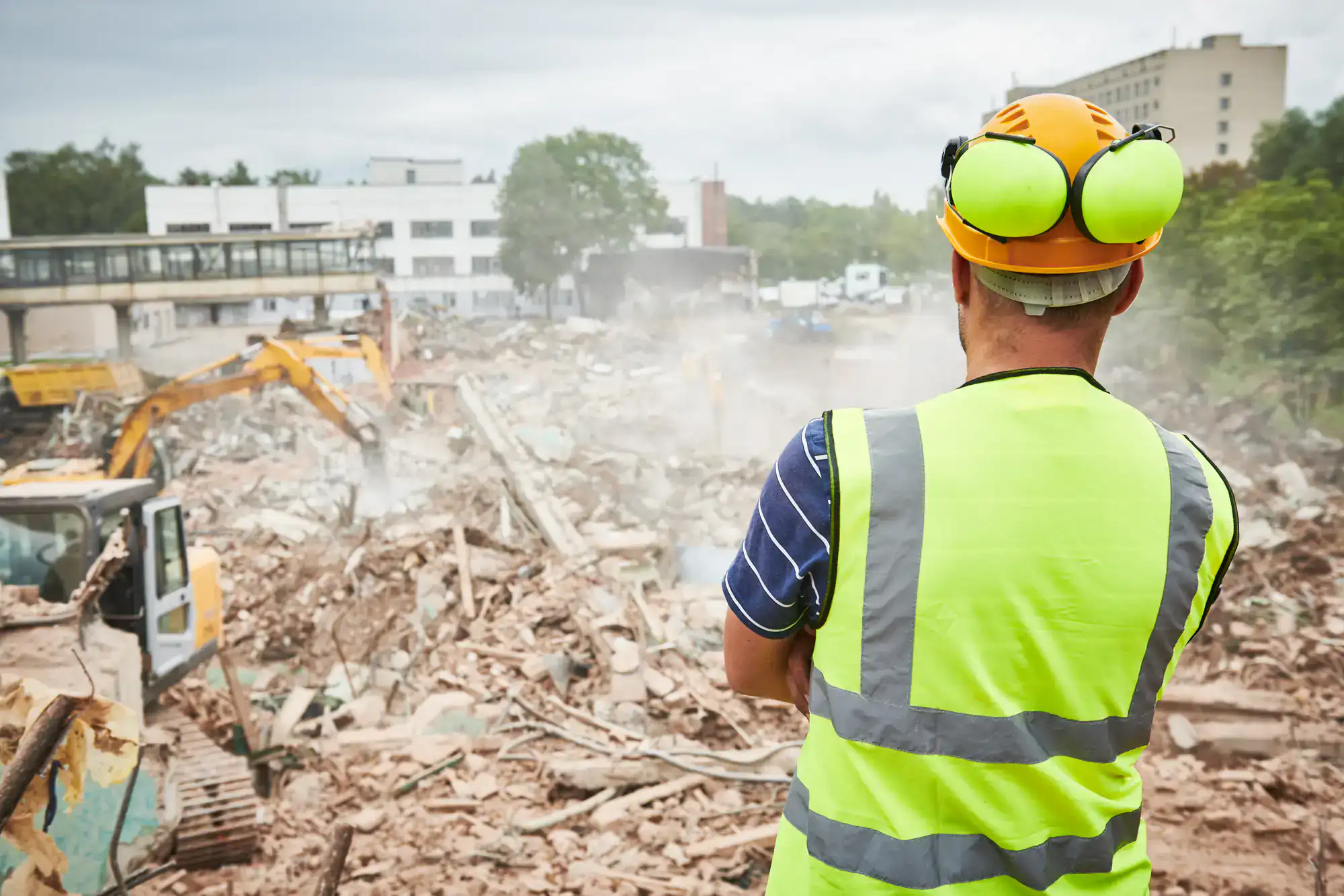
When a Brittany Farms-The Highlands split-level from the 1960s gets gutted the right way, it doesn’t just look different — it’s actually safe to renovate, sell, or move back into. That means asbestos tested and cleared, lead assessed by a certified inspector, and every piece of debris removed before the next contractor ever sets foot inside. You’re not left coordinating between a tester, an abatement company, and a demo crew. That whole chain of phone calls and scheduling headaches disappears.
For homeowners in The Highlands section, the stakes are a little different. Your unit shares walls with your neighbors, which means containment isn’t optional — it’s the whole job. HEPA filtration and negative air pressure systems keep whatever’s behind your walls from becoming your neighbor’s problem. That’s not a standard practice for every contractor in the area. It’s standard practice here.
Whether you’re dealing with water damage from a brutal nor’easter, planning a full gut renovation, or getting a pre-1978 home ready for sale, the outcome you’re after is simple: a clean, certified, done project you don’t have to second-guess. That’s what this looks like when it’s done right.
We’ve been doing this work in the Philadelphia suburbs for over two decades, including the split-levels and townhomes throughout Brittany Farms-The Highlands. We know this housing stock because we’ve worked in it, and we know what surprises tend to hide behind finished walls in homes built before 1978.
We’re owner-operated, fully licensed, bonded, and insured, and every job is supervised on-site by a licensed professional — not handed to an unsupervised crew. We hold EPA Certified Lead Inspector and Risk Assessor credentials, which means we don’t just remove hazardous materials, we’re qualified to inspect and certify conditions before any work begins. That distinction matters when you’re dealing with a pre-1978 home in New Britain Township and need documentation that holds up.
It starts with a free estimate. Someone comes out, walks the property, and gives you a real scope of work — not a ballpark number over the phone. For any pre-1978 home in Brittany Farms-The Highlands, that walkthrough includes an assessment for asbestos-containing materials and lead paint before anything else gets discussed. That step isn’t optional under federal law, and skipping it is how homeowners end up with liability they didn’t see coming.
Once the scope is clear, we handle the permit process through New Britain Township’s Building and Zoning Department. Demolition permits are required for any structural work under Pennsylvania’s Uniform Construction Code, and pulling those permits correctly protects you legally from start to finish. You don’t have to navigate that on your own.
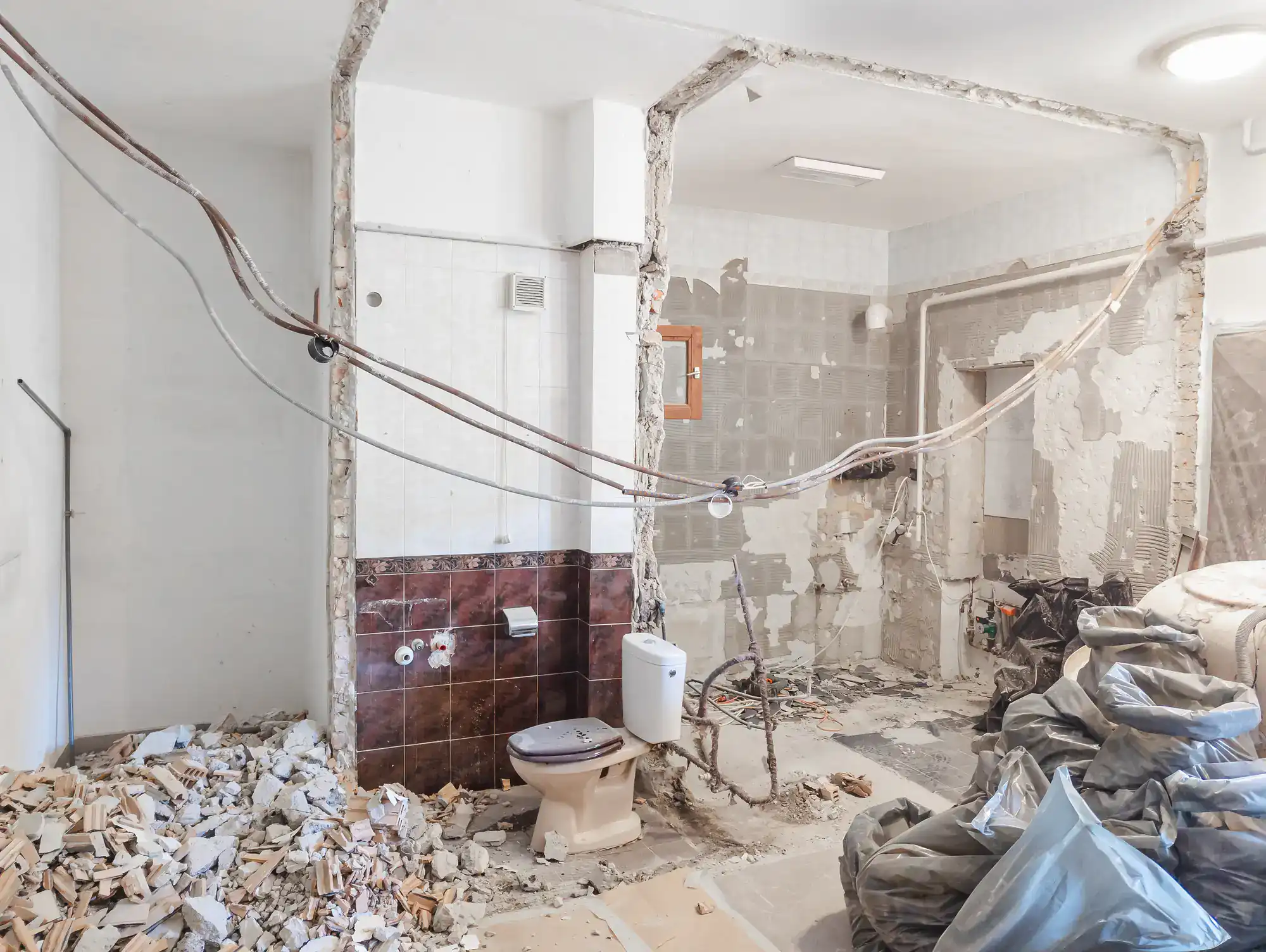
Then the work begins — containment set up, HEPA filtration running, hazardous materials abated and documented, demolition completed, and debris removed. For townhome owners in The Highlands, the containment phase is especially important, and our crew is experienced working in attached structures where one unit’s project can affect the next. When the job is done, you get a clean space and the paperwork to prove it was handled right.
Ready to get started?
We handle the full range of what a demolition project in this area typically requires: asbestos inspection and abatement, lead inspection and removal, mold sampling and remediation, interior gutting and demolition, water damage restoration, waterproofing, construction debris removal, and above-ground oil tank removal. That’s not a list of separate services you piece together — it’s one engagement, one crew, one invoice.
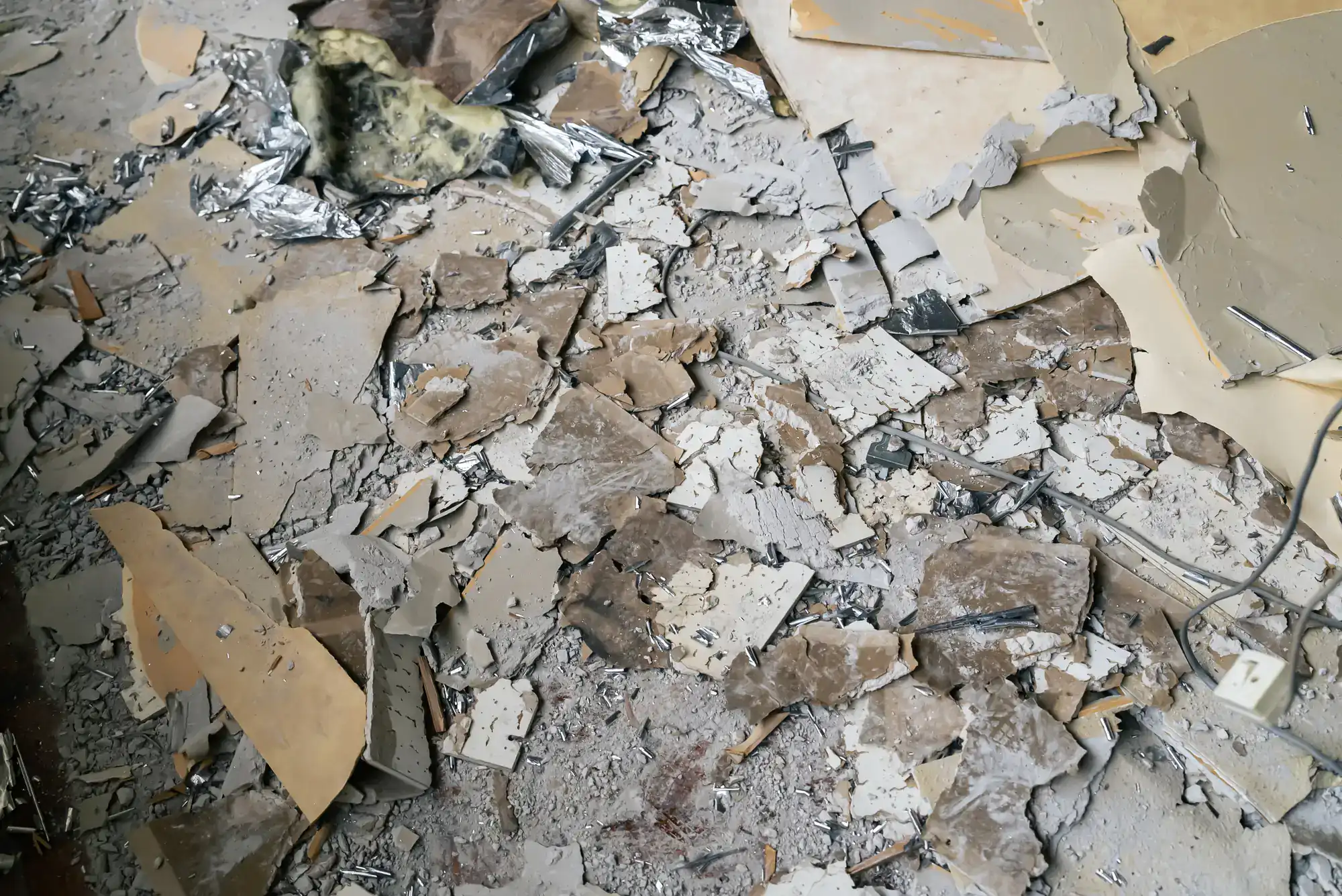
For homes in Brittany Farms-The Highlands specifically, the combination of asbestos abatement and interior demolition is the most common project profile. These are homes built in an era when asbestos was standard in floor tiles, pipe insulation, ceiling materials, and joint compound. Getting a certified inspection before demolition isn’t just good practice — it’s legally required, and we’re credentialed to handle both the testing and the removal without bringing in a third party.
Water damage restoration and emergency gutting are also a significant part of what we do in this region. Nor’easters, frozen pipe events, and spring flooding hit Bucks County homes hard, and the older housing stock in Brittany Farms-The Highlands is especially vulnerable. We’re available around the clock for emergency response — because when a pipe bursts in January, waiting until Monday morning means mold has already started. Cash discounts are available, and estimates are always free.
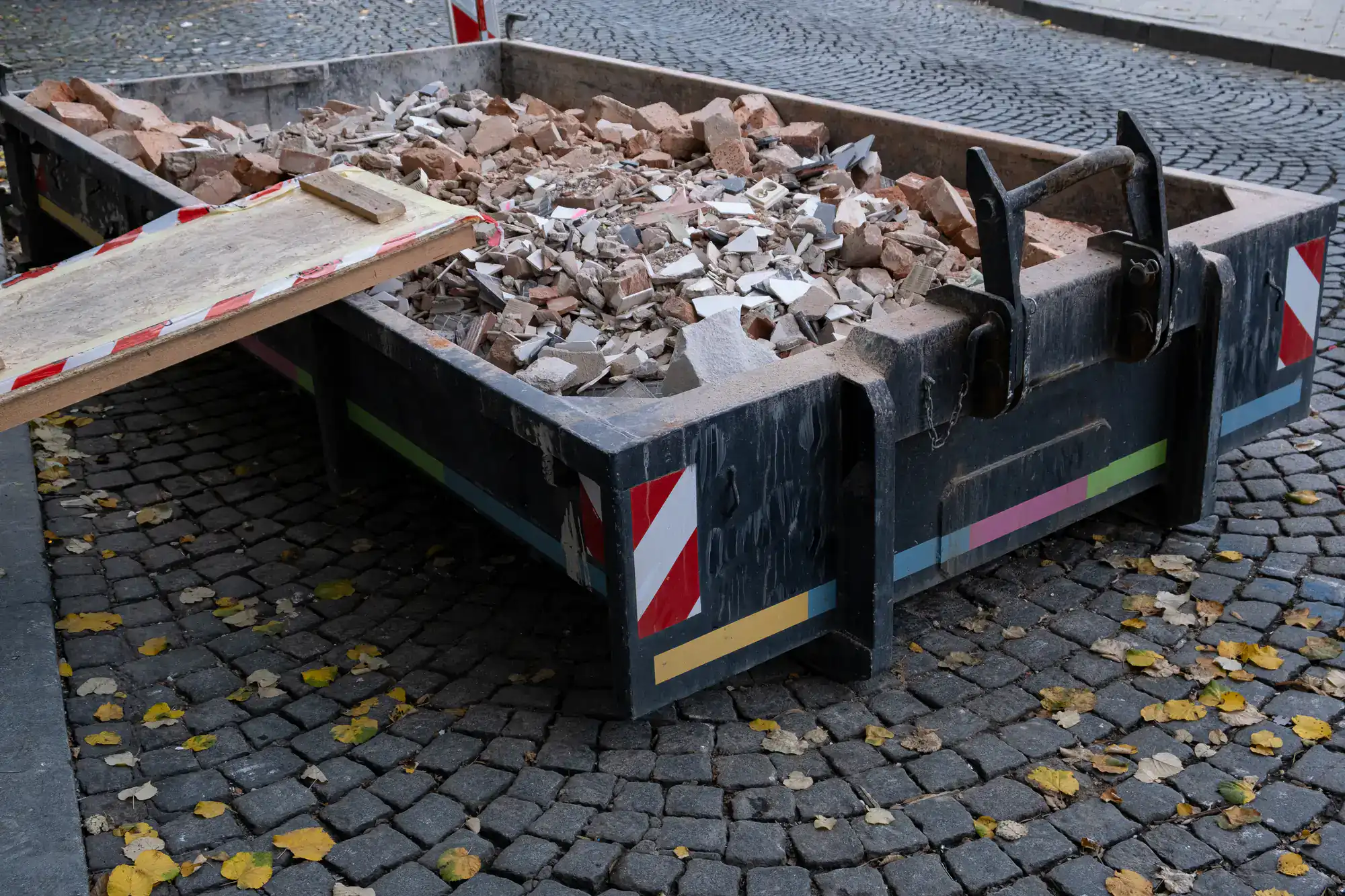

Yes — any structural demolition in New Britain Township requires a permit through the Township’s Building and Zoning Department. Pennsylvania’s Uniform Construction Code governs all demolition work in the state, and New Britain Township enforces it locally. That means full demolitions, partial demolitions, and significant interior gutting all require a permit before work begins. Cosmetic work like painting or replacing flooring doesn’t trigger the requirement, but once you’re removing walls, ceilings, or structural elements, you need to be permitted.
The good news is that a licensed contractor can pull the permit on your behalf, which is exactly how we handle it. You don’t need to figure out the application process or coordinate with the Township yourself. Having permits in place also protects you legally — if something goes wrong or you sell the home later, unpermitted demolition work can create serious problems with buyers, inspectors, and insurers.
Not definitively, but the probability is high enough that you should always test before any demolition or gutting work begins. Homes built in the 1950s and 1960s — which describes the majority of the housing stock in Brittany Farms-The Highlands — commonly contain asbestos in floor tiles, ceiling tiles, pipe insulation, joint compound, roofing materials, and textured coatings. The only way to know for certain is a professional inspection and material testing by a certified inspector.
Under federal EPA regulations, any contractor performing demolition on a structure that may contain asbestos-containing materials is required to assess and address those materials before work begins. We hold EPA Certified Lead Inspector and Risk Assessor credentials, which means the inspection, testing, documentation, and abatement can all happen under one roof — you don’t need to hire a separate testing company and then find an abatement contractor afterward. That single-source approach also means the timeline stays tight and nothing falls through the gap between contractors.
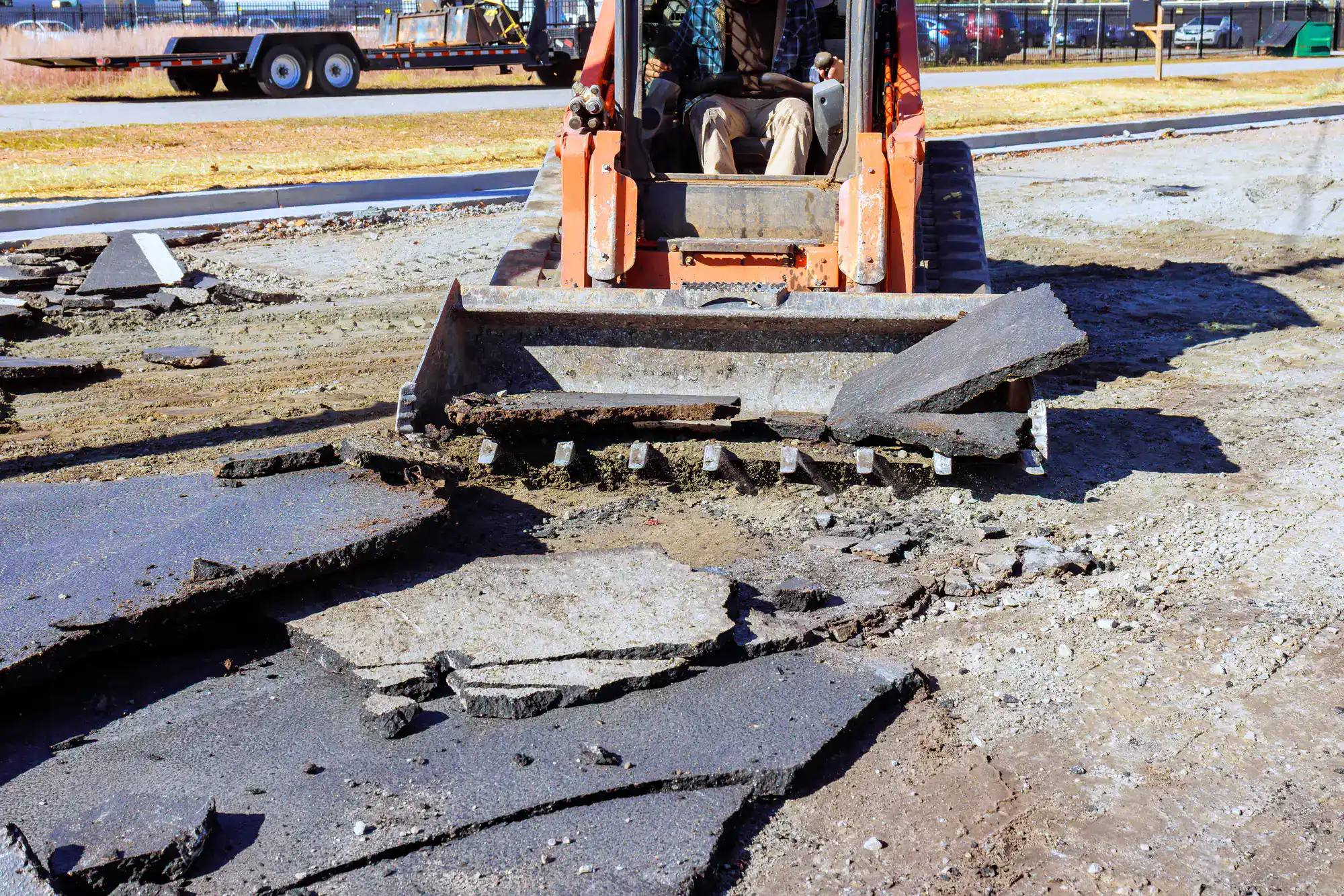
Interior demolition — sometimes called gutting — means removing the inside of a structure while the exterior shell stays standing. That typically includes walls, flooring, ceilings, fixtures, cabinetry, and mechanical systems. It’s what most homeowners in Brittany Farms-The Highlands are actually looking for when they’re renovating a water-damaged basement, clearing out a kitchen before a remodel, or preparing a pre-1978 home for a full renovation.
Full demolition means taking the entire structure down to the ground — foundation, framing, everything. That’s less common in residential work and typically applies to tear-down and rebuild projects or condemned structures. For most homeowners in this area, interior demolition is the right scope, and the permit requirements, abatement steps, and debris removal process all apply regardless of whether you’re gutting one room or the entire interior. The starting point is always the same: a walkthrough, an assessment for hazardous materials, and a clear scope before anything gets touched.
It can, which is exactly why attached-home demolition requires a different approach than working on a detached single-family house. When units share walls, there are two main concerns: structural integrity and contamination migration. On the structural side, any demolition work near or on a shared wall needs to be assessed carefully to make sure removing materials on your side doesn’t compromise the wall system that supports your neighbor’s unit. That’s not something to figure out mid-job.
On the contamination side, asbestos fibers and mold spores don’t respect property lines. Without proper containment — specifically HEPA filtration systems and negative air pressure — disturbing hazardous materials in one unit can push contaminants into adjacent spaces through shared HVAC systems, gaps in walls, or even open windows. We use both on every abatement job in attached structures, and our crew is experienced working in the townhome environment that defines The Highlands section of Brittany Farms-The Highlands. If you’re unsure whether your planned project qualifies as demolition under your HOA’s rules, that’s worth clarifying before you start — but the technical side of doing it safely is something we handle routinely.
We offer 24/7 emergency response, which means you can reach someone any time — including at 2 AM during a January nor’easter when a frozen pipe finally lets go. That matters because water damage doesn’t pause while you wait for business hours. Mold can begin developing within 24 to 48 hours of a water intrusion event, and the longer saturated materials stay in place, the more extensive the remediation scope becomes.
When we respond to a water damage call, the process starts with assessing the extent of the damage and identifying what needs to come out. In a pre-1978 home in Brittany Farms-The Highlands, that assessment includes checking whether any of the affected materials — flooring, drywall, insulation — may contain asbestos or lead before demolition begins. That step can’t be skipped even in an emergency, but having a contractor who handles both the abatement and the gutting means it doesn’t slow the project down the way it would if you had to bring in separate companies. One call gets the whole response moving.
Cash discounts are available, and for a project in the $10,000 to $20,000 range — which is a realistic scope for a full interior gut with abatement in a Bucks County home — that can translate into a meaningful amount of money saved. It’s straightforward: paying cash eliminates credit card processing fees and simplifies the transaction on both ends, and we pass that savings directly to you.
Free estimates are also standard. Before any commitment is made, someone comes out to the property, walks the scope with you, and gives you a clear picture of what the project involves and what it will cost. For homeowners in Brittany Farms-The Highlands who are still in the early stages of figuring out what you actually need — whether that’s a full gut, selective demolition, or just abatement before a contractor comes in — that no-cost assessment is a low-risk way to get a real answer from someone who knows what they’re looking at in this specific housing stock.
Other Services we provide in Brittany Farms-The Highlands