Hear from Our Customers
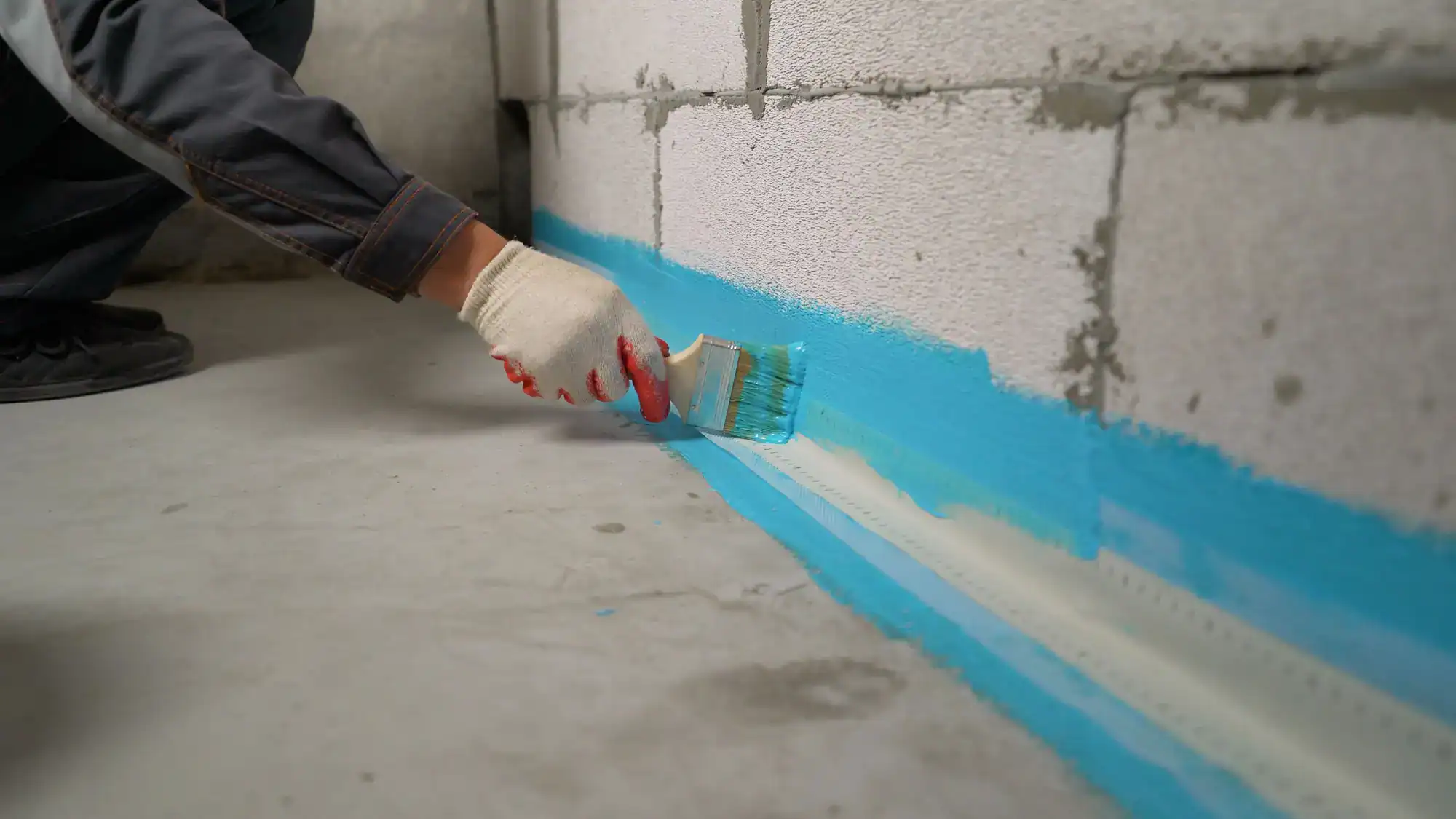
A wet basement isn’t just inconvenient. It’s mold waiting to grow, air quality getting worse every week, and real money walking out the door every time a buyer walks away from your home. In Evansburg, where median home values sit near $484,000, a water problem in the basement is one of the fastest ways to undercut everything you’ve built here.
The geography here makes this more than a routine maintenance issue. Skippack Creek has carved this landscape into ridges and valleys for centuries, and that topography pushes groundwater directly toward residential foundations — especially after heavy spring rains or when a tropical storm remnant rolls through. Homes near the creek corridor or Evansburg State Park feel this more than most. Add in Lower Providence Township’s active stormwater management obligations under federal NPDES permit requirements, and the water pressure on your foundation isn’t going away on its own.
What changes after the work is done is straightforward: your basement stays dry, the air in your home improves, and you stop worrying every time it rains. For homeowners in the Evansburg Historic District with 18th-century stone foundations, that outcome also means preserving something that can’t be replaced — and doing it right the first time.
We’ve been waterproofing basements in Evansburg and the surrounding Montgomery County region for two decades. That’s not a number we throw around lightly — it means we’ve waterproofed basements in creek-adjacent neighborhoods along Skippack Creek, in pre-Revolutionary stone homes throughout the Evansburg Historic District, and in newer colonials throughout Lower Providence and Skippack Townships. We know the local soil, the drainage patterns, and exactly what Skippack Creek does to a foundation after a hard rain.
What makes us different from most waterproofing contractors is the full-service model. Our owner is a Certified Lead Inspector and Risk Assessor — EPA/HUD compliant — which matters enormously in Evansburg’s historic district where pre-1978 construction is common and disturbing lead-painted surfaces without the right credentials creates a whole new problem. We test, we remediate, we waterproof. One call, one company, done.
We’re fully licensed, bonded, and insured. We offer free estimates with no pressure attached. And we’re available by phone 24 hours a day, seven days a week — because water doesn’t wait for Monday morning.
It starts with a free estimate. When you call, you reach a real person — not a voicemail, not a call center. We come out, look at what’s actually happening with your basement, and give you a straight answer about what it’s going to take. No upsell, no manufactured urgency.
From there, we assess before we act. For homes in and around the Evansburg Historic District, that assessment matters more than most people realize. Stone and lime-mortar foundations from the 1700s and 1800s behave differently than modern poured concrete — they need compatible repair materials and a careful approach. If there’s existing mold or lead paint involvement from years of water intrusion, we identify it and handle it before the waterproofing work begins. Skipping that step is how you end up with a sealed basement that still has an air quality problem.
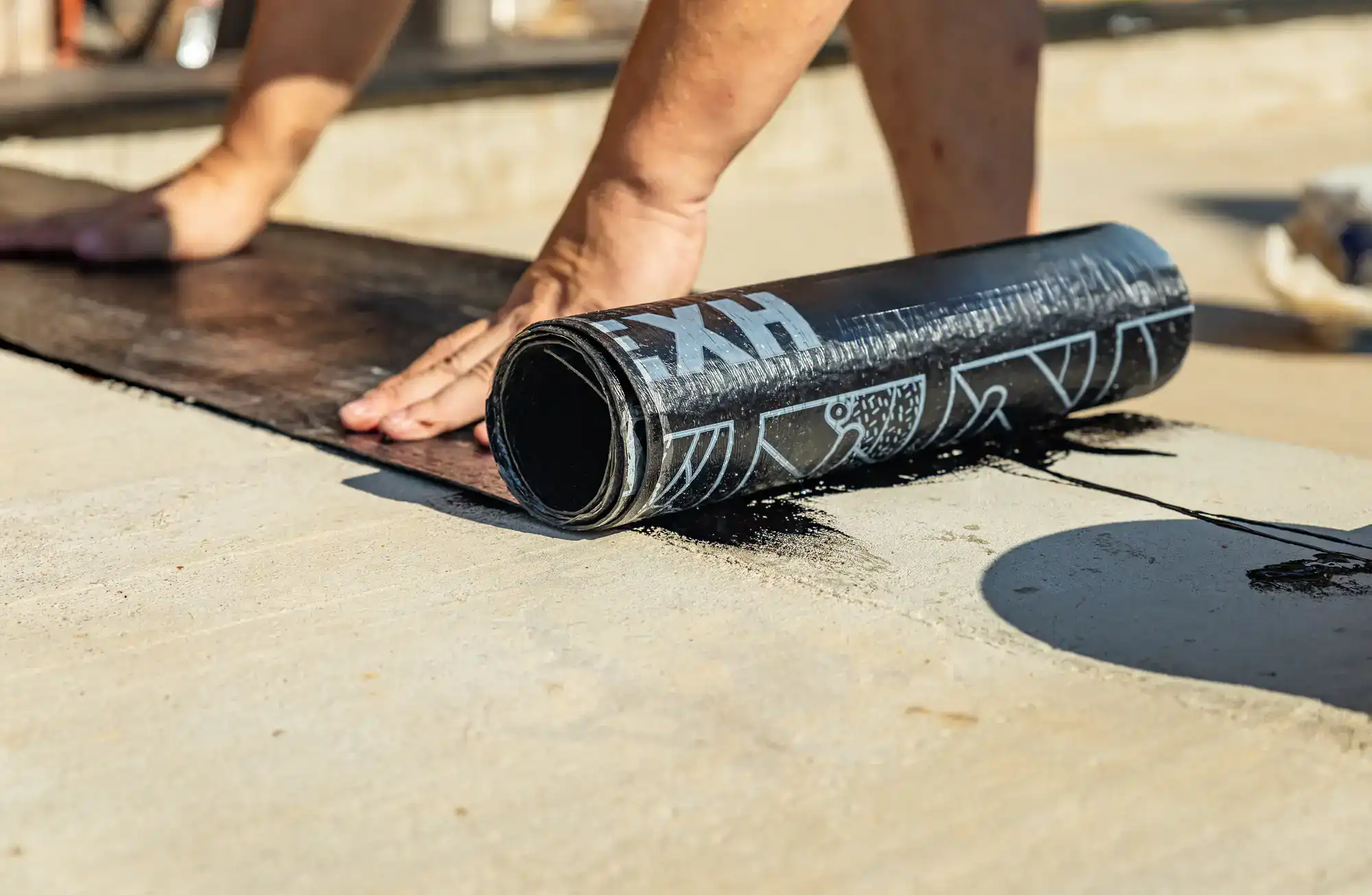
The waterproofing work itself — whether that’s interior drain tile, sump pump installation, wall encapsulation, or exterior solutions — is completed with HEPA filtration running throughout to keep airborne particles contained. If your project involves exterior drainage work near the Skippack Creek watershed, we’re familiar with Lower Providence Township’s stormwater ordinances and what that means for the job. When we’re done, your basement is dry, your air is clean, and the work is built to last.
Ready to get started?
Most waterproofing contractors do one thing: they install a system and leave. We cover the full picture — testing, mold remediation, lead paint risk assessment, demolition if needed, and waterproofing, all under one roof. For Evansburg homeowners, especially those in older homes along Germantown Pike or near Evansburg State Park, that comprehensive approach isn’t a luxury. It’s the only way to actually solve the problem instead of masking it.
The services we bring to Evansburg include interior drainage systems, sump pump installation and replacement, basement wall sealing and encapsulation, foundation crack repair, and exterior waterproofing where the scope calls for it. We use state-of-the-art equipment and HEPA filtration on every job. If your basement has already taken on water damage — warped materials, mold growth, deteriorating mortar in a historic stone wall — we handle remediation before the waterproofing begins, so you’re not sealing problems in.
If you’re in Lower Providence Township’s floodplain conservation zone or near the Skippack Creek corridor, we understand the regulatory environment and what it means for your project. We’ve worked in this watershed for years. Cash discounts are available, and every job starts with a free, no-obligation estimate. The goal is simple: a dry basement that stays that way.
The short answer is geography. Skippack Creek has spent thousands of years carving this landscape into ridges and valleys, and that topography naturally channels groundwater toward low-lying areas — including the foundations of homes throughout Lower Providence Township and the surrounding Evansburg corridor. When it rains heavily, or when spring snowmelt hits, the ground saturates faster than it drains, and that water has to go somewhere.
For homes near Evansburg State Park or the creek itself, hydrostatic pressure — the force of water pushing against your foundation walls from the outside — is often the root cause of recurring intrusion. This isn’t a problem that dries up on its own or gets better with a coat of waterproof paint on the interior wall. It requires a proper drainage solution: interior drain tile, a functioning sump pump system, or exterior waterproofing depending on the severity. Lower Providence Township also has active stormwater management requirements under federal NPDES permits, which means the municipality is managing runoff — but not eliminating the underlying pressure on your foundation. A professional assessment is the only way to know exactly what you’re dealing with.
It’s a genuinely different job. Modern poured-concrete foundations are relatively uniform — you know what you’re working with. Stone foundations from the 18th and 19th centuries, which are common in the Evansburg Historic District, were built with lime mortar that deteriorates over time and becomes increasingly permeable. They weren’t designed with modern drainage expectations in mind. They relied on the natural lay of the land, which has changed significantly as surrounding areas have been developed over two centuries.
Working on these foundations requires compatible repair materials — you can’t just inject modern epoxy into a historic lime-mortar joint without creating new problems. It also requires a careful hand, because aggressive cutting or excavation near a nationally registered historic structure can cause structural damage that’s expensive and difficult to reverse. We take a diagnostic approach on every job: we assess the foundation type, identify where water is actually entering, and choose methods that address the problem without compromising the integrity of the structure. If you’re in the Evansburg Historic District, the Pennsylvania State Historic Preservation Office may also have a role depending on the scope of exterior work — we can help you understand what applies to your situation.
Interior waterproofing manages water after it enters the foundation — it doesn’t stop it at the source, but it controls where it goes and removes it before it causes damage. This typically involves installing an interior drain tile system along the perimeter of the basement floor, routing water to a sump pump that discharges it away from the home. It’s less invasive, generally more affordable, and works well for most residential situations, including the majority of homes throughout Lower Providence and Skippack Townships.
Exterior waterproofing addresses the source directly — excavating around the foundation, applying a waterproof membrane or coating to the exterior wall, and improving drainage at the footing level. It’s more comprehensive, more disruptive, and more expensive, but in cases of severe hydrostatic pressure or significant foundation wall deterioration, it’s the right call. For homes near the Skippack Creek corridor where groundwater tables run high year-round, exterior waterproofing may be the more durable long-term solution. The honest answer is that which approach you need depends on your specific foundation, your water source, and the severity of the intrusion — which is exactly why the assessment comes first. We don’t recommend a system until we know what’s actually happening.
It depends on the scope of the work. Interior waterproofing systems — drain tile installation, sump pump replacement, wall encapsulation — are generally less regulated, but Lower Providence Township may still require a building permit depending on the extent of the project. It’s worth checking with the township’s code enforcement office before work begins, and we can help you understand what’s required for your specific job.
Exterior waterproofing that involves excavation around the foundation, changes to drainage patterns, or work that redirects water toward the Skippack Creek watershed is a different story. Lower Providence Township has an active stormwater management ordinance and falls under federal NPDES permit requirements — meaning any drainage work that affects stormwater discharge may need to be coordinated with the township. If your home is within or adjacent to the Evansburg Historic District, exterior modifications may also involve the Pennsylvania State Historic Preservation Office. We’ve been navigating EPA and regulatory compliance frameworks for twenty years, so if there’s a permit question on your project, we’ll tell you upfront what applies and what doesn’t.
Basement waterproofing cost varies widely depending on the size of the space, the type of system needed, and what the water has already done by the time work begins. A basic sump pump replacement or targeted crack repair is on the lower end of the range. A full interior drain tile system for a standard-sized basement typically runs in the range of $5,000 to $15,000 depending on linear footage and complexity. Exterior waterproofing with excavation can run higher, particularly for larger or more complex foundations.
In Evansburg specifically, a few factors can affect cost beyond the standard variables. Historic stone foundations often require more diagnostic time and more careful execution than modern concrete, which affects labor. If water intrusion has led to mold growth or has disturbed lead-painted surfaces — common in pre-1978 homes throughout the Historic District — remediation needs to happen before waterproofing, and that adds to the scope. We handle all of it in-house, which is typically more cost-effective than hiring separate contractors for each piece. We offer free estimates with no obligation, and cash discounts are available. You’ll know exactly what the job costs before any work begins.
Not always immediately, but the conditions a wet basement creates — moisture, darkness, organic material in framing and drywall — are exactly what mold needs to establish itself. In southeastern Pennsylvania’s humid climate, with roughly 47 inches of annual rainfall and warm, wet summers, a basement that takes on water regularly is a high-risk environment. Many Evansburg homeowners discover mold behind finished walls or under flooring only when a waterproofing project opens things up — and by that point, it’s been growing for a while.
This is where our full-service model makes a real difference. Most waterproofing contractors install the system and leave. They don’t test for mold, and they don’t remediate it. If mold is present and goes unaddressed, you’ve sealed a contaminated space, and the air quality problem continues even with a dry floor. We conduct mold testing as part of the assessment process, and if remediation is needed, we handle it before the waterproofing work begins. For older homes in and around the Evansburg Historic District, where water may have been intruding through deteriorating stone mortar for years, that sequencing — test, remediate, waterproof — is the only approach that actually resolves the problem from the ground up.
Other Services we provide in Evansburg