Hear from Our Customers
Most homeowners in Evansburg aren’t calling a demolition contractor because they want to. They’re calling because something went wrong — a flood off the Skippack Creek, a wall that needs to come down before renovation can start, or a basement that’s been quietly growing mold since the last heavy rain on Germantown Pike. Whatever brought you here, the goal is the same: get the problem handled correctly so you’re not dealing with it again in six months.
That’s where the real difference shows up. When a contractor tests for hazardous materials, removes them under EPA-certified protocols, handles the structural demolition, and cleans up after — all as one crew, one contract — you’re not left coordinating between three different companies who each blame the other when something’s off. You get one point of contact and a job that’s done right from the first step to the last.
For a community where homes routinely predate the Civil War, that matters more than it does almost anywhere else in Montgomery County. Lead-based paint and asbestos aren’t possibilities to consider in Evansburg — they’re near-certainties to manage. Getting a contractor who can legally inspect, certify, and remove those materials isn’t a premium upgrade. It’s the baseline standard for any serious work on a home like yours.
We’re based in Glenside — just down Germantown Pike from Evansburg — and have been working on Montgomery County homes for over 20 years. Eric runs the company himself, which means the experience and accountability you’re counting on aren’t handed off to a crew you’ve never met.
We hold EPA Certified Lead Inspector and Risk Assessor credentials, which go beyond the basic removal certification most contractors carry. That means we can legally inspect, test, and certify lead conditions in your Evansburg home — not just show up with a respirator. Add full HUD compliance, HEPA filtration on every abatement job, and coverage that includes licensing, bonding, and insurance, and you have a contractor equipped for the kind of work Evansburg’s historic building stock actually demands.
This isn’t a company that learned demolition on 1990s drywall. The homes along the Evansburg Historic District — stone construction, original plaster, pre-1900 framing — are exactly the kind of properties we’ve built our reputation on across this county.
It starts with a free estimate. We come out, walk the property, and give you a clear scope of work before anything is signed. For homes in Evansburg — especially those inside or near the Historic District — that walkthrough includes an honest assessment of what’s likely behind the walls. In structures built before 1978, and certainly in those built in the 1700s and 1800s, hazardous materials aren’t a surprise. They’re an expected part of the job, and knowing what you’re dealing with upfront is what keeps the project on schedule and on budget.
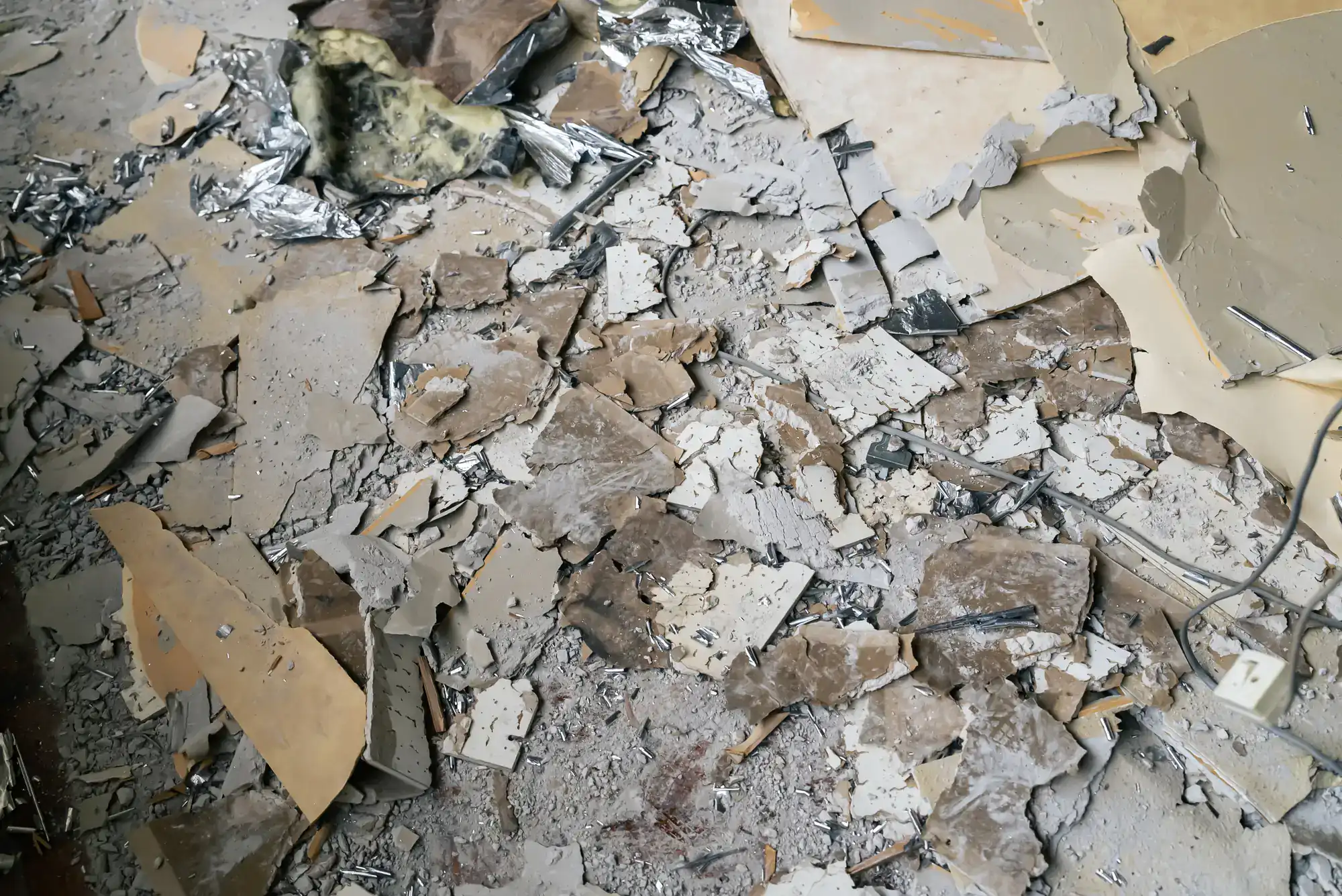
If testing confirms the presence of asbestos, lead, or mold, abatement comes first. We set up HEPA filtration and negative air containment so nothing spreads through your living space while work is underway. That step matters especially in occupied historic homes where families are still living in the structure. Once abatement is complete and the area is certified clean, demolition or gutting proceeds.
Before any structural work begins, we handle permit coordination with Lower Providence Township or Skippack Township, depending on where your property sits. Both jurisdictions require permits before demolition operations start, and the Historic District adds another layer of consideration that an unfamiliar contractor can easily overlook. After the work is done, debris is removed, the space is cleaned, and if waterproofing is part of the scope, that gets handled before our crew leaves. One job, start to finish.
Ready to get started?
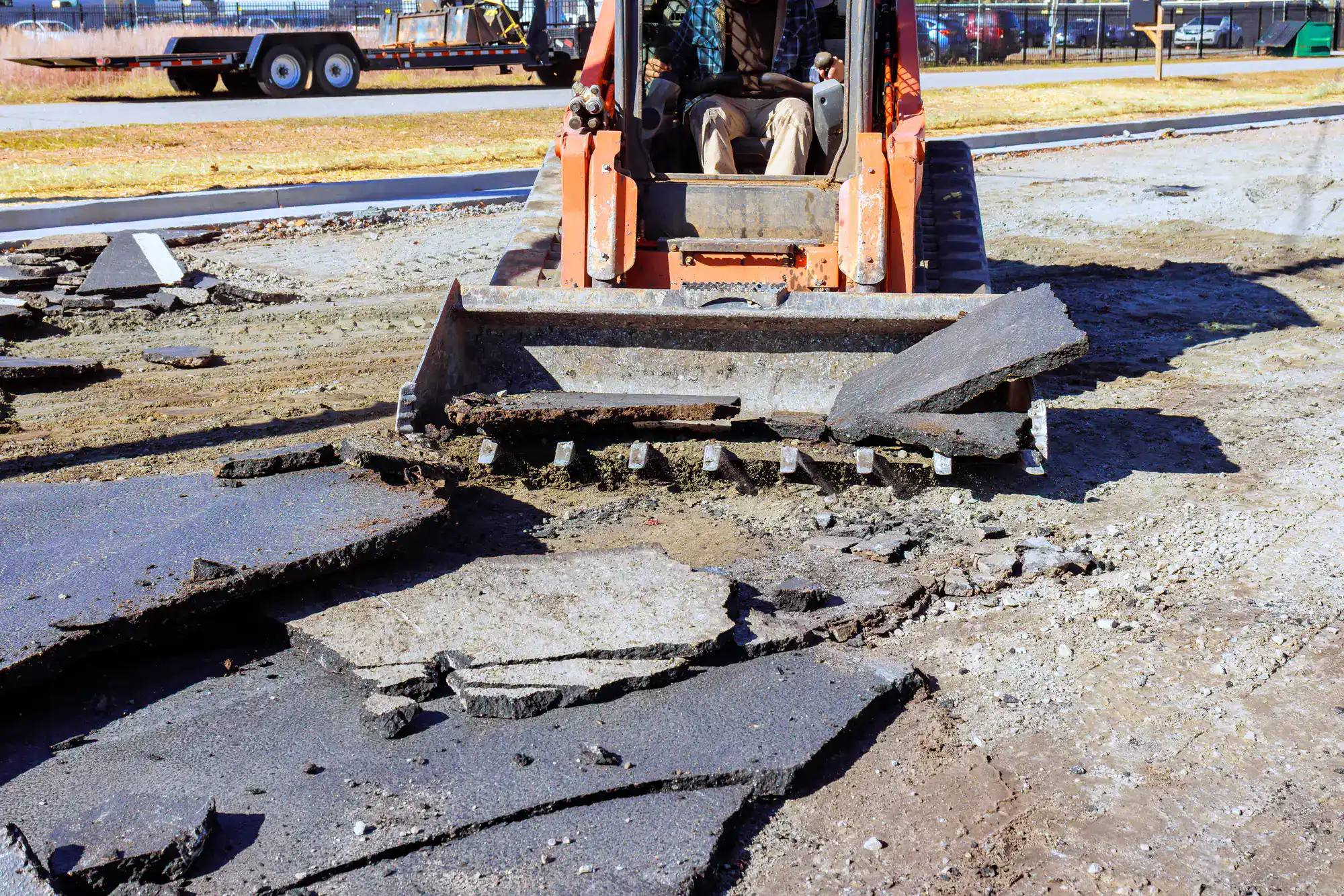
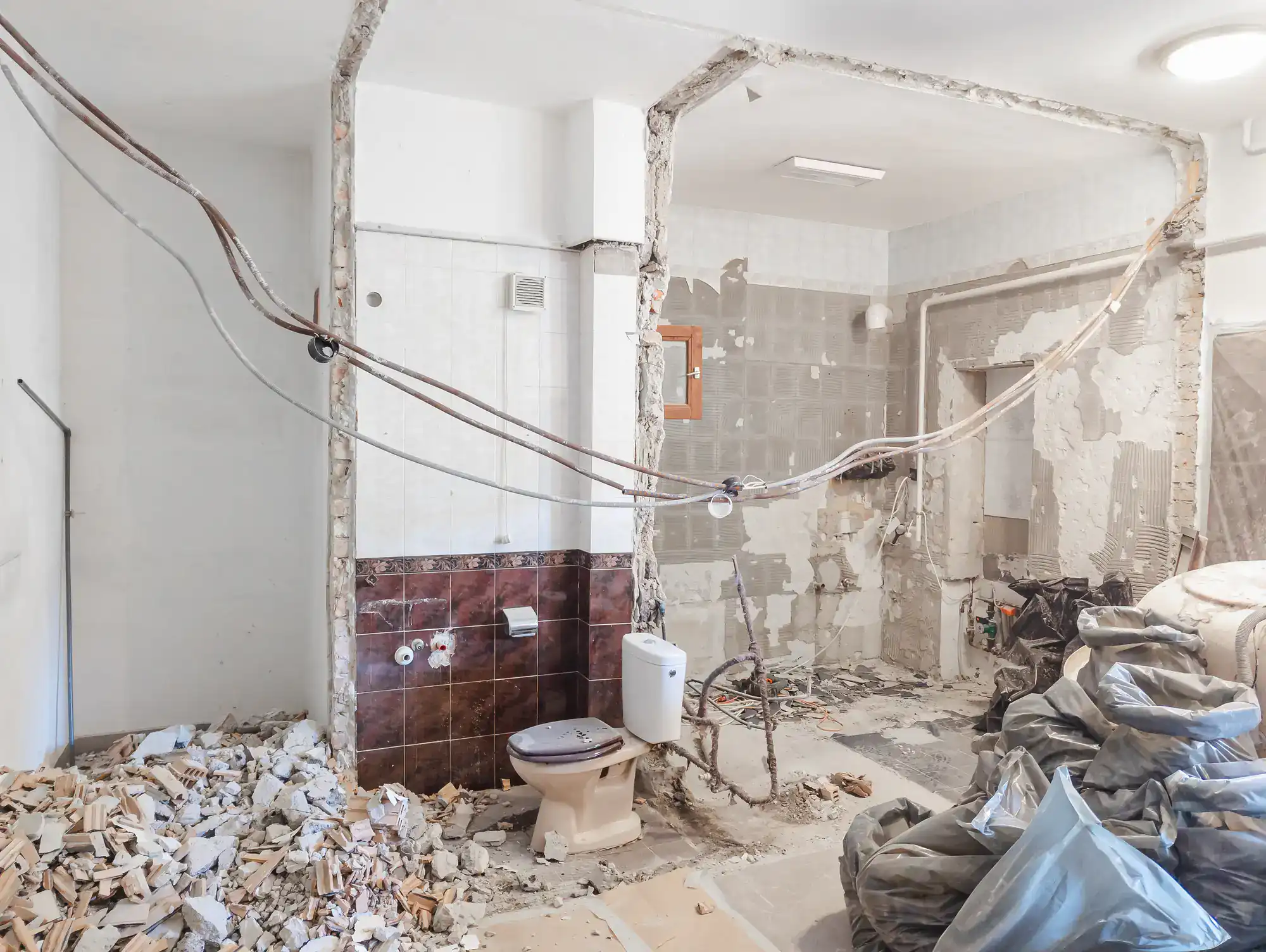
The full scope of what we cover is broader than most people expect when they first call. Beyond the physical demolition — whether that’s gutting a flood-damaged basement, taking down an interior structure, or clearing a full room for renovation — we handle the environmental side of the job that most general contractors aren’t equipped or legally authorized to touch. That includes asbestos testing and abatement, lead paint inspection and removal under EPA-certified protocols, mold remediation, and post-work waterproofing when the project calls for it.
For Evansburg specifically, that environmental piece is rarely optional. The Evansburg Historic District contains over 50 National Register properties, most of them privately owned and actively occupied. If your home is among them — or even adjacent to the district — the materials inside it reflect centuries of construction, renovation, and layered repairs. What looks like a simple gut job often involves original plaster, old-growth framing, and decades of paint that predate any modern safety standard. We come in knowing that, not discovering it mid-job.
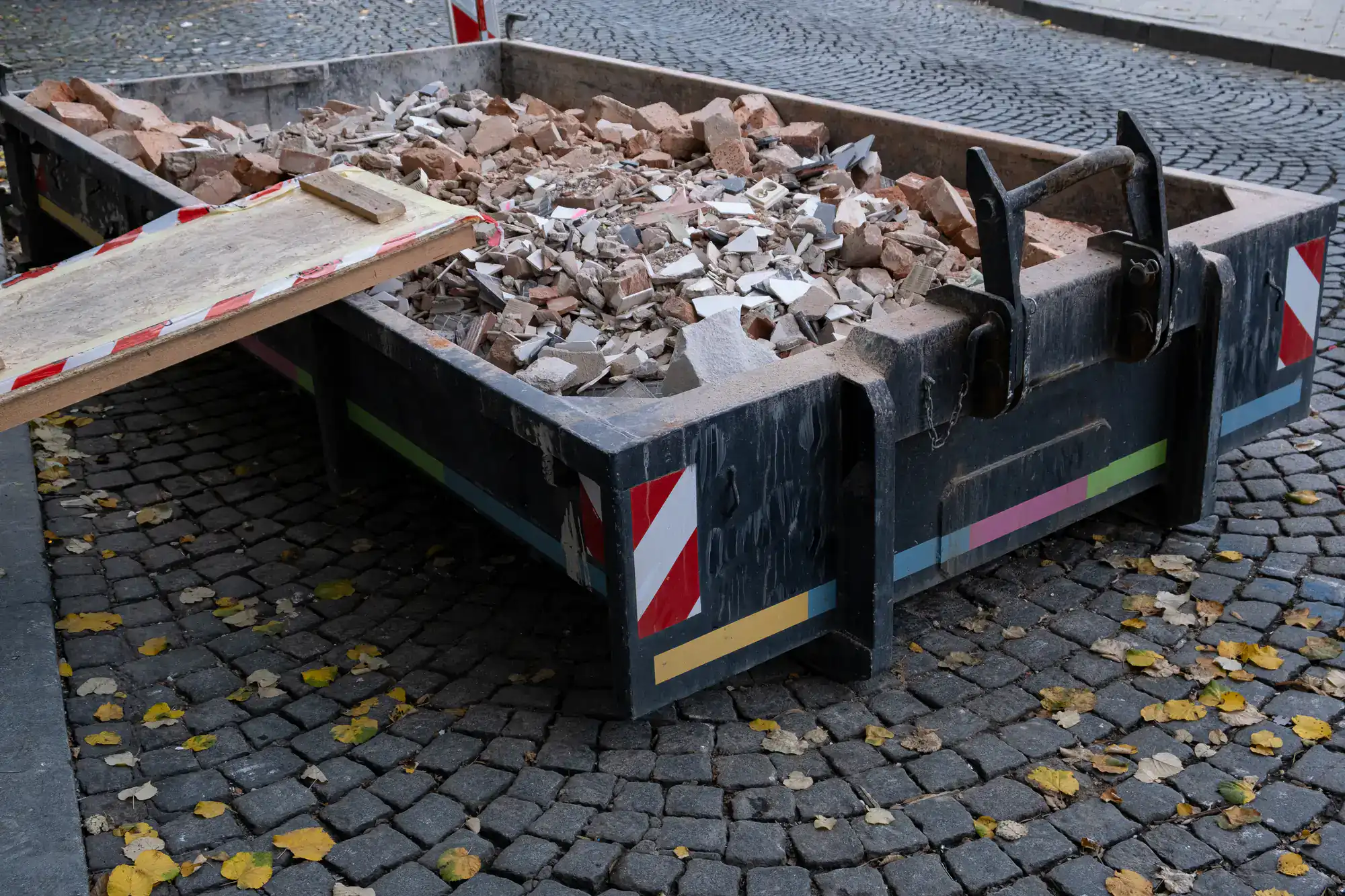
The one-stop model also covers construction debris removal and full site cleanup, so you’re not left arranging a separate haul-out after the work is done. We offer free estimates, 24/7 emergency availability, and cash discounts — not add-ons you have to ask about. If the Skippack Creek has sent water into your home and you need someone there fast, that 24/7 line is a real number answered by a real person.

If your home was built before 1978, federal law assumes lead-based paint is present until testing proves otherwise. In Evansburg, where the Historic District contains structures dating back to the early 1700s, the more relevant question isn’t whether hazardous materials are present — it’s where they are and how much. Homes that have been renovated over the decades may also contain asbestos in insulation, floor tiles, pipe wrap, or joint compound added during 20th-century updates, even if the original structure predates asbestos use.
The only way to know for certain is a proper inspection by a certified professional. We hold EPA Certified Lead Inspector and Risk Assessor credentials, which means the testing and certification process is handled in-house — you’re not waiting on a third-party inspector before work can begin. That matters when you’re trying to move a renovation or repair project forward without unnecessary delays.
Lower Providence Township requires a zoning permit before any construction or demolition operations begin. That permit has to be visibly displayed on the property before work starts — it’s not just a formality. Depending on the scope of the project, a building permit under the township’s construction code may also be required. Demolition noise is regulated to daytime hours under the township noise ordinance, which affects how jobs are scheduled.
If your property sits on the Skippack Township side of Evansburg, the permit requirements may differ slightly, since the CDP straddles both jurisdictions. We handle permit coordination as part of the engagement, so you’re not navigating the township office on your own trying to figure out which forms apply to your address. For properties within or near the Evansburg Historic District, there may be additional review considerations tied to the National Historic District designation — another reason to work with a contractor who already knows the local regulatory landscape.
Mold can begin forming within 24 to 48 hours of water intrusion. That’s the standard timeframe used by environmental health professionals, and it’s why the speed of response after a flood event matters as much as the quality of the work. In Lower Providence Township, where the Skippack Creek has a documented history of flooding Germantown Pike and surrounding roads, waiting until business hours to make a call can mean the difference between a gutting job and a full mold remediation project.
Once mold takes hold in the wall cavities, subfloor, or framing of an older Evansburg home, the scope of work expands significantly. We offer 24/7 emergency phone availability specifically because water damage doesn’t wait for Monday morning. If you’ve had water in your home following a creek event or a burst pipe — both common in Evansburg’s older, less-insulated historic structures — calling immediately gives you the best chance of containing the damage before it compounds.
Yes, but the Historic District designation adds a layer of consideration that not every contractor is prepared for. The Evansburg Historic District was listed on the National Register of Historic Places in 1972 and contains over 50 individually registered properties. For contributing structures within the district, any demolition or significant alteration may trigger review under federal and state historic preservation guidelines. A contractor who isn’t familiar with those requirements can inadvertently create regulatory complications for a homeowner — including stop-work orders or required restorations.
Working with a contractor who has experience on pre-1978 and pre-1900 properties in Montgomery County means those considerations are accounted for before the first wall comes down, not after. Our background in environmental abatement on historic building stock means the team understands what’s typical in these structures and what the regulatory environment looks like for properties of this age and designation. That familiarity is part of what you’re paying for when you hire a certified, experienced contractor for this kind of work.
It’s a meaningful difference, and it matters a lot in a community like Evansburg. Junk removal companies — the kind that advertise shed removal and fence teardown — are set up to haul away unpermitted structures that don’t involve active utilities, hazardous materials, or regulated waste. They’re not licensed for asbestos or lead abatement, they typically don’t pull permits, and they’re not equipped for structural demolition inside an occupied home. If your project involves anything more than a freestanding shed in the backyard, a junk hauler isn’t the right call.
A licensed demolition contractor handles the full scope: structural gutting, hazmat testing and abatement, permit coordination, debris removal, and site cleanup. In Evansburg, where nearly every home of any age contains materials that require certified handling, the distinction is especially important. Hiring the wrong type of contractor for a job involving lead or asbestos doesn’t just create safety risks — it can expose you as the homeowner to liability under EPA regulations if the work isn’t handled by a certified professional.
We offer cash discounts on qualifying projects. In a service category where pricing is often opaque and final invoices rarely match initial conversations, that kind of straightforward discount is worth asking about when you call for your free estimate. It’s a simple way to reduce the total cost of a project without negotiating over line items you can’t verify.
For Evansburg homeowners managing the real costs of working on a historic property — where hazmat testing, certified abatement, permit fees, and debris disposal are all legitimate parts of the budget — every reduction in overhead helps. The free estimate itself is also part of that transparency: you get a written scope of work with costs laid out before anything is signed. No surprise charges after the job starts, no vague line items that expand once the crew is on-site. That’s how we operate across Montgomery County, and it’s how we operate in Evansburg.
Other Services we provide in Evansburg