Hear from Our Customers
West Rockhill is full of homes that were built long before anyone was talking about asbestos regulations or lead paint disclosures. That’s not a knock on the area — it’s just the reality of owning a pre-1978 farmhouse, a mid-century ranch, or a stone colonial that’s been standing since before your grandparents were born. The problem is that most homeowners don’t find out what’s hiding in those walls until a contractor is already mid-demo and suddenly stops the job.
When you work with a contractor who can test, certify, and remove hazardous materials before a single wall comes down, you avoid that scenario entirely. No surprise stops. No scrambling to find a separate abatement firm. No project sitting idle for two weeks while you figure out what to do next. You get a clear picture of what you’re dealing with, a legal plan to handle it, and a crew that’s qualified to execute from start to finish.
That matters even more in upper Bucks County, where older agricultural properties often include outbuildings, detached structures, and secondary dwellings that haven’t been touched in decades. Barns, sheds, old garages — these structures carry their own hazmat risks, especially if they were built with asbestos cement roofing that was standard on farm construction through the 1970s. Getting the right contractor the first time means you’re not doubling back, paying twice, or dealing with the legal fallout of work that wasn’t done correctly.
We’ve been doing this work across Bucks, Montgomery, Chester, Delaware, and New Castle counties for over two decades. That’s not a number thrown in to sound impressive — it means we’ve worked on the kind of houses that exist in West Rockhill. Old stone farmhouses. Mid-century homes with original floor tiles and pipe insulation. Properties where the first thing you discover is that nothing is straightforward.
We’re fully licensed, bonded, and insured, and every job is supervised on-site by licensed professionals — not handed off to an unsupervised crew once the contract is signed. We hold EPA Certified Lead Inspector and Risk Assessor credentials, which means we can legally inspect, test, and certify lead conditions in your home, not just remove materials if we happen to find something. For homeowners in the Pennridge area dealing with pre-1978 construction, that distinction is significant.
You also get a free estimate, 24/7 phone availability, and a one-stop process that handles testing, abatement, demolition, and cleanup under one roof. No subcontractor shuffle, no gaps in accountability.
It starts with a free estimate. Someone from our team comes out, walks the property, and gives you a clear picture of what the job involves — what materials are present, what testing is needed, and what the full scope looks like before any work begins. For homes in West Rockhill, that walkthrough often includes a close look at older roofing, floor tiles, pipe insulation, and wall materials that are common in Bucks County’s pre-1978 housing stock. If hazardous materials are identified, we handle the required pre-demolition survey and abatement before any structural work starts — which is exactly what Pennsylvania and federal regulations require.
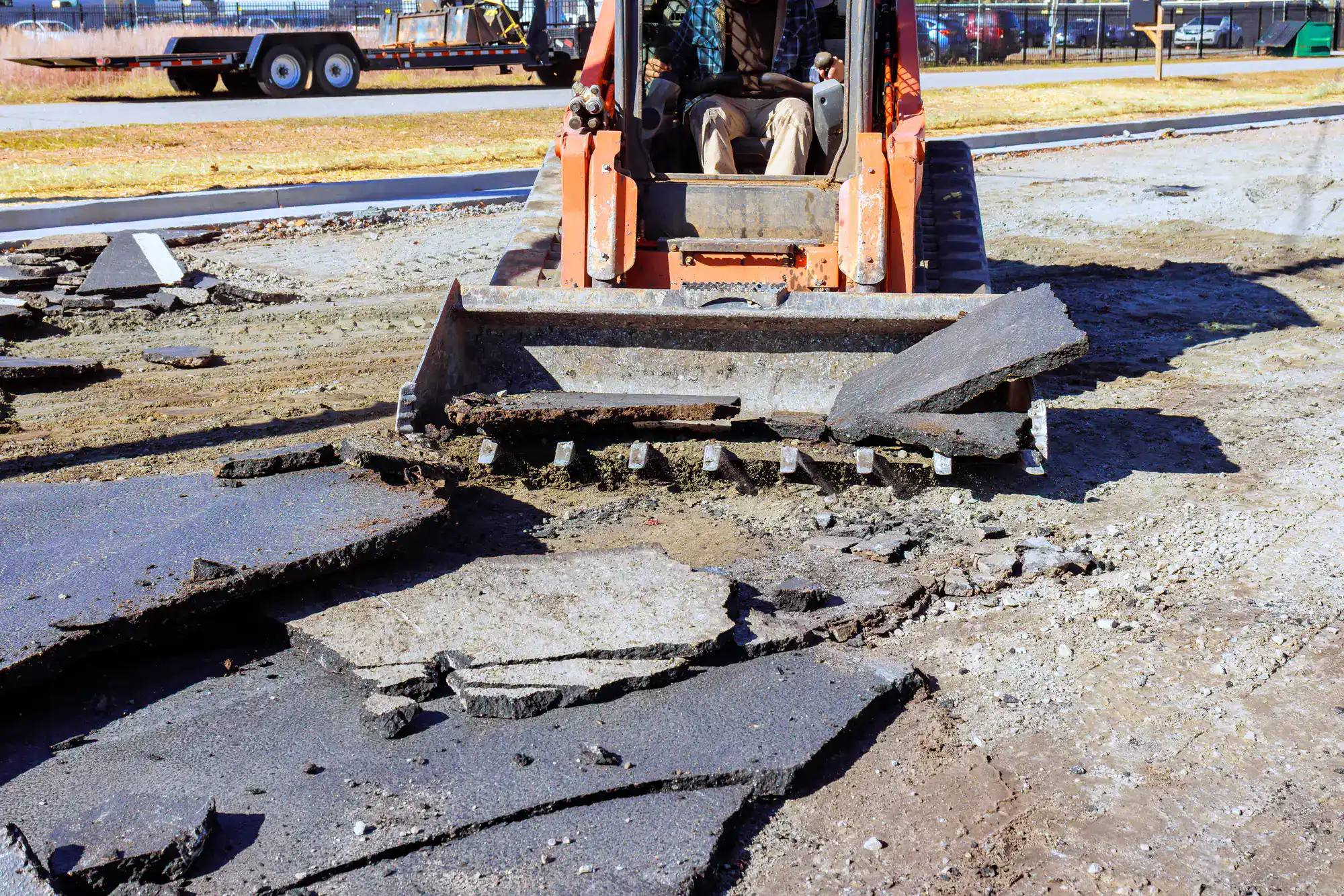
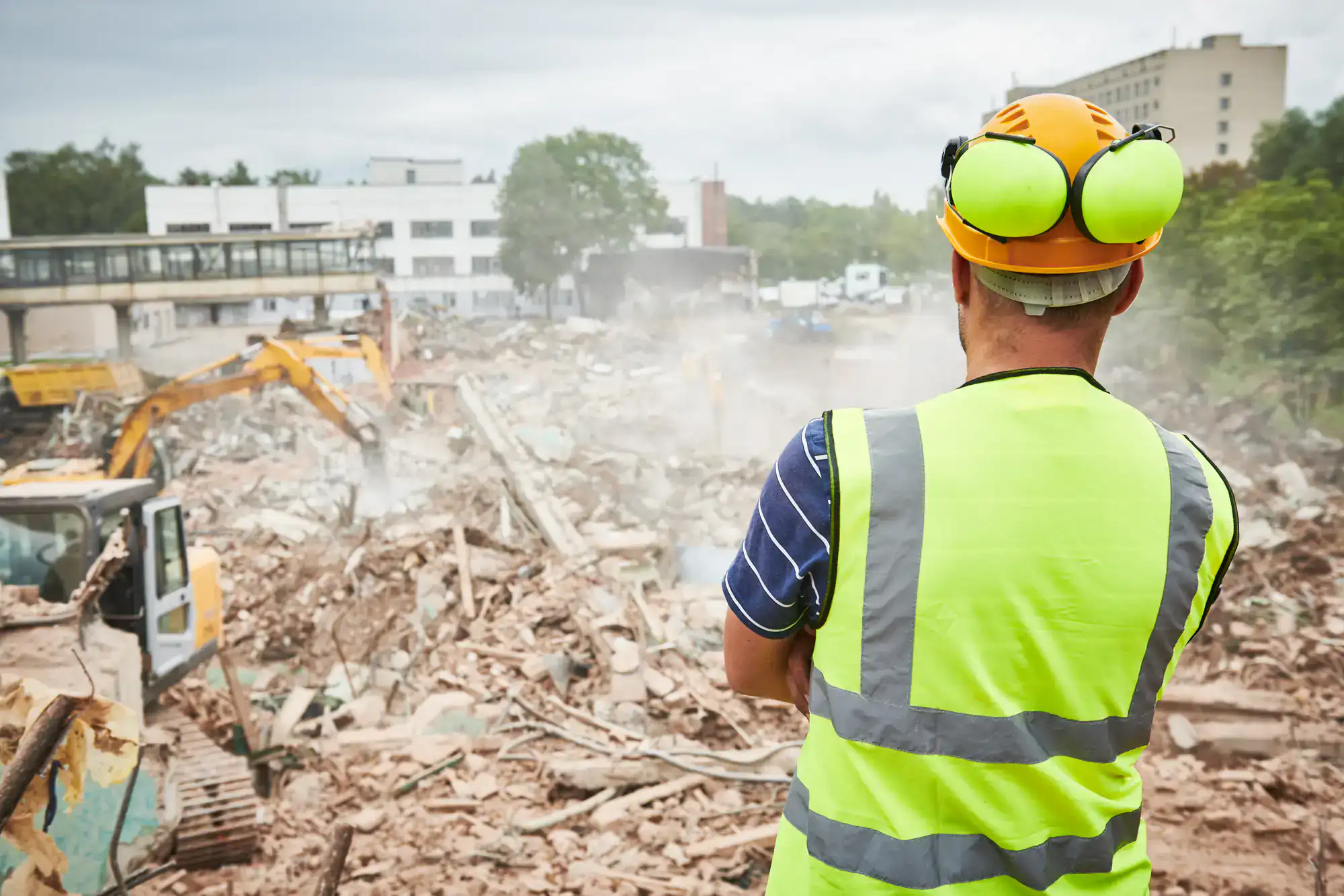
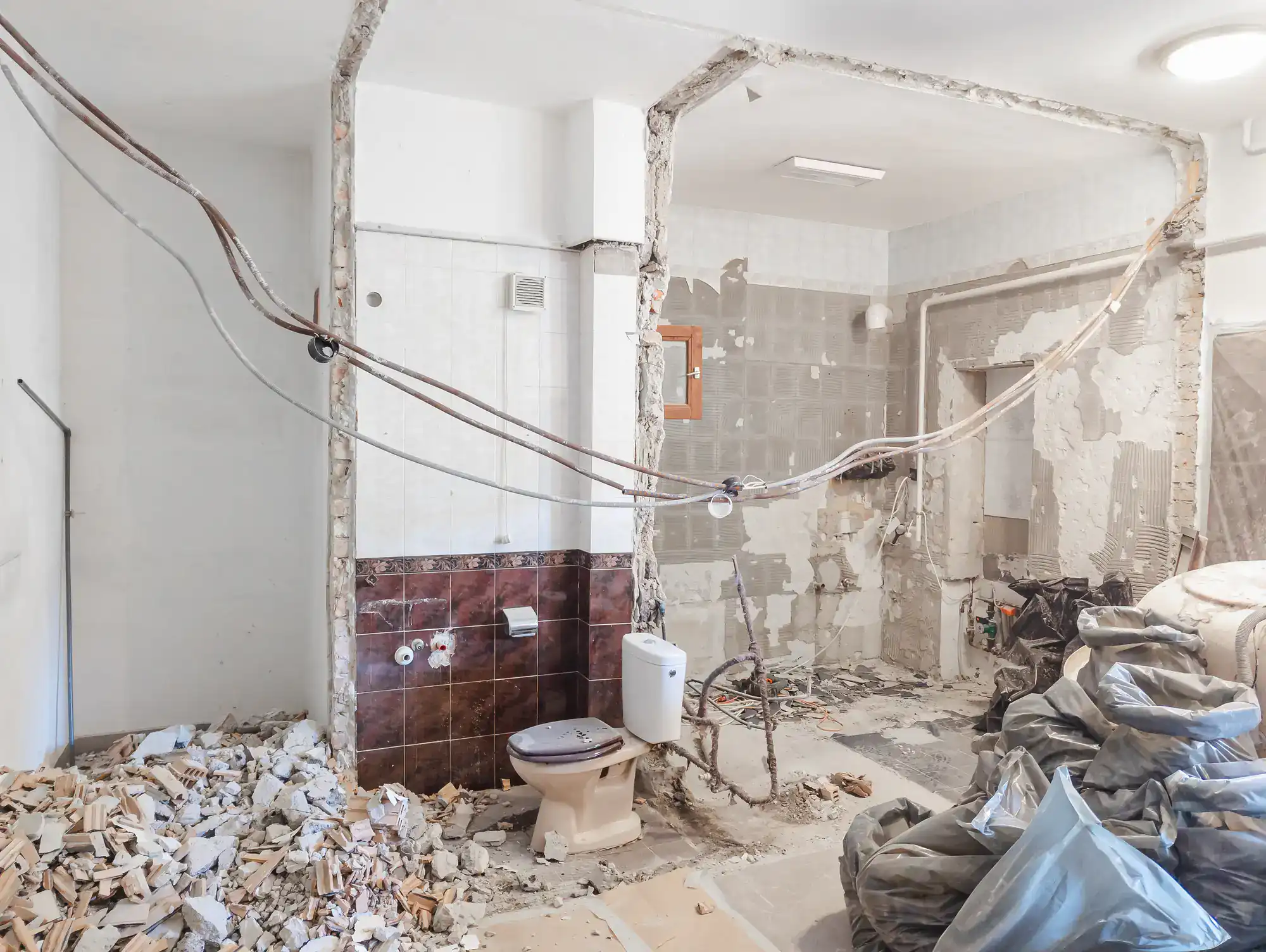
Once the hazmat side is cleared, the demolition or gutting proceeds. Whether that’s a full interior gut, selective wall removal, or a complete structure takedown, our crew works under on-site licensed supervision throughout. HEPA filtration and proper containment are used on every job where abatement is involved, keeping the rest of your home clean while the work area is active.
West Rockhill Township requires demolition permits under Pennsylvania’s Uniform Construction Code, and we handle the permit process as part of the project. When the work is done, debris removal and site cleanup are included — you’re not left with a pile of material and a question about what to do with it. The job is finished when the site is clean, not when the last wall comes down.
Ready to get started?
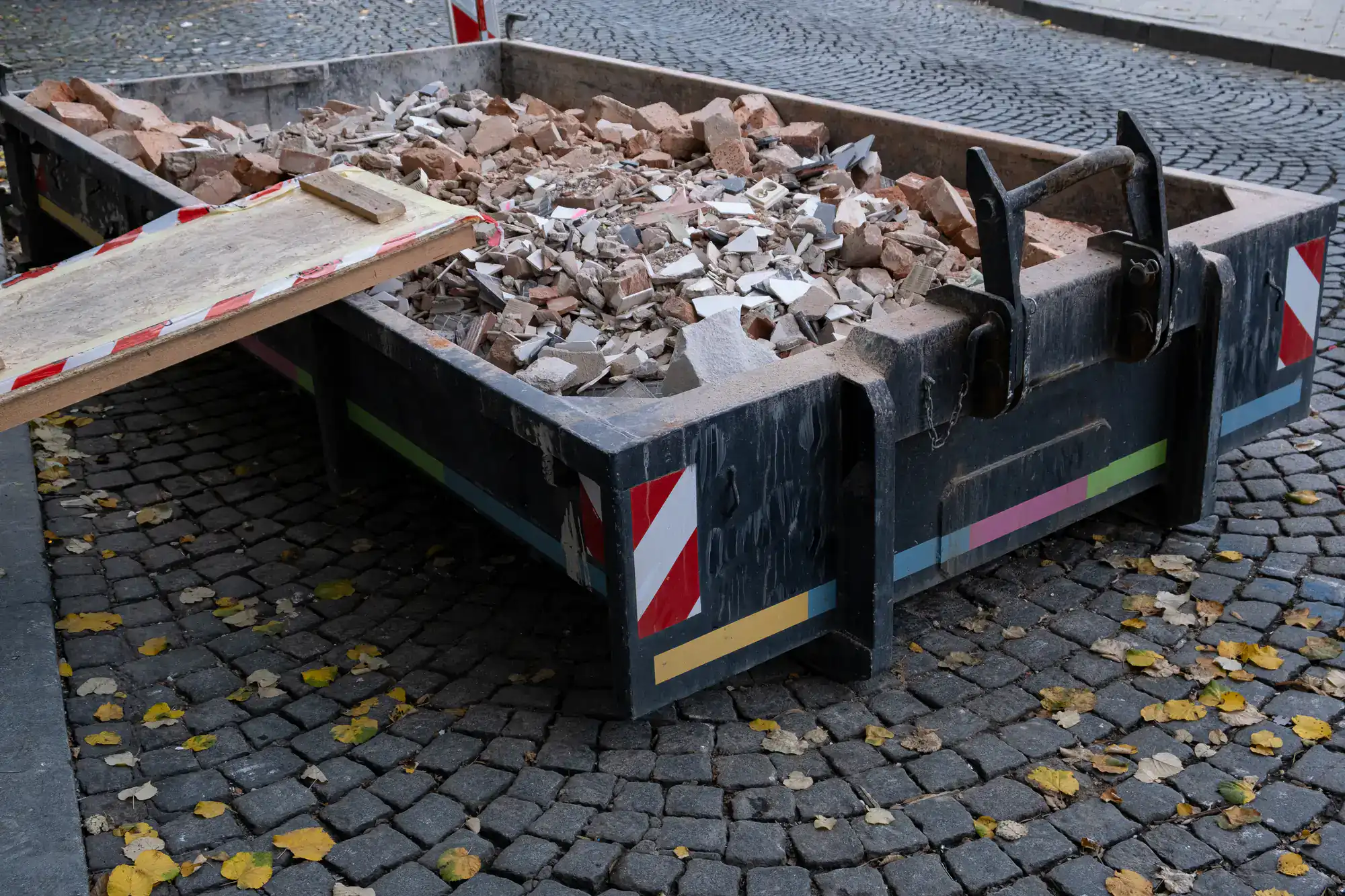
We cover the full range of what demolition and environmental abatement actually requires in a place like West Rockhill. That means asbestos testing and removal, lead paint inspection and abatement, interior demolition and gutting, full structural demolition, mold remediation, water damage restoration, construction debris removal, and above-ground oil tank removal. That last one matters more than people expect in upper Bucks County — rural properties heated by fuel oil often have older above-ground storage tanks that need to be decommissioned before renovation or demo work can proceed, and not every contractor is equipped to handle that.
The one-stop model isn’t just about convenience. It’s about accountability. When one company owns the entire process — from the initial hazmat survey through final debris removal — there’s no finger-pointing between separate contractors if something comes up mid-project. We are the single point of contact, and that means the project keeps moving instead of stalling every time a new issue surfaces.
For emergency situations — a burst pipe in January flooding a farmhouse basement, water intrusion through an aging stone foundation after a hard freeze — we offer 24/7 emergency response. The older construction common throughout West Rockhill and the surrounding Pennridge corridor is particularly vulnerable to freeze-thaw damage, and when water gets into a pre-1978 home, the remediation work that follows almost always intersects with asbestos or lead. Having one certified contractor who handles both sides of that problem is the difference between a project that moves and one that doesn’t.

Yes. West Rockhill Township requires demolition permits under Pennsylvania’s Uniform Construction Code, which applies statewide and governs what needs to be filed and approved before structural work begins. Skipping the permit isn’t a shortcut — it’s a liability. Unpermitted demolition work can trigger stop-work orders, fines, and serious complications when you go to sell the property, because title searches will surface unpermitted work and buyers or their lenders will flag it.
We handle permit acquisition as part of the project, so you’re not navigating the township process on your own. The permit application, review by the code enforcement officer, and issuance all happen before work starts — which is how it’s supposed to go. If you’re not sure whether your specific project requires a permit, the free estimate walkthrough is the right place to get that question answered clearly.
In most cases, yes — and it’s not optional in the legal sense. Under EPA NESHAP regulations, a pre-demolition asbestos survey is required for structures where asbestos-containing materials are present or suspected before demolition proceeds. In West Rockhill, where a significant portion of the housing stock predates 1978, that means the baseline assumption should be that asbestos is possible until a certified inspection says otherwise.
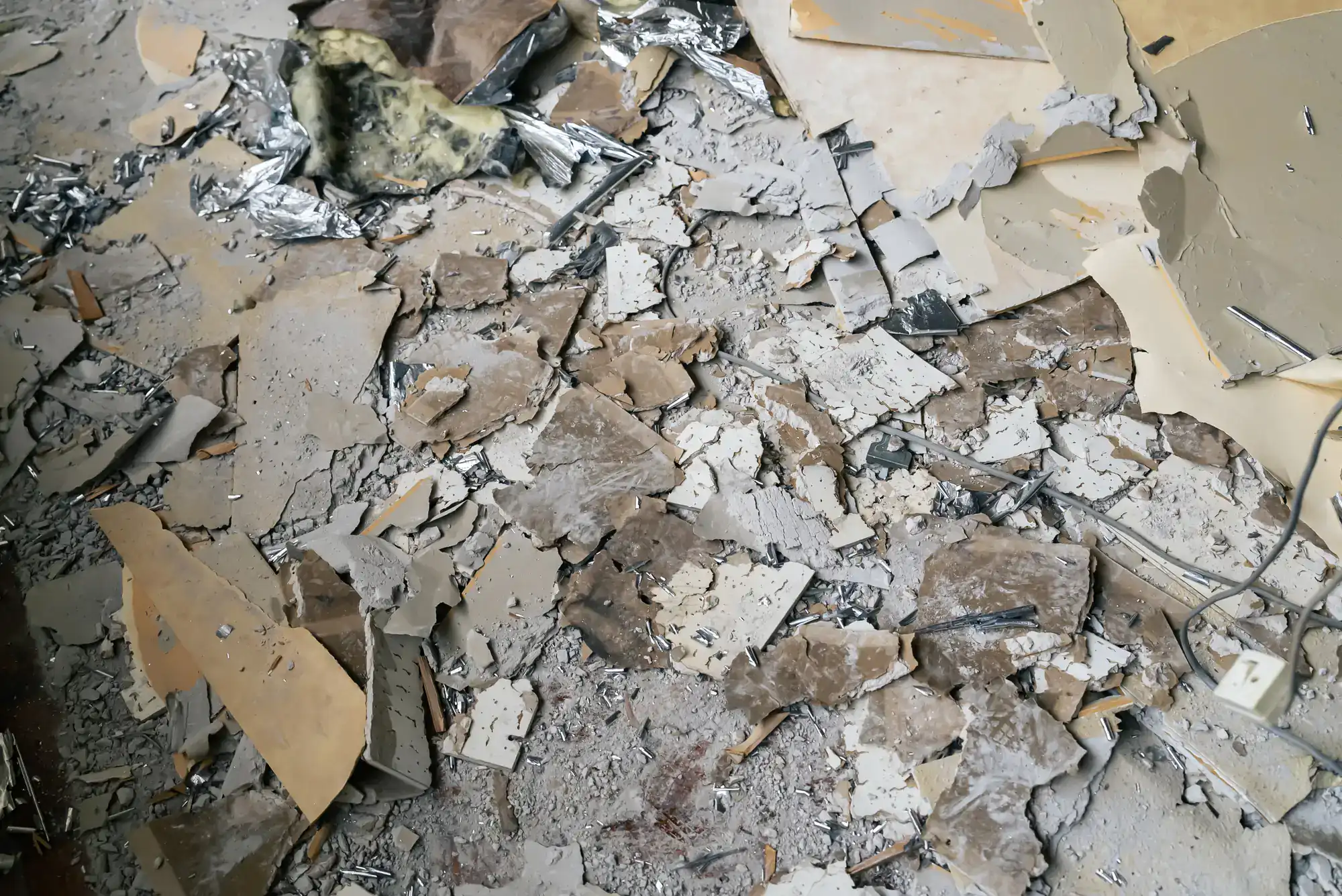
Asbestos in older homes isn’t limited to one or two spots. It shows up in floor tiles, roof shingles, pipe insulation, joint compound, exterior siding, and ceiling texture — often in materials that look completely ordinary. The survey identifies exactly what’s present and where, which determines what abatement is required before any structural work begins. We hold the EPA certifications to conduct that survey and perform the abatement, so you’re not hiring one firm to test and a separate firm to remove. It’s handled under one roof, which keeps the timeline moving.
A full demolition means the entire structure comes down — walls, roof, foundation work, everything. An interior gut means the exterior shell of the building stays, but everything inside is stripped out: drywall, insulation, flooring, ceilings, sometimes plumbing and electrical rough-in, depending on the scope. Interior gutting is the more common project for homeowners in West Rockhill who are renovating an older farmhouse or preparing a home for a major rehab — the structure itself is sound, but the interior needs to come out completely before new work can begin.
Both types of projects require the same pre-work: a hazmat survey, abatement of any identified materials, and proper permitting before the crew starts. The distinction matters for budgeting and timeline, but it doesn’t change the legal requirements around asbestos and lead. If the home predates 1978, those steps apply regardless of whether you’re gutting one room or taking down the whole building.
It happens more often than people expect, and in upper Bucks County it’s a pattern that repeats every winter. A pipe bursts, an ice dam forces water through the roof, or a stone foundation lets moisture in during a hard freeze — and by the time the water is discovered, it’s already behind the walls and under the floors. In a pre-1978 home in West Rockhill, that water-damaged material almost always contains asbestos or lead paint, which means standard water damage restoration isn’t enough. You need certified abatement before the affected areas can be opened up, dried out, and rebuilt.
In some cases, the water damage is extensive enough that a full interior gut is the most practical path — pulling everything out, remediating the mold, addressing the source of the intrusion, and starting fresh. We handle the full sequence: emergency response, water damage assessment, mold remediation, hazmat abatement, gutting, and waterproofing. The older stone foundations common in West Rockhill farmhouses are particularly vulnerable to this cycle, and having one contractor who covers the entire chain means you’re not coordinating five separate companies while the damage spreads.
A lot of rural properties in upper Bucks County — including homes throughout West Rockhill — rely on fuel oil for heat, and older homes often have above-ground storage tanks that have been in place for decades. Before any demolition or major renovation work begins, those tanks need to be properly decommissioned and removed. This isn’t just a logistical step — an oil tank that’s left in place or improperly handled during demo work creates environmental liability and can complicate property sales, financing, and future use of the land.
The removal process involves draining any remaining fuel, cleaning the tank interior, disconnecting fuel lines, and physically removing the tank from the property. We handle above-ground oil tank removal as part of our service scope, which means it can be coordinated alongside the demolition or abatement work rather than scheduled as a separate project with a separate contractor. If you’re not sure whether your property has a tank that needs to be addressed, that’s something the initial walkthrough will identify.
The cash discount is straightforward — it reduces the project cost for customers who pay without financing, and it’s passed along directly rather than absorbed as margin. For homeowners in West Rockhill managing a renovation budget on a rural property, where project costs can add up quickly across multiple trades, that reduction is real money. It’s not a promotional hook with fine print attached. It’s a pricing structure that reflects how we operate.
In practical terms, it works like this: when you get your free estimate, you’ll know the full project scope and cost upfront. If you’re paying cash, that discount applies to the total. There’s no ambiguity about what’s included, no fees that surface after the contract is signed, and no pressure to finance through a third party if you don’t need to. For the kind of value-conscious, practical homeowner that West Rockhill tends to attract — people who want to know exactly what they’re paying and why — that kind of transparent pricing tends to be a better fit than a low bid that grows once the work starts.
Other Services we provide in West Rockhill