Hear from Our Customers
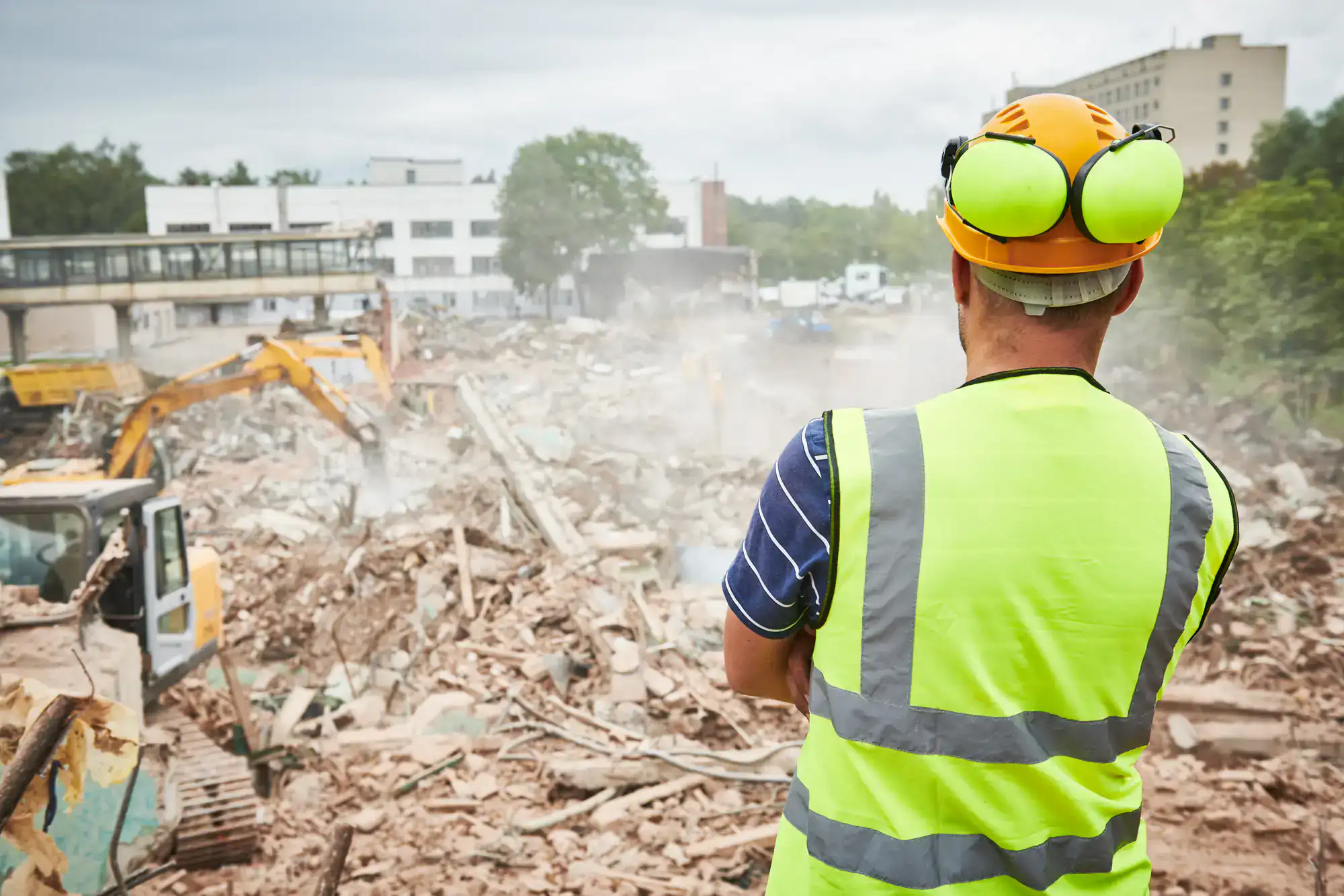
Most homeowners in Blue Bell don’t realize how fragmented the demolition process actually is until they’re already in it — one company for asbestos testing, another for abatement, another for the actual teardown, and yet another for debris removal. That’s four separate schedules, four separate invoices, and four different crews walking through your house. We were built to collapse all of that into a single engagement.
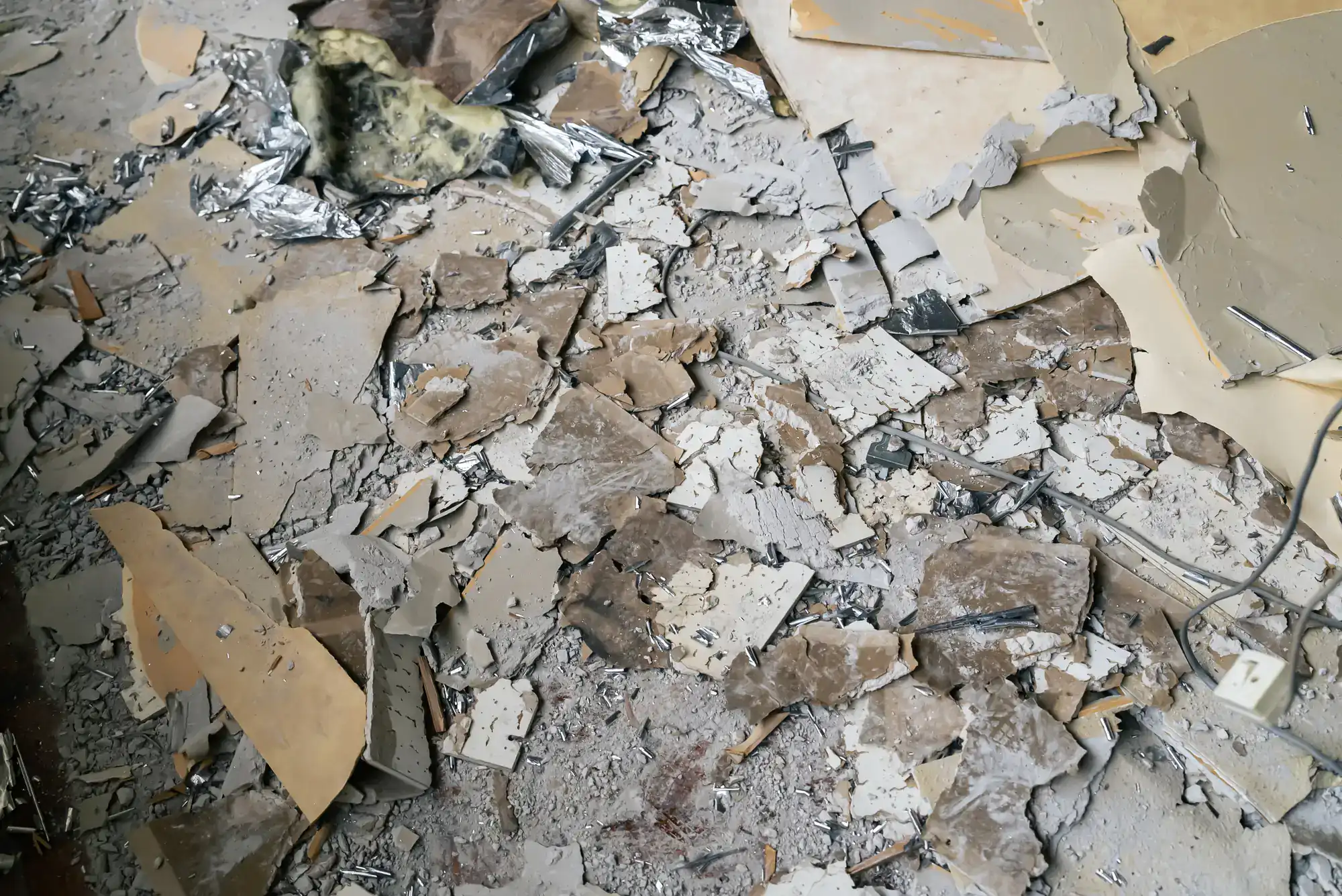
Blue Bell’s housing stock tells the whole story. The median construction year here is 1983, but the Colonials, farmhouses, and mid-century ranches tucked into subdivisions like Whitpain Farm and Pheasant Run often predate that by decades. Homes built before 1978 have a real probability of containing lead-based paint. Homes from the 1960s and earlier frequently have asbestos in floor tiles, insulation, pipe wrap, or ceiling materials. When those materials get disturbed during a renovation or gutting job, the health risk is immediate — and the liability falls on whoever touched it without proper certification.
That’s the difference we make. You get a certified lead inspector and risk assessor on your project — not just a contractor who follows safe work practices, but someone who is legally qualified to test, identify, and certify lead conditions before a single wall comes down. For a family in the Wissahickon School District with kids in the house, that’s not a minor detail. That’s the whole point.
We’ve been working in Blue Bell and across Montgomery County for over two decades. That’s twenty years of gutting kitchens, remediating mold, pulling asbestos floor tiles, and handling water damage in the exact type of homes that line the streets of Whitpain Township — from wooded single-family properties off Skippack Pike to the townhome communities along Route 202.
We’re fully licensed, bonded, and insured. We hold EPA Certified Lead Inspector and Risk Assessor credentials — a tier above the basic RRP contractor certification that most competitors carry. We’re also EPA/HUD compliant, meaning we’re legally qualified to work on pre-1978 residential properties under federal guidelines. These aren’t checkboxes. They’re the reason we’ve stayed busy by referral for twenty years.
When you call, you get a free estimate, a straight answer, and a team that’s handled every combination of hazmat surprise a Blue Bell renovation can produce. No guesswork. No subcontracting the complicated parts out to someone else.
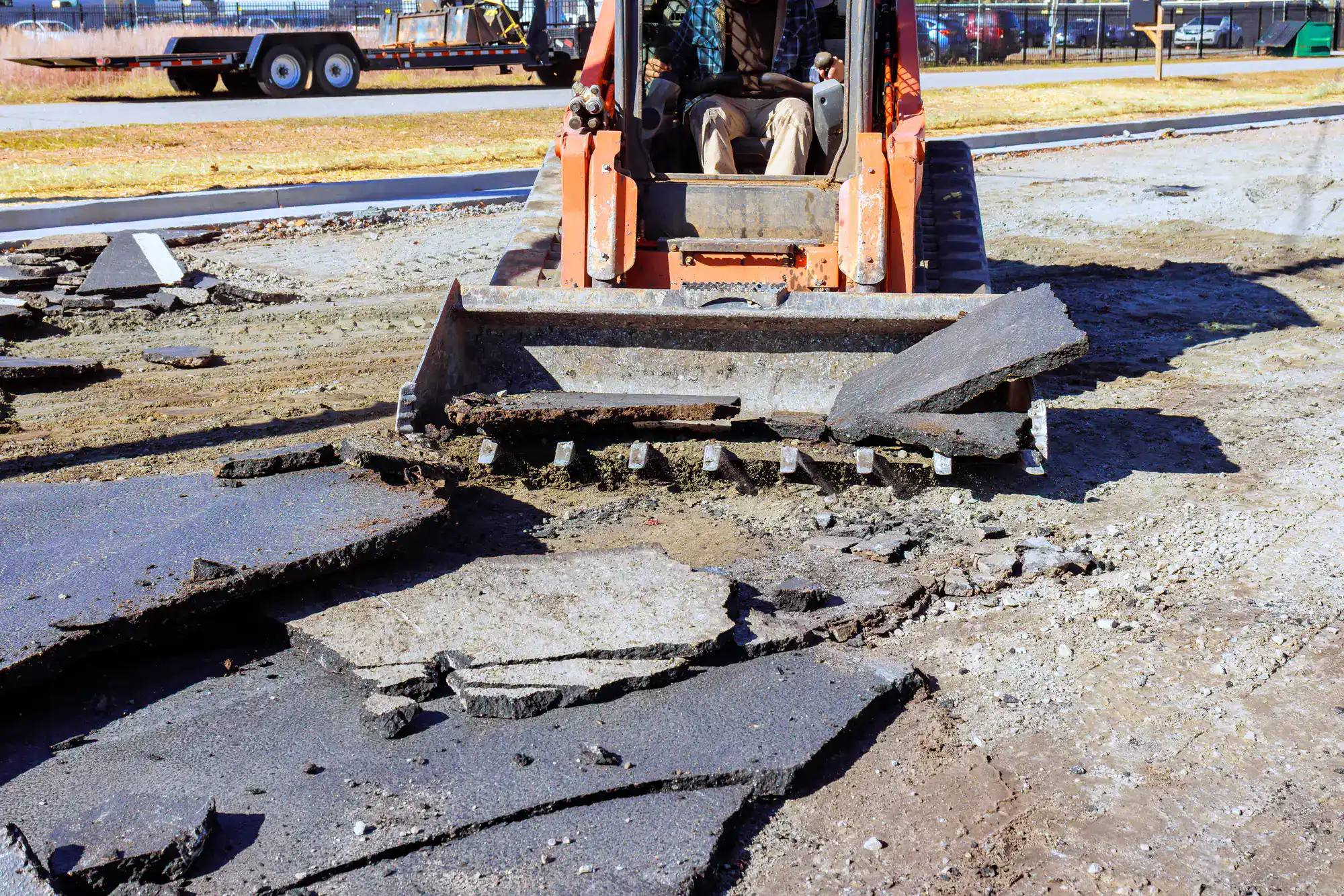
It starts with a free estimate. We come out, walk the property, and assess the full scope — not just what you want removed, but what’s likely inside the walls, floors, and ceilings based on the home’s age and construction. For pre-1978 homes in Blue Bell, that assessment includes a serious look at lead and asbestos risk before any pricing is finalized. You deserve to know what you’re dealing with before anyone swings a tool.
If hazardous materials are present, certified abatement happens first. We use HEPA filtration systems and negative air pressure containment during all abatement work — which means asbestos fibers and mold spores don’t migrate into the rest of your home through your HVAC system. This step also includes handling the PA DEP notification requirements and pulling the necessary demolition permits through Whitpain Township, which issues all building permits for Blue Bell. Permit processing typically runs up to 15 business days, and we manage that paperwork as part of the job.
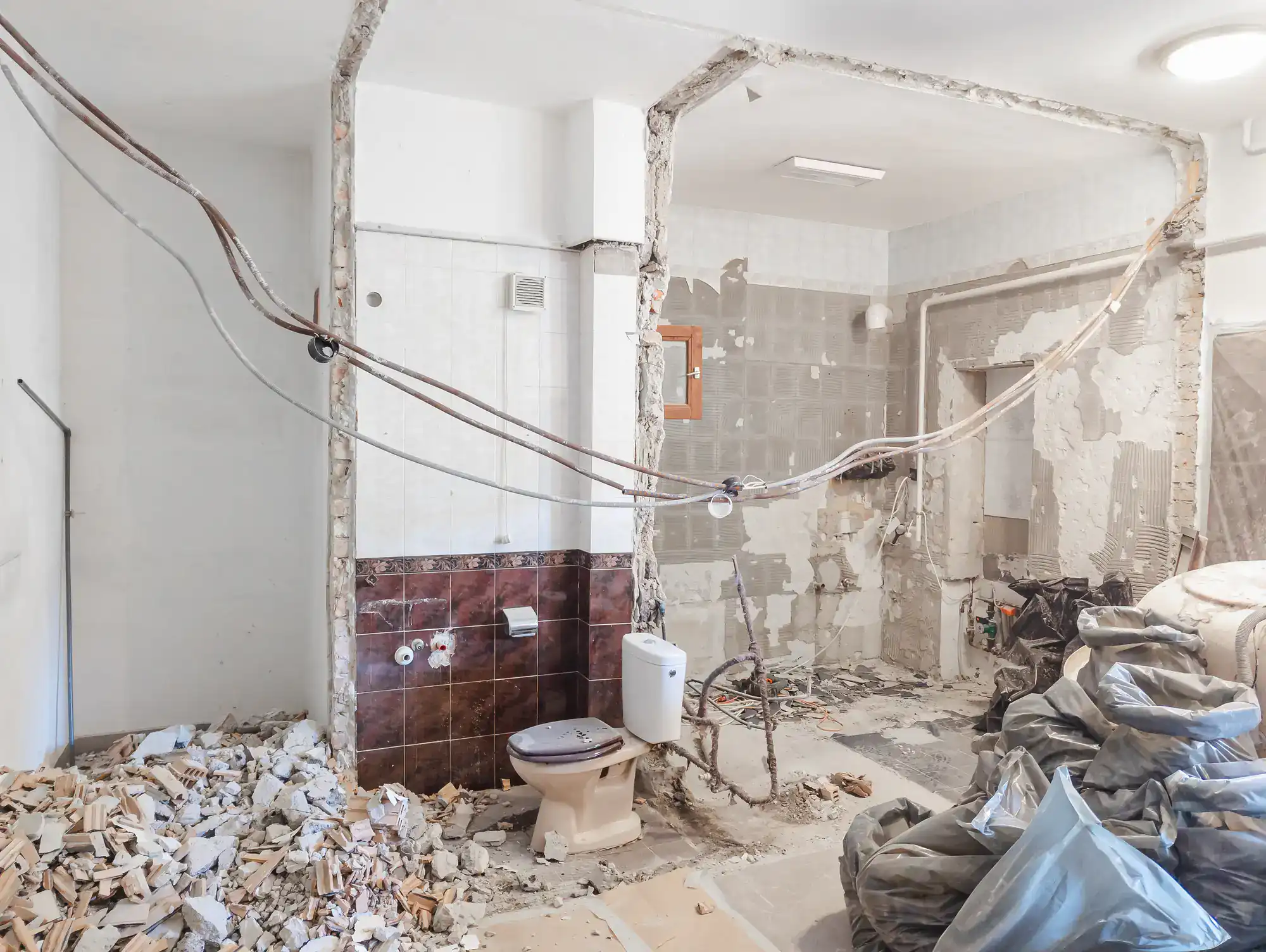
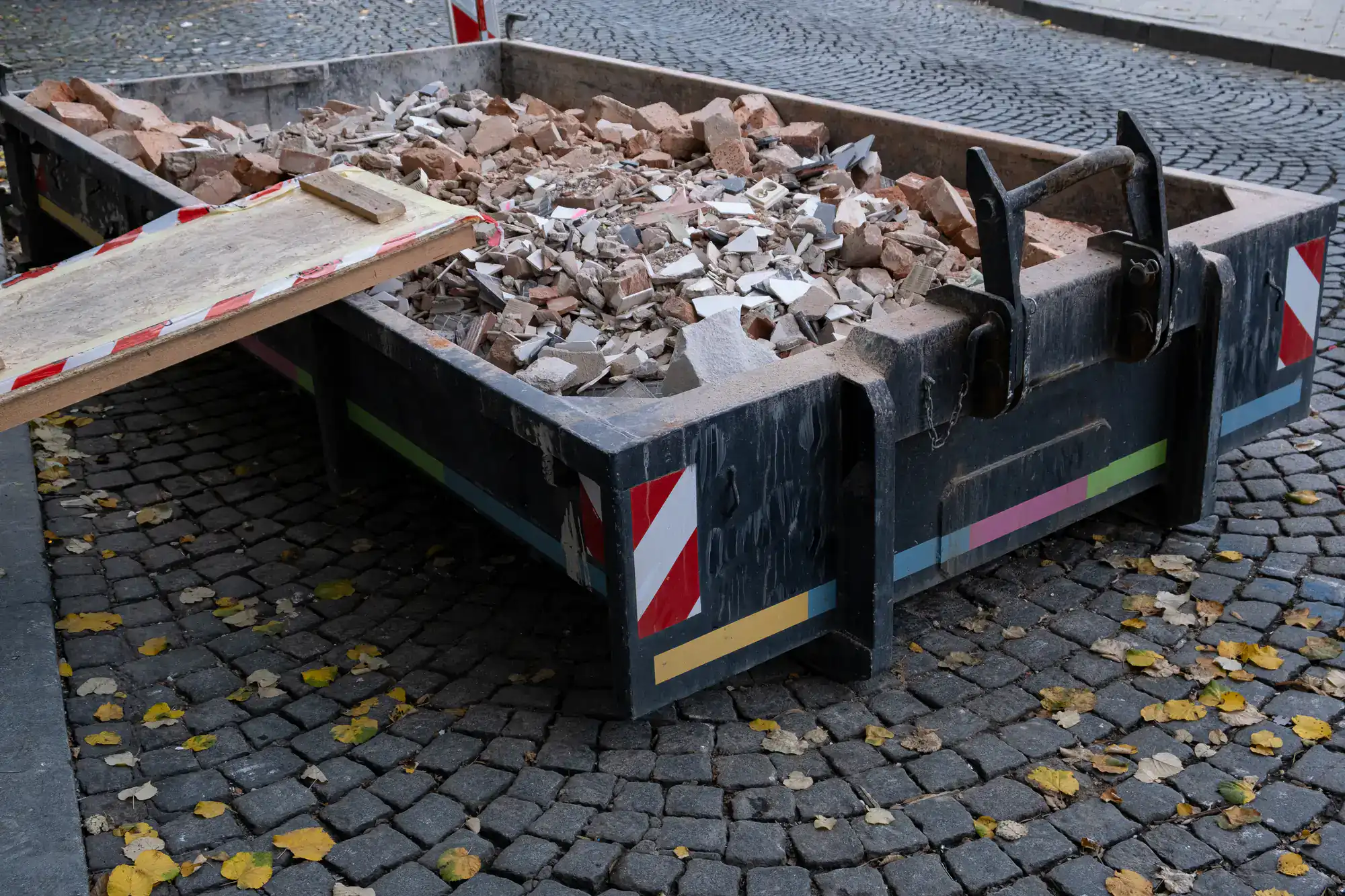
Once the hazmat is cleared and permits are in hand, demolition and gutting proceed on a clean, compliant site. Debris removal and disposal are included — you’re not left with a dumpster full of materials and a contractor who’s already moved on to the next job. From the first call to the final cleanup, it’s one team, one timeline, one point of contact.
Ready to get started?
We cover the full range of what a demolition project in Blue Bell can require. Interior demolition and gutting, full structural teardown, asbestos abatement, lead paint removal and remediation, mold remediation, water damage restoration, waterproofing, and construction debris removal — all handled in-house, not farmed out. For a community where a meaningful share of homes sit on the older end of the pre-1978 threshold, having a contractor who can legally test and certify hazardous conditions — not just work around them — is the difference between a project that closes clean and one that creates legal and health exposure down the road.
Water damage is another area where Blue Bell homeowners call us regularly. The Wissahickon watershed and Stony Creek run through and around Whitpain Township, and seasonal flooding from spring snowmelt, heavy rain events, and the occasional tropical storm remnant is a real and recurring issue in this area. Frozen pipe bursts during winter add to the emergency call volume. When water gets into walls and insulation in an older Blue Bell home, mold follows within 24 to 48 hours — and that mold often shares space with materials that require certified abatement before remediation can begin.
We’re available 24 hours a day, 7 days a week for emergency calls. Free estimates are available for all project types. Cash discounts are offered, and we serve all of Montgomery County, including every neighborhood and subdivision in and around Blue Bell.

Yes — and because Blue Bell is a census-designated place within Whitpain Township, all demolition and building permits are issued by Whitpain Township, not a standalone city or borough. The Township’s code enforcement office at 960 Wentz Road handles permit applications, and residential permits typically take up to 15 business days to process from the date of receipt. That timeline can vary depending on project complexity and current department workload, so it’s worth accounting for it when you’re planning a project start date.
We handle the permit process on your behalf as part of the job. That includes calculating the correct fees based on the Township’s fee schedule, submitting the application with the proper documentation, and making sure work doesn’t begin before the permit is issued. Skipping permits on a demolition job in Whitpain Township isn’t just a code violation — it can trigger stop-work orders, fines, and serious complications if you ever go to sell the property.
If your home was built before the mid-1970s, there’s a real and meaningful chance it contains asbestos-containing materials. Asbestos was widely used in floor tiles, ceiling tiles, pipe insulation, joint compound, roofing materials, and HVAC duct wrap — all common in the mid-century construction that’s well represented in Blue Bell’s older Colonial and ranch-style homes. You won’t know it’s there by looking at it. It has to be tested by a certified inspector.
Under Pennsylvania’s Asbestos Occupations Accreditation and Certification Act, any project abating friable asbestos material above a certain threshold requires at least a five-day notification to PA DEP, along with a filing fee — currently $300, rising to $400 in January 2026. We’re certified to perform the inspection, identify what’s present, handle the notification and abatement, and document the clearance. Getting that testing done before demolition begins isn’t optional if you want to stay compliant — and it protects your family during the work.
A standard demolition contractor shows up, tears things down, and hauls debris. That’s the job. The problem is that in an older Blue Bell home — one built in the 1960s or earlier — what’s inside the walls, floors, and ceilings can legally require certified handling before anyone starts swinging. A contractor without EPA Certified Lead Inspector and Risk Assessor credentials can’t legally test and certify lead conditions. A contractor without asbestos certification can’t perform compliant abatement. And a contractor who doesn’t pull permits from Whitpain Township is leaving the homeowner exposed.
We hold the full stack of credentials: EPA Certified Lead Inspector and Risk Assessor, EPA/HUD compliance for pre-1978 residential properties, asbestos abatement certification, and full licensing, bonding, and insurance in Pennsylvania. The practical result for you is that one company handles the entire project — from initial hazmat assessment through final debris removal — without you having to coordinate multiple contractors or wonder whether the work was done to code.
Start by calling a contractor who can assess the full damage, not just the visible water. When a pipe bursts inside a wall or ceiling of an older Blue Bell home, the water saturates drywall, insulation, and framing — and mold begins forming within 24 to 48 hours. If the home was built before the late 1970s, that wet insulation may also contain asbestos, which means the water damage restoration process has to account for certified abatement before the gutting begins. Treating it as a simple drywall replacement job is how homeowners end up with a mold problem six months later.
We handle emergency water damage response with 24/7 phone availability — not a voicemail, not a callback queue. We assess the scope of damage, identify any hazmat concerns in the affected area, and develop a remediation plan that covers abatement, gutting, drying, and waterproofing in a single engagement. For Blue Bell homeowners near the Wissahickon watershed or in lower-lying areas prone to seasonal flooding, having a contractor on call who can respond to this specific combination of issues is worth knowing about before the emergency happens.
Interior demolition in the Blue Bell area typically runs in the range of $4 to $10 per square foot for standard gut work, but the real number depends heavily on what’s in your specific home. Permit fees from Whitpain Township, PA DEP asbestos notification fees, hazmat abatement costs, and debris disposal all affect the final scope. A 1,500 square foot gut on a clean, post-1978 home is a very different project than the same square footage in a 1955 Colonial where testing reveals asbestos floor tiles and lead paint on every surface.
The most useful thing you can do is get a free, itemized estimate before committing to anything. We provide written estimates that break down labor, permits, hazmat handling, debris removal, and cleanup separately — so you know exactly what you’re paying for and why. Cash discounts are available, which can make a meaningful difference on a larger project. There are no surprise charges added after the contract is signed.
Yes, we offer cash discounts, and it’s a straightforward benefit — when payment processing fees aren’t part of the transaction, that savings gets passed directly to the customer rather than absorbed as overhead. For a Blue Bell homeowner managing a significant renovation budget on a high-value property, the difference on a mid-to-large scope project is real money.
It’s also worth noting that Blue Bell’s demographic is largely made up of financially sophisticated homeowners — professionals, executives, and business owners who are used to optimizing costs where it makes sense. Asking about a cash discount when you call for your free estimate is a completely normal part of the conversation. We’re transparent about pricing from the first call, and the cash option is one of several ways we keep the total cost reasonable without cutting corners on the certified work that actually protects your home and your family.
Other Services we provide in Blue Bell