Hear from Our Customers
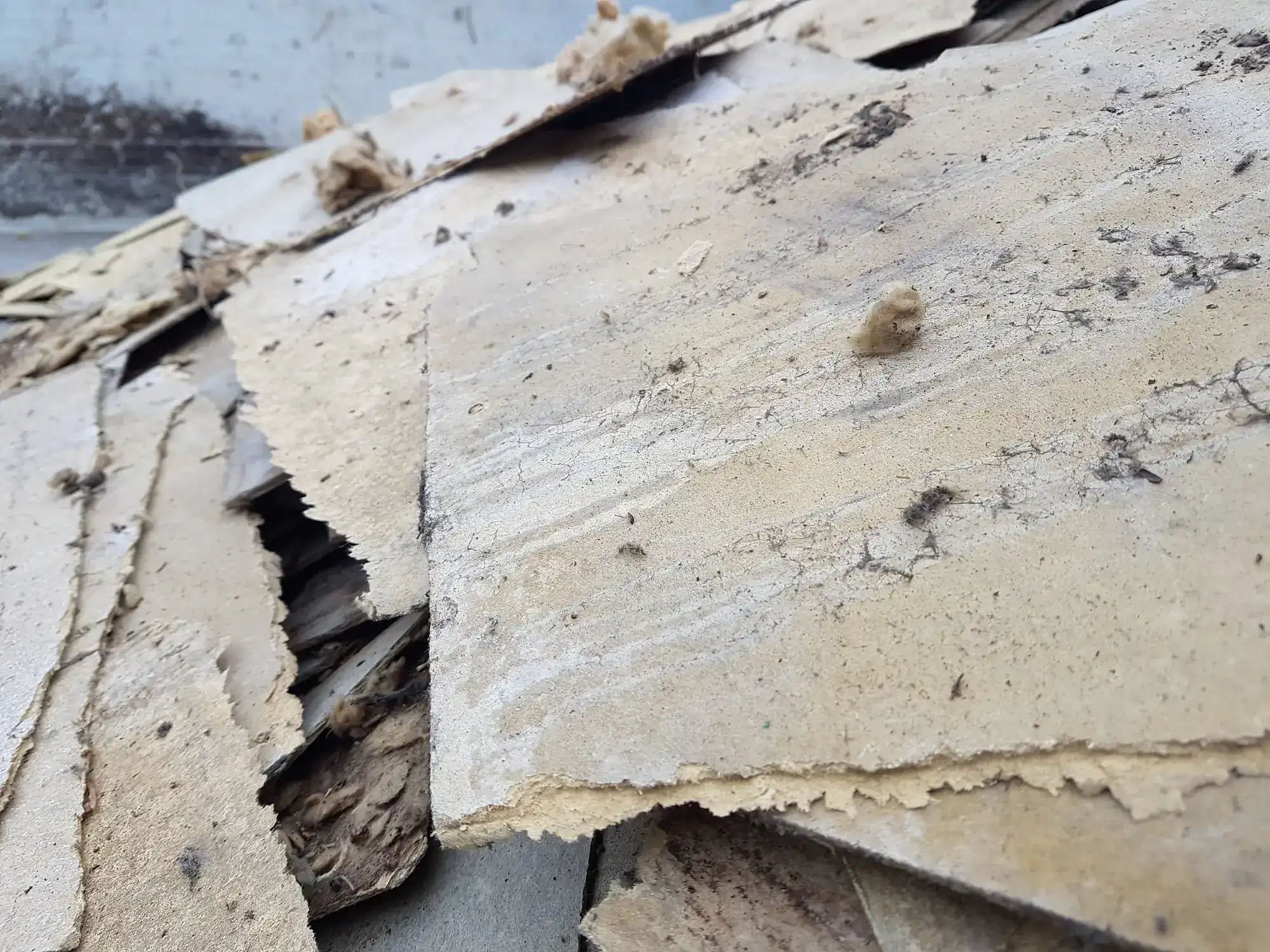
Blue Bell’s housing stock tells the story pretty clearly. The median construction year here is 1983, and the bulk of homes were built between the 1950s and early 1980s — right in the window when asbestos was used in everything from floor tiles and pipe wrap to acoustic ceilings and HVAC insulation. If you’re pulling up old flooring, opening walls, or replacing a furnace in a home off Skippack Pike or DeKalb Pike, there’s a real chance you’re going to encounter it.
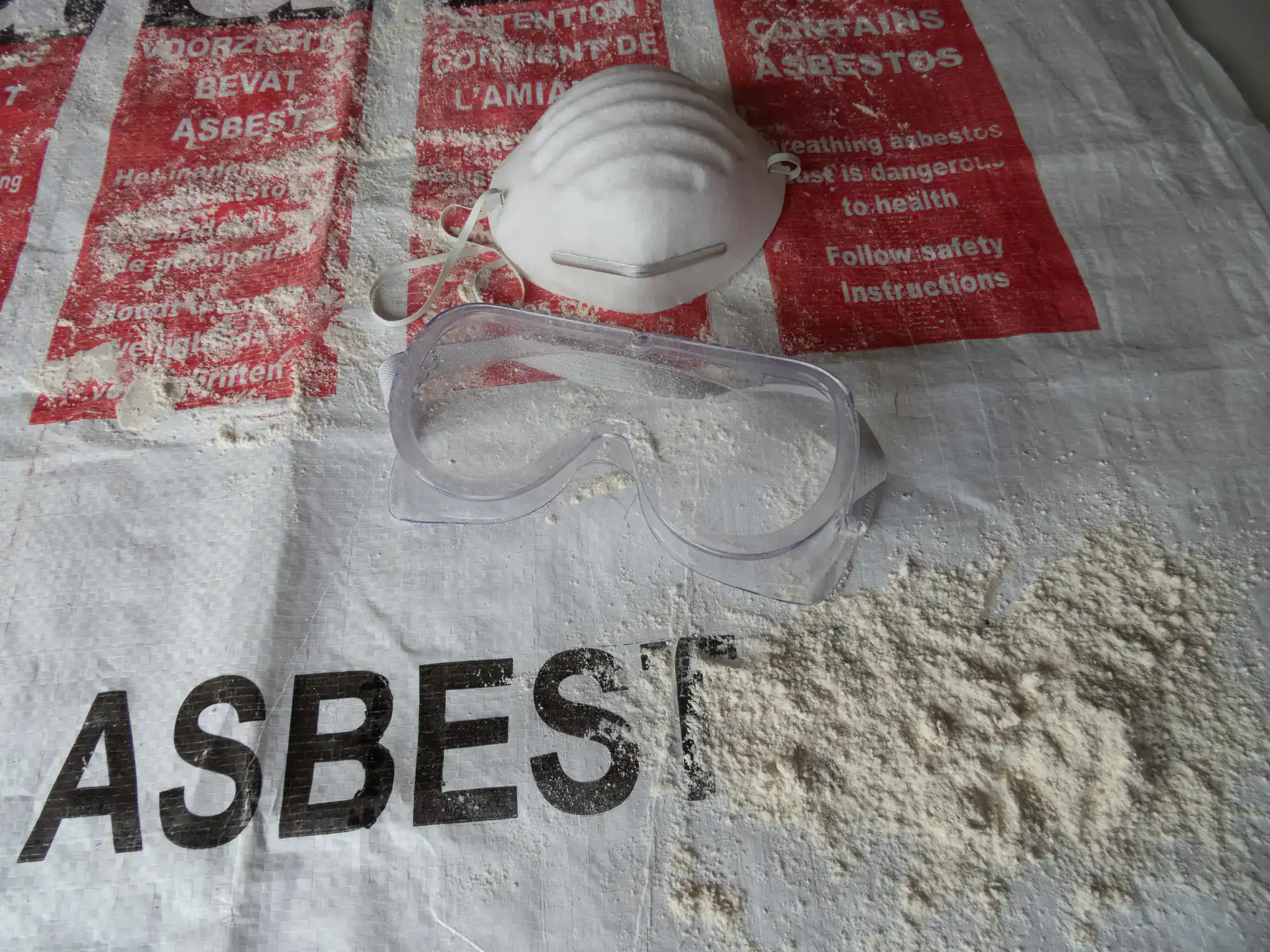
What changes after proper abatement isn’t just air quality — it’s peace of mind. You’re not second-guessing whether the contractor you hired actually contained it properly, or wondering if fibers migrated to the bedroom down the hall. When the job is done right, with real containment, HEPA filtration, and a post-clearance air test, you walk away with documentation that proves it.
That matters even more in a market like Blue Bell, where homes regularly sell for $600,000 to well over $800,000. Buyers and their inspectors ask questions. Having a clean, documented abatement record from a licensed contractor protects your investment — and your closing timeline. Blue Bell’s real estate market moves fast, typically around 30 days from listing to offer. You don’t have time for a contractor who doesn’t know what they’re doing.
We’ve been doing licensed asbestos abatement, lead inspection, mold remediation, and demolition work in Montgomery County for twenty years. That means we know the housing stock along Penllyn-Blue Bell Pike. We know the Whitpain Township code enforcement process. We know how to file asbestos abatement notifications with the PA DEP’s Southeast Regional Office — and we’ve done it hundreds of times.
This isn’t a company that added Blue Bell to a service area map as an afterthought. Montgomery County is our home territory, and we describe ourselves as the most referred environmental contractor in the county. We’re fully licensed under the Pennsylvania Asbestos Accreditation and Certification Act, EPA and HUD compliant, and carry a Certified Lead Inspector and Risk Assessor on staff — not just a crew with general certification, but someone who can assess the full picture of what’s in your home.
We’re also fully bonded and insured. In a community where properties carry the kind of value Blue Bell homes do, that’s not a checkbox — it’s protection you actually need.
It starts with a call — and because we’re available 24/7, that call can happen the moment you find something suspicious mid-renovation, not the next business morning. From there, we schedule a free estimate and inspection. If testing confirms asbestos-containing materials, you get a clear abatement plan before any work begins. No surprises, no hidden scope.
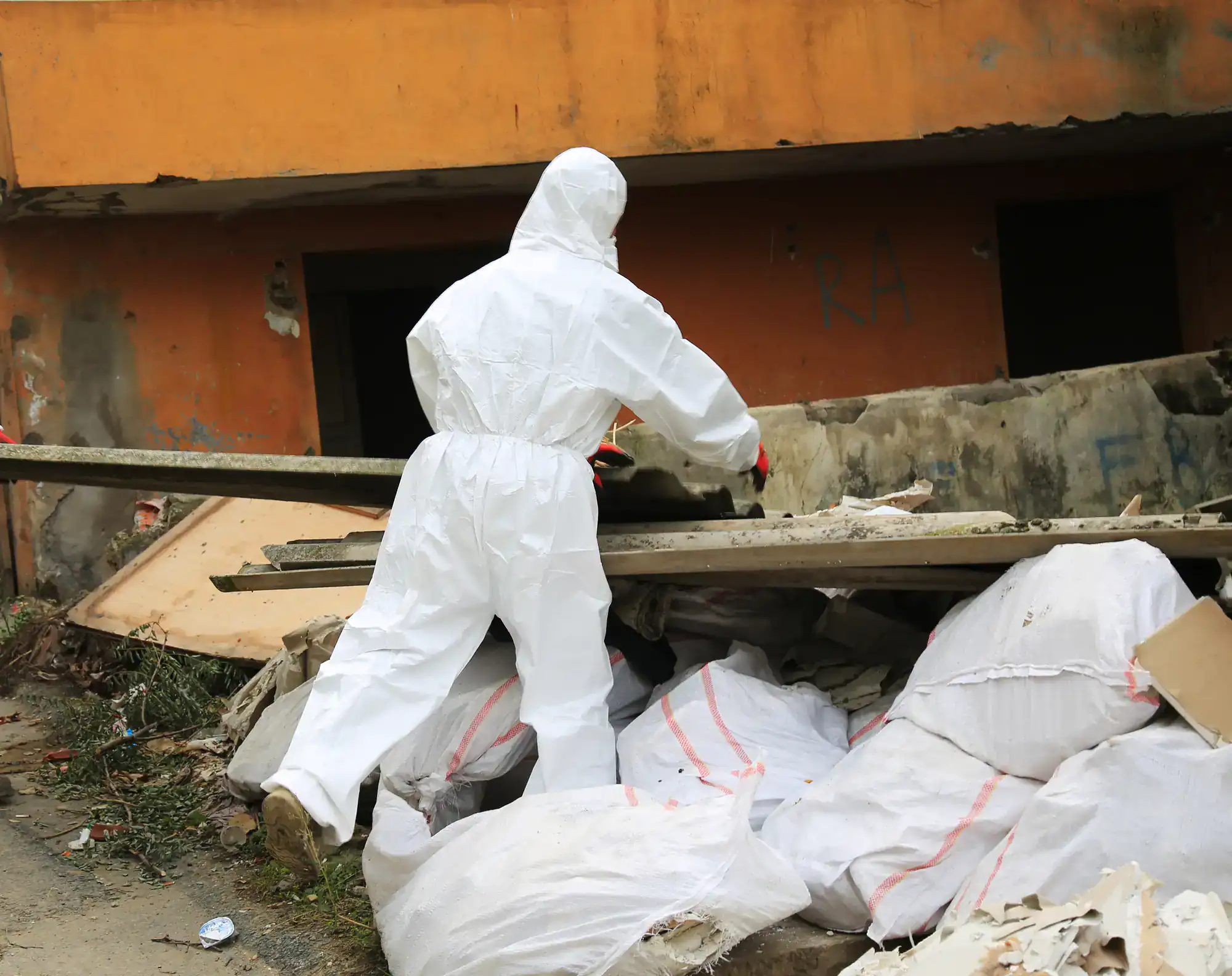
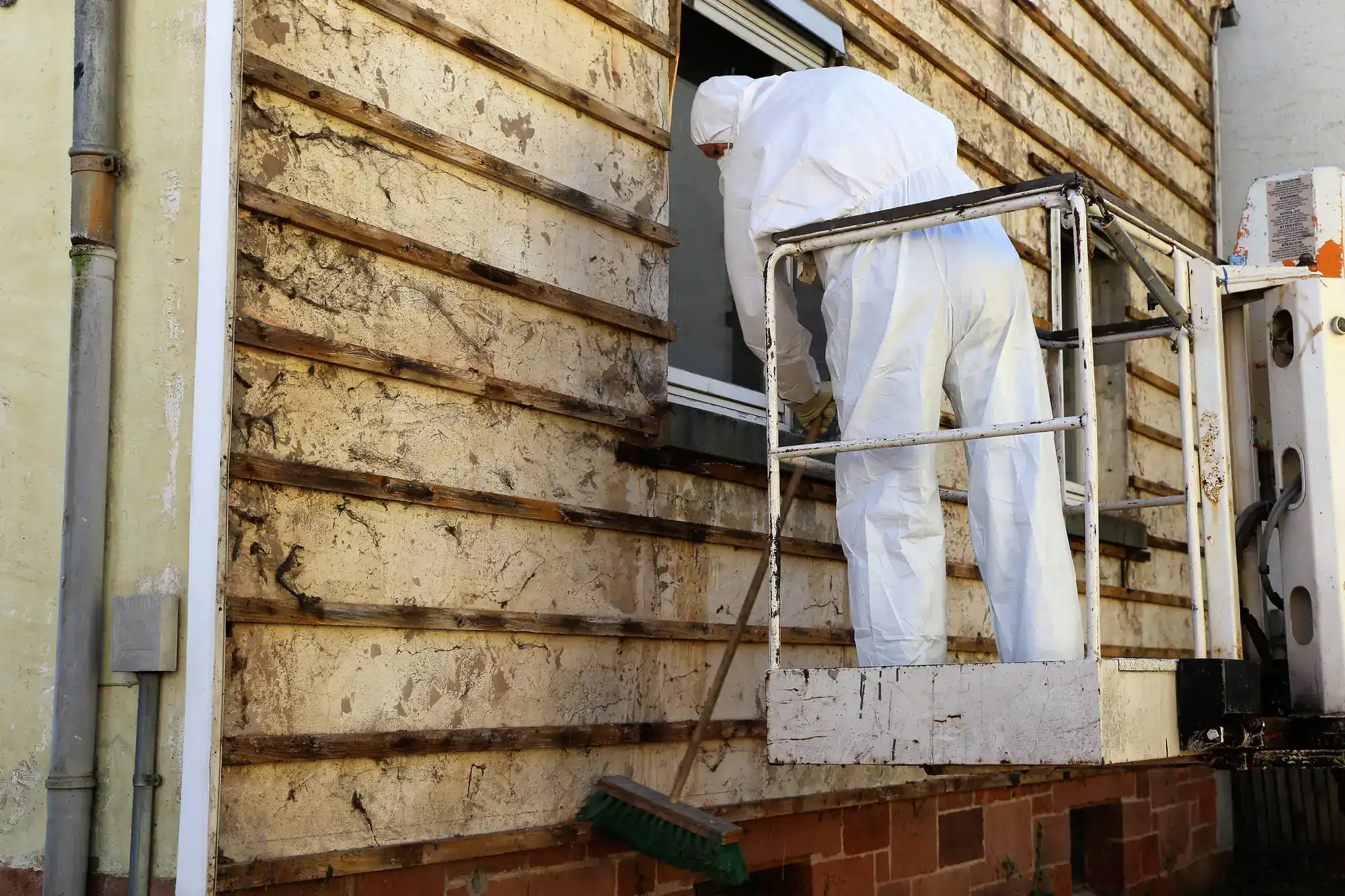
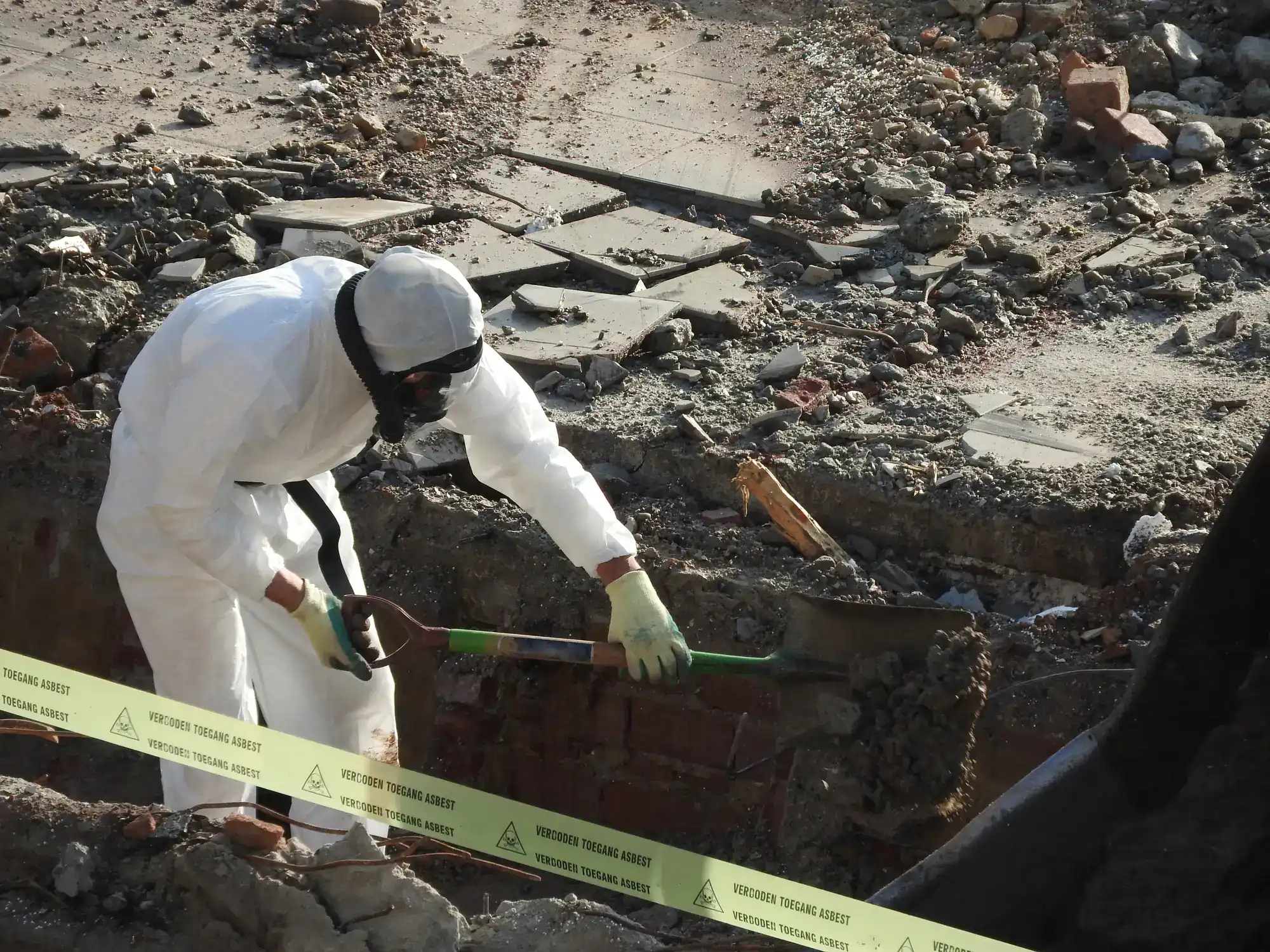
On the job itself, our crew establishes full containment around the affected area — negative air pressure, plastic barriers, and HEPA filtration systems running throughout the removal. Wet suppression methods keep fibers from becoming airborne during the process. For larger Blue Bell homes, where a single job might involve floor tiles in three rooms, pipe wrap in the basement, and acoustic ceiling treatment in a finished lower level, we manage the full scope as one coordinated project rather than three separate calls.
Once removal is complete, a post-abatement clearance air test confirms the area is clean before containment comes down. You get the documentation — lab results, clearance confirmation, the works. For projects in Whitpain Township, we also handle the PA DEP Southeast Regional Office notification requirement, which carries a $400 filing fee as of January 2026. That’s one less thing you need to figure out while managing a renovation.
Ready to get started?
Asbestos rarely shows up alone in a mid-century Blue Bell home. It’s usually the floor tiles and the pipe wrap, or the acoustic ceiling and the HVAC duct insulation, and sometimes there’s lead paint on the original trim and mold in a basement that’s been holding moisture for forty years. We handle all of it — asbestos inspection, testing, and abatement; lead inspection and removal; mold sampling and remediation; full demolition and gutting; waterproofing; and environmental clean-outs.
That one-stop model matters when you’re managing a major renovation in a large home. Blue Bell has a higher proportion of four, five, and six-bedroom homes than 98% of American communities — these aren’t small jobs, and coordinating three separate environmental contractors on a property this size creates real scheduling and liability complications. Having one licensed, experienced team handle the full scope keeps the project moving and keeps accountability in one place.
We also offer cash discounts and free estimates, which means you can find out exactly what you’re dealing with before committing to anything. Given that the BoRit Superfund site in Ambler — less than four miles from Blue Bell — is one of the more visible reminders of this region’s documented asbestos history, working with a contractor who understands the local environmental context isn’t just smart. It’s the standard Blue Bell homeowners should expect.

Almost certainly worth finding out. Homes built in Blue Bell during the 1970s and into the early 1980s were constructed during the tail end of widespread asbestos use in residential building materials. Vinyl floor tiles, sheet flooring adhesive, pipe and boiler insulation, acoustic ceiling texture, joint compound, and HVAC duct wrap were all commonly manufactured with asbestos during this period. The median construction year for Blue Bell homes is 1983, which means the majority of the housing stock here falls squarely in that window.
The important thing to understand is that asbestos in good condition and left undisturbed doesn’t necessarily require immediate removal. The risk comes when those materials are disturbed — during a renovation, a demolition, or even an aggressive repair. If you’re planning any work on a home built before 1985, testing before you start is the right call. It’s not expensive, it doesn’t take long, and it gives you a clear picture of what you’re working with before a contractor inadvertently breaks something open.
Pennsylvania requires all asbestos abatement contractors to be licensed under the Pennsylvania Asbestos Accreditation and Certification Act, administered by the PA Department of Labor and Industry. That licensing is not optional, and Montgomery County’s own official guidance is direct on this point — asbestos removal must be performed by a licensed contractor, period. The county also explicitly states that asbestos materials are not accepted at county Household Hazardous Waste events, which means there’s no shortcut here.
When you’re vetting a contractor, ask specifically for their PA DL&I license number and their EPA compliance documentation. A legitimate contractor will have both and won’t hesitate to provide them. You should also ask whether they carry a Certified Lead Inspector and Risk Assessor on staff — not just general certification, but that specific credential. In a Blue Bell home where lead paint and asbestos often coexist, especially in pre-1978 construction, that distinction matters. We carry all of the above and are fully bonded and insured on top of it.
It creates urgency, and how you handle it determines whether the deal stays together. Blue Bell’s real estate market is competitive — homes here move in roughly 30 days, and buyers at the $600,000-plus price point come with thorough inspectors and real estate attorneys who know what to look for. If asbestos is flagged during a buyer’s inspection, you’re typically looking at a negotiation over either a price reduction or a contractor-completed abatement before closing.
The better position to be in is having the abatement done before the home goes on the market, with full documentation in hand. A clean clearance air test and a licensed contractor’s completion report are assets in a Blue Bell sale — they remove uncertainty for the buyer and protect your asking price. If you’re already under contract and asbestos has just been discovered, our 24/7 availability and emergency response service means you’re not waiting days for a callback while your closing date sits on the calendar.
For most residential asbestos abatement jobs, yes — you should plan to be out of the affected area of the home during the work, and in many cases out of the home entirely, depending on the scope and location of the materials being removed. The containment setup creates negative air pressure in the work zone, which is designed to prevent fibers from migrating to other areas of the home, but it’s still not a situation where you want family members walking through adjacent hallways.
How long it takes depends heavily on what’s being removed and how much of it there is. A single room of vinyl floor tile is a different job than a basement full of pipe wrap and boiler insulation in a large Blue Bell colonial. We’ll walk you through the timeline during the estimate so you can plan accordingly. For larger homes — and Blue Bell has a lot of them — having a clear schedule matters, especially if you’re coordinating with a general contractor who has their own timeline waiting on the abatement to be completed first.
Nationally, residential asbestos abatement typically runs between $1,200 and $3,200 for a standard job, though larger scopes — multiple rooms, extensive pipe wrap, or a full basement — can push higher. In Blue Bell specifically, where homes tend to be larger than average and often present multiple types of asbestos-containing materials in the same property, it’s not unusual for the full scope to exceed what a smaller suburban home would cost.
The most important thing you can do is get a free estimate before assuming the worst or the best. We offer free estimates with no obligation, which means you find out the actual number before committing to anything. We also offer cash discounts. The PA DEP also charges a $400 notification fee for asbestos abatement projects in Montgomery County as of January 2026 — that’s a real line item to factor into your budget, and a contractor who doesn’t mention it upfront is one worth questioning.
The BoRit Superfund site in Ambler is a federally designated asbestos waste cleanup area located less than four miles from Blue Bell. It’s a legacy of the Keasbey and Mattison Company, one of the country’s largest historical asbestos manufacturers, which operated in Ambler for decades. Montgomery County has administered loan funds specifically for cleanup at that site, which reflects how seriously the county takes the regional asbestos legacy.
For Blue Bell homeowners, the BoRit site itself isn’t a direct threat to your property — the Superfund cleanup addresses the disposal site, not residential neighborhoods. But it does underscore something worth understanding: this region has a longer and more documented relationship with asbestos than most suburban Philadelphia communities. That context is one reason why working with a contractor who genuinely knows Montgomery County — its housing stock, its regulatory framework, its history — matters more here than it might elsewhere. It’s not a reason to panic. It is a reason to take the testing and abatement process seriously and use someone who does the same.
Other Services we provide in Blue Bell