Hear from Our Customers
Most of the homes in Abington — the stone colonials in Rydal, the Tudor revivals near Meadowbrook, the split-levels off Easton Road — were built somewhere between 1920 and 1950. That’s not just a fun fact. It means there’s a very real chance that the wall you want torn out has asbestos behind it, or the floor you’re pulling up has lead paint underneath. When a contractor shows up without the right certifications and tears into that material anyway, you’ve got a health problem on top of a construction project.
When the right crew shows up, the process looks completely different. Before anything gets touched, you know exactly what you’re dealing with. Testing happens first. If hazardous materials are present, they’re abated safely — contained, removed, and documented properly — before demolition begins. There’s no guessing, no cutting corners, and no moment three weeks later where you’re wondering if your family was exposed to something they shouldn’t have been.
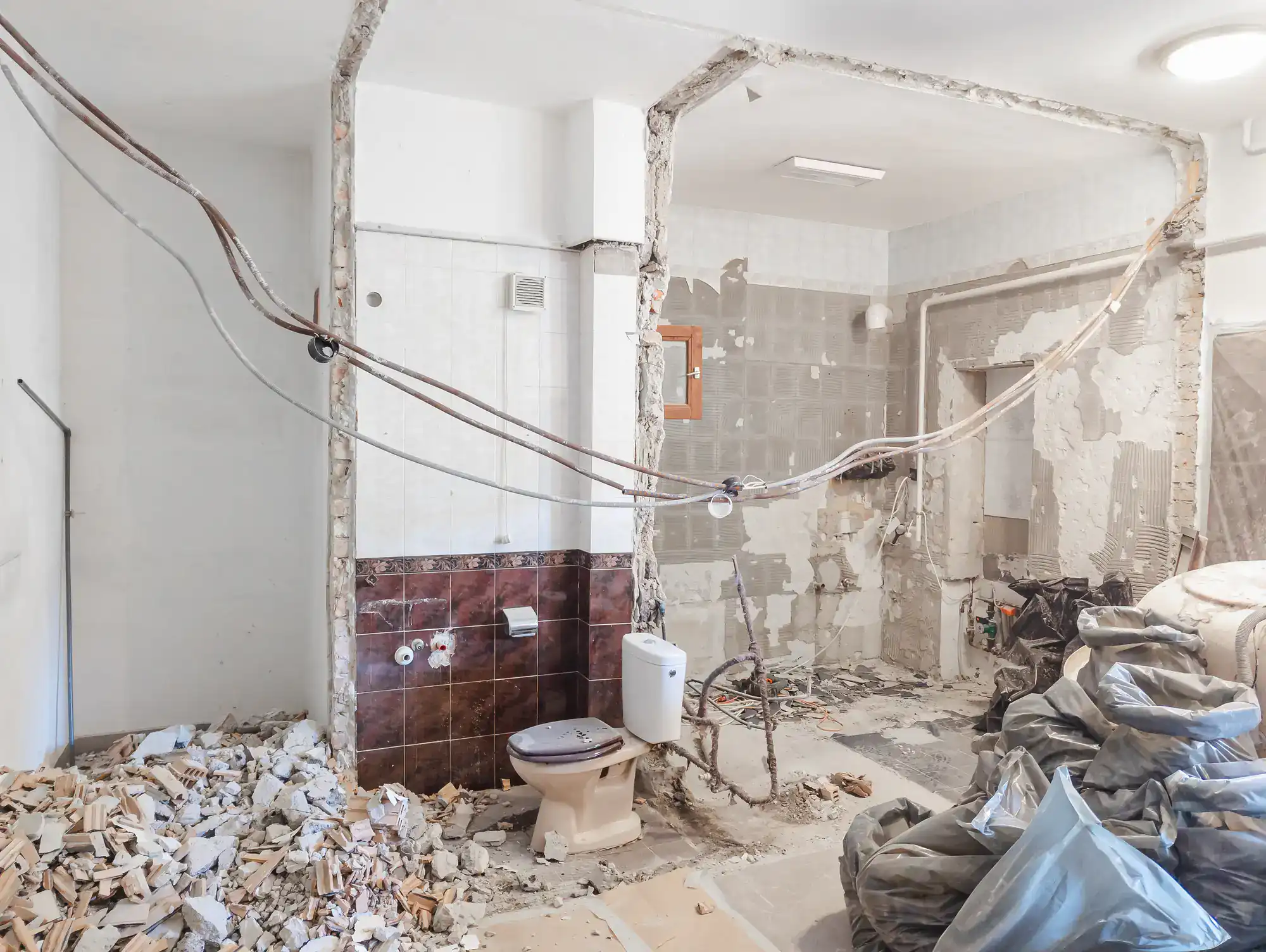
For homeowners in Abington dealing with water damage, that sequence matters even more. The township’s clay-heavy soil and the drainage patterns around Pennypack Creek mean basement flooding isn’t a rare event here. When water gets into a 1940s home and sits in the walls, mold follows fast. Getting a crew in quickly — one that can gut the affected area, test for what’s behind the walls, and start the remediation process without handing you off to three different vendors — is the difference between a contained problem and a much larger one.
We operate out of Glenside, which sits right inside Abington Township. That’s not a service area claim — that’s a commute. Our team has been working on pre-1978 homes across Abington and Montgomery County for over 20 years, which means the stone colonials near Rydal, the older ranchers off Huntingdon Pike, and the brick rowhouses around Willow Grove aren’t unfamiliar territory. They’re Tuesday.
We hold EPA Certified Lead Inspector and Risk Assessor credentials — federal qualifications that go well beyond the basic renovation permit most contractors carry. We’re also HUD-compliant, fully licensed, bonded, and insured. Every job site has a licensed professional on-site throughout the project, not a crew dropped off and left unsupervised. And because emergencies don’t keep business hours, the phone is answered 24 hours a day, seven days a week.
It starts with a free estimate. Someone from our team comes out, walks the space with you, and gives you a clear, written scope of work before anything is agreed to. No vague verbal quotes, no numbers that shift after you’ve already said yes. If the project involves a pre-1978 structure — which describes most of Abington’s residential housing stock — environmental testing happens before demolition begins. That means checking for asbestos-containing materials, lead paint, and any other hazardous conditions that need to be addressed before walls come down.
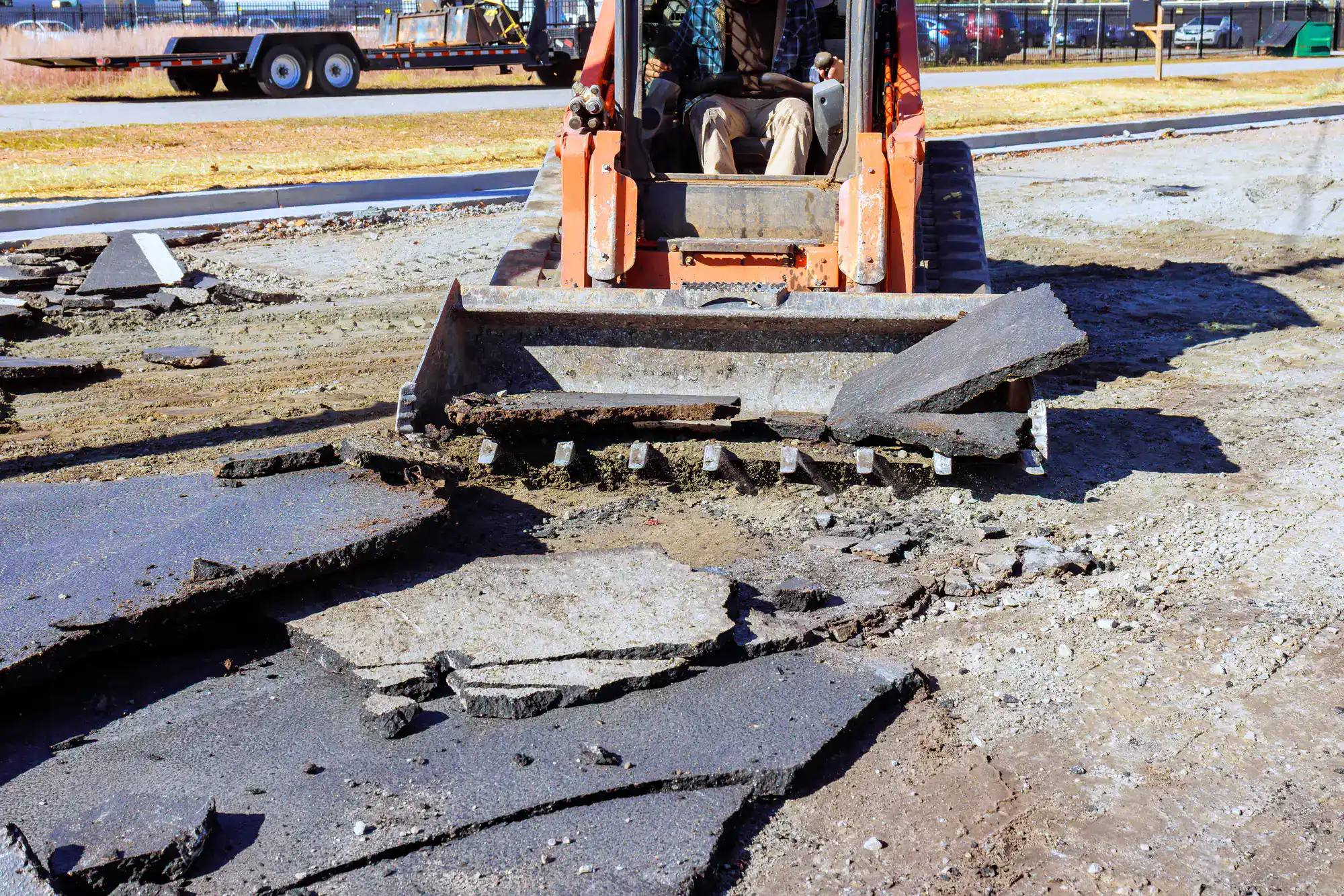
Once testing is complete and any abatement work is handled, the demolition phase begins. For projects in Abington Township, that means pulling the required demolition permit and preparing the NFPA 241 fire prevention plan the township requires as part of the application. As of July 2025, Abington processes all permits digitally, and we handle that process on your behalf. You don’t need to figure out the township’s online system — that’s part of the job.
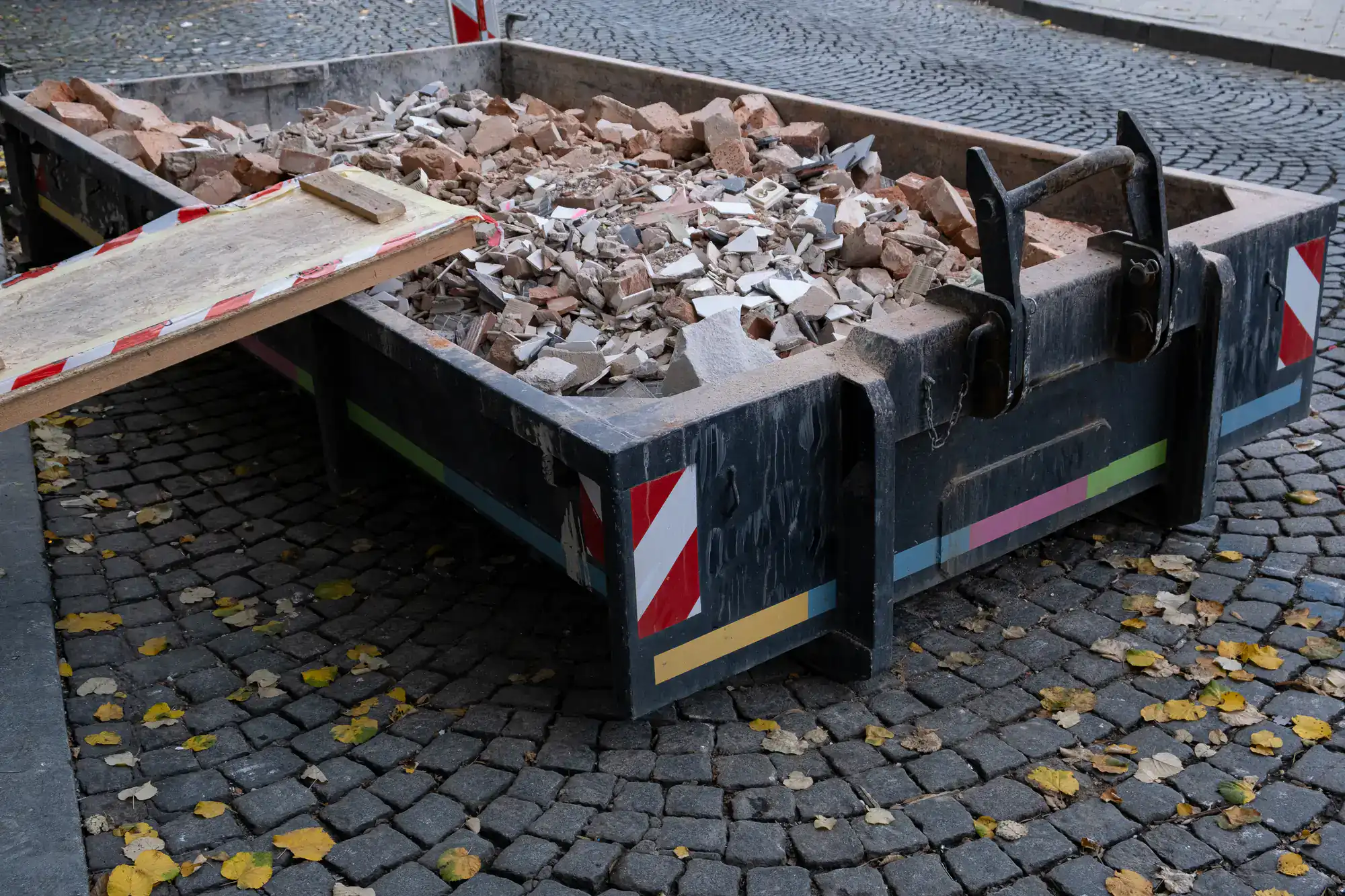
After the structural work is done, debris is removed and the space is cleaned. If the project involved water damage — gutting a flooded basement, removing mold-compromised drywall, opening up a wall after a pipe burst — we can continue into waterproofing and restoration without handing you off to another company. The whole sequence, from the first test to the final walkthrough, stays under one roof.
Ready to get started?
The core of what we do is remove the guesswork from working on older homes. That means environmental testing and inspection, asbestos abatement, lead paint removal, interior demolition and gutting, mold remediation, water damage restoration, waterproofing, above-ground oil tank removal, construction debris removal, and HEPA-filtered air containment during any abatement work. In Abington, where the dominant housing stock is stone, stucco, and brick construction from the 1920s through the 1950s, most renovation or demolition projects touch more than one of those categories.
For Abington homeowners specifically, the oil tank piece is worth calling out. A significant number of older homes in the township were originally heated with oil, and above-ground tanks that are no longer in use still need to be properly removed and disposed of before renovation or sale. We handle that too — no need to find a separate contractor for it.
The one-stop model isn’t a marketing angle. It’s a practical answer to how these projects actually unfold in older homes. You start pulling a wall and find pipe insulation that needs to be tested. You open a ceiling and find mold from a slow leak nobody knew about. You pull up a floor and find asbestos tile under the vinyl. Having a single crew that’s certified and equipped to handle each of those situations — without stopping the project to coordinate additional vendors — keeps the timeline moving and the cost predictable. Free estimates are available, and cash discounts apply.

Yes — Abington Township requires a demolition permit for any partial or full structural demolition, including interior walls that affect the structure of the building. As part of that application, the township also requires an NFPA 241 fire prevention plan, which outlines the basic fire safety measures that will be in place during the project. As of July 1, 2025, Abington Township processes all permits through a fully digital system, so paper applications are no longer accepted.
This is one of the areas where working with a licensed, locally-based contractor makes a real difference. We handle the permit application, prepare the NFPA 241 documentation, and navigate Abington’s digital system on your behalf. An unlicensed contractor who skips the permit process is leaving you exposed to code violations, potential fines, and complications if you ever go to sell the property. The permit requirement exists for good reason — and it’s not something you want to find out was skipped after the fact.
The honest answer is that you don’t know until you test. If your home was built before 1978 — which covers the vast majority of Abington’s residential housing stock, since most of the township’s homes were constructed between 1920 and 1950 — there’s a meaningful probability that asbestos-containing materials are present somewhere in the structure. Common locations include floor tiles, pipe and duct insulation, roofing materials, joint compound, and textured ceiling finishes.
The only way to confirm is through a certified inspection and material sampling. We hold EPA Certified Lead Inspector and Risk Assessor credentials, which legally authorize us to inspect, test, and certify conditions — not just remove materials. That distinction matters. A contractor who can only remove what they find is different from a contractor who can formally assess and document what’s there, which is what you need for insurance purposes, real estate transactions, and regulatory compliance. If you’re planning any renovation in a Rydal stone colonial or a Crestmont split-level, testing before demolition starts is the right first step.
This is actually one of the most common scenarios we handle in Abington, and it’s exactly the situation where having a single contractor matters most. When water gets into an older home — whether from a burst pipe in February, a backed-up drain during a heavy rain event, or Pennypack Creek-area flooding — it doesn’t stay contained. It moves into walls, under floors, and behind finishes. In a home built in the 1930s or 1940s, that water is often sitting against materials that contain asbestos or lead.
The sequence in that situation has to be done in the right order. You can’t gut a mold-affected wall without first determining whether the wall contains hazardous materials. You can’t remediate mold if the source of moisture hasn’t been addressed. We handle each step in the correct order — testing, abatement if needed, gutting, mold remediation, and waterproofing — without handing you off between contractors. Mold begins forming within 24 to 48 hours of moisture exposure, so the speed of that response matters. The 24/7 availability exists precisely for situations like this.
Demolition costs vary based on the scope of the project, the size of the space, and what’s found during the pre-demolition assessment. A straightforward interior gut of a single room in a newer home is a different job than opening up a 1940s stone colonial in Rydal where asbestos abatement and lead paint removal are also required. Those additional services have real costs — certified labor, proper containment, licensed disposal — and any contractor who quotes you a demolition price without accounting for the potential presence of hazardous materials in a pre-1978 home is either not planning to handle them properly or is planning to add them to the bill later.
What you should expect from any legitimate contractor is a written, itemized estimate that breaks down the scope before you agree to anything. We provide free estimates with a clear written scope of work, so there are no surprises on the invoice. Cash discounts are also available, which is genuinely unusual in this category. The more useful question to ask any contractor isn’t just “what’s the price” — it’s “what’s included, what could change that number, and what certifications do you hold to handle what you might find.”
Yes — and frankly, that’s the cleaner way to handle it for most projects in Abington. The alternative is coordinating two separate contractors: one certified abatement firm to handle the hazardous materials, and a separate demolition crew to handle the structural work. That means two schedules to manage, two points of contact, two invoices, and a gap in the middle where one contractor is waiting on the other. In a water damage situation where time is a factor, that gap can cost you.
We’re set up to handle both under one engagement. We hold the federal certifications required for asbestos and lead abatement — EPA Certified Lead Inspector and Risk Assessor, HUD-compliant — and also perform the full demolition and gutting work. Testing, abatement, demolition, debris removal, and waterproofing all stay with the same crew. For homeowners in Abington’s older neighborhoods, where virtually every renovation project has some probability of turning up hazardous materials, that continuity isn’t just convenient. It keeps the project moving on a single timeline with a predictable cost.
Yes — the phone is answered 24 hours a day, seven days a week. Abington’s older housing stock, combined with the township’s clay-heavy soils and the drainage conditions around Pennypack Creek, means water damage events aren’t rare. Pipes burst in February. Basements flood during heavy spring rain. When that happens in a home built in 1938, the clock starts immediately — mold begins forming within 24 to 48 hours of moisture exposure, and the longer the affected material stays in place, the more the damage spreads.
Emergency response in this context means getting someone on the phone right away, getting eyes on the situation quickly, and starting the gutting and assessment process before the problem compounds. Because we operate out of Glenside — inside Abington Township — response times are genuinely faster than a contractor driving in from another county. If you’re dealing with an active water damage situation in Roslyn, Rydal, or anywhere else in the township, calling sooner rather than waiting until Monday morning is always the right move.
Other Services we provide in Abington