Found gray pebble-like insulation in your attic? It's probably vermiculite — and there's a good chance it contains asbestos. Here's what you need to know.
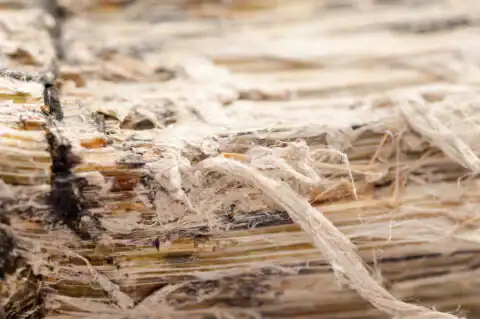
You didn’t go looking for a problem. Maybe a contractor pulled back some old insulation and stopped cold. Maybe your home inspector flagged it the week before closing. Or maybe you were finally finishing that attic and found a layer of gray, pebble-like material you’d never noticed before. Whatever brought you here, the question is the same: is this stuff dangerous, and what do I do about it?
The short answer is yes, it likely is — and no, this isn’t something you want to handle yourself. Here’s what you actually need to know.
Vermiculite is a naturally occurring mineral that expands when heated, making it lightweight and good at trapping air. For decades, it was sold as attic insulation under brand names like Zonolite. It was cheap, easy to install, and widely available at hardware stores — which is why so many homeowners poured it in themselves throughout the mid-20th century.
The problem is where it came from. The EPA estimates that more than 70% of all vermiculite sold in the United States between 1919 and 1990 was mined in Libby, Montana — a site that turned out to be heavily contaminated with tremolite asbestos. That contamination wasn’t a minor trace amount. It was woven into the material itself.
This is why the EPA doesn’t say “test it and see.” Their official guidance is to assume that any vermiculite insulation in your home is contaminated and treat it accordingly.
If you’re not sure what you’re looking at, vermiculite has a pretty distinctive appearance. It looks like small, accordion-shaped pebbles — usually light gray, tan, or gold, sometimes with a slightly shiny surface. It’s loose and granular, not fibrous like fiberglass batts or fluffy like blown-in cellulose. If someone poured it in rather than rolled it out, and it’s been sitting there since before 1990, there’s a real chance it’s vermiculite.
It’s most commonly found in attics, but it was also used as wall insulation in some homes — poured between wall studs during construction. It can show up around pipes, in crawl spaces, and occasionally in floor applications. So if your attic looks clean, that doesn’t automatically mean your home is in the clear.
Here’s what makes it particularly tricky: vermiculite is what’s called a friable material, meaning it crumbles easily under pressure. That matters because asbestos only becomes a health hazard when fibers go airborne. Undisturbed vermiculite poses lower immediate risk, but the moment you disturb it — opening an attic hatch, running HVAC, installing recessed lights, doing any kind of renovation — fibers can release into the air you’re breathing.
A lot of homeowners in Montgomery County have lived in their homes for twenty or thirty years without incident. That’s not unusual. But “no symptoms yet” isn’t the same as “no risk.” Asbestos-related diseases like mesothelioma and asbestosis can take 10 to 40 years to develop after exposure. The exposure that causes them can happen in a single afternoon of renovation work.
This is one of the most common questions we hear, and the answer is a little counterintuitive. Testing can be useful — it helps determine the regulatory classification of the waste and may be required for certain disposal pathways — but the EPA is explicit that testing results should not be used to decide whether to take precautions. Because the Libby mine supplied the overwhelming majority of U.S. vermiculite, the agency’s position is: assume contamination regardless of test results.
There’s also a practical problem with relying on testing alone. Vermiculite samples can return false negatives depending on how and where the sample is collected. Asbestos fibers aren’t evenly distributed throughout the material, so one sample from one corner of an attic may not reflect what’s in the rest of it. A negative test result can create a false sense of security that’s more dangerous than no test at all.
What a professional assessment does accomplish is giving you a clear picture of the scope of the project — how much material is present, how accessible it is, whether other insulation has been layered on top, and what the removal will actually involve. That’s the kind of information that drives an accurate cost estimate and a proper removal plan.
One thing worth knowing: if your insulation is confirmed to be the Zonolite brand, you may be eligible for reimbursement through the Zonolite Attic Insulation Trust, which was established as part of the W.R. Grace bankruptcy proceedings. That trust can cover up to 55% of your verified removal costs — a meaningful offset that most homeowners never hear about until someone mentions it.
Want live answers?
Connect with a EJS Environmental expert for fast, friendly support.
Professional vermiculite removal isn’t just scooping material into bags and hauling it out. Done correctly, it’s a controlled, multi-step process designed to prevent fiber release at every stage — during removal, during transport, and during disposal.
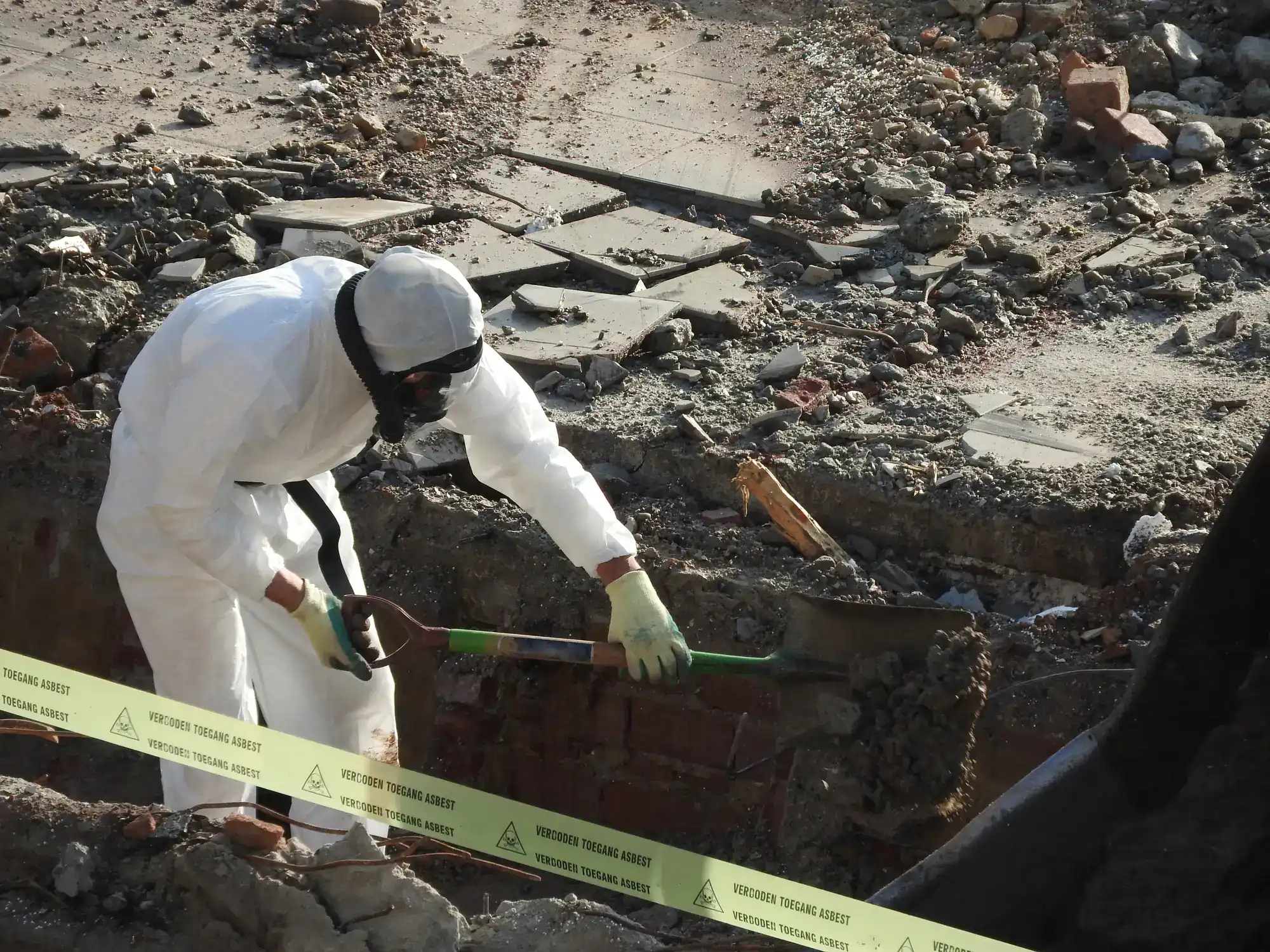
Pennsylvania law requires that any contractor performing asbestos abatement be certified under the state’s Asbestos Occupations Accreditation and Certification Act (Act 194). That’s not optional, and it’s not just a formality. Unlicensed operators working in this space are violating state law — and putting your family, your home, and your legal standing at risk. Montgomery County’s own guidance directs residents to licensed contractors, and asbestos is not accepted at county Household Hazardous Waste events, which means professional removal is the only legally compliant path.
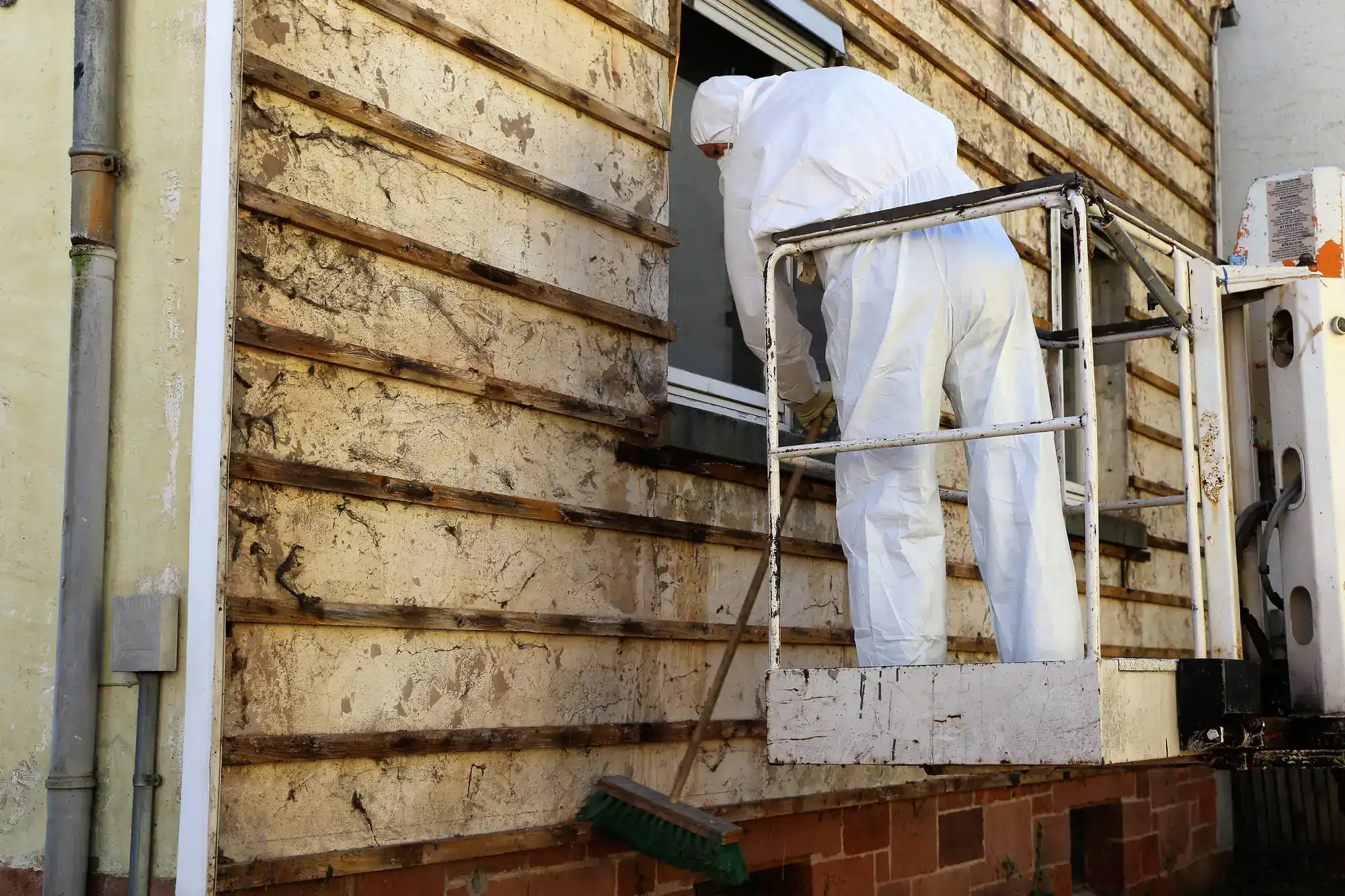
The process starts with containment. Before any material is touched, the work area is sealed with plastic sheeting and negative air pressure machines are set up to ensure that contaminated air moves outward, not into your living space. This step alone separates professional abatement from the kind of casual removal that creates more exposure than it solves.
Once containment is established, the vermiculite is moistened — wetting the material suppresses fiber release during removal. Then specialized high-powered HEPA vacuum systems transfer the material into sealed, enclosed containers. The vacuum hose typically runs directly outside your home so the material never travels through your living areas. Standard shop vacuums don’t come close to this standard; they filter down to about 10 microns, while asbestos fibers can be as small as 0.3 microns. A shop vac doesn’t capture them — it recirculates them.
After the bulk removal, the entire attic is cleaned using HEPA vacuums and all surfaces are decontaminated. Then comes air clearance testing — post-removal air samples are taken to confirm that fiber levels in the space meet safe thresholds before containment is removed. This is how you know the job is actually done, not just visually finished.
Disposal happens at a licensed hazardous waste facility in compliance with federal and Pennsylvania DEP regulations. If your project exceeds certain thresholds — 160 square feet or 35 cubic feet of material — federal NESHAP regulations apply, which require advance notification to the state. We handle all of that as part of the project.
We’ve been doing this work in Montgomery County for over twenty years, from the older colonials in Lower Merion to the mid-century ranches in Horsham and Hatfield. Every attic is a little different. Depth of material, accessibility, whether someone added fiberglass batts on top of the vermiculite — all of it affects how the project runs.
Most residential vermiculite removal projects in Montgomery County fall somewhere between $2,000 and $9,000, with the midrange for a standard 1,200–1,500 square foot attic landing around $4,000 to $6,500. Per square foot, the typical range is $10 to $15. Those numbers can move in either direction depending on the specifics of your home.
The biggest cost drivers are attic square footage, insulation depth, and accessibility. A walk-up attic with good headroom is a very different project than a low-clearance crawl space where a crew member can barely turn around. If previous owners added blown-in cellulose or fiberglass on top of the vermiculite, that adds labor and disposal volume. Heavily contaminated material may require additional air clearance testing. These aren’t ways contractors inflate prices — they’re genuine variables that affect how long the job takes and what it costs to do it safely.
For homeowners with Zonolite brand insulation, the ZAI Trust reimbursement option is worth investigating before you assume you’re paying the full amount out of pocket. Proper documentation of the removal — which we provide — is what makes a claim possible.
Testing prior to removal typically runs $250 to $850 depending on scope. We offer free estimates, so you’re not paying anything to find out what your specific project involves. If you’ve just had vermiculite flagged in a home inspection — which happens regularly in Montgomery County communities like the Main Line, Ardmore, Bryn Mawr, and the older neighborhoods around Norriton — and you’re working against a closing deadline, we’re available around the clock. Not “leave a message and we’ll call you back Monday.” Actually available.
If you’ve made it this far, you probably already know you’re not going to ignore this. The material is there, the risk is real, and the longer a renovation sits on pause or a real estate deal hangs in limbo, the more expensive the delay gets — in every sense.
The good news is that this is a solvable problem. Professional vermiculite removal is well-understood, the process is defined, and with the right contractor it goes smoothly. You don’t need to coordinate a testing company, a removal company, and a cleanup crew. We handle all of it.
EJS Environmental Services LLC has been serving Montgomery County and the surrounding area for over twenty years. We’re fully licensed, bonded, and insured under Pennsylvania’s certification requirements, and we’re available when you actually need us. Reach out for a free estimate — no obligation, no pressure, just a clear picture of what your project involves.
Summary:
Article details:
Share: